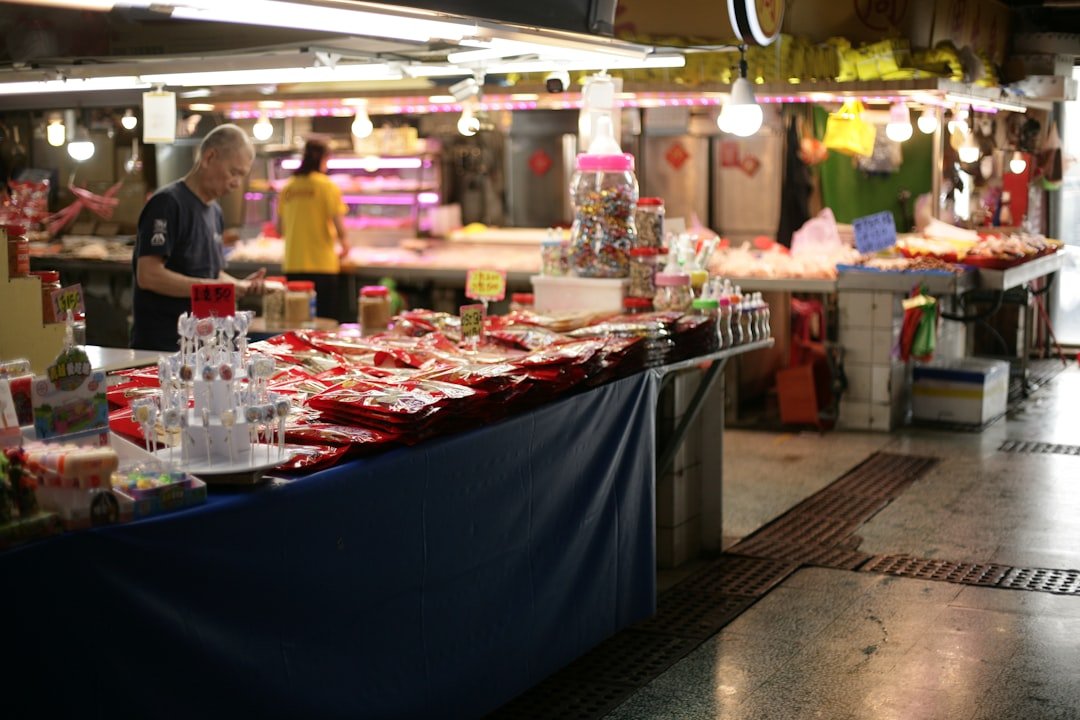
Istanbul’s Spice Bazaar, or Mısır Çarşısı, is a historic covered market in Eminönü known for spices, Turkish delight, tea, dried fruit, nuts, coffee, and souvenirs. Its vaulted Ottoman interior is compact enough to explore without a complicated route, but knowing what to buy, how to bargain, and when to visit makes the experience much easier.
Quick Answer
The Spice Bazaar Istanbul is in Eminönü beside the New Mosque. Its current website lists opening hours of 08:00–19:30, seven days a week. Visit for spices, lokum, tea, nuts, dried fruit, coffee, and traditional gifts, and compare several sellers before buying higher-priced products.
Last checked: October 1, 2026. Dates and figures were verified against official sources.
Key Takeaways
- The bazaar was completed as part of the New Mosque complex in the 17th century and opened around 1663–1664.
- The historic market has an L-shaped plan and six gates, so it is much easier to explore than the much larger Grand Bazaar.
- Spices, tea, Turkish delight, dried fruit, nuts, coffee, textiles, jewelry, and handicrafts are all sold here.
- Polite bargaining remains part of the market culture, although the amount of flexibility varies by shop and product.
- Eminönü is served by the T1 and T5 tram lines as well as nearby ferry connections.
History and significance of the Spice Bazaar
The Spice Bazaar is a 17th-century Ottoman market built as part of Istanbul’s New Mosque complex. Although the larger mosque project began earlier, the market was opened around 1663–1664 and became an important commercial space in Eminönü, an area already closely tied to maritime trade.
The history is more precise than the simple claim that the bazaar was “established in 1660.” The New Mosque project began under Safiye Sultan in 1597, stopped for decades, and was later continued under Hatice Turhan Sultan. The market forming the complex’s commercial arasta was opened in the 1660s. The Fatih government history of Mısır Çarşısı describes the arasta as opening in 1663–1664.
An arasta is a row or group of shops associated with a larger religious or charitable complex. Income from such shops traditionally helped support the associated foundation. This connection explains why commerce and the New Mosque developed together in such a busy part of the city.
The market was known in early Ottoman accounts as Yeni Çarşı, meaning New Bazaar, and Valide Çarşısı. By the 18th century, Mısır Çarşısı became the common name because goods and spices arriving through Egypt were strongly associated with the market.
Spice trading gave the bazaar its lasting identity. Early merchants included herbalists and cotton sellers, while the modern market carries a much broader selection. Its role has therefore changed without losing the food, spice, and specialty-goods character that makes it distinctive.
Architecturally, the bazaar has an L-shaped layout, vaulted shop units, and six gates. This compact design is very different from the sprawling network of streets in the Grand Bazaar and makes a first visit relatively straightforward.
How to navigate the Spice Bazaar Istanbul
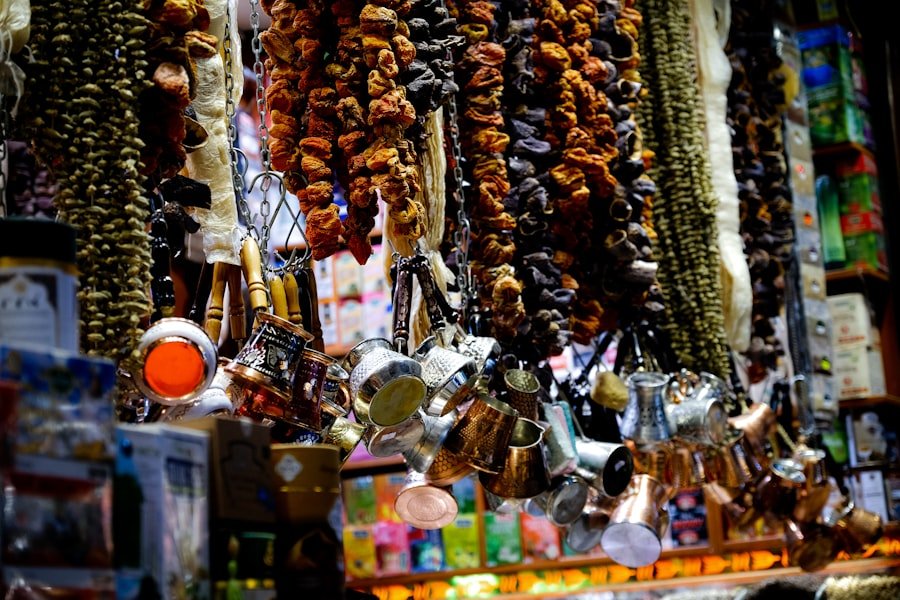
The Spice Bazaar can feel intensely busy, but its basic layout is simple. Walk through one arm of the L-shaped covered market, explore the junction, and continue through the other arm while noting which gate you entered so you can orient yourself when you step back into Eminönü.
Start by walking through once before making expensive purchases. You will see repeated categories such as spices, sweets, tea, dried fruit, nuts, jewelry, textiles, and handicrafts, so the first stall is rarely your only opportunity to buy something.
The surrounding streets are also part of the experience. Shops outside the covered hall sell food, coffee, cheese, olives, sweets, kitchen goods, and other everyday products. Turkey’s official tourism guide notes that the commercial area continues beyond the bazaar itself and recommends exploring the adjoining Eminönü market streets. The GoTürkiye Spice Bazaar guide also confirms that sampling and haggling are established parts of the experience.
Visit early if you prefer a calmer market
An earlier visit generally gives you more room to look closely at displays and speak with sellers before the busiest part of the day. If the covered lanes are crowded, avoid stopping suddenly in the middle of the passage and step closer to the storefront while deciding what to buy.
Compare products before agreeing on a price
Quality, packaging, origin, and price can differ between sellers. Compare two or three shops for products such as saffron, tea, nuts, dried fruit, and larger boxes of Turkish delight before committing to a purchase.
Ask the seller what is included, how the item is priced, and whether the quoted amount is per package or by weight. For products sold loose, confirm the weight before the package is sealed.
How bargaining works
Bargaining is a traditional part of bazaar shopping, but that does not mean every price is negotiable. Some sellers may have firm prices for food products, while souvenirs or larger purchases may leave more room for discussion.
Keep the exchange friendly. Ask for the price, compare alternatives, and make a reasonable counteroffer if appropriate. You can always decline politely and continue shopping if the price does not suit you.
Pro Tip: Taste a sample before buying sweets, nuts, or dried fruit when a seller offers one, then confirm that the packaged product is the same type and quantity you selected.
Must-try spices and products at the Spice Bazaar
The most useful purchases are products you understand and will actually use. Sumac, pul biber, saffron, dried fruit, nuts, tea, Turkish delight, coffee, and pomegranate molasses are easy starting points, while the wider market also carries jewelry, textiles, handicrafts, and other souvenirs.
| Spice/Product | Description | Usage |
|---|---|---|
| Saffron | A highly prized spice known for its vibrant color and distinct flavor. | Used in rice dishes, soups, and desserts. |
| Sumac | A tangy, lemony spice with a deep red color. | Sprinkled on salads, meats, and grilled vegetables. |
| Pomegranate Molasses | A thick, tangy syrup made from pomegranate juice. | Used in marinades, dressings, and sauces. |
| Za’atar | A blend of herbs, sesame seeds, and sumac. | Sprinkled on bread, salads, and roasted vegetables. |
Sumac and Turkish red pepper flakes
Sumac is one of the easiest spices to use at home. Its tart flavor works well with salads, onions, grilled meat, vegetables, and many savory dishes without adding the sharp acidity of fresh lemon juice.
Turkish red pepper flakes, commonly called pul biber, are another practical purchase. Heat levels vary, so ask whether a particular batch is mild or hot before buying a large quantity.
Saffron
Saffron deserves more care because it is an expensive product and quality varies. Ask the seller about the saffron’s origin, weight, and form rather than relying only on a colorful display or a generic label.
If you plan to buy it as a gift, choose packaging that clearly identifies the product. Whole threads are easier to inspect than an unidentified powder.
Turkish delight and other sweets
Turkish delight, or lokum, remains one of the bazaar’s signature edible gifts. Common flavors include rose, citrus, pistachio, hazelnut, and other nut-filled varieties.
When samples are offered, taste before choosing a box. Check whether the price is based on weight, package size, or a preassembled gift box so there is no confusion at checkout.
Dried fruit, nuts, tea, and coffee
Dried figs, apricots, dates, pistachios, hazelnuts, almonds, herbal infusions, black tea, and coffee appear throughout the market and surrounding streets. These are useful products to compare because freshness, packaging, and price can vary noticeably from one counter to another.
Apple-flavored tea products and colorful herbal blends are especially visible in tourist-oriented displays. If you want traditional Turkish black tea, ask specifically for black tea rather than assuming every brightly colored mixture is the same type of product.
Exploring the diverse range of vendors at the Spice Bazaar
The modern Spice Bazaar is broader than its name suggests. Food remains central, but the current market also includes merchants selling jewelry, textiles, handcrafted goods, souvenirs, sweets, coffee, breakfast products, and other items, creating a mix of culinary shopping and general retail.
Some shops specialize deeply in one category, while others carry a wide assortment. A spice seller may be better prepared to explain different pepper varieties or blends, while a confectionery shop may offer more choices of lokum, sweets, and packaged gifts.
Do not assume that every colorful display represents a locally produced item. Ask where a product comes from, whether it is packaged by the seller, and what exactly is included when origin or ingredients matter to you.
The market’s current website lists spices, herbal teas, coffee, nuts, dried fruit, fruit pastes, Turkish delight, sweets, breakfast foods, jewelry, textiles, and handicrafts among its product categories. That variety is one reason a complete walk through the bazaar is useful before you begin buying.
Look beyond the covered hall
The neighboring Eminönü streets extend the market atmosphere outside the historic building. Food shops, coffee sellers, fishmongers, dairy shops, sweet shops, and other merchants create a larger commercial district rather than an isolated tourist attraction.
This surrounding area is also useful if you want to compare prices or find a product that was unavailable inside. You can explore the covered bazaar first, then walk the nearby commercial streets with a better sense of what is being sold.
Experiencing the cultural and culinary side of the Spice Bazaar
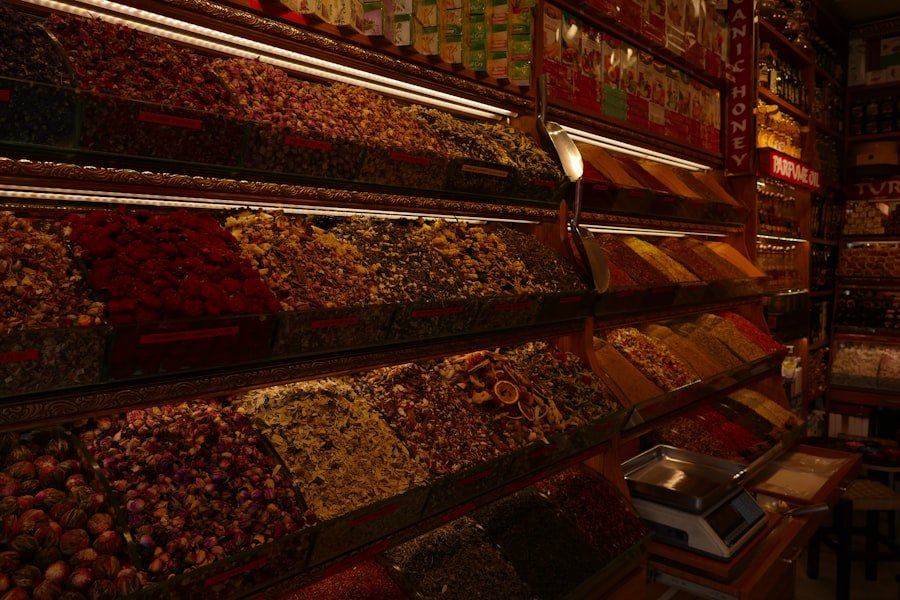
The Spice Bazaar is more than a place to purchase seasonings. Its vaulted architecture, traditional trade, food displays, and surrounding Eminönü streets connect shopping with Istanbul’s culinary history, making the visit worthwhile even if you plan to buy only a few small items.
Pause long enough to look above the storefronts. The architecture can be easy to miss because the products are so visually dominant, yet the stone-and-brick structure, arches, vaulted ceilings, and historic gates are an important part of the experience.
You can also taste traditional foods in and around the wider market district. Depending on where you walk, you may find Turkish sweets, coffee, simit, savory dishes, cheese, olives, fish, and other foods sold in the streets around Eminönü.
Many sellers offer small samples of sweets, nuts, dried fruit, or other products. Sampling is useful, but it does not obligate you to buy. Take your time and ask questions if ingredients, sweetness, spice level, or storage matter to you.
Culinary workshops and demonstrations are occasionally held within or near the bazaar, and some sellers or local operators may offer guided tastings or food-focused experiences. Availability varies, so treat these as optional additions rather than something guaranteed on every visit.
Insider tips and less obvious finds at the Spice Bazaar
Some of the most interesting purchases are easy to overlook because visitors naturally focus first on saffron, Turkish delight, and towering spice displays. Regional pepper flakes, baharat blends, dried herbs, fruit products, honey, coffee accessories, ceramics, and textiles can be equally useful souvenirs.
Ask about baharat blends
Baharat simply means “spices” in Arabic and is also used for various spice mixtures across the region. Blends can differ widely, with ingredients such as cumin, coriander, cinnamon, pepper, and other spices appearing in different proportions.
Instead of assuming every baharat mixture tastes the same, ask what is in the blend and what dishes the seller recommends using it with. This gives you a better chance of buying something you will actually cook with.
Inspect handmade and decorative goods
The bazaar is not limited to edible products. Ceramics, textiles, jewelry, tea glasses, coffee accessories, and other handcrafted or decorative items appear among the food-focused shops.
For a souvenir, compare the workmanship and ask where an item was made. The fact that something is sold in a historic Turkish market does not automatically tell you its origin or production method.
Look for seasonal and changing stock
Food displays can change with availability and demand. Dried fruit, nuts, preserves, teas, sweets, and other goods may vary by seller and season, so part of the value of browsing is seeing what is actually fresh and available during your visit.
Practical information: hours, location, and transport
The Spice Bazaar is in Rüstem Paşa in Istanbul’s Eminönü area, beside the New Mosque and close to the Golden Horn waterfront. As of October 1, 2026, the official Mısır Çarşısı site lists working hours of 08:00–19:30 and says the bazaar is open seven days a week.
Current Spice Bazaar opening hours
Published hours: 08:00–19:30, seven days a week. Individual shops may open later or close earlier than the overall market hours, particularly around holidays or unusual trading days.
If you are visiting mainly to shop rather than simply see the building, avoid arriving close to closing time. That gives you enough time to compare products, ask questions, and finish purchases without rushing.
Where is the Spice Bazaar?
The bazaar is in Eminönü, within Fatih on Istanbul’s historic peninsula. It stands beside the New Mosque and close to the waterfront transport hub, making it easy to combine with nearby historic areas without needing a car.
How to get there by tram or ferry
The T1 Kabataş–Bağcılar tram stops at Eminönü. Metro İstanbul also lists connections at Eminönü with the T5 Eminönü–Alibeyköy tram and city ferry services. You can confirm the current station sequence and operating information on the Metro İstanbul T1 line page.
From the Eminönü transport area, walk toward the New Mosque and the market entrances. Because the surrounding streets are busy with pedestrians, shops, transit passengers, and delivery activity, allow a little extra time rather than treating the final walk as an exact connection.
What to bring
- A small reusable bag if you expect to buy packaged food or souvenirs.
- A written list of spices or products you actually want so colorful displays do not distract you from your priorities.
- A secure bag or wallet that is easy to keep close in crowded passages.
- Enough time to compare several sellers before making higher-value purchases.
Whether you are shopping seriously or simply exploring, the best approach is to walk through the covered bazaar once, note the products that interest you, and then return to the strongest sellers. That gives you more context for prices, quality, packaging, and choice before you spend.
If you’re interested in exploring more produce after visiting the market, you may also want to read this guide to Asian melon varieties and flavors.
Frequently Asked Questions
What is the Spice Bazaar in Istanbul?
The Spice Bazaar, also called the Egyptian Bazaar or Mısır Çarşısı, is a historic covered market in Istanbul’s Eminönü area. It forms part of the New Mosque complex and is known for spices, sweets, tea, dried fruit, nuts, coffee, handicrafts, textiles, jewelry, and souvenirs.
What can I buy at the Spice Bazaar?
You can buy spices, Turkish delight, tea, coffee, dried fruit, nuts, sweets, breakfast products, jewelry, textiles, handicrafts, and souvenirs. Sumac, pul biber, saffron, lokum, dried figs, apricots, and nuts are among the products visitors commonly compare.
When is the Spice Bazaar open?
The Spice Bazaar’s current website lists opening hours of 08:00–19:30, seven days a week. Individual shops can keep slightly different hours, so arriving well before closing is sensible if you want time to compare products and make purchases.
Is haggling common at the Spice Bazaar?
Yes, polite haggling remains part of the bazaar’s shopping culture. However, not every seller or product has the same amount of flexibility, so ask the price first, compare several shops, and keep any negotiation friendly rather than assuming every listed price must be reduced.
Are there food and drink options at the Spice Bazaar?
Yes, the bazaar and surrounding Eminönü market streets offer many food and drink options. You can find sweets, coffee, dried fruit, nuts, cheese, olives, fish, savory foods, and other Turkish specialties while exploring the wider market district.
How do I get to the Spice Bazaar?
Take the T1 tram to Eminönü and walk toward the New Mosque and nearby market entrances. Eminönü also connects with the T5 tram and city ferry services, making the bazaar convenient to reach from several parts of Istanbul.
Is the Spice Bazaar the same as the Grand Bazaar?
No, the Spice Bazaar and Grand Bazaar are separate historic markets. The Spice Bazaar is smaller, L-shaped, and strongly associated with food, spices, sweets, and specialty goods, while the Grand Bazaar is a much larger covered shopping complex with many streets and a broader retail mix.
Sources
- Mısır Çarşısı 1664: Current opening hours, product categories, history, layout, and visitor information.
- Fatih District Governorate: Historical development, New Mosque connection, opening period, market name, architecture, and six gates.
- GoTürkiye: Spice Bazaar shopping culture, products, sampling, bargaining, and the surrounding Eminönü market area.
- Metro İstanbul: T1 Eminönü station and connections with the T5 tram and ferry services.