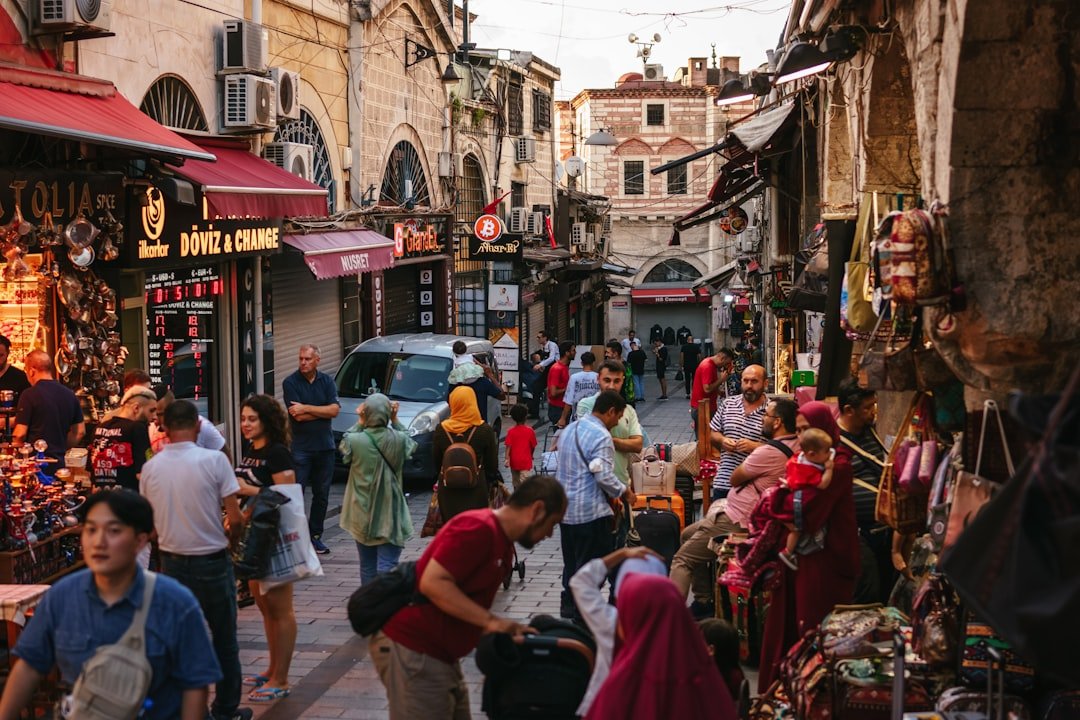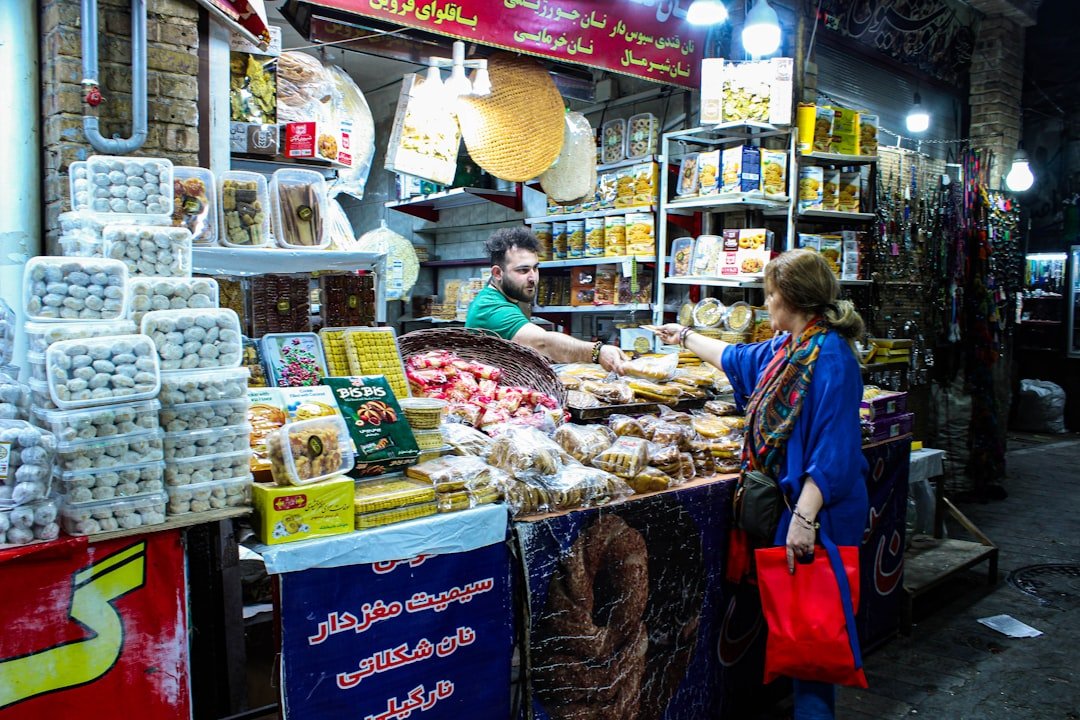
Istanbul is one of the easiest cities to explore through food because every neighborhood offers a different part of the story. A good Istanbul food tour can combine market stalls, street snacks, traditional restaurants, meyhanes, desserts, and modern Turkish cooking without turning the day into a rushed checklist. The key is to choose a compact route and taste several small portions instead of trying to cross the whole city for individual dishes.
Quick Answer
For a first Istanbul food tour, combine Eminönü’s Spice Bazaar and waterfront street food with Kadıköy’s market streets, then add one sit-down meal in Beyoğlu, Karaköy, or Sultanahmet. Prioritize simit, döner or kebab, meze, börek, balık ekmek, and a Turkish dessert. Guided and self-guided routes can both work well.
Last checked: October 1, 2026. Dates and figures were verified against official sources.
Key Takeaways
- Eminönü is especially useful for the Spice Bazaar and classic waterfront snacks, while Kadıköy gives you a dense mix of market shops, regional cooking, meze, bakeries, and casual restaurants.
- Simit, döner, balık ekmek, midye dolma, börek, meze, kebabs, baklava, Turkish coffee, and tea give first-time visitors a broad introduction to the city’s food culture.
- Do not make every stop a full meal. Sharing small portions lets you compare more dishes without wasting food.
- For a special dinner, Istanbul also has modern restaurants that reinterpret Anatolian and Turkish ingredients with contemporary techniques.
Must-Try Traditional Turkish Dishes
Turkish cuisine is much broader than one style of kebab. On an Istanbul food tour, aim for a mix of grilled meat, vegetable dishes, pastries, meze, sweets, and drinks so you experience different cooking traditions rather than repeating similar plates.
Döner and grilled kebabs
Döner is meat cooked slowly on a vertical rotating spit and sliced as it browns. Depending on the shop, it may be served in bread, wrapped in flatbread, or plated with accompaniments. The official GoTürkiye guide to Istanbul street foods also identifies döner as one of the city’s best-known quick meals.
For a sit-down meal, try a charcoal-grilled kebab. Adana-style kebab is usually spicy, while Urfa-style kebab is milder. Şiş kebab uses pieces of meat cooked on skewers. Instead of ordering several meat dishes at once, choose one and add salad, bread, or a vegetable side.
Meze and the meyhane table
Meze are small dishes meant for sharing. Depending on the restaurant, the selection may include yogurt-based dishes, eggplant preparations, stuffed vine leaves, beans, seafood, salads, or seasonal vegetables cooked in olive oil.
A traditional meyhane is built around a slow, social meal of meze and other shared dishes. Rakı, an anise-flavored alcoholic drink, is commonly associated with this style of dining, but you do not need to drink alcohol to enjoy the food.
Börek, mantı, and other comforting dishes
Börek is a savory pastry made in many forms and filled with ingredients such as cheese, spinach, potato, or minced meat. It works well as a breakfast item or a smaller food-tour stop because portions can be shared.
Mantı are small dumplings commonly served with yogurt and a seasoned butter or sauce. You may also see pide, lahmacun, köfte, stuffed vegetables, lentil soup, and home-style stews across the city. These dishes show how much Istanbul’s food scene extends beyond street snacks.
Baklava, Turkish delight, coffee, and tea
Baklava combines thin pastry layers, nuts, butter, and syrup. Turkish delight, or lokum, comes in many flavors and textures. Both are better treated as separate tasting stops instead of being squeezed in after an already large meal.
Turkish coffee is prepared unfiltered and served in a small cup, while black tea is an everyday drink throughout Istanbul. Either makes a natural pause between savory tastings.
Top Street Food and Market Finds
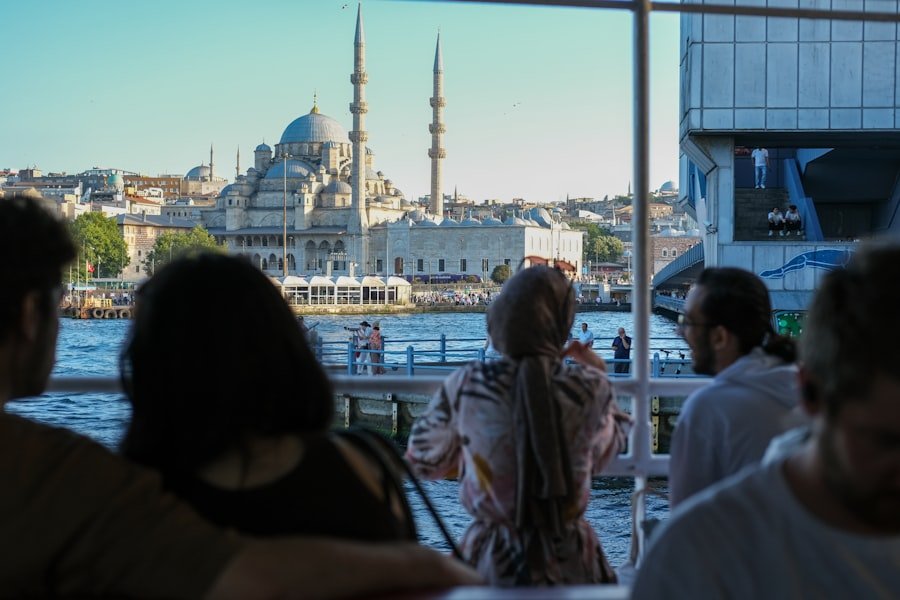
Istanbul street food is best approached as a series of small stops. The most useful places for first-time visitors include Eminönü, Kadıköy, Beyoğlu, Beşiktaş, Ortaköy, and busy ferry areas where food is part of everyday city life.
Simit
Simit is a ring-shaped bread covered with sesame seeds. You will see it at bakeries, carts, and transport hubs throughout the city. It is especially useful at the start of a food tour because it is easy to share and pairs naturally with tea.
Balık ekmek
Balık ekmek literally means “fish bread.” It is a fish sandwich associated strongly with Istanbul’s waterfront, especially around Eminönü. Eat it soon after it is prepared so the bread and fish are at their best.
Midye dolma and kokoreç
Midye dolma are mussels filled with seasoned rice and typically finished with lemon. They are common around Kadıköy, Beyoğlu, Karaköy, and other busy areas. Because shellfish is perishable, choose a busy seller with fast turnover and good food-handling practices.
Kokoreç is seasoned sheep intestine cooked over heat and usually chopped into bread. It has a stronger flavor and texture than many first-time visitors expect, so it is a good choice if you want something more adventurous.
Kumpir, börek, and quick meals
Kumpir is a large baked potato mixed with butter and cheese, then topped with ingredients chosen by the customer. Ortaköy is particularly associated with kumpir stalls. Börek, rice dishes, roasted chestnuts in cooler weather, and quick döner sandwiches are other easy additions to a walking route.
Spice Bazaar and Kadıköy market streets
The Spice Bazaar, or Mısır Çarşısı, sits in Eminönü beside the New Mosque. According to the İstanbul Provincial Directorate of Culture and Tourism, the current bazaar building dates to 1660. Today you will find spices, nuts, dried fruits, sweets, and other food products among its shops.
Do not stop at the covered bazaar alone. The surrounding Eminönü commercial streets add coffee, cheeses, olives, dried goods, and casual food counters to the experience.
On the Asian side, Kadıköy’s market area brings fishmongers, produce sellers, cheese shops, spice merchants, bakeries, restaurants, and meyhanes into a compact neighborhood. This makes it one of the easiest areas for a self-guided tasting walk.
Pro Tip: Order one item to share at early stops. Saving room matters more than trying to finish a full portion everywhere.
Four Food Stops Worth Knowing
No single restaurant represents Istanbul’s entire food culture. These four current options cover regional Anatolian cooking, traditional grilling, and contemporary fine dining, so they are more useful than choosing several similar restaurants.
| Restaurant Name | Location | Cuisine | Practical Detail |
|---|---|---|---|
| Çiya Sofrası | Kadıköy | Regional Anatolian | Current listings show lunch-through-dinner service; expect a changing selection of regional dishes. |
| Khorasani | Sultanahmet, Fatih | Traditional grills | Michelin currently lists daily service from 11:00 to 03:00 and a ₺₺ price category. |
| Mikla | Beyoğlu | New Anatolian / modern | Dinner Monday–Saturday; closed Sunday. Michelin places it in the ₺₺₺₺ category. |
| Neolokal | SALT Galata, Karaköy | Modern Turkish | Michelin currently lists Tuesday–Saturday 18:00–01:00, with Monday and Sunday closed. |
Çiya is especially useful if your food tour reaches Kadıköy. Its own site describes a broad culinary approach extending through Anatolia and surrounding regions, with an emphasis on preserving foods and traditions that are less commonly seen in standardized restaurant menus.
In Sultanahmet, Khorasani’s Michelin listing identifies it as a traditional grill restaurant. That makes it a more focused choice for kebabs than trying to cover every style of Turkish cooking in one Old City meal.
For a traditional meyhane atmosphere in Beyoğlu, Asmalı Cavit remains another useful option for meze, seafood, and a long evening meal. Reservations are sensible for popular dinner periods.
Exploring Istanbul’s Diverse Neighborhoods Through Food
The easiest way to understand Istanbul’s food is neighborhood by neighborhood. Each area has its own mix of markets, commuter food, restaurants, bakeries, nightlife, and historic trade routes.
Eminönü and Sirkeci
Start here if markets and street food are your priority. The Spice Bazaar, surrounding commercial lanes, waterfront, ferry traffic, coffee shops, sweets, and balık ekmek can all fit into one compact route.
Sultanahmet and Fatih
This area works well when food needs to fit around major historic sights. You will find grill restaurants, kebabs, Ottoman-influenced dishes, bakeries, and traditional sweets. Because the busiest sightseeing streets serve many one-time visitors, compare menus before sitting down rather than choosing the first restaurant beside an attraction.
Karaköy, Galata, and Beyoğlu
These connected districts mix older institutions with modern cafés, meyhanes, bakeries, bars, and chef-led restaurants. They are especially useful later in the day because you can move from coffee or dessert to dinner without traveling across Istanbul again.
Kadıköy
Kadıköy is one of the most practical food-tour areas on the Asian side. The market streets near the ferry terminal give you regional foods, produce, fish, cheese, pastries, meze, sweets, and casual restaurants within walking distance.
A Bosphorus ferry crossing also creates a natural break between tastings. Instead of treating the Asian side as a separate day trip, you can combine Eminönü and Kadıköy in one food-focused day.
Beşiktaş and Ortaköy
Beşiktaş is useful for breakfast, bakeries, market streets, and quick local meals. Nearby Ortaköy is strongly associated with kumpir and offers an easy waterfront food stop if your sightseeing already brings you to the Bosphorus.
Culinary Workshops and Cooking Classes
A cooking class can add more depth than another restaurant meal because you learn how ingredients and techniques fit together. Classes vary widely, so choose the format based on what you actually want to learn rather than simply booking the longest option.
For a first class, a program covering several Turkish dishes is usually more useful than one focused on a single dessert. A market visit can also be valuable because it shows how ingredients such as herbs, cheeses, spices, olives, fish, and seasonal produce are selected before cooking begins.
Before booking, confirm what you will cook yourself, how much is demonstration, whether ingredients and the meal are included, and whether the class can safely handle allergies or dietary restrictions. Travelers with serious food allergies should contact the provider before paying rather than relying on a note added at arrival.
Note: The previously cited Istanbul Culinary Institute could not be confirmed as a current visitor cooking-class option during this review, so it has not been recommended here.
Fine Dining and Modern Turkish Cuisine
Istanbul’s fine-dining scene shows another side of Turkish food. Instead of reproducing traditional dishes exactly, chef-led restaurants may use regional ingredients, old recipes, seasonal produce, and modern techniques to present familiar flavors in a different form.
Mikla, at The Marmara Pera in Beyoğlu, describes its approach as New Anatolian Cuisine. Its current official schedule lists restaurant service Monday through Saturday from 18:00 to 24:00, with the last food order at 21:30; it is closed on Sundays and does not serve lunch.
Neolokal, inside SALT Galata in Karaköy, focuses on Turkish culinary traditions, endangered food heritage, and contemporary interpretation. The current Michelin listing for Neolokal shows service Tuesday through Saturday from 18:00 to 01:00, with Monday and Sunday closed.
These restaurants belong in a different category from a market crawl or street-food tour. If you want to experience both sides of Istanbul’s food scene, keep the daytime casual and make the fine-dining meal the final stop rather than trying to fit tasting menus between street snacks.
How to Build a One-Day Istanbul Food Tour
A strong one-day route should minimize transport and leave space between tastings. For a first visit, the Eminönü-to-Kadıköy combination gives you a historic market, street food, a ferry crossing, and a dense Asian-side food district without excessive backtracking.
- Start in Eminönü. Have simit and tea or another light breakfast rather than a large hotel meal.
- Explore the Spice Bazaar and nearby food streets. Look at spices, dried fruit, nuts, sweets, coffee, cheeses, and other specialty foods.
- Add one waterfront street-food stop. Balık ekmek is the obvious classic if you want a savory lunch-size tasting.
- Cross to Kadıköy. Use the ferry journey as a break before eating again.
- Walk the Kadıköy market area. Share small portions of börek, meze, regional dishes, sweets, or other foods that catch your attention.
- Finish with one proper meal. Stay in Kadıköy for a meyhane or regional dinner, or return to Beyoğlu or Karaköy for a modern restaurant.
If you have more than one food-focused day, separate the themes. Use one day for markets and street food, another for traditional sit-down cooking, and a third evening for meze or modern Turkish fine dining. That approach gives each style enough attention.
Tips for Navigating Istanbul’s Food Scene
The biggest mistake on an Istanbul food tour is trying to eat too much too quickly. The city rewards slow tasting, so keep portions small early in the day and save room for the places that look most interesting once you arrive.
- Follow turnover. Busy stalls and restaurants continually preparing fresh food are generally better choices than places with food sitting for long periods.
- Ask what is seasonal or made that day. This matters most at lokantas, fish restaurants, market counters, and places with rotating regional dishes.
- Share dishes. Meze, desserts, pastries, and many street foods are easy to divide between two or more people.
- State allergies clearly before ordering. Do not assume a vegetable dish is free of dairy, nuts, gluten, meat stock, or other ingredients that matter to you.
- Check the bill before paying. Confirm that the items and quantities match what you ordered, especially at restaurants serving many shared plates.
- Reserve destination restaurants. This is especially useful for fine dining and popular meyhanes, while street-food and market stops usually work better without a rigid timetable.
A guided food tour can be useful if you want someone else to handle the route, explain unfamiliar dishes, and introduce the cultural background of each stop. Current Istanbul tours range from shorter neighborhood walks to longer cross-city experiences, with many falling roughly within a 3-to-6-hour window.
A self-guided tour gives you more flexibility and can work especially well in Eminönü or Kadıköy, where many food stops are close together. Whichever format you choose, focus on a few neighborhoods rather than spending the day traveling between distant restaurants.
Frequently Asked Questions
What is an Istanbul food tour?
An Istanbul food tour is a guided or self-guided route built around the city’s dishes, markets, street vendors, bakeries, cafés, and restaurants. Good routes focus on a compact group of neighborhoods so you can taste several foods while also learning how local markets, ferry routes, and dining traditions fit into daily life.
What are the best foods to try on an Istanbul food tour?
Start with simit, döner or a grilled kebab, meze, börek, balık ekmek, and a Turkish dessert such as baklava or lokum. Midye dolma, kokoreç, mantı, pide, lahmacun, Turkish coffee, and tea can broaden the experience if you have enough time and appetite.
What should I expect from an Istanbul food tour guide?
A good food tour guide should organize the route, explain what you are eating, provide cultural context, and help with ordering at unfamiliar stops. Before booking, check what tastings are included, how much walking is involved, which neighborhoods the tour visits, and whether the provider can accommodate your dietary needs.
How long does an Istanbul food tour usually last?
Istanbul food tours vary from shorter neighborhood walks to longer half-day routes. Current commercial tours commonly fall around the 3-to-6-hour range, depending on the number of stops, whether a ferry crossing is included, and how much time is spent sitting down for full tastings.
Is it safe to eat street food on an Istanbul food tour?
Street food can be enjoyed safely when you use normal food-safety judgment. Favor busy vendors with fast turnover, choose food that is cooked or assembled fresh, and be more cautious with highly perishable items such as shellfish. Travelers with serious allergies should explain them clearly before ordering.
Which Istanbul neighborhoods are best for food?
Eminönü is strong for markets and classic street food, while Kadıköy combines market shopping, casual restaurants, meze, bakeries, and regional cooking. Beyoğlu and Karaköy are useful for meyhanes and modern dining, Beşiktaş for breakfast and casual food, and Sultanahmet for convenient meals near major historic sights.
Can vegetarians enjoy an Istanbul food tour?
Yes. Turkish cuisine includes many vegetable dishes, salads, breads, cheeses, yogurt dishes, lentil preparations, olive-oil dishes, pastries, and desserts. However, recipes vary, so vegetarians and vegans should still ask about meat stock, butter, yogurt, eggs, and other animal ingredients before ordering.
Do I need restaurant reservations for an Istanbul food tour?
You usually do not need reservations for street-food stalls, bakeries, or casual market stops. Reservations are more useful for popular meyhanes, special-occasion restaurants, and fine-dining venues such as Mikla or Neolokal. Keeping daytime stops flexible also makes it easier to follow what looks freshest or busiest.
If you’re interested in exploring another distinctive ingredient, you may also want to read this article about Asian melon.
Sources
- GoTürkiye: The 10 Most Popular Street Foods of İstanbul: Supports descriptions and locations of major Istanbul street foods.
- İstanbul Provincial Directorate of Culture and Tourism: Mısır Çarşısı: Supports the Spice Bazaar’s location, history, and 1660 construction date.
- Çiya: Supports Çiya’s regional culinary focus and Kadıköy market location.
- Michelin Guide: Khorasani: Supports cuisine, location, price category, and current listed opening hours.
- Mikla Restaurant: Supports its New Anatolian approach, location, and current restaurant hours.
- Neolokal: Supports its culinary philosophy, chef-led approach, and SALT Galata location.
- Michelin Guide: Neolokal: Supports its modern Turkish cuisine, price category, and current listed opening days and hours.