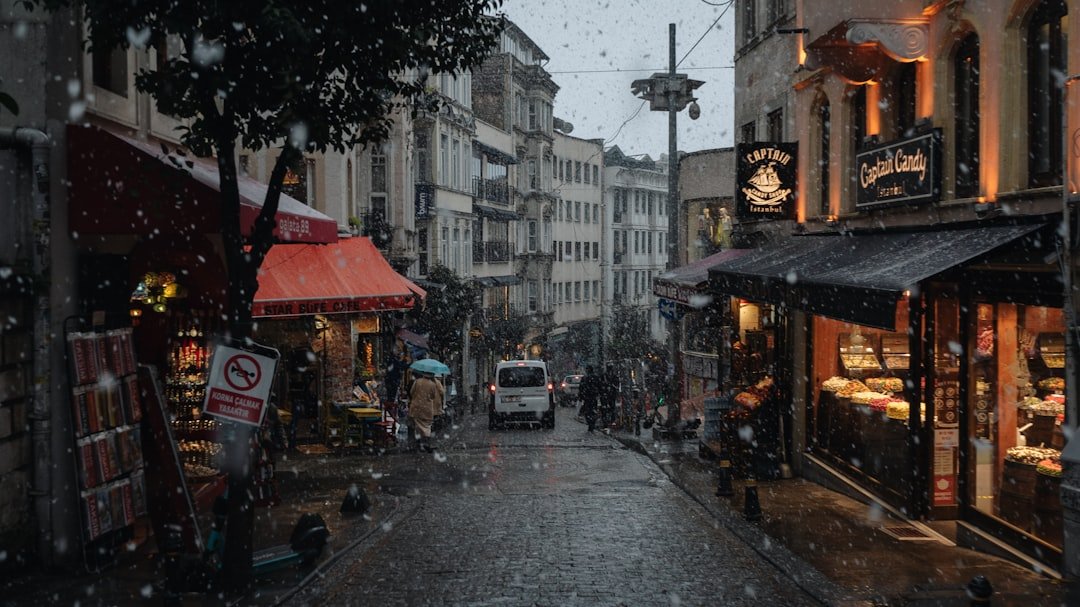
Rain does not have to ruin a day in Istanbul. The city has excellent museums, underground historic sites, covered bazaars, hammams, cafés, workshops, aquariums, shopping centers, and performance venues that can keep you busy for hours. The key is knowing which attractions are genuinely indoors and which still require time outside in courtyards, terraces, or open-air areas.
Quick Answer
On a rainy day in Istanbul, focus on museums, cisterns, covered bazaars, hammams, cafés, workshops, aquariums, and indoor performances. Istanbul Modern, the Archaeological Museums, Basilica Cistern, Grand Bazaar, a traditional hammam, and family attractions such as Istanbul Aquarium can fill a full day with only short outdoor transfers.
Key Takeaways
- Museums, underground cisterns, hammams, covered bazaars, aquariums, workshops, and performing-arts venues are among Istanbul’s best rainy-day choices.
- Hagia Sophia is an active mosque, not a museum, and sightseeing access follows a separate visitor route.
- Topkapı Palace is worthwhile in rain but is not completely indoors because its major sections are connected by open courtyards.
- The Grand Bazaar is largely covered, while Miniatürk is substantially open-air and is not ideal during sustained heavy rain.
- Choose two or three attractions in the same area to reduce outdoor transfers and check official opening times before leaving your hotel.
Best Museums and Galleries for a Rainy Day in Istanbul
Istanbul’s museums are some of the strongest choices when the weather turns wet. The Istanbul Archaeological Museums bring together several museum buildings and collections covering civilizations connected with Anatolia, the ancient Near East, Egypt, the Eastern Roman world, and the Ottoman period.
One of the best-known objects is the Alexander Sarcophagus, a richly carved work from the late 4th century BC discovered in the royal necropolis at Sidon. Despite its name and its images of Alexander the Great, it is not considered Alexander’s own coffin. The museum complex also includes the Tiled Kiosk, an important example of Ottoman architecture, so the visit combines archaeology, sculpture, ceramics, and architectural history.
For modern and contemporary art, Istanbul Modern is one of the most convenient rainy-day destinations. The museum returned to its Karaköy waterfront site in 2023 in a purpose-built structure designed by Renzo Piano Building Workshop. Its indoor galleries cover modern and contemporary art, photography, temporary exhibitions, film, education programs, and other cultural events.
Pera Museum in Beyoğlu and Sakıp Sabancı Museum in Emirgan are also useful options when their current exhibitions match your interests. Exhibition programs and closing days change, so check each museum’s official calendar before traveling across the city.
Pro Tip: Rainy days can push more visitors indoors. If a museum offers advance tickets or timed entry, booking before you leave can reduce time spent waiting outside.
Indulging in Turkish Cuisine at Indoor Restaurants and Cafes
Turkish food makes an easy rainy-day activity because a meal can become part of the experience rather than simply a break between attractions. A traditional meal might begin with several meze dishes such as hummus, stuffed grape leaves, eggplant preparations, yogurt-based dishes, or seasonal vegetables. Rakı is a traditional alcoholic accompaniment for some diners, while Turkish tea, ayran, mineral water, and other non-alcoholic drinks are widely available.
Çiya Sofrası in Kadıköy is known for regional Anatolian cooking and is a useful option for visitors who want to go beyond the most familiar kebabs. Daily offerings can vary, which is part of the appeal. If you are already exploring the Asian side, combining a long lunch with nearby covered shops and cafés can keep outdoor walking to a minimum.
For something simpler, stop at a café for simit, pastries, Turkish tea, or Turkish coffee. Simit is a ring-shaped bread coated with sesame seeds and is one of the city’s most recognizable everyday foods.
Pierre Loti Café on Pierre Loti Hill is famous for its Golden Horn views and its association with the French writer Pierre Loti. It can still work during light rain if covered or indoor seating is available, but the hill, viewpoints, cable-car access, and movement around the site mean it is not as completely weatherproof as a museum or underground attraction. On a day of heavy rain, choose a café closer to the rest of your itinerary.
Relaxing at Turkish Baths and Spas
A traditional Turkish bath, or hammam, is one of the most memorable ways to spend a wet afternoon in Istanbul. Historic hammams combine warm marble rooms, steam, washing areas, and traditional treatments such as a kese exfoliation and soap-foam wash.
Çemberlitaş Hamamı is one of the city’s best-known historic examples. Completed in 1584 and associated with the architect Mimar Sinan, it continues to operate as a functioning hammam. Its domed spaces, central heated marble platform, and traditional bathing areas make the architecture part of the experience rather than simply a setting for a spa treatment.
Visitors who prefer a luxury-hotel setting can consider Kurna Spa at Four Seasons Hotel Istanbul at Sultanahmet, which currently offers Turkish hammam rituals along with massages and other spa services. It is better to reserve ahead because treatment availability, guest requirements, and prices can change.
Traditional hammams vary in layout and operating system. Some use separate men’s and women’s sections, while others offer different time slots or private services. Check the venue’s current rules before booking so you know what clothing, towels, slippers, and treatments are included.
Warning: Rainwater, polished stone, hammam floors, palace courtyards, and bazaar entrances can become slippery. Wear shoes with good grip outdoors and use the footwear provided inside bathing facilities.
Shopping at Indoor Markets and Malls
| Feature | Covered Markets | Modern Malls |
|---|---|---|
| Rain Protection | Most main shopping lanes are covered, although entrances and surrounding streets are exposed. | Main interiors are climate-controlled; some malls also have outdoor sections. |
| Typical Shopping | Jewelry, carpets, leather, textiles, ceramics, lamps, souvenirs, antiques, and traditional goods. | International and Turkish fashion, beauty, electronics, home goods, and department stores. |
| Pricing Style | Bargaining may be possible in some independent shops. | Chain stores generally use fixed prices. |
| Best Rainy-Day Use | Culture, browsing, souvenirs, and traditional shopping atmosphere. | Long weatherproof breaks with shopping, dining, cinema, and other indoor services. |
Istanbul’s shopping scene ranges from centuries-old covered markets to modern retail complexes. The Grand Bazaar is one of the world’s best-known covered markets. Current figures vary by source, but the Grand Bazaar Traders Association describes thousands of shops spread across dozens of streets and lanes.
Inside, you will find jewelry, textiles, carpets, ceramics, leather goods, lamps, souvenirs, antiques, cafés, and many specialist trades. The covered lanes make it especially useful when it is raining, although you will still need to cross exposed streets when arriving, leaving, or moving to nearby attractions.
Modern shopping centers such as İstinyePark provide another kind of rainy-day break. Their enclosed sections combine shops, restaurants, cafés, and entertainment, although İstinyePark also includes outdoor areas. During heavy rain, stay within the covered parts rather than assuming every section of the complex is indoors.
Visiting Historical Landmarks, Palaces, and the Basilica Cistern
Historic Istanbul still offers several strong wet-weather choices, but it is important to understand how much of each site is actually sheltered.
Hagia Sophia
Hagia Sophia should not be described as a museum. It is currently an active mosque. The Directorate General of Foundations explains that sightseeing visitors use a paid upper-gallery route, while the prayer area serves worshippers.
The upper gallery gives visitors views into the vast interior and access to important Byzantine-era features. Because it remains a place of worship, visitor routes, dress expectations, security procedures, and access can differ from those of a conventional museum. Check current arrangements before your visit and avoid assuming every area is open for tourism.
Topkapı Palace
Topkapı Palace was the administrative and residential center of Ottoman sultans for centuries and remains one of Istanbul’s major historic attractions. Its collections include imperial objects, arms, manuscripts, sacred relics, and treasures such as the Topkapı Dagger.
However, Topkapı is only partly rainproof. Its rooms, galleries, treasury areas, and pavilions provide shelter, but visitors move through several large open courtyards to reach them. It works well in intermittent or moderate rain; during a severe downpour, a fully enclosed museum may be more comfortable.
Basilica Cistern
The Basilica Cistern is one of the best historical choices for a genuinely wet day. This vast underground water structure dates to the Eastern Roman period and places most of the visitor experience below street level. Its columns, reflected lighting, historic masonry, and underground atmosphere make it very different from Istanbul’s conventional museums.
Because the main visit is underground, it is especially useful when rain is steady. The entrance area and journey to the attraction still require some outdoor exposure, so waterproof footwear remains useful.
Note: Opening days, restoration work, prayer arrangements, ticket systems, and individual gallery access can change. Check the official site of each attraction on the morning of your visit rather than relying on an old itinerary.
Enjoying Indoor Entertainment and Cultural Performances
Istanbul’s cultural life continues after museum closing time, so a rainy evening can be an opportunity to see theater, music, dance, film, or another live performance.
The historic Galata Mevlevi Lodge Museum preserves an important Mevlevi site and a historic sema space. It should not simply be called the “Galata Whirling Dervishes Hall.” If your goal is to attend a Sema ceremony rather than visit the museum, check the current official event program or choose a reputable performance venue with a confirmed show on your date.
Zorlu Performing Arts Center is a modern option with changing programs that can include musicals, theater, concerts, dance, family entertainment, screenings, and other events. Because schedules change constantly, choose the performance first and then build your evening around its start time.
Smaller theaters and cultural spaces in Kadıköy, Beyoğlu, Şişli, and other neighborhoods can also be rewarding, but language matters. Some plays and comedy shows are performed only in Turkish, so check the event description before buying tickets.
Learning at Indoor Workshops and Classes
A rainy day is also a good time to learn something rather than simply sightsee. Cooking classes are popular with visitors who want hands-on experience with Turkish dishes. Depending on the class, you might prepare meze, dolma, pastries, desserts, or a complete meal.
Some programs begin with a market visit before moving to an indoor kitchen. That can be enjoyable in light rain, but if the weather is severe, choose a class that takes place entirely at the cooking school.
Traditional art workshops are another option. Ebru, or paper marbling, creates floating patterns of color that are transferred onto paper. Calligraphy, ceramics, mosaic work, and other craft classes may also be available. Before booking, confirm the teaching language, duration, minimum age, materials included, and whether the class is private or shared.
Workshops can be especially useful for families or travelers staying several days because they turn bad weather into a memorable activity instead of a lost sightseeing day.
Family-Friendly Indoor Attractions and Recreation
Families have several better heavy-rain choices than open-air parks. Istanbul Aquarium is designed around an indoor visitor route and can occupy children for several hours. Rahmi M. Koç Museum in Hasköy is another strong choice for families interested in transport, technology, engineering, vehicles, machinery, and industrial history.
Large shopping centers can also help when children need an easy, weatherproof break. Depending on the mall, you may find cinemas, arcades, play areas, restaurants, or other entertainment. Facilities change, so check the mall’s current directory rather than planning around a specific activity without confirming it.
Miniatürk is worth clarifying because it is sometimes mistakenly recommended as an indoor rainy-day park. The complex displays miniature models of landmarks from Türkiye and beyond, but much of the main attraction is open-air. It can work when showers are brief, but it is not one of the best choices during sustained heavy rain.
Indoor swimming pools, gyms, bowling, climbing facilities, and recreation centers are also available around Istanbul, particularly within hotels and commercial complexes. These are most useful when you want an active break rather than another museum.
How to Plan a Rainy Day in Istanbul
The biggest mistake on a wet day is creating an itinerary that forces you to cross the city repeatedly. Istanbul is enormous, and a route that looks simple on a map can involve long walks, transfers, hills, and exposed station exits.
- Cluster attractions by area. If you are in Sultanahmet, combine nearby historical attractions rather than immediately traveling to Kadıköy or Emirgan.
- Choose one anchor attraction. Start with a museum, hammam, aquarium, workshop, or performance that can comfortably occupy two or three hours.
- Add food nearby. A long indoor lunch or café stop can bridge the wettest part of the afternoon.
- Check closing days. Istanbul museums do not all close on the same weekday.
- Check mosque access separately. Active mosques follow prayer schedules and visitor rules rather than normal museum routines.
- Carry compact rain gear. Even “indoor” sightseeing usually involves short walks between stations, entrances, courtyards, cafés, and hotels.
- Keep a backup option. If outdoor transfers become unpleasant, switch to a nearby café, mall, cinema, hammam, or museum rather than forcing the original plan.
If you prefer to stay in during the heaviest rain, the original at-home idea can still work as a low-key alternative: make homemade cottage cheese and settle in with something to read. Tagline Today also has articles about Asian melon and the late rock musician Ozzy Osbourne if those topics interest you.
Frequently Asked Questions
What are some indoor activities to do in Istanbul on a rainy day?
Good choices include Istanbul Modern, the Istanbul Archaeological Museums, Basilica Cistern, the Grand Bazaar, a traditional hammam, cooking or art workshops, Istanbul Aquarium, Rahmi M. Koç Museum, cinemas, cafés, and indoor performances. Topkapı Palace is also worthwhile, but its courtyards are outdoors.
Are there art galleries or exhibitions to visit in Istanbul on a rainy day?
Yes. Istanbul Modern is one of the major options, while Pera Museum and Sakıp Sabancı Museum also run changing exhibitions. Smaller galleries can be found around Karaköy, Beyoğlu, Nişantaşı, and other districts. Check current exhibitions and closing days before traveling.
Can I still enjoy Istanbul’s food scene on a rainy day?
Absolutely. A rainy day is ideal for a long Turkish breakfast, regional lunch, meze meal, dessert stop, Turkish coffee, or cooking class. Choosing restaurants close to your museum or attraction reduces time spent walking in the rain.
What are some family-friendly indoor activities in Istanbul?
Istanbul Aquarium and Rahmi M. Koç Museum are strong family options. Children may also enjoy interactive museums, workshops, cinemas, mall entertainment, or an enclosed Bosphorus cruise when weather and marine conditions are suitable. Miniatürk is largely open-air, so save it for drier weather.
Are there traditional Turkish experiences to enjoy indoors on a rainy day?
Yes. A traditional hammam, Turkish cooking class, ebru workshop, Turkish coffee stop, regional meal, or confirmed Sema performance can all work well. For cultural performances, verify the current venue and schedule before buying tickets.
Is the Grand Bazaar completely indoors?
Most of the Grand Bazaar’s main shopping streets are covered, making it one of the city’s better rainy-day shopping choices. However, entrances, surrounding streets, nearby restaurants, and routes to public transport are exposed, so you will still spend a little time outside.
Is Topkapı Palace a good choice in heavy rain?
Topkapı Palace has many fascinating indoor rooms, galleries, treasury displays, and pavilions, but the complex is organized around large open courtyards. It is comfortable in light or intermittent rain, while a fully enclosed museum or the Basilica Cistern may be better during a prolonged downpour.
Sources
- Istanbul Archaeological Museums — Turkish Museums — museum history, collections, and the Sidon sarcophagi.
- Istanbul Modern — current Karaköy waterfront museum building and facilities.
- Republic of Türkiye Directorate General of Foundations — current Hagia Sophia worship and tourist-gallery access.
- Republic of Türkiye National Palaces — Topkapı Palace — palace layout, collections, courtyards, and visitor context.
- Grand Bazaar Traders Association — current Grand Bazaar scale, streets, shops, and commercial structure.
- Miniatürk — current official description of the complex and its open-air facilities.