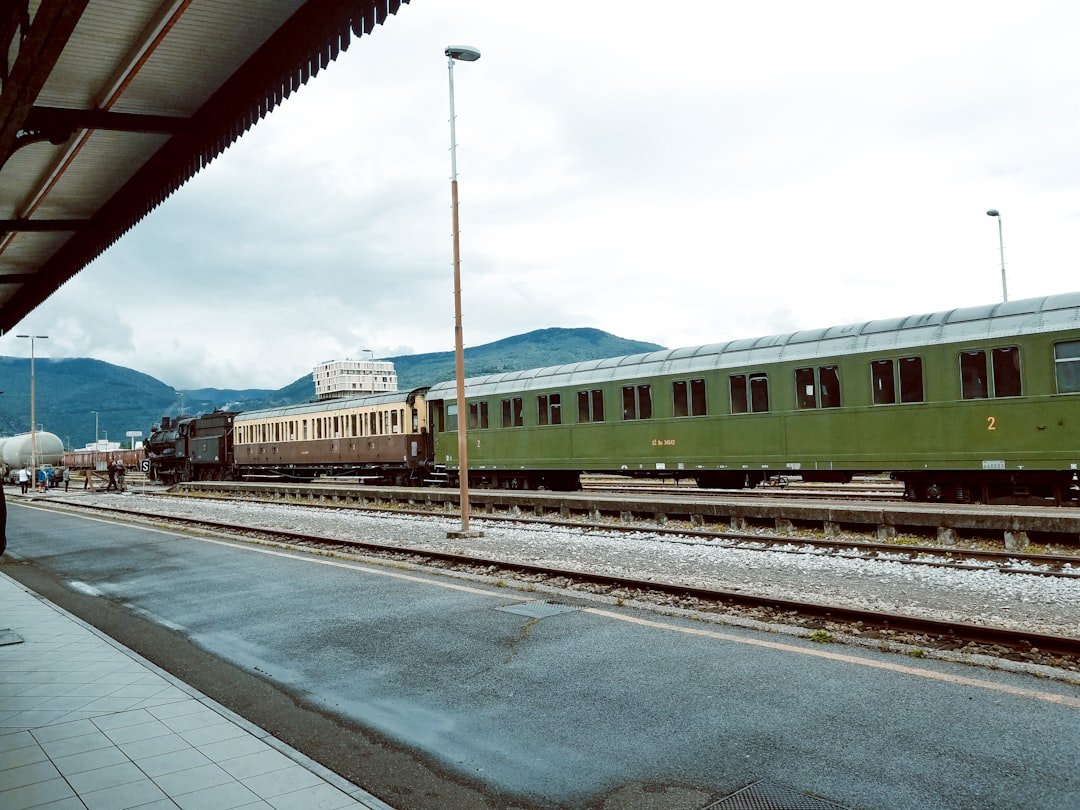
Florence is already in Tuscany, and its central location makes it one of the easiest bases for exploring the region without a car. Pisa, Lucca, Siena, Arezzo, and Cortona work particularly well with rail travel, while famous hill towns such as San Gimignano, Montepulciano, and Volterra usually require a bus or taxi connection after the train.
Quick Answer
For the easiest day trips from Florence by train, choose Pisa, Lucca, Arezzo, or Siena. Cortona is also practical, but you need a short bus or taxi ride from the station to the hilltop center. San Gimignano, Montepulciano, and Volterra are possible without a car but require more planning and at least one local transport connection.
Key Takeaways
- Pisa, Lucca, Arezzo, and Siena are among the simplest Tuscan day trips to organize from Florence by rail.
- Siena’s railway station is outside the historic center, so allow extra time after you arrive.
- San Gimignano normally requires a train to Poggibonsi followed by a bus.
- For Cortona, use Camucia-Cortona or Terontola station and continue by local bus or taxi.
- Montepulciano and Volterra are attractive day trips, but they are less convenient if you want a rail-only journey.
- Digital and paper regional tickets have different validation rules, so check which type you purchased before boarding.
Best Day Trips from Florence by Train at a Glance
| Destination | Typical One-Way Planning Time | Best Public Transport | Important Note |
|---|---|---|---|
| Pisa | About 1 hour | Train | One of the easiest choices from Florence. |
| Lucca | About 1 hr 20 min or more | Train | Check whether your chosen departure is direct or requires a change. |
| Siena | Roughly 1 hr 20 min–1 hr 40 min | Train | The station is about 2 km from the historic center. |
| Arezzo | About 40–75 minutes | Train | Excellent choice for art, architecture, and a less crowded city day. |
| Cortona | About 1.5 hours to the rail area | Train + bus/taxi | The historic center sits uphill from Camucia-Cortona and Terontola stations. |
| San Gimignano | Usually 1.5–2+ hours | Train + bus | Normally change to a bus at Poggibonsi. |
| Montepulciano | Allow 2+ hours | Train + bus/taxi | The hilltop historic center is not a simple station-to-center rail trip. |
| Volterra | Allow 2+ hours | Train + bus or bus | More complicated than Pisa, Lucca, Siena, or Arezzo. |
These times are practical planning ranges rather than promises. Regional schedules, direct services, engineering work, and seasonal bus timetables can change, so check your exact date before traveling.
How to Take Day Trips from Florence by Train
Start at Firenze Santa Maria Novella
Firenze Santa Maria Novella, usually shown as Firenze S. M. Novella or Firenze S.M.N. on timetables, is Florence’s main central station and the most useful starting point for most of these trips. Tuscany’s official tourism portal identifies Florence as the region’s main rail hub, with lines serving destinations including Pisa, Lucca, Siena, Arezzo, Cortona, and Chiusi. You can check current departures through Trenitalia.
Check the Full Journey, Not Just the Train
Pisa and Arezzo are straightforward because the railway takes you directly into the city. Other destinations require extra planning. Siena’s station is about 2 km from the historic center, Cortona’s hill town sits above its railway stations, and San Gimignano and Volterra require onward road transport.
Pro Tip: Before buying the outbound ticket, check the final train or bus you could realistically take back to Florence. This matters most for San Gimignano, Montepulciano, Cortona, and Volterra, where missing a connection can add a long wait.
Know Whether Your Ticket Needs Validation
Ticket rules depend on the type you buy. According to Trenitalia’s current regional-train guidance, a Digital Regional Ticket is automatically validated at the scheduled departure time of the selected train. A single paper regional ticket must still be validated using a station machine before departure. Always follow the instructions printed or displayed on your specific ticket.
Note: Do not assume a rail pass will automatically save money. For a small number of regional day trips, compare the actual fares for your planned journeys before buying any pass.
Day Trip to Pisa: Leaning Tower and Piazza dei Miracoli
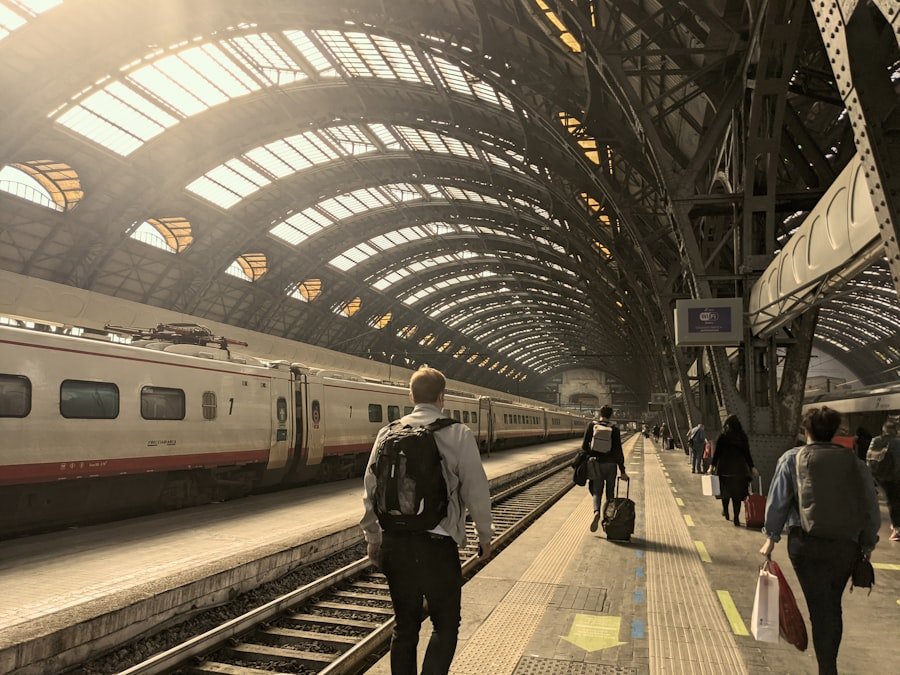
Pisa is one of the easiest classic day trips from Florence. Regional trains connect Firenze Santa Maria Novella with Pisa Centrale, with many journeys taking roughly an hour. From Pisa Centrale, you can walk through the city toward Piazza del Duomo, better known as Piazza dei Miracoli.
The UNESCO-listed complex contains the Cathedral, Baptistery, Camposanto, and the famous Leaning Tower. The tower is the cathedral’s bell tower rather than a defensive structure, and its tilt developed because of unstable ground beneath its foundations.
If you want to climb the tower, reserve a timed ticket when possible and follow the current visitor rules on the official Opera della Primaziale Pisana website. The climb is on foot, the steps can be uneven and slippery, and bags may need to be left at the cloakroom.
Do not rush back to the station immediately after seeing the tower. The Cathedral, Baptistery, Camposanto, museums, and streets between Piazza dei Miracoli and the Arno make Pisa more rewarding than a single-photo stop. For lunch, Tuscan staples such as ribollita, pappa al pomodoro, and simple pasta dishes are easy to find in the center.
Day Trip to Siena: Piazza del Campo and the Medieval Center
| Typical Train Time | Roughly 1 hour 20 minutes to 1 hour 40 minutes, depending on the service |
| Station Location | About 2 km from Siena’s historic center |
| Main Sights | Piazza del Campo, Siena Cathedral, Palazzo Pubblico, Torre del Mangia |
| Planning Note | Allow extra time between the station and the historic center. |
Siena is one of Tuscany’s most rewarding medieval cities. Its UNESCO-listed historic center is built around Piazza del Campo, the shell-shaped square that hosts the Palio di Siena horse race on July 2 and August 16.
Direct trains from Florence are available on many schedules, but the railway station is not inside the old center. The official Siena tourism office places it about 2 km away. Local buses and pedestrian connections can take you toward the historic core, so factor that transfer into your day.
Once inside the walls, start with Piazza del Campo, Palazzo Pubblico, and Torre del Mangia. Then walk to Siena Cathedral, whose striped marble exterior and richly decorated interior make it one of the city’s essential stops. The unfinished expansion beside the cathedral also reveals how ambitious medieval Siena had become before the Black Death disrupted the project in the 14th century.
For a local food break, look for pici pasta, ricciarelli almond biscuits, panforte, or dishes made with Cinta Senese pork.
Day Trip to Lucca: Walk or Cycle the Renaissance Walls
Lucca works well for travelers who want a relaxed city day rather than a packed sightseeing schedule. Trains from Florence generally take around 1 hour 20 minutes or more, depending on the service and whether a change is required.
The city’s signature attraction is its remarkably complete Renaissance wall circuit. According to Lucca Tourism, the walls extend for about 4.2 kilometers around the historic center and now function as an elevated, tree-lined promenade. Walking or cycling the circuit gives you views over churches, rooftops, gardens, and towers.
Inside the walls, visit the Cathedral of San Martino, Piazza dell’Anfiteatro, and the historic streets around the center. Lucca’s flatter terrain also makes it easier on the legs than Siena, Cortona, or Montepulciano.
A leisurely lunch, a walk on the walls, and time for gelato can fill a satisfying day without requiring a tightly timed itinerary.
Day Trip to San Gimignano: Medieval Towers and Vernaccia
San Gimignano is famous for the medieval tower houses that still dominate its skyline. UNESCO notes that roughly 72 tower houses were constructed during the town’s medieval period and that 14 survive today.
Unlike Pisa or Arezzo, however, San Gimignano is not a simple train-to-city-center trip. A common public-transport route is to take the train from Florence toward Poggibonsi and then continue by bus to San Gimignano. The municipality’s official bus information lists connections through Poggibonsi and advises travelers to check the current Autolinee Toscane timetable.
Once you arrive, explore Piazza della Cisterna, Piazza del Duomo, and the surviving towers. The compact historic center is made for walking, although the streets rise and fall.
San Gimignano is also known for Vernaccia di San Gimignano, its historic white wine. If you plan a tasting, keep your return bus and train times in mind rather than assuming services will be frequent late in the day.
Warning: San Gimignano does not have the same rail convenience as Pisa or Arezzo. Check both the train and connecting bus schedules before leaving Florence, especially on Sundays or holidays.
Day Trip to Arezzo: Piero della Francesca and Piazza Grande
Arezzo is one of the strongest choices if you want an art-rich Tuscan city with straightforward rail access from Florence. Depending on the train, the journey can take well under an hour or somewhat longer.
The Basilica di San Francesco contains Piero della Francesca’s celebrated fresco cycle The Legend of the True Cross. Access to the Bacci Chapel is controlled, so check the official visitor information and booking rules before your trip.
Continue to Piazza Grande, one of Arezzo’s most distinctive public spaces, then explore the surrounding medieval streets, churches, and shops. Arezzo’s Antiques Fair takes place on the first Sunday of each month and the preceding Saturday, filling the historic center with dealers and collectors.
Arezzo usually feels less hectic than Pisa or Siena while still offering enough architecture, art, and food for a full day.
Day Trip to Montepulciano: Vino Nobile and a Hilltop Renaissance Town
Montepulciano is worth considering if wine and classic Tuscan hill-town scenery matter more to you than the easiest transportation. The town is famous for Vino Nobile di Montepulciano and for its Renaissance architecture, but it is not as convenient by public transport as Pisa, Lucca, or Arezzo.
There is a railway station in the wider Montepulciano municipality, and other rail approaches use stations such as Chiusi-Chianciano Terme, but the historic hilltop center still requires onward transportation. Check current rail and bus connections rather than planning this as a station-to-center walking trip.
Inside the old town, walk uphill through the historic streets toward Piazza Grande. The square is surrounded by important civic and religious buildings and sits near several wine cellars where visitors can learn about local production and taste Vino Nobile.
Below the old center, the Renaissance Church of San Biagio is another major architectural stop. Because Montepulciano’s streets are steep, comfortable shoes are particularly important.
Note: If your priority is an effortless rail-only day, choose Pisa, Arezzo, or Lucca instead. Montepulciano is better for travelers willing to coordinate a bus, taxi, tour, or other last-mile transport.
Day Trip to Cortona: Etruscan History and Hilltop Views
Cortona combines Etruscan archaeology, medieval streets, art museums, and wide views across the Valdichiana. It is reachable without a car, but the train does not deliver you directly into the hilltop historic center.
The MAEC archaeological museum advises rail travelers to use Terontola or Camucia-Cortona station and continue to Cortona by bus or taxi.
Once uphill, explore Piazza della Repubblica and the surrounding streets before visiting the MAEC for Etruscan material from Cortona and its territory. The Diocesan Museum is another strong stop for Renaissance art, including works associated with Fra Angelico and Luca Signorelli.
Cortona is particularly appealing if you want a slower day with historic streets, cafés, viewpoints, and museums rather than a checklist of major monuments.
Day Trip to Volterra: Etruscan Heritage and the Roman Theatre
Volterra has deep Etruscan roots, substantial medieval architecture, and a major Roman archaeological site. The city’s famous Roman monument is a theatre, not an amphitheater. Archaeological evidence dates its construction to around the end of the 1st century BC.
Public transport requires more effort than a day trip to Pisa or Arezzo. The official Volterra tourism office describes routes combining rail with buses through places such as Pontedera or Cecina, as well as bus connections from Florence.
Once in Volterra, explore the Roman Theatre, the Etruscan collections of the Guarnacci Museum, the medieval center, and workshops selling the alabaster crafts for which the town is known.
Volterra is a rewarding choice if archaeology is a priority, but allow a generous margin for transport connections and check your return options before setting out.
Tips for Planning Day Trips from Florence by Train
Choose the destination according to transport difficulty. Pisa, Arezzo, and Lucca are relatively simple. Siena adds a city-center transfer. Cortona, San Gimignano, Montepulciano, and Volterra require more last-mile planning.
Check schedules for the exact day. Do not rely on a travel time from a blog post alone. Weekend, holiday, engineering, and seasonal schedules can differ.
Book timed attractions early. The Leaning Tower of Pisa and Piero della Francesca’s frescoes in Arezzo are examples where advance planning can protect the rest of your day.
Pack light and wear comfortable shoes. Siena, San Gimignano, Montepulciano, Cortona, and Volterra all involve slopes, cobbles, or both.
Understand your ticket type. Trenitalia’s Digital Regional Ticket activates automatically at the scheduled departure of the selected train. Paper regional tickets must be validated before departure.
Build a return-time buffer. For destinations requiring a bus connection, aim for an earlier return than the absolute last possible service. A delayed bus can otherwise cause you to miss the final convenient train to Florence.
Do not overpack the itinerary. One main destination is usually more enjoyable than racing through several towns. Pisa and Lucca can sometimes be combined by efficient travelers, but Siena, San Gimignano, Montepulciano, Cortona, and Volterra each reward having more time.
If you want a calm escape from central Florence, Lucca is especially appealing for its intact walls, flat historic center, churches, cafés, and relaxed walking or cycling.
Frequently Asked Questions
What are the best day trips from Florence by train?
Pisa, Lucca, Arezzo, and Siena are among the best choices in Tuscany. Cortona is also possible by train, although you need a bus or taxi from the railway station to the hilltop center.
How long does it take to reach Pisa from Florence by train?
Many Florence-to-Pisa regional journeys take roughly an hour, although the exact time depends on the service. Check Firenze Santa Maria Novella to Pisa Centrale for your travel date.
What is the travel time from Florence to Lucca by train?
A practical planning estimate is about 1 hour 20 minutes or more. Some departures may take longer or require a change, so check the exact itinerary rather than assuming every service is direct.
How long is Florence to Siena by train?
Allow roughly 1 hour 20 minutes to 1 hour 40 minutes for many regional services. Siena station is about 2 km from the historic center, so also budget time for the final connection or walk.
Can you visit San Gimignano from Florence by train?
Yes, but not by train alone. A common route is to take the train to Poggibonsi and continue to San Gimignano by local bus. Check both timetables before leaving Florence.
Can you visit Cinque Terre from Florence by train?
Yes, but it is a long day and Cinque Terre is outside Tuscany. Journey times vary by village and service, and many itineraries require a change at Pisa, La Spezia, or another station. Allow roughly 2.5 to 3 hours each way for planning and check the live timetable.
Do regional train tickets in Italy need to be validated?
It depends on the ticket. Trenitalia Digital Regional Tickets are automatically validated at the scheduled departure time of the selected train. Single paper regional tickets still need to be validated before departure using a station machine. Follow the instructions on your specific ticket.
Are all of these destinations served by direct trains from Florence?
No. Pisa, Siena, Arezzo, and some other routes can have direct services, but schedules vary. San Gimignano requires a bus connection, Cortona requires last-mile transport from the station, and Volterra generally involves rail plus bus or a bus-based route. Always check the exact date and departure before traveling.
Sources
- Trenitalia — Travelling on Regional Trains — current rules for digital, electronic, and paper regional tickets.
- Visit Tuscany — Tuscany by Train — Florence’s role as Tuscany’s main rail hub and regional rail connections.
- Opera della Primaziale Pisana — Leaning Tower Visitor Information — official tower admission and visitor guidance.
- Visit Siena Official — Tourist Information — Siena rail access and station location.
- Comune di San Gimignano — Bus Information — official public-transport connections, including Poggibonsi.
- Volterra Tourism — How to Get Here — official rail-and-bus options for reaching Volterra.