Naples rewards travelers who slow down enough to experience both its historic streets and the wider Bay of Naples. With three days, you can explore the UNESCO-listed center, see world-class archaeology, eat classic Neapolitan food, and still leave room for either the waterfront or an island excursion without turning the trip into a race.
Last updated: September 9, 2026. Museum access, restoration projects, ferry schedules, and reservation rules were checked against current official or primary sources. Always reconfirm opening hours and transport times for your exact travel dates.
Quick Answer
For a first Naples 3 day itinerary, spend Day 1 in the historic center, use Day 2 for the National Archaeological Museum and Pompeii, and keep Day 3 for Naples’ waterfront and hilltop views or a full-day Capri trip. Do not try to squeeze Pompeii, Herculaneum, and Capri into the same short visit.
Key Takeaways
- Day 1 works best as a walking route through Piazza del Plebiscito, Via Toledo, the historic center, Spaccanapoli, churches, and artisan streets.
- Day 2 combines the National Archaeological Museum with Pompeii; choose Herculaneum instead of Pompeii if you prefer a smaller archaeological site.
- Day 3 can stay in Naples for the waterfront, Vomero, and bay views, or become a full Capri day trip from Naples’ own port.
- The Royal Palace of Caserta is in Caserta, not central Naples, and is better treated as a separate day trip.
- Naples is easy to explore using walking, Metro Line 1, buses, funiculars, and regional rail; a rental car is usually more trouble than help inside the city.
- Keep valuables secure in crowded stations, tourist areas, and public transport, and confirm attraction access before you leave your hotel.
Naples 3-Day Itinerary Overview
| Day | Main Area | Best For |
| Day 1 | Historic center, Via Toledo, Piazza del Plebiscito | Architecture, churches, street life, food |
| Day 2 | MANN and Pompeii | Roman archaeology and museum collections |
| Day 3 | Naples waterfront and Vomero, or Capri | Bay views, a slower city day, or an island excursion |
Note: A three-day trip becomes rushed if you make both Pompeii and Capri full-day excursions. First-time visitors who want more of Naples itself should stay in the city on Day 3 and save Capri for another trip.
Before You Go: What to Check and Book
- Museo Cappella Sansevero: Entry is limited and advance booking is strongly recommended; current rules require a reservation for guaranteed entry.
- Pompeii: Check the official archaeological park for current opening information and temporary closures before your visit.
- MANN: Check which galleries are open. During this September 2026 update, some areas have restricted access and the Alexander Mosaic is undergoing restoration.
- Capri ferries: Timetables change by season and weather. Confirm the operator’s schedule the day before travel.
- Blue Grotto: Treat it as optional rather than guaranteed because sea and wind conditions can stop entry even on an otherwise pleasant day.
- Fontanelle Cemetery: The site reopened in April 2026 after a long closure and currently uses a reservation system.
Day 1: Exploring the Historic Center
The Historic Centre of Naples is a UNESCO World Heritage Site, with an urban layout that preserves layers of Greek, Roman, medieval, Renaissance, Baroque, and later history. Spend your first day moving mostly on foot so you can experience the narrow lanes and public squares rather than jumping between distant attractions.
Start at Piazza del Plebiscito and the Royal Palace
Begin at Piazza del Plebiscito, one of Naples’ grandest public spaces. The square is framed by the Royal Palace and the Basilica of San Francesco di Paola and provides an easy starting point for the royal and waterfront side of the city.
The Royal Palace was developed for Naples’ Spanish viceroys beginning around 1600 and later served successive ruling dynasties. Its state rooms, staircases, courtyards, and surviving decorations help explain Naples’ role as a major European capital. Check the palace’s current opening calendar before building your day around an interior visit.
Walk Via Toledo and Galleria Umberto I
From Piazza del Plebiscito, continue toward Via Toledo. This busy shopping street links several central districts and is filled with cafes, shops, pedestrians, and entrances into the Quartieri Spagnoli.
Stop at Galleria Umberto I, the monumental glass-roofed arcade near Teatro di San Carlo. It is an easy architectural stop before continuing toward the older street network.
Continue Through Spaccanapoli
Make your way into the historic center and the route commonly called Spaccanapoli. The long east-west axis cuts through the old city grid and places you within walking distance of churches, artisan workshops, pastry shops, courtyards, and small restaurants.
Stop at the Church of Gesù Nuovo and continue toward San Gregorio Armeno, famous for its artisan workshops and nativity-scene tradition. Naples Cathedral is also worth adding if your pace allows.
If you want to visit Museo Cappella Sansevero and see the Veiled Christ, reserve a timed ticket rather than assuming you can walk in. Its limited daily admission makes it one of the Naples attractions where advance planning matters most.
Pro Tip: Keep Day 1 mostly on foot. Piazza del Plebiscito, Via Toledo, Gesù Nuovo, Spaccanapoli, San Gregorio Armeno, and the cathedral form a much more natural route than repeatedly crossing the city by taxi.
Day 2: Visiting the Archaeological Sites

Use your second day to understand the ancient cities around Vesuvius. Start at the National Archaeological Museum of Naples (MANN), whose collections include major sculptures, frescoes, mosaics, and everyday objects connected with Pompeii, Herculaneum, and other ancient sites in Campania.
The Farnese Collection includes monumental Roman sculptures such as the Farnese Bull and Farnese Hercules. MANN’s Mosaic Collection includes important works from Pompeian houses, especially the House of the Faun.
Current 2026 museum note: At the time of this September 2026 update, MANN reports that the Alexander Mosaic is undergoing restoration and is not on normal display. Some collections also have restricted opening arrangements, so check the museum’s official schedule before visiting.
Continue to Pompeii
After the museum, travel toward Pompeii Archaeological Park. Trains from the Naples area make Pompeii practical without a rental car, but leave enough time for the archaeological site rather than treating it as a quick photo stop.
Pompeii was buried during the eruption of Mount Vesuvius in AD 79. Streets, houses, baths, temples, shops, public spaces, artwork, and other remains make the site unusually useful for understanding everyday Roman urban life.
Explore the Forum and surrounding public buildings, then choose several houses or districts according to what is open that day. The amphitheater and surviving wall paintings are also worth prioritizing if your time and energy allow.
Herculaneum: Alternative Rather Than Automatic Extra
Herculaneum was also overwhelmed during the AD 79 eruption, but its preservation differs from Pompeii. The Herculaneum Archaeological Park documents preserved carbonized wood, food, fabrics, ropes, furniture, and other organic material that rarely survives at ancient sites.
Herculaneum is smaller than Pompeii and can feel more manageable for travelers who prefer a compact archaeological visit. For a three-day Naples itinerary, choose Herculaneum instead of Pompeii if it better suits your interests. Trying to visit MANN, Pompeii, and Herculaneum all in one day is possible only at a very fast pace and is not the recommended plan.
Day 3: Enjoying the Bay of Naples
| Capri Option | Suggested Window | Location |
|---|---|---|
| Ferry to Capri | Early morning | Molo Beverello or another Naples departure pier |
| Boat tour / optional Blue Grotto | Morning | Marina Grande, Capri |
| Capri or Anacapri and lunch | Midday to afternoon | Capri Island |
| Return ferry | Late afternoon or evening | Marina Grande to Naples |
Your third day can follow one of two very different plans. The more balanced first-time option is to stay in Naples and spend the day along the bay, while travelers who have Capri high on their wish list can use the entire day for the island.
Option 1: Stay in Naples
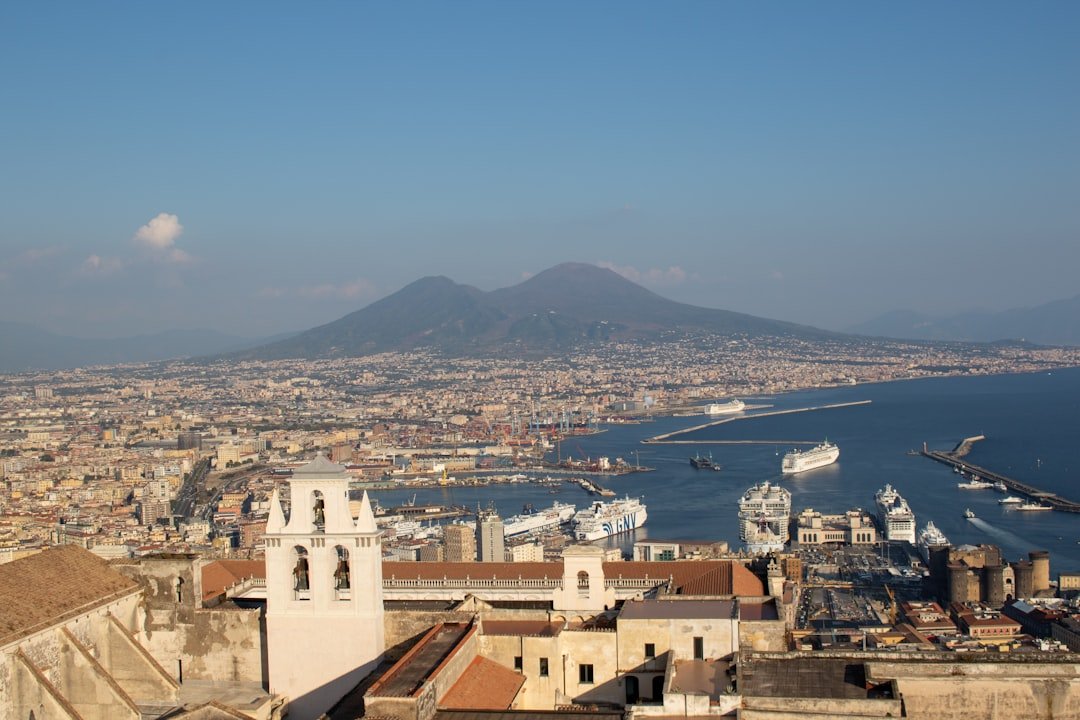
Begin with a walk along Lungomare Caracciolo and the waterfront around Santa Lucia and Borgo Marinari. Views across the Gulf of Naples toward Vesuvius make this an easy change of pace after the crowded historic center and archaeological sites.
Castel dell’Ovo remains one of the waterfront’s defining landmarks, but major restoration work has affected access during 2026. Enjoy the surrounding waterfront and verify current municipal access before planning an interior visit.
Later, head uphill toward Vomero. The Certosa di San Martino area provides a different perspective over the city and bay. You can finish the day back near the waterfront with dinner rather than committing to another long excursion.
Option 2: Take a Capri Day Trip
Travel directly from Naples rather than going first to Sorrento. Current 2026 schedules from NLG show direct services between Naples’ Molo Beverello and Capri, while other operators also use Naples’ port. Schedules vary by season, so check your exact date.
Ferries arrive at Marina Grande. From there, you can take a boat tour, explore Capri town, continue to Anacapri, or divide your time between the island’s viewpoints and pedestrian streets.
Blue Grotto note: Do not build your entire Capri day around the Blue Grotto. Small boats can enter only when sea and wind conditions allow, and access can stop with little notice.
Ischia is another Bay of Naples option and is better suited to travelers who prioritize thermal spas, gardens, and a slower island atmosphere. Choose one island rather than attempting to combine Capri and Ischia in a single day.
Where to Eat in Naples
Naples’ pizza culture is central to the city’s identity. UNESCO recognizes the art of the Neapolitan pizzaiuolo as an intangible cultural tradition originating in Naples. A classic Margherita combines tomato, mozzarella, basil, and olive oil on a Neapolitan-style dough.
L’Antica Pizzeria da Michele remains one of the city’s best-known historic pizza stops, while Sorbillo is another widely recognized name. Expect queues at famous establishments and remember that excellent pizza is available far beyond the most photographed addresses.
For traditional cooked dishes, Trattoria da Nennella is known for a lively atmosphere and Neapolitan food. Its current Naples location operates without reservations, so visitors join a waiting list rather than booking a table in advance.
Other dishes to look for include ragù alla Napoletana, pasta e patate, spaghetti alle vongole, fried seafood served in a paper cuoppo, and seasonal seafood dishes along the coast.
For sweets, try sfogliatella, babà, and pastiera. Pasticceria Pintauro on Via Toledo is historically associated above all with the Neapolitan sfogliatella, available in the crisp riccia style and softer frolla style. Babà is also common throughout Naples’ pastry shops.
Where to Stay in Naples

For a three-day visit, location matters more than having a large hotel. Staying close to the historic center, Toledo, Municipio, or another useful metro station reduces commuting and makes evenings much easier.
Centro Storico and Spaccanapoli
Choose the historic center if you want narrow streets, churches, cafes, artisan shops, and evening activity directly outside your accommodation. It is one of the most atmospheric bases, though some streets can remain busy and noisy late into the evening.
Chiaia and the Waterfront
Chiaia suits travelers who want restaurants, shopping, waterfront access, and a somewhat more polished atmosphere while remaining close to central attractions. The Grand Hotel Vesuvio is one of the luxury options near the bay and major waterfront landmarks.
Vomero
Vomero sits above the central city and works well for travelers who prefer a more residential feel and panoramic views. Metro and funicular connections make it practical, although returning on foot from the historic center involves steep climbs.
Bed-and-breakfasts, boutique hotels, apartments, and larger hotels are available throughout these areas. Before booking, check walking distance to a metro or funicular stop rather than relying only on the straight-line distance shown on a map.
Getting Around Naples
Walking is usually the best way to explore the historic center because many churches, piazzas, shopping streets, and food stops are close together. Wear comfortable footwear: paving can be uneven, and neighborhoods such as Vomero involve noticeable elevation changes.
Metro Line 1 connects useful visitor areas including Garibaldi, Museo, Dante, Toledo, Municipio, and Vanvitelli. Naples also has buses, trams, funiculars, regional trains, taxis, and ferry services.
For Pompeii, travelers commonly connect through the railway network around Napoli Centrale/Piazza Garibaldi and continue toward the archaeological area. Check the current train platform and timetable on your travel day because regional operations can change.
A rental car is rarely helpful inside central Naples. Dense traffic, limited parking, and restricted-traffic areas can make driving harder than using public transportation. A car makes more sense only for particular countryside or regional trips that are poorly served by transit.
Safety Tips for Visitors
Naples can be visited safely with the same street awareness you would use in other large European cities. The main practical concern for tourists is theft rather than violent crime.
The U.S. State Department advises travelers in Italy to watch for pickpocketing in congested tourist areas, public transportation, railway stations, and other crowded places. Keep wallets, phones, and passports in secure bags rather than loose outer pockets.
- Keep bags closed and in front of you in crowded trains, stations, and markets.
- Do not leave phones or wallets unattended on outdoor cafe tables.
- Be alert to distractions near ticket machines and transit hubs.
- Do not leave luggage visible in a parked car.
- Use well-lit routes late at night, especially in unfamiliar neighborhoods.
- Validate transport tickets when required and follow local ticketing rules.
Naples also has intense scooter traffic. Look both ways before stepping into narrow streets and do not assume a quiet lane is vehicle-free.
Must-See Attractions in Naples
Castel Nuovo, also known as Maschio Angioino, is one of the city’s most recognizable medieval fortresses and stands close to Municipio and the port. It fits naturally with Piazza del Plebiscito and the waterfront side of Day 1 or Day 3.
Teatro di San Carlo is another major landmark. Founded in the 18th century, it remains one of the most historically important opera houses in Europe. Check the theater’s current program if you want to attend a performance rather than only view the exterior.
Art and archaeology travelers should prioritize the National Archaeological Museum and, if time permits, Museo di Capodimonte. Naples Cathedral, Gesù Nuovo, and the Cappella Sansevero add very different religious and artistic experiences within or near the historic center.
Castel dell’Ovo is still an iconic part of the Naples waterfront, but travelers should confirm restoration-related access before expecting to tour the interior.
The Royal Palace of Caserta is also spectacular, but it is located in Caserta rather than central Naples. Treat it as a separate excursion if you have an extra day.
Hidden Gems of Naples
Quartieri Spagnoli, or the Spanish Quarters, is no longer truly hidden, but its narrow lanes, shops, shrines, street art, food, and residential life still provide a very different experience from Naples’ monumental squares.
The Certosa di San Martino on Vomero Hill combines art, history, architecture, and broad views over Naples and the bay. Pair it with Vomero rather than crossing the city simply for a single viewpoint.
Cimitero delle Fontanelle is one of the city’s more unusual historic sites. After a long closure, Naples reopened the cemetery in April 2026. Current access is organized by reservation, so do not assume you can simply arrive without checking.
The Catacombs of San Gennaro in the Sanità area offer another perspective on Naples’ early Christian history. They can be combined with the wider Rione Sanità rather than treated as an isolated stop.
Conclusion and Final Tips for First-Timers
A successful Naples 3 day itinerary is less about checking off every famous place and more about grouping each day sensibly. Spend one day in the historic heart, one focused on archaeology, and one enjoying the Bay of Naples or making a single island excursion.
Leave room for coffee, pizza, pastries, markets, church interiors, unexpected viewpoints, and ordinary street life. Naples’ strongest experiences often happen between major attractions rather than only inside them.
Most importantly, verify museum openings, restoration-related closures, train information, and ferry times shortly before each outing. A little current planning prevents a closed attraction or missed boat from consuming a large part of a three-day trip.
Frequently Asked Questions
Is 3 days enough for Naples?
Three days is enough for a strong first visit if you limit yourself to one major archaeological excursion and either stay in Naples on the third day or use that day for Capri. It is not enough to explore Naples, Pompeii, Herculaneum, Capri, and the Amalfi Coast properly.
What is the best time to visit Naples?
Spring and early autumn are popular choices because temperatures are generally easier for long walking days and archaeological sites. Summer can be hot and busy, while winter brings fewer visitors but shorter daylight and a greater chance of weather affecting island plans.
What are the must-see attractions in Naples?
For a first trip, prioritize the historic center, Piazza del Plebiscito, Via Toledo, Naples Cathedral, Gesù Nuovo, the National Archaeological Museum, Castel Nuovo, and the waterfront. Add Cappella Sansevero if you can secure a reservation.
What are some recommended restaurants in Naples?
L’Antica Pizzeria da Michele and Sorbillo are famous pizza choices, while Trattoria da Nennella is known for traditional Neapolitan dishes and a lively atmosphere. Do not overlook small neighborhood pizzerias, pastry shops, and simple trattorias away from the busiest tourist streets.
What are the best day trips from Naples?
Pompeii is the easiest archaeological choice for a first visit. Other options include Herculaneum, Capri, Ischia, the Amalfi Coast, Mount Vesuvius, and the Royal Palace of Caserta. With only three days, choose one primary excursion rather than several.
What is the transportation system like in Naples?
Naples has metro, bus, tram, funicular, regional rail, taxi, and ferry services. Walking works especially well in the historic center, while Metro Line 1 is useful for moving between Garibaldi, Museo, Toledo, Municipio, and Vomero-area stations.
Should I visit Pompeii and Herculaneum on the same day?
You can, but it makes for a long archaeology-heavy day. First-time visitors with only three days are usually better off choosing one site and spending enough time there rather than rushing through both.
Can I visit Capri as a day trip directly from Naples?
Yes. Ferries and high-speed services operate directly between Naples and Capri. Molo Beverello is a major departure point for high-speed passenger services, so there is no need to travel to Sorrento first.
Do I need a rental car in Naples?
No. For this itinerary, walking, public transportation, trains, and ferries are more practical. A rental car can create extra problems with traffic, restricted streets, and parking in central Naples.
Sources
- UNESCO World Heritage Centre — Historic Centre of Naples — backs Naples’ UNESCO status and historic urban development.
- National Archaeological Museum of Naples — current museum collections, visitor information, restoration, and gallery access.
- Pompeii Archaeological Park — official information on Pompeii and the AD 79 eruption.
- Herculaneum Archaeological Park — preservation of wood and other organic material at Herculaneum.
- NLG — Naples Molo Beverello to Capri — current 2026 direct Naples–Capri service information.
- U.S. Department of State — Italy Travel Advisory — traveler safety, theft, pickpocketing, and public-transport precautions.