Milan is one of the easiest bases in Northern Italy for exploring by train. Within roughly 10 minutes to two hours, you can reach lakeside towns, medieval centers, Renaissance cities, vineyards, and major cultural attractions without renting a car. The best choice depends on how much time you have and whether you want scenery, history, food, wine, or a relaxed lakeside day.
Quick Answer
The easiest day trips from Milan by train include Monza, Pavia, Bergamo, Lake Como, Varese, Lake Maggiore, Franciacorta, and Mantua. Monza can be reached in about 9 minutes, while Como, Bergamo, Pavia, and Varese are generally around an hour or less. Mantua is the longest trip at roughly two hours each way.
Key Takeaways
- For Lake Como, choose Como for the city and southwest shore or Varenna for the central lake and an easy ferry connection to Bellagio.
- Bergamo, Pavia, and Monza are among the simplest city day trips because they require relatively little train time.
- Varese is a good choice for gardens, Sacro Monte, and a quieter atmosphere.
- Lake Maggiore works best when you coordinate the train to Stresa with seasonal boat schedules.
- Franciacorta needs more planning because wineries are spread across the countryside and may require a transfer, taxi, or prearranged tour.
- Mantua is rewarding but works best as a long full-day trip because the train journey is about two hours each way.
Best Day Trips from Milan by Train at a Glance
| Destination | Typical Route from Milan | Approx. Train Time | Best For |
| Monza | Milano Centrale → Monza | From about 9 minutes | Royal Villa, park, motorsport |
| Pavia | Milan → Pavia | About 32 minutes | History, university, food |
| Como | Milano Centrale → Como S. Giovanni | About 40 minutes | Lake views and Como city |
| Bergamo | Milano Centrale → Bergamo | About 48 minutes | Medieval streets and art |
| Varese | Porta Garibaldi or Cadorna → Varese | About 52–61 minutes | Gardens and Sacro Monte |
| Varenna | Milano Centrale → Varenna-Esino | About 64 minutes | Central Lake Como and ferries |
| Stresa | Milano Centrale → Stresa | Roughly 1 hour 15 minutes on many regional services | Lake Maggiore and Borromean Islands |
| Franciacorta / Iseo | Milano Centrale → Brescia → Iseo area | About 66 minutes to Brescia, then onward connection | Wine and countryside |
| Mantua | Milano Centrale → Mantova | About 2 hours | Renaissance art and architecture |
Journey times are approximate and depend on the specific train, station, date, and timetable. Always check your exact outward and return services before leaving Milan.
How to Navigate the Train System in Milan
Milan has several major railway stations, so do not assume every day trip leaves from Milano Centrale. Depending on the route, trains may depart from Milano Centrale, Milano Porta Garibaldi, Milano Cadorna, Milano Rogoredo, or another city station.
Buying Tickets and Planning Your Journey
For many Lombardy routes, Trenord tickets can be purchased through the Trenord website or app, at station ticket machines, ticket offices, and authorized retailers. Check the destination station carefully before paying because some places have more than one useful station.
Ticket validation depends on the product. Standard digital rail tickets generally do not require a separate validation step, while some rechargeable, paper, integrated STIBM, or other ticket types must be activated or validated according to their rules. Read the instructions shown with your specific ticket rather than assuming every ticket works the same way.
Note: Timetables, platforms, strikes, engineering work, and replacement buses can change. Check the operator’s live information on the morning of your trip and again before your return journey.
Finding Your Train and Boarding
Station departure boards show the train number, destination, departure time, and platform. Match the train number as well as the destination because several trains may leave for the same direction within a short period.
Arrive with enough time to locate the platform, especially at Milano Centrale. Platform assignments can change, so use the live board rather than relying only on information saved earlier.
Scenic Routes and Exploring Beyond Milan
Several routes become increasingly scenic once they leave metropolitan Milan. Trains toward Lake Como, Lake Maggiore, Varese, and Mantua pass through very different landscapes, from foothills and lakes to the flatter agricultural areas of the Po Valley.
Good train planning opens up a large part of Lombardy and neighboring regions without requiring a car, but the easiest day trips are those where the railway station is close to the main sights or connects smoothly with local ferries and public transport.
Day Trip to Lake Como
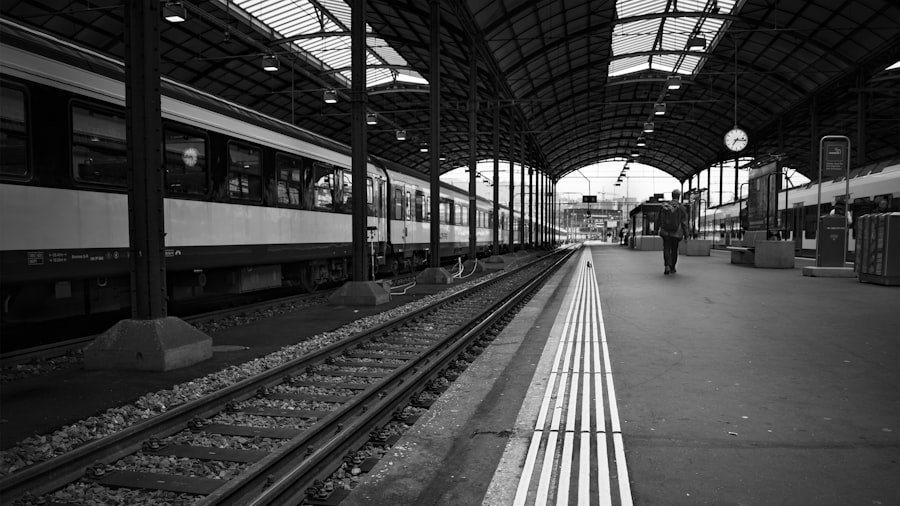
Lake Como is one of the most popular day trips from Milan, but there are two especially useful train strategies: travel to Como for the city and southwestern end of the lake, or travel to Varenna for the central-lake villages and ferries.
Direct Trenord services from Milano Centrale to Como S. Giovanni take about 40 minutes on the current route. Another option is Milano Cadorna to Como Lago, which takes around an hour and arrives close to the waterfront.
Varenna is farther away but especially convenient if you want the classic central-lake experience. Direct trains from Milano Centrale to Varenna-Esino take about 64 minutes.
Varenna and Bellagio
Varenna is compact, with colorful buildings, steep lanes, and a lakeside promenade. Villa Monastero is one of its main attractions, combining a house museum with a botanical garden that stretches along the lakeshore.
From Varenna, passenger ferries connect with Bellagio and other central-lake towns. Bellagio is known for its waterfront setting, narrow stepped streets, restaurants, shops, and views across the lake’s branches.
Pro Tip: If your priority is Bellagio, Varenna is often the more efficient rail gateway. Match the ferry timetable with your return train before committing to a late-afternoon crossing.
Lake Como ferry schedules change by season. During busy periods, allow extra time for queues and avoid planning the last possible boat-to-train connection of the day.
Exploring the Historic City of Bergamo
| Metric | Current Useful Context |
| Population | About 120,000 residents; exact population varies by reporting date. |
| Area | About 40.16 square kilometers. |
| Historic Sites | Numerous major sites, including Piazza Vecchia, Santa Maria Maggiore, Palazzo della Ragione, and the Venetian Walls. |
| UNESCO Status | The Fortified City of Bergamo is one component of the UNESCO serial property “Venetian Works of Defence between the 16th and 17th Centuries.” |
| Tourism | Bergamo receives substantial year-round visitor traffic; totals vary by year and reporting scope. |
Bergamo is one of the strongest all-around day trips from Milan. Direct Trenord services from Milano Centrale can reach Bergamo in about 48 minutes.
The city is divided into Città Bassa, the lower modern city, and Città Alta, the historic upper town. From the lower city, you can walk uphill or use the funicular to reach Città Alta.
Piazza Vecchia is the heart of the upper town. Nearby landmarks include Palazzo della Ragione, the Contarini Fountain, and the richly decorated Basilica di Santa Maria Maggiore.
The Venetian Walls surrounding Città Alta are not simply a local monument. Bergamo’s fortified city is one component of UNESCO’s multinational serial World Heritage property covering Venetian defensive works in Italy, Croatia, and Montenegro.
Art lovers can also visit the Accademia Carrara, which holds an important collection of Italian paintings. Bergamo works particularly well for travelers who want medieval streets, art, architecture, and panoramic views without spending several hours on the train.
Visiting the Charming Town of Varese
Varese is a quieter alternative to Milan’s most famous lake excursions. Direct trains reach Varese in about 52 minutes from Milano Porta Garibaldi or about 61 minutes from Milano Cadorna, depending on the service.
The city is known for gardens, villas, surrounding hills, and easy access to the Sacro Monte di Varese.
The Sacro Monte is part of UNESCO’s serial World Heritage property “Sacri Monti of Piedmont and Lombardy.” The Varese complex is the Sacro Monte del Rosario. Its chapels are associated with the Mysteries of the Rosary, not the life of Saint Francis.
The pilgrimage route climbs toward the sanctuary through a landscape of chapels, art, and broad views. It is a meaningful stop for travelers interested in religious architecture as well as walking and scenery.
Another option is Parco di Villa Toeplitz, where landscaped grounds and walking paths make it easy to slow the pace of the day. Lake Varese and the surrounding area offer additional scenery if you have enough time.
Discovering the Beauty of Lake Maggiore
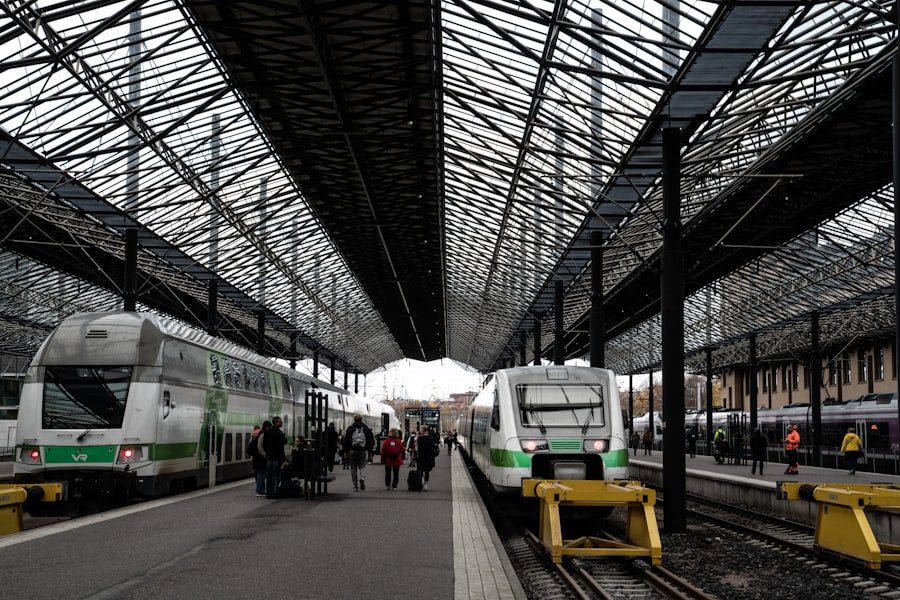
Lake Maggiore is another strong choice for travelers who want a lake day without going to Lake Como. Stresa is the most useful railway gateway for visiting the Borromean Islands.
Current regional schedules typically put the journey between Milano Centrale and Stresa at roughly 1 hour 15 minutes, although your exact travel time depends on the train.
From the Stresa area, seasonal boats serve destinations including Isola Bella and Isola Madre. Isola Bella is known for its palace and formal terraced gardens, while Isola Madre is especially associated with its garden setting.
Lake Maggiore boat services operate on seasonal timetables. Build your itinerary around the published sailing schedule and leave a buffer before your train back to Milan.
Note: In summer and on holidays, boat-ticket queues can be significant. Navigazione Laghi recommends arriving at the ticket office ahead of departure.
Day Trip to the Picturesque Town of Pavia
Pavia is one of the easiest historic cities to reach from Milan. Trenord lists the Milan–Pavia journey at about 32 minutes on direct services.
The historic center combines medieval streets, university buildings, churches, piazzas, cafes, and restaurants. The University of Pavia is one of the city’s defining institutions and has a history stretching back centuries.
The Certosa di Pavia is one of Lombardy’s major monumental complexes. Construction began in 1396 under Gian Galeazzo Visconti, and the complex is known for its elaborate architecture, sculpture, frescoes, cloisters, and long association with Lombard history.
The Certosa is a few kilometers outside Pavia’s historic center, so treat it as a separate stop rather than assuming it is beside the central railway station. Check current local transport and opening arrangements before building the monastery into a tightly timed itinerary.
Back in central Pavia, leave time to wander the piazzas and try local dishes rather than treating the city only as a checklist of monuments. This is a good destination for travelers who want substantial history with relatively little time spent in transit.
Exploring the Vineyards of Franciacorta
Franciacorta lies east of Milan in the hills around Lake Iseo and is known internationally for Franciacorta DOCG sparkling wine.
Under the official production rules, Franciacorta is produced with secondary fermentation in the bottle and separation from the lees by disgorgement. The landscape of vineyards and villages makes the area attractive even beyond the wine itself.
Unlike Bergamo or Pavia, however, Franciacorta is not a simple “step off the train and walk everywhere” day trip. One practical approach is to travel from Milano Centrale to Brescia, a journey of about 66 minutes on Trenord regional services, then continue toward Iseo and the wine area on the Brescia–Iseo line or arrange onward transport.
Wineries are spread across the countryside, so book tastings in advance and check how you will travel between the station and the estate. Depending on the winery, that may mean a taxi, local transfer, bicycle, or organized tour.
Warning: Do not build a wine-tasting itinerary around driving afterward. Use trains, taxis, transfers, or a tour if you plan to drink.
Villages around the Franciacorta area and nearby Iseo add cafes, lake scenery, and a slower pace to the day. This trip is best for travelers willing to plan more carefully than they would for a city-center destination.
Visiting the Renaissance City of Mantua
Mantua, or Mantova, is one of the most culturally rewarding options in this guide, but it also requires the most time on the train. Trenord lists Milano Centrale–Mantova at about 151 kilometers and roughly two hours.
Mantua and Sabbioneta form a UNESCO World Heritage property recognized for their exceptional Renaissance urban, architectural, and artistic heritage associated with the Gonzaga family.
The Palazzo Ducale is one of Mantua’s major attractions. Within the complex, Andrea Mantegna’s Camera degli Sposi, also known as the Camera Picta, is one of the defining works of Renaissance painting.
Piazza delle Erbe, Piazza Sordello, churches, arcades, cafes, and the city’s waterside setting give Mantua enough depth for a full day.
Because the train takes about two hours each way, leave Milan early and identify your preferred return service before you begin sightseeing. Mantua is less suited to a spontaneous half-day trip than Monza, Pavia, or Bergamo.
Day Trip to Monza for the Royal Villa and Motorsport
Monza is one of the quickest train escapes from central Milan. Some direct Trenord services from Milano Centrale reach Monza in about 9 minutes.
The city is particularly well known for the Royal Villa, Monza Park, its historic center, and Autodromo Nazionale Monza. The famous circuit opened in 1922 and is one of the world’s historic permanent motor-racing venues.
The Royal Villa and surrounding grounds provide a very different experience from the racetrack. The large park is particularly appealing if you want a less urban day with space for walking.
Monza’s compact historic center also has streets, cafes, churches, and shops that make it easy to combine sightseeing with a relaxed lunch.
Because the train ride is so short, Monza is an excellent option when you do not want to commit an entire day or when bad weather makes a long lake excursion less attractive.
Making the Most of Day Trips from Milan
Milan works unusually well as a base because the best day trips are not all the same. For a quick historical city, choose Pavia or Bergamo. For the shortest journey, choose Monza. For classic scenery, use Como or Varenna for Lake Como, or Stresa for Lake Maggiore. Choose Varese for gardens and Sacro Monte, Franciacorta for a planned wine-focused day, and Mantua when you are willing to spend more time traveling for major Renaissance art and architecture.
Do not judge a trip only by the train time. Ferries, local buses, walking distances, attraction opening hours, and your return connection can matter just as much. A destination that is 15 minutes farther away but compact around the railway station may be easier than a closer destination requiring several transfers.
Como is a particularly simple escape when you want lake views without complicated planning. You can explore the waterfront and historic streets or use local boat services if the timetable fits your day.
Whichever destination you choose, check the current outward train, the last comfortable return option, and any ferry or local connection before leaving Milan. That small amount of planning makes it much easier to enjoy Northern Italy without worrying about the journey back.
Frequently Asked Questions
What are some popular day trips from Milan by train?
Popular options include Lake Como, Bergamo, Pavia, Monza, Varese, Lake Maggiore, Mantua, Verona, and Turin. Franciacorta is also possible, although reaching individual wineries usually requires more planning after the train journey.
How long does it take to reach Lake Como from Milan by train?
It depends on your gateway. Milano Centrale to Como S. Giovanni takes about 40 minutes on current direct services, while Milano Centrale to Varenna-Esino takes about 64 minutes. Milano Cadorna to Como Lago is another option at roughly one hour.
What is the travel time to Lake Maggiore from Milan by train?
Stresa, one of the most useful gateways to Lake Maggiore, is roughly 1 hour 15 minutes from Milano Centrale on many current regional services. Exact times vary by train.
How long is Verona from Milan by train?
Some current high-speed services between Milan and Verona take about 1 hour 12 minutes. Regional trains can take longer, so compare the specific departure before booking.
How long is Turin from Milan by train?
High-speed rail makes Turin much quicker than older estimates suggest. Some current services are advertised from roughly 36 minutes, while other departures take closer to an hour or more depending on the train and stations used.
Which Milan day trip is easiest for a half day?
Monza and Pavia are two of the easiest choices because train journeys can be very short. Bergamo can also work if you start early and focus mainly on Città Alta.
Do I need to book regional trains from Milan in advance?
Many regional trips can be purchased close to departure, but advance planning still helps. High-speed trains, special fares, winery visits, museum reservations, and seasonal ferries may benefit from or require advance booking. Always follow the rules of your specific ticket.
Sources
- Trenord — Routes and Timetables — current Lombardy rail routes, stations, and service information.
- Trenord — Train Tickets — ticket purchase, validity, activation, and validation guidance.
- Navigazione Laghi — official Lake Como and Lake Maggiore ferry schedules and passenger information.
- UNESCO — Venetian Works of Defence — Bergamo’s fortified-city World Heritage status.
- UNESCO — Sacri Monti of Piedmont and Lombardy — Sacro Monte di Varese heritage status.
- UNESCO — Mantua and Sabbioneta — Mantua’s Renaissance World Heritage context.