Milan can be surprisingly rewarding on a zero-entry-fee budget. You can walk through historic neighborhoods, relax in major parks, enter beautiful churches, explore castle courtyards, see public art, and visit several museums without paying. The key is knowing which places are always free and which museums waive admission only on selected days.
Quick Answer
Some of the best free things to do in Milan are walking through Parco Sempione, Galleria Vittorio Emanuele II, Brera, Navigli and Isola; visiting Basilica di Sant’Ambrogio and other free churches; exploring Castello Sforzesco’s courtyards; and visiting always-free museums or paid museums on their designated free-admission days.
Key Takeaways
- Parco Sempione, Brera, Navigli, Isola, Piazza Gae Aulenti and Galleria Vittorio Emanuele II are easy places to explore without an admission fee.
- The Duomo rooftop is not free; admiring the cathedral exterior and Piazza Duomo is the no-cost alternative.
- Basilica di Sant’Ambrogio and many other Milan churches can be entered without an admission fee, although access may pause during services.
- Several Milan civic museums are free for everyone on the first Sunday of the month, while some venues require advance reservations.
- Milan also has museums and cultural spaces that are free every day, including the permanent MUDEC collection and Pirelli HangarBicocca.
Note: Free-admission information in this guide was checked in September 2026. Museum schedules, exhibitions and reservation rules can change, so verify the official venue page before making a special trip. Transport, food, guided tours and optional paid experiences are not included when a place is described as free.
Walk Through Parco Sempione
Parco Sempione is one of the easiest places to enjoy central Milan without spending anything. The current Comune di Milano visitor page lists a surface area of 386,000 square metres and dates the park to 1893. Its paths, lawns, trees, pond and open spaces make it useful for walking, jogging, cycling, picnics or simply taking a break between sightseeing stops.
The park was designed in the romantic English-landscape tradition, with curving paths, groups of trees and water features. At the northern end, the Arco della Pace creates one of the park’s most recognizable views, while Castello Sforzesco anchors the southern side.
Parco Sempione is currently open from 6:00 a.m. to midnight from April through September and from 6:00 a.m. to 10:00 p.m. from October through March. You can confirm current hours on the Comune di Milano Parco Sempione page.
See the Duomo from Piazza Duomo — and Know What Costs Extra
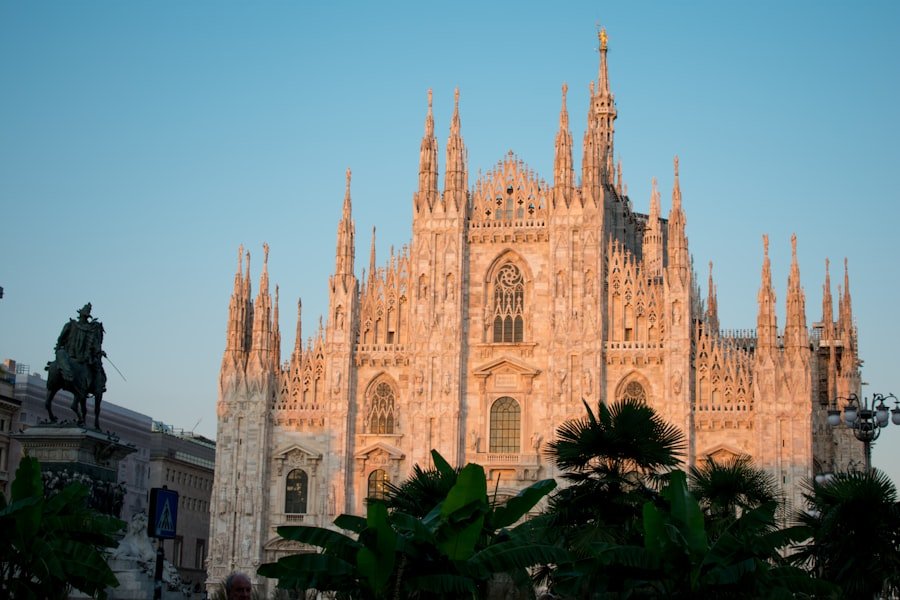
The Duomo is essential to Milan’s skyline, but the rooftop terraces should not be listed as a free attraction. Access to the terraces requires a paid ticket, with prices varying by ticket type, lift or stair access, guided experience and special event.
The free option is still memorable: spend time in Piazza Duomo and admire the cathedral’s marble façade, statues, pinnacles and flying buttresses from ground level. You can also walk around the square and combine the stop with the nearby Galleria Vittorio Emanuele II without paying an entrance fee.
The Panoramic Vista
If you decide to pay for the rooftop, the terraces provide wide views across Milan. On clear days, the skyline can extend toward the Alps. The roof also brings you close to the cathedral’s Gothic spires, statues and carved details.
A Unique Perspective
Walking among the rooftop architecture gives you a much closer view of the craftsmanship than you can get from the square below. You also hear the city beneath you, from traffic and conversation to church bells.
An Optional Paid Stop
The terrace can be worthwhile for architecture lovers and first-time visitors, but it belongs in the optional paid category rather than among Milan’s completely free activities. Check current admission directly with the official Duomo di Milano website.
Visit the Basilica di Sant’Ambrogio
The Basilica di Sant’Ambrogio is one of Milan’s most important historic churches and is free to enter under normal visitor conditions. Its origins go back to the 4th century, when Saint Ambrose was bishop of Milan, although much of the building visitors see today reflects later Romanesque rebuilding.
Inside, the brick architecture, columns, mosaics, chapels and dimly lit spaces create a very different atmosphere from Milan’s busy shopping streets. The basilica is dedicated to Saint Ambrose, Milan’s patron saint, and his remains are kept in the crypt together with Saints Gervasius and Protasius.
The courtyard is also worth slowing down for before you enter. Because this remains an active place of worship, sightseeing access can change during Masses, ceremonies and religious events. The official Milan visitor listing confirms free admission and notes that opening hours can vary with services.
Wander Through the Brera District
Brera is one of Milan’s most enjoyable neighborhoods to explore on foot. Its narrow streets, historic buildings, courtyards, boutiques, cafés and art-focused atmosphere make the neighborhood itself a free attraction.
The Pinacoteca di Brera is the district’s major museum and holds works by artists including Raphael and Caravaggio. However, it is not normally free every day. As of September 2026, the museum offers free admission on the first Sunday of each month, and a reservation is required. Check the official Pinacoteca di Brera admission page before visiting.
| Place | Free Status |
| Brera streets and neighborhood | Free to walk |
| Pinacoteca di Brera | Normally paid; free first Sunday with reservation |
| Galleria Vittorio Emanuele II | Free to walk through |
| Castello Sforzesco courtyards | Free daily during courtyard opening hours |
| Castello Sforzesco museums | Normally paid; free first Sunday |
| Civic Aquarium | Normally paid; free first Sunday and for eligible visitors |
| Duomo terraces | Paid ticket required |
Even without entering the Pinacoteca, Brera rewards a slow walk. You can browse the streets, look into courtyards, admire architecture and enjoy the neighborhood’s lively character. Cafés, restaurants and shopping are optional costs rather than requirements for enjoying the area.
Explore the Navigli Canals
The Navigli area gives you a different view of Milan. The city’s canal network developed over centuries, with the Naviglio Grande tracing its origins to the medieval period and later waterways becoming important for transportation, trade and the movement of building materials.
Today, walking along the canal banks is free. You can cross small bridges, photograph the water and colorful buildings, look into artists’ studios and browse the streets without buying anything.
In the evening, Navigli becomes one of Milan’s best-known aperitivo areas. Drinks, meals and canal cruises cost extra, but you do not need to purchase them to enjoy the atmosphere or take a sunset walk beside the water.
Admire Street Art in the Isola District
Isola mixes older neighborhood streets with modern development around Porta Nuova. Independent shops, workshops, public art, murals and street-level creativity give the area a different feel from Milan’s historic centre.
Street art is especially suitable for a free itinerary because you can discover it simply by walking. Do not depend too heavily on one named mural or wall, though. Milan’s street-art scene changes over time, and the city maintains legal walls where new work can replace older paintings.
The neighborhood also connects naturally with the Bosco Verticale area, Piazza Gae Aulenti and the Biblioteca degli Alberi park, so you can combine several free outdoor sights in one walk.
Pro Tip: Treat street art as something you discover rather than a fixed checklist. Murals can be temporary, repainted or replaced, so the walk itself is part of the experience.
Visit the Civic Aquarium of Milan on a Free Day
The Civic Aquarium of Milan sits beside Parco Sempione and dates from 1906, when the building was created for the Milan International Exhibition. It remains one of Italy’s older public aquariums and focuses heavily on aquatic environments and species connected with Italian freshwater and marine ecosystems.
Inside, visitors can see tanks, educational displays and temporary exhibitions. The building itself also has decorative early-20th-century architectural details that make it an interesting stop.
The aquarium is not free for every visitor every day. Current rules provide free admission for everyone on the first Sunday of each month. Visitors up to age 25 also receive free admission on the second Tuesday of the month, and several other categories qualify for free entry.
Regular opening hours are currently Tuesday through Sunday, 10:00 a.m. to 5:30 p.m., with Monday closed. Check the official Civic Aquarium website for current tickets, exhibitions and opening notices.
Discover Sforza Castle and Its Surrounding Gardens
Castello Sforzesco is one of Milan’s most important historic complexes. The castle developed from a fortress into a ducal residence and today houses several museums and collections.
The best news for budget travelers is that the castle courtyards are free to enter. Current official information lists courtyard access from 7:00 a.m. to 7:30 p.m. every day. You can therefore walk through parts of the complex, study the architecture and continue directly into Parco Sempione without purchasing a museum ticket.
The museums inside the castle are normally paid. As of September 2026, the standard full museum ticket is €10, but admission is free for everyone on the first Sunday of each month. The second Tuesday is also free for eligible younger visitors under the current rules.
Because individual galleries can close temporarily for maintenance or restoration, check the official Castello Sforzesco ticket and opening page before planning a museum visit.
Experience the Atmosphere of Piazza Gae Aulenti
Piazza Gae Aulenti represents Milan’s modern side. The public square is surrounded by contemporary towers, offices, shops and restaurants, and you can explore the open space without an admission fee.
It is especially attractive after dark, when surrounding buildings and fountains are illuminated. You can sit, walk, people-watch and photograph the modern skyline without needing to purchase anything.
From the square, continue toward the Biblioteca degli Alberi, often called BAM. This large public green space connects Porta Nuova with Isola and provides paths, lawns, planted areas and spaces used for public activities. Combining Gae Aulenti, BAM and Isola creates one of Milan’s best free modern-city walks.
Take a Walk Through the Galleria Vittorio Emanuele II
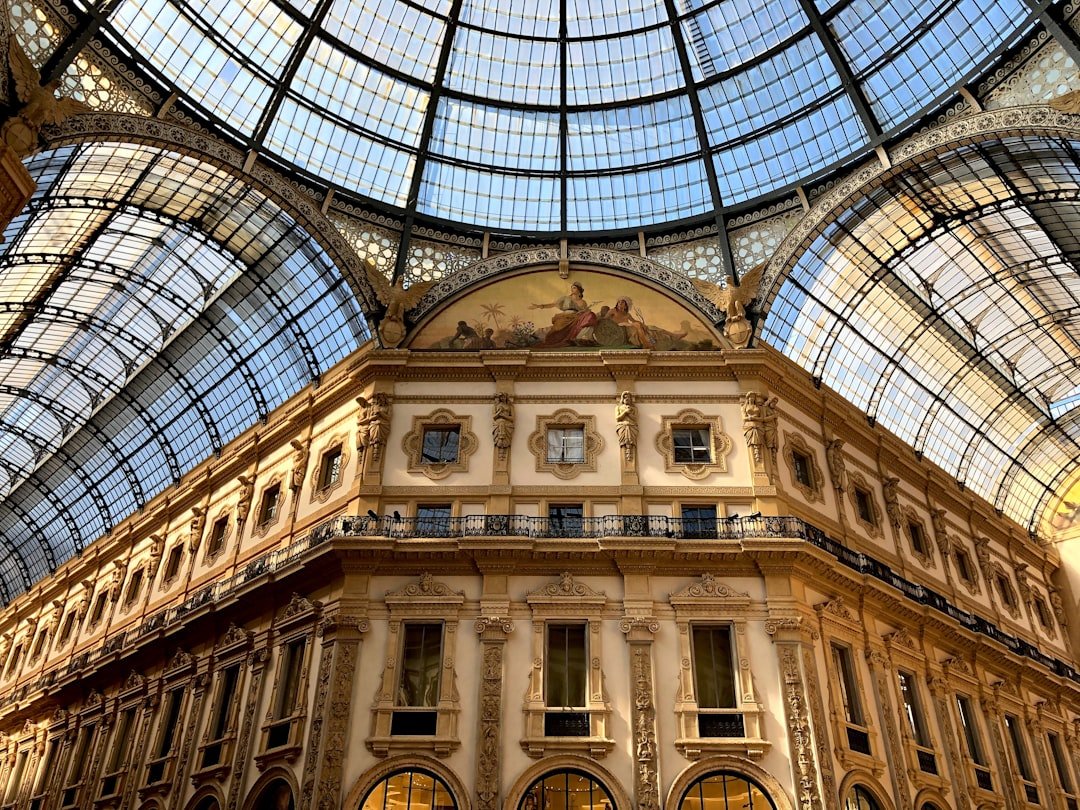
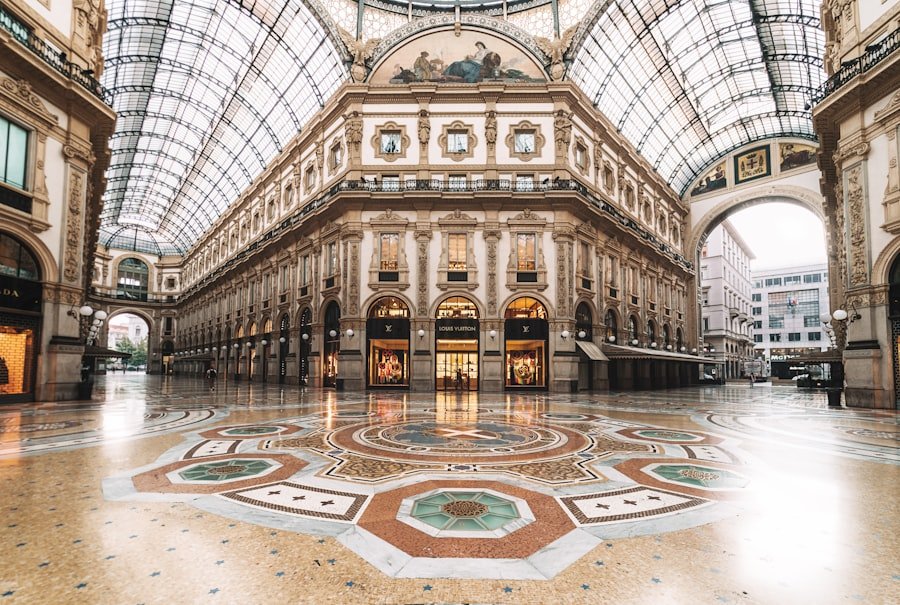
Galleria Vittorio Emanuele II is one of Milan’s signature architectural spaces and is free to enter. Completed in the 19th century, its glass-and-iron roof, mosaic floors and grand arches connect Piazza Duomo with Piazza della Scala.
You do not need to shop to appreciate it. Walk through slowly, look upward at the glass dome, study the mosaics and enjoy the contrast between historic architecture and luxury storefronts.
Shopping, cafés and restaurants inside the arcade can be expensive, but they are optional. For a zero-cost visit, simply use the Galleria as a beautiful pedestrian route between central Milan landmarks.
Enjoy a Picnic in the Giardini Pubblici Indro Montanelli
Giardini Pubblici Indro Montanelli offers trees, lawns, flowerbeds, paths, fountains and a pond near the Porta Venezia area. It is a useful place to rest during a long sightseeing day and an easy location for a picnic if you already have food with you.
The gardens are also home to cultural attractions including Milan’s Natural History Museum. The park itself can be enjoyed without an admission fee, while museums and other ticketed attractions inside or beside the gardens have their own admission rules.
Families can use the open space for a break, while walkers and runners can enjoy the paths. The gardens also work well as part of a free route through Porta Venezia and nearby historic streets.
Visit the Monumental Cemetery
Cimitero Monumentale is one of the strongest free cultural attractions missing from the original guide. It functions almost like an open-air sculpture museum, with elaborate family tombs, monuments, statues and architecture created in many different artistic styles.
Admission is free. Current visitor information lists opening from Tuesday through Sunday, 8:00 a.m. to 6:00 p.m., with Monday normally closed. Holiday schedules can differ.
Approach the site respectfully because it remains an active cemetery. Take time to study the sculpture and architecture rather than treating it as only a quick photo stop.
See the Frescoes of San Maurizio al Monastero Maggiore
San Maurizio al Monastero Maggiore is often described as one of Milan’s most beautiful church interiors. Its walls and ceilings are covered with Renaissance frescoes, making it an excellent free alternative for travelers who want major art without buying a museum ticket.
Milan’s official tourism guidance notes that, apart from the Duomo, the city’s churches can generally be visited without an entrance fee. Religious services, private ceremonies or restoration work can still affect visitor access, so enter quietly and follow posted instructions.
Visit Pirelli HangarBicocca for Free Contemporary Art
Pirelli HangarBicocca is a large contemporary-art venue in a converted industrial complex in northern Milan. Admission is currently free, making it one of the city’s best choices when you want a substantial indoor cultural experience without paying for a museum ticket.
The venue hosts large-scale installations and temporary exhibitions by international artists. Its vast industrial interiors allow works to be displayed at a scale that would be difficult in a traditional museum.
Current visitor information lists opening from Thursday through Sunday, 10:30 a.m. to 8:30 p.m., with last admission earlier in the evening. Booking may be recommended for some visits or events.
Use Milan’s Free Museum Days Strategically
Milan has two different types of free museum opportunities: venues that are normally free and paid museums that waive admission on selected days.
Museums and Collections That Are Normally Free
- MUDEC – Museum of Cultures permanent collection
- Palazzo Morando | Costume Moda Immagine
- Palazzo Moriggia | Museo del Risorgimento
- Casa-Museo Boschi di Stefano
- CASVA – Centro di Alti Studi sulle Arti Visive
- Pirelli HangarBicocca
Temporary exhibitions, special activities or guided tours may still carry a fee even when the permanent collection is free.
First-Sunday Free Admission
On the first Sunday of each month, several Milan civic and state museums participate in free-admission programs. Current examples include the Museo del Novecento, Castello Sforzesco museums, Civic Aquarium, Archaeological Museum, Gallery of Modern Art, Natural History Museum and Pinacoteca di Brera.
Free does not always mean walk-in. Pinacoteca di Brera currently requires a reservation on its free first Sunday, and highly popular attractions can fill their available spaces quickly.
Warning: Do not arrive at a popular free museum day assuming a ticket or reservation is unnecessary. Check the official venue website first, especially for Brera and other museums with timed entry.
Find Current Free Events in Milan
Milan regularly hosts public concerts, cultural programs, exhibitions, neighborhood activities and events in parks and squares. However, the exact calendar changes every year, so an evergreen guide should not promise that a specific festival will always be free or even take place.
Before your trip, check the official Milan tourism calendar for the dates you will be in the city. This is more reliable than relying on old lists of festivals or past “Notte Bianca” events.
If you’re looking for more free things to do in Milan, the official YesMilano guide to free activities is a useful place to check for current ideas.
Frequently Asked Questions
What are some of the best free things to do in Milan?
Good free choices include walking through Parco Sempione, Brera, Navigli and Isola; exploring Piazza Gae Aulenti and Galleria Vittorio Emanuele II; visiting Basilica di Sant’Ambrogio and San Maurizio al Monastero Maggiore; exploring the free courtyards at Castello Sforzesco; visiting Cimitero Monumentale; and seeing contemporary art at Pirelli HangarBicocca.
Can I visit the Duomo Terrace for free?
No. Access to the Duomo terraces requires a paid ticket. You can still enjoy Piazza Duomo and admire the cathedral’s exterior for free, then walk through the nearby Galleria Vittorio Emanuele II without an admission fee.
Are there any museums in Milan that are always free?
Yes. Current always-free examples include the permanent collection at MUDEC, Palazzo Morando, Palazzo Moriggia, Casa-Museo Boschi di Stefano, CASVA and Pirelli HangarBicocca. Temporary exhibitions or special activities may have separate fees.
Which Milan museums are free on the first Sunday of the month?
Current participating venues include the Museo del Novecento, Castello Sforzesco museums, Civic Aquarium, Archaeological Museum, Gallery of Modern Art, Natural History Museum and Pinacoteca di Brera. Some museums require a reservation even when admission is free.
Can I visit Galleria Vittorio Emanuele II for free?
Yes. Walking through Galleria Vittorio Emanuele II is free. You only pay if you choose to shop, eat, drink or book a separate paid experience.
Can I visit the Civic Aquarium of Milan for free?
The Civic Aquarium is not free for everyone every day. It is currently free for all visitors on the first Sunday of each month. Visitors up to age 25 also receive free admission on the second Tuesday of the month, and other eligible categories qualify for free entry.
What free parks and gardens can I visit in Milan?
Parco Sempione and Giardini Pubblici Indro Montanelli are two convenient central choices. The Biblioteca degli Alberi near Piazza Gae Aulenti is another useful free green space, especially if you are exploring Isola and Porta Nuova.
Are there free events and festivals in Milan?
Yes, but the calendar changes throughout the year. Milan hosts free exhibitions, public performances, neighborhood programs and outdoor activities at different times. Check the current official city tourism calendar before your trip rather than relying on an old recurring-event list.
Sources
- Comune di Milano — Parco Sempione — current park size, opening hours and visitor information.
- Duomo di Milano — official rooftop tickets, opening information and visitor notices.
- Castello Sforzesco — Comune di Milano — courtyard access, museum hours, prices and free-admission days.
- Acquario Civico di Milano — Comune di Milano — aquarium opening information and visitor rules.
- Pinacoteca di Brera — official admission, reductions and first-Sunday reservation rules.
- YesMilano — Free Museums in Milano — always-free museums and current free-admission opportunities.