Does Venice Smell in Summer?
Venice can smell stronger in summer, but the scent changes by street, canal, weather, and time of day. Heat, still canal water, boat traffic, food waste, and humidity can make salty, earthy, or sulfur-like smells more noticeable. You can still enjoy the city by planning your walks during cooler hours, staying near breezier areas, and treating the smell as one part of Venice’s unusual character.
Quick Answer
Venice can smell in summer, especially near still canals, crowded areas, and waste collection points. The odor usually comes from warm brackish water, decaying organic matter, algae, boat pollution, food waste, and high humidity. The smell isn’t constant across the city, and many visitors notice it less near open water or when a breeze moves through the streets.
The summer months in Venice heighten every sense. Warm air can carry the salty tang of the lagoon, the earthy scent of old brick and stone, and the smell of seafood, coffee, and street food from markets and cafes.
This scent is part of Venice’s identity, just like its gondolas, bridges, and narrow lanes. When you understand what causes it, you can plan your visit with fewer surprises and more appreciation for the city.
Key Takeaways
- Venice can smell stronger in summer because heat, humidity, and still canal water make odors more noticeable.
- Canal smells often come from brackish water, algae, sediment, and decaying organic matter.
- Crowds can add to the issue by increasing litter, food waste, and strain on waste collection.
- The smell changes by location, tide, wind, water flow, and time of day.
- You can reduce the impact by walking early or late, choosing breezier routes, and avoiding stagnant canal edges.
What Causes Venice to Smell in Summer?
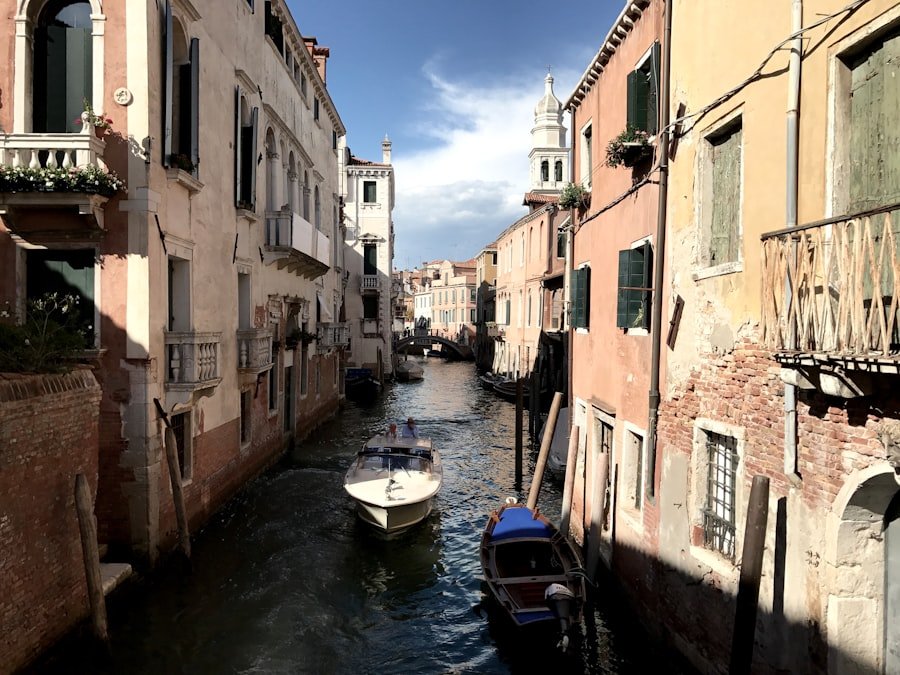
Several factors shape the scent of Venice in summer. The city sits in a lagoon, so saltwater, mud, algae, and old canal sediment all affect the air. Warm weather can make those natural smells sharper.
The canals can hold organic matter, especially where water moves slowly. When temperatures rise, algae and plant debris can break down faster and release stronger odors. Some visitors describe the smell as brackish, earthy, sulfur-like, or similar to rotting vegetation.
Human activity also changes the summer air. Crowds produce more food waste, packaging, and litter, which can create odors in narrow streets and busy squares. Local kitchens, seafood stalls, bakeries, and outdoor cafes add more pleasant smells that mix with the canal scent.
How Heat Affects Venice’s Summer Smell
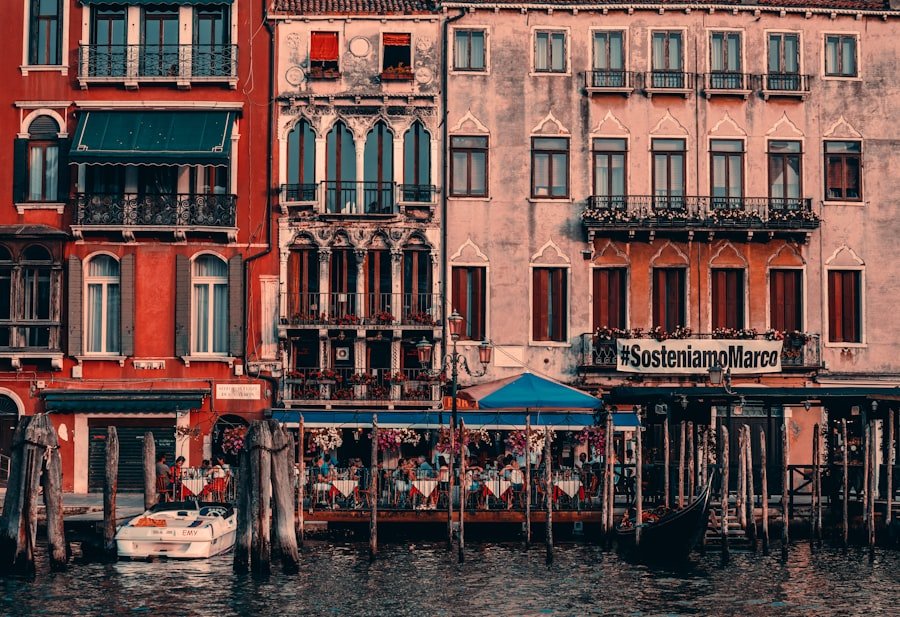
High temperatures can make Venice’s smells stronger. Heat speeds up the breakdown of organic matter in canal water, sediment, and waste. It can also make odors from algae, mud, trash, and boat exhaust more noticeable.
Warm, still days often feel more intense than breezy days. When air does not move much, odors can linger in narrow streets and around small canals. A breeze from the lagoon can clear the air and make the same area feel much fresher.
Urban pollution can also feel worse during hot weather. Boats, service vessels, and heavy foot traffic add fuel fumes, food smells, and waste odors to the natural scent of the lagoon.
How Water, Humidity, and Wind Shape the Scent
| Factors | Impact |
|---|---|
| Water level in canals | Affects how strong canal odors feel |
| Humidity levels | Helps odors linger close to streets and canals |
| Temperature | Speeds up the breakdown of organic matter |
| Wind direction | Carries odors toward or away from busy areas |
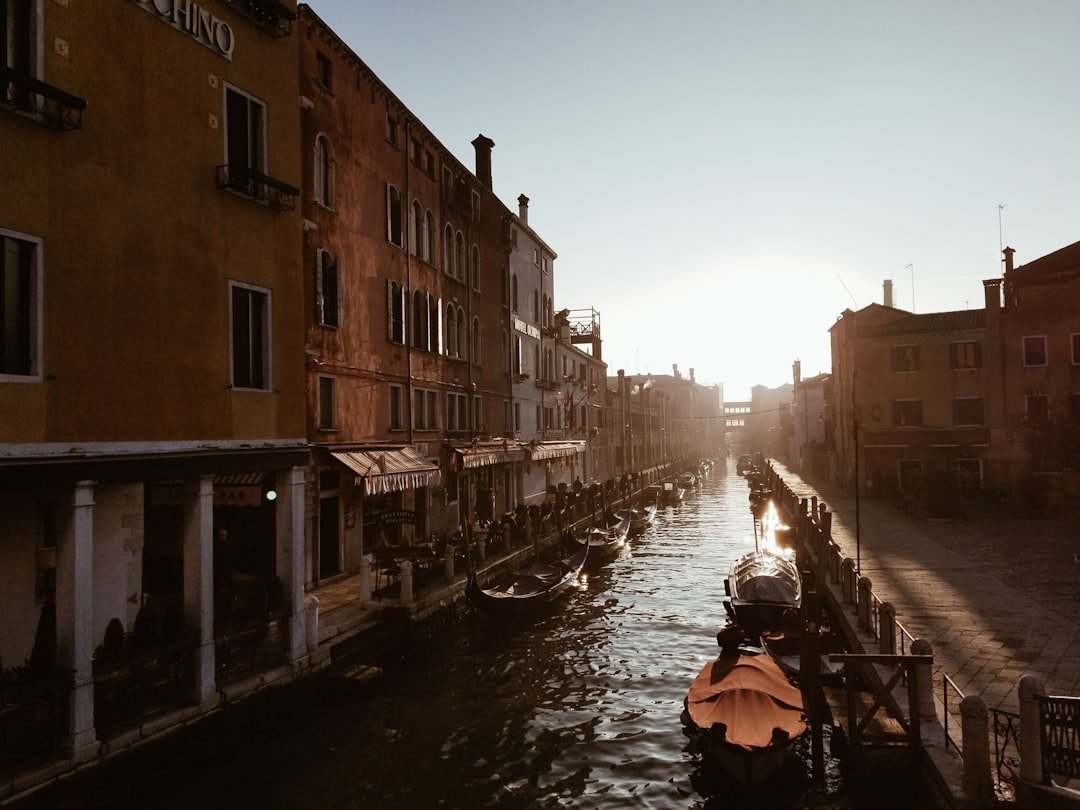
Water shapes Venice’s look, movement, and smell. The canals bring beauty, but they also carry sediment, algae, salt, and organic debris. In summer, these elements can create a stronger scent when water movement slows.
Humidity can make the scent feel heavier. Moist air holds odors close to streets, bridges, and canal edges. That is why one alley may smell strong while a nearby waterfront feels clean and fresh.
The mix of water, humidity, temperature, and wind creates a scent that feels distinctly Venetian.
How Tourism Changes Venice’s Summer Smell
Tourism plays a large role in Venice’s summer scent. The city welcomes heavy visitor traffic during warm months, and more people means more food waste, litter, restroom use, and strain on public services. Narrow streets and crowded squares can make those smells feel concentrated.
Tourists also add pleasant smells to the city. Outdoor dining, seafood dishes, gelato shops, espresso bars, and snack vendors create aromas that many visitors enjoy. These smells can enrich your visit, but they can also feel overwhelming when they mix with heat, humidity, and canal odors.
The key challenge for Venice is balance. The city needs tourism, but it also needs clean streets, healthy canals, and waste systems that protect daily life for residents.
Products Worth Considering

Travel-Ready Freshness: This 2-pack of Fresh Wave air freshener spray comes in a compact 2 fl. oz. travel size air freshener spray, making it easy to freshen hotel rooms, luggage, and vehicles wherever your journey takes you.

FRAGRANCE: A divine blend of freshness and softness, the fresh aromacy of lavender wrapped with the delicate sweet and creamy floralcy of almond blossom brings a feeling of joy and serenity.

Freshens Every Corner - Small but mighty, AER Power Pocket’s compact solid gel design delivers consistent fragrance to every corner of your home, bathroom, office, or any room you choose.
What Venice Does to Reduce Summer Odors
Products Worth Considering

POP-UP & COLLAPSIBLE DESIGN - Pop up car trash can, can be folded down completely flat and has elastic band to keep it folded. It pops right up when you loosen the band, is incredibly convenient and easy storage.

✔【Extra Strong & Durable】 Made with pure P.E materials, these small clear trash bags are anti-puncture, ensuring safety and health when disposing of waste. These bags are leak-proof and extra strong, making them nice for bathroom or office trash cans.
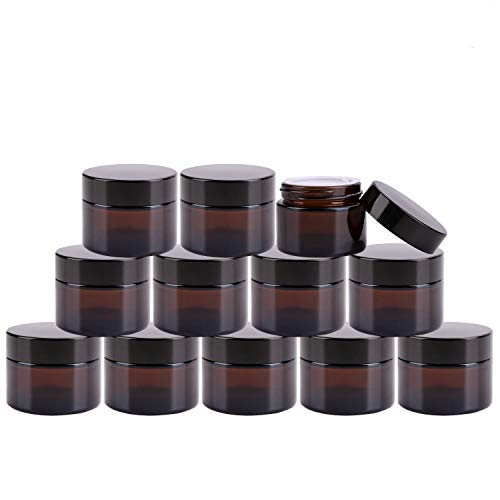
Perfect glass jar for storing cosmetics or other homemade beauty items. comes 40 pcak,enough for everything!size:1.97 inch height,2.17 inch wideth
Improving Waste Collection
Local authorities work to manage waste across a city that has no standard road network. Collection can become harder during peak visitor periods, especially in narrow streets and crowded zones. More frequent pickup, public bins, and visitor education can help reduce odors from food scraps and litter.
Protecting Canal Water Quality
Cleaner canal water can reduce some odor problems. Rules on boat traffic, fuel use, wastewater, and pollution all affect the lagoon’s health. Better water flow and lower pollution can make the city smell fresher over time.
Managing Crowds More Carefully
Crowd control also affects cleanliness. When visitors spread out, respect waste rules, and avoid littering, the city feels cleaner and smells better. Small choices from each visitor can reduce pressure on Venice’s fragile setting.
How You Can Reduce the Impact of the Smell
You can make a summer visit to Venice more comfortable with a few simple choices. Walk early in the morning or later in the evening, when the air feels cooler and smells often feel lighter. Midday heat can make canal edges and crowded lanes feel more intense.
Choose accommodations away from the busiest tourist corridors if you want quieter streets and less waste-related odor. Routes near open water may feel fresher because breezes move more freely.
Local food can still be one of the best parts of your trip. Enjoy seafood, markets, and cafes, but dispose of waste carefully and avoid leaving food scraps in public spaces. Respecting the city helps protect both its beauty and its scent.
Products Worth Considering

Powerful Turbo Airflow with 1–100 Speed Control: Stepless adjustment delivers cooling from a gentle breeze to strong turbo airflow — precise comfort for every summer moment.

Strong Airflow 20ft/s: Aecooly Mighty Portable Fan delivers strong refreshing airflow with a maximum wind speed of 20 ft/s. It cools you down quickly during commuting outdoor activities workouts or long walks under the sun keeping you comfortable in any situation

10,000mAh Battery Powers 24H on Low / 10H on High — All-Day Cooling Without Recharging: This Warmco rechargeable desk fan runs a full workday on low speed and overnight camping sessions on a single charge. 4 adjustable speeds and 5-blade design deliver consistent airflow at your desk, in a tent, or on a cruise cabin.
When Does Venice Smell the Most?
Venice often smells strongest during hot, still weather. Odors can build when air movement drops, water moves slowly, and crowds fill the streets. Low-traffic residential areas may smell different from busy tourist routes.
The smell can also change through the day. Early morning usually feels fresher, while late afternoon heat can bring out stronger canal and waste odors. After wind or rain, the air may feel clearer.
Where Are Smells Most Noticeable in Venice?
You may notice stronger smells near small stagnant canals, waste collection spots, crowded squares, and narrow lanes with little airflow. Areas close to open lagoon water can feel fresher, especially when a breeze blows through.
Smell varies block by block. A strong odor in one canal does not mean the whole city smells the same. Give yourself time to explore different areas before judging the city by one street.
Frequently Asked Questions
Does Venice always smell bad in summer?
No, Venice does not always smell bad in summer. The scent changes with heat, wind, tides, water flow, and crowds. Many areas smell neutral or pleasant, especially near open water or food markets.
What does Venice smell like in summer?
Venice can smell salty, damp, earthy, or slightly sulfur-like near some canals. In busy areas, those smells may mix with seafood, coffee, pastries, boat fuel, and food waste.
Is the summer smell in Venice dangerous?
The smell usually creates discomfort rather than a serious health risk for most visitors. If you have asthma or strong scent sensitivity, avoid stagnant canal areas during hot, still weather and rest in breezier spots.
What time of day smells best in Venice?
Early morning and late evening often feel freshest because temperatures drop and crowds thin out. A windy day can also make the city feel much cleaner and more comfortable.
Can you avoid the smell while visiting Venice?
You can’t avoid every odor in a lagoon city, but you can reduce exposure. Stay near open water, walk during cooler hours, avoid stagnant canals, and choose less crowded routes when possible.
Why the Smell Is Part of Venice’s Character
The summer scent of Venice comes from the same forces that make the city unique: water, stone, food, boats, tides, and dense human life. Some smells can feel unpleasant, but they also remind you that Venice is a living lagoon city, not a theme park.
Plan around the heat, seek breezy routes, and stay mindful of waste. You’ll notice more than the odor when you slow down: the sound of water, the smell of coffee, the taste of seafood, and the texture of old streets under your feet. Venice rewards visitors who accept its quirks and look beyond the postcard view.
If you’re planning a trip to Venice in the summer and wondering if the city smells during the hot months, you may want to check out this article on exploring the delightful world of Asian melon. It offers a refreshing and light alternative to the heavy scents that can sometimes linger in Venice during the warmer seasons.
FAQs
What causes the smell in Venice during summer?
The smell in Venice during summer often comes from high temperatures, slow-moving canal water, algae, sediment, organic matter, food waste, and heavy foot traffic.
Is the smell in Venice during summer constant throughout the season?
The smell in Venice during summer changes with weather, wind, tides, water flow, and canal maintenance. It may feel stronger during hot, still periods.
Are there any efforts to address the smell in Venice during summer?
Local efforts include waste collection, water-quality measures, and pollution controls for lagoon traffic. Visitor behavior also plays a role, especially around litter and food waste.
Can the smell in Venice during summer be a health concern?
For most visitors, the smell is unpleasant rather than harmful. People with respiratory sensitivities may want to avoid stagnant canal areas during hot, still weather.
What can visitors do to minimize the impact of the smell in Venice during summer?
Visitors can stay near breezy areas, avoid stagnant water, walk during cooler hours, and dispose of waste carefully. Scented products or a mask may help if smells bother you.