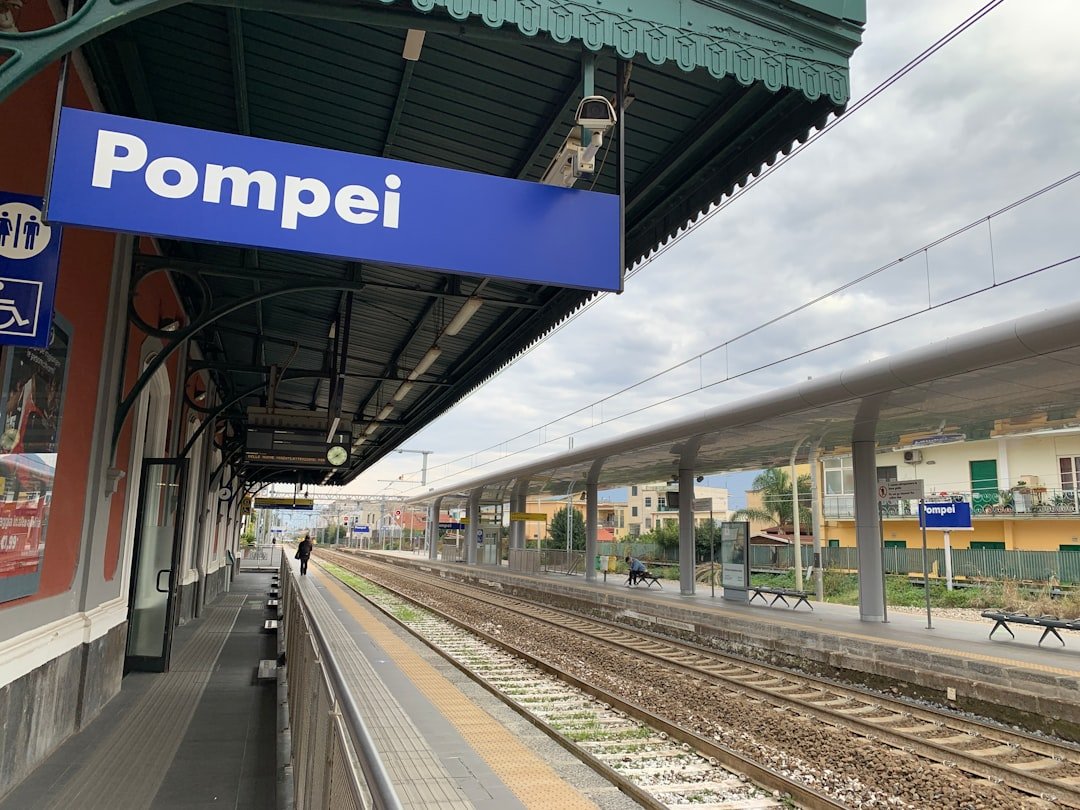
Naples is one of southern Italy’s best bases for independent day trips. Direct rail services make places such as Pompeii, Herculaneum, Sorrento, and Caserta relatively simple to reach, while islands and parts of the Amalfi Coast require a ferry or another connection. Knowing which trips are truly train-based makes planning much easier and helps you avoid wasting time on unnecessary transfers.
Quick Answer
The easiest day trips from Naples by train are Pompeii, Herculaneum, Sorrento, and Caserta. Mount Vesuvius requires a train plus bus or transfer, while Capri and Procida are ferry trips. For the Amalfi Coast, a practical public-transport option is to take a train toward Salerno and continue by ferry or bus.
Key Takeaways
- Pompeii, Herculaneum, and Sorrento are served by EAV’s Vesuvian rail network from Naples.
- Caserta is an easy rail day trip for travelers who want a palace, gardens, and fewer transfers.
- Capri and Procida are not train destinations. Travel from Naples is by ferry or hydrofoil.
- Mount Vesuvius requires an onward road connection after the train, and crater tickets must be purchased online.
- Amalfi and Positano do not have railway stations. Combine rail with a ferry or bus instead.
- Check official schedules on the day of travel because rail and ferry services can change because of engineering work, operational issues, weather, or sea conditions.
Best day trips from Naples: train, ferry, and transfer overview
| Destination | Main transport | Transfer? | Best for |
|---|---|---|---|
| Pompeii | EAV Vesuvian rail line | No for the main archaeological site | Roman history and archaeology |
| Herculaneum | EAV Vesuvian rail line | No | A smaller, highly preserved Roman site |
| Sorrento | EAV Napoli-Sorrento line | No | Sea views, old-town streets, food, and shopping |
| Caserta | Regional train | No | Royal palace and large formal gardens |
| Mount Vesuvius | Train + bus/road transfer | Yes | Hiking, geology, and Bay of Naples views |
| Amalfi Coast | Train + ferry or bus | Yes | Coastal scenery and villages |
| Capri | Ferry/hydrofoil | No train required | Island scenery and Anacapri |
| Procida | Ferry/hydrofoil | No train required | Colorful waterfronts and a slower island atmosphere |
Note: Naples has several transport hubs. Napoli Centrale is the main national and regional rail station, while the connected Piazza Garibaldi area serves local transport including Vesuvian rail services. Ferries generally use Naples’ waterfront ports, so do not assume that an island departure begins at the railway station.
Advantages of exploring Naples by train
Scenic views and stress-free travel
Rail is a practical way to explore Campania without renting a car. On routes around the Bay of Naples, you can reach archaeological sites and coastal towns while avoiding the need to navigate unfamiliar roads or search for parking.
The biggest advantage is not simply scenery; it is convenience. Pompeii, Herculaneum, Sorrento, and Caserta can all fit naturally into an independent day-trip itinerary from Naples.
Avoiding the hassle of driving
Road traffic in and around Naples can be demanding for visitors, and parking is limited around some popular destinations. Using public transport lets you concentrate on the day trip rather than driving logistics.
However, rail is not the answer for every destination. Capri and Procida require boats, while Vesuvius and the Amalfi Coast generally involve another mode of transport after the rail portion.
Accessibility and convenience
Naples’ main transport hubs connect the city with a large part of Campania. EAV currently publishes a Napoli-Sorrento timetable for its Vesuvian rail network, while Trenitalia operates regional services to destinations including Caserta and Salerno.
Always check the relevant operator before departure. Temporary timetable changes, engineering work, cancellations, weather, and ferry conditions can affect a route even when the normal service is frequent.
Pompeii: a day trip to ancient ruins

Pompeii is one of the easiest major archaeological day trips from Naples. Trains on EAV’s Vesuvian network serve Pompei Scavi-Villa dei Misteri, placing travelers close to the main archaeological area without needing a rental car.
The city was buried during the eruption of Mount Vesuvius in AD 79. Streets, houses, public buildings, wall paintings, mosaics, and everyday objects now provide an unusually detailed picture of Roman urban life. Highlights include the Forum, amphitheater, baths, villas, and richly decorated houses.
Pompeii is large enough to occupy most of a day. Rather than trying to see every street, choose several priority areas and leave time for rest, water, and the walk back to the station.
Pro Tip: Buy Pompeii admission through the official Archaeological Park system before a busy travel day. The park currently uses nominative tickets and a daily admission limit, so advance planning is more useful than simply arriving and hoping for a short ticket line.
The House of the Faun, public spaces around the Forum, theaters, baths, and residential streets help show how different parts of the Roman city worked together. The site also contains casts and other evidence of the human cost of the eruption, so allow time to experience Pompeii as an archaeological site rather than treating it as a quick photo stop.
Sorrento: a scenic coastal town
| Main rail route | EAV Napoli-Sorrento line |
| Arrival | Sorrento station |
| Best for | A relaxed coastal day, walking, views, cafes, and shopping |
| Planning tip | Check the latest EAV return timetable before leaving Naples |
Sorrento sits on cliffs overlooking the Bay of Naples and offers a very different experience from archaeological Pompeii. The center is compact enough for an independent walking day, with Piazza Tasso, lanes lined with shops and cafes, viewpoints, churches, and routes down toward the waterfront.
Marina Grande retains the feel of a traditional fishing district and is a pleasant place for a waterfront meal. Sorrento is also associated with lemons and limoncello, so local citrus products are easy to find throughout town.
Sorrento can also serve as a gateway to Capri and the Amalfi Coast, but adding another major destination can turn a relaxed day trip into a rushed transfer exercise. If Sorrento itself is your priority, give the town most of the day.
Capri: an island day trip from Naples
Capri is an excellent day trip from Naples, but it is not a train trip. Ferries and faster passenger vessels connect Naples directly with the island. Current Caremar timetables show both standard and faster services, with journey duration varying by vessel and schedule.
Once on Capri, decide whether you want to concentrate on Capri town, Anacapri, coastal viewpoints, or a boat activity. Trying to do every famous attraction in a single visit can mean spending too much of the day waiting for local buses, boats, or the funicular.
The Blue Grotto is one of the island’s best-known attractions, but access depends on sea and weather conditions. Do not build an entire Capri itinerary around a guaranteed visit. Anacapri, walking routes, gardens, viewpoints, and the Monte Solaro area provide alternatives if boat conditions are poor.
Note: Ferry schedules can vary by season and may change because of sea or operational conditions. Check both the outbound and final practical return option before leaving Naples.
Mount Vesuvius: train plus transfer to the famous volcano
How to reach Mount Vesuvius without a car
Mount Vesuvius is not reached by train alone. Vesuvius National Park advises public-transport travelers that they can use Circumvesuviana services toward the Pompeii area and continue from Pompei-Villa dei Misteri using the EAV bus connection toward Vesuvius.
This makes Vesuvius possible as an independent public-transport day trip, but it requires more coordination than Pompeii or Sorrento. Check the rail connection, onward bus, crater entry time, and return service before setting out.
How long is the Gran Cono hike?
The official Vesuvius National Park information lists the Gran Cono route at approximately 4.01 kilometers round trip, with an estimated 2½-hour walking time. The route reaches a maximum altitude of about 1,175 meters and includes steep volcanic terrain even though the park classifies its overall difficulty as low.
Tickets and weather
Entry to the Gran Cono trail requires advance online ticket purchase through the authorized system identified by Vesuvius National Park. Access hours change by month, and the park can close trail access when safety or weather conditions require it.
Warning: Wear suitable walking shoes, carry water, check the weather and official park notices, and do not rely on an improvised last-minute arrival. The volcanic surface can be loose and exposed, and entry is controlled by timed tickets.
Views from the volcano
The reward is a close look at the crater and broad views across the Bay of Naples. On clear days, the trail gives visitors a perspective over the city, coast, and surrounding volcanic landscape that is very different from the views at sea level.
Herculaneum: a smaller archaeological alternative to Pompeii
Herculaneum is often overshadowed by Pompeii, but it can be the better day trip for travelers who want a more compact archaeological site. Like Pompeii, the Roman town was overwhelmed during the AD 79 eruption of Vesuvius, but the conditions that buried Herculaneum preserved parts of buildings and organic materials in exceptional ways.
UNESCO notes the survival of upper floors as well as carbonized food, architectural elements, wooden furniture, shops, baths, houses, and decorative features. That level of preservation helps visitors understand the vertical structure and everyday spaces of a Roman town.
The archaeological area is reached via the Ercolano Scavi stop on the Vesuvian rail network, followed by a walk through modern Ercolano. Because the ancient site is smaller than Pompeii, many visitors find it easier to explore in half a day without archaeological fatigue.
Pro Tip: If you have only one archaeology day, choose Pompeii for scale and variety or Herculaneum for a smaller site with unusually well-preserved buildings. Trying to rush both plus Vesuvius into a short winter day can reduce the quality of all three visits.
Amalfi Coast: train plus ferry or bus
The Amalfi Coast is famous for steep mountains, sea views, and towns such as Amalfi and Positano, but neither Amalfi nor Positano has a railway station. For that reason, calling the coast a direct “day trip from Naples by train” is misleading.
One practical public-transport strategy is to travel by rail from Naples toward Salerno and continue by ferry when the desired service is operating. Travelmar’s 2026 schedule includes sea connections from Salerno to Amalfi, Positano, Vietri sul Mare, Cetara, Maiori, Minori, and other coastal stops depending on the timetable.
A bus connection is another option, particularly when ferry schedules are limited, but road traffic can make journey times less predictable. For a one-day visit, choose one or two coastal towns rather than trying to cover the entire coast.
Positano is known for its steep lanes and houses rising above the sea, while Amalfi combines a compact historic center and waterfront with the Cathedral of Saint Andrew. The journey itself is part of the attraction when traveling by sea because it provides wide views of the coastline without requiring you to drive the narrow coastal road.
Caserta: a train trip to the Royal Palace
Caserta is one of the simplest alternatives for travelers who want an impressive cultural day trip without ferry connections or volcanic hiking. Regional rail services link Naples and Caserta, and the Royal Palace is the city’s main attraction.
The Reggia di Caserta was commissioned by Charles of Bourbon and designed by Luigi Vanvitelli. Official information lists approximately 1,200 rooms in the palace and a 123-hectare Royal Park, including the long Via d’Acqua, fountains, Bosco Vecchio, and English Garden.
The Royal Apartments contain monumental staircases, ceremonial rooms, frescoes, furnishings, and spaces associated with Bourbon court life. Outside, the park is large enough to require substantial additional time, so visitors interested in both palace and gardens should reserve most of the day.
Note: The Reggia di Caserta is ordinarily closed on Tuesdays. Opening times for the Royal Park and English Garden also vary during the year, so check the official schedule before choosing your travel date.
Procida: a colorful island reached by ferry
Procida offers a quieter island experience than Capri, with pastel-colored waterfront buildings, fishing harbors, steep lanes, and a more residential atmosphere. Like Capri, however, it is not reached from Naples by train.
Caremar publishes Naples-Procida ferry and hydrofoil services throughout the year, although individual sailing times and operational notices can change. Faster passenger services can make the island practical for a day trip when the outbound and return schedules line up well.
Marina Corricella is one of Procida’s most recognizable areas, with colorful houses facing a small harbor. Terra Murata, the island’s historic fortified settlement, gives visitors elevated views and a sense of Procida’s older urban history.
Procida suits travelers who would rather walk, eat seafood, photograph waterfront streets, and slow down than race between major ticketed attractions.
Tips for traveling from Naples by train and ferry
Check the correct operator
Different day trips use different transport systems. EAV operates key Vesuvian routes toward Sorrento, Pompeii, and Herculaneum. Trenitalia serves regional destinations such as Caserta and Salerno, while islands require ferry operators.
Check the return trip before you leave
Do not plan only the outbound journey. Save or note several realistic return options, particularly for islands and the Amalfi Coast. A cancelled or missed final convenient ferry can cause far more disruption than missing a frequent urban train.
Buy tickets before boarding and follow the ticket’s instructions
Purchase the appropriate ticket before travel and follow the validation, activation, or check-in instructions that apply to that specific operator and ticket format. Do not assume every paper ticket, app ticket, regional rail ticket, or ferry ticket works in exactly the same way.
Allow a transfer buffer
If your itinerary combines train, bus, and ferry services, avoid building a schedule around very tight connections. A 10-minute delay can become a major problem when the next leg runs less frequently.
Plan for heat and walking
Pompeii, Herculaneum, Vesuvius, Capri, Sorrento, Procida, and Caserta all involve significant walking. In warm weather, carry water, use sun protection, and avoid scheduling every hour of the day without breaks.
Check accessibility before committing to a route
Historic streets, archaeological surfaces, steep island lanes, and volcanic trails can be difficult for travelers with limited mobility. Check the attraction and transport operator’s current accessibility information before buying timed admission or non-refundable transport.
The easiest Naples day trip is not always the closest destination. A direct train to Pompeii, Herculaneum, Sorrento, or Caserta can be simpler than a shorter-looking journey that requires several connections.
Frequently Asked Questions
What are the best day trips from Naples by train?
Pompeii, Herculaneum, Sorrento, and Caserta are among the easiest choices because they can be reached by rail without needing a ferry. Salerno is also useful as a rail gateway for onward travel toward the Amalfi Coast.
How long does it take to reach Pompeii or Sorrento from Naples?
Pompeii is generally a shorter rail trip than Sorrento because it lies partway along the Vesuvian route. Exact journey times depend on the specific service, stops, delays, and timetable in effect, so check EAV’s current schedule for your travel date rather than relying on a fixed time quoted months in advance.
Can you take a train from Naples to Capri?
No. Capri is an island and is reached from Naples by ferry or other passenger vessel. You do not need to take a train to Sorrento first unless you specifically want to combine Sorrento and Capri.
Can you take a train from Naples to Procida?
No. Procida is also an island. Ferries and hydrofoils operate between Naples and Procida, with schedules varying by service and operational conditions.
Can you reach the Amalfi Coast from Naples by train?
You can use a train for part of the journey, but Amalfi and Positano do not have railway stations. One practical option is to take a train to Salerno and continue by ferry or bus. Check seasonal ferry schedules before relying on a sea connection.
Can you visit Mount Vesuvius by train?
Not by train alone. Public-transport visitors can use the Vesuvian rail network toward the Pompeii area and then continue by bus or another road transfer. The Gran Cono crater trail also requires a timed ticket purchased online.
Are trains reliable enough for a Naples day trip?
Thousands of travelers use regional services for these routes, but delays, cancellations, engineering work, and temporary timetable changes can occur. Check the operator’s service notices before departure and avoid planning your day around an extremely tight final connection.
Do I need a guided tour for these day trips?
No. Pompeii, Herculaneum, Sorrento, Caserta, Capri, and Procida can all be visited independently. A qualified guide can add valuable historical context at archaeological sites, while an organized transfer may simplify Mount Vesuvius or a multi-stop itinerary.
Sources
- EAV — Railway Timetables — current Vesuvian rail schedules, including the Napoli-Sorrento line.
- Archaeological Park of Pompeii — Timetables and Tickets — official Pompeii admission, hours, ticketing, and visitor information.
- Vesuvius National Park — The Great Cono — official crater route, walking time, access, ticket, and safety information.
- Reggia di Caserta — Opening Times — current Royal Palace, park, and English Garden visitor information.
- Caremar — Naples to Capri Timetable — official ferry service information for Capri.
- Travelmar — Amalfi Coast Ferries — ferry connections between Salerno and Amalfi Coast destinations.