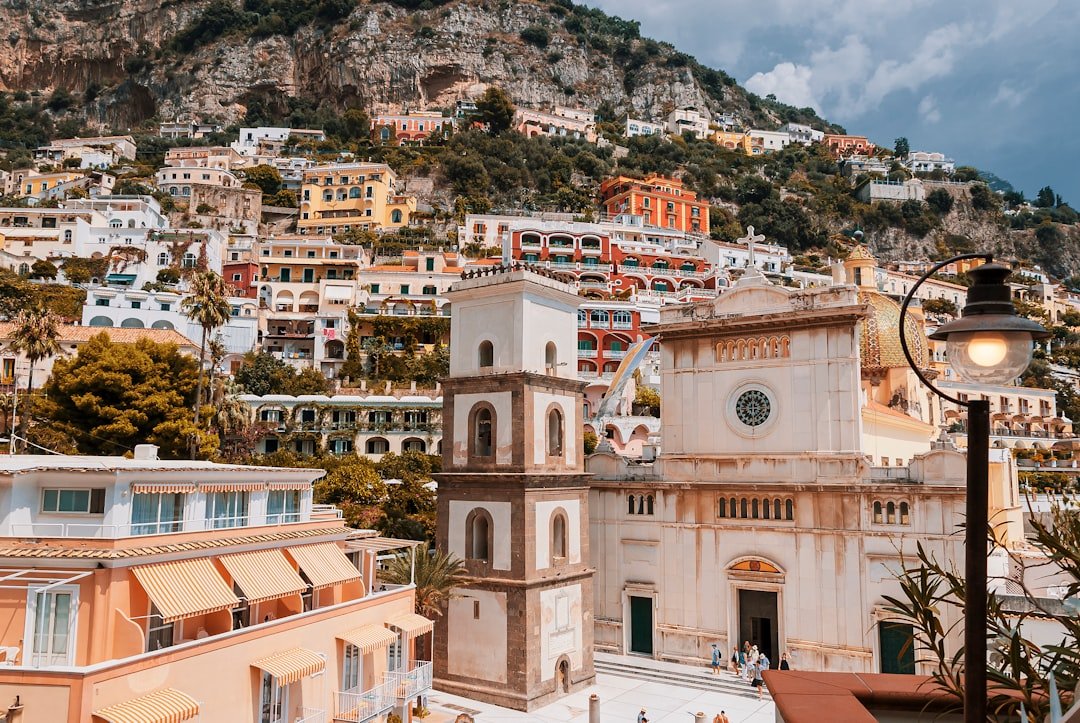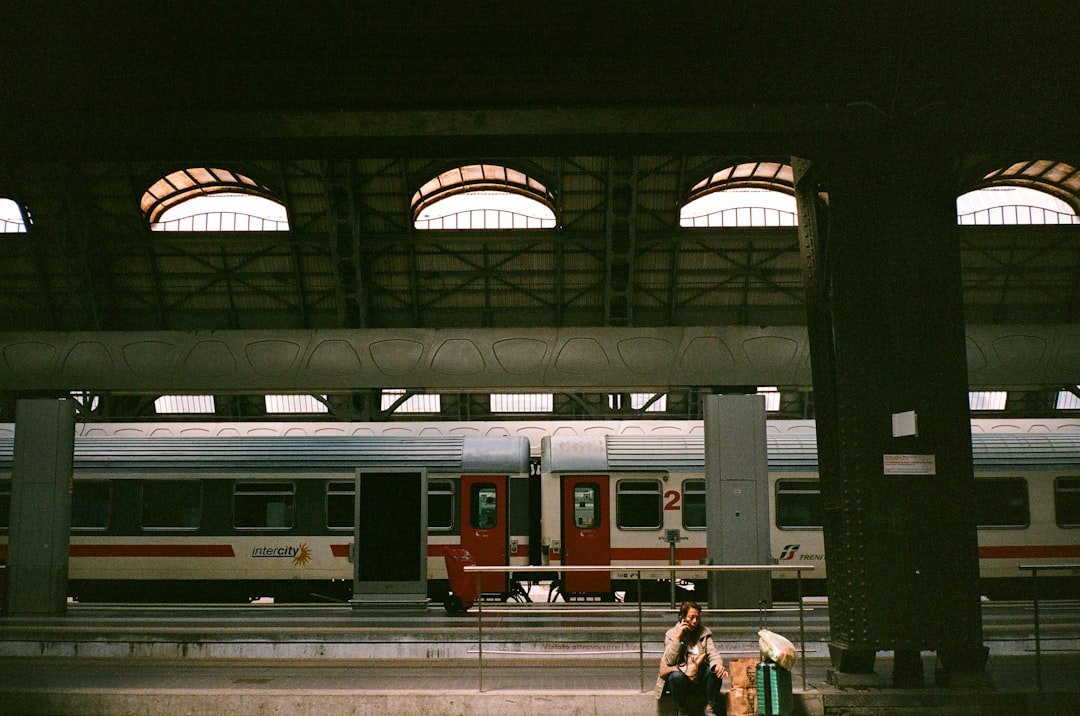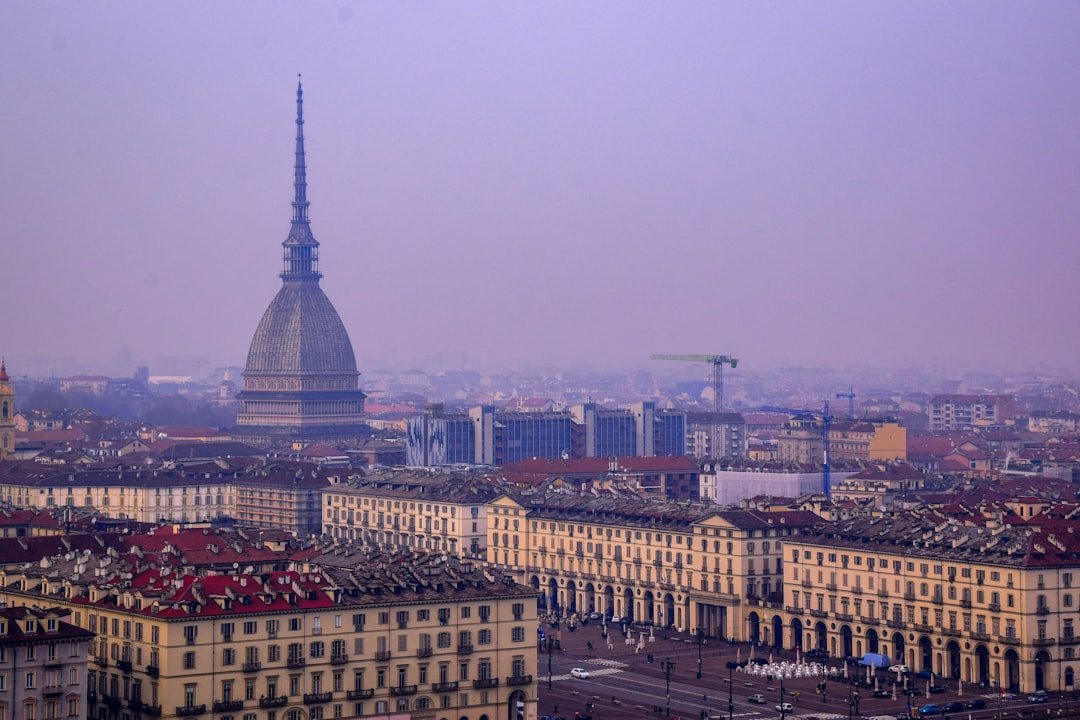
Turin is one of northern Italy’s most rewarding cities for a short break. Set at the edge of the Alps in Piedmont, it combines royal palaces, Baroque streets, major museums, historic cafés, chocolate, wine, and Italy’s automotive heritage in a compact city that is easy to explore. Three days gives you enough time to see the historic centre without rushing and still enjoy Turin’s food, parks, and cultural scene.
Quick Answer
For a first 3-day trip to Turin, spend Day 1 around Piazza Castello, the Royal Palace, Turin Cathedral, and Museo Egizio. Use Day 2 for Porta Palazzo, local food, the Mole Antonelliana, and the historic centre. On Day 3, explore Turin’s art, parks, automotive heritage, or an outlying Savoy residence.
Key Takeaways
- Stay near the historic centre, Piazza Castello, Porta Nuova, or San Salvario if this is your first visit.
- Book high-priority attractions such as Museo Egizio in advance when possible.
- Do not assume Turin’s museums all close on Monday; weekly closing days differ by attraction.
- The Holy Shroud is preserved at Turin Cathedral but is not normally displayed to the public.
- The Torino+Piemonte Card can cover admission to many cultural attractions, but ordinary public transportation is not automatically included.
- Leave room for Piedmontese specialties such as agnolotti del plin, bagna cauda, gianduiotto, bicerin, and local wines.
Turin 3 Day Itinerary at a Glance
| Day | Morning | Afternoon | Evening |
| Day 1 | Piazza Castello, Royal Palace, Cathedral | Museo Egizio | Piazza San Carlo and a historic café |
| Day 2 | Porta Palazzo and Quadrilatero Romano | Mole Antonelliana and Cinema Museum | Via Po, Piazza Vittorio Veneto, aperitivo |
| Day 3 | Art museum or Castello di Rivoli | Valentino Park, Villa della Regina, or automobile museum | Traditional Piedmontese dinner or Teatro Regio |
Day 1: Exploring Turin’s Historical Sites
Begin in Piazza Castello, the natural starting point for a first visit. The square puts several major sights within a short walk and makes it easy to understand Turin’s royal history before moving deeper into the city.
Morning: Royal Palace and Piazza Castello
Visit the Royal Museums of Turin, which include the Royal Palace, Royal Armoury, Sabauda Gallery, archaeological collections, and the Chapel of the Holy Shroud. The Royal Palace forms part of the UNESCO-listed Residences of the Royal House of Savoy.
The Savoy dynasty shaped Turin and Piedmont for centuries and later supplied the monarchs of unified Italy. The palace’s state rooms, armour collections, galleries, and formal architecture help explain why Turin became one of Italy’s most important political centres.
Allow roughly two to three hours if you want to see the Royal Museums without rushing. Opening days can change, so check the official website before fixing your itinerary.
Late Morning: Turin Cathedral and the Holy Shroud
From the palace, walk to the Cathedral of Saint John the Baptist. The Renaissance cathedral is closely associated with the Holy Shroud of Turin.
Note: The Holy Shroud is preserved at Turin Cathedral, but the cloth itself is not normally on public display. Do not plan your visit expecting to see an ordinary permanent exhibition of the Shroud.
The nearby Chapel of the Holy Shroud, designed by Guarino Guarini, forms part of the Royal Museums route and is one of Turin’s most striking Baroque spaces.
Afternoon: Museo Egizio
After lunch, walk to Museo Egizio. Its collections span thousands of years of ancient Egyptian history and archaeology, making it one of Turin’s most important museums.
Give yourself at least two to three hours. The museum uses timed admission and currently sells tickets online, so booking ahead is sensible, especially on weekends and busy travel dates.
Evening: Piazza San Carlo and Historic Cafés
Finish the day around Piazza San Carlo and the surrounding arcades. Turin’s historic café culture is an important part of the city experience, so this is a good time to try bicerin, the local drink traditionally made with coffee, chocolate, and milk or cream.
Pro Tip: Day 1 works well on foot because Piazza Castello, the Royal Palace, Cathedral, Museo Egizio, and Piazza San Carlo are clustered in or near the historic centre.
Day 2: Indulging in Turin’s Culinary Delights

Use the second day to combine Turin’s food traditions with several of its liveliest neighborhoods and its most recognizable landmark.
Morning: Porta Palazzo Market
Start at Porta Palazzo in Piazza della Repubblica. The market area is one of the best places to see Turin’s everyday food culture and browse produce, cheeses, meats, bread, and other regional ingredients.
Nearby, the Quadrilatero Romano offers narrow historic streets, cafés, bars, restaurants, and small shops. It is an easy area to explore before lunch.
What to Eat in Turin
Turin and Piedmont have a strong regional food identity. Look for dishes and specialties such as:
- Agnolotti del plin: small stuffed pasta associated with Piedmont.
- Bagna cauda: a warm garlic-and-anchovy preparation served with vegetables.
- Gianduiotto: Turin’s famous hazelnut-and-chocolate confection.
- Bicerin: a traditional Turin coffee-and-chocolate drink.
- Vermouth: closely linked with Turin’s drinking culture.
- Barolo and Barbaresco: celebrated Piedmont wines from the Langhe area.
A traditional trattoria is a good choice for lunch. Italian meals are often slower than rushed sightseeing lunches, so give yourself enough time to enjoy the food rather than packing every hour with attractions.
Afternoon: Mole Antonelliana and National Museum of Cinema
Walk toward Via Po and the Mole Antonelliana, Turin’s most recognizable landmark. It was originally conceived as a synagogue and today houses the National Museum of Cinema.
The museum explores cinema through exhibitions, objects, technology, and film history. The panoramic lift rises through the interior of the Mole to a terrace roughly 85 metres above ground, providing wide views over Turin and toward the Alps when visibility is good.
Check the official calendar before visiting because the museum and lift have their own weekly closing day and can have special opening arrangements.
Evening: Via Po and Piazza Vittorio Veneto
After the Mole, continue along Via Po toward Piazza Vittorio Veneto. This part of the city works well for an evening walk and aperitivo. If you prefer performing arts, check the schedule at Teatro Regio near Piazza Castello and consider booking a performance in advance.
Day 3: Immersing in Turin’s Art and Culture
| Activity | Suggested Time | Location |
| Contemporary-art museum or gallery | 10:00 AM–12:30 PM | Turin or Castello di Rivoli |
| Lunch at a local trattoria | 12:30 PM–2:00 PM | Turin |
| Valentino Park, Villa della Regina, or automobile museum | 2:30 PM–5:30 PM | Turin |
| Evening stroll and dinner | 6:00 PM onward | Historic centre, San Salvario, or Quadrilatero Romano |
Your third day can be adapted to your interests rather than repeating attractions from the first two days.
Option 1: Contemporary Art
For contemporary art, consider Castello di Rivoli Museum of Contemporary Art. The museum occupies a former Savoy residence outside central Turin and combines historic architecture with modern and contemporary exhibitions.
Because Rivoli requires more travel time than a central museum, allow a substantial part of the morning or early afternoon and check opening days before leaving the city centre.
Option 2: Parks and Architecture
If you prefer a slower day, visit Valentino Park and walk along the Po. You can then continue toward Villa della Regina, a historic Savoy residence overlooking the city.
Option 3: Turin’s Automotive Heritage
Turin played a central role in Italy’s automotive industry and is closely associated with Fiat. Car enthusiasts can dedicate part of Day 3 to the National Automobile Museum or other sites connected with Turin’s industrial history.
This flexible approach gives you a different side of the city instead of visiting the Royal Palace or Museo Egizio a second time.
Where to Stay in Turin
For a three-day visit, location matters more than having a long list of hotel facilities. Staying close to the historic centre reduces transport time and makes evening walks easier.
Historic Centre and Piazza Castello
This is the easiest base for first-time visitors who want to walk to royal attractions, Museo Egizio, Via Po, Piazza San Carlo, and many restaurants. Established upscale hotels include Grand Hotel Sitea and Principi di Piemonte.
San Salvario
San Salvario is convenient for Porta Nuova station and has a lively restaurant and nightlife scene. It is a good choice if you want easy rail access and more activity after dark.
Quadrilatero Romano
The Quadrilatero puts you close to historic streets, restaurants, nightlife, Porta Palazzo, and Piazza Castello. It suits travelers who value atmosphere and central location.
Boutique hotels, guesthouses, serviced apartments, and vacation rentals are available across these neighborhoods. Compare recent guest reviews, cancellation conditions, and the exact walking distance to the attractions you care about before booking.
Getting Around Turin

Central Turin is highly walkable, and many of the main attractions in this itinerary are relatively close together. Public transportation becomes more useful for places outside the historic core.
GTT operates Turin’s buses, trams, and metro. Single, daily, and multi-day tickets are available, with ticket types and prices subject to change.
Torino+Piemonte Card
The Torino+Piemonte Card is mainly an attraction and museum card. It does not automatically provide unlimited standard bus, tram, and metro travel.
Cardholders can purchase certain discounted multi-day GTT transport tickets separately through designated Torino Tourist Offices. Compare the attractions you actually intend to visit before deciding whether the card will save you money.
Walking and Cycling
Walking is often the easiest choice in the historic centre. Turin’s long arcades also provide some shelter from rain or strong sun. Cycling can be useful for parks and flatter parts of the city, but a three-day first visit does not require a bike.
Arriving in Turin
Torino Airport at Caselle is connected with the city by rail and bus. Current rail services connect the airport with stations including Torino Porta Susa, while airport buses serve central stops such as Porta Susa and Porta Nuova.
If you arrive by long-distance train, Porta Nuova is especially convenient for central accommodation, while Porta Susa also has strong local transport connections.
Essential Tips for First-Timers in Turin
- Check each museum’s opening day. There is no single Turin-wide weekly closure rule. Museo Egizio, the Royal Museums, and the National Museum of Cinema currently have different schedules.
- Reserve priority attractions. Advance booking is especially useful for timed-entry museums and busy weekends.
- Wear comfortable shoes. A central Turin itinerary involves substantial walking on stone streets and arcaded sidewalks.
- Learn a few Italian basics. English is common in the tourism sector, but simple Italian greetings and requests are useful.
- Allow time for meals. Turin is as much a food destination as a museum destination, so avoid planning every minute of the day.
- Recheck hours before leaving your hotel. Temporary exhibitions, holidays, maintenance, and special events can alter normal schedules.
Warning: Do not build your entire itinerary around the assumption that museums close on Monday. Current closing days vary by venue, so verify each attraction on its official website.
Must-Visit Attractions in Turin
If you have only three days, prioritize the attractions that best match your interests rather than trying to visit every museum.
- Royal Palace and Royal Museums: Best for Savoy history, royal interiors, art, archaeology, and the Chapel of the Holy Shroud.
- Museo Egizio: One of Turin’s essential museums and worth several hours.
- Mole Antonelliana: The symbol of Turin and home of the National Museum of Cinema.
- Piazza Castello: The practical heart of a first-time sightseeing route.
- Turin Cathedral: Important for its architecture and association with the Holy Shroud.
- Basilica di Superga: A hilltop basilica associated with the House of Savoy and broad views over the area when conditions are clear.
Turin’s Hidden Gems
Once you have covered the major museums, Turin has several quieter attractions worth adding.
Villa della Regina
Villa della Regina is a Baroque Savoy residence on the hillside east of the Po. Its elevated position, architecture, gardens, and historical setting make it a good alternative to another large museum.
Royal Church of San Lorenzo
Just off Piazza Castello, San Lorenzo is easy to overlook because it lacks a conventional church façade facing the square. Inside, Guarino Guarini’s architecture makes it one of the most rewarding short stops in the historic centre.
Quadrilatero Romano
The Quadrilatero Romano is not truly hidden, but exploring its smaller streets beyond the busiest restaurant areas reveals another layer of Turin’s historic core.
Valentino Park
The park provides a useful change of pace after several museum-heavy days. Its location along the Po makes it suitable for a relaxed walk before or after lunch.
Shopping in Turin: A First-Timer’s Guide
Turin offers luxury stores, food markets, independent boutiques, and regional specialties.
- Via Roma: A central choice for fashion and well-known brands.
- Quadrilatero Romano: Good for smaller boutiques, specialty shops, cafés, and an atmospheric stroll.
- Porta Palazzo: Best experienced for its market atmosphere and food shopping.
- Eataly Lingotto: Useful if you want to browse regional food products and combine shopping with a meal.
Chocolate, gianduiotti, regional wine, vermouth, and other Piedmontese food products make practical souvenirs if your luggage and destination customs rules allow them.
Day Trips from Turin
Turin is also a useful base for exploring Piedmont. If you have more than three days, consider moving one of these excursions to an extra day rather than sacrificing the core Turin itinerary.
Alba and the Langhe
Alba is known for the food and wine culture of the Langhe area, including truffles and celebrated vineyards. Wine-focused trips work best when you plan transportation carefully, especially if tasting alcohol.
Reggia di Venaria
Venaria Reale is one of the grand Savoy residences outside central Turin. Its palace, galleries, gardens, and scale can easily justify half a day or longer and make it one of the most natural extensions to a Turin history trip.
Sacra di San Michele
Sacra di San Michele is a dramatic abbey overlooking the Susa Valley west of Turin. It is especially appealing if you want architecture, mountain scenery, and a break from urban museums.
Lake Maggiore
Lake Maggiore is possible as a longer day trip, although it requires more travel than nearby Savoy residences. Travelers with only three days are usually better served by remaining in Turin and saving the lake for a longer Piedmont itinerary.
If you need a break from sightseeing during your three days, choose a historic café, chocolate shop, market stop, park walk, or leisurely aperitivo rather than filling every hour with another attraction. Turin rewards slower exploration, especially around its arcades, squares, cafés, and food neighborhoods.
Frequently Asked Questions
What is the best time to visit Turin?
April through June and September through October are good choices if you prefer generally milder conditions for walking and sightseeing. Summer can be warmer, while winter works well for museums, cafés, seasonal events, and travelers who do not mind colder weather.
What are the must-see attractions in Turin for first-timers?
For a first trip, prioritize the Royal Palace and Royal Museums, Museo Egizio, Piazza Castello, Turin Cathedral, and the Mole Antonelliana with the National Museum of Cinema. Add Superga, Valentino Park, or a Savoy residence if you have time.
What should I do during a 3-day Turin itinerary?
Spend Day 1 on Turin’s royal and ancient-history sights, Day 2 on Porta Palazzo, local food, and the Mole Antonelliana, and Day 3 exploring art, parks, automotive history, or an outlying Savoy residence.
What local food should first-time visitors try in Turin?
Look for agnolotti del plin, bagna cauda, gianduiotto chocolate, bicerin, vermouth, and other Piedmontese dishes. Barolo and Barbaresco are two of the region’s best-known wines.
Do I need to book Turin attractions in advance?
Advance booking is recommended for your highest-priority museums, timed-entry attractions, and busy weekends. Museo Egizio currently uses online ticketing, while booking policies at other attractions vary, so check official visitor pages shortly before your trip.
Can visitors see the Holy Shroud in Turin Cathedral?
The Holy Shroud is preserved at Turin Cathedral, but it is not normally visible to the public. Public exhibitions are special events rather than part of an ordinary cathedral visit.
Does the Torino+Piemonte Card include public transport?
Standard city transport is not automatically included with the Torino+Piemonte Card. Cardholders can currently purchase discounted multi-day GTT transport tickets separately through designated tourist offices.
Sources
- Turismo Torino e Provincia — Two- and Three-Day Routes — official destination guidance for organizing major Turin attractions.
- Musei Reali Torino — Plan Your Visit — Royal Palace complex, opening information, tickets, and the Chapel of the Holy Shroud.
- Museo Egizio — Opening Hours — current opening-day and visitor information for the Egyptian Museum.
- Museo Nazionale del Cinema — Mole Antonelliana — museum, panoramic lift, and visitor information.
- GTT Torino — Fares and Tickets — official information about Turin buses, trams, metro, and visitor tickets.
- UNESCO World Heritage Centre — Residences of the Royal House of Savoy — UNESCO status and historical context for Turin’s Savoy residences.