Rome after dark can be one of the most memorable parts of a visit. The Colosseum glows under floodlights, fountains and piazzas stay lively into the evening, and neighborhoods such as Trastevere fill with diners and bar-goers. Most visitors can enjoy these experiences safely, but nighttime Rome still calls for sensible precautions around crowds, transport hubs, valuables, alcohol, and the journey back to your accommodation.
Quick Answer
Yes. Rome is generally safe for visitors at night, especially in busy central areas, but petty theft is a real risk around major attractions, transport hubs, and crowded buses or metro cars. Use well-lit routes, keep valuables secured, check ATAC service before traveling, and use licensed white taxis when you want a direct ride.
Key Takeaways
- Rome’s main everyday tourist safety concern is petty theft, especially in crowded city-center locations, tourist sites, and transport hubs.
- Avoid treating whole neighborhoods as “unsafe.” Pay more attention to the street, crowd level, lighting, time, and your route back.
- Rome strengthened nighttime transport and support services in 2026, but schedules can change, so check ATAC before leaving.
- Licensed Roma Capitale taxis are white, carry a TAXI roof sign, and display municipal and licence markings.
- For an emergency anywhere in Italy, call 112.
Understanding the Safety Concerns
Rome is not a city where most tourists need to avoid going outside after sunset. The UK government’s Italy travel advice says crime levels are generally low, while warning that pickpocketing and bag-snatching are more common in city centers, at major tourist attractions, and on public transportation. You can review the latest official guidance on the GOV.UK Italy safety and security page.
There is also a broader national-security point to understand. The U.S. Department of State currently lists Italy at Level 2, “Exercise Increased Caution,” because of terrorism risk. That advisory is not the same as saying ordinary violent crime is high in Rome, but it is a reminder to stay alert in tourist sites, transportation centers, religious locations, nightlife venues, and other crowded public places. See the current U.S. Italy Travel Advisory before your trip.
Petty Theft and Distraction Tactics
Pickpockets may work alone or with another person who creates a distraction. A crowded metro platform, packed bus, busy fountain, restaurant terrace, or moment when you are concentrating on directions can make it easier for someone to reach an unsecured phone, wallet, or bag.
Warning: Do not keep your phone or wallet loose in an easy-to-reach back pocket, leave a phone on the edge of an outdoor café table, or hang an open bag behind your chair. Crowds around attractions and public transport deserve extra attention.
Staying Vigilant Without Becoming Anxious
You do not need to spend your evening constantly looking over your shoulder. A few habits do most of the work: keep your bag closed and in front of you in crowds, separate your main bank card from your backup card, avoid flashing large amounts of cash, and look up your route before stepping onto a quiet street.
Phone use is often necessary for maps and tickets, but try not to stand near the edge of a road or station entrance while staring at your screen. Move to the side, check the route, then continue walking with awareness of the people around you.
What About “Unsafe” Neighborhoods?
It is more useful to judge a situation than to label an entire Rome neighborhood safe or unsafe. A lively street near restaurants can feel very different from an empty side road a few blocks away. Conditions also change with the hour, events, construction, and transport availability.
Termini deserves extra attention because it is Rome’s major railway and transport hub, not because every surrounding street is automatically dangerous. Government travel advice specifically tells visitors to take care with belongings at main train and metro stations. If you arrive late, know the route to your hotel, stay on well-used and illuminated streets, or take a licensed taxi if you would rather avoid walking with luggage.
Rome’s Nighttime Security Measures
Rome introduced stronger nighttime measures in 2026 through its Piano Roma Notte. The program includes greater local-police presence, strengthened nighttime transportation, travel assistants on key services, and support around major interchange points during the busiest nightlife nights.
ATAC reported that from July 2026, nighttime buses serving the corridors of Metro A, B/B1 and C were strengthened on Saturday nights. The NMA, NMB, NMB1 and NMC lines were scheduled every 8–10 minutes throughout the night after the last metro trains, with travel assistants also deployed on key night services and at major stations from Thursday through Saturday. Check the ATAC nighttime transport update for details.
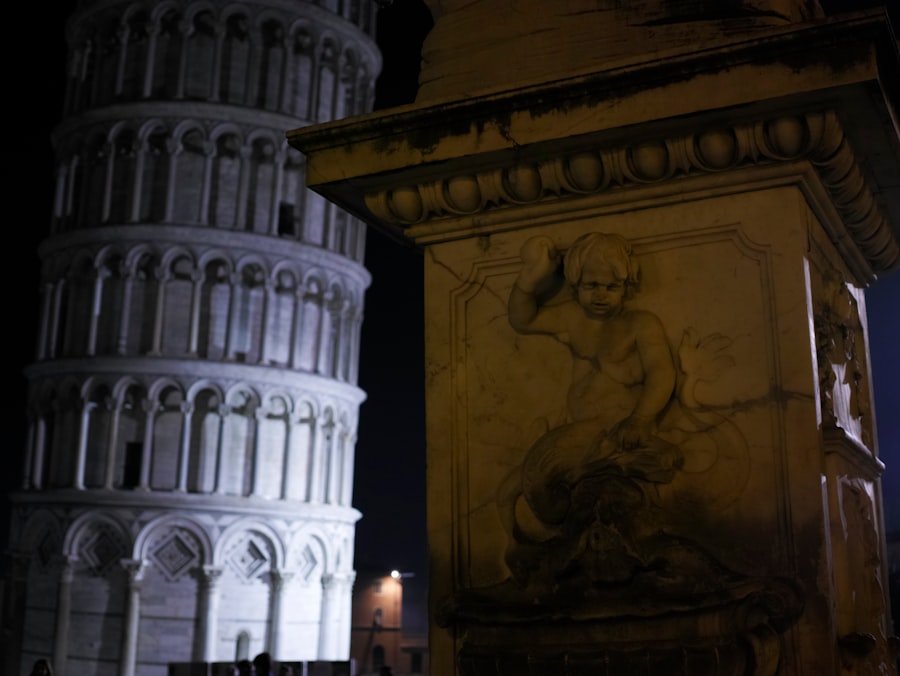
Note: Security initiatives and transport staffing do not eliminate theft risk. Keep the same precautions you would use in any busy European capital, even in areas with police, transport employees, or large crowds.
Public Transportation Safety at Night
Rome’s buses, metro, trams, and night buses can be practical ways to return after dinner or sightseeing. The biggest mistake is relying on an old article’s fixed closing time. Service can change because of maintenance, events, holidays, construction, or operational needs.
The official ATAC Roma app provides journey planning, real-time arrival forecasts, digital tickets, and service information. Check it shortly before you travel instead of assuming the last metro or bus will run at the same time every night.
| Night option | Best for | Main safety point |
| Walking | Short trips through busy central streets | Use well-lit routes and avoid distracted phone use. |
| Metro | Fast cross-city travel before the final trains | Watch bags closely on crowded platforms and cars. |
| Night bus | Travel after metro service ends | Confirm the correct stop and current timetable in ATAC. |
| Licensed taxi | Late arrivals, luggage, solo trips, or direct hotel return | Use a marked Roma Capitale taxi, taxi stand, or official booking channel. |
On a crowded bus or metro, keep your bag zipped and where you can see it. Avoid putting a phone or wallet in an exposed pocket. When waiting late at night, choose a well-lit stop with other passengers when possible.
Using Taxis Safely
Official Roma Capitale taxis are easy to identify: they are white, have a “TAXI” sign on the roof, and display the municipality symbol and licence number. Turismo Roma recommends taking a taxi from an official stand or reserving one through an established booking method. The city’s taxi information page also lists the 060609 booking number. See Turismo Roma’s official taxi guidance.
Pro Tip: If you are tired, carrying luggage, have been drinking, or dislike the route back to your accommodation, paying for a licensed taxi can be a better choice than forcing yourself to walk through unfamiliar streets late at night.
Tourist Areas and Attractions After Dark
Many of Rome’s best-known public spaces remain lively after sunset. Piazza Navona, the historic center, Trastevere, the Trevi area, and streets around major monuments can have restaurants, pedestrians, and visitors well into the evening. Crowds can make these places feel comfortable, but they are also exactly where you should guard against pickpockets.
Colosseum at Night
You can admire the illuminated Colosseum from outside after dark, and in 2026 the Parco archeologico del Colosseo also offers the reservation-only A Night at the Colosseum guided visit on Tuesdays and Thursdays from 8:00 p.m. to 11:00 p.m., with the final admission listed at 9:50 p.m. Because dates and availability can change, confirm your date on the official Colosseum website before planning your evening around it.
Trevi Fountain at Night
Trevi Fountain remains one of Rome’s most popular evening stops. A major 2026 change is that, from February 2, tourists and non-residents must buy a €2 ticket to enter the controlled basin area closest to the fountain during the stated 9:00 a.m.–10:00 p.m. visiting period. Hours can change for maintenance or public-order reasons, so check Turismo Roma’s current Trevi Fountain information.
Vatican Area at Night
Do not assume the Vatican Museums are a general late-night attraction. Their official 2026 schedule lists opening from 8:00 a.m. to 8:00 p.m. Monday through Saturday, with final entry at 6:00 p.m.; the last Sunday of the month has separate hours. Special programs may have their own schedules. Verify your date on the official Vatican Museums opening-hours page.
St. Peter’s Square and the surrounding Vatican area can still be appealing for an evening walk, but museum, basilica, garden, and ticketed-attraction access should always be checked separately rather than assumed from the public square’s atmosphere.
Local Neighborhoods and Districts
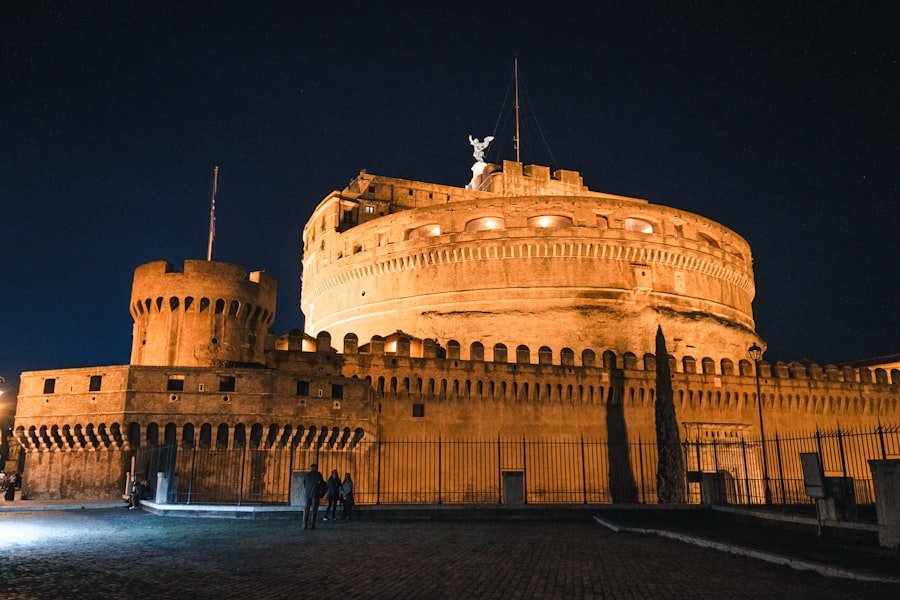
Rome’s neighborhoods offer very different nighttime experiences. Trastevere is famous for restaurants, bars, and busy pedestrian streets. Testaccio has established nightlife and dining venues, while Monti combines cafés, restaurants, small bars, and streets within easy reach of central sights.
Busy nightlife does not guarantee that your belongings are safe. In fact, dense crowds can increase opportunities for pickpocketing. Keep your normal precautions even when the area feels social and relaxed.
Termini and nearby streets require a different kind of awareness because large numbers of residents, commuters, tourists, taxis, buses, and trains pass through the area. If you are staying nearby, identify your hotel route during daylight if possible. At night, stay on main streets rather than taking an unfamiliar shortcut simply because a navigation app says it saves two minutes.
Esquilino should not be treated as automatically unsafe. As elsewhere in Rome, judge the immediate environment: lighting, pedestrian activity, transport availability, your familiarity with the route, and whether you are carrying visible luggage or valuables.
Tips for Safe Nighttime Exploration
- Secure your valuables: Use a zipped crossbody bag or another bag you can keep in front of you in crowds.
- Carry less: Take only the cards, cash, and documents you need for the evening when practical.
- Separate backups: Keep a spare payment method somewhere different from your main wallet.
- Plan the return trip first: Check the last useful metro, night-bus route, or taxi option before you start drinking or move far from your accommodation.
- Use well-lit streets: A slightly longer route with people and open businesses is often preferable to an empty shortcut.
- Limit distractions: Avoid walking unfamiliar streets with headphones blocking surrounding sound or your attention fixed on your phone.
- Watch your drink: Do not leave drinks unattended or accept an open drink from someone you do not trust.
- Know your limit: Alcohol makes it harder to notice theft, navigate unfamiliar streets, or judge a situation clearly.
- Trust your judgment: If a street, person, vehicle, or situation makes you uncomfortable, move toward a busier area and change plans.
For most visitors, staying safe in Rome at night is less about avoiding the city after sunset and more about protecting valuables, choosing sensible routes, and having a reliable way home.
Walking Alone at Night
Many travelers walk central Rome alone at night without a problem, particularly along busy routes. Still, solo travelers have less backup if they become lost, intoxicated, ill, or uncomfortable. Tell someone where you are going if appropriate, keep enough battery for navigation and calls, and switch to a licensed taxi if the walk no longer feels sensible.
Bars, Clubs, and Alcohol
Rome’s social evenings can run late. Keep control of your own drink, avoid leaving it unattended, and be cautious about drinks offered by strangers. UK travel guidance for Italy specifically warns that victims of drink spiking have been robbed and sometimes assaulted.
If you are drinking, decide how you will return before the end of the night. That may mean saving the address of your accommodation, checking ATAC service, or budgeting for a taxi.
Emergency Contacts and What to Do if Something Goes Wrong
Italy’s single emergency number is 112. It is free and can connect you to the appropriate emergency service. The Italian government’s tourism portal also lists 113 for State Police, 115 for the fire brigade, and 118 for urgent medical assistance. See Italia.it’s official emergency information.
Emergency number: Call 112 if you need urgent police, medical, or emergency assistance in Italy.
If Your Wallet or Phone Is Stolen
- Move to a safe, populated place.
- Do not chase or physically confront the suspected thief.
- Lock or track your phone remotely if you can do so safely.
- Freeze affected bank cards through your bank or card issuer.
- Report the theft to police when appropriate, especially if documents or valuable property were taken.
- If your passport was stolen, contact your embassy or consulate for replacement-document and onward-travel instructions.
Your hotel or accommodation host may also be able to direct you to the nearest police station, help with a phone call, or arrange transportation.
Nightlife and Entertainment Options
Rome offers far more after dark than simply walking around monuments. Trastevere and Campo de’ Fiori are known for evening food and drinks, while other neighborhoods offer cocktail bars, wine bars, live music, restaurants, and late social gatherings.
For a cultural evening, check the current program at Teatro dell’Opera di Roma or look for officially listed concerts, performances, museum openings, and archaeological-site events. Rome’s nighttime attraction schedules are often seasonal, so verify the event date rather than relying on an old travel article.
The safest nightlife plan is usually the simplest: choose a venue you can identify on a map, know how you will get home, keep an eye on your belongings and drink, and change your plan if transportation or the surrounding area is different from what you expected.
Cultural Differences and Local Customs
Evening meals in Rome often start later than visitors from some countries expect, and popular restaurants can remain active well after the early-evening sightseeing rush. That can make central streets feel lively at hours when other cities would already be quiet.
Warm social interactions are normal, but you are never required to engage with a stranger who approaches you. A firm but polite refusal is enough if you do not want help, a sales pitch, a bracelet, a conversation, or another unsolicited interaction.
Remember that lively tourist districts sit beside residential streets. Keep voices and music at a reasonable level when returning late, especially near apartment buildings.
Navigating Rome’s Nighttime Safety
Rome is generally a realistic city to enjoy after dark. Its fountains, illuminated monuments, piazzas, restaurants, and nightlife are part of the experience rather than something tourists need to avoid automatically.
The most useful precautions are straightforward: secure valuables, pay extra attention around crowded attractions and transit hubs, use well-lit routes, check live ATAC service, choose marked licensed taxis when needed, monitor your alcohol intake, and keep 112 saved for emergencies. Those habits allow you to enjoy Rome’s evening atmosphere without treating normal travel risks casually.
Separate reading: If you are also browsing TaglineToday’s food content, you can read this guide to Asian melon. It is separate from the Rome nighttime-safety guidance above.
Sources
- GOV.UK — Italy safety and security — crime, pickpocketing, public-transport and drink-safety guidance.
- ATAC — Rome nighttime transport expansion — 2026 night buses and travel assistants.
- Italia.it — Emergency numbers and assistance — Italy’s 112 emergency number and other official contacts.
- Turismo Roma — Taxis in Rome — how to identify and book licensed Roma Capitale taxis.
- Vatican Museums — Opening days and times — official 2026 Vatican Museums schedule.
- Parco archeologico del Colosseo — A Night at the Colosseum 2026 — official nighttime tour schedule and booking requirements.
Frequently Asked Questions
Is Rome safe at night?
Rome is generally safe for visitors to explore at night with normal city precautions. Petty theft is a more common tourist concern than violent crime, particularly around crowded attractions, transport hubs, buses, and metro stations.
What are the most important safety tips for walking around Rome at night?
Use busy, well-lit streets; keep your phone and wallet secure; avoid unnecessary shortcuts through empty streets; know how you will return to your accommodation; and switch to a licensed taxi if you become uncomfortable with the route.
Are there areas of Rome that should be avoided at night?
There is no useful blanket rule that an entire central neighborhood should always be avoided. Pay attention to the immediate street, lighting, pedestrian activity, transport availability, and your familiarity with the route. Avoid isolated shortcuts when a busier alternative is available.
Is Rome Termini safe at night?
Termini is a busy transport hub where travelers should pay particular attention to bags, phones, wallets, and their walking route. If you arrive late with luggage, use main streets and consider a licensed taxi if your accommodation is not close or you are unsure of the route.
Is public transportation in Rome safe at night?
Public transportation is widely used at night, but crowded buses, metro cars, platforms, and major stations require extra attention to valuables. Check the official ATAC app for current service because schedules and disruptions can change.
What is the best way to get around Rome late at night?
For short trips through active central streets, walking can be practical. Use metro service while it is running, ATAC night buses after the final trains, or a licensed white Roma Capitale taxi when you want a direct ride, have luggage, or prefer not to walk.
How can I identify an official taxi in Rome?
Roma Capitale taxis are white, display a TAXI sign on the roof, and show the municipality symbol and licence number. Using an official taxi stand or established booking channel reduces the risk of getting into an unauthorized vehicle.
What emergency number should I call in Rome?
Call 112 for an emergency in Rome or elsewhere in Italy. It is the country’s single emergency number and can connect you with the appropriate police, medical, or emergency service.
What should I do if my phone, wallet, or passport is stolen?
Move somewhere safe, freeze affected cards, remotely lock or track your phone if possible, and report significant theft to police. If your passport was stolen, contact your embassy or consulate for replacement-document and onward-travel instructions.