Geneva combines a compact historic center, Lake Geneva, international institutions, museums, neighborhood dining, and easy access to the Alps and Jura. First-time visitors can cover the main city sights in two or three days, then add a day trip if time allows. The key is to plan around opening days, book high-demand visits early, and use Geneva’s excellent public transport.
Quick Answer
Geneva is best for travelers who want lake views, Old Town history, international landmarks, museums, Swiss food, and easy public transport in one compact city. Prioritize the Jet d’Eau, St. Peter’s Cathedral, the Palais des Nations, the lakefront, and one neighborhood such as Carouge or Pâquis.
Key Takeaways
- Geneva’s essential sights include the Jet d’Eau, Old Town, St. Peter’s Cathedral, the Reformation Wall, and the international district.
- The Palais des Nations is visitable on guided tours, but renovations and UN activity can change routes and availability.
- Guests staying in eligible Geneva accommodation receive a free digital Geneva Transport Card for local buses, trams, trains, and Mouettes lake boats during their stay.
- Swiss francs are the normal currency. Cards are widely accepted, while euro acceptance is limited and exchange rates may be unfavorable.
- Two to three full days works well for a first visit, with extra time for Lausanne, Montreux, Annecy, Chamonix, or Mont Salève.
Top attractions in Geneva
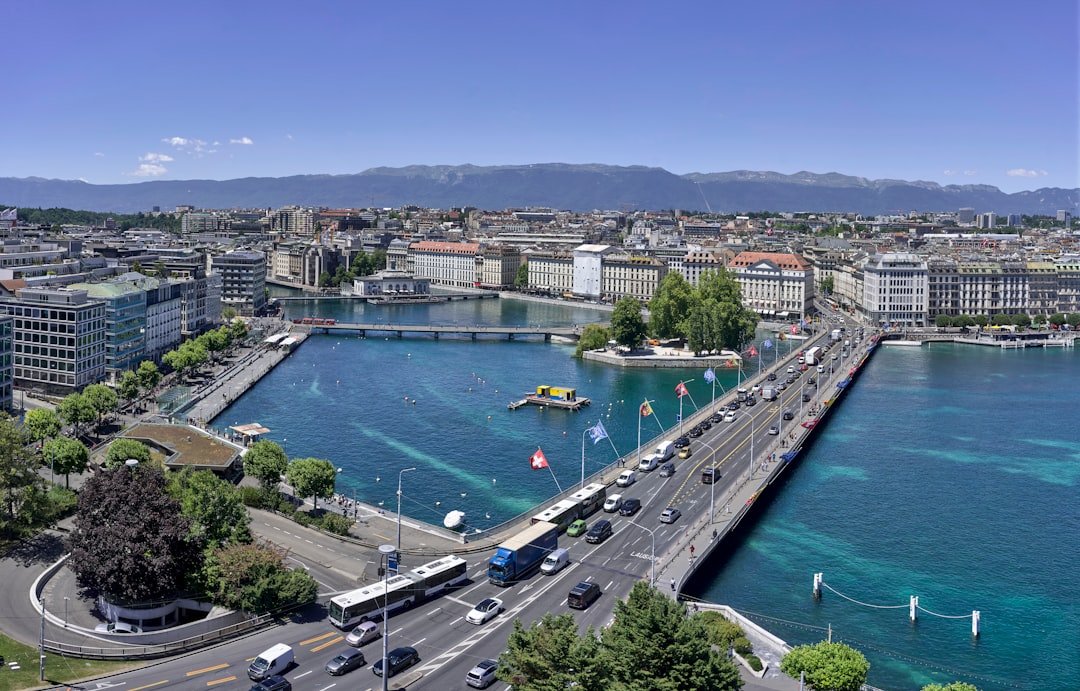
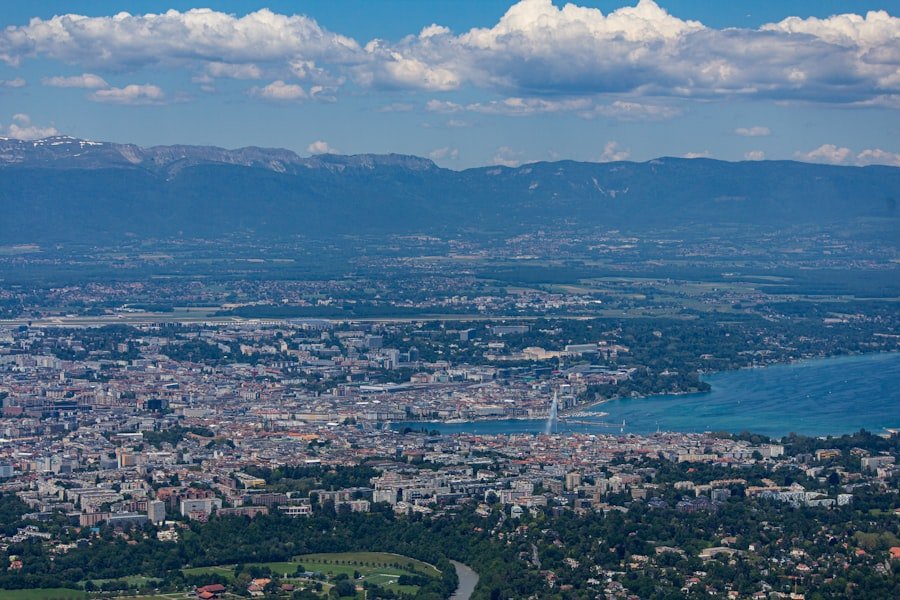
Geneva’s best-known landmark is the Jet d’Eau and the lakefront. The fountain reaches about 140 meters above the lake, and the surrounding quays, Jardin Anglais, and waterfront paths make this one of the easiest areas to explore on foot. Weather and operating conditions can affect when the fountain runs, so treat it as a sight to enjoy while exploring the harbor rather than planning your whole day around a single viewing time.
Palais des Nations
The Palais des Nations is the home of the United Nations Office at Geneva and the former headquarters of the League of Nations. Guided tours explain the UN’s work and the history of the complex. Renovation work is ongoing, so tour routes and room access can change. Visitors should book through the official UN site, carry accepted identification, and allow time for security screening.
Pro Tip: Book the Palais des Nations before your travel day. The UN advises visitors to arrive early for security, and last-minute closures or room changes can occur when meetings are in session.
St. Peter’s Cathedral and Old Town
St. Peter’s Cathedral was built in the 12th century and became a major center of the Reformation in the 16th century. The cathedral’s towers provide wide views over Geneva and the lake, while the archaeological site beneath the building reveals layers of earlier religious structures and settlement. Nearby, Maison Tavel occupies Geneva’s oldest surviving private residence and now presents the city’s urban history.
Reformation Wall and Parc des Bastions
The Reformation Wall in Parc des Bastions commemorates leading figures of the Protestant Reformation, including John Calvin, William Farel, Theodore Beza, and John Knox. It pairs naturally with a walk through Old Town and the cathedral area.
CERN Science Gateway
For science-focused travelers, CERN’s Science Gateway adds a very different side of Geneva. Its exhibitions explore particle physics, the universe, and CERN’s research. Admission to the Science Gateway is free, but registration and availability rules vary by activity, so check the current visitor information before going.
Best places to eat in Geneva
Geneva’s food scene reflects both Swiss traditions and the city’s international population. For a classic local meal, look for cheese fondue, raclette, rösti, lake fish when available, and regional charcuterie. Reservations are sensible for popular restaurants, especially on Friday and Saturday evenings.
Café du Soleil
Café du Soleil is a long-established Geneva bistro known for cheese fondue. Rather than relying on an uncertain founding date, the useful planning point is simple: it is popular, its fondue is the main draw, and checking current hours or reserving ahead can save time.
Restaurant Les Armures
In the Old Town, Restaurant Les Armures focuses on traditional Swiss specialties in historic rooms. Its current offerings include fondue, raclette, rösti, and other regional dishes, making it convenient for visitors who want a traditional meal near major Old Town sights.
Eat beyond the Old Town
Carouge is a strong choice for cafés, terraces, and a more neighborhood-focused evening, while Pâquis has a broad range of international restaurants close to Cornavin station and the lake. Bains des Pâquis is also a casual local institution for a simple meal or drink beside the water.
Exploring Geneva’s history and culture
| Category | Current planning note |
| City population | 210,601 residents at the end of 2025, according to Geneva’s cantonal statistics office |
| Historic landmarks | St. Peter’s Cathedral, Reformation Wall, Old Town, Jet d’Eau |
| Museums | Musée d’Art et d’Histoire, Patek Philippe Museum, International Red Cross and Red Crescent Museum, Maison Tavel |
| Cultural events | Programs change each year; examples include Fête de la Musique and the Geneva International Film Festival |
Geneva’s history was shaped by trade, religion, diplomacy, and its position at a European crossroads. During the 16th-century Reformation, John Calvin became closely associated with the city, and the Reformation Wall now commemorates several of the movement’s key figures.
The Musée d’Art et d’Histoire is one of the city’s main cultural institutions, with collections spanning archaeology, fine arts, and applied arts. The Patek Philippe Museum focuses on centuries of watchmaking, including watches, enamel work, automata, and horological history. Maison Tavel adds a more intimate look at how Geneva itself developed over time.
Geneva-Ville had 210,601 residents at the end of 2025, while the wider canton had more than half a million residents.
Outdoor activities in Geneva
Lake Geneva is central to the city’s outdoor life. In warmer weather, visitors can swim at designated bathing areas, take a cruise, use the Mouettes passenger boats, try paddle sports, or simply walk the waterfront. Bains des Pâquis is one of the easiest places to combine lake views with swimming, casual food, and local atmosphere.
For hiking and mountain scenery, the Jura is nearby, while Mont Salève rises just across the border in France. The Salève cable car gives quick access to panoramic viewpoints and hiking routes when operating. Because the lower station is in France, carry appropriate travel identification and verify any entry requirements that apply to your nationality before crossing the border.
Warning: Mont Salève and Chamonix are in France. Carry the travel documents required for a cross-border trip and check current transport, weather, and operating conditions before leaving Geneva.
In winter, Geneva can also work as a base for alpine day trips, but travel time and mountain conditions vary widely. Check snow conditions, lift operations, and the return schedule before committing to a ski or snowshoe outing.
Shopping in Geneva
Geneva combines luxury retail with watch boutiques, department stores, independent shops, markets, and food specialists. Rue du Rhône is the best-known area for major luxury brands and Swiss watchmakers, while the Old Town has smaller boutiques and souvenir shops.
For a less polished and more local browsing experience, the Plainpalais flea market is known for antiques, books, clothing, jewelry, collectibles, and secondhand finds. Market schedules can change around holidays, so check the current calendar before making a special trip.
Best time to visit Geneva
There is no single best month for every traveler. June through August brings long days, lake activities, outdoor dining, and a fuller events calendar, but it also tends to be one of the busiest periods. April to May and September to October are good choices for milder sightseeing weather and a less peak-season feel. Winter suits travelers interested in museums, seasonal atmosphere, and access to nearby mountain areas.
If a specific festival, UN visit, lake activity, or mountain excursion matters to you, plan around that activity’s calendar rather than choosing dates only by average weather. Opening days and seasonal operations can make a bigger difference than a small change in temperature.
Where to stay in Geneva
Choose your neighborhood based on how you expect to spend your time. Old Town is best for historic atmosphere and walking to major sights. Pâquis is convenient for Cornavin station, international dining, and the lake. Eaux-Vives works well for parks and waterfront access, while Carouge has cafés, independent shops, and a distinct neighborhood feel. The Nations area is practical for travelers whose main purpose is UN or international-organization business.
Geneva’s public transport makes central neighborhoods easy to connect, so a hotel does not need to sit directly beside every attraction. If you stay in eligible accommodation, the free Geneva Transport Card can make a slightly less central property more practical.
Day trips from Geneva
Geneva’s location gives you several strong day-trip choices, but the best option depends on whether you want mountains, another Swiss city, or a cross-border outing.
Lausanne
Lausanne is an easy Swiss day trip for a historic center, lakefront walks, and the Olympic Museum. Rail connections along Lake Geneva make it practical without a car, and travelers can continue farther east toward Vevey or Montreux if they want a longer day.
Chamonix-Mont-Blanc
Chamonix in France is a classic mountain excursion with access to dramatic Alpine scenery and the Aiguille du Midi area. The original claim that it is “just over an hour away by train” is misleading: rail journeys generally require connections and can take substantially longer. Compare current bus, rail, tour, and driving options before you go.
Mont Salève and Annecy
Mont Salève is ideal if you want a shorter mountain outing close to Geneva, while Annecy offers canals, an old town, and a lakeside setting in France. Both involve crossing the Swiss-French border, so bring the required travel documents.
A simple two-day Geneva itinerary
Day 1: Old Town, history, and the lake
Start in Old Town with St. Peter’s Cathedral, Maison Tavel, Parc des Bastions, and the Reformation Wall. After lunch, walk down toward Jardin Anglais and the Jet d’Eau. Finish the day around Eaux-Vives, Pâquis, or Carouge depending on whether you prefer the lakefront, international dining, or neighborhood cafés.
Day 2: International Geneva and museums
Use the morning for the Palais des Nations if you have a confirmed tour. Then choose a museum based on your interests: the International Red Cross and Red Crescent Museum, Musée d’Art et d’Histoire, or Patek Philippe Museum. If science is a priority, substitute CERN Science Gateway for part of the day. End with a Mouettes boat ride or a relaxed lakefront walk.
Nightlife in Geneva
Geneva’s nightlife is more varied than its formal international image suggests. Pâquis has late-opening bars and a lively mix of restaurants, while the Quartier des Bains combines galleries, bistros, and evening venues. Carouge is a good choice for a slower night built around dinner, wine bars, and cafés.
Bains des Pâquis is especially appealing around sunset for a casual drink or meal by the lake. Live-music schedules and club nights change frequently, so check the venue’s current program instead of relying on an old weekly listing.
Practical tips for visiting Geneva
Language and etiquette
French is Geneva’s main local language. English is widely used in tourism and many international settings, but learning a few basic French greetings is still useful. A simple “Bonjour” when entering a shop or restaurant is a polite default.
Currency and payments
The Swiss franc (CHF) is the local currency. According to Geneva Tourism’s current practical guidance, cards are widely accepted, while euros are accepted only by some businesses and may be converted at an unfavorable rate. Paying in CHF is the safer default.
Arriving from Geneva Airport
Geneva Airport has direct rail and bus links to the city, with trains serving Genève-Cornavin. If your accommodation participates in the Geneva Transport Card program, follow the accommodation’s instructions for obtaining the digital card before arrival so you can use it as soon as it becomes valid.
Opening days and reservations
Do not assume every museum or attraction opens daily. Some museums close on Mondays, guided visits may require advance booking, and seasonal attractions can operate reduced schedules. Check official opening hours the day before a time-sensitive visit.
Accessibility
Geneva’s public transport and many major attractions offer accessible options, but Old Town includes hills, cobblestones, and historic buildings that can be more challenging for some travelers. Check the accessibility page for each priority attraction if step-free access, seating, hearing support, or mobility assistance is important to your trip.
Geneva’s public transportation system
Geneva has an integrated network of trams, buses, local trains, and Mouettes passenger boats. For visitors paying normal fares, tpg’s Tout Genève Zone 10 ticket is valid for 60 minutes, while day-pass options cover longer periods. Always check the current fare rules before purchasing because prices and products can change.
Note: The free Geneva Transport Card and the paid Geneva City Pass are different products. Eligible accommodation guests receive the Transport Card for local public transport; the City Pass is a separate sightseeing product with attraction benefits and optional transport depending on the version purchased.
If you stay in approved Geneva accommodation, the Geneva Transport Card provides unlimited travel for the duration of your stay on the local UNIRESO network, including buses, trains, and Mouettes lake boats covered by the program. The card is personal and non-transferable.
Why Geneva should be on your travel list
Geneva works especially well for travelers who want several kinds of experience without spending hours crossing a large city. You can move from medieval Old Town streets to the lakefront, international institutions, major museums, and neighborhood restaurants in a single day, then use the city as a base for Swiss or French excursions.
Its strongest appeal is the combination of contrasts: global diplomacy beside local markets, high-end watchmaking beside public parks, and urban sightseeing beside quick access to mountain landscapes. That makes Geneva more than a stop for business travelers; it can support a compact city break, a cultural weekend, or the starting point for a wider Lake Geneva trip.
If you are planning a trip to Geneva, focus your food time on Geneva-specific experiences such as fondue, neighborhood cafés, markets, chocolate shops, and international restaurants. That gives you more useful local context than an unrelated general food article and keeps your itinerary tied to the destination.
Sources
- Geneva Tourism — Attractions — official overview of major sights and visitor planning information; accessed September 9, 2026.
- United Nations Office at Geneva — Visiting UN Geneva — guided-tour, renovation, identification, and security information; accessed September 9, 2026.
- Geneva Tourism — Currency & Language — Swiss franc, card, euro, French, and English guidance; accessed September 9, 2026.
- Geneva Tourism — Free Geneva Transport Card — eligibility and included local transport; accessed September 9, 2026.
- tpg — Tickets and Day Passes — Zone 10 ticket validity and day-pass rules; accessed September 9, 2026.
- Office cantonal de la statistique — Genève-Ville — official end-2025 city population; accessed September 9, 2026.
Frequently Asked Questions
What is Geneva known for?
Geneva is known for Lake Geneva and the Jet d’Eau, the United Nations and other international organizations, its Reformation history, watchmaking, museums, and a highly international population.
What are the top attractions in Geneva?
For a first visit, prioritize the Jet d’Eau and lakefront, St. Peter’s Cathedral and Old Town, the Reformation Wall, the Palais des Nations, and at least one museum. CERN Science Gateway is a strong addition for science travelers.
What is the best time to visit Geneva?
June through August is best for lake activities and long daylight hours. April to May and September to October are good for sightseeing in milder, less peak-season conditions. Winter works well for museums, seasonal events, and nearby mountain trips.
How many days do you need in Geneva?
Two full days is enough for the main city sights at a comfortable pace. Three days gives you more museum and neighborhood time. Add a fourth day if you want a separate excursion to Lausanne, Montreux, Annecy, Chamonix, or another nearby destination.
What are some popular day trips from Geneva?
Popular options include Lausanne, Montreux, Annecy, Chamonix-Mont-Blanc, and Mont Salève. For trips into France, carry the documents required for your border crossing and check current transport schedules.
What currency is used in Geneva?
Geneva uses the Swiss franc (CHF). Cards are widely accepted. Some tourist-oriented businesses may accept euros, but it is not universal and the exchange rate may be less favorable.
Is public transport easy to use in Geneva?
Yes. Trams, buses, trains, and local passenger boats connect the main visitor areas. Standard Zone 10 tickets and day passes are available, and eligible accommodation guests receive a Geneva Transport Card for unlimited local travel during their stay.
Do tourists get free public transport in Geneva?
Guests staying in approved Geneva accommodation are entitled to a free digital Geneva Transport Card for the duration of the stay. The accommodation normally provides instructions for accessing the card.