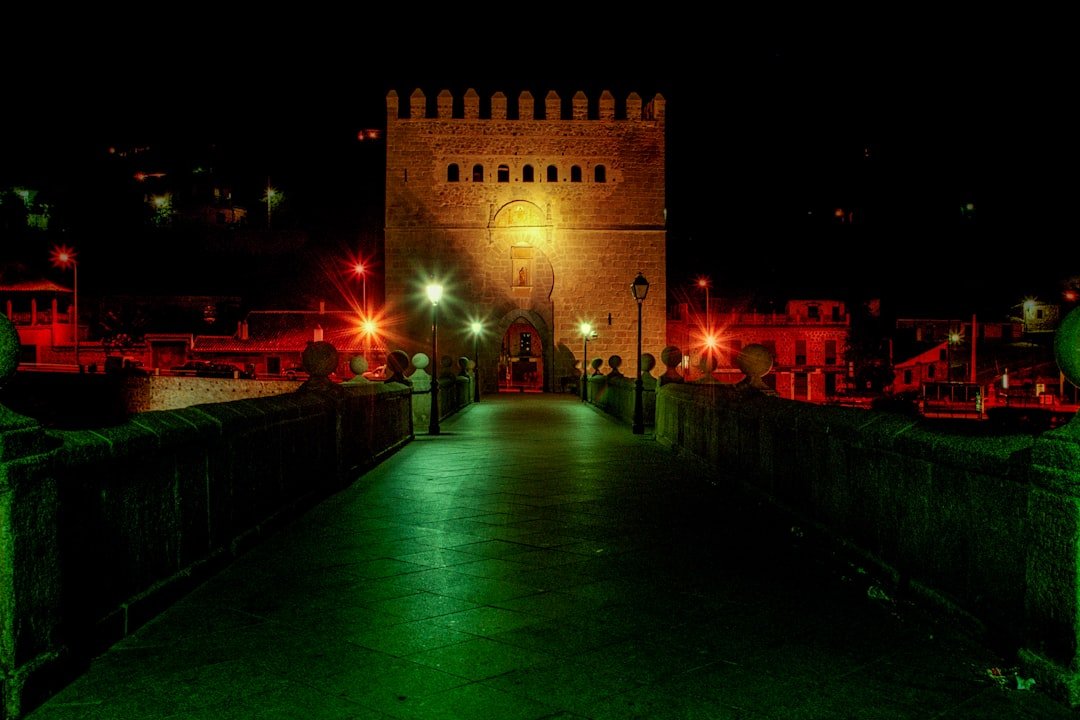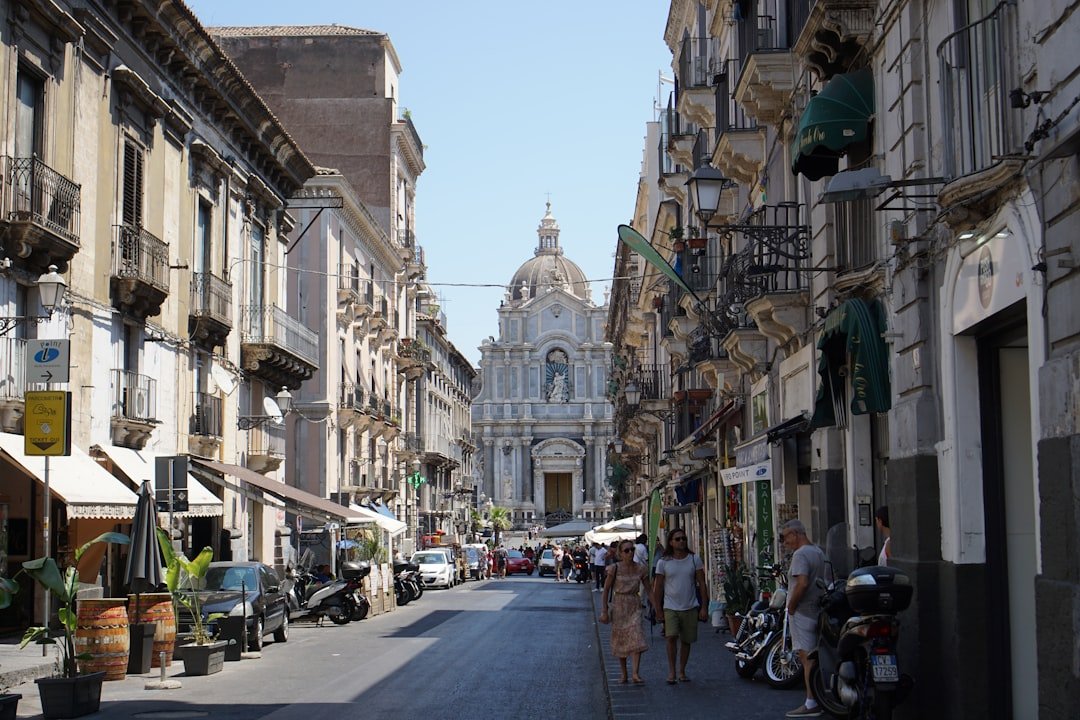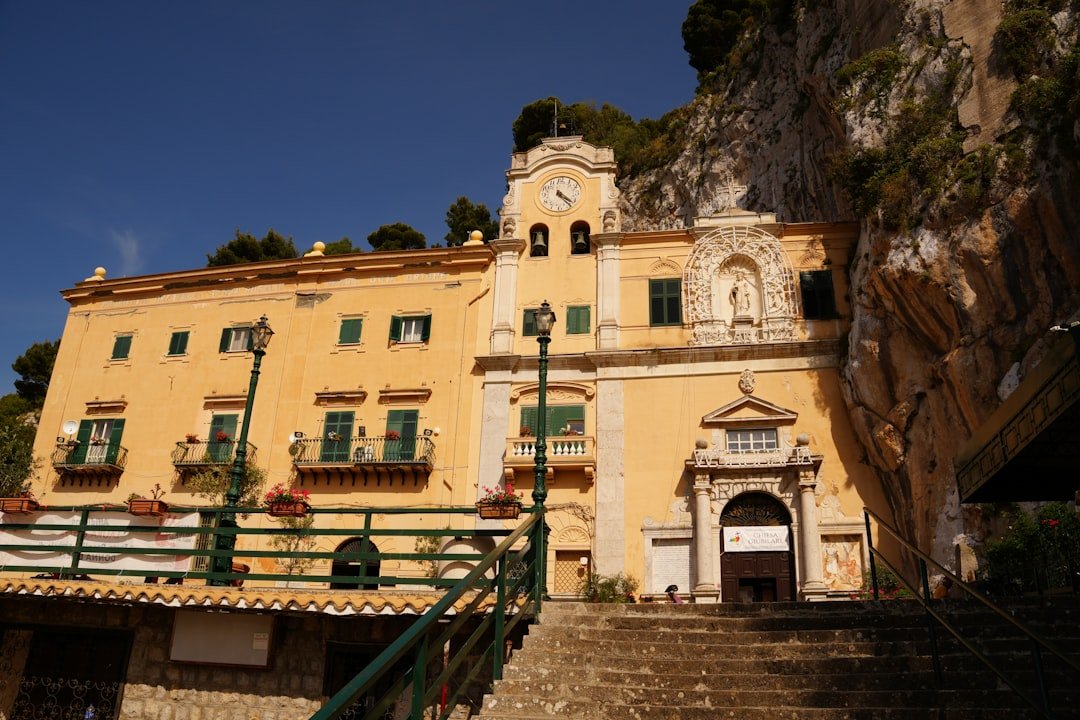
The best photo spots in Amalfi combine dramatic sea views, historic architecture, cliffside villages, gardens, and narrow streets full of detail. You can build a strong photo route around Amalfi town, then add nearby Atrani, Ravello, Positano, Furore, and the Path of the Gods for wider coastal landscapes. The key is choosing each location for the type of shot you want rather than trying to photograph every place the same way.
Quick Answer
For classic Amalfi Coast photos, start with Amalfi Cathedral in Piazza Duomo, Positano’s Spiaggia Grande, and the terraces of Ravello. For quieter or more unusual compositions, add Atrani, Belvedere San Lorenzo, Valle delle Ferriere, Fiordo di Furore, and the Path of the Gods.
Last checked: October 1, 2026. Dates and figures were verified against official sources.
Key Takeaways
- Amalfi Cathedral, Positano’s Spiaggia Grande, Villa Rufolo, and Villa Cimbrone provide the most recognizable architectural and coastal compositions.
- Atrani and Amalfi’s upper streets work well when you want village scenes with fewer postcard-style compositions.
- The Path of the Gods gives elevated views toward Positano, Li Galli, the Sorrentine Peninsula, and Capri.
- The protected section of Valle delle Ferriere has controlled access, so do not assume every trail segment can be entered independently.
- Morning and late-afternoon light are usually easier to work with than harsh midday sun, but cliffs can place individual locations in shadow at different times.
Best Photo Spots in Amalfi for Iconic Views
If you want photographs that immediately identify the destination, concentrate first on Amalfi Cathedral, Positano, and Ravello. These locations combine recognizable architecture with the steep landscape that defines the UNESCO-listed Amalfi Coast.
Amalfi Cathedral and Piazza Duomo
The Cathedral of Saint Andrew, or Duomo di Amalfi, is the strongest architectural subject in Amalfi town. Photographing from Piazza Duomo lets you use the broad staircase as a leading line toward the striped façade, mosaic, arches, and bell tower.
Try both a centered composition from the square and a tighter frame that isolates the upper façade. Earlier in the day generally gives you more room to work before the square becomes busier.
If you want interior and courtyard details, the Monumental Complex of the Cathedral of Sant’Andrea includes the Cloister of Paradise, Diocesan Museum, crypt, and cathedral. From September 1 through November 2, the published schedule is 9:00 a.m. to 6:30 p.m. for last admission. The schedule changes during other parts of the year.
Positano and Spiaggia Grande
Positano supplies the classic cliffside-village photograph. From sea level, colorful buildings climb the hillside behind the beach while the majolica dome of Santa Maria Assunta gives the composition a clear focal point.
The Comune di Positano’s Spiaggia di Marina Grande information confirms pedestrian access from Piazza dei Mulini through Via dei Mulini. The beach can also be reached by sea through its ferry pier.
Use the waterline, boats, or edge of the beach as foreground elements rather than photographing only the stacked houses. A wide lens captures the full hillside, while a moderate focal length can isolate the church dome and layers of buildings.
Villa Rufolo and Villa Cimbrone in Ravello
Ravello is ideal when you want gardens, historical architecture, and open sea views in one location. Villa Rufolo offers terraces, arches, towers, flowers, and coastal panoramas, while Villa Cimbrone is known for its gardens and the Terrace of Infinity.
As of October 1, 2026, Villa Rufolo is open daily from 9:00 a.m. to 7:00 p.m., with last admission at 6:30 p.m. Standard individual admission is €8, tickets are sold on site, and ordinary visits do not require advance booking.
The official Villa Cimbrone site lists garden admission at €10. Its current garden-hours notice lists opening from 9:00 a.m. to 7:00 p.m., with last entrance at 6:30 p.m.; extraordinary closures can occur.
Hidden Gems for Unique Photo Opportunities
The quieter side of the coast can be more rewarding if you prefer scenes that feel less staged. Atrani, Amalfi’s upper viewpoints, the Valle delle Ferriere area, and Conca dei Marini give you very different backgrounds without abandoning the character of the coast.

Atrani
Atrani sits immediately beside Amalfi but has a tighter, more intimate visual character. Its small piazza, beach, arches, stairways, balconies, and houses compressed beneath the cliffs are excellent subjects for street and architectural photography.
Walk around rather than settling for one viewpoint. Looking back toward the village from the seafront gives you a broad scene, while the interior lanes work better for doorways, arches, laundry, stone textures, and everyday details.
Belvedere San Lorenzo
Belvedere San Lorenzo gives you a high view over Amalfi without committing to a long mountain hike. It is particularly useful when you want to show the town’s relationship with the surrounding cliffs and sea.
Visit Amalfi says the viewpoint can be reached either by public elevator from Piazza Municipio or by a route of about 400 steps. That makes it a practical elevated alternative for photographers who do not want to carry equipment along a full hiking trail.
Valle delle Ferriere
Valle delle Ferriere changes the visual story completely. Instead of beaches and pastel buildings, you can work with forest, water, old industrial remains, stone steps, vegetation, and waterfalls.
Do not confuse the broader walking area with unrestricted access to the protected reserve itself. The Carabinieri Biodiversità information for Valle delle Ferriere states that prior authorization is required to enter the reserve and groups must be accompanied. Its listed reserve itinerary is 2,500 metres, medium difficulty, and about three hours.
Grotta dello Smeraldo
The Emerald Grotto at Conca dei Marini gives you a different kind of photograph: reflected light on water, cave formations, and a darker enclosed setting. Exposure is more difficult than on the open coast, so keep the camera steady and avoid relying on high shutter speeds unless your camera handles higher ISO well.
Capturing the Charm of Amalfi’s Streets
Amalfi’s streets are best photographed as a collection of small scenes rather than one grand panorama. Look for repeating steps, archways, shopfronts, ceramic details, flower-covered balconies, signs, doorways, and narrow passages that reveal the town’s vertical layout.
| Scene | Photo Approach |
|---|---|
| Piazza Duomo | Use the cathedral staircase and surrounding buildings to frame the square. |
| Narrow Alleys | Use steps, arches, and walls as leading lines through the frame. |
| Shopfronts and Ceramics | Move closer for patterns, color, signs, and small details instead of shooting the whole street. |
| Balconies and Doorways | Use a longer focal length to simplify busy backgrounds and isolate architectural details. |
| Daily Street Life | Keep enough background to show context, and ask permission before making close portraits of strangers. |
Light changes quickly inside the narrow lanes. A bright sunlit wall beside a shaded passage can create more contrast than your camera captures comfortably, so expose for the highlights and recover darker areas later if your camera allows it.
Street photography also improves when you slow down. Wait for a person, bicycle, doorway, hanging fabric, or patch of light to complete a composition rather than taking every photograph while walking.
Best Views of the Amalfi Coastline
For wide landscape photographs, you need elevation. The Path of the Gods, Ravello’s terraces, Belvedere San Lorenzo, and viewpoints reached from the water all reveal the steep relationship between mountains, villages, and sea more clearly than street-level photographs can.
Path of the Gods
The Sentiero degli Dei, or Path of the Gods, is one of the strongest locations for elevated coastal photography. The Comune di Agerola describes views toward Positano, the Sorrentine Peninsula, the Li Galli islands, and Capri.
The official route description begins at Piazza Paolo Capasso in Bomerano and reaches Colle la Serra at about 580 metres before continuing toward Nocelle. Some sections are exposed, so treat this as a mountain walk rather than a roadside viewpoint.
Warning: Do not step toward exposed edges or onto the road simply to improve a camera angle. The coast includes steep drops, mountain paths, narrow stairways, and busy roads. Choose a secure standing position before looking through the viewfinder.
Villa Rufolo’s Terraces
Villa Rufolo lets you combine landscape and architecture without hiking. Use trees, arches, flowers, stone walls, or terrace edges as foreground elements so the sea does not become an empty blue background.
A vertical frame can work especially well here because it lets you stack gardens, architecture, coastline, and sky. A wider horizontal frame is better when the cliffs and distant headlands are the main subject.
Views from the Sea
A boat or ferry changes the geometry of the coast. From offshore, the cliffs and towns appear stacked vertically, which can make Positano, Amalfi, and the surrounding mountains look more dramatic than they do from the road.
Use a faster shutter speed from a moving boat to reduce blur. If spray or haze lowers contrast, avoid over-processing the scene; leaving some atmospheric softness often communicates distance better than forcing every ridge to look equally sharp.
Sunrise and Sunset Photography Hotspots
Sunrise and sunset are useful because the light is lower, warmer, and less harsh, but the Amalfi Coast’s cliffs can block the sun well before or after the published horizon time. Choose a location based on its direction and surrounding terrain, not simply the clock.
Sunrise Around Positano
Spiaggia Grande is a practical early-morning choice because you can photograph the village from sea level before the daytime beach scene becomes dominant. Boats, the shoreline, and the church dome give you several layers to arrange in the frame.
For a quieter composition, work from the edge of the beach or waterfront route instead of standing directly in the busiest central area. This also gives you more freedom to change the relationship between the foreground and the hillside.
Sunset from Amalfi and Praiano
For late-afternoon and dusk photographs, an open viewpoint usually works better than a deep gorge. Amalfi’s Belvedere San Lorenzo is specifically highlighted by the local tourism office as a strong viewpoint at dusk, while the elevated areas around Praiano give you broad western sea views.
Keep shooting after the sun disappears. Blue-hour light can balance the brightness of street lamps and windows with the remaining color in the sky, producing a more layered townscape than a completely dark night photograph.
Fiordo di Furore
Fiordo di Furore is better treated as a dramatic gorge composition than as a guaranteed sunset location. The tall rock walls can place the beach in deep shadow while the bridge and open sea remain much brighter.
Italy’s official tourism portal describes the Fiordo di Furore as a narrow cut in the rock around a small 25-metre beach. Parking nearby is difficult, so arriving by public transport or approaching on foot from a suitable stopping point is generally more practical than trying to stop along the coastal road.
Creating Dynamic Images
Long exposures can smooth water and turn moving clouds into streaks, but they are not essential. A faster exposure that freezes spray, boats, or waves can communicate the energy of the coast just as effectively.
If you use a tripod, set it where it does not block stairs, paths, entrances, or narrow viewing areas. On busy viewpoints, a small tripod or image stabilization may be easier than a full-size setup.
Tips for Taking Better Photos in Amalfi
Good Amalfi photography depends more on light, positioning, and patience than expensive equipment. A phone can make excellent images here if you control exposure and composition rather than relying on heavy digital zoom.
- Photograph early or late: lower-angle light usually gives buildings, cliffs, and textured streets more shape than midday sun.
- Use foregrounds: boats, railings, stairs, flowers, arches, and walls can add depth to a sea view.
- Watch the highlights: white buildings, bright skies, and reflections on water can overexpose before shaded cliffs look properly exposed.
- Use a polarizing filter carefully: it can reduce reflections and deepen parts of the sky, but its effect can become uneven on very wide lenses.
- Carry only the lenses you need: steep stairways and hiking routes make a lighter bag easier to manage.
- Include people for scale: a person on a staircase, terrace, or trail can show how large the cliffs and buildings really are.
- Respect private spaces: attractive balconies, courtyards, hotel terraces, and homes are not automatically public photography locations.
Pro Tip: Take one wide establishing photograph, one medium composition, and several close details at each location. That gives you a more complete visual story than returning home with dozens of nearly identical wide-angle views.
Can You Fly a Drone on the Amalfi Coast?
Do not assume that a scenic viewpoint is automatically legal for drone flying. Italian aviation rules require operators to check the geographical restrictions for the exact flight area before each operation.
ENAC’s current UAS guidance directs operators to verify flight zones on the d-flight platform and explains that some areas can prohibit or restrict open-category flights. It also addresses restrictions involving protected areas, people, beaches, and controlled airspace.
Preserving Your Amalfi Photos: Printing and Framing
Your photographs become more useful when you decide how they will be displayed. A wide coastal panorama may work well as a large landscape print, while architectural details and street scenes often suit smaller framed groups.
For photographs with fine stonework, foliage, or distant buildings, choose a print process and paper that preserve detail. Matte or fine-art papers reduce reflections, while glossy finishes can make saturated sea and sky colors appear stronger.
Frames should support the photograph rather than compete with it. Natural wood can suit warm street scenes and traditional architecture, while a simple dark or light frame often works well for cleaner coastal landscapes.
A gallery wall can mix panoramic coast views, vertical stairways, architectural details, and small candid scenes. Keep a consistent frame style or spacing so the collection looks intentional even when the photographs vary.
Digital photo books are another practical option. Arrange the images in the order you traveled, then add short captions for the location, time of day, or story behind a photograph. That preserves details you may otherwise forget after the trip.
Your final step should be to back up the original full-resolution files before editing or printing. Keep the untouched originals separate from exported copies so you can return to them later for larger prints or different crops.
Frequently Asked Questions
What are the best photo spots in Amalfi?
The best photo spots include Amalfi Cathedral and Piazza Duomo, Belvedere San Lorenzo, Atrani, Villa Rufolo and Villa Cimbrone in Ravello, Positano’s Spiaggia Grande, Fiordo di Furore, and the Path of the Gods. Together they cover architecture, streets, gardens, beaches, cliffs, and elevated coastal panoramas.
What is the best time of day to take photos in Amalfi?
Early morning and late afternoon are usually the easiest times for flattering light and more manageable contrast. However, steep cliffs can shade individual beaches and villages, so the best light varies by location and season rather than following one fixed time for the whole coast.
Are there photography restrictions in Amalfi?
There is no single rule covering every type of ordinary handheld photography across the entire coast. Individual churches, gardens, hotels, museums, private properties, events, and protected areas can set their own conditions, so respect posted rules and ask before making close portraits or using private property as a shooting location.
What camera gear should I bring to Amalfi?
Bring the lightest kit that covers wide landscapes and tighter architectural details. A camera or phone, spare battery or power bank, lens cloth, comfortable shoes, and optional polarizing filter cover most situations. A tripod is useful for low light or long exposures but can be awkward on crowded stairs and narrow paths.
Which Amalfi photo spots are free?
Many outdoor viewpoints and street scenes can be photographed without an attraction ticket, including Piazza Duomo from outside, Positano’s public approaches, Atrani’s streets, and sections of public walking routes. Paid attractions include Villa Rufolo and Villa Cimbrone, while controlled nature-reserve access can have separate requirements.
Can I use a drone for Amalfi Coast photos?
Drone use depends on the aircraft, operator, people nearby, and the exact airspace. ENAC requires operators to check the current geographical UAS restrictions through d-flight before flying, and additional restrictions can apply around protected areas, crowds, beaches, and other controlled locations.
Also on this site: exploring the delightful world of Asian melon.
Sources
- UNESCO World Heritage Centre — Costiera Amalfitana: Amalfi Coast landscape and heritage context.
- Visit Amalfi — Monumental Complex of Sant’Andrea: cathedral components and seasonal opening hours.
- Villa Rufolo: current 2026 opening hours, admission prices, and booking information.
- Villa Cimbrone: public-garden access and admission price.
- Comune di Positano — Spiaggia di Marina Grande: official beach access information.
- Comune di Agerola — Sentiero degli Dei: official route description and viewpoints.
- Carabinieri Biodiversità — Valle delle Ferriere: protected-reserve access requirements and itinerary data.
- Italia.it — Furore: Fiordo di Furore characteristics and access guidance.
- ENAC — Drone Flight Restrictions: current UAS geographical-zone and d-flight requirements.