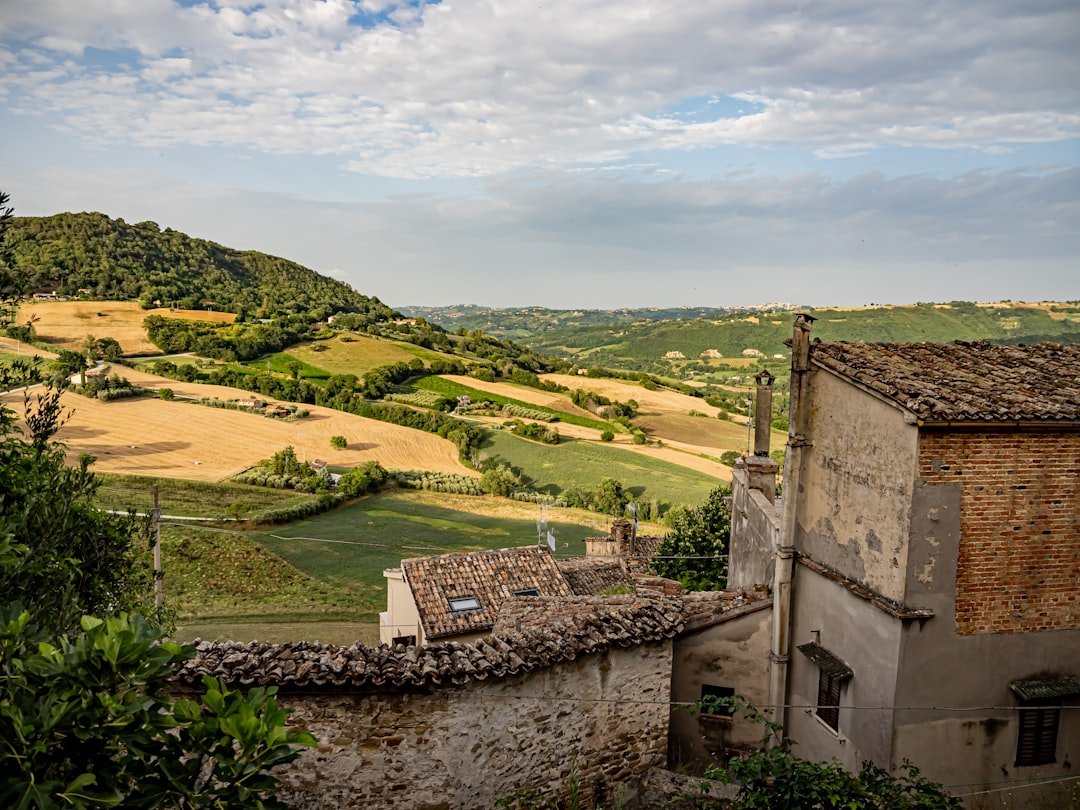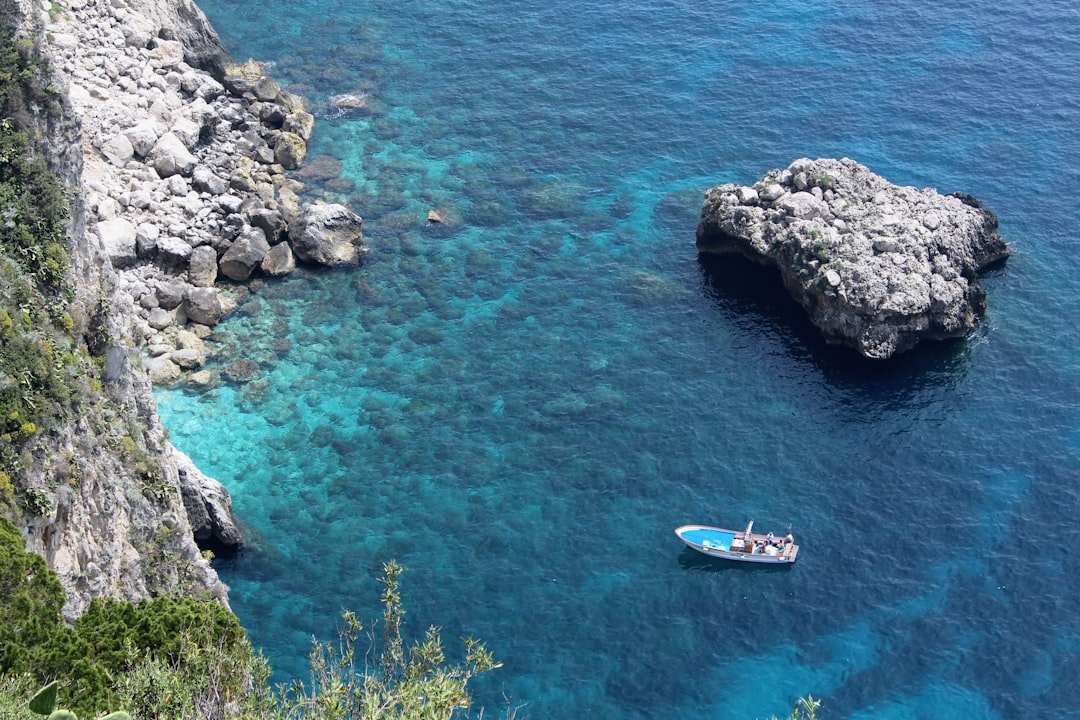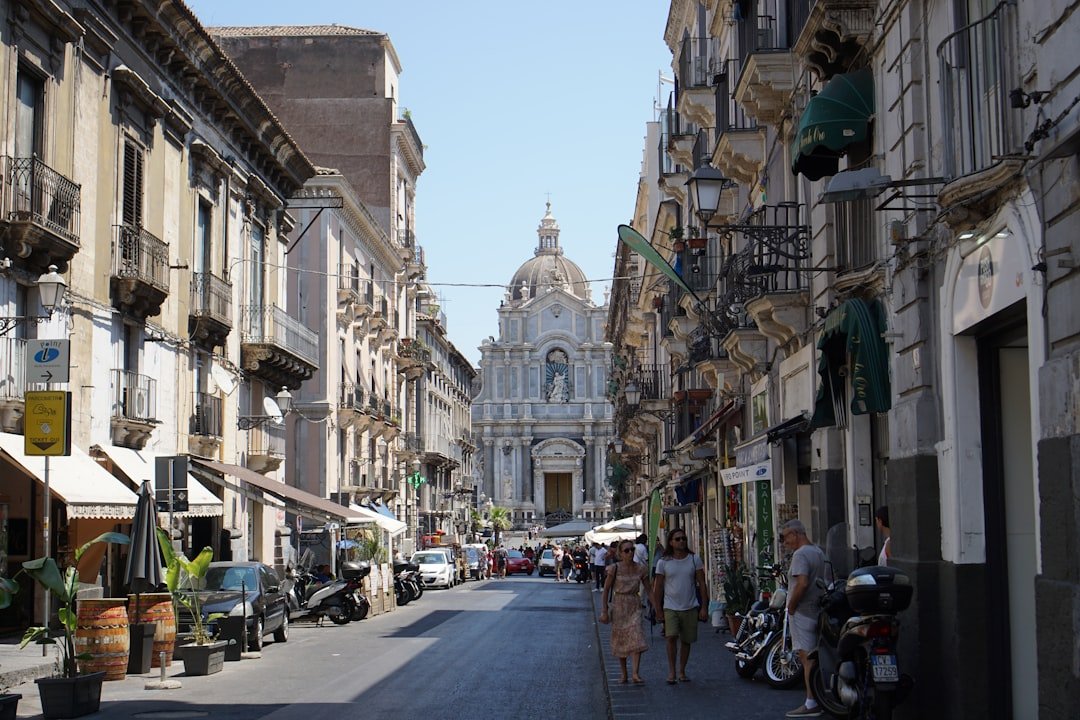
Catania works especially well for a short Sicily trip because you can spend one day exploring its Baroque center and markets, then use your second day for Mount Etna and Taormina. The key is timing: visit La Pescheria while the fish market is active in the morning, start Etna early, and leave enough time for Taormina before sunset.
Quick Answer
For a Catania 2 day itinerary, spend Day 1 around Piazza del Duomo, La Pescheria, Via Crociferi and central Catania, finishing with a Sicilian dinner. On Day 2, visit Mount Etna early, continue to Taormina’s Ancient Theatre, and end at Isola Bella or along the Taormina coast.
Key Takeaways
- Use Day 1 for Catania’s walkable historic center, beginning around Piazza del Duomo.
- Visit La Pescheria in the morning rather than saving the fish market for late afternoon.
- Reserve most of Day 2 for Mount Etna and Taormina because transportation takes time.
- Check current Mount Etna access restrictions on the day of your excursion because volcanic conditions can change.
- Wear sturdy shoes and carry an extra layer for Etna, even when Catania is warm.
- If you only have two days, treat the Day 3 ideas below as optional extensions rather than part of the core itinerary.
Catania 2-Day Itinerary at a Glance
| Day 1 Morning | Piazza del Duomo, Cathedral of Sant’Agata and La Pescheria |
| Day 1 Afternoon | Via Etnea, Via Crociferi, Baroque streets and central Catania |
| Day 1 Evening | Traditional Sicilian dinner and an evening walk |
| Day 2 Morning | Mount Etna excursion from the south side |
| Day 2 Afternoon | Taormina and the Ancient Theatre |
| Day 2 Evening | Isola Bella or the Taormina waterfront, followed by dinner or gelato |
Day 1: Exploring Catania’s Historic Center
Discovering the Historic Center
Start your first day on foot. Central Catania packs churches, markets, Roman remains, cafés and Baroque streets into a relatively compact area, so you can see a great deal without constantly changing transportation.
The city’s present appearance is closely connected to the rebuilding that followed the destructive earthquake of 1693. Dark volcanic stone appears beside pale limestone on many buildings, giving central Catania a look that is different from other Sicilian cities.
Catania and the UNESCO World Heritage Site
Catania is one of the eight towns included in UNESCO’s Late Baroque Towns of the Val di Noto. The UNESCO property recognizes specific urban areas and monuments that illustrate the exceptional Baroque rebuilding of southeastern Sicily after the 1693 earthquake.
This is a more precise way to understand Catania’s UNESCO status than treating every street in the entire historic center as a separate World Heritage Site.
The Heart of the City: Piazza del Duomo
Piazza del Duomo is the natural starting point. The square contains several of Catania’s best-known landmarks, including the Cathedral of Sant’Agata, Palazzo degli Elefanti and the Elephant Fountain, or Fontana dell’Elefante.
The lava-stone elephant supporting an obelisk is known locally as u Liotru and has become one of Catania’s main symbols. The nearby Amenano Fountain marks the side of the square that leads toward the historic fish market.
A Practical Starting Point
Allow roughly 60 to 90 minutes around the piazza if you want to enter the cathedral rather than simply photograph the exterior. Remember that the cathedral is an active place of worship, so services and religious events can affect sightseeing access.
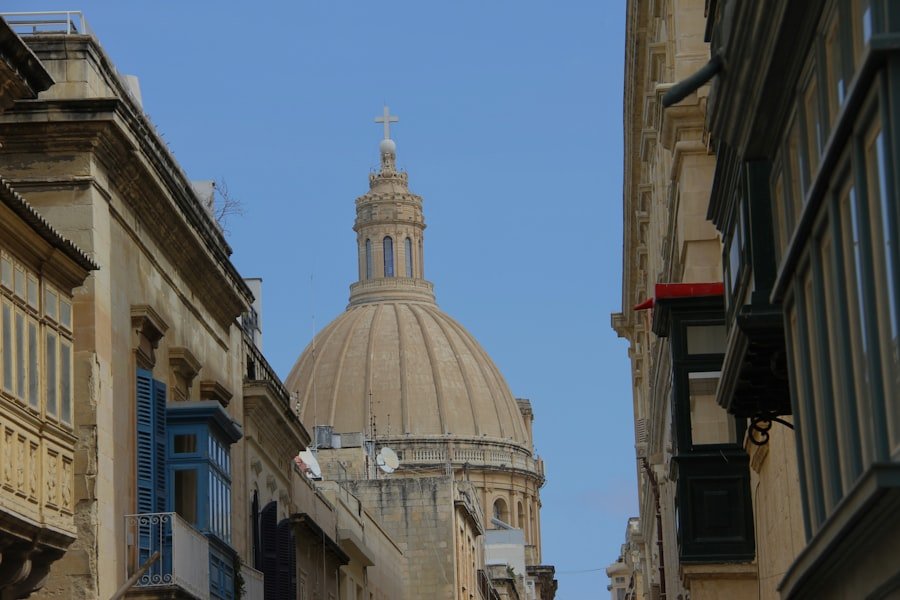
Morning: Piazza del Duomo and La Pescheria
Begin early at Piazza del Duomo while the streets are still relatively calm. Look at the Cathedral of Sant’Agata, Palazzo degli Elefanti and the Elephant Fountain before walking toward the Amenano Fountain and La Pescheria.
Catania’s municipal tourism office describes Piazza del Duomo as the starting point of the city’s post-1693 reconstruction and identifies the fish market directly behind the Amenano Fountain. You can read its official overview on the Comune di Catania tourism website.
Visit La Pescheria While the Market Is Active
La Pescheria is best treated as a morning stop, not a late-afternoon attraction. This is when the market is most useful for seeing vendors at work, displays of fish and shellfish, and the narrow lanes around the market in full activity.
| Best time | Morning, before the market begins winding down around lunchtime |
| Suggested visit | 30–60 minutes |
| Location | Immediately beside the Piazza del Duomo area |
| What to expect | Fresh fish, shellfish, produce, market noise, wet paving and nearby food businesses |
Pro Tip: Wear shoes with good grip at La Pescheria. Water from seafood stalls can leave some sections of the market paving wet or slippery.
Afternoon: Via Etnea, Via Crociferi and Central Catania
After the market, continue through central Catania rather than trying to save the fish market for the afternoon. Walk north from Piazza del Duomo along Via Etnea, then detour toward Via Crociferi.
Via Crociferi is one of the city’s strongest Baroque streets. Within a short stretch you can see a concentration of churches, monasteries and ornate façades associated with Catania’s post-earthquake rebuilding.
If you prefer archaeology, you can also use part of the afternoon for the Roman remains around central Catania. If you prefer a slower day, stop for coffee, granita or a late lunch instead of trying to enter every monument.
Evening: Dinner at a Traditional Sicilian Restaurant
Spend your first evening enjoying Catania’s food rather than adding another major sightseeing stop. Sicilian cooking here mixes pasta, vegetables, seafood, cheese and street-food traditions.
Good dishes and snacks to look for include:
- Pasta alla Norma: pasta with tomato, fried eggplant and ricotta salata.
- Arancini: fried rice balls with different fillings.
- Fresh seafood: particularly natural after seeing La Pescheria earlier in the day.
- Granita: often served with brioche, especially in warmer weather.
- Cannoli: a classic Sicilian pastry filled with sweetened ricotta.
If you drink wine, Etna Bianco and Etna Rosso are natural regional choices. Nero d’Avola is another well-known Sicilian red.
After dinner, an evening walk around Piazza del Duomo or Via Etnea lets you see the center after the daytime crowds thin out.
Day 2: Mount Etna and Taormina
Discover the Volcanic Landscape
Mount Etna is more than a scenic day trip. UNESCO describes it as the world’s most active stratovolcano, with a long documented history of eruptive activity. Its landscape includes lava flows, volcanic cones, summit craters and the Valle del Bove.
You do not need to reach the highest permitted elevation to appreciate Etna. Even the lower and middle volcanic zones offer lava terrain, broad views and a clear sense of how the volcano has shaped eastern Sicily.
How to Get to Mount Etna from Catania
You have three practical choices: a guided excursion, a rental car or the public AST bus to Rifugio Sapienza on Etna’s south side.
For independent travelers without a car, AST’s published 2026 service currently leaves Piazza Giovanni XXIII in Catania at 08:15 and returns from Rifugio Sapienza at 16:30. The company currently lists a €6.60 return fare. Check the official AST Catania–Etna page shortly before travel because schedules and operating conditions can change.
The public bus is inexpensive, but its fixed return time makes it difficult to combine a long Etna visit and a relaxed Taormina afternoon. If Taormina is essential on the same day, a rental car or organized Etna-and-Taormina excursion usually gives you more control over timing.
Understand Etna’s Changing Access Rules
Volcanic activity can change which routes and elevations are open. Some higher areas may require an authorized guide, while temporary restrictions can close routes altogether.
Warning: Never assume a summit or crater route is open because it was accessible on a previous trip or in an older guide. Check the latest Parco dell’Etna access ordinances, local notices and guide instructions on the day of your visit.
Morning: Excursion to Mount Etna
Leave Catania early. If you are driving or joining a tour from the south side, Rifugio Sapienza is the main starting area for many Etna experiences.
Your exact route will depend on weather, volcanic conditions, how much you want to hike and which areas authorities permit visitors to enter. Options can range from walking around accessible lower craters and lava terrain to using cable-car or guided services toward higher elevations when conditions permit.
What to Wear and Bring
- Closed shoes with good grip.
- A windproof or warm layer, even if Catania is hot.
- Water.
- Sun protection.
- A small daypack.
- Any medication or personal necessities you may need away from the city.
Temperature and wind can feel very different on Etna from conditions at sea level. Avoid planning your clothing based only on Catania’s forecast.
Note: If poor weather or volcanic restrictions disrupt Etna, use the extra time for more of central Catania or travel directly to Taormina rather than forcing a mountain itinerary that is no longer safe or worthwhile.
Afternoon: Visit the Ancient Theatre of Taormina
Continue to Taormina after Etna. If you are traveling independently by public transport rather than car or tour, build in extra transfer time.
Taormina’s famous monument is commonly called the Greek Theatre, but its history is more layered. According to Sicily’s archaeological authority, the original layout dates to the 3rd or 2nd century BC. Much of the structure visible today reflects extensive Roman rebuilding, especially during the 2nd century AD.
The theatre occupies a spectacular position above the coast, with views toward the Ionian Sea and Mount Etna when the weather is clear. Rather than rushing through solely for a photograph, allow about an hour to appreciate the cavea, stage area and setting.
As of September 2026, the official archaeological park lists full admission at €14 and standard daily hours of 09:00–19:45, with last entry at 19:00. Hours can change for performances, special openings and seasonal operations, so confirm before your visit.
Allow Time for Taormina Itself
Do not leave immediately after the theatre. Walk along Corso Umberto and through the small lanes around the historic center. Taormina is compact enough for a short walk, but its hills and stairs make distances feel longer than they appear on a map.
Evening: Relax at Isola Bella or the Taormina Coast
If daylight and weather allow, finish near Isola Bella. This section of Sicily’s Ionian coast is better described as a pebbled and rocky shoreline than a wide sandy beach, so water shoes can be useful.
You can swim in suitable weather, sit by the water or simply enjoy the coast before heading back uphill. If the beach is not practical because of season, darkness or rough water, stay in central Taormina for a viewpoint, dinner or an evening stroll instead.
Gelato is an easy way to finish the day. Choose a flavor you enjoy, find a viewpoint or quiet street, and take a slower final hour after a day that has already included both a volcano and one of Sicily’s most important archaeological settings.
Day 3: Optional Activities and Additional Recommendations
This is an optional extension only. If your trip is strictly two days, do not try to squeeze these stops into the main itinerary.
See More of Catania
The original Museo Civico at Castello Ursino would normally be a logical extra stop, but travelers should currently plan around its closure. Catania’s municipal tourism authority announced that Castello Ursino closed for major redevelopment work and that parts of its collection would be transferred to the nearby Pinacoteca Santa Chiara. Check the Comune di Catania closure notice and current city information before visiting, as reopening plans may change.
Other extra-time options include more of Catania’s Roman archaeology, churches, markets and museums.
Take a Wine or Countryside Trip
The slopes around Etna support vineyards, making a winery visit a natural extension for travelers interested in Etna wines. A dedicated wine day works better than trying to combine a long tasting with the already busy Etna-and-Taormina itinerary.
Consider Syracuse or Noto
If you have another full day, Syracuse or Noto can provide a different view of southeastern Sicily. Both deserve enough time to explore on foot rather than being added as a rushed stop after Catania.
Practical Tips for Two Days in Catania
Where to Stay
For a short visit, staying in or near the historic center reduces transportation time on Day 1. Areas within walking distance of Piazza del Duomo, Via Etnea or Catania Centrale can be convenient depending on whether you prioritize sightseeing or regional transport.
When to Visit
Spring and autumn are attractive for walking because temperatures are generally easier than during the hottest summer periods. Summer gives you long daylight for combining Taormina with the coast, but it also brings stronger heat and larger visitor numbers.
Winter can still work for city sightseeing, but conditions on Mount Etna may be cold, snowy or more restrictive. Always plan the mountain separately from the weather you expect at sea level.
Getting Around
Walk for most Day 1 sights. For Etna and Taormina, choose transportation before you arrive rather than improvising on the morning of Day 2.
A rental car offers flexibility but also brings parking and driving considerations. Guided excursions reduce logistical work. Public transport is possible, but combining Etna and Taormina in one day is more demanding because the Etna bus follows a fixed schedule.
What to Book Ahead
Consider advance arrangements for an Etna guided excursion, higher-elevation experience or rental car during busy periods. Check Taormina theatre access if an event is scheduled, since performances can affect normal visiting arrangements.
Final Thoughts on Catania
Catania is at its best when you do not treat it simply as the airport gateway to Mount Etna. Its Baroque center, lava-stone architecture, markets and food deserve a full day of their own.
A balanced two-day plan gives the city that first day and reserves the second for the larger landscapes around it. Starting La Pescheria early, checking Etna access before leaving and keeping the Taormina portion realistic makes the itinerary much easier to enjoy.
If you need a break between sights, keep it simple. Fresh fruit, cheese, pastries or another small Sicilian snack can be more useful during a busy sightseeing day than adding another formal restaurant stop.
Frequently Asked Questions
What are the top attractions for a Catania 2 day itinerary?
For two days, prioritize Piazza del Duomo, the Cathedral of Sant’Agata, La Pescheria, Via Crociferi and central Catania on Day 1. Use Day 2 for Mount Etna, Taormina’s Ancient Theatre and, if time and weather allow, Isola Bella.
What should I eat during two days in Catania?
Try pasta alla Norma, arancini, fresh seafood, granita with brioche and cannoli. If you drink wine, Etna Bianco, Etna Rosso and other Sicilian wines are natural choices.
What is the best time to visit La Pescheria?
Go in the morning, preferably after an early visit to Piazza del Duomo. Market activity is much stronger before lunchtime than in the late afternoon.
Can I visit Mount Etna from Catania without a car?
Yes. You can join a guided excursion or use AST’s Catania–Etna bus to Rifugio Sapienza when the service is operating. Because the public bus has fixed departure and return times, combining Etna and Taormina on the same day is easier with a car or organized tour.
Can I hike to Mount Etna’s summit craters on my own?
Do not assume summit access is open. Permitted elevations and routes can change because of volcanic activity, weather and official ordinances. Some areas may require authorized guides. Check current Etna Park and local-authority restrictions before setting out.
Is the Taormina theatre Greek or Roman?
It has Greek origins, with its original layout dating to roughly the 3rd or 2nd century BC, but much of what visitors see today reflects substantial Roman rebuilding, particularly during the 2nd century AD.
Is Castello Ursino open in 2026?
As of September 2026, Castello Ursino is undergoing major redevelopment and should not be treated as a guaranteed open attraction. Check the latest Comune di Catania information before planning a visit.
Sources
- UNESCO — Late Baroque Towns of the Val di Noto — supports Catania’s World Heritage context and the post-1693 Baroque rebuilding.
- Comune di Catania Tourism — Piazza Duomo — supports the Piazza del Duomo, Elephant Fountain, cathedral and La Pescheria location information.
- AST Sicilia — Catania to Etna Bus — supports current public-transport information to Rifugio Sapienza.
- Parco dell’Etna — Access Ordinances — supports the warning that summit and upper-mountain access can change.
- Parco Archeologico di Naxos e Taormina — Teatro Antico — supports current theatre visitor information.
- Comune di Catania — Castello Ursino Closure — supports the current redevelopment and closure note.