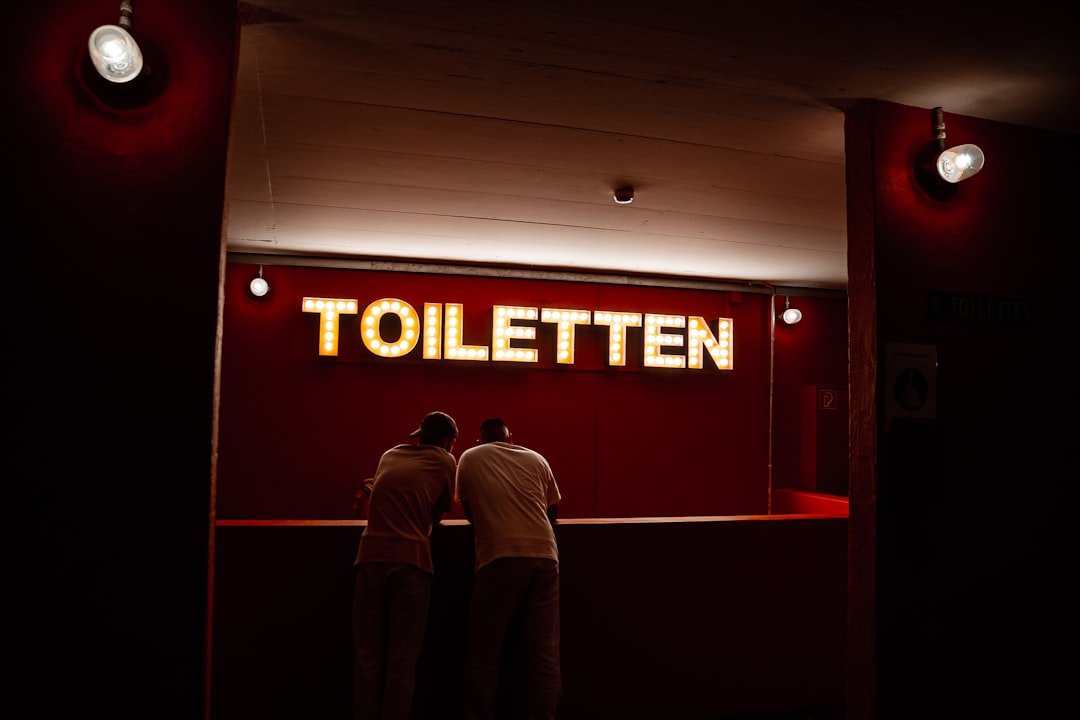
Public toilets play a crucial role in the overall experience of residents and tourists alike in Switzerland. As a country known for its stunning landscapes, vibrant cities, and high quality of life, the availability of clean and convenient public restrooms is essential for maintaining this reputation. Clean public toilets contribute to public health by preventing the spread of diseases and ensuring that individuals can comfortably enjoy their time in public spaces.
In a nation that prides itself on cleanliness and orderliness, the presence of well-maintained facilities reflects the Swiss commitment to hygiene and public welfare. Moreover, the convenience of public toilets significantly enhances the accessibility of urban areas and tourist attractions. For visitors exploring cities like Zurich, Geneva, or Lucerne, having access to clean restrooms can make a substantial difference in their overall experience.
It allows them to spend more time enjoying the sights without the constant worry of finding a suitable place to relieve themselves. This convenience is particularly important for families with children, elderly individuals, and those with medical conditions that necessitate frequent restroom breaks. Thus, the importance of clean and convenient public toilets cannot be overstated; they are integral to the social fabric and tourism infrastructure of Switzerland.
Key Takeaways
- Clean and convenient public toilets are essential for maintaining public health and hygiene in Switzerland.
- Switzerland has a high availability of public toilets, with many located in public spaces, transportation hubs, and tourist areas.
- Public toilets in Switzerland are held to high cleanliness standards, with regular maintenance and cleaning schedules in place.
- Public toilets in Switzerland are designed to be accessible to people with disabilities, with features such as ramps and handrails.
- Swiss public toilets incorporate technology and innovation, such as self-cleaning mechanisms and touchless fixtures, to enhance user experience and hygiene.
The Availability of Public Toilets in Switzerland
Switzerland boasts a well-distributed network of public toilets, particularly in urban centers and popular tourist destinations. Cities like Bern and Basel have strategically placed facilities in parks, near train stations, and at major attractions, ensuring that residents and visitors have easy access to these essential amenities. The Swiss Federal Railways (SBB) also provides clean restroom facilities at many train stations, which is particularly beneficial for travelers who may be on long journeys across the picturesque landscapes of the country.
In addition to traditional public toilets, Switzerland has embraced innovative solutions to enhance availability. For instance, some municipalities have installed self-cleaning toilets that are accessible 24/7. These facilities not only provide convenience but also ensure that users can find a clean restroom at any time of day or night.
Furthermore, many local governments have partnered with businesses to allow public access to their restroom facilities, creating a more extensive network of available options. This collaborative approach helps to address the needs of both locals and tourists while promoting a culture of shared responsibility for public amenities.
Products Worth Considering

✔️EASY TO USE: Pull one travel toilet paper from the bag, unfold and detach the joints and place it on the toilet seat, then flush down the disposable toilet seat cover after use. Toilet Seat Covers Disposable are very lightweight, easy to open and convenient to carry in your pocket or bags.

GO ON THE GO: Fits most toilets to make potty training on the go or during travel easier for parents and toddlers or kids

{ CLEANER BARRIER IN SECONDS } - Made with Ecopolymer Hygiene Technology, our patented technology creates a smooth moisture barrier between you and the seat, for more confidence in public restrooms.
The Cleanliness Standards of Public Toilets in Switzerland
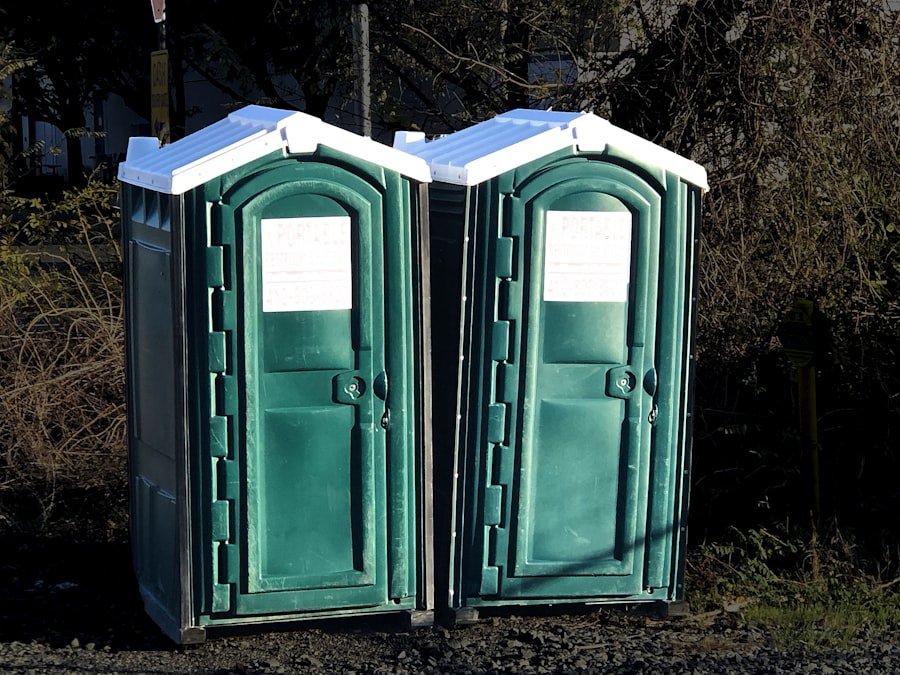
Switzerland is renowned for its high standards of cleanliness, and this extends to its public toilets. The Swiss government and local municipalities have established strict guidelines for maintaining hygiene in these facilities. Regular inspections are conducted to ensure that toilets are not only clean but also stocked with necessary supplies such as toilet paper, soap, and hand sanitizer.
These standards are enforced rigorously, reflecting the Swiss commitment to public health and sanitation. The emphasis on cleanliness is evident in the design of many public toilets, which often feature materials that are easy to clean and maintain. For example, surfaces are typically made from non-porous materials that resist staining and bacteria growth.
Additionally, many facilities are equipped with automatic flushing systems and touchless faucets to minimize contact with surfaces, further enhancing hygiene. This meticulous attention to cleanliness not only meets public health requirements but also fosters a sense of trust among users, encouraging them to utilize these facilities without hesitation.
The Accessibility of Public Toilets in Switzerland
| City | Number of Public Toilets | Number of Accessible Toilets | Percentage of Accessibility |
|---|---|---|---|
| Zurich | 50 | 40 | 80% |
| Geneva | 30 | 25 | 83.3% |
| Bern | 35 | 30 | 85.7% |
Accessibility is a fundamental aspect of public toilet design in Switzerland. The country has made significant strides in ensuring that facilities are available for individuals with disabilities. Many public toilets are equipped with features such as wider stalls, grab bars, and accessible sinks to accommodate those who may require assistance.
Furthermore, the Swiss government has implemented regulations mandating that new public buildings include accessible restroom facilities, ensuring that inclusivity is prioritized in urban planning. In addition to physical accessibility, information about the location of public toilets is readily available through various channels. Many cities provide maps indicating the nearest restroom facilities, while mobile applications offer real-time information about availability and cleanliness status.
This proactive approach ensures that everyone, regardless of their physical abilities or circumstances, can find a suitable restroom when needed. The commitment to accessibility reflects Switzerland’s broader values of equality and respect for all individuals.


The Technology and Innovation in Swiss Public Toilets
Switzerland has embraced technology to enhance the functionality and user experience of public toilets. One notable innovation is the introduction of self-cleaning toilets that utilize advanced cleaning systems to maintain hygiene automatically. These toilets often feature sensors that detect when a user has exited, triggering a cleaning cycle that sanitizes the facility before the next user arrives.
This technology not only ensures cleanliness but also reduces the need for frequent manual cleaning by staff. Moreover, many public toilets in Switzerland are equipped with smart technology that allows users to check availability through mobile applications or digital displays located nearby. This feature is particularly useful in busy urban areas where demand for restroom facilities can be high.
By providing real-time information about which toilets are available or occupied, users can save time and avoid unnecessary frustration. Additionally, some facilities incorporate eco-friendly technologies such as water-saving flush systems and energy-efficient lighting, aligning with Switzerland’s commitment to sustainability.
Products Worth Considering

[Automatic Motion Sensor Toilet Flush Switch] - This is a new idea and design to let people easily turn on the toilet flush button without touching the buttons with your hands,Wave your hand over theinfrared sensor to activate for automatic flushing!It can be widely used in homes and public toilets.

Motion-Activated LED Sensor: The LED Toilet Light with high quality light sensor and motion sensor, it will automatically turn on when detects movement and stay on for 2 minutes after last movement, protecting your kids from stumbling around in the dark.

No More Surprise Flushes: Enjoy a stress-free public toilet experience without worrying about the automatic flush startling you or your child. (Now if we could just address those dang hand blowers!😅)
The Environmental Sustainability of Swiss Public Toilets
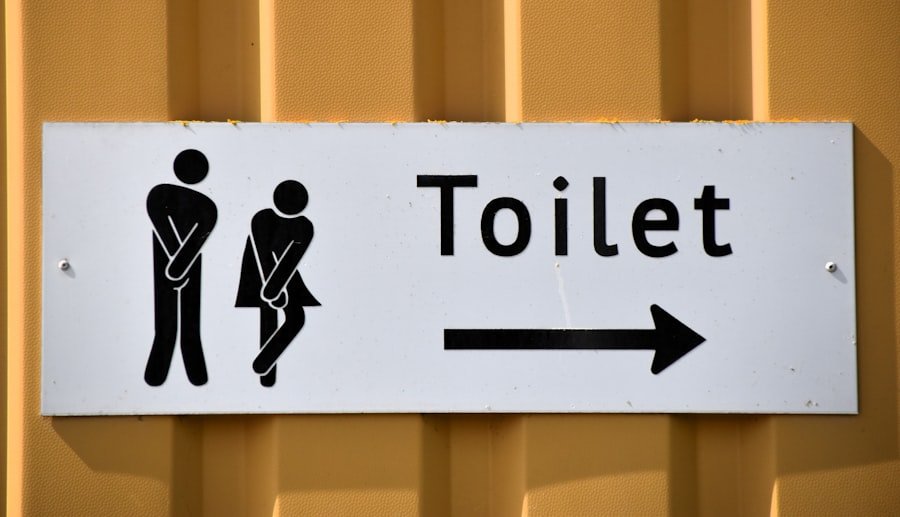
Environmental sustainability is a core principle guiding the design and operation of public toilets in Switzerland. Many facilities are designed with eco-friendly features that minimize water usage and reduce waste. For instance, dual-flush toilets allow users to choose between a full or half flush depending on their needs, significantly conserving water resources over time.
Additionally, some public toilets utilize rainwater harvesting systems to supply water for flushing, further enhancing their sustainability. The use of biodegradable materials for toilet paper and hand towels is another aspect of environmental consideration in Swiss public restrooms. Many municipalities have adopted policies promoting the use of sustainable products that minimize environmental impact while still providing necessary hygiene services.
Furthermore, educational campaigns encourage users to practice responsible behavior by disposing of waste properly and using resources judiciously. This holistic approach to sustainability not only benefits the environment but also fosters a culture of awareness among users regarding their ecological footprint.
The Maintenance and Upkeep of Swiss Public Toilets
The maintenance and upkeep of public toilets in Switzerland are taken very seriously by local authorities. Regular cleaning schedules are established to ensure that facilities remain hygienic and welcoming for users. In many cities, dedicated staff members are responsible for inspecting and cleaning toilets multiple times throughout the day, particularly in high-traffic areas such as train stations or popular tourist spots.
This commitment to maintenance reflects the Swiss ethos of diligence and responsibility toward public amenities. In addition to routine cleaning, maintenance teams are trained to address any issues promptly, whether it be a malfunctioning toilet or a lack of supplies such as soap or toilet paper. Many municipalities have implemented systems for reporting problems directly from users through mobile applications or dedicated hotlines.
This feedback mechanism allows for swift action to resolve issues and maintain high standards of cleanliness and functionality. The proactive approach to maintenance ensures that public toilets remain reliable resources for both residents and visitors.
The Design and Architecture of Swiss Public Toilets
The design and architecture of public toilets in Switzerland often reflect the country’s commitment to aesthetics as well as functionality. Many facilities are integrated into their surroundings in a way that enhances rather than detracts from the environment. For example, some public restrooms are designed with green roofs or natural materials that blend seamlessly into parks or urban landscapes.
This thoughtful design approach not only serves practical purposes but also contributes positively to the visual appeal of public spaces. Furthermore, innovative architectural designs have led to the creation of unique restroom structures that stand out as landmarks in their own right. In cities like Zurich, some public toilets feature modern designs with artistic elements that invite curiosity rather than embarrassment about using them.
These architectural choices reflect a broader cultural attitude toward public amenities; they are not merely functional spaces but integral parts of the urban experience that deserve attention and care.
The Amenities and Features of Swiss Public Toilets
Swiss public toilets often come equipped with a range of amenities designed to enhance user comfort and convenience. Many facilities include baby-changing stations for families traveling with young children, ensuring that parents have access to necessary resources while on the go. Additionally, some restrooms offer gender-neutral options, reflecting an inclusive approach that accommodates diverse needs.
In terms of hygiene features, many public toilets provide touchless faucets, soap dispensers, and hand dryers to minimize contact with surfaces—a particularly important consideration in light of recent global health concerns. Some facilities even offer additional amenities such as free Wi-Fi access or charging stations for electronic devices, catering to modern users’ needs while they take a break from their activities. These thoughtful features contribute to an overall positive experience when using public restrooms in Switzerland.
Products Worth Considering

FREE YOUR WAIST: The baby diaper changing table has 4-Level Adjustable Height which offers a suitable position for parents to change diapers, do massage, as well as change clothes for their babies. It will significantly prevent back aches and pains from bending or kneeling. Also, the bottom can be the adjustable extension from 39.7" to 42.1", perfectly fit 4.8~6ft dads/moms

👩❤️👨BabyBond portable changing table-- a lifesaver for new parents who experience the joys of having a newborn while also feeling tired from changing over 2400 diapers in the first year. This advanced changing table is designed with the latest foldable and mobile features, effectively reducing the cleaning mission and saving your spine.

Strong and sturdy wood construction
The Cultural Attitudes and Etiquette Surrounding Public Toilets in Switzerland
Cultural attitudes toward public toilets in Switzerland are generally positive; they are viewed as essential components of urban infrastructure rather than stigmatized spaces. Swiss society places a high value on cleanliness and respect for shared spaces, which translates into responsible behavior when using public restrooms. Users are expected to leave facilities as they found them—clean and tidy—demonstrating consideration for others who will use them afterward.
Etiquette surrounding public toilets also includes an understanding of privacy and discretion. In many cases, it is common practice for individuals to wait patiently if a stall is occupied rather than knocking or making noise that could disturb others’ privacy. This cultural norm reflects broader societal values regarding respect for personal space and communal harmony.
Such attitudes contribute positively to the overall experience of using public restrooms in Switzerland.
The Future of Public Toilets in Switzerland
Looking ahead, the future of public toilets in Switzerland appears promising as municipalities continue to innovate and adapt to changing societal needs. With advancements in technology, we can expect even smarter restroom facilities equipped with features such as automated cleaning systems and enhanced user interfaces that provide real-time information about availability and cleanliness status. Moreover, as environmental concerns become increasingly pressing globally, Swiss public toilets will likely continue evolving toward more sustainable practices—incorporating renewable energy sources or further reducing water consumption through innovative designs.
The integration of smart technology will also facilitate better maintenance practices by allowing real-time monitoring of usage patterns and supply levels. As urbanization continues to grow alongside tourism demands, Swiss cities will need to remain vigilant about expanding their networks of clean and accessible public restrooms while maintaining high standards of hygiene and design excellence. By prioritizing these aspects, Switzerland can ensure that its reputation as a clean and welcoming destination endures well into the future.
Switzerland is known for its cleanliness and efficiency, even when it comes to public toilets. In fact, a recent article on Tagline Today highlighted the unique design and maintenance of public restrooms in Switzerland. The article discusses how these facilities are not only clean and well-maintained but also environmentally friendly, with many using water-saving technologies. This attention to detail and commitment to cleanliness is just one of the many reasons why Switzerland is considered a model for public sanitation.
FAQs
What are the public toilet facilities like in Switzerland?
In Switzerland, public toilets are generally well-maintained and clean. They are often equipped with modern facilities and are accessible to the public in various locations such as train stations, parks, and city centers.
Are public toilets free to use in Switzerland?
Yes, most public toilets in Switzerland are free to use. However, there are some facilities in tourist areas or remote locations that may require a small fee for access.
Are there specific opening hours for public toilets in Switzerland?
Public toilets in Switzerland typically have set opening hours, which can vary depending on the location and the time of year. However, in major cities and tourist areas, it is common to find public toilets that are open 24 hours a day.
Are public toilets in Switzerland accessible to people with disabilities?
Yes, Switzerland has made efforts to ensure that public toilets are accessible to people with disabilities. Many public toilets are equipped with facilities such as ramps, handrails, and spacious stalls to accommodate individuals with mobility challenges.
What is the general cleanliness and hygiene standard of public toilets in Switzerland?
Public toilets in Switzerland are known for their high cleanliness and hygiene standards. They are regularly cleaned and maintained to ensure a pleasant experience for users.
Are there any cultural or etiquette considerations to keep in mind when using public toilets in Switzerland?
When using public toilets in Switzerland, it is important to maintain cleanliness and respect the facilities. It is also customary to leave a small tip for attendants who may be present at certain public toilets.