A Switzerland itinerary for 3 days works best when you follow one compact rail corridor: Zurich on Day 1, Lucerne on Day 2, and Interlaken with the Jungfrau Region on Day 3. This route combines an old town, lakes, scenic trains, and Alpine views without trying to cross the whole country. It assumes you have three full sightseeing days and do not need to catch an early flight from Zurich on Day 3.
Quick Answer
Spend Day 1 exploring Zurich, Day 2 seeing Lucerne before taking the 1-hour-50-minute train to Interlaken, and Day 3 choosing one major Alpine experience. Pick Jungfraujoch for a high-mountain day or Harder Kulm plus a lake or adventure activity for a lighter finish.
Last checked: October 1, 2026. Dates and figures were verified against official sources.
Key Takeaways
- Zurich, Lucerne, and Interlaken are connected efficiently by rail, so a car is unnecessary for this route.
- The 2026 three-day Swiss Travel Pass costs CHF 254 for an adult or CHF 179 for a youth in second class.
- Do not try to combine several major mountain excursions on Day 3. Jungfraujoch alone can occupy much of the day.
- Mountain weather and seasonal railway operations can change what is practical, so keep your Alpine activity flexible.
Day 1: Explore Zurich Without Rushing
Use your first day for central Zurich, where the main historic sights, River Limmat, Bahnhofstrasse, and Lake Zurich are close enough to combine on foot. This gives you a useful introduction to Switzerland without spending your arrival day on another long transfer.
Morning: Walk Through Zurich Old Town
Start in the Old Town, or Altstadt, on both sides of the Limmat. The narrow streets around Niederdorf, historic guild houses, churches, small shops, and cafés make this the easiest part of Zurich to explore on foot.
Make the Grossmünster one of your main stops. According to Zurich Tourism’s Grossmünster visitor information, the Karlsturm viewing tower has 187 steps and adult admission is CHF 5. Renovation work is taking place from 2025 through 2029, so parts of the building may look different from older photographs.
Nearby, you can also see Fraumünster and St. Peter before crossing the river for another view of the Old Town. If you enjoy history or art, the Swiss National Museum beside Zürich Hauptbahnhof and Kunsthaus Zürich are useful indoor alternatives.
Afternoon: Lake Zurich and Bahnhofstrasse
Continue toward Lake Zurich for a slower afternoon. Walk the waterfront, sit beside the lake, or take a boat ride if it fits your schedule. The lake gives you a clear change of pace after the tighter streets of the historic center.
Finish around Bahnhofstrasse if you enjoy shopping or simply want to walk one of Zurich’s best-known central streets. Luxury boutiques and Swiss watch shops line the route, but you do not need to make shopping the focus of the day.
For dinner, Zurich offers both traditional Swiss cooking and international food. Zürcher Geschnetzeltes, sliced veal traditionally served in a creamy sauce, is one local dish to look for.
Day 2: Discover Lucerne, Then Continue to Interlaken
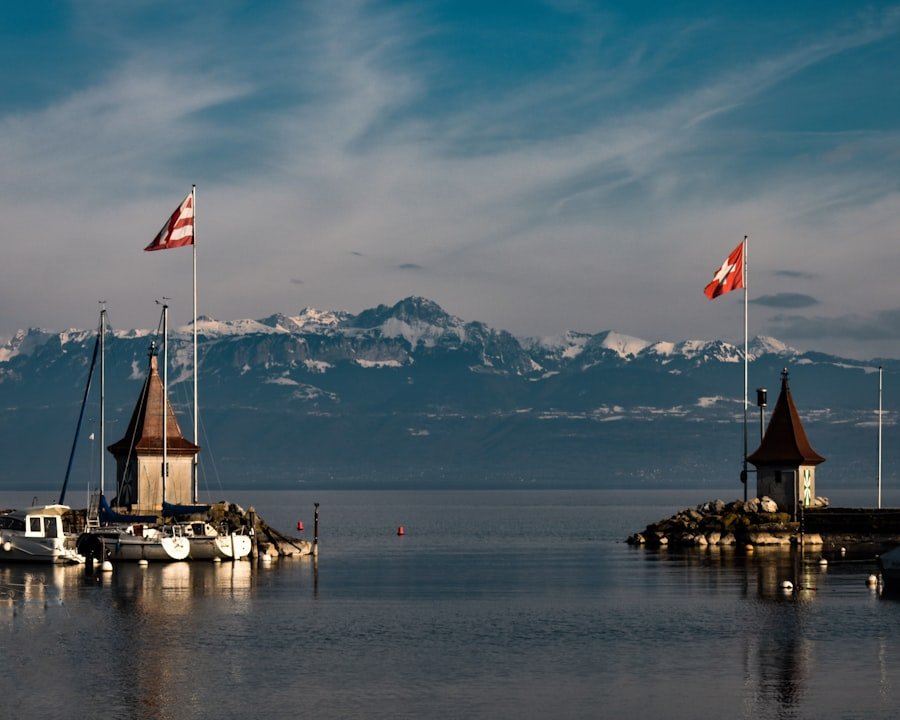
Travel from Zurich to Lucerne in the morning, spend the central part of the day exploring Lucerne, then continue to Interlaken in the late afternoon or evening. The full Zurich–Lucerne–Interlaken rail corridor is about 131 km and takes roughly 2¾ hours of train time, according to Switzerland Tourism.
See Chapel Bridge and Lucerne Old Town
Begin at Chapel Bridge, or Kapellbrücke, where the covered wooden bridge crosses the Reuss River near the station and historic center. Walk through the Old Town afterward rather than rushing straight to a mountain excursion.
Continue to the Lion Monument. The memorial honors Swiss Guards who died during the storming of the Tuileries Palace in Paris in 1792. Lucerne Tourism lists admission as free and estimates about a 15-minute walk from the railway station and Old Town.
If time allows, add a short Lake Lucerne cruise or waterfront walk. The lake, old town, and mountain backdrop are the main reasons Lucerne fits so well into a short Switzerland itinerary.
Should You Add Mount Rigi or Mount Pilatus?
With only three days, treat a Lucerne mountain excursion as an alternative rather than another item to squeeze into the schedule. Mount Rigi works especially well for Swiss Travel Pass holders because the Rigi railways are included in the pass, while SBB lists a 50% reduction for Pilatus mountain transport.
Mount Pilatus is more sensitive to seasonal operations. The official Pilatus 2026 timetable says the cogwheel railway operates from May 11 to November 29, 2026. The Kriens panorama gondola and aerial cableway are closed for maintenance from October 19 through November 27, 2026.
Pro Tip: If Alpine scenery is your priority, save most of your mountain time for Day 3 around Interlaken. Lucerne itself is worth several hours, and adding Rigi or Pilatus can turn Day 2 into a very long travel day.
Take the Scenic Train to Interlaken
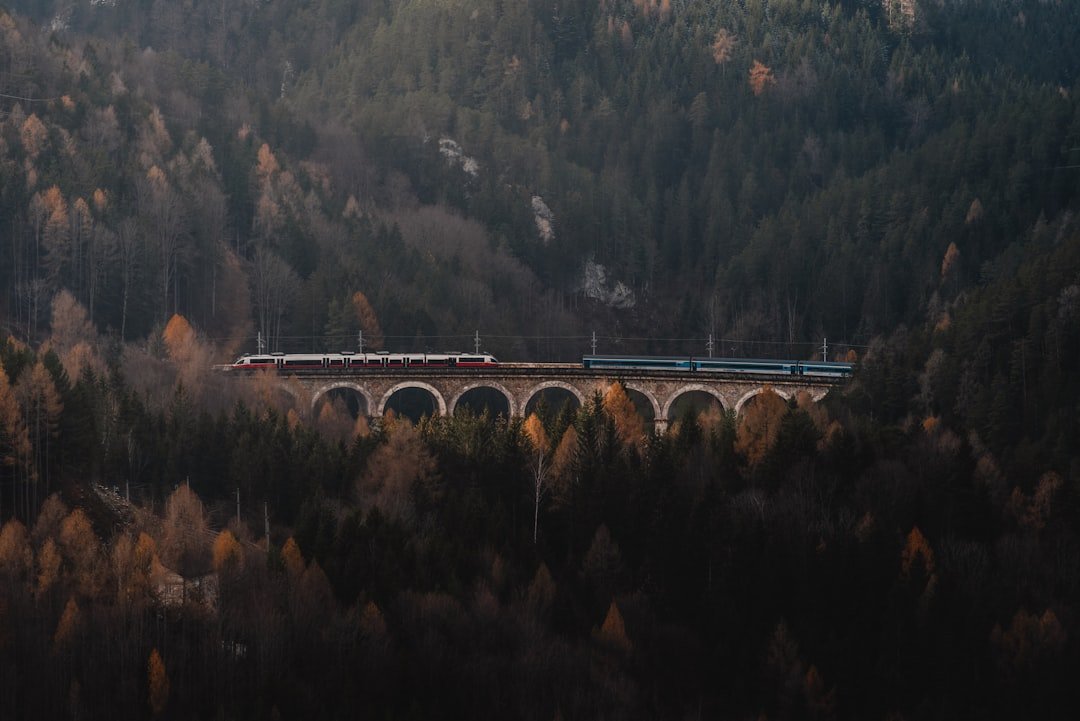
The direct Luzern–Interlaken Express is part of the experience rather than wasted transfer time. Zentralbahn lists the journey at 1 hour 50 minutes, with mountain scenery and lakes along the route.
A normal rail ticket is valid on this train, and the route is fully included in the Swiss Travel Pass. Individual travelers do not need a seat reservation, although reservations are available.
Day 3: Choose Your Interlaken and Jungfrau Experience
| Activity | Time | Location |
|---|---|---|
| Jungfraujoch excursion | Most of the day | Jungfraujoch |
| Harder Kulm viewpoint | About 1 hour or longer | Interlaken |
| Paragliding or lake outing | Flexible | Interlaken or Lake Thun |
Interlaken sits between Lake Thun and Lake Brienz and is the gateway to the Eiger, Mönch, Jungfrau, Grindelwald, and Lauterbrunnen area. For one day, choose one major mountain excursion and build the rest of your schedule around it rather than attempting every activity.
Option 1: Spend the Day at Jungfraujoch
Jungfraujoch is the strongest choice if reaching the high Alps is the main reason for your trip. The railway station sits at 3,454 meters, and the route gives you access to glacier scenery, the Sphinx viewing area, and the Ice Palace.
The official Jungfraujoch information gives a journey time of about 1 hour 30 minutes from Interlaken Ost via Grindelwald Terminal and the Eiger Express. That means the return journey alone uses roughly three hours before you count time at the summit.
Note: For travel from May 1 through October 31, 2026, Jungfrau Railways requires a paid CHF 10 seat reservation for the Jungfrau Railway section. High-altitude weather can also differ sharply from conditions in Interlaken.
If you use a Swiss Travel Pass, the pass does not make the whole Jungfraujoch trip free. SBB lists a 25% reduction on the journey to Jungfraujoch, so include the remaining mountain-rail cost in your budget.
Option 2: Harder Kulm Plus Interlaken
Harder Kulm is easier to combine with other activities. The official Harder Kulm page lists the viewpoint at 1,322 meters and says the funicular ride from the valley station takes just 10 minutes.
From the top, you can see Interlaken between Lake Thun and Lake Brienz, with the Eiger, Mönch, and Jungfrau across the valley. The official site estimates roughly an hour for a basic visit including the ride, although you can stay longer for a walk or meal.
Afterward, choose one extra activity. Paragliding is one of Interlaken’s best-known adventure options, while a boat trip on Lake Thun offers a slower alternative. If you simply want scenery, walking through Interlaken and spending time beside one of the lakes can make a less rushed final afternoon.
Switzerland Itinerary: 3 Days by Train
Public transport is the simplest way to follow this route. Switzerland’s trains connect city centers directly, and the Lucerne–Interlaken leg is itself one of the scenic highlights of the trip. Driving adds parking and navigation without giving this itinerary a clear advantage.
| Route | Typical journey time | Why it matters |
|---|---|---|
| Zurich to Lucerne | About 45 minutes | Short enough for a morning transfer |
| Lucerne to Interlaken Ost | 1 hour 50 minutes | A scenic journey worth doing in daylight |
| Interlaken Ost to Jungfraujoch via Eiger Express | About 1 hour 30 minutes each way | Plan Jungfraujoch as your main Day 3 activity |
Is the Swiss Travel Pass Worth It for Three Days?
The answer depends on the journeys and mountain excursions you actually take. Do not assume a pass is automatically cheaper than point-to-point fares, especially if your schedule is light.
For 2026, SBB lists the three-day Swiss Travel Pass at CHF 254 for an adult and CHF 179 for a youth in second class. It provides unlimited eligible travel on three consecutive days.
For this itinerary, the pass covers the Luzern–Interlaken Express and includes Mount Rigi railways. SBB also lists a 50% reduction for Pilatus and a 25% reduction for Jungfraujoch.
If you only plan a few intercity trips and no expensive included excursions, compare the pass against ordinary tickets and the Swiss Half Fare Card before buying. The better option changes with the exact trains and mountain journeys you choose.
Where to Stay on a Three-Day Switzerland Trip
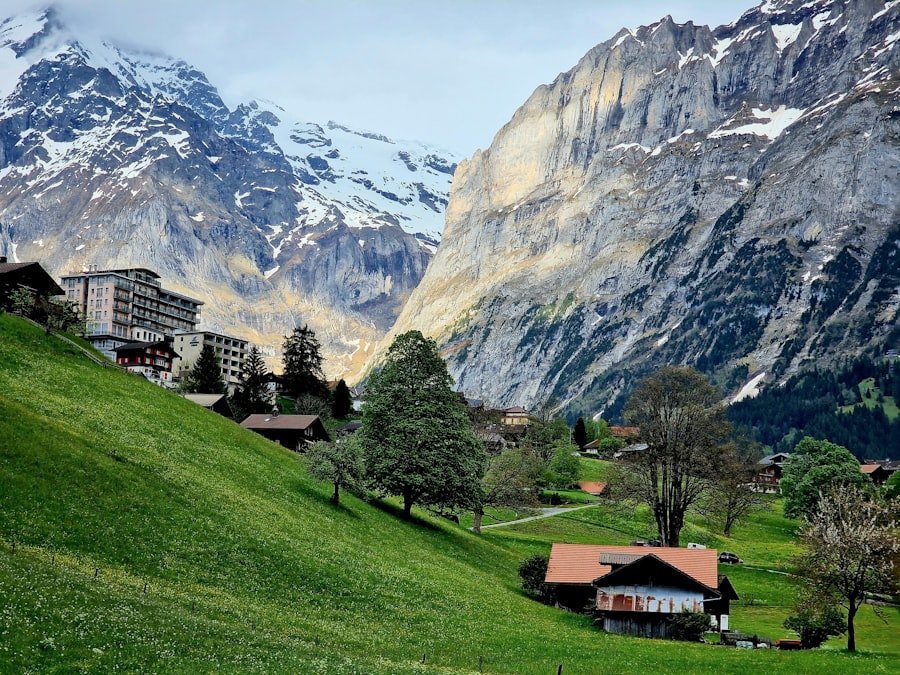
On a short trip, location matters more than having a long list of hotel amenities. Staying near a main railway station or central sightseeing area reduces transfers and makes early departures much easier.
Zurich
For Day 1, staying near Zürich Hauptbahnhof or the Old Town puts most central sights within walking or tram distance. Travelers seeking luxury may consider established hotels such as The Dolder Grand or Baur au Lac, while simpler hotels and guesthouses near the center reduce travel time.
Lucerne
If you prefer a slower version of this itinerary, spend the second night in Lucerne and move Interlaken to a longer trip. Hotel des Balances and Hotel des Alpes are among the centrally located options mentioned in the original itinerary, with easy access to the Old Town and lakefront.
Interlaken
For the route as written, staying in Interlaken after Day 2 is the most practical way to start Jungfraujoch or Harder Kulm early on Day 3. Guesthouses, hotels, bed-and-breakfasts, apartments, and family-run inns provide alternatives to large hotels.
Holiday rentals, including Airbnb properties, are also available across Switzerland. Compare the final price and location rather than looking only at the nightly rate, since a remote property can add transport time to an already short trip.
Swiss Cuisine and Dining
Swiss food reflects influences from the country’s German-, French-, and Italian-speaking regions. On a three-day route, focus on a few dishes rather than trying to turn every meal into a formal restaurant experience.
- Fondue: melted cheese, commonly including Gruyère or Emmental, served with bread for dipping.
- Raclette: melted cheese scraped over foods such as potatoes and pickles.
- Rösti: a crisp potato dish found throughout Switzerland.
- Zürcher Geschnetzeltes: sliced veal in a creamy sauce associated with Zurich.
- Swiss chocolate: major brands such as Lindt and Toblerone are widely available, alongside smaller chocolatiers.
Food markets, bakeries, casual restaurants, supermarkets, and lakeside cafés can help balance the cost of restaurant meals. A picnic lunch is also useful on train-heavy days because it keeps the schedule flexible.
More Swiss Attractions for a Longer Trip
Zurich, Lucerne, and Interlaken already fill three days. Several attractions from the wider Switzerland wish list are better saved for an extension rather than forced into this route.
Zurich Museums
Art lovers can add Kunsthaus Zürich, whose collection includes works connected with artists such as Alberto Giacometti and Marc Chagall. The Swiss National Museum beside Zürich Hauptbahnhof focuses on Swiss cultural history and works especially well when the weather makes outdoor sightseeing less appealing.
Lucerne Museums and Mountains
Beyond Chapel Bridge and the Lion Monument, the Richard Wagner Museum occupies the composer’s former residence beside Lake Lucerne. Mount Rigi and Mount Pilatus are the main mountain additions if you give Lucerne another day.
Zermatt and the Matterhorn
The Matterhorn above Zermatt is one of Switzerland’s most recognizable mountain sights. Zermatt is not a sensible add-on to this three-day Zurich–Lucerne–Interlaken route, but it is a strong destination for a longer Alpine itinerary.
Outdoor Activities Beyond the Three-Day Route
Switzerland supports hiking, skiing, cycling, boating, kayaking, and paddleboarding across very different landscapes. The right activity depends heavily on season, altitude, and local operating conditions.
Hikers can find everything from easy lakeside paths to high-Alpine routes. The Aletsch Glacier area is particularly important for glacier scenery, while resorts such as Zermatt and St. Moritz become major winter-sports destinations during the snow season.
In warmer conditions, Lake Geneva and Lake Lucerne are popular for water-based outings. Switzerland also has extensive cycling routes through cities, valleys, and rural areas, allowing travelers with more time to explore at a slower pace.
Shopping and Souvenirs
Swiss souvenirs range from luxury watches to practical everyday items and locally made crafts. In Zurich and Geneva, major shopping streets feature Swiss names such as Rolex and Victorinox alongside international brands.
Chocolate is one of the easiest gifts to carry, while smaller markets may offer wooden crafts, textiles, and regional products. Traditional craft styles vary by region, including work associated with areas such as Appenzell.
If you are traveling by air after the trip, leave enough luggage space for anything you buy. A small bag is also much easier to manage on trains when you change cities several times in three days.
Practical Tips for Traveling in Switzerland
Switzerland is easy to travel through, but a short itinerary leaves little room for avoidable delays. Keep your plans simple and prepare for conditions to change between lakeside cities and high mountains.
- Use Swiss francs: Switzerland uses the Swiss franc, abbreviated CHF.
- Allow time for connections: Swiss public transport is closely scheduled, so arrive at the platform before departure rather than relying on a last-minute transfer.
- Pack layers: conditions beside a lake can be very different from temperatures and wind at a high mountain station.
- Wear comfortable shoes: Zurich, Lucerne, and Interlaken all reward walking.
- Travel light: moving between trains and accommodation is easier with compact luggage.
- Use the local language when useful: German, French, Italian, and Romansh are Switzerland’s national languages. English is common in major tourist areas, but simple greetings in the local language are appreciated.
- Budget for mountain transport: high-Alpine excursions can cost much more than ordinary city sightseeing, and rail passes do not cover every lift or mountain railway in full.
Pro Tip: If the mountains are hidden by cloud on your planned excursion day, use the city or lake activities first. On a three-day trip, flexibility is more useful than forcing an expensive viewpoint visit with no view.
Frequently Asked Questions
Is three days enough for Switzerland?
Three days is enough for a focused first visit, but not for seeing the whole country. A Zurich, Lucerne, and Interlaken route gives you cities, lakes, scenic rail travel, and Alpine scenery while keeping most transfers manageable.
What are the must-see attractions on a three-day Switzerland itinerary?
For this route, prioritize Zurich Old Town and Lake Zurich, Chapel Bridge and the Lion Monument in Lucerne, and one major Interlaken-area mountain experience. Jungfraujoch suits a full Alpine day, while Harder Kulm leaves more time for Interlaken or a lake activity.
What activities work best during three days in Switzerland?
Mix walking, scenic rail travel, a lake experience, and one mountain excursion. Trying to combine Jungfraujoch, several mountain railways, paragliding, and multiple cities in three days usually leaves too much of the trip spent moving between activities.
What is the best way to get around Switzerland for three days?
Trains are the most practical choice for this Zurich–Lucerne–Interlaken itinerary. The cities are well connected, the Lucerne–Interlaken journey is scenic, and using public transport avoids parking and driving logistics during a very short trip.
Is the Swiss Travel Pass worth buying for three days?
The Swiss Travel Pass can be useful if you take several trains, boats, and included excursions, but it is not automatically the cheapest ticket. For 2026, the three-day second-class pass costs CHF 254 for an adult and CHF 179 for a youth, so compare it with your planned individual journeys.
What is the best time of year for this Switzerland itinerary?
There is no single best season because the route works in different ways throughout the year. Warmer months generally provide broader access to hiking and seasonal mountain transport, while winter suits snow scenery and skiing; individual mountain railways may have maintenance or seasonal closures.
Where should I stay during a three-day Switzerland trip?
Stay close to major stations or central sightseeing areas so transfers do not consume your limited time. For the route in this guide, a central Zurich stay followed by an Interlaken stay is efficient; choosing Lucerne instead creates a slower trip but makes Interlaken harder to fit.
If you’re looking to add some delicious homemade recipes to your Switzerland itinerary 3 days, check out this article on homemade cottage cheese. This simple and healthy recipe can be a great addition to your travel plans.
Sources
- SBB: Three Days in Switzerland: 2026 Swiss Travel Pass prices, coverage, and mountain discounts.
- Switzerland Tourism: Zurich–Lucerne–Interlaken: route distance and overall rail travel time.
- Zurich Tourism: Grossmünster: Karlsturm stairs, admission, and renovation information.
- Lucerne Tourism: Lion Monument: monument history, admission, and walking access.
- Zentralbahn: Luzern–Interlaken Express: 1-hour-50-minute journey time and Swiss Travel Pass coverage.
- Jungfrau Railways: Jungfraujoch – Top of Europe: altitude, access, journey time, and reservation information.
- Jungfrau Railways: Harder Kulm: elevation, funicular travel time, and viewpoint details.
- Pilatus: 2026 Timetable: cogwheel railway season and maintenance closures.