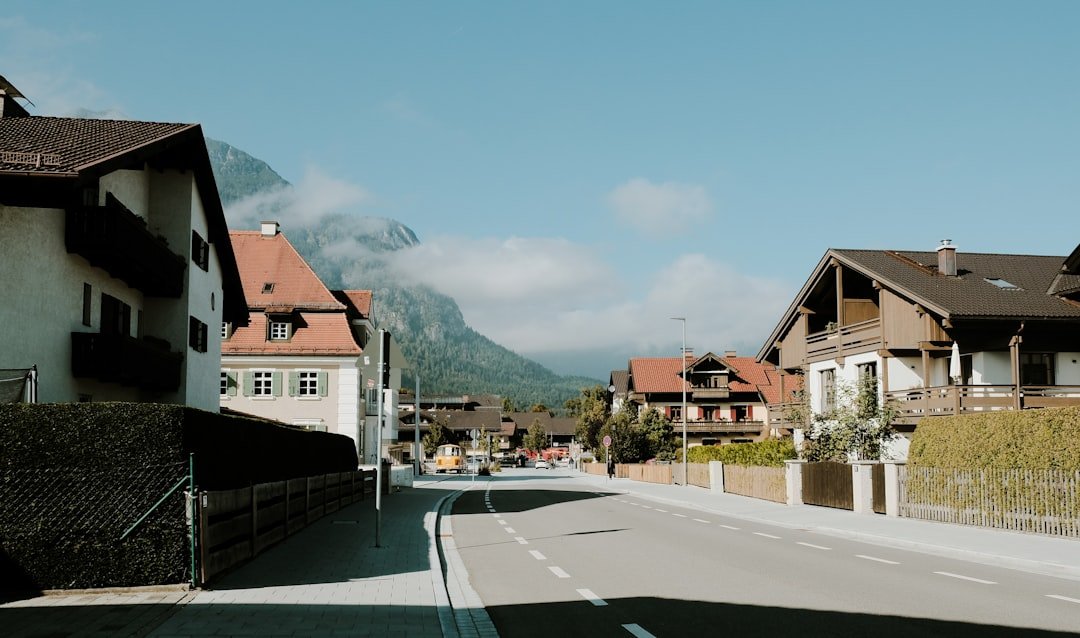
Interlaken, situated between Lake Thun and Lake Brienz beneath the towering peaks of the Eiger, Mönch, and Jungfrau, is celebrated as Switzerland’s outdoor adventure capital. While the Bernese Oberland carries a reputation for steep alpine prices, experiencing this world-class destination does not require a fortune. By securing your accommodation-provided transit pass, shopping at local discount grocers, hiking panoramic alpine routes instead of paying for mountain railways, and prioritizing free natural sights, you can explore Interlaken while keeping your daily expenses firmly under control.
Quick Answer
To visit Interlaken on a budget, stay in a licensed hostel or guesthouse to receive a free Interlaken Guest Card for unlimited local bus travel in Zone 105. Cut food costs by purchasing groceries at discount supermarkets like Denner, Coop, and Migros, take advantage of free hikes such as Harder Kulm and the Lauterbrunnen Valley floor, and refill water bottles from public mountain fountains for free.
Key Takeaways
- Free Local Transit: The Interlaken Guest Card is issued free upon check-in at official lodgings, covering all bus travel within local Zone 105.
- Smart Grocery Shopping: Shopping at discount grocers (Denner, Aldi Suisse, Lidl) and buying store-brand lines (Coop Prix Garantie, Migros M-Budget) slashes food expenses by up to 70%.
- Zero-Cost Sightseeing: Iconic regional highlights—including the Harder Kulm ridge hike, the shores of Lake Brienz, and the 72 waterfalls of Lauterbrunnen Valley—are completely free.
- Advanced Rail Booking: SBB Saver Day Passes (Spartageskarte) and the Swiss Half Fare Card yield substantial savings over standard point-to-point train tickets.
Budget Accommodation Options in Interlaken
Lodging typically represents the largest line item on a Swiss travel itinerary. Interlaken features an established network of budget-oriented accommodations tailored for backpackers, outdoor athletes, and independent travelers who want comfortable amenities without high hotel tariffs.
Hostels and Shared Dormitories
Hostels offer the best price-to-value ratio for solo travelers and pairs. Renowned spots like Balmers Hostel in Matten—Switzerland’s oldest private youth hostel—and Backpackers Villa Sonnenhof near the town center provide clean dorm beds, secure lockers, and comprehensive guest facilities. The Interlaken Youth Hostel, positioned directly beside the Interlaken Ost railway station, provides modern dorms and private family rooms with quick connections to regional trains.
Beyond competitive nightly rates, quality hostels provide communal guest kitchens equipped with stovetops, ovens, cookware, and refrigeration. Preparing your own breakfast and dinner can save CHF 40 to CHF 70 per person each day compared to dining out.
Campgrounds and Budget Guesthouses
During the warmer months from May through October, riverside and lakeside campgrounds offer scenic, economical stays. Establishments along the Aare River and near Neuhaus on Lake Thun provide tent pitches, campervan bays, and rustic wooden camping pods at a fraction of standard hotel prices. For couples or families seeking quiet surroundings, traditional bed-and-breakfasts in the historic districts of Unterseen and Matten offer private double rooms with complimentary breakfast.
Pro Tip: Every guest paying the mandatory municipal visitor’s city tax (Kurtaxe, typically CHF 3.20 to CHF 3.50 per night) is legally entitled to the physical or digital Interlaken Guest Card. Request yours immediately at check-in; it provides free local bus rides and 20% to 30% discounts on local attractions like miniature golf and regional museums.
Affordable Dining: Supermarket Hacks and Budget Eateries
Restaurant dining across Switzerland is notoriously expensive, with casual sit-down meals routinely costing CHF 30 to CHF 45 per person without drinks. However, maintaining a daily food budget of CHF 15 to CHF 25 is entirely manageable if you adopt local shopping habits.
Supermarket Grocery Strategies: Coop, Migros, and Denner
The primary key to affordable eating is buying staples at Swiss supermarket chains. Major operators include Coop and Migros, both of which offer dedicated discount product lines:
- Coop Prix Garantie: Packaged in distinctive pink-and-white branding, this tier covers essential pantry goods, dairy products, bread, sliced meats, and produce at prices comparable to discount grocers across the European Union.
- Migros M-Budget: Marked with bright green packaging, this budget line includes everything from muesli and yogurt to pasta, sauces, and bottled beverages.
- Denner, Aldi, and Lidl: For the lowest grocery bills, visit Denner (located near Interlaken West station) or the Aldi Suisse and Lidl branches in nearby Matten. Denner is Switzerland’s leading discount food retailer, offering affordable local cheeses, wine, beer, and fresh produce at 15% to 30% below standard supermarket prices.
Hot Takeaway Counters and Casual Eateries
When you want a hot, prepared meal without paying a sit-down restaurant service charge, head to the takeaway hot-food deli counters inside the large Coop Supermarkt near Interlaken Ost. Half rotisserie chickens, daily pasta specials, and self-service salad bars offer filling lunches for CHF 8 to CHF 12.
For casual dinners, explore the side streets surrounding Interlaken West and Centralstrasse. Local Turkish kebab houses, Middle Eastern counters, and independent pizzerias serve generous doner plates, falafel wraps, and wood-fired pizzas for CHF 10 to CHF 16. Many local bakeries (Bäckereien) also apply 30% to 50% discounts to freshly prepared sandwiches and pastries during the final hour before closing.
Never spend money on bottled water in Interlaken. Switzerland’s municipal tap water originates directly from natural alpine springs and glacial aquifers. Carry a reusable bottle and fill up freely at the decorative public fountains (Brunnen) located throughout the town. Unless a fountain bears a sign stating “Kein Trinkwasser” (No Drinking Water), the water is pristine, ice-cold, and 100% potable.
Exploring Interlaken’s Natural Beauty on a Budget
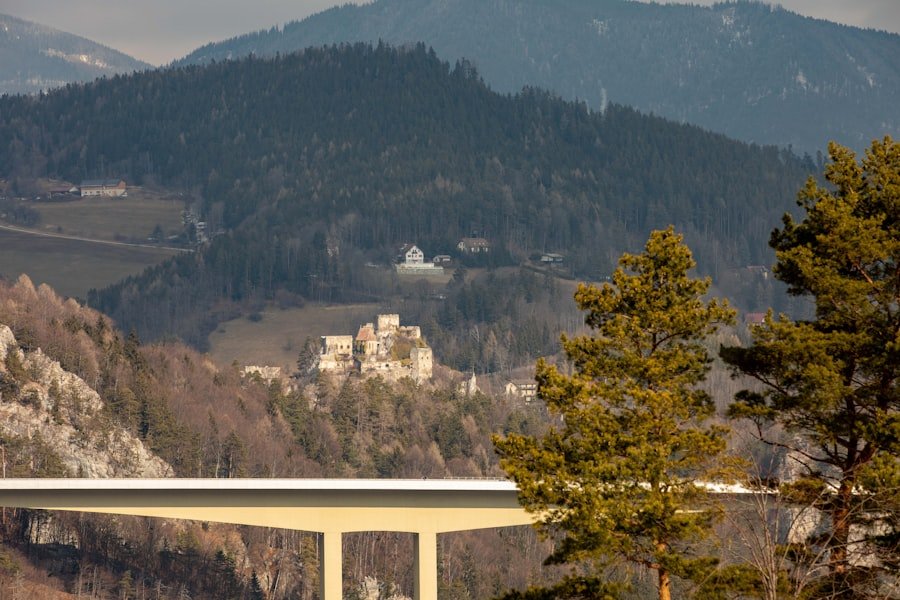
The geographic setting of Interlaken—flanked by the turquoise glacial waters of Lake Brienz (Brienzersee) to the east and the deep blue expanse of Lake Thun (Thunersee) to the west—provides world-class sightseeing that requires zero expenditure.
Lakeside Walking Trails and Public Swimming
The shoreline paths connecting Interlaken to surrounding villages are flat, well-maintained, and completely free. The scenic riverside trail following the Aare from Interlaken Ost leads directly to Bönigen on Lake Brienz, offering clear vistas of steep limestone walls descending into turquoise water.
On the Lake Thun side, the path toward Neuhaus meanders through the Weissenau Nature Reserve, a protected wetland habitat with wooden observation platforms, waterfowl colonies, and views of the snow-dusted Stockhorn range. During summer, skip private lido facilities and swim at public lake access points along Neuhaus or the public lawns near Bönigen.
Free Regional Day Trips: Lauterbrunnen Valley Floor
One of the finest excursions in the Bernese Oberland is located just 20 minutes south of Interlaken by local train or bus: the Lauterbrunnen Valley. Known as the valley of 72 waterfalls, walking the flat valley floor path from Lauterbrunnen railway station toward Stechelberg costs nothing.
Along this 6-kilometer paved walking trail, you pass directly beneath the roaring Staubbach Falls—one of Europe’s highest free-falling cascades, dropping nearly 300 meters from sheer cliffs. You can hike up the carved rock path directly behind the spray of Staubbach Falls without paying an admission fee.
Hiking Harder Kulm: The Funicular Alternative
Perched 1,322 meters above sea level, Harder Kulm is recognized as Interlaken’s local mountain, featuring the cantilevered Two Lakes Bridge with views of the Jungfrau, Mönch, and Eiger. While the steep mountain funicular railway costs approximately CHF 44 for a standard round-trip ticket, walking the marked trail on foot is completely free.
The trail begins just behind the Harderbahn base station near Interlaken Ost and climbs steadily through shaded pine forests via a series of well-engineered switchbacks. Hikers who complete the ascent enjoy the exact same panoramic viewing platforms and photo opportunities as paid rail passengers.
Warning: The hiking path up Harder Kulm is an official red-and-white mountain trail (Bergwanderweg) that gains over 750 meters of elevation across 4.1 kilometers in roughly 2 to 2.5 hours. It requires sturdy trail shoes, ample drinking water, and dependable physical fitness. Avoid this trail during rain, snow, or early spring frost when steep limestone sections become dangerously slippery.
Free and Low-Cost Activities in Interlaken
Beyond mountain hiking and lake promenades, Interlaken offers diverse cultural, historic, and recreational activities that cost little or nothing to experience.
| Activity | Location | Approx. Cost | Budget Tip |
|---|---|---|---|
| Harder Kulm Ascent | Interlaken Ost Trailhead | Free (on foot) | Hike early morning to avoid midday heat and save ~CHF 44 on funicular fares. |
| Lauterbrunnen Valley Walk | Lauterbrunnen to Stechelberg | Free | Admire Staubbach Falls and dozens of glacial cascades along the valley trail. |
| Lake Shore Swimming | Lake Thun (Neuhaus) / Lake Brienz | Free | Use public shoreline access parks instead of paid swimming pools. |
| Paraglider Watching & Picnic | Höhematte Park | Free | Pack a supermarket lunch on the central 35-acre protected meadow. |
| St. Beatus Caves Exterior | Sundlauenen (Lake Thun) | Free exterior / ~CHF 19 cave | The outdoor waterfalls, historic bridges, and panoramic trails are free to access. |
| Aare Gorge Walk | Meiringen (via local train) | ~CHF 12 | Walk along suspended wooden walkways through a dramatic 200-meter deep limestone gorge. |
Take time to stroll through the historic town of Unterseen, situated across the railway bridge from Interlaken West. Established in the 13th century, this quiet municipality features classic wooden chalet architecture, a cobblestone town square, the 1471 Stadthaus, and serene views along the Aare locks away from the commercial tourist strips.
Another classic zero-cost experience is relaxing on the Höhematte, the protected 35-acre parkland in the center of Interlaken. Protected from commercial development since the 19th century, it guarantees an unobstructed view of the snow-capped Jungfrau massif. On sunny afternoons, visitors can watch dozens of tandem paragliders descend into the landing zones while enjoying a low-cost picnic.
Estimated Daily Budget Breakdown
To help organize your travel expenses, the table below outlines realistic daily budgets for two common travel styles in Interlaken:
| Expense Category | Backpacker (Hostel Dorm + Cooking) | Frugal Explorer (Private Room + Takeaway) |
|---|---|---|
| Accommodation | CHF 35 – CHF 55 (Hostel dorm bed) | CHF 85 – CHF 130 (Budget double / B&B per person) |
| Meals & Groceries | CHF 12 – CHF 18 (Supermarket cooking) | CHF 25 – CHF 35 (Deli counters & kebab takeaway) |
| Local Transport | CHF 0 (Covered by Interlaken Guest Card) | CHF 0 – CHF 15 (Guest Card + Half Fare regional leg) |
| Activities & Sightseeing | CHF 0 (Self-guided hiking & lakes) | CHF 12 – CHF 20 (Aare Gorge or discounted museum) |
| Total Daily Estimate | CHF 47 – CHF 73 per day | CHF 122 – CHF 200 per day |
Budget-Friendly Transportation: Guest Card and Transit Passes
Navigating the Swiss public transit network efficiently requires planning your ticketing strategy ahead of arrival. Purchasing individual, point-to-point train tickets on the day of travel at full fare quickly inflates costs.
Maximizing the Interlaken Guest Card
The complimentary Interlaken Guest Card covers all local public bus services operated by PostBus and STI within Libero Zone 105. This allows free, unlimited travel connecting Interlaken Ost and West, the lakeside village of Bönigen on Lake Brienz, Neuhaus on Lake Thun, and Wilderswil at the base of the mountains. It also provides modest discounts on regional attractions, including mountain railways and mini-golf courses.
Swiss Half Fare Card vs. Berner Oberland Pass
If you plan to explore higher alpine peaks beyond the valley floor, investigate regional travel cards via the SBB Swiss Federal Railways:
- Swiss Half Fare Card: Costing CHF 120 for one month of validity, this card cuts the cost of nearly every train, bus, postal coach, public lake ferry, and mountain cableway in Switzerland by 50%. If you plan to ride the mountain trains to Grindelwald, Wengen, or Mürren, or take a scenic lake cruise, the card often pays for itself within three to four journeys.
- Berner Oberland Pass: Available for 3, 4, 6, 8, or 10 consecutive days, this pass provides unlimited travel across trains, buses, and public passenger ferries across Lake Thun and Lake Brienz, plus free or deeply discounted access to dozens of regional cable cars. It is best suited for high-mileage travelers who plan to ride mountain railways daily.
SBB Saver Day Passes and Supersaver Tickets
For budget travelers spending only 1 to 2 days in the region, pass subscriptions may not always be necessary. By downloading the official SBB Mobile App, you can access two important national discount ticketing tiers:
- Saver Day Pass (Spartageskarte): Released up to 60 days in advance, these single-day tickets offer unlimited travel across the entire Swiss rail, boat, and bus network starting at CHF 29 (with a Half Fare Card) or CHF 52 (full fare).
- Supersaver Tickets (Sparbillette): Route-specific tickets tied to a designated train departure time that offer up to 70% off standard point-to-point fares when booked several weeks early.
Nightlife and Evening Entertainment on a Budget
Interlaken has an energetic evening atmosphere driven by backpackers, mountaineers, and seasonal outdoor guides from across the globe. You can enjoy socializing after sunset without paying high nightclub cover charges or lounge prices.
Popular hostel hangouts like the outdoor garden terrace at Balmers and classic gathering spots like The 3 Tells Irish Pub host regular community activities, including pub trivia nights, open-mic sessions, and live acoustic music. Visiting during early evening happy hour promotions provides discounts on local Swiss lagers and regional ciders.
For a scenic, relaxing evening that costs next to nothing, pick up a chilled beverage and snacks from a grocery store and walk the Aare river promenade between Unterseen and Interlaken Ost. Watching the evening alpine glow (Alpenglühen) illuminate the snowfields of the Jungfrau at dusk is one of the region’s most memorable experiences.
Affordable Shopping and Meaningful Souvenirs
Souvenir shopping in popular resort centers can quickly derail a travel budget if you stick to luxury gift boutiques and specialty watch stores. Finding authentic keepsakes at reasonable prices requires shopping where Swiss residents shop.
Weekly morning farmers’ markets held in Interlaken and Unterseen feature local artisans selling regional alpine cheeses (such as Berner Alpkäse), organic herbal teas, hand-carved wooden decorations, and wool items directly to the community. Buying goods directly from local agricultural producers supports the regional economy without middleman markups.
If you want to bring home authentic Swiss chocolate, avoid tourist-oriented chocolate boutiques where specialty truffles command steep premiums. Both Coop and Migros supermarkets stock extensive confectionery aisles featuring premium Swiss chocolate makers—including Cailler, Lindt, Ragusa, Frey, and Camille Bloch—at standard retail prices, including multi-pack bar bundles that make affordable gifts.
Strategic Money-Saving Tips for Interlaken
To maximize every Swiss Franc during your stay in Interlaken, keep these travel principles in mind:
- Target the Shoulder Season: Visit in late spring (May to early June) or autumn (September to mid-October). Weather is crisp and pleasant, mountain hiking trails are clear, and lodging rates drop 20% to 40% compared to peak July and August.
- Book Summer Lodging Months in Advance: Low-cost dorm beds, private rooms in guesthouses, and riverside campsites sell out well before peak summer. Securing reservations two to four months ahead ensures entry-level price brackets.
- Ride Public Lake Ferries with Transit Passes: Scheduled passenger ferries operated by BLS Schiff navigate both Lake Thun and Lake Brienz. Rides are completely covered with the Swiss Travel Pass, and valid Half Fare Card holders receive 50% discounts, making scenic boat travel remarkably affordable.
- Visit the Interlaken Ost Visitor Information Center: The official tourist office inside Interlaken Ost station provides free topographical trail maps, updated weather advisories, and details on free seasonal concerts and cultural demonstrations.
Note: While Lake Thun and Lake Brienz are tempting for a refreshing swim on warm summer days, remember that both lakes are fed by alpine glacial runoff. Water temperatures rarely exceed 18°C to 20°C (64°F to 68°F) even in late summer. Swim near designated shoreline zones and avoid jumping into cold water when overheated from hiking.
Frequently Asked Questions
What is Interlaken?
Interlaken is a scenic resort town situated in the Bernese Oberland region of the Swiss canton of Bern. Positioned on an alluvial plain between Lake Thun and Lake Brienz, it serves as the primary transport gateway to major alpine peaks including the Eiger, Mönch, and Jungfrau.
What are some budget-friendly activities in Interlaken?
Top free and low-cost activities include hiking the Harder Kulm trail on foot, walking the flat valley floor of Lauterbrunnen beneath Staubbach Falls, picnicking at the Höhematte meadow, exploring the 13th-century town square of Unterseen, strolling along the Lake Brienz shoreline path to Bönigen, and swimming at public lake access parks.
Are there affordable accommodation options in Interlaken?
Yes. Interlaken offers several reputable youth hostels (including Balmers Hostel, Backpackers Villa Sonnenhof, and the Interlaken Youth Hostel), budget bed-and-breakfasts, and riverside campgrounds. Staying in licensed accommodation also grants you a complimentary Interlaken Guest Card covering local bus transit.
What are some inexpensive dining options in Interlaken?
The most cost-effective approach is buying groceries from discount stores like Denner, Aldi Suisse, or Lidl, or choosing store-brand budget lines (Prix Garantie at Coop, M-Budget at Migros). Hot takeaway counters inside major supermarkets, alongside local kebab takeaways and pizzerias, offer complete meals for CHF 10 to CHF 15.
What is the best way to get around Interlaken on a budget?
Within Interlaken and its immediate perimeter (Zone 105), local buses are completely free using the Interlaken Guest Card provided by your accommodation. For regional excursions into surrounding valleys and peaks, purchasing a Swiss Half Fare Card, an SBB Saver Day Pass in advance, or a Berner Oberland Pass prevents expensive full-fare rail purchases.
How much does it cost per day to visit Interlaken on a budget?
A frugal backpacker staying in a hostel dorm, preparing meals in a communal kitchen, and taking advantage of free self-guided hikes and the free Guest Card can expect to spend approximately CHF 50 to CHF 75 per day. Budget travelers opting for a private room and casual takeaway dining typically spend between CHF 120 and CHF 190 per day.
Sources
- Interlaken Tourism Official Portal — Official visitor resources, Interlaken Guest Card guidelines, and regional hiking trail maps
- SBB Swiss Federal Railways — Public transit ticketing, Saver Day Pass rates, and national rail schedules
- Switzerland Tourism — National transit pass comparisons, seasonal guidelines, and alpine safety standards
- Federal Office of Topography swisstopo — Official Swiss hiking trail classifications and topological maps
- BLS Lake Cruises (Schifffahrt Berner Oberland) — Lake Thun and Lake Brienz passenger ferry timetables and fare integrations
- Aare Gorge (Aareschlucht) Official Site — Operational seasons, gorge entry tariffs, and visitor accessibility details