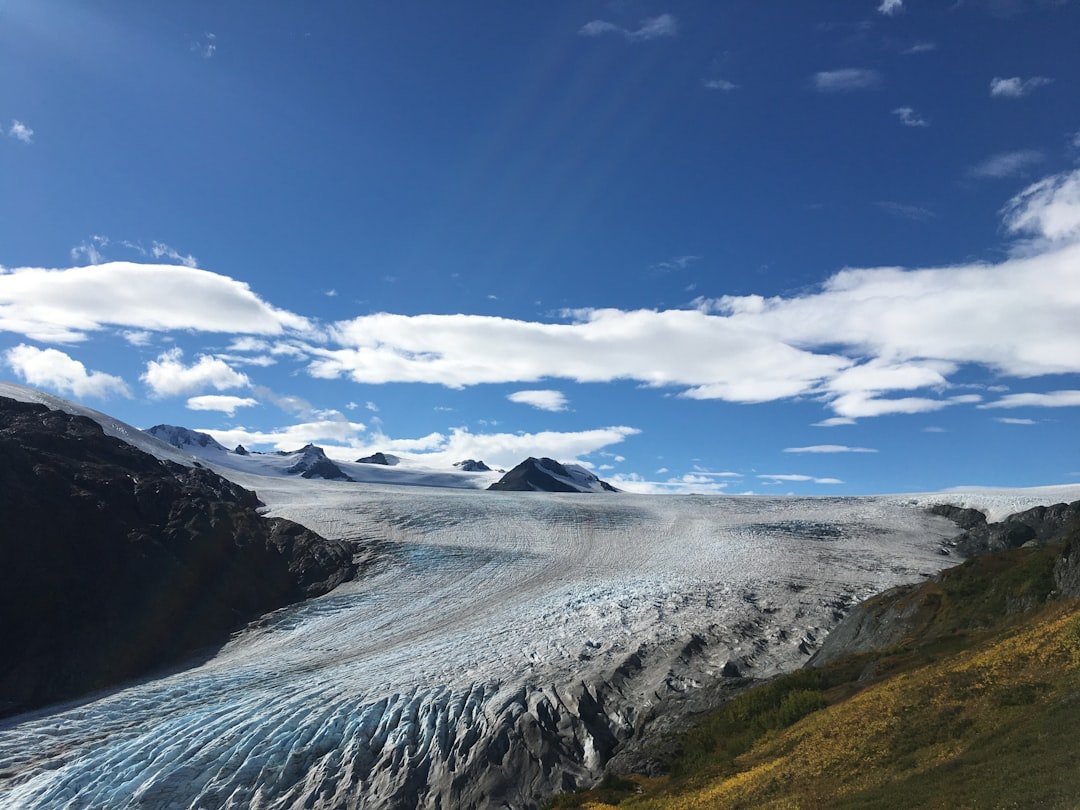
Fribourg, a picturesque city nestled in the heart of Switzerland, experiences a temperate climate characterized by four distinct seasons. The city is situated at an elevation of approximately 800 meters above sea level, which influences its weather patterns. Winters in Fribourg can be quite cold, with temperatures often dipping below freezing.
Snowfall is common from December through February, transforming the landscape into a winter wonderland. The average temperature during these months hovers around -1°C to 4°C, making it essential for visitors to bundle up in warm clothing if they plan to explore the city during this time. As spring approaches, Fribourg begins to thaw, with temperatures gradually rising.
March marks the transition from winter to spring, with average temperatures ranging from 2°C to 12°By April and May, the city bursts into life as flowers bloom and trees regain their foliage. Rainfall is more frequent during this season, but the showers are often brief and followed by sunny spells. This time of year is particularly enchanting for those who appreciate the beauty of nature, as the surrounding hills and parks become vibrant with color.
Summer in Fribourg is warm and pleasant, with average temperatures ranging from 15°C to 25°The long daylight hours provide ample opportunity for outdoor activities and exploration. However, occasional heatwaves can push temperatures higher, making it advisable for visitors to stay hydrated and seek shade during the hottest parts of the day. The summer months also see a rise in rainfall, but these showers are typically short-lived and often give way to clear skies.
The lush greenery and blooming flowers create a stunning backdrop for those wandering through the city’s parks and gardens.
The fall foliage paints the landscape in hues of orange, red, and yellow, making it a picturesque time for photography enthusiasts.
Rainfall becomes more frequent as the season progresses, but the crisp air and stunning scenery make it an appealing time for hiking and outdoor exploration. Overall, Fribourg’s climate offers a diverse range of experiences throughout the year, catering to different preferences and activities.
Key Takeaways
- Fribourg experiences a temperate climate with warm summers and cold winters, making it ideal for outdoor activities and cultural exploration.
- The city hosts a variety of festivals and events throughout the year, including the Fribourg International Film Festival and the Swiss National Day celebrations.
- Outdoor enthusiasts can enjoy hiking, cycling, and water sports in the surrounding countryside, as well as skiing and snowboarding in the nearby mountains during the winter months.
- Cultural attractions in Fribourg include the historic Old Town, the Cathedral of Saint Nicholas, and the Espace Jean Tinguely – Niki de Saint Phalle art museum.
- The peak tourist seasons in Fribourg are during the summer months and around major festivals and events, when the city is bustling with visitors.
- Off-peak tourist seasons in Fribourg are during the winter months, offering a quieter and more relaxed experience for travelers.
- When traveling to Fribourg, it is recommended to pack for varying weather conditions and to check the festival and event calendar for any special activities during your visit.
- In conclusion, the ideal time to visit Fribourg is during the summer months or around major festivals and events, but off-peak seasons also offer a unique and peaceful experience for travelers.
Festivals and Events in Fribourg
Fribourg is a city rich in cultural heritage, and its calendar is filled with vibrant festivals and events that reflect its unique traditions. One of the most significant events is the Fribourg Carnival, known locally as “Fête de la Saint-Nicolas.” This lively celebration takes place in early December and features colorful parades, music, and traditional costumes. Locals and visitors alike come together to enjoy the festive atmosphere, with street vendors offering delicious Swiss treats such as raclette and fondue.
Another notable event is the Fribourg International Film Festival, which attracts filmmakers and cinema enthusiasts from around the globe. Held annually in late summer, this festival showcases a diverse selection of films, including documentaries, short films, and feature-length productions.
Screenings take place in various venues throughout the city, providing an opportunity for attendees to engage in discussions with filmmakers and participate in workshops. This event not only highlights Fribourg’s commitment to the arts but also fosters a sense of cultural exchange among participants. In addition to these major events, Fribourg hosts numerous smaller festivals throughout the year that celebrate local traditions and customs.
The “Fête de la Musique,” held in June, is a city-wide celebration of music that features performances by local bands and musicians across various genres. Streets come alive with sound as artists take to every corner of the city, creating an atmosphere of joy and camaraderie. Similarly, the “Marché de Noël” or Christmas market held in December transforms the city center into a winter wonderland filled with stalls selling handmade crafts, seasonal delicacies, and mulled wine.
These events not only provide entertainment but also offer visitors a glimpse into the rich cultural tapestry of Fribourg.
Outdoor Activities in Fribourg
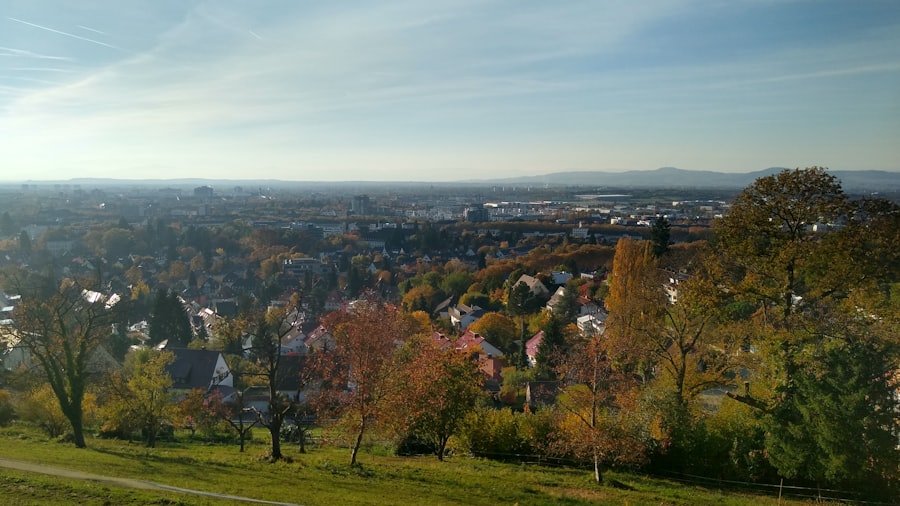
Fribourg’s stunning natural surroundings make it an ideal destination for outdoor enthusiasts seeking adventure and exploration. The city’s location along the Sarine River provides ample opportunities for water-based activities such as kayaking and canoeing. The river’s gentle currents are suitable for beginners, while more experienced paddlers can navigate its rapids further downstream.
Kayaking on the Sarine allows participants to experience the breathtaking scenery of the surrounding hills and forests while enjoying a refreshing day on the water. Hiking is another popular outdoor activity in Fribourg, with numerous trails catering to various skill levels. The nearby Gantrisch Nature Park offers an extensive network of hiking paths that wind through lush forests and picturesque meadows.
One particularly scenic route is the hike to the summit of Mount Gantrisch, which rewards trekkers with panoramic views of the Alps on clear days. For those looking for a more leisurely experience, there are also shorter trails that meander along the riverbanks or through charming villages surrounding Fribourg. Cycling enthusiasts will find plenty of opportunities to explore the region on two wheels.
The city is well-connected by cycling paths that lead to nearby towns and scenic landscapes. Renting a bike allows visitors to discover hidden gems at their own pace while enjoying the fresh air and beautiful surroundings. Additionally, mountain biking trails in the nearby hills provide an adrenaline-pumping experience for those seeking a thrill.
For winter sports lovers, Fribourg’s proximity to ski resorts makes it an excellent base for skiing and snowboarding during the colder months. The nearby ski areas of Moléson and Schwarzsee offer well-groomed slopes suitable for all skill levels. After a day on the slopes, visitors can unwind at cozy mountain lodges that serve traditional Swiss cuisine, creating a perfect end to an exhilarating day outdoors.
Cultural Attractions in Fribourg
| Cultural Attraction | Visitor Count | Opening Hours |
|---|---|---|
| Fribourg Art and History Museum | 50,000 annually | 10am – 5pm (Tue-Sun) |
| Cathedral of Saint Nicholas | 100,000 annually | 8am – 6pm (Mon-Sun) |
| Swiss Puppet Museum | 10,000 annually | 2pm – 6pm (Sat-Sun) |
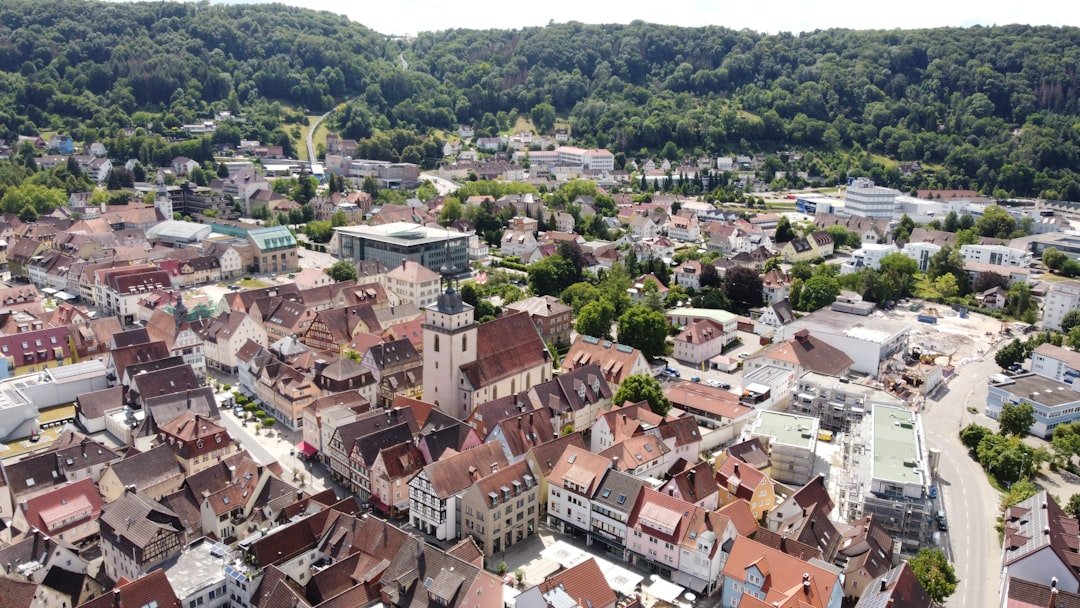
Fribourg boasts a rich cultural heritage that is reflected in its numerous attractions. One of the city’s most iconic landmarks is the Cathedral of St. Nicholas (Cathédrale Saint-Nicolas), a stunning example of Gothic architecture that dates back to the 13th century.
Its impressive spire dominates the skyline and can be seen from various vantage points throughout the city. Visitors can explore its intricately designed interior, which features beautiful stained glass windows and ornate chapels. Climbing to the top of the tower rewards those who make the effort with breathtaking views of Fribourg and its surrounding landscapes.
Another significant cultural site is the Museum of Art and History (Musée d’Art et d’Histoire), which houses an extensive collection of artworks spanning several centuries. The museum showcases both Swiss and international artists, providing insight into various artistic movements and styles. In addition to its permanent collection, temporary exhibitions often highlight contemporary art or specific themes relevant to Swiss culture.
This museum serves as a vital hub for art lovers and those interested in understanding Fribourg’s historical context. The Old Town of Fribourg is another must-visit area that reflects the city’s medieval roots. With its narrow cobblestone streets lined with well-preserved buildings dating back to the Middle Ages, wandering through this historic district feels like stepping back in time.
Notable sites include the Zähringer Bridge, which offers stunning views of the Sarine River below, as well as several charming squares where locals gather for markets or social events. The Old Town’s unique blend of architectural styles showcases Fribourg’s diverse history as a melting pot of cultures. For those interested in local traditions, visiting one of Fribourg’s many artisan workshops can provide a deeper understanding of Swiss craftsmanship.
From cheese-making demonstrations to pottery workshops, these experiences allow visitors to engage with local artisans while learning about traditional techniques passed down through generations.
Peak Tourist Seasons in Fribourg
Fribourg experiences peak tourist seasons during both summer and winter months when visitors flock to enjoy its natural beauty and cultural offerings. The summer months from June to August see an influx of tourists drawn by warm weather and outdoor activities. Families take advantage of school holidays to explore hiking trails, enjoy water sports on the Sarine River, or attend local festivals such as Fête de la Musique.
The long daylight hours allow for extended exploration, making it an ideal time for sightseeing. During this period, accommodations may fill up quickly as travelers seek out hotels or vacation rentals near popular attractions. It’s advisable for visitors planning a summer trip to book their accommodations well in advance to secure their preferred lodging options.
Additionally, many restaurants offer outdoor seating during these months, allowing diners to savor Swiss cuisine while enjoying pleasant views. Winter also attracts tourists eager to experience skiing and snowboarding at nearby resorts like Moléson or Schwarzsee. From December through February, visitors flock to Fribourg not only for winter sports but also for festive events such as Christmas markets that create a magical atmosphere throughout the city.
The combination of snow-covered landscapes and holiday cheer draws many families looking for a winter getaway. During peak seasons, travelers can expect larger crowds at popular attractions; however, this vibrant atmosphere adds to the overall experience as locals engage with visitors during festivals or events.
Off-peak Tourist Seasons in Fribourg
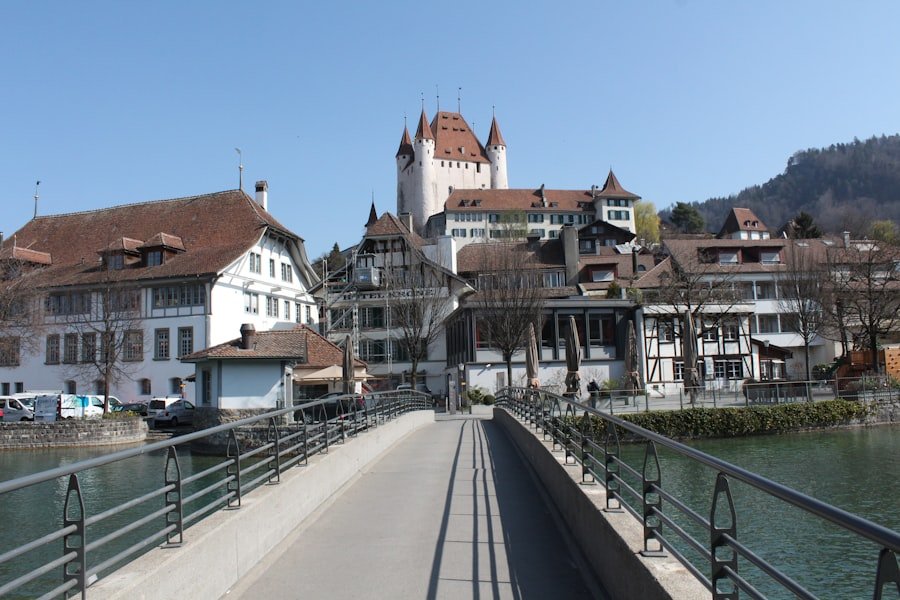
Traveling to Fribourg during off-peak seasons offers a unique opportunity for visitors seeking a quieter experience while still enjoying all that this charming city has to offer. The shoulder seasons of spring (March to May) and autumn (September to November) are particularly appealing times for those looking to avoid large crowds while still experiencing pleasant weather conditions. Springtime brings blooming flowers and mild temperatures that create an inviting atmosphere for exploration without overwhelming tourist traffic.
Visitors can enjoy leisurely strolls through parks or along riverbanks while taking in nature’s beauty as it awakens from winter slumber. Additionally, spring festivals such as Easter celebrations provide insight into local customs without competing with larger summer events. Autumn presents another enchanting opportunity for travelers seeking tranquility amidst stunning fall foliage.
As leaves change color across Fribourg’s landscape, hiking trails become less crowded yet remain accessible for outdoor enthusiasts eager to witness nature’s transformation firsthand. Local markets may also feature seasonal produce such as apples or pumpkins during this time—perfect for those interested in culinary experiences rooted in regional traditions. Accommodations tend to be more affordable during off-peak seasons compared to peak times when demand drives prices higher; thus travelers can find great deals on hotels or vacation rentals without sacrificing quality or comfort.
Tips for Traveling to Fribourg
When planning a trip to Fribourg, there are several practical tips that can enhance your experience while ensuring smooth travel logistics. First and foremost, familiarize yourself with public transportation options available within Switzerland; trains are an efficient way to reach Fribourg from major cities like Zurich or Geneva. The Swiss rail system is known for its punctuality and reliability—making it easy for travelers to navigate between destinations without hassle.
Once you arrive in Fribourg itself, consider purchasing a local transport pass that allows unlimited travel on buses within the city limits; this can save both time and money while providing convenient access to various attractions throughout your stay. Another important aspect is language; while many locals speak English fluently due to Switzerland’s multilingual nature (German, French, Italian), learning a few basic phrases in French—one of Switzerland’s official languages—can go a long way in fostering positive interactions with residents. Additionally, be sure to sample local cuisine during your visit; traditional dishes such as fondue or raclette are must-tries that showcase Switzerland’s culinary heritage—many restaurants offer these specialties year-round but may have limited availability during off-peak seasons.
Lastly, pack appropriately based on your planned activities; comfortable walking shoes are essential for exploring cobblestone streets or hiking trails while layers are recommended due to fluctuating temperatures throughout different times of year.
The Ideal Time to Visit Fribourg
Fribourg stands out as an exceptional destination year-round due to its diverse climate conditions coupled with rich cultural offerings—making it suitable for various types of travelers seeking different experiences throughout their journey. Whether you prefer vibrant summer festivals filled with music or tranquil autumn hikes amidst colorful foliage—each season presents unique opportunities worth exploring. Ultimately determining when is best suited depends largely on personal preferences regarding weather conditions alongside desired activities; however regardless of timing—Fribourg promises unforgettable memories steeped within Swiss charm waiting just beyond every corner!
When planning a trip to Fribourg, timing can significantly enhance your experience of this charming Swiss city. The best time to visit Fribourg is during the late spring and early autumn months when the weather is mild, and the city is alive with cultural events and festivals. For more detailed information on planning your visit, you might find it helpful to check out this related article that provides insights into the city’s attractions and seasonal highlights. Whether you’re interested in exploring the medieval architecture or enjoying the local cuisine, understanding the best times to visit can make your trip more enjoyable.
FAQs
What is the best time to visit Fribourg?
The best time to visit Fribourg is during the summer months of June to August when the weather is warm and pleasant, and many outdoor activities and festivals are held.
What is the weather like in Fribourg during the best time to visit?
During the summer months, the weather in Fribourg is typically warm with temperatures ranging from 20°C to 25°C. There is also a good amount of sunshine during this time.
Are there any specific events or festivals during the best time to visit Fribourg?
Yes, there are several events and festivals that take place in Fribourg during the summer months, including the Fribourg International Film Festival, the Swiss National Day celebrations, and various music and cultural festivals.
What are the popular outdoor activities to do in Fribourg during the best time to visit?
Popular outdoor activities in Fribourg during the summer months include hiking in the nearby mountains, swimming in the nearby lakes, and exploring the charming old town on foot.
Are there any considerations to keep in mind when visiting Fribourg during the best time?
It’s important to book accommodations and activities in advance, as Fribourg can be quite busy during the summer months. Additionally, it’s a good idea to pack sunscreen, a hat, and comfortable walking shoes for outdoor activities.