Planning your first Alaska cruise can feel complicated because you have to choose a ship, itinerary, season, cabin, excursions, and packing list at the same time. A little preparation makes the process much easier. The best trip is not simply the most expensive cruise—it is the one that matches how you want to see Alaska.
Quick Answer
For a first Alaska cruise, compare the itinerary before the ship, book popular excursions early, pack waterproof layers, prepare for wildlife viewing and seasickness, and check your phone and travel-document requirements. The main cruise season is May through September, although some sailings operate in April and October.
Key Takeaways
- Choose your Alaska route, ports, and glacier-viewing opportunities before comparing onboard extras.
- The main cruise season is May through September, with some shoulder-season sailings in April and October.
- Pack layers, rain protection, comfortable waterproof footwear, binoculars, and essential medication.
- Book high-demand excursions and specialty activities early, especially for peak summer dates.
- Check Canadian roaming and maritime cellular charges before using your phone at sea.
- Give wildlife plenty of space and follow the rules of the park, tour operator, and wildlife agency at your location.
Research Your Cruise Line Options
Start by comparing cruise lines and, just as importantly, their itineraries. Alaska has traditional large ships, smaller luxury ships, and expedition-style vessels. They can offer very different experiences.
Large ships generally provide more restaurants, entertainment, pools, kids’ programs, and cabin choices. Smaller vessels can offer a quieter experience and may reach remote destinations that large ships cannot access. Travel Alaska notes that small ships can visit some ports and wild areas inaccessible to larger vessels.
Princess Cruises, Holland America Line, Royal Caribbean, Norwegian Cruise Line, Celebrity Cruises, Disney Cruise Line, and several other operators offer Alaska itineraries. Smaller expedition and luxury operators also serve the region.
Do not choose on brand name alone. Compare the actual ports, time in each port, glacier-viewing days, ship size, dining style, family programs, accessibility, and included services.
Pro Tip: Compare itineraries side by side before comparing cabins. On an Alaska cruise, where the ship goes and how long it stays in port can affect your experience more than an extra onboard feature.
Choose the Right Alaska Cruise Itinerary
Alaska cruises do not all follow the same route. Understanding the basic itinerary types can prevent disappointment later.
Inside Passage Cruises
Inside Passage itineraries commonly visit Southeast Alaska communities such as Juneau, Ketchikan, Skagway, Sitka, Haines, Wrangell, or Icy Strait Point. Many also include scenic glacier viewing.
Round-trip cruises commonly leave from Seattle or Vancouver. These trips are convenient if you prefer to return to the same general region where you started.
Cross-Gulf Cruises
Cross-Gulf itineraries continue between Southeast and Southcentral Alaska and may begin or end near Seward or Whittier. They work well if you want to combine a cruise with an inland Alaska trip.
Check the Glacier-Viewing Plan
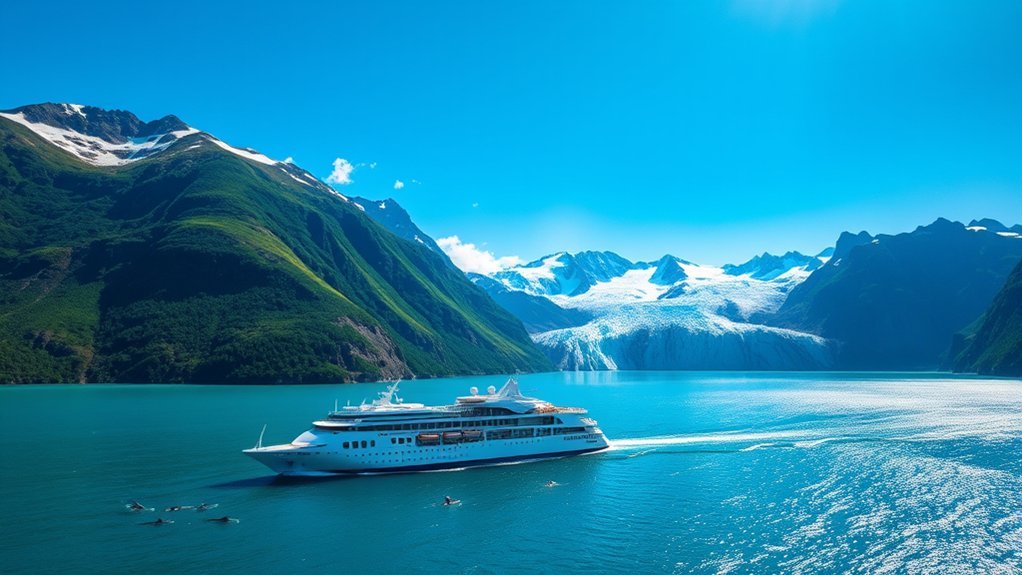
Do not assume every Alaska cruise visits the same glacier area. Look closely at the itinerary for places such as Glacier Bay, Hubbard Glacier, College Fjord, Tracy Arm, or Endicott Arm.
Weather, ice, wildlife, and operational conditions can change the day’s route, so treat advertised scenic cruising as a plan rather than an absolute guarantee.
Choose the Right Time to Cruise
The main Alaska cruise season runs from May through September. Some cruise lines also offer shoulder-season itineraries in April and October. Travel Alaska confirms May through September as the main season.
- May: Cooler temperatures, long daylight, spring scenery, and often fewer visitors than midsummer.
- June: Very long daylight hours and a wide choice of tours and activities.
- July and August: Peak summer travel, broad excursion availability, and usually the busiest period.
- September: Cooler weather, shorter days, changing foliage in some areas, and a quieter shoulder-season feel later in the month.
- April or October: Available on selected itineraries, with cooler and less predictable conditions and fewer seasonal services.
Wildlife can be seen throughout the cruise season, but exact timing depends on species, location, food supply, migration, and salmon runs. Do not choose a sailing date based on a promise that one animal will definitely appear.
Check Your Passport and Travel Documents
Many Alaska cruises include Canada, either because they depart from Vancouver or call at a Canadian port. Your documentation needs therefore depend on your citizenship, itinerary, transportation, and cruise line.
Check the cruise line’s requirements well before departure. The U.S. Department of State recommends bringing a passport on international cruises and checking the entry requirements for every country on the itinerary.
Keep your passport or required identification, boarding documents, payment card, medication, and other essentials in your carry-on rather than in checked luggage.
Warning: Do not rely on a general statement that a passport is or is not required for “an Alaska cruise.” Requirements vary by citizenship, route, departure port, and cruise type. Confirm the exact rules for your sailing.
Arrive Before Embarkation Day When Possible
If you must fly to Seattle, Vancouver, Anchorage, or another embarkation area, arriving at least the day before sailing can reduce the risk that a delayed or canceled flight causes you to miss the ship.
Check your cruise line’s final boarding time carefully. A ship does not have to wait for passengers whose independently arranged transportation arrives late.
Keep cruise documents and essential medication with you during the journey to the port.
Pack Layered Clothing
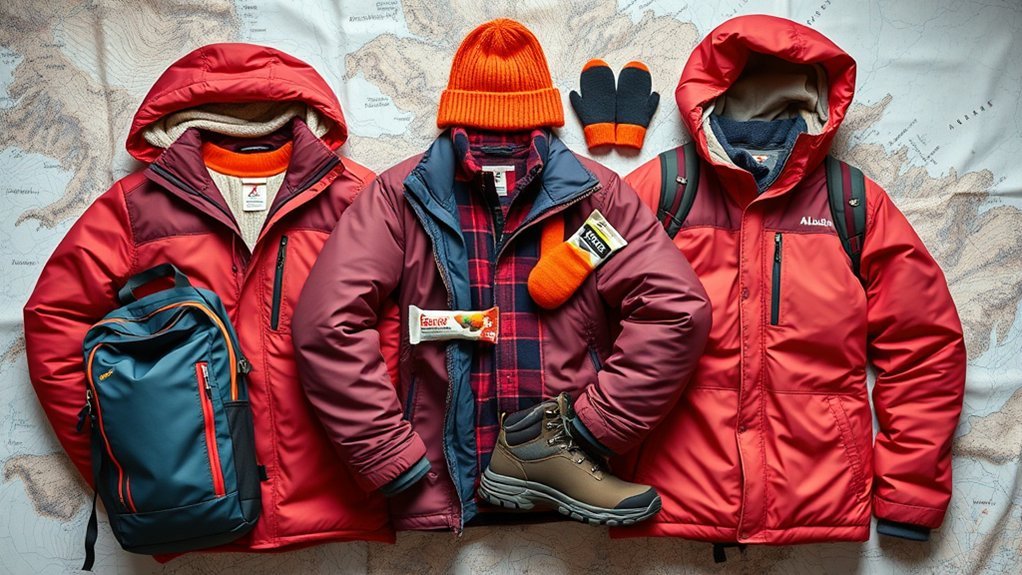
Alaska’s coastal weather can change quickly, so layered clothing is one of the most useful things you can pack.
Start with a comfortable base layer. Add a fleece, sweater, or light insulating layer when needed, then use a wind-resistant and waterproof outer layer for rain and cold deck conditions.
Pack for changing conditions rather than one forecast: a base layer, warm mid-layer, and rainproof outer layer give you much more flexibility.
Bring a warm hat, light gloves, and other accessories if you get cold easily. You may use them while watching glaciers from an exposed deck even when the weather feels mild in port.
Travel Alaska recommends layers and rain gear for Alaska cruise travelers.
Pack a Practical Day Bag
Your cruise packing list should cover more than clothing. For port days and scenic cruising, useful items include:
- A small water-resistant daypack
- Comfortable walking shoes or waterproof footwear
- Binoculars
- Sunglasses and sunscreen
- A refillable water bottle
- Prescription medication
- Portable phone battery or power bank
- Camera batteries or charging cables
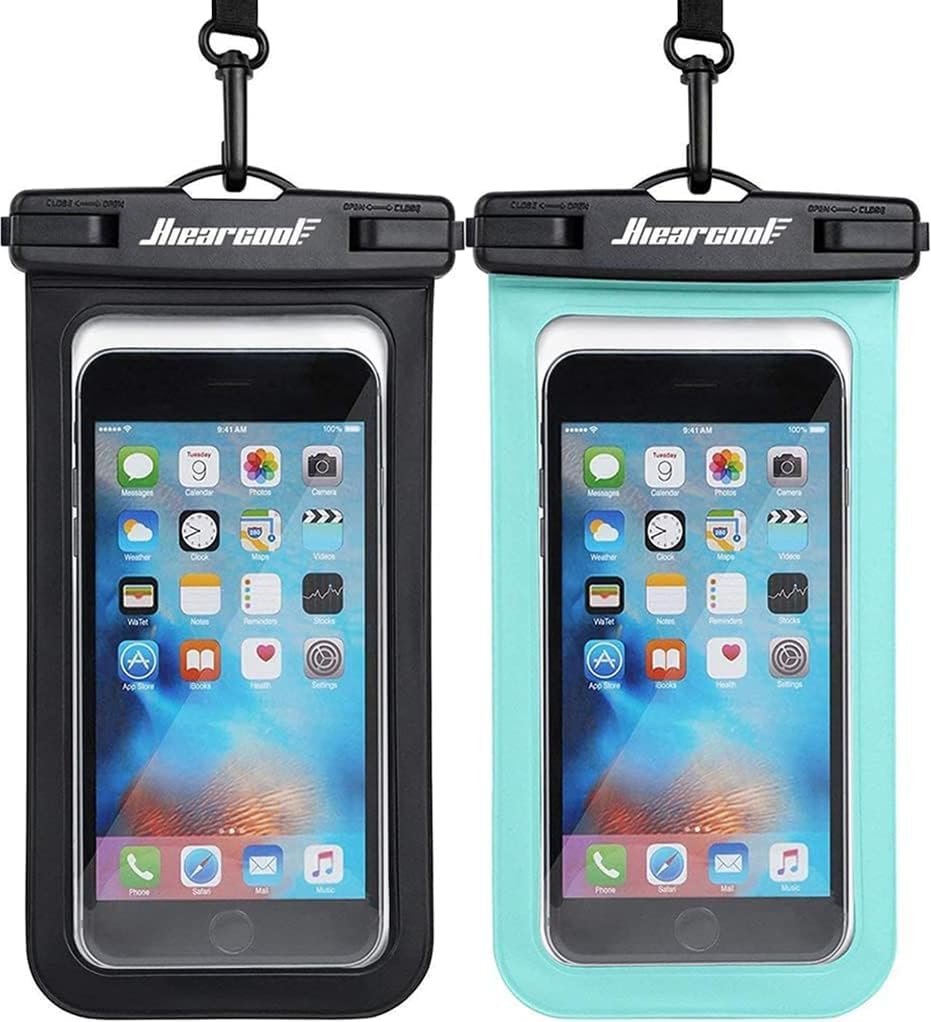
- A waterproof phone pouch if your excursion involves rain or water
Keep important medication in your hand luggage rather than checked baggage.
Don’t Forget Your Camera
Alaska offers excellent opportunities to photograph glaciers, mountains, wildlife, ports, and changing weather. You can use a dedicated camera or simply prepare your phone properly before sailing.
Capture Stunning Landscapes
For landscape photography, experiment with several focal lengths and viewpoints. Wide-angle lenses work well for broad mountain and glacier scenes, while a normal or telephoto lens can isolate details in distant ridges and ice.
- Use changing light: Alaska’s long summer daylight can create interesting conditions well beyond normal sightseeing hours.
- Try different viewpoints: Move around the open deck when permitted instead of taking every photograph through glass.
- Protect your equipment: Carry a rain cover or dry bag during wet excursions.
- Keep batteries charged: Cold weather and heavy camera use can drain batteries faster than expected.
Wildlife Photography Opportunities
A zoom or telephoto lens can help you photograph wildlife without attempting to get close. You may see whales, sea otters, seals, sea lions, bald eagles, bears, mountain goats, or other animals depending on your route.
Wildlife sightings are never guaranteed. Stay patient, listen to guides, and use binoculars or a telephoto lens instead of moving toward an animal.
For marine mammals, follow the viewing rules of your captain and NOAA. In Alaska, federal rules require vessels to remain at least 100 yards from humpback whales.
Document Memorable Experiences
Do not photograph only the scenery. Capture port signs, meals, shipboard moments, local art, your travel companions, and details that help tell the story of the trip.
- Take both wide shots and detail shots.
- Photograph changing weather when it can be done safely.
- Keep some candid travel photographs rather than posing every image.
- Back up important photographs when you have a reliable connection.
Prepare for Wildlife Encounters
Wildlife viewing is one of the highlights of Alaska, but the animals you see will depend on your route, month, weather, habitat, and luck.
Bring binoculars and, if you enjoy photography, a lens with enough reach to photograph animals without approaching them.
| Wildlife | When You May See It | Practical Tip |
|---|---|---|
| Bald Eagles | Seen in many coastal areas during the cruise season | Scan shorelines, trees, docks, and waterways |
| Humpback Whales | Common summer viewing target on many Southeast Alaska tours | Watch for blows, backs, and tail flukes |
| Orcas | Possible on various routes, but timing and location vary | Do not expect a guaranteed sighting |
| Bears | Viewing depends strongly on location and food sources | Use authorized viewing areas or guided tours |
| Sea Otters, Seals & Sea Lions | Possible in coastal waters throughout the season | Use binoculars and follow marine-wildlife rules |
The Alaska Department of Fish and Game explains that migration, breeding, salmon runs, and seasonal feeding patterns all influence wildlife viewing.
Understand Shore Excursion Options
Alaska ports offer excursions for many interests and physical abilities. Before booking, compare duration, activity level, transportation, cancellation terms, and the amount of port time available.
- Glacier Tours: View glaciers by boat, road, air, or guided hike depending on the port.
- Wildlife Cruises: Search for whales, sea lions, otters, birds, and other marine wildlife.
- Hiking Adventures: Explore coastal forests, mountain trails, or glacier landscapes.
- Rail Experiences: Scenic train trips are popular from certain Alaska ports.
- Dog Sledding: Experiences may be offered on land or reached by helicopter, depending on location and conditions.
- Cultural Experiences: Learn about Alaska Native cultures, local history, art, and communities.
Some excursions are sold by the cruise line while others can be booked independently. Compare the meeting point and return policy carefully if you book outside the cruise line.
Make Reservations in Advance
Popular Alaska tours can fill during busy sailing dates. If there is an activity you would be disappointed to miss, reserve it early rather than assuming space will remain after boarding.
Book Shore Excursions Early
Early planning gives you a better chance of finding the tour, departure time, and activity level you want.
- Prioritize must-do tours: Reserve your highest-priority activity first.
- Check physical requirements: Read walking, climbing, weight, age, and mobility restrictions before paying.
- Review cancellation terms: Weather-sensitive tours can have different policies.
- Keep your port schedule in mind: Make sure independently booked tours fit safely within the ship’s time in port.
Secure Cabin Choices First
Cabin location can influence price, convenience, motion, noise, and scenery. Balcony cabins are popular in Alaska because they provide a private outdoor viewing area, but they are not required to enjoy the scenery.
An interior or ocean-view cabin can reduce the trip cost, and public decks often provide excellent viewing. If motion sickness concerns you, ask the cruise line or a qualified travel adviser about cabins in lower, more central parts of the ship, where motion may be less noticeable.
Also check what is above, below, and next to your cabin if noise matters to you.
Plan Dining Reservations Ahead
Main dining arrangements differ by cruise line. Specialty restaurants may require reservations and may cost extra unless included in your package.
- Review which restaurants are included in your fare.
- Book must-try specialty dining before popular times fill.
- Check whether your package already includes specialty meals.
- Tell the cruise line about important dietary needs before departure when possible.
Prepare for Seasickness
Even modern ships can move enough to cause motion sickness. If you know you are sensitive to boats, plan before the cruise rather than waiting until you feel very sick.
The CDC Yellow Book notes that looking toward the horizon and avoiding areas of maximum ship motion can help reduce symptoms. Motion-sickness medicines are generally more effective when taken before significant symptoms develop.
Options such as meclizine, dimenhydrinate, or prescription scopolamine may be appropriate for some adults, but they can cause side effects and are not suitable for everyone. Ask a doctor or pharmacist which option is safe for you, especially if you take other medication, have a medical condition, are pregnant, or are treating a child.
Note: If vomiting is severe, you become dehydrated, or your symptoms do not behave like ordinary motion sickness, contact the ship’s medical staff.
Plan for Internet and Phone Service
Phone service on an Alaska cruise has three different situations: service on land in Alaska, service while in Canada, and shipboard maritime cellular service while at sea.
Research Connectivity Options
In Alaska ports, a U.S. mobile plan may work as normal if your carrier has coverage there. Remote areas can still have weak or unavailable service.
If your itinerary starts in Vancouver or visits Canada, check whether your plan includes Canadian roaming.
At sea, your phone may connect to a shipboard maritime cellular network. That service can have separate cruise roaming charges. For example, AT&T treats compatible cruise-ship cellular service as a separate Cruise Day Pass service.
Warning: A phone can use background cellular data without you actively opening an app. If you do not intend to use maritime cellular service, use airplane mode and connect to the ship’s Wi-Fi separately.
Download Offline Content
Before sailing, download anything you may want when connectivity is slow, expensive, or unavailable.
- Music, podcasts, movies, or audiobooks
- Maps for port areas
- Excursion confirmations
- Travel documents
- Airline and hotel information
- Emergency contacts
- Your cruise-line app and any required updates
Offline maps are particularly helpful when exploring ports independently.
Understand Roaming Charges
Check your carrier’s current policy shortly before departure because roaming plans and prices change.
- Alaska: U.S. domestic service may apply when you are connected to a normal U.S. land network.
- Canada: Your normal plan may or may not include Canadian service.
- At sea: Maritime cellular service can trigger a separate cruise plan or pay-per-use charges.
- Ship Wi-Fi: Internet packages may be included in your fare, bundled in a package, or sold separately.
Do not assume the ship provides free internet. Modern cruise Wi-Fi can be quite capable on some vessels, but performance and pricing vary.
Learn About Onboard Amenities
A cruise ship is more than transportation. Depending on the vessel, you may find pools, hot tubs, fitness facilities, spas, entertainment, lounges, observation areas, restaurants, kids’ spaces, enrichment programs, and other activities.
| Amenity | What to Check |
|---|---|
| Pools & Hot Tubs | Indoor/outdoor location, hours, and age rules |
| Fitness Center | Equipment, class fees, and opening hours |
| Spa Services | Treatment prices and gratuity/service charges |
| Dining Options | Included venues versus extra-fee restaurants |
| Entertainment | Shows, enrichment programs, live music, and reservation needs |
Read the ship’s daily schedule so you do not miss naturalist talks, port presentations, or scenic-cruising announcements.
Be Mindful of Gratuities
Gratuity policies vary by cruise line and fare package. A daily crew appreciation or service charge may be added automatically, prepaid, or included in a package.
- Check the cruise line’s current gratuity policy before departure.
- Find out whether your fare package already includes daily crew gratuities.
- Check whether drinks, specialty dining, spa treatments, or other purchases carry an additional service charge.
- Budget separately for tips you may choose to give excursion guides or drivers.
Do not rely on an old gratuity amount from a blog or previous cruise because cruise-line policies and prices can change.
Attend the Safety Drill
The passenger muster or safety briefing is mandatory. Treat it seriously even if you have cruised before because muster stations and emergency procedures vary by ship.
You should learn where to go in an emergency, how the ship’s alarm works, what to do with life jackets, and which route leads to your assigned muster area.
The few minutes you spend learning your muster station and emergency route are among the most important minutes of your cruise.
Explore Local Culture
An Alaska cruise is not only about scenery. Port communities have their own histories, industries, art, food, and living cultures.
Alaska is home to many distinct Alaska Native peoples and traditions, not one single Indigenous culture. Look for Native-led museums, cultural centers, tours, demonstrations, and locally made art when they fit your itinerary.
- Visit cultural centers: Learn through exhibits, oral histories, performances, and local guides.
- Choose Native-led experiences: They can provide direct perspectives on living traditions and community history.
- Support authentic artists: Ask where artwork was made and who made it.
- Follow local etiquette: Do not assume every ceremony, object, story, or place is available for unrestricted photography or participation.
Try Local Cuisine
Food can be an enjoyable part of your port visits. Alaska is especially known for seafood, but availability and season vary by location.
Fresh Seafood Delicacies
Depending on the port and season, menus may feature:
- Wild Alaska salmon: Served grilled, roasted, smoked, or in chowder.
- Halibut: Often grilled, fried, baked, or served in tacos.
- Crab: Species and availability vary by area and season.
- Shrimp or prawns: Available in some coastal communities.
Ask restaurants where the seafood came from if eating locally harvested products matters to you.
Unique Regional Dishes
You may also encounter foods connected to Alaska’s many communities and cultures.
Reindeer sausage is widely sold in parts of Alaska. Akutaq is a traditional Yup’ik food with regional and family variations, and it should be understood within its cultural context rather than treated simply as a novelty dessert.
Regional foods vary widely, so a dish associated with one area or culture should not automatically be described as representative of all Alaska.
Stay Hydrated
Cool weather can make it easy to forget to drink enough water, especially on active port days.
- Carry a refillable bottle where permitted.
- Drink regularly during hikes and long excursions.
- Increase fluid intake if you are exercising heavily.
- If seasickness causes vomiting, pay attention to hydration.
Ships provide potable drinking water, but policies for filling personal bottles can vary. Follow onboard hygiene instructions.
Consider Travel Insurance
An Alaska cruise can involve expensive flights, hotels, excursions, and prepaid cruise costs. Travel insurance can help with certain unexpected losses, but coverage depends entirely on the policy.
Look separately at:
- Trip cancellation or interruption: May reimburse covered prepaid costs when a qualifying event disrupts the trip.
- Travel medical coverage: Helps with covered medical expenses away from home.
- Emergency evacuation: Important when traveling in remote areas or internationally.
- Delay or baggage coverage: May help when flights or bags are significantly delayed.
- Activity exclusions: Check whether your planned adventure activities are covered.
Do not assume your normal health insurance, credit card, or cruise line automatically covers every possible loss.
Budget for More Than the Cruise Fare
The advertised cruise fare is only one part of the total cost. Build a trip budget that includes the expenses that apply to your booking.
- Airfare or other transportation to the departure city
- Pre-cruise hotel
- Transportation between airport, hotel, and cruise terminal
- Taxes, fees, and port expenses
- Daily gratuities or crew appreciation if not included
- Shore excursions
- Specialty dining
- Alcoholic or premium drinks
- Wi-Fi
- Spa services
- Travel insurance
- Souvenirs and meals in port
Check what your exact fare already includes before buying an add-on package.
Keep Your Schedule Flexible
Alaska rewards good planning, but it also requires flexibility. Weather, ice, wildlife, sea conditions, and port operations can change plans.
A viewpoint may be cloudy when you arrive. A flightseeing tour may be canceled. A wildlife sighting may occur when you expected to be indoors.
Build enough flexibility into your day that one change does not ruin the trip.
Plan the important parts early, but leave enough room to adapt when Alaska’s weather or wildlife changes the day.
If a tour is canceled, ask about alternative activities rather than assuming the entire port day is lost.
Bring Binoculars for Sightseeing
Binoculars are among the most useful items on an Alaska cruise because many of the best sights are far from the ship or viewing platform.
- Watch for whale blows and dorsal fins.
- Look for bald eagles in trees and along shorelines.
- Study glacier textures and waterfalls from the ship.
- Observe wildlife without moving closer.
Binoculars also support responsible wildlife viewing because you can see more while maintaining distance.
Know the Currency and Payment Options
Most large cruise ships use a cashless onboard account. Your purchases are recorded to your ship account and settled using the payment method associated with that account.
Currency Accepted Onboard
For U.S.-market Alaska cruises, onboard prices are commonly listed in U.S. dollars, but the exact currency and payment policy depends on the cruise line and ship.
Alaska ports use U.S. dollars. If your itinerary includes Vancouver or another Canadian destination, purchases ashore are priced in Canadian dollars even though many businesses accept international credit cards.
Payment Methods Available
Major credit cards are commonly used to secure onboard accounts. Some cruise lines also accept debit cards, but authorization holds can temporarily reduce the available balance in your bank account.
Review your cruise line’s payment policy before sailing and notify your bank of travel if your bank recommends doing so.
A small amount of cash can be useful for certain tips and small purchases, but you generally do not need to carry large amounts of cash around the ship.
Plan for Accessibility and Medical Needs
If you use a wheelchair, scooter, oxygen equipment, mobility aid, or other medical equipment, contact the cruise line before sailing rather than waiting until embarkation day.
Accessibility can vary between the ship, tender boats, motorcoaches, aircraft, trails, docks, and excursion sites.
Before booking an excursion, check:
- Walking distance
- Steps and uneven surfaces
- Wheelchair or scooter access
- Ability to board buses, boats, trains, or aircraft
- Weight or size restrictions
- Restroom availability
- Required medication or medical equipment
Bring enough prescription medication for the planned trip plus a reasonable buffer for travel disruption, subject to your doctor’s advice and applicable travel rules.
Respect Wildlife and Nature
Wildlife is one of Alaska’s greatest attractions, but responsible viewing protects both you and the animals.
- Never feed wildlife.
- Do not follow, corner, chase, or attempt to touch wild animals.
- Follow local park, refuge, guide, and wildlife-agency rules.
- Keep food and trash secured where required.
- Use binoculars or a telephoto lens instead of moving closer.
For marine mammals, NOAA Fisheries requires vessels in Alaska to stay at least 100 yards from humpback whales and provides additional species-specific guidance.
For land wildlife, National Park Service Alaska guidance recommends staying 300 yards from bears and at least 25 yards from other wildlife. Individual parks and viewing areas may have different or stricter rules, so always follow local instructions.
Make the Most of Your Alaska Cruise
Once the important planning is finished, give yourself time to enjoy the trip rather than trying to schedule every minute.
Go outside during scenic cruising. Attend naturalist talks. Try a local dish. Visit a museum or cultural center. Walk through the port when time allows. Watch the shoreline with binoculars instead of spending every sailing hour indoors.
If you enjoy active travel, your options may include kayaking, hiking, glacier walks, cycling, fishing, rafting, train rides, or wildlife tours depending on your itinerary.
The goal is not to check every activity off a list. Choose a few experiences that matter to you and leave enough time to notice the scenery between them.
Frequently Asked Questions
What Is the Best Way to Book an Alaska Cruise?
Start by comparing itineraries, ports, glacier-viewing opportunities, ship size, and total trip cost. Once you find a sailing that fits your priorities, compare the cruise line’s direct price with any legitimate travel-adviser offer. Book earlier if you need a specific cabin, date, or high-demand excursion.
Are There Any Age Restrictions for Onboard Activities?
Yes. Age rules vary by cruise line and activity. Kids’ clubs use age groups, some pools or venues may be adults-only, and certain activities or shore excursions have minimum ages, heights, or weights. Check your cruise line and excursion description before booking.
How Can I Keep My Belongings Secure During Excursions?
Carry only what you need, keep valuables close to you, and use a zipped or water-resistant bag when appropriate. Leave unnecessary valuables secured in your cabin safe if one is provided. Keep travel documents protected from rain and avoid leaving phones, wallets, or cameras unattended.
Is There a Dress Code for Dining on the Cruise?
Usually, but the rules depend on the cruise line and restaurant. Many ships use casual or smart-casual dress most evenings, while some schedule dressier nights or have restaurant-specific standards. Review the current policy for your ship before packing.
What Should I Do if I Get Seasick?
Move to an area where ship motion is less noticeable, look toward the horizon, reduce reading or close-up screen use, and get fresh air when safe. If you use motion-sickness medication, it generally works best when taken before severe symptoms develop. Ask a doctor or pharmacist which medication is safe for you. Contact the ship’s medical staff if symptoms are severe or you cannot stay hydrated.
Do I Need a Passport for an Alaska Cruise?
It depends on your citizenship and itinerary. Many Alaska cruises visit Canada or depart from Vancouver, so international travel rules may apply. Check your cruise line and government entry requirements for your exact sailing. The U.S. Department of State recommends carrying a passport on international cruises.
What Is the Best Month for a First Alaska Cruise?
There is no single best month for everyone. June through August offer long daylight and the widest summer activity selection, while May and September can appeal to travelers who prefer shoulder-season conditions. Wildlife, weather, crowds, and prices vary, so choose the month that fits your priorities.
Will My Cell Phone Work on an Alaska Cruise?
It may work normally in Alaska ports when connected to your carrier’s U.S. land network. Canadian stops can involve Canadian roaming, while offshore ship networks may trigger separate maritime cellular charges. Check your carrier before sailing and use airplane mode when you do not want cellular roaming.
Conclusion
A successful Alaska cruise starts with choosing the right itinerary and preparing for the practical details before you sail. Compare routes carefully, pack for changing weather, reserve high-priority excursions, understand your phone and payment options, and leave room for weather or wildlife to change the plan.
Once you are aboard, spend time outside. Watch the shoreline, listen to local guides and naturalists, respect wildlife, explore port communities thoughtfully, and enjoy the scenery rather than trying to fit every possible activity into one trip.
Sources
- Travel Alaska — How to Plan the Best Alaska Cruise — cruise seasons, cruise styles, packing, and Alaska cruise planning.
- NOAA Fisheries — Alaska Marine Mammal Viewing Guidelines and Regulations — responsible whale and marine-mammal viewing.
- National Park Service — Wildlife Safety in Alaska — safe distances and responsible land-wildlife viewing.
- CDC Yellow Book — Motion Sickness — evidence-based motion-sickness prevention and management.
- U.S. Department of State — Cruise Ships — passports, international cruise preparation, medical coverage, and travel insurance.
- U.S. Coast Guard Cruise Ship National Center of Expertise — passenger muster and cruise-ship safety requirements.