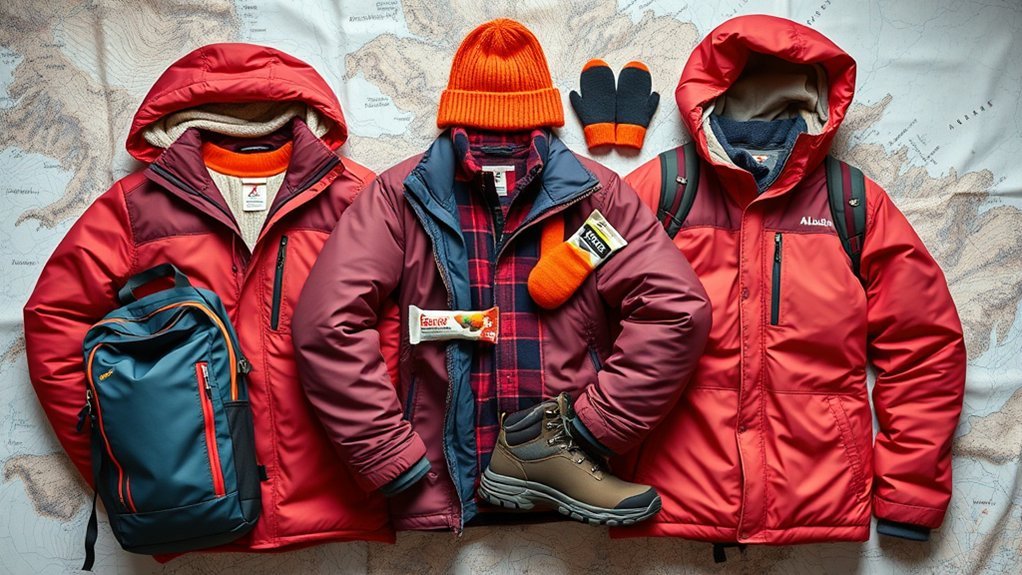
Alaska’s weather, distances, and activities make packing more complicated than preparing for an ordinary vacation. You may face warm sun, cold wind, and steady rain on the same trip. A useful Alaska packing list starts with layers and waterproof gear, then adds the safety, footwear, and activity-specific items your itinerary requires.
Quick Answer
Pack moisture-wicking layers, a warm fleece or light insulated jacket, waterproof outerwear, sturdy shoes, wool or synthetic socks, sun and insect protection, medications, and a small daypack. Add the NPS Ten Essentials for hikes. Winter, cruise, and remote backcountry trips require specialized gear beyond this basic Alaska packing list.
Key Takeaways
- Dress in three adjustable layers: a moisture-wicking base, an insulating middle, and a waterproof outer shell.
- Pack for your location and activities, not for “Alaska” as one climate zone.
- Carry rain protection even in summer, and test your footwear before the trip.
- Day hikers need navigation, water, food, illumination, first aid, and emergency supplies.
- Do not fly with bear spray. Check current TSA and airline rules, then rent or buy it after arrival if appropriate.
- Remote trips require more preparation, including a trip plan and dependable emergency communication.
At a Glance
| Time Required | About 45–90 minutes after checking the forecast and itinerary |
| Difficulty | Easy for sightseeing; advanced planning for winter or remote backcountry travel |
| Tools Needed | Itinerary, local forecast, activity requirements, packing list, and luggage scale |
| Cost | Little or no extra cost if you own suitable layers; specialized rain, winter, or backcountry gear costs more |
Understand Alaska’s Climate Before Packing
Alaska does not have one standard climate. Coastal areas can be cool, wet, and windy, while Interior Alaska may experience warmer summer afternoons and much colder winters. Elevation, distance from the ocean, and local geography can change conditions sharply.
Weather can also change quickly. The National Park Service recommends testing clothing, footwear, and equipment before departure and preparing for cold and rain. Check the forecast for each destination shortly before you leave, but carry a rain layer and extra warmth even when the forecast looks favorable.
In Alaska, one packing list rarely fits the entire trip. Pack for the coldest, wettest, and most remote part of your itinerary.
Seasonal Alaska Packing Guide
| Season | What to Expect | Important Additions |
| Spring | Cold mornings, mud, melting snow, and changing trail access | Waterproof boots, gaiters where useful, warm layers, and traction aids if local conditions require them |
| Summer | Long daylight, variable temperatures, rain, wind, and insects | Sleep mask, rain shell, insect repellent, sun protection, and light gloves or a beanie for cool outings |
| Fall | Cooling temperatures, shorter days, rain, and possible early snow | Warmer insulation, waterproof gloves, headlamp, and footwear suited to wet or icy ground |
| Winter | Short daylight, snow, ice, wind, and potentially dangerous cold | Insulated parka and boots, thermal layers, face protection, mittens, traction, and activity-specific cold-weather equipment |
Note: A winter trip or remote expedition requires more than a general vacation checklist. Follow your guide, lodge, park, or outfitter’s equipment list when it is more demanding than this guide.
Complete Alaska Packing List
Essential Clothing Layers
Use layers that you can add or remove as conditions change:
- Base layer: Pack moisture-wicking synthetic or wool tops and bottoms. Avoid relying on cotton for cold, wet activities because it loses insulation when soaked.
- Mid-layer: Bring fleece, wool, or a light insulated jacket to hold warmth.
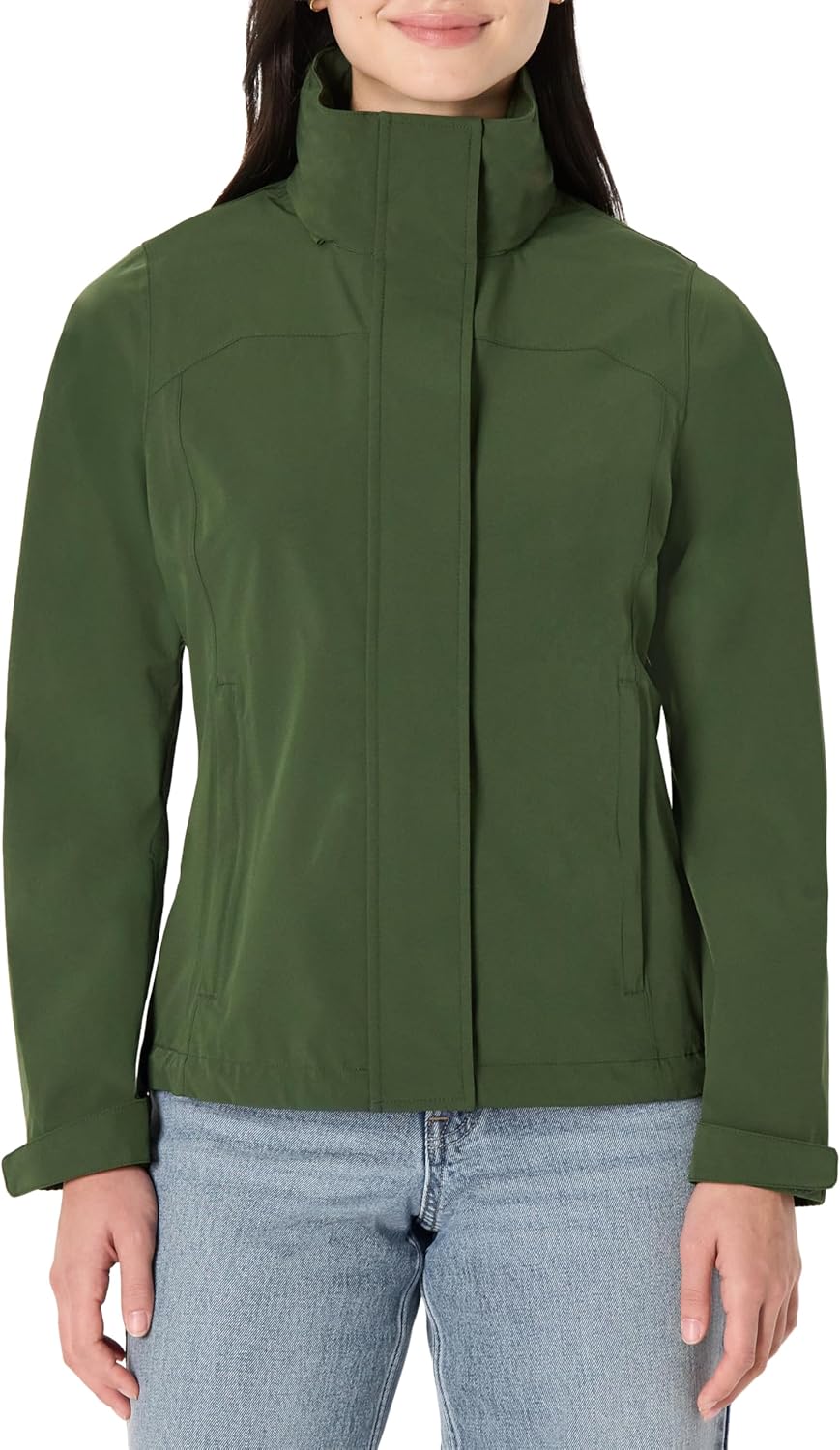
- Outer layer: Use a wind-resistant, waterproof, breathable shell with a functional hood.
- Everyday clothing: Include comfortable shirts, pants, sleepwear, and lodge or town clothing.
- Extra dry layer: Keep one warm top and pair of socks protected in a waterproof bag during hikes.
Waterproof Outerwear
A dependable rain jacket is more useful than a thin fashion windbreaker. Look for an adjustable hood, sealed or protected zippers, and cuffs that reduce water entry. Waterproof or water-resistant overpants are useful for hikes, wildlife tours, small-boat trips, and prolonged outdoor activities.
A packable poncho may help during casual sightseeing, but strong wind can make it awkward. For hiking, a fitted rain shell and rain pants normally provide better movement and coverage. Protect the contents of your backpack with a pack liner, dry bags, or a rain cover.
Footwear for All Seasons
- Waterproof hiking shoes or boots: Choose these for rough, muddy, or wet trails.
- Comfortable walking shoes: Pack these for towns, museums, ships, and easy excursions.
- Insulated winter boots: Match the insulation and temperature suitability to your activity and expected conditions.
- Wool or synthetic socks: Bring enough pairs to replace wet socks promptly.
- Camp or casual shoes: Lightweight sandals or slip-on shoes can give your feet a break in suitable weather.
- Traction aids: Carry them only when local ice or packed-snow conditions make them appropriate.
Pro Tip: Break in hiking boots before traveling. Wear them with the same socks you plan to use and test them on a walk long enough to reveal rubbing, pressure points, or waterproofing problems.
Cold-Weather Accessories
Small accessories make layers more effective. Bring a warm beanie that covers your ears, a neck gaiter or scarf, and gloves appropriate for the season. Touchscreen liners are convenient, but waterproof or insulated outer gloves may still be necessary. For severe winter cold, mittens generally retain more warmth than thin gloves.
Sun Protection Gear
Long summer days can increase your total time in the sun. Snow and water can also create glare. Pack broad-spectrum sunscreen and use it according to its label, along with UV-blocking sunglasses, lip balm with sun protection, and a brimmed hat. Lightweight long sleeves and pants provide additional coverage.
Insect Repellent and Bug Protection
Mosquitoes and other biting insects can be troublesome in some areas and seasons. Choose an EPA-registered skin repellent containing an approved active ingredient such as DEET, picaridin, IR3535, or oil of lemon eucalyptus, and follow the product label. The EPA advises using only enough DEET product to cover exposed skin or clothing and avoiding cuts, irritated skin, eyes, and overapplication.
Wear lightweight long sleeves, long pants, closed-toe shoes, and a head net when insects are heavy. Light-colored clothing can make it easier to see insects. Factory-treated clothing or correctly labeled permethrin products can add protection, but never apply a clothing-treatment product directly to your skin.
Pack for Your Alaska Trip Type
Cruise and City Trips
For a cruise, rail journey, or city-based vacation, focus on comfortable layers, a waterproof jacket, walking shoes, a compact daypack, binoculars, and protection for your phone or camera. A slightly smarter outfit may be useful for certain ship dining rooms, but check your cruise line rather than packing formal clothing automatically.
Carry a small umbrella only if you expect to use it in towns or other sheltered places. Wind and crowded excursions can make a hooded rain jacket more practical.
Road Trips
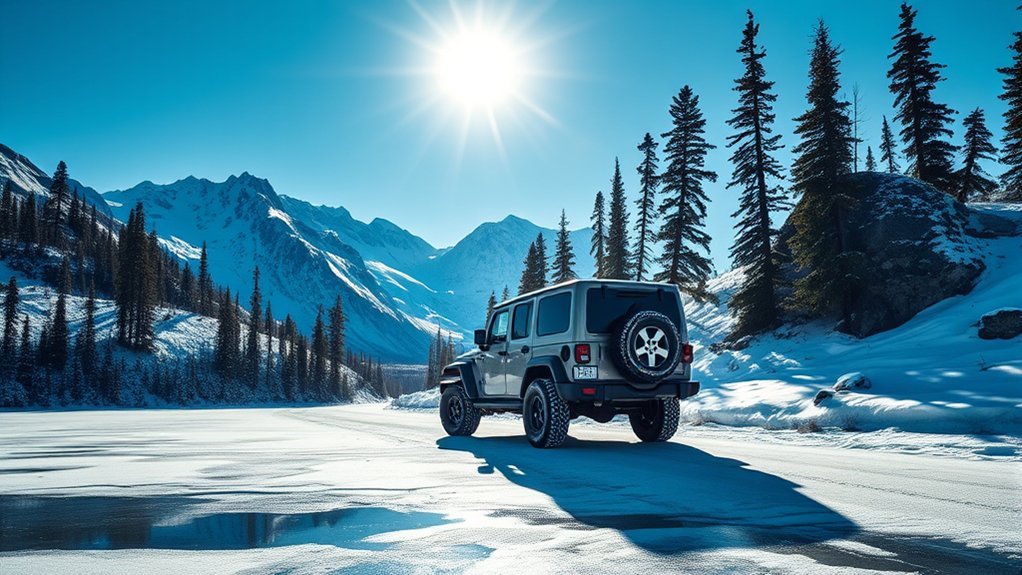
Add a car charger, water, snacks, paper or offline maps, a basic roadside kit, a warm blanket, and footwear that can handle wet roadside ground. Download directions before leaving towns because mobile coverage may disappear. In winter, follow local road guidance and make sure the vehicle has suitable seasonal equipment.
Day Hikes
Carry the NPS Ten Essentials, adjusted for the route and conditions:
- Navigation, including an offline map and backup method
- Sun protection
- Insulation
- Illumination, such as a headlamp
- First-aid supplies
- Fire-starting equipment where legal and appropriate
- A repair kit and useful tools
- Extra food
- Extra water and a treatment method when needed
- Emergency shelter
Trekking poles can improve balance on uneven or slippery ground. Binoculars let you observe wildlife without approaching it. Choose a comfortable backpack that holds your layers, food, water, and emergency items without forcing important equipment outside the pack.
Camping and Remote Backcountry Trips
Backcountry travelers need a plan built around their route, terrain, resupply options, weather exposure, and park rules. Typical equipment includes:
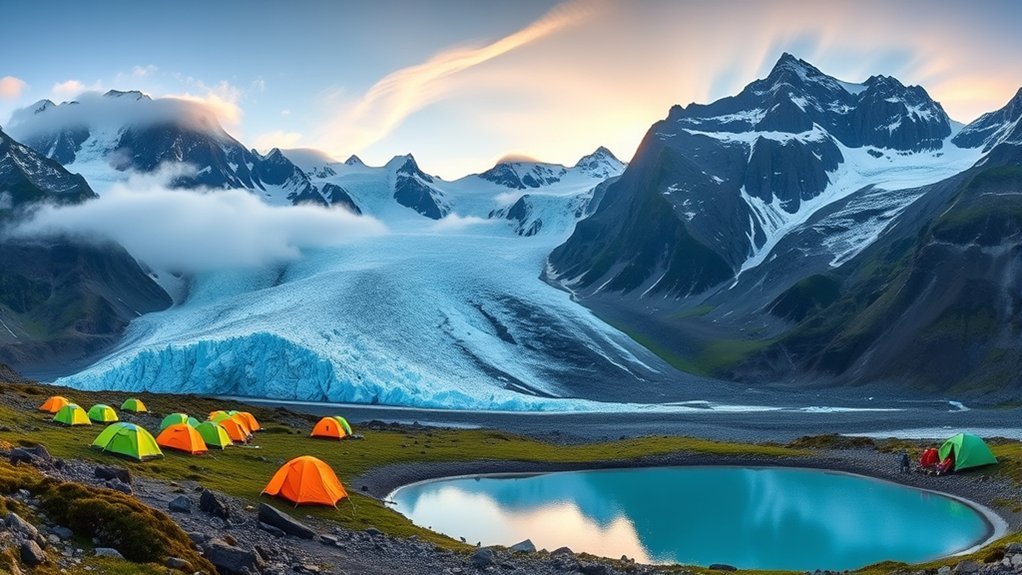
- A weather-appropriate tent with a rainfly and tested setup
- A sleeping bag and insulated sleeping pad rated for expected conditions
- A stove, cookware, and enough fuel obtained legally after arrival when flying
- High-calorie meals plus emergency food
- Water containers and a filter, purifier, chemical treatment, or boiling backup appropriate to the area
- Bear-resistant food storage where required
- Navigation tools and an emergency shelter
- A repair kit, first-aid kit, and extra dry clothing
- A satellite messenger, satellite phone, or personal locator beacon when the remoteness justifies it
Leave a detailed trip plan with a dependable person. Include your route, alternate route, group details, equipment, communication devices, vehicle or air-taxi information, and the time at which someone should report you overdue. A satellite device adds protection but does not guarantee immediate rescue.
Warning: Remote Alaska travel can involve absent cell service, delayed rescue, cold-water crossings, rapidly rising rivers, severe weather, and long distances from medical care. Do not treat an ordinary sightseeing checklist as sufficient backcountry equipment.
Winter Activity Trips
Winter travelers need a moisture-wicking base, substantial insulation, a windproof shell, insulated boots, warm socks, mittens, head and face protection, and spare dry layers. Hand and foot warmers can be useful backups but do not replace suitable clothing.
Equipment for aurora viewing from town differs from gear needed for snowmobiling, skiing, dog mushing, or remote winter camping. Follow the operator’s list and ask which specialized items are supplied before buying or packing them.
Bear Safety and Food Storage
Alaska is bear country. Prevention begins with awareness, adequate distance, group travel where practical, and secure storage of food, garbage, toiletries, and other scented items. The Alaska Department of Fish and Game advises travelers to make their presence known, avoid approaching bears, protect attractants, remain calm, and never run during an encounter.
Bear spray may be an appropriate defensive tool in some areas. Choose an EPA-registered product designed specifically for bears, keep it immediately accessible rather than buried in a backpack, and learn how to remove the safety and deploy it before entering bear country. Do not spray it on people, tents, or gear as a preventive repellent. Check whether it is permitted and recommended at your destination.
Warning: Current TSA guidance lists bear spray as prohibited in both carry-on and checked baggage. If you are flying, plan to rent or purchase it after arrival and confirm how to return or dispose of it legally before departure.
Travel Safety Items
Your safety kit should match your activities. For ordinary sightseeing, carry identification, essential medication, a charged phone, emergency contacts, water, and weather protection. For hikes and remote travel, add:
- A route map and offline navigation
- A headlamp with spare power
- An emergency whistle
- A compact first-aid kit
- An emergency blanket or shelter
- A multi-tool or repair items appropriate to your gear
- Extra food and water
- A satellite communication device or PLB where cell service is unreliable
Tell someone where you are going and when you expect to return. Check trail, road, marine, wildfire, and weather conditions before departure. Guided activities may have their own equipment, health, skill, weight, or age requirements.
Flying With Outdoor Gear and Batteries
Check TSA rules, airline rules, and any small-aircraft operator limits before packing. Bush planes and air taxis may impose stricter baggage weight or size limits than commercial flights.
- Bear spray: Do not place it in carry-on or checked luggage under current TSA guidance.
- Stoves: Never pack fuel. A stove may be accepted only when completely empty and free of fuel odor, subject to the airline’s rules.
- Power banks: Pack them in carry-on baggage, not checked baggage.
- Spare lithium batteries: Carry them in the cabin and protect their terminals from short circuits.
- Sharp tools: Check whether knives, multi-tools, trekking poles, and other equipment must be checked.
The FAA requires spare lithium batteries and power banks to remain in carry-on baggage. Batteries must be protected from damage and short circuits. Airlines may apply additional quantity or watt-hour limits.
Personal Care and Hygiene Products
| Essential Item | Purpose |
| Travel-sized toiletries | Daily hygiene without unnecessary luggage weight |
| Broad-spectrum sunscreen and lip protection | Protection during long daylight hours and exposure to glare |
| Moisturizer | Comfort in dry indoor air, wind, or cold weather |
| Insect repellent | Protection where mosquitoes and other biting insects are active |
| Personal medications | Enough for the trip plus a reasonable allowance for travel delays |
| Hand sanitizer and tissues | Useful during long drives, excursions, and remote stops |
If you bring supplements or concentrated herbal products, check for interactions with your medications or health conditions. Chaga tea is sold as a local-style earthy beverage in some places, but it should not be treated as a proven health product.
Photography Gear for Alaska
A phone may be enough for a casual trip. If photography is a priority, consider:
- Camera body: A DSLR or mirrorless camera gives you more lens and exposure control.
- Wide-angle lens: Useful for landscapes and large foreground scenes.
- Telephoto lens: Lets you photograph wildlife from a safer distance without approaching it.
- Tripod: Helpful for low light, landscapes, and aurora photography where permitted.
- Weather protection: Bring a camera cover, dry bag, or sealed pouch.
- Extra batteries and memory cards: Cold can shorten battery runtime, so keep a spare protected and reasonably warm.
- Lens cloth: Useful for rain, spray, and condensation.
Never move closer to wildlife for a photograph. Use a zoom lens or binoculars and follow the distance requirements for the park or tour you are visiting.
Suggested Snacks and Food Supplies
High-Energy Trail Mix
A balanced trail mix is compact and does not require cooking. Combine:
- Nuts such as almonds or walnuts for fat and protein
- Dried fruit such as apricots or cranberries for carbohydrates
- Seeds such as pumpkin or sunflower seeds
- A small amount of chocolate or another quick-energy food
Choose ingredients that suit your allergies and dietary needs. Store all food and wrappers according to local bear-safety requirements.
Freeze-Dried Meal Options
Freeze-dried meals are useful for backpacking because they are light and compact. Check the required water amount, cooking time, calories, sodium, and packaging before buying. Carry enough stove fuel to prepare them, plus food that can be eaten without cooking if the stove fails or fire restrictions affect your plan.
Local Alaska Treats
Reindeer sausage, salmon jerky, wild berry products, and locally sold teas can introduce regional flavors. Buy perishable items from reputable sellers, keep them at safe temperatures, and check customs or agricultural rules before carrying food across an international border. Chaga tea may be enjoyed for its earthy taste, but avoid unsupported medical claims about it.
First-Aid Kit Essentials
A basic travel kit may include:
- Adhesive bandages in several sizes
- Antiseptic wipes
- Sterile gauze and medical tape
- Blister treatment
- Tweezers and small medical scissors
- Disposable gloves
- Over-the-counter pain relief that you can use safely
- Personal allergy treatment prescribed or recommended for you
- Any prescription medication you require
Adapt the kit to your group, activity, trip length, and distance from medical help. Know how to use everything you carry. Wilderness first-aid training is more valuable than adding unfamiliar medical items to a large kit.
Travel Documents and Important Items
- Government-issued identification: Confirm that it will remain valid for the entire trip.
- Passport and entry documents: Required when your route crosses an international border, including some itineraries through Canada.
- Travel insurance information: Save policy and emergency-contact details offline.
- Reservations and itinerary: Keep digital copies that work without internet access.
- Emergency contacts: Carry a written copy in case your phone becomes unavailable.
- Medication information: Keep prescriptions in labeled containers and carry a medication list.
- Payment backup: Carry more than one usable payment method.
- Activity confirmations: Save meeting locations, operator numbers, equipment lists, and cancellation instructions.
Pro Tip: Keep one full change of practical clothing, essential medication, rain protection, and charging cables in your carry-on. This gives you a workable first-day kit if checked luggage is delayed.
Final Packing Check
Review the list again 24–48 hours before departure:
- Check the forecast for every major stop, not only your arrival city.
- Review airline and small-aircraft luggage limits.
- Confirm operator-provided equipment.
- Download maps, bookings, and emergency information.
- Charge all devices and move power banks and spare lithium batteries to your carry-on.
- Test boots, rainwear, stove components, tents, and satellite devices before relying on them.
- Remove prohibited fuel and bear spray from flight luggage.
- Leave a trip plan with someone dependable when hiking or traveling remotely.
Frequently Asked Questions
What are the best months to visit Alaska?
June through August is the main season for general sightseeing, long daylight, cruises, and broad access to visitor services. However, the best month depends on your goal. Winter activities, aurora viewing, spring wildlife, fall colors, lower crowds, and specific fishing seasons follow different schedules.
Can I find laundry facilities while traveling in Alaska?
Yes. Many hotels, campgrounds, cruise ships, laundromats, and larger communities provide laundry facilities. Access may be limited in remote areas, so check your accommodations in advance and pack quick-drying clothes that can be washed by hand if necessary.
Are there age restrictions for outdoor activities in Alaska?
Some guided activities have minimum ages, while others set height, weight, mobility, swimming, or skill requirements. Rules vary by operator and activity. Confirm every participant’s eligibility before booking and ask what clothing or safety equipment the operator supplies.
How do I charge my devices in remote areas?
Use a charged power bank, vehicle charger, or suitable solar panel. Keep batteries dry and protected from cold. A power source does not create cell coverage, so remote travelers may also need a satellite messenger, satellite phone, or PLB. Power banks and spare lithium batteries must stay in carry-on baggage when flying.
Is it safe to travel alone in Alaska?
Many people travel alone successfully, especially in towns and established visitor areas. Remote solo travel carries greater consequences if you are injured, lost, or delayed. Share your plan, avoid exceeding your skills, carry suitable emergency equipment, and use dependable communication appropriate to the route.
Can I bring bear spray on a flight to Alaska?
No under the current TSA bear-spray listing. Bear spray is prohibited in carry-on and checked baggage. If it is appropriate for your plans, rent or buy it after arrival and ask the seller, outfitter, or park how to return or dispose of it legally before flying home.
Do I need waterproof boots for Alaska?
Waterproof hiking shoes or boots are a strong choice for muddy trails, wet vegetation, rain, and shore excursions. Comfortable walking shoes may be enough for towns and indoor attractions. Choose footwear for your hardest planned activity and break it in before the trip.
Sources
- National Park Service: Appropriate Gear in Alaska — changing weather, layers, food, and equipment testing
- National Park Service: Ten Essentials — day-hike and emergency equipment
- Alaska Department of Fish and Game: Traveling in Bear Country — bear encounters, food storage, and deterrents
- Transportation Security Administration: Bear Spray — current baggage restrictions
- Federal Aviation Administration: Lithium Batteries — power-bank and spare-battery packing rules
- U.S. Environmental Protection Agency: DEET — effective and safe label-directed insect-repellent use