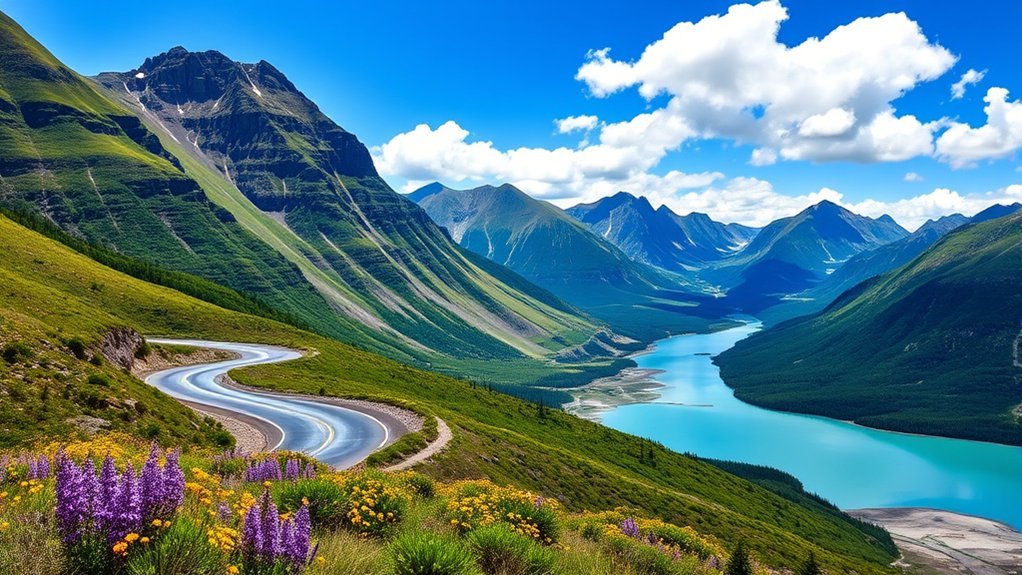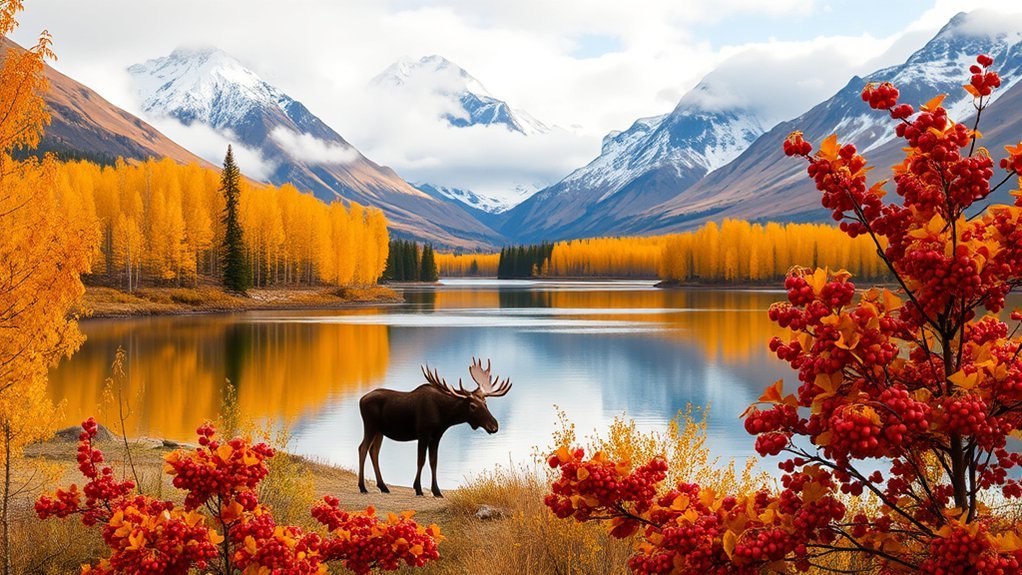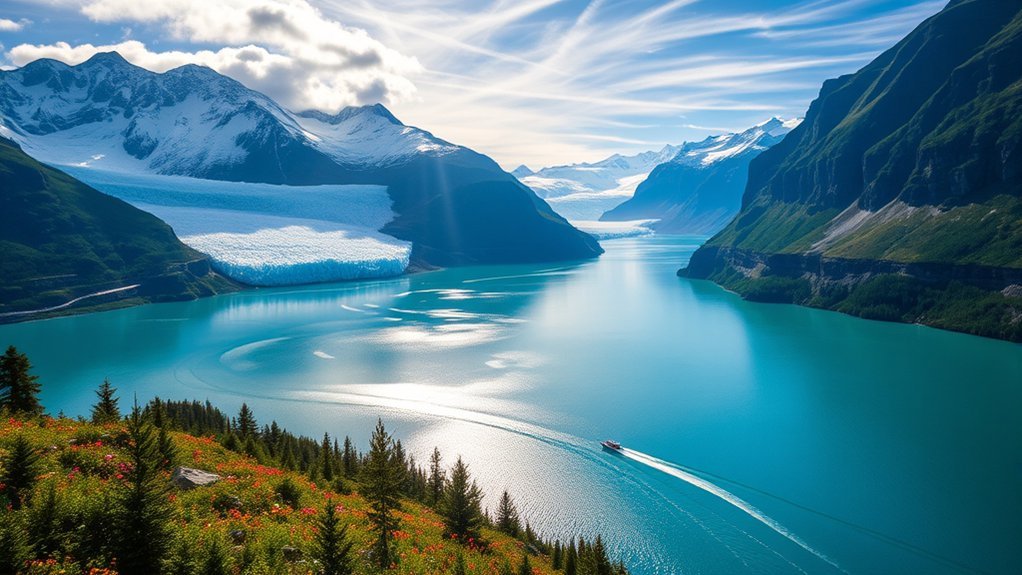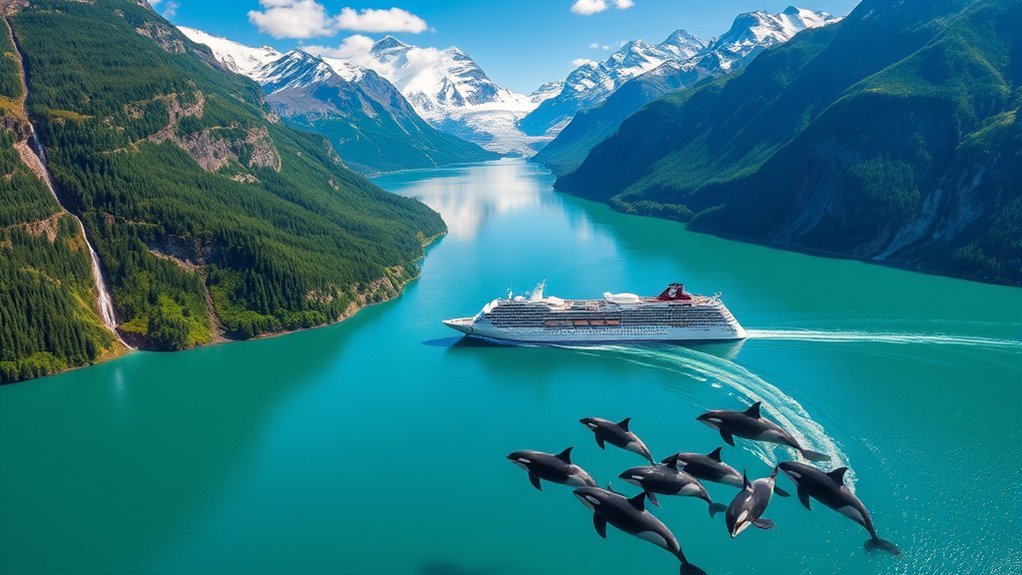
Imagine standing on the deck as mountains, tidewater glaciers, forested islands, and wildlife come into view. An Alaska cruise can deliver those moments, but the experience depends heavily on when you travel, which route you choose, the exact glacier day on your itinerary, and how well you prepare for changing weather, excursions, documents, and extra costs.
Quick Answer
Alaska cruises run mainly from late April through early October, with June and July bringing long daylight and peak demand. Choose between roundtrip Inside Passage sailings and one-way Gulf of Alaska routes, then compare the exact glacier day, port times, Canada requirements, and total trip cost before you book.
Key Takeaways
- The core Alaska cruise season is summer, but some sailings start in late April or continue into early October.
- Roundtrip Inside Passage cruises are simple for first-time visitors; one-way Gulf of Alaska cruises work well when you want to add a land trip.
- Glacier Bay is a scenic-cruising destination with restricted ship access, not a port where cruise ships dock.
- Pack waterproof layers even when the forecast looks good because coastal Alaska can change quickly.
- Compare the full cost of airfare, hotels, gratuities, excursions, Wi-Fi, drinks, and transfers—not only the advertised cruise fare.
- Check travel documents, child policies, excursion restrictions, and onboard rules with your cruise line before departure.
Best Time to Cruise Alaska
For most travelers, the practical Alaska cruise season runs from late spring through early fall. Travel Alaska notes that most cruises operate from May through September, with some dates extending into April and October.
There is no single best month for everyone. Your ideal sailing depends on whether you value lower crowds, long daylight, warmer afternoons, wildlife opportunities, lower shoulder-season prices, or the widest excursion availability.
| Period | What to Expect | Best For |
|---|---|---|
| Late April–May | Cooler conditions, fewer peak-season crowds, long days, and some seasonal services still ramping up. | Value-focused travelers and quieter ports. |
| June–July | Very long daylight, broad excursion availability, and the highest demand of the season. | First-time cruisers who want maximum activity choices. |
| August | Good wildlife opportunities continue, while rain becomes more common in parts of Southeast Alaska. | Travelers balancing summer conditions with slightly later-season timing. |
| September–early October | Shorter days, cooler and often wetter weather, fewer crowds, and some seasonal tours winding down. | Shoulder-season travelers who accept more weather variability. |
June and July are popular because daylight is long and most seasonal activities are operating, but that also means stronger demand. May and September can be appealing if you prefer fewer people and are comfortable with cooler weather or reduced excursion availability.
Note: Alaska covers a huge area. Weather in Ketchikan, Juneau, Glacier Bay, Seward, and the Gulf of Alaska can differ on the same day, so avoid planning around one statewide temperature forecast.
Popular Alaska Cruise Routes
The most useful way to compare Alaska itineraries is to separate roundtrip Inside Passage cruises from one-way Gulf of Alaska cruises. Glacier Bay, Hubbard Glacier, College Fjord, Endicott Arm, and similar areas are scenic destinations that may be included within those routes.
| Route Type | Typical Pattern | Best For |
|---|---|---|
| Roundtrip Inside Passage | Often sails from Seattle or Vancouver and visits ports such as Juneau, Ketchikan, Skagway, Sitka, or Icy Strait Point. | First-time visitors who want simple roundtrip air arrangements. |
| One-way Gulf of Alaska | Commonly connects Vancouver with Whittier or Seward while combining Inside Passage ports with Southcentral Alaska. | Travelers adding Anchorage, Denali, or another land itinerary before or after the cruise. |
| Longer exploratory sailings | May add less-common ports, longer coastal routes, or extended glacier viewing. | Repeat visitors or travelers with more time. |
The Inside Passage remains one of Alaska’s best-known cruise regions, with protected waterways, forested islands, coastal communities, and access to popular ports. A one-way Gulf of Alaska itinerary covers more distance and makes it easier to continue into Alaska’s interior.
Glacier Bay National Park deserves special attention, but it is not a separate cruise route. It is a protected scenic-cruising destination available only on selected itineraries.
Likewise, Kenai Fjords National Park is not normally a standard large-ship cruise route. The National Park Service explains that local boat tours depart Seward’s small boat harbor during the summer, making Kenai Fjords a strong pre-cruise, post-cruise, or Seward-based day-trip option.
Pro Tip: Choose the itinerary before you choose the ship. Compare the glacier destination, port hours, embarkation city, and one-way versus roundtrip logistics first; then compare restaurants, cabins, entertainment, and onboard attractions.
Glacier Bay and Glacier Viewing: What to Know
Glacier Bay is one of the most sought-after scenic days on an Alaska cruise. The National Park Service notes that cruise ships do not dock inside Glacier Bay. Instead, ships spend the day scenic cruising while visitors watch glaciers, mountains, seabirds, and marine wildlife from onboard viewing areas.
Park rangers commonly board authorized cruise ships to provide interpretation during Glacier Bay visits. Access is regulated, so you should always read the exact itinerary rather than assuming every sailing from a particular cruise line includes Glacier Bay.
Glacier Bay limits cruise-ship use to no more than two cruise ships per day, which is one reason access is limited to selected itineraries.
Other glacier-focused itineraries may visit Hubbard Glacier, College Fjord, Endicott Arm and Dawes Glacier, or other scenic areas. None guarantees a specific calving event, wildlife encounter, or viewing distance because ice, weather, and operating conditions can change.
Top Cruise Lines for Alaska: How to Compare Them
Holland America, Princess Cruises, Norwegian Cruise Line, and Royal Caribbean are four major operators to compare, but the “best” line depends on your route, glacier priorities, travel style, budget, and ship preferences.
| Cruise Line | Often Appeals To | What to Verify |
|---|---|---|
| Holland America | Travelers prioritizing destination-focused Alaska itineraries and glacier viewing. | Exact glacier destination, ship, route length, and whether the sailing is roundtrip or one-way. |
| Princess Cruises | Travelers interested in Alaska-focused programming and land-and-sea cruisetours. | Whether your specific departure includes Glacier Bay, Hubbard Glacier, College Fjord, or another glacier day. |
| Norwegian Cruise Line | Travelers who like flexible dining and a more casual onboard style. | Port times, glacier destination, ship size, and onboard inclusions. |
| Royal Caribbean | Families and travelers who value shipboard attractions and entertainment. | Which attractions are available on your exact ship and how the itinerary compares with glacier-focused alternatives. |
Do not choose a line only because of its brand reputation. Two ships from the same company can offer very different Alaska experiences. Compare the exact sailing date, route, port hours, scenic-cruising day, cabin price, onboard inclusions, and excursion options.
Onboard Activities and Amenities
Onboard activities vary considerably by ship. Depending on the vessel, you may find pools, spas, fitness centers, observation lounges, live performances, trivia, enrichment talks, cooking or food events, youth programs, libraries, art displays, and specialty dining.
In Alaska, scenic viewing itself becomes one of the main onboard activities. Observation lounges and open decks can be more valuable than flashy attractions when the ship is passing mountains, waterfalls, glaciers, or wildlife.
Outdoor attractions can also be affected by cold, rain, wind, or operational restrictions, so do not assume every advertised feature will be available throughout the sailing.
If you enjoy fitness, entertainment, nightlife, or family activities, compare the exact ship rather than the cruise line as a whole. If scenery is your priority, check how many indoor and outdoor viewing areas are available without requiring a balcony cabin.
Shore Excursions and Adventures
Once the ship reaches port, Alaska offers hiking, glacier trips, wildlife cruises, kayaking, scenic rail journeys, flightseeing, dog-sled experiences, ziplining, fishing, food tours, museums, and cultural programs.
The strongest excursions are not necessarily the most expensive ones. Match each activity to your mobility, comfort with heights or cold water, weather tolerance, and how much of your port day you want to commit.
Popular Shore Activities
| Activity | What to Know |
|---|---|
| Dog Sledding | Some experiences involve helicopter or glacier access and can be highly weather-dependent. Check age, weight, mobility, and cancellation rules. |
| Glacier Hiking | Use a qualified guide where technical glacier travel is involved. Read fitness and footwear requirements carefully. |
| Ziplining | A good choice for active travelers, but operators commonly apply age, height, or weight restrictions. |
| Kayaking | Provides a quieter view of protected waters. Cold-water conditions make proper clothing and safety equipment essential. |
| Wildlife Cruise | Useful for whale, sea lion, seabird, and otter viewing, but sightings are never guaranteed. |
| Cultural Tours | Look for community-led museums, cultural centers, artists, storytellers, and programs that present Alaska Native history and contemporary life respectfully. |
Book high-priority activities early if losing that experience would disappoint you. At the same time, read the cancellation terms because flightseeing, glacier access, small-boat tours, and other outdoor activities can change when weather deteriorates.
Wildlife Viewing Opportunities
Wildlife excursions can bring you closer to Alaska’s marine and coastal ecosystems, but responsible operators should put animal welfare and federal rules ahead of getting the closest photograph.
NOAA Fisheries requires vessels in Alaska to remain at least 100 yards from humpback whales and advises boaters not to block a whale’s path, disrupt normal behavior, feed wildlife, or chase marine mammals.
Warning: Never pressure a guide or boat captain to approach whales, seals, sea lions, bears, or other wildlife more closely. A responsible tour keeps a safe distance even when that means using binoculars or a zoom lens.
A knowledgeable guide can still make distant encounters rewarding by explaining feeding behavior, migration, habitat, and the signs they use to locate wildlife without harassing it.
Cultural Experiences Offered
Alaska’s cruise ports are also places to learn about living Alaska Native cultures, regional history, fishing communities, Russian-American history, and the Klondike Gold Rush.
In Southeast Alaska, the histories and cultures of Tlingit, Haida, and Tsimshian peoples remain central to the region. Look for tribally operated or community-led museums, cultural centers, performances, art programs, and guided experiences when available.
Local food can also add context to your port visit. Fresh seafood, regional ingredients, bakeries, and locally owned restaurants often provide a stronger connection to a community than generic souvenir stops.
Approach cultural experiences as opportunities to listen and learn rather than treating traditions, art, or ceremonies as simple entertainment.
Wildlife Watching Opportunities
Wildlife is one of the main reasons many travelers choose Alaska, but no sailing can guarantee a particular animal. Conditions, food sources, migration timing, tides, and simple luck all matter.
| Wildlife | Where You May See It | Viewing Tip |
|---|---|---|
| Humpback whales | Southeast Alaska waterways and dedicated wildlife cruises. | Use binoculars and follow NOAA distance rules. |
| Orcas | Coastal waters throughout parts of the cruise region. | Sightings are less predictable than marketing photos may suggest. |
| Sea otters, seals, and sea lions | Fjords, rocky coastlines, harbors, and protected waters. | Scan calm water and rocky haul-out areas from a respectful distance. |
| Bald eagles | Coastal forests, shorelines, and many port communities. | Look high in shoreline trees as well as near the water. |
| Bears | Selected land excursions, streams, and coastal habitats. | Use reputable guided viewing where appropriate and never approach a bear. |
Glacier Bay National Park supports diverse wildlife, including marine mammals, seabirds, and bears. You may see wildlife from the ship, but a small-group shore or boat excursion can provide a different perspective.
Pack binoculars even if you have a strong camera zoom. They are faster to use when a whale surfaces briefly or an eagle appears along the shoreline.
Packing Essentials for Your Cruise
Alaska rewards layered packing. A sunny morning can turn into a cold, windy, or wet afternoon, and conditions on an open ship deck can feel much cooler than conditions in town.
| Clothing | Accessories | Personal Items |
|---|---|---|
| Moisture-managing base layers | Sunglasses | Sunscreen |
| Fleece or warm mid-layer | Binoculars | Prescription medications |
| Waterproof/windproof jacket | Camera or phone | Travel documents |
| Comfortable water-resistant shoes | Small daypack | Toiletries |
| Warm hat and light gloves | Portable battery pack | Reusable water bottle |
| Comfortable onboard clothing | Eye mask for long daylight | Small dry bag or zip bags |
A bulky winter coat is often less versatile than several thinner layers. The goal is to add or remove insulation as conditions change while keeping a waterproof outer shell available.
Tips for First-Time Alaska Cruisers
Packing your bags is only one part of preparing for your first Alaska cruise. A few planning choices before departure can make the trip much smoother.
For an Alaska cruise, itinerary usually matters more than flashy ship features: compare the glacier day, port hours, and route first.
- Layer up: Carry a waterproof outer layer and at least one warm mid-layer even when the forecast looks mild.
- Plan priority excursions early: Reserve the activities you would be genuinely disappointed to miss, especially small-group and weather-dependent tours.
- Arrive before embarkation day when practical: Giving yourself extra time can reduce the risk that an airline or baggage delay causes you to miss the ship.
- Know the ship’s all-aboard time: Do not assume it is the same as the published port departure time.
- Download useful apps before sailing: Your cruise-line app, offline maps, airline app, and excursion information are easier to set up while you still have reliable internet.
- Use airplane mode at sea: Shipboard Wi-Fi and cellular-at-sea services are different from normal land-based mobile coverage. Check your carrier’s Canada and maritime roaming terms before departure.
- Bring an eye mask: Long summer daylight can make sleeping harder for travelers who need a dark room.
Travel Documents and Canada Stops
Document requirements depend on your citizenship, embarkation port, cruise route, and foreign ports. Many Alaska itineraries visit Canada, and some begin or end in Vancouver.
U.S. Customs and Border Protection explains that some U.S. citizens on qualifying closed-loop cruises can travel with approved proof of citizenship and identification instead of a passport. However, foreign destinations or cruise-line policies may impose additional requirements.
A valid passport is often the most flexible document because it can simplify unexpected international travel if you need to leave the cruise early or fly home from another country. Non-U.S. citizens should verify passport, visa, residency-document, and re-entry requirements for every country on the itinerary.
Note: Do not rely on another traveler’s document list. Check your cruise line and the relevant government authorities using your own citizenship and exact itinerary before you pay non-refundable travel costs.
Alaska Cruise vs. Cruisetour
A cruise-only trip focuses on Alaska’s coast and works well if you have about a week or want simpler logistics. A cruisetour combines the cruise with additional land transportation and hotel nights, often allowing more time in Southcentral or Interior Alaska.
One-way Gulf of Alaska cruises are especially useful for land extensions because they begin or end in Alaska rather than returning to the same southern port.
| Choose Cruise-Only If… | Choose a Cruisetour If… |
|---|---|
| You have limited vacation time. | You want additional days on land. |
| You prefer simple roundtrip logistics. | You are comfortable changing hotels and transportation modes. |
| Coastal ports and glacier viewing are your main priorities. | You want to combine coastal Alaska with additional inland destinations. |
| You want to keep the trip budget more contained. | You have budgeted for extra hotels, meals, transportation, and activities. |
Budgeting for Your Alaska Adventure
An Alaska cruise budget should go beyond the headline fare. Shore excursions and transportation can represent a large part of the total trip, especially if you add flightseeing, glacier activities, wildlife tours, or a land extension.
| Cost Category | What to Check |
|---|---|
| Cruise fare | Cabin category, refundable vs. non-refundable terms, and what the fare actually includes. |
| Taxes and fees | Confirm the final checkout total rather than comparing only advertised base prices. |
| Gratuities | Check whether service charges are prepaid, automatically added, or included in a package. |
| Shore excursions | Prioritize the experiences that matter most and leave room for lower-cost independent sightseeing. |
| Food and drinks | Specialty restaurants, alcohol, specialty coffee, and drink packages can increase the total quickly. |
| Wi-Fi | Compare package prices and decide whether you need constant connectivity. |
| Flights and hotels | Include pre-cruise hotel nights, baggage fees, airport transfers, and one-way airfare if applicable. |
| Travel insurance | Compare trip-cancellation, delay, baggage, emergency medical, and evacuation terms rather than buying only on price. |
| Gear and clothing | Budget for waterproof layers, footwear, binoculars, or other items you do not already own. |
Pro Tip: Compare cruises using an estimated total trip cost per person. A cheaper cabin can become the more expensive vacation after airfare, hotel nights, excursion prices, packages, and transfers are included.
Connectivity and Accessibility
Cell service may be available in or near major ports, but service between communities can disappear quickly. Onboard internet normally relies on satellite systems, so speed and reliability can vary with location, weather, congestion, and the ship’s equipment.
If your itinerary enters Canada, check your mobile carrier’s Canadian roaming terms. At sea, use airplane mode unless you intentionally want to connect to the ship’s cellular or Wi-Fi service.
Travelers with mobility, hearing, vision, dietary, or other accessibility needs should contact the cruise line well before sailing. Ship accessibility and shore-excursion accessibility are separate issues. Gangways, small boats, uneven trails, buses, aircraft, and excursion equipment can create restrictions even when your cabin and main ship areas are accessible.
Frequently Asked Questions
What should I know about Alaska’s weather during my cruise?
Expect changeable coastal weather. You may experience sunshine, rain, wind, and chilly temperatures during the same day. Pack a waterproof outer layer, warm mid-layer, comfortable shoes, hat, and light gloves so you can adjust instead of relying on one heavy coat.
Are there age restrictions for children on Alaska cruises?
Yes. Cruise lines can set minimum infant ages, and some longer or remote itineraries apply stricter rules. Shore excursions and onboard attractions may also have age, height, or weight restrictions. Check the policy for your exact sailing before booking children.
Can I bring my own alcohol on board?
It depends on the cruise line. Some allow a limited amount of wine or champagne at embarkation, sometimes with corkage charges, while beer, spirits, and additional bottles may be restricted. Policies can change, so check the current beverage rules for your ship before packing alcohol.
What dining options are available for special dietary needs?
Major cruise lines commonly handle vegetarian, vegan, gluten-sensitive, and other dietary requests, but procedures vary. Notify the cruise line before sailing when requested and speak with the dining team onboard, especially if you have a serious food allergy or medically necessary diet.
How do I prepare for potential seasickness?
CDC cruise guidance recommends planning ahead if you know you are prone to motion sickness. Looking at the horizon, avoiding prolonged reading, staying hydrated, and choosing a lower-motion area of the ship may help. Ask a clinician or pharmacist before using medication if you have health conditions, are pregnant, or take other medicines.
Do I need a passport for an Alaska cruise?
It depends on your citizenship and itinerary. Some U.S. citizens on qualifying closed-loop cruises may use approved alternatives, but foreign ports and cruise lines can impose additional rules. A valid passport is usually the most flexible option, especially if you must fly internationally during an emergency.
Which Alaska cruise route is best for a first-time cruiser?
A roundtrip Inside Passage cruise is often the simplest first trip because flights and embarkation logistics are straightforward. Choose a one-way Gulf of Alaska sailing if you want to add several days on land before or after the cruise.
Is a balcony cabin necessary for an Alaska cruise?
No. A balcony is convenient for private scenery viewing, but many ships have excellent open decks and observation lounges that provide wider views. If choosing a cheaper cabin lets you afford a better itinerary or important excursions, the tradeoff can be worthwhile.
Conclusion
An Alaska cruise is most rewarding when you plan around the experience you actually want rather than choosing only by ship name or advertised fare. Decide whether a roundtrip Inside Passage or one-way Gulf of Alaska route fits you better, verify the exact glacier destination, reserve priority excursions, prepare for wet and changing weather, and confirm your documents before departure.
Once those details are handled, you can spend less time worrying about logistics and more time watching glaciers, scanning the water for wildlife, exploring coastal communities, and enjoying one of North America’s most distinctive cruise regions.
Sources
- Travel Alaska — Types of Cruises in Alaska — Alaska cruise season and major route types.
- National Park Service — Cruise Ships in Glacier Bay — Glacier Bay scenic cruising, ship operations, and visitor experience.
- National Park Service — Kenai Fjords Boat Tours — Seward-based local boat-tour access to Kenai Fjords National Park.
- NOAA Fisheries — Alaska Marine Mammal Viewing Guidelines — responsible wildlife viewing and humpback-whale approach rules.
- CDC — Cruise Ship Travel — cruise health and seasickness preparation.
- U.S. Customs and Border Protection — Cruise Travel Documents — U.S. closed-loop cruise documentation guidance.