If you’re considering an Alaska cruise, the biggest decisions are not just which ship to book. Your departure port, route, glacier-viewing day, travel month, shore excursions, and plans before or after the cruise can change the trip significantly. Alaska cruises combine coastal towns, glaciers, wildlife, Alaska Native cultures, and long stretches of scenic sailing, but the experience varies widely by itinerary.
Quick Answer
For most travelers, a 7-day Inside Passage or cross-Gulf Alaska cruise between May and September is the easiest starting point. Compare the actual itinerary before the ship: glacier-viewing days, time in port, departure city, and whether you want a round trip or a one-way cruise with an inland Alaska extension.
Key Takeaways
- Alaska’s main cruise season is May through September, with a smaller number of April and October sailings.
- Inside Passage cruises are convenient for round trips, while cross-Gulf cruises are better if you want to add Anchorage, Denali, or another inland trip.
- Glacier Bay is a scenic-cruising destination, not a separate 7- to 10-day cruise route.
- Pack waterproof outerwear, warm layers, comfortable walking shoes, and binoculars rather than relying on the forecast alone.
- Wildlife sightings are common but never guaranteed, and northern lights are mainly a late-season possibility for cruise passengers.
- Check passport, Canadian entry, alcohol, infant-age, and health rules for your exact itinerary before departure.
Overview of Alaska Cruises
Alaska cruises travel through some of North America’s most dramatic coastal scenery. Depending on your route, you may sail through forested channels, fjords, glacier-carved bays, and open sections of the Gulf of Alaska.
Wildlife can include humpback whales, orcas, sea otters, seals, bald eagles, bears, and many seabirds. Sightings depend on location, season, weather, and luck, so no itinerary can guarantee a particular animal.
Port calls also give you opportunities to learn about Alaska Native cultures, local history, fishing communities, and the Gold Rush era. When choosing cultural experiences, look for Native-owned or community-led tours and approach individual Alaska Native peoples and traditions as distinct cultures rather than one generic group.
Fresh seafood, scenic deck time, kayaking, hiking, wildlife tours, museums, rail trips, and glacier excursions can all be part of an Alaska cruise. The northern lights are also possible on some late-August and September sailings, but they should be treated as a bonus rather than a normal summer-cruise attraction.
Note: Alaska’s aurora-viewing season begins when dark nights return in late August. During much of the summer cruise season, nights are too bright for dependable northern-lights viewing.
Popular Cruise Routes in Alaska
The most useful way to compare Alaska cruises is to separate the main cruise routes from scenic destinations and day cruises.
| Option | What It Means | Best For |
|---|---|---|
| Inside Passage round trip | Usually sails from Seattle or Vancouver and visits Southeast Alaska ports before returning to the starting region. | First-time cruisers and travelers who want simpler flights. |
| Cross-Gulf / one-way cruise | Typically connects Vancouver with Whittier or Seward while also visiting Southeast Alaska. | Travelers adding Anchorage, Denali, or another land trip. |
| Glacier Bay scenic cruising | A full scenic day included on selected Alaska itineraries. Ships do not dock inside Glacier Bay National Park. | Travelers who place glacier scenery and ranger interpretation high on their list. |
| Kenai Fjords day cruise | A separate half-day or full-day sightseeing boat trip from Seward rather than a standard 7-day cruise route. | Travelers spending extra time in Seward before or after a cruise. |
The Inside Passage is the best-known Alaska cruise region. Common ports include Ketchikan, Juneau, Skagway, Sitka, and Hoonah/Icy Strait Point. Cross-Gulf sailings continue farther north toward Southcentral Alaska and normally begin or end at Seward or Whittier.
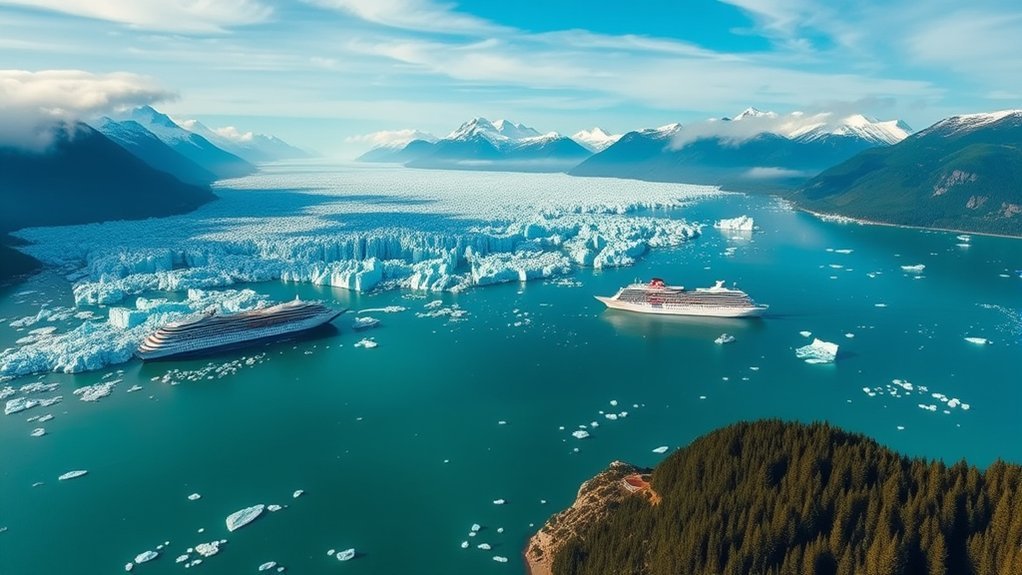
Glacier Bay National Park is different from an ordinary port call. The National Park Service says cruise ships typically spend about 9 to 10 hours in the park, and park rangers may board participating ships to provide interpretation.
If you want to see Kenai Fjords, consider adding time in Seward. The National Park Service describes local boat tours ranging from shorter Resurrection Bay trips to full-day outings that reach tidewater glaciers.
Pro Tip: Compare the itinerary before comparing dining rooms or entertainment. A ship you love cannot make up for a route that skips the glacier or ports you most want to see.
Best Time for an Alaska Cruise
The main Alaska cruise season runs from May through September. Some cruise companies now offer a smaller number of shoulder-season trips in April and October.
| Period | What to Expect | Good Choice If You Want |
|---|---|---|
| May | Cool conditions, very long days developing through the month, and the beginning of the main season. | Spring scenery and an earlier-season trip. |
| June | Very long daylight hours and strong wildlife-viewing opportunities. | Maximum daylight for scenery and active days ashore. |
| July–August | Peak summer season with broad excursion availability and generally favorable daylight and temperatures. | The classic Alaska cruise experience. |
| September | Shorter days, cooler weather, and darker nights. Aurora sightings become possible when skies cooperate. | Late-season travel and a possible northern-lights bonus. |
| April or October | Limited shoulder-season sailings with fewer itinerary choices. | Travelers comfortable with cooler, less predictable conditions. |
There is no single perfect month. July and August are popular for summer conditions, while May, June, and September appeal to travelers with different wildlife, daylight, crowd, or seasonal priorities. Check the exact excursion schedule because some activities do not operate for the entire cruise season.
Top Cruise Lines for Alaskan Adventures
Choosing the right cruise line can make a major difference, but there is no single “best” Alaska cruise line for everyone. Start with the itinerary and then compare ship size, onboard style, cabin price, excursion choices, and land-tour options.
Major Cruise Operators
Major cruise operators serving Alaska include Princess Cruises, Holland America Line, Celebrity Cruises, Norwegian Cruise Line, Royal Caribbean, Disney Cruise Line, Carnival, Viking, Cunard, and others. Smaller expedition-style operators also serve Alaska.
Princess Cruises and Holland America have long-established Alaska programs and extensive land-tour options. Celebrity and Royal Caribbean offer modern large-ship experiences. Norwegian emphasizes flexible dining and a relaxed onboard format, while Disney may appeal strongly to families.
Small-ship and expedition cruises can provide a very different experience. They may focus more heavily on wildlife, kayaking, naturalist-led activities, remote areas, and time outdoors, while large ships generally provide more dining, entertainment, cabin, and family-activity choices.
A useful comparison should include:
- Exact ports and hours in each port
- Glacier-viewing destination
- Round trip versus one way
- Ship size and passenger capacity
- Family facilities or adults-focused spaces
- Included dining and extra-cost dining
- Land-tour options
- Excursion selection
- Total price after fees and extras
Unique Itineraries Offered
Your itinerary may take you through the Inside Passage, across the Gulf of Alaska, into Glacier Bay, or past another major glacier-viewing area. Some sailings visit ports such as Sitka or Icy Strait Point in addition to the more common Juneau, Ketchikan, and Skagway stops.
Adventure-focused travelers may prefer smaller vessels or itineraries with more kayaking, hiking, Zodiac-style exploration, or naturalist programming.
If Denali National Park is a priority, look closely at a one-way cruise combined with a land extension. Cross-Gulf cruises ending at Seward or Whittier make it much easier to continue into Southcentral and Interior Alaska than a simple round-trip Inside Passage itinerary.
Onboard Experience Highlights
The onboard experience varies by cruise line and ship, so check your vessel rather than assuming every Alaska cruise includes the same activities.
Common possibilities include:
- Dining: Main dining rooms, buffets, casual venues, specialty restaurants, and seafood choices may be available.
- Scenic lounges: Indoor observation spaces can be especially useful on cold or rainy scenic-cruising days.
- Wellness: Many larger ships offer fitness centers, pools, spas, or wellness classes.
- Entertainment: Depending on the ship, you may find theater productions, live music, lectures, trivia, movies, or Alaska-focused presentations.
On glacier and wildlife days, however, some of the best entertainment is simply being outside with binoculars and watching the scenery.
Wildlife Encounters on Your Cruise
Wildlife viewing is one of the strongest reasons to take an Alaska cruise. Humpback whales migrate into Alaska’s productive waters to feed, while orcas, sea otters, seals, sea lions, bald eagles, bears, and many seabirds can also be seen in different regions.
You might see a humpback whale from the ship, but a dedicated smaller-boat excursion can put you closer to productive wildlife-viewing areas. Juneau, Sitka, Seward, and other coastal communities offer marine-wildlife tours during the season.
Along the shoreline, you may see sea otters, seals, eagles, or bears. A bear fishing for salmon can be an unforgettable sight, but wildlife should always be observed at a safe distance.
Warning: Never approach, feed, follow, or crowd wildlife for a photo. Follow your guide’s instructions and National Park Service wildlife-distance guidance. If an animal changes its behavior because of your presence, you are too close.
For additional wildlife-safety guidance, see the National Park Service wildlife safety information for Alaska.
Essential Packing Tips for Alaska
When packing for your Alaska cruise, think in layers. Conditions can change between a sheltered port, a windy ship deck, a rainy excursion, and a sunny afternoon.
A practical packing list includes:
- Moisture-wicking base layers
- Fleece, sweater, or light insulated jacket
- Waterproof and wind-resistant outer shell
- Comfortable water-resistant walking or hiking shoes
- Warm socks
- Hat and light gloves
- Small daypack
- Refillable water bottle
- Sunglasses and sunscreen
- Binoculars
- Camera or phone with weather protection
- Prescription medicines in your carry-on luggage
Layered Clothing Essentials
A layered clothing system lets you add or remove insulation as conditions change.
- Moisture-wicking base layer: Helps move perspiration away from your skin.
- Insulating mid-layer: Fleece, wool, or a light insulated jacket adds warmth.
- Waterproof outer layer: A breathable rain shell blocks rain and wind.
- Warm accessories: A hat and gloves can make exposed deck time much more comfortable.
Do not rely on a heavy winter coat alone. Several lighter layers are usually easier to adjust throughout the day.
Footwear for All Terrain
For most travelers, comfortable, water-resistant walking or hiking shoes with reliable traction are more useful than specialized mountaineering boots.
Use sturdier waterproof footwear if your excursion involves muddy trails, prolonged rain, or rough terrain. Comfortable sneakers can work well around the ship and on dry, paved port days.
If you book a glacier trekking or ice-climbing excursion, read the operator’s equipment requirements before packing. Specialized glacier equipment may be supplied by the tour company, and you should not assume that crampon-compatible boots are necessary for an ordinary Alaska cruise.
Choosing a Cabin and Ship Size
Your cabin choice can affect both comfort and cost. Balcony cabins are popular in Alaska because scenery can appear throughout the day, but you do not need a balcony to enjoy the destination. Most ships have outdoor decks and public observation areas.
If you are sensitive to motion, a cabin lower on the ship and closer to the middle can feel more stable than one high up or near the bow or stern. Motion varies with weather, route, and sea conditions, and even sheltered Alaska itineraries can include open-water sections.
Ship size also changes the experience. Larger ships generally provide more dining, entertainment, pools, children’s facilities, and cabin categories. Smaller ships may trade those amenities for a quieter atmosphere, closer access to nature, and more expedition-style activities.
Onboard Activities and Entertainment
While Alaska’s scenery is the main attraction, sea days and evenings can include plenty of onboard activities.
Depending on your ship, you may find:
- Live performances: Theater shows, musicians, comedy, or other entertainment.
- Lectures and enrichment: Talks about glaciers, wildlife, history, ports, or Alaska Native cultures on selected ships.
- Workshops: Cooking demonstrations, art activities, photography sessions, or other classes.
- Spa and fitness facilities: Massages, treatment rooms, gyms, pools, or wellness programs.
- Deck activities: Games and outdoor spaces where you can enjoy the scenery and fresh air.
Check the daily program after boarding because schedules can change with weather, port times, and scenic-cruising events.
Shore Excursions: Exploring Alaska’s Landscapes
Alaska shore excursions range from easy sightseeing tours to demanding hikes and flightseeing trips. Choose based on your interests, mobility, weather tolerance, and budget.
Popular possibilities include:
- Juneau: Whale watching, Mendenhall Glacier-area visits, kayaking, hiking, food tours, and the Mount Roberts Tram.
- Ketchikan: Alaska Native cultural experiences, Misty Fjords sightseeing, fishing, wildlife viewing, kayaking, and historic Creek Street.
- Skagway: Gold Rush history, the White Pass & Yukon Route Railroad, hiking, cycling, and sightseeing into surrounding mountain country.
- Sitka: Wildlife tours, kayaking, fishing, and visits focused on Tlingit and Russian history.
- Seward: Kenai Fjords boat tours are a strong option when you have extra time before or after a cruise.
Travel Alaska’s Alaska cruise port guide provides additional examples of activities available in major port communities.
Denali National Park should not be treated as a normal shore excursion. It is inland and is better visited as part of a separate pre- or post-cruise land trip, particularly when your cruise begins or ends in Seward or Whittier.
Pro Tip: Book a must-do excursion early, especially if it has limited capacity. For activities you are less committed to, leaving some open time can make your port day more flexible.
Travel Documents for an Alaska Cruise
Do not assume that an Alaska cruise is entirely domestic travel. Many itineraries start, end, or stop in Canada.
Your required documents depend on your citizenship, residency status, embarkation port, itinerary, and whether you enter Canada by air, land, or sea.
For example, the Government of Canada states that entry requirements differ by nationality and travel method. Some visa-exempt travelers do not need an eTA when arriving in Canada by cruise ship but still need a valid passport. Travelers from visa-required countries may need a Canadian visitor visa for cruise-ship entry even when different rules apply to air travel.
Review the Government of Canada entry requirements and your cruise line’s documentation rules well before departure.
Warning: Do not rely on a general statement that a passport is “not required” for every Alaska cruise. Your itinerary and citizenship can change the rule, and missing documents can prevent boarding.
Tips for First-Time Cruisers in Alaska
Good preparation makes an Alaska cruise easier, but you do not need to schedule every minute.
- Pack layers: Expect changing temperature, wind, and rain rather than packing for one forecast.
- Book your must-do excursions: Wildlife tours, flightseeing, rail trips, and small-group excursions can have limited space.
- Carry binoculars: Wildlife may appear far from the ship, and binoculars make scenic cruising much better.
- Keep medication and essentials with you: Do not place anything you need immediately in checked luggage.
- Prepare for motion: If you are prone to seasickness, discuss suitable prevention options with a pharmacist or healthcare professional before traveling.
- Check port times carefully: The same town can offer a very different experience on a four-hour stop versus a full day.
- Allow flexibility: Weather can change flightseeing, boat trips, glacier excursions, and other outdoor activities.
- Plan for accessibility needs early: Ask the cruise line and excursion operator about walking distances, steps, tender boats, transportation, and mobility-device restrictions before booking.
- Stay hydrated: Cool weather can make it easy to forget to drink enough water.
- Leave some free time: Not every port hour needs a paid tour. Walking through town, visiting a museum, or stopping at a local restaurant can be part of the experience.
The best Alaska cruise is usually the one that matches your preferred route, glacier experience, port time, and land plans—not simply the ship with the longest list of onboard features.
How to Budget for an Alaska Cruise
A cruise fare alone does not show the true trip cost. Prices vary too much by sailing date, cabin, ship, departure city, and promotion to give one dependable per-person number.
Build your budget from these categories:
- Base cruise fare
- Taxes and port-related charges shown during booking
- Gratuities or service charges where applicable
- Flights or other transportation to the departure port
- Pre- or post-cruise hotels
- Airport and port transfers
- Shore excursions
- Specialty dining
- Alcoholic and premium beverages
- Wi-Fi
- Spa services and onboard purchases
- Travel insurance if you choose to buy it
- Pre- or post-cruise land tours
Excursions can become one of the largest extra costs on an Alaska trip, especially if you book several flightseeing, helicopter, fishing, or small-group wildlife tours. Compare the complete trip price rather than choosing a cruise only because its advertised fare is low.
Frequently Asked Questions
What Is the Best Time of Year for an Alaska Cruise?
The main Alaska cruise season is May through September, though some companies also offer April and October sailings. June offers extremely long daylight, July and August are peak summer months, and September brings darker nights and a possible chance of seeing the northern lights. The best month depends on your priorities.
Are There Age Restrictions for Children on Alaska Cruises?
Yes, cruise lines can set minimum infant ages as well as age requirements for cabins, activities, childcare, pools, spas, casinos, and shore excursions. Requirements vary by company and itinerary. Check the cruise line’s current age policy before booking, especially when traveling with an infant.
How Much Should I Budget for an Alaska Cruise?
There is no reliable one-size-fits-all amount. Add the cruise fare, taxes and charges shown at booking, transportation, hotels, excursions, drinks, specialty dining, Wi-Fi, gratuities or service charges where applicable, insurance, and any land extension. Expensive shore excursions can raise the total substantially.
Can I Bring Alcohol on Board an Alaska Cruise?
It depends on the cruise line. For example, Princess currently permits eligible guests to bring one 750 mL bottle of wine or Champagne at embarkation under its policy, while Norwegian has its own wine and Champagne rules and corkage conditions. Beer and spirits may be prohibited. Always check your cruise line’s current policy before packing alcohol.
What Are the Health and Safety Protocols for Alaska Cruises?
There is no single health rule that applies identically to every Alaska sailing. Cruise lines set current passenger requirements, while the CDC Vessel Sanitation Program maintains sanitation standards, inspections, illness surveillance, and outbreak guidance for ships within its jurisdiction. Check your cruise line shortly before departure because voyage-specific requirements can change.
Do I Need a Passport for an Alaska Cruise?
It depends on your citizenship and itinerary. Many Alaska cruises visit or depart from Canada, so international entry rules can apply. Review the requirements for every country on your itinerary and your cruise line’s documentation policy. A rule that applies to one U.S. closed-loop itinerary may not apply to a Vancouver departure or to a traveler of another nationality.
Can You See the Northern Lights on an Alaska Cruise?
Sometimes. Dark nights begin returning in late August, so late-August and September cruise passengers have a better chance than travelers sailing near the middle of summer. Cloud cover and solar activity still matter, and no cruise can guarantee an aurora display.
Sources
- Travel Alaska — How to Plan the Best Alaska Cruise — cruise season, cruise types, and major operators.
- National Park Service — Cruise Ships in Glacier Bay — Glacier Bay scenic cruising, park access, and ranger interpretation.
- National Park Service — Kenai Fjords Boat Tours — Seward-based day cruises, glaciers, wildlife, and clothing guidance.
- Government of Canada — Entry Requirements — passport, visa, eTA, and cruise-ship entry considerations.
- CDC Vessel Sanitation Program — current cruise-ship sanitation and public-health standards.
- Princess Cruises Passage Contract — current passenger age and beverage-policy examples.
Conclusion
An Alaska cruise can combine glacier scenery, wildlife, coastal communities, Alaska Native cultures, outdoor adventure, and relaxed scenic sailing in one trip. The key is choosing the route first and the ship second. Decide whether you want a round-trip Inside Passage cruise or a one-way cross-Gulf itinerary, then compare glacier days, ports, time ashore, excursions, and any inland extension.
Alaska’s cruise market remains exceptionally popular. The Alaska Travel Industry Association reported approximately 1.777 million cruise visitors in summer 2025, the latest completed summer season available before the 2026 season concludes. With realistic expectations, correct travel documents, layered clothing, and a carefully chosen itinerary, you can spend less time solving problems and more time enjoying Alaska from the water and ashore.