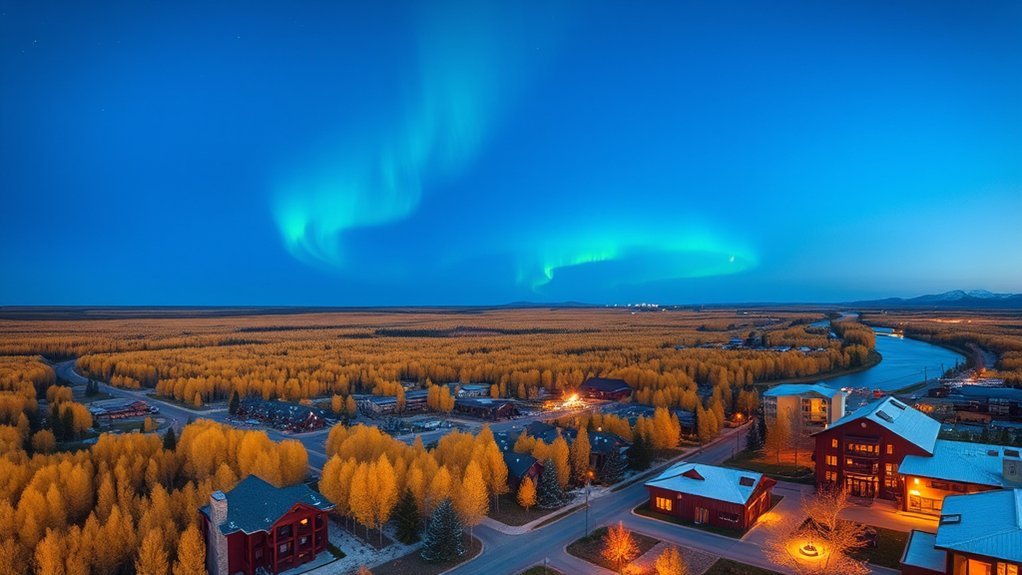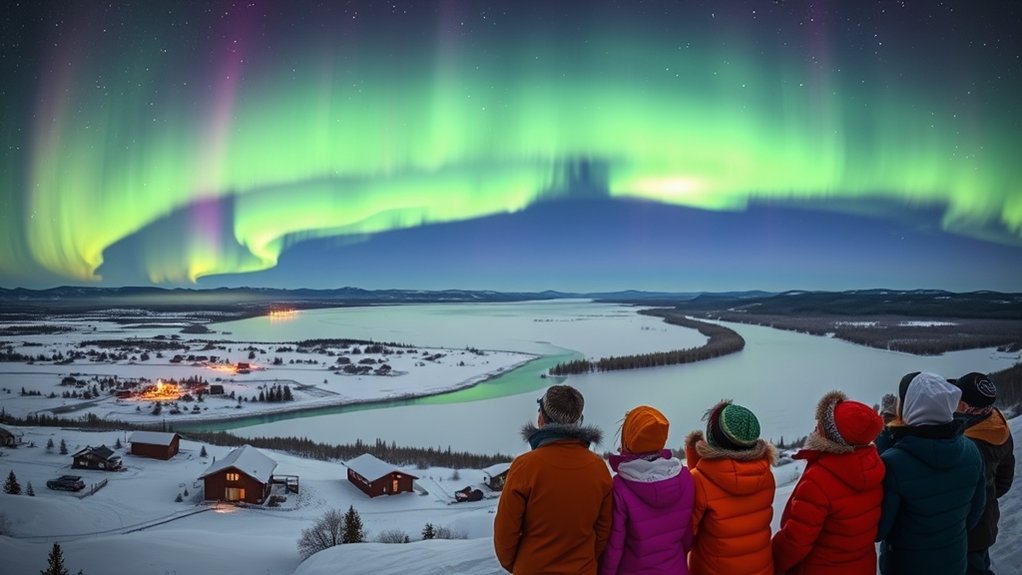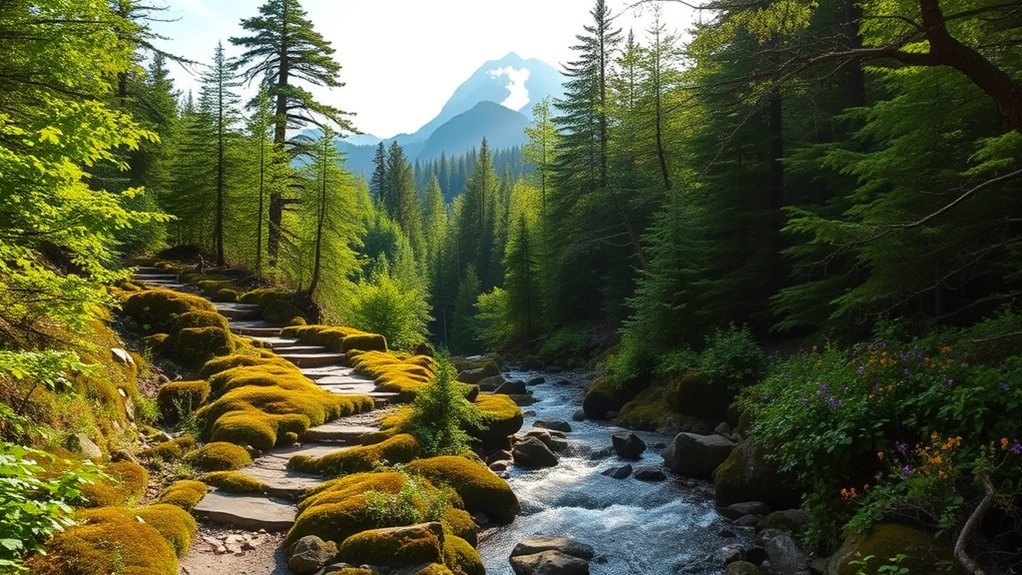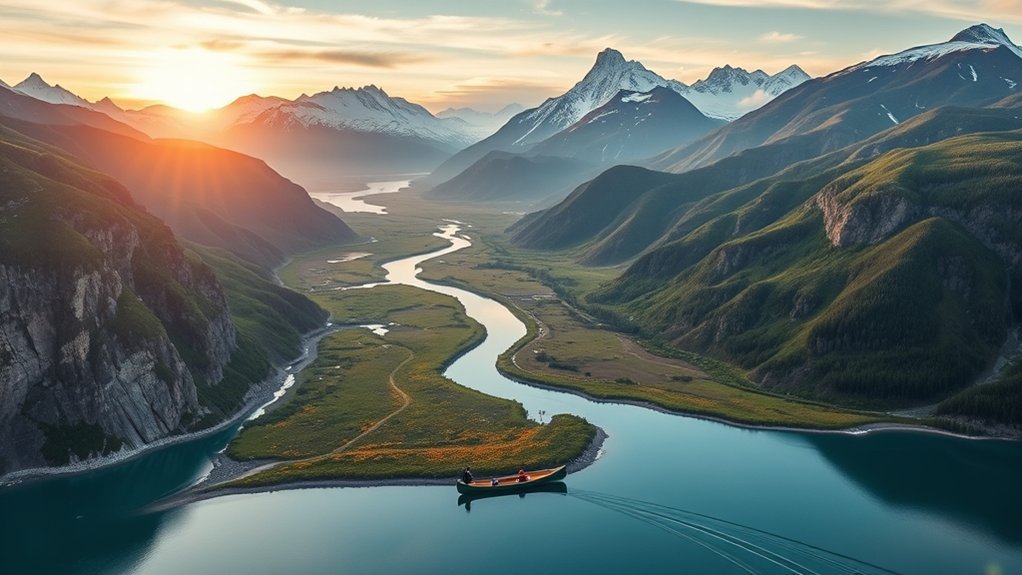
A five-day Alaska trip can give you a memorable introduction to the state, but only if you keep the route focused. Anchorage, Denali National Park, and Seward work well together when you allow enough time for the long drives and avoid trying to squeeze distant places such as Glacier Bay into the same trip. This itinerary is best for travelers who want mountains, wildlife, glaciers, coastal scenery, hiking, and Alaska Native culture in one fast-paced journey.
Quick Answer
For a first-time 5-day Alaska trip, base the route around Anchorage, one overnight near Denali National Park, and one Seward/Kenai Fjords day. Drive north to Denali, return to Anchorage after a morning park visit, then head south to Seward for a glacier-and-wildlife cruise. Keep Day 5 for Anchorage culture and departure.
Key Takeaways
- Five days is enough for a fast Anchorage, Denali, and Seward sampler, but not a complete Alaska tour.
- Anchorage to Denali takes about five hours by car, so plan one night near the park.
- In 2026, Denali Park Road access is limited to Mile 43 because of the Pretty Rocks project.
- Seward is the logical place for your glacier-and-marine-wildlife cruise.
- A rental car offers the most flexibility for this exact five-day route, although trains can replace parts of the drive if you adjust the itinerary.
At a Glance
| Time Required | 5 days / 4 nights |
| Difficulty | Moderate: long drives, early starts, variable weather, and optional hiking |
| Tools Needed | Rental car or carefully coordinated rail/bus tickets, advance reservations, layered clothing, waterproof footwear, and a daypack |
| Cost | Moderate to high. Lodging, vehicle or rail transport, Denali bus tickets, and the Kenai Fjords cruise are the largest variables, so check live rates before booking. |
Five days is enough to sample Alaska’s mountains, wildlife, glaciers, and culture, but the key is spending less time changing regions and more time exploring a focused route.
Day 1: Arrival in Anchorage
Use your first day to settle into Anchorage and keep the schedule flexible around your flight time. Anchorage combines city services with quick access to trails, mountains, coastal scenery, and wildlife.
If you have several free hours, start with the Tony Knowles Coastal Trail. The paved trail runs for about 11 miles between downtown and Kincaid Park, but you do not need to complete the entire route. A short walk or bike ride from downtown gives you Cook Inlet views without exhausting yourself before the longer travel days ahead.
Wildlife can appear even inside Anchorage. Moose and bald eagles are possible along green spaces and coastal areas, but sightings are never guaranteed. Give every wild animal plenty of space.
For shopping, skip the assumption that the old 4th Avenue Marketplace will be a dependable stop. Downtown Anchorage has been changing, and seasonal markets move or operate only on specific days. Check the current Anchorage farmers market guide for verified locations and dates, or browse established downtown shops for Alaska-made art, food, and gifts.
For dinner, this is a good night to try Alaska salmon, halibut, or another locally featured seafood dish. Then turn in reasonably early because Day 2 includes a long drive north.
Pro Tip: Stay in or near Anchorage on Night 1 and pick up your rental car before the morning rush if possible. A car gives you much more flexibility than rail for this exact five-day schedule.
Day 2: Drive to Denali National Park
Leave Anchorage early for Denali National Park. The trip is roughly five hours by car under normal conditions, so resist the temptation to plan a full park-bus excursion on the same day. You will enjoy the trip more if Day 2 is mainly your transfer and introduction to the park.
Check Denali National Park’s current conditions before leaving Anchorage. Construction, wildlife activity, weather, and temporary closures can change what is available.
Once you arrive, stop at the visitor area, orient yourself, and choose a short front-country hike or viewpoint based on current conditions and your energy level. In the summer season, private vehicle access on the Denali Park Road is generally limited compared with park buses, so do not assume you can simply drive far into the park.
Warning: In 2026, the Denali Park Road remains closed beyond Mile 43 because of the Pretty Rocks project. Transit and tour buses are operating only as far as Mile 43. Check the National Park Service again shortly before your visit because conditions can change.
Denali National Park protects vast tundra, forest, river valleys, and mountain habitat. Wildlife may include caribou, moose, Dall sheep, bears, wolves, and smaller animals, but no tour can guarantee sightings.
Note: As of 2026, federal agencies use Mount McKinley for North America’s 20,310-foot highest peak. The surrounding park remains Denali National Park and Preserve.
Stay near the Denali park entrance or in the surrounding Denali/Healy area so you can start early the next morning.
Day 3: Denali Wildlife and Return to Anchorage
Use the morning for your main Denali experience. Reserve a transit bus or narrated tour that fits your schedule. In 2026, buses travel no farther than Mile 43, so choose the earliest practical departure if you plan to return to Anchorage the same day.
Bring binoculars and watch the tundra, river bars, hillsides, and forest edges. Wildlife viewing is one of Denali’s highlights, but keep expectations realistic. Animals move freely through a huge landscape, and weather can hide the mountain completely.
| Wildlife | Where You May Encounter It on This Route |
|---|---|
| Caribou, moose, Dall sheep, bears | Denali National Park |
| Bald eagles | Anchorage and the Seward area |
| Sea otters, seals, sea lions and seabirds | Resurrection Bay and Kenai Fjords |
| Humpback whales or orcas | Possible on Kenai Fjords cruises, depending on season and wildlife movement |
| Mountain goats | Steep coastal and mountain terrain around Kenai Fjords |
After your Denali activity, drive south to Anchorage. This is another long transfer, so avoid adding a distant glacier stop. Save your main glacier experience for Kenai Fjords on Day 4, where the geography fits naturally.
Spend Night 3 in Anchorage.
Day 4: Discovering Seward and Kenai Fjords National Park
Leave Anchorage early for Seward. The drive is about 2.5 hours in normal conditions and follows one of Alaska’s most scenic road corridors. Allow extra time for weather, construction, photo stops, and traffic.
Seward is the gateway to Kenai Fjords National Park and the best place on this itinerary for a glacier-and-marine-wildlife cruise. According to the National Park Service’s Kenai Fjords boat-tour guidance, commercial tours depart Seward’s small boat harbor in the summer. Full-day trips can venture toward tidewater glaciers, while shorter tours focus more heavily on Resurrection Bay and nearby wildlife.
Reserve your cruise in advance, especially for summer travel. Weather and sea conditions influence every trip, so operators may alter routes when needed.
On the water, look for sea otters, seabirds, seals, sea lions, whales, and mountain goats on steep slopes. Wildlife sightings and glacier calving are natural events, so neither can be guaranteed.
If you prefer land-based exploration, the Exit Glacier area is the only part of Kenai Fjords National Park accessible by road. Short trails provide glacier views, while the Harding Icefield Trail is a major undertaking that does not fit comfortably beside a long boat cruise on the same day.
Pro Tip: Stay overnight in Seward after your cruise instead of forcing a late 2.5-hour drive back to Anchorage. You will have a more relaxed evening and can return north on Day 5.
Enjoy dinner in Seward and look for fresh seafood such as salmon or halibut. Stay in Seward for Night 4 if your flight schedule allows.
Day 5: Cultural Experiences in Anchorage
Drive from Seward back to Anchorage in the morning. If you stayed in Anchorage after Day 4 instead, you can start your cultural visits earlier.
Anchorage sits within Dena’ina Ełnena, the traditional homeland of the Dena’ina Athabascan people. Two of the city’s strongest cultural stops are the Anchorage Museum and Alaska Native Heritage Center.
| Activity | Why Visit | Location / Planning |
|---|---|---|
| Anchorage Museum | Art, history, science, and perspectives on Alaska and the North | 625 C St, Anchorage; check current hours before arrival |
| Alaska Native Heritage Center | Learn directly about Alaska Native peoples, cultures, art, history, and living traditions | 8800 Heritage Center Dr; seasonal programming and hours vary |
| Seasonal Market | Local food, crafts, produce, and Alaska-made goods | Check the current Visit Anchorage market guide because locations and schedules vary |
| Tony Knowles Coastal Trail | An easy final outdoor walk or bike ride if you have extra time | Multiple access points between downtown and Kincaid Park |
If your departure is later in the day, choose one major cultural attraction rather than racing through both. The Alaska Native Heritage Center deserves enough time for exhibits, demonstrations, programming, and the outdoor village sites when available.
Best Hiking Trails for This Alaska Itinerary
You do not need to travel to another national park to add good hiking to this trip. Anchorage, Denali, and Kenai Fjords already provide options ranging from paved coastal paths to strenuous mountain routes.
Top Hiking Destinations
- Tony Knowles Coastal Trail, Anchorage: A paved route that works well for walking or biking. Complete only the section that fits your schedule.
- Anchorage-area mountain trails: Flattop Mountain and the Glen Alps area provide steeper terrain and broad views, but weather and trail conditions can make them much more demanding than a city walk.
- Denali front-country trails: Use trails near the park entrance or accessible portions of the Park Road based on current NPS conditions. This is the easiest way to add a hike without disrupting the five-day schedule.
- Exit Glacier area, Kenai Fjords: Shorter trails provide views of the glacial landscape without requiring an all-day backcountry hike.
- Harding Icefield Trail: Save this for a day when you are not also taking a long cruise. The National Park Service describes it as strenuous, with roughly 1,000 feet of elevation gain per mile and about 6–8 hours required for the full hike.
Wrangell-St. Elias National Park is another outstanding Alaska hiking destination, but it does not fit naturally into this five-day Anchorage-Denali-Seward loop. Save it for a longer trip rather than adding another major transfer.
Trail Difficulty Levels
Easy options include paved or mostly level walks such as short sections of Anchorage’s coastal trail. They are useful on arrival or departure days.
Moderate options include longer front-country trails with uneven ground, hills, roots, rocks, or changing weather. Choose your route based on current trail conditions rather than relying only on a generic difficulty label.
Difficult hikes such as the Harding Icefield Trail require fitness, time, appropriate footwear, rain protection, water, and careful weather judgment. Snow can remain on upper sections well into summer.
Essential Gear Checklist
- Waterproof hiking shoes or boots: Trails may be muddy, wet, rocky, or slippery.
- Waterproof outer layer: Rain and wind can arrive quickly, especially near the coast.
- Warm mid-layer: A fleece or lightweight insulated layer helps when temperatures drop.
- Water and snacks: Carry more than you expect to need on longer hikes.
- Navigation: Download maps before leaving reliable service areas and carry an offline backup.
- Sun and insect protection: Pack sunscreen, sunglasses, and insect repellent.
- Binoculars: They improve wildlife viewing without encouraging you to approach animals.
- Bear-country equipment when appropriate: Follow local park guidance about bear spray and know how to use it. Check airline and transportation rules rather than assuming you can fly with it.
Local Cuisine to Try
Food is an easy way to add another layer to your Alaska trip. Availability changes by season and restaurant, so treat these as foods to look for rather than guaranteed menu items.
- Alaska salmon: Often grilled, roasted, smoked, or served in chowders and spreads.
- Halibut: A mild white fish commonly served grilled, baked, fried, or in tacos.
- Reindeer sausage: A well-known Alaska specialty. Recipes often use blended meats, so ask what is actually in the sausage if that matters to you.
- Local berries: Blueberries, lingonberries, and salmonberries may appear in jams, sauces, pastries, and desserts.
Salmonberries are berries, not a preparation of salmon. The original phrase “baked salmon berries” can easily confuse readers, so look instead for salmonberry jam, desserts, or sauces when available.
Tips for Wildlife Viewing
Alaska gives you excellent opportunities to see wildlife, but safe viewing is more important than getting a close photograph. Animals can appear near roads, trails, coastlines, campgrounds, and even urban green spaces.
- Use binoculars or a zoom lens: You will see more detail without moving closer.
- Never feed wildlife: Human food can change animal behavior and create dangerous encounters.
- Give bears exceptional space: Denali National Park instructs visitors to remain at least 300 yards from bears and at least 25 yards from other animals, dens, and nests.
- Respect marine wildlife: Kenai Fjords National Park recommends watching marine mammals from a substantial distance and following applicable federal guidance.
- Make your presence known in bear country: On trails with limited visibility, talking with companions can reduce the chance of surprising a bear.
- Never pursue an animal: If your presence causes wildlife to move, change direction, stop feeding, or become alert, give it more space.
- Do not rely only on dawn and dusk: Wildlife activity varies by species, season, weather, food availability, and location. Be observant throughout the day.
Warning: Bears, moose, marine mammals, and other wildlife can seriously injure people who approach too closely. A photo is never worth violating park guidance or changing an animal’s behavior.
Packing Essentials for Your Trip
Alaska weather can change quickly, so layers are more useful than one heavy outfit. Your exact packing list should reflect the month, forecast, planned hikes, and whether you will spend several hours on a boat.
- Waterproof rain shell
- Warm fleece or insulated mid-layer
- Quick-drying shirts and pants
- Waterproof walking or hiking footwear
- Comfortable socks and spare dry socks
- Hat and light gloves for cool mornings or boat trips
- Sunglasses and sunscreen
- Insect repellent
- Reusable water bottle
- Small daypack
- Binoculars
- Phone power bank and charging cable
- Basic first-aid supplies
- Compact flashlight or headlamp for emergencies and darker shoulder-season travel
Summer days can be extremely long, but coastal wind and rain can still make a cruise feel cold. Pack one more warm layer than you think you will need and keep rain protection accessible rather than buried in your luggage.
Suggested Accommodations and Lodging Options
On a five-day trip, location matters more than chasing a particular hotel brand. Staying close to your next day’s activity reduces unnecessary driving.
Budget-Friendly Lodging Choices
- Hostels: Useful for solo travelers or anyone comfortable with shared facilities.
- Motels: Often simpler than full-service hotels and convenient for road trips.
- Campgrounds: Potentially economical if you already have appropriate camping gear and understand wildlife-safe food storage.
- Cabins and vacation rentals: Useful for families or groups, especially when kitchen facilities reduce restaurant costs.
Summer lodging near Denali and Seward can fill early, so reserve the limited-location nights before finalizing optional activities.
Unique Alaskan Stays
Cabins, yurts, wilderness lodges, and small locally operated inns can add character to an Alaska trip. Choose them only when their location supports the route.
You may encounter references to ice rooms in Alaska, especially at the Aurora Ice Museum near Chena Hot Springs in the Fairbanks region. That attraction does not fit naturally into this Anchorage-Denali-Seward five-day itinerary, so adding it would create another major detour.
Location-Specific Recommendations
- Anchorage: Stay downtown if you want walkable restaurants, museums, shops, and trail access, or choose Midtown/airport areas when price and parking matter more.
- Denali: Stay near the park entrance or in the nearby Denali/Healy area so you can reach an early bus or trail without repeating the Anchorage drive.
- Seward: Stay near downtown or the harbor if you have an early boat departure or want to walk to restaurants after your cruise.
- Longer future trips: Consider Fairbanks, Wrangell-St. Elias, Homer, or Glacier Bay only when you have enough additional days to treat them as destinations rather than rushed detours.
Frequently Asked Questions
What is the best time to take this 5-day Alaska itinerary?
Late May through early September is the easiest period for this specific route because major visitor transportation, Denali bus service, and Kenai Fjords cruises are concentrated in the warmer season. June through August is the busiest summer window, so book lodging and tours early.
How do I get around Alaska without a car?
You can use the Alaska Railroad, motorcoaches, local shuttles, taxis, and ride-hailing services. In 2026, the Denali Star connects Anchorage and Denali seasonally, while the Coastal Classic connects Anchorage and Seward. However, fitting both Denali and Seward into only five days is easier with a rental car because rail schedules reduce your flexibility.
Are there entry requirements for Alaska?
Alaska is a U.S. state. For domestic flights, travelers age 18 and older must present identification accepted by TSA; REAL ID enforcement began May 7, 2025. Requirements change if your trip crosses Canada or another international border, so check current TSA, U.S. Customs and Border Protection, and Canadian entry rules for your citizenship and route.
What should I know about Alaska’s weather?
Conditions can change quickly and vary between Anchorage, Interior Alaska around Denali, and the coast near Seward. Dress in layers, carry rain protection, and check local forecasts and park conditions each morning rather than relying on one statewide forecast.
Is travel insurance recommended for an Alaska trip?
It can be useful because weather, flight disruptions, road conditions, illness, or tour cancellations can affect an expensive itinerary. Read the policy carefully before buying so you understand covered cancellation reasons, medical benefits, exclusions, deductibles, and reimbursement limits.
Is the Denali Park Road fully open in 2026?
No. The Pretty Rocks project continues to restrict road access. In the 2026 summer season, transit and tour buses are limited to Mile 43. Check the National Park Service current-conditions page shortly before your visit for any newer changes.
Can I really visit Anchorage, Denali, and Seward in five days?
Yes, but expect a fast-paced trip with several long travel periods. A rental car makes the schedule more practical. If you want longer hikes, a full-length Denali experience, multiple glacier excursions, or relaxed mornings, extend the trip to seven days or more.
Should I book a Kenai Fjords cruise in advance?
Yes, especially during summer. The National Park Service recommends making reservations in advance because several companies operate different trip lengths and schedules from Seward. Choose the cruise length before booking your Seward lodging and driving plan.
Conclusion
A realistic five-day Alaska itinerary is less about covering as much territory as possible and more about choosing a route that works. Anchorage, Denali National Park, and Seward give you a strong mix of mountains, wildlife, glaciers, coastal scenery, hiking, local food, and culture without adding unnecessary flights or distant detours. Build the trip around current park conditions, reserve your key tours early, leave room for Alaska’s changing weather, and treat wildlife with plenty of space.
Sources
- Denali National Park and Preserve: Current Conditions — current Denali Park Road access and closures.
- Denali National Park and Preserve: Transit Buses — 2026 bus access and Mile 43 limitation.
- Kenai Fjords National Park: Boat Tours — Seward departures, glacier cruises, wildlife trips, and reservation guidance.
- Visit Anchorage: Travel Times and Distances — approximate Anchorage-to-Denali and Anchorage-to-Seward travel times.
- Alaska Railroad: 2026 Train Schedules — seasonal Denali Star and Coastal Classic service.
- Transportation Security Administration: REAL ID — current identification requirements for U.S. domestic air travel.