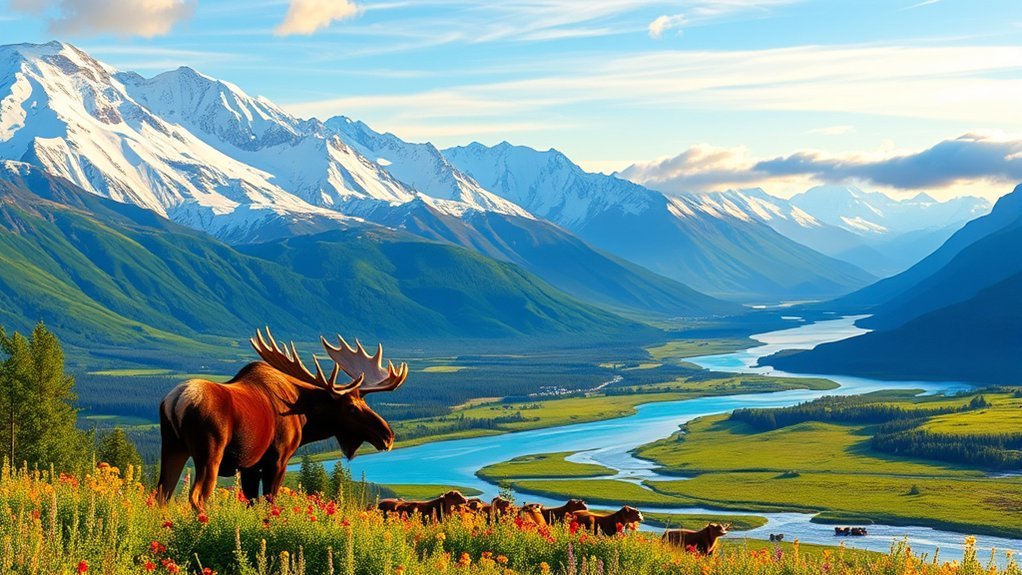
Alaska in July offers long daylight, open summer services, active wildlife, and some of the state’s best conditions for hiking, cruises, fishing, and road trips. It is also peak travel season, so popular lodging, rental cars, park buses, boat tours, and bear-viewing trips may sell out. Your experience will depend heavily on which region you visit.
Quick Answer
July is one of the warmest and busiest months to visit Alaska. Expect roughly 17 to 24 hours of daylight, depending on latitude, with cool coastal weather and warmer Interior afternoons. It is an excellent month for national parks, wildlife cruises, salmon-season bear viewing, hiking, fishing, and community festivals.
Key Takeaways
- July weather varies widely: Anchorage averages about 52–66°F, Juneau about 52–63°F, and Fairbanks commonly has warmer afternoons.
- Daylight ranges from about 17 hours in Southeast Alaska to midnight sun in far-northern communities.
- July is peak season, so reserve lodging, rental cars, park buses, cruises, and limited-entry tours as early as practical.
- Wildlife is active, but sightings depend on location, food sources, tides, weather, and local salmon runs.
- Pack waterproof layers and prepare for mosquitoes, cold water, wildfire smoke, and limited mobile coverage.
Alaska Weather and Daylight in July
July is generally Alaska’s warmest month, but the state is too large for one temperature or daylight estimate to describe every destination. The official Travel Alaska weather guide lists average July temperatures of about 52–66°F in Anchorage and 52–63°F in Juneau, while Fairbanks has average highs near 75°F.
| Region and Example | Typical July Conditions | Daylight Pattern |
|---|---|---|
| Southeast: Juneau or Ketchikan | Cool, humid, and often rainy; Juneau averages roughly 52–63°F. | Around 17 hours near the middle of July, decreasing through the month. |
| Southcentral: Anchorage or Seward | Generally mild; Anchorage averages roughly 52–66°F. Seward may feel cooler near the water. | About 18 hours around midmonth. |
| Interior: Fairbanks or Denali | Warmer and drier than many coastal areas, with Fairbanks average highs near 75°F. Hotter days are possible. | Roughly 19 to 20 hours around midmonth. |
| Arctic: Utqiagvik | Much cooler, frequently windy, and sometimes foggy. | The midnight sun remains above the horizon throughout July. |
Rain is possible in every region, and Southeast Alaska can receive prolonged wet weather. Conditions may change within hours, especially near mountains, glaciers, and coastal waters. Check local forecasts shortly before each activity instead of relying only on monthly averages.
July does not bring one universal Alaska forecast: coastal, Interior, and Arctic destinations can have very different temperatures, rainfall, and daylight on the same day.
Note: Long daylight can disrupt sleep. Pack an eye mask, and confirm that your lodging has blackout curtains if you are sensitive to light.
What to Pack for Alaska in July
Pack for cool rain, warm afternoons, wind, insects, and changing trail conditions rather than dressing for one forecast.
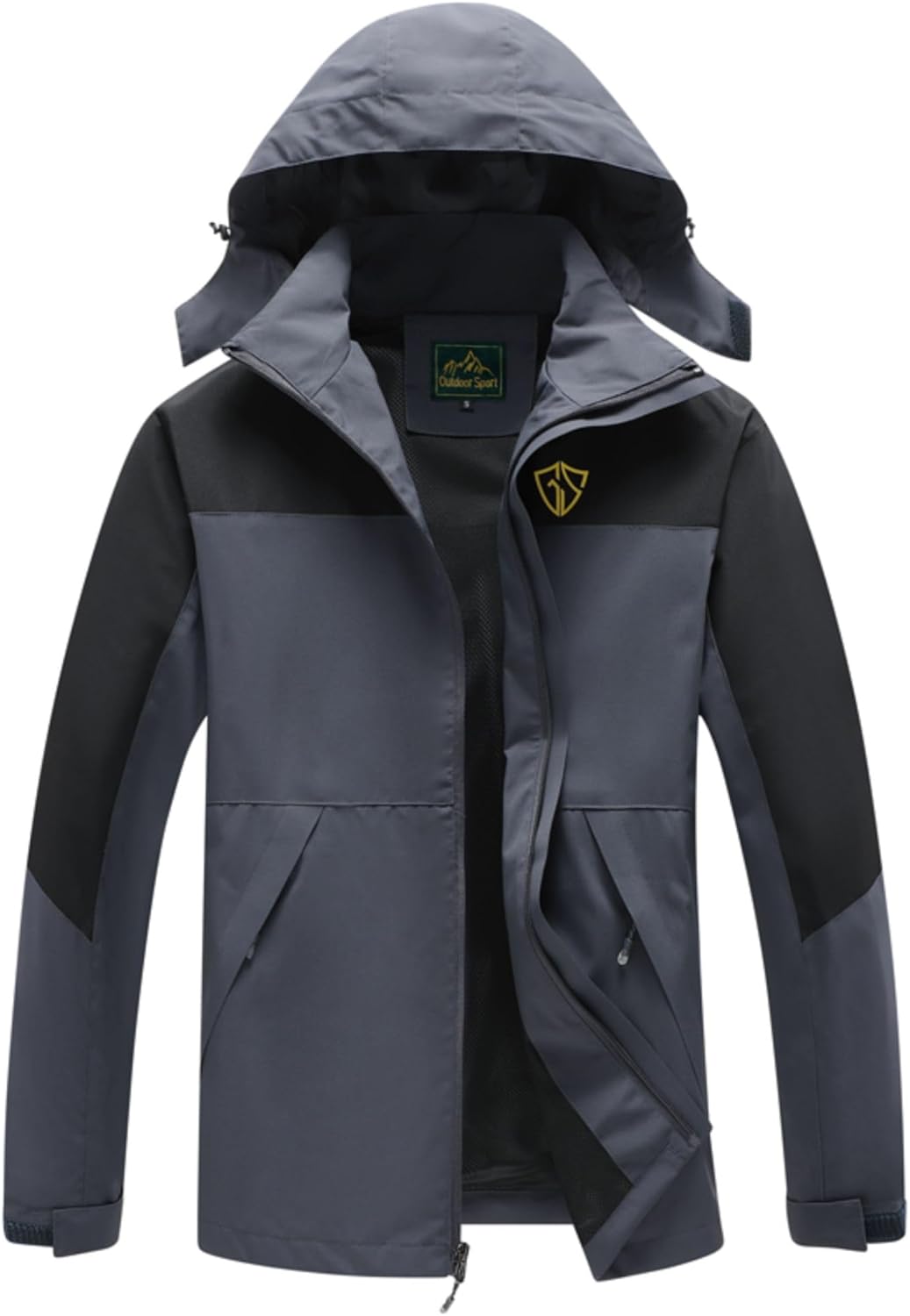
- Waterproof outer layer: Bring a rain jacket with a hood. Rain-resistant pants are useful for boat tours and long hikes.
- Warm layers: Pack a fleece or light insulated jacket, quick-drying shirts, and long pants.
- Walking footwear: Choose broken-in hiking shoes or boots with reliable traction. Waterproof footwear helps on muddy trails.
- Sun protection: Bring sunscreen, sunglasses, and a brimmed hat. Long daylight increases your potential sun exposure.
- Insect protection: Carry effective repellent and consider a head net for wet or wooded areas.
- Small cold-weather items: A warm hat and light gloves can make glacier cruises and early-morning outings more comfortable.
- Day-trip supplies: Carry water, snacks, a paper or downloaded offline map, a compact first-aid kit, and a charged power bank.
- Sleep aid: Use an eye mask for bright evenings and early sunrises.
Pro Tip: If you need bear spray, buy or rent it after arriving and review airline rules before your return flight. Bear-spray canisters are commonly too large for airline baggage allowances.
Wildlife Encounters in July
July can be rewarding for wildlife viewing because seabirds are nesting, marine mammals feed in coastal waters, and salmon begin returning to some rivers. Timing differs by species and location, however. The Alaska Department of Fish and Game notes that salmon spawning can concentrate bears near streams from July into autumn, while July is especially useful for visiting seabird colonies.
Wild animals move freely, so no tour, park, or roadside stop can guarantee a sighting. Use binoculars or a zoom lens instead of approaching for a closer photograph.
Best Wildlife-Viewing Locations
- Denali National Park: Park buses provide opportunities to look for grizzly bears, moose, caribou, Dall sheep, and occasionally wolves. Sightings remain unpredictable.
- Katmai National Park: Brooks River is famous for brown bears feeding on sockeye salmon, especially when the run is active. Transport and lodging require substantial advance planning.
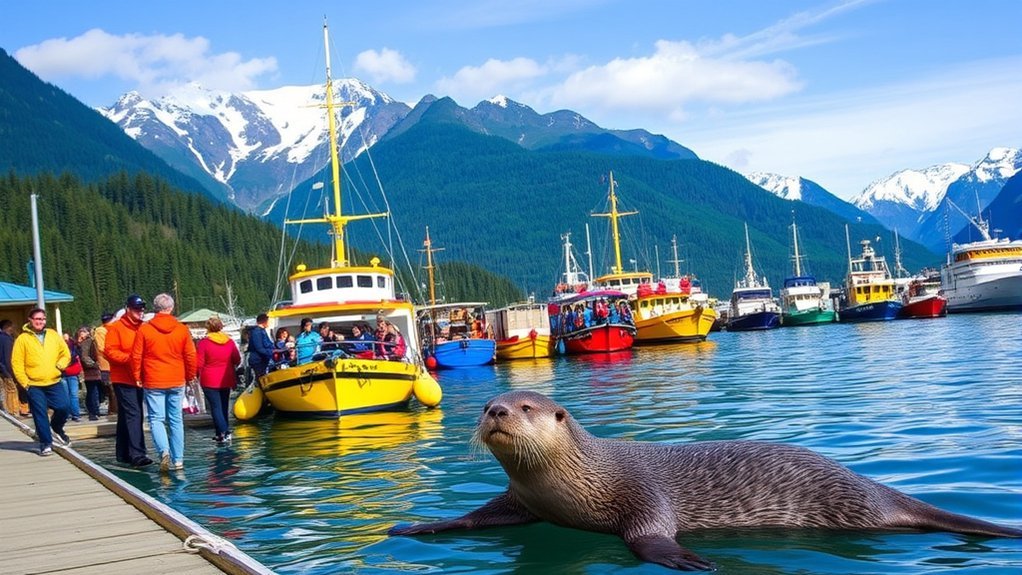
- Kenai Fjords National Park: Summer boat trips from Seward may encounter humpback whales, orcas, sea otters, Steller sea lions, seals, puffins, and other seabirds.
- Turnagain Arm: Pullouts and viewpoints occasionally provide beluga whale sightings when tides and feeding conditions align.
- Alaska Wildlife Conservation Center: This managed facility near Portage offers reliable opportunities to observe native animals that cannot be released into the wild.
Seasonal Animal Behavior
| Animal | What You May Observe | Important Context |
|---|---|---|
| Brown or grizzly bear | Fishing or foraging near salmon streams | Activity depends on the local salmon run. Never crowd a bear or block its route. |
| Moose | Browsing on shrubs or aquatic vegetation | Cows may be protective of calves. Give them a wide escape route. |
| Bald eagle | Hunting, feeding, or caring for young | Use established viewpoints and avoid disturbing nests. |
| Puffin | Nesting and carrying fish near coastal colonies | Many colonies are best viewed from authorized boat tours. |
| Sea otter | Floating, rafting, grooming, or foraging | Observe quietly and keep the operator’s required distance. |
Warning: Never feed, follow, surround, or approach wildlife. Make noise in brush, keep food controlled, carry accessible bear spray where permitted, and follow the distance rules posted by the park or tour operator. Leave immediately if your presence changes an animal’s behavior.
Best July Activities and Adventures
Hiking
Lower-elevation trails are commonly snow-free by July, though snow, mud, flooded crossings, and lingering ice may remain at higher elevations. Good bases include Anchorage, Denali, Seward, Girdwood, Juneau, and the Kenai Peninsula. Check trail conditions and turn back if rivers, weather, or visibility become unsafe.
Glacier and Wildlife Cruises
Boat tours from Seward, Whittier, Valdez, Juneau, and other coastal towns provide access to glaciers and marine wildlife. Dress more warmly than the land forecast suggests because wind over cold water can make viewing decks feel much colder.
Kayaking
Guided kayaking can be an excellent way to explore protected coastal areas. The fjords around Kenai Fjords National Park, however, are exposed to cold water, strong tides, surf, rapid weather changes, and glacier-calving waves. The National Park Service’s kayak-safety guidance recommends guided trips for inexperienced paddlers and proper cold-water equipment for independent travel.
Warning: Do not paddle close to tidewater glaciers. Falling ice can create powerful waves, and water cold enough to cause rapid incapacitation remains dangerous even on a sunny July day.
Fishing
Depending on the river and species, July may offer salmon, trout, halibut, or other fishing opportunities. Run timing and regulations vary by location. Buy the correct license and check current emergency orders through the Alaska Department of Fish and Game before fishing.
Cycling and Camping
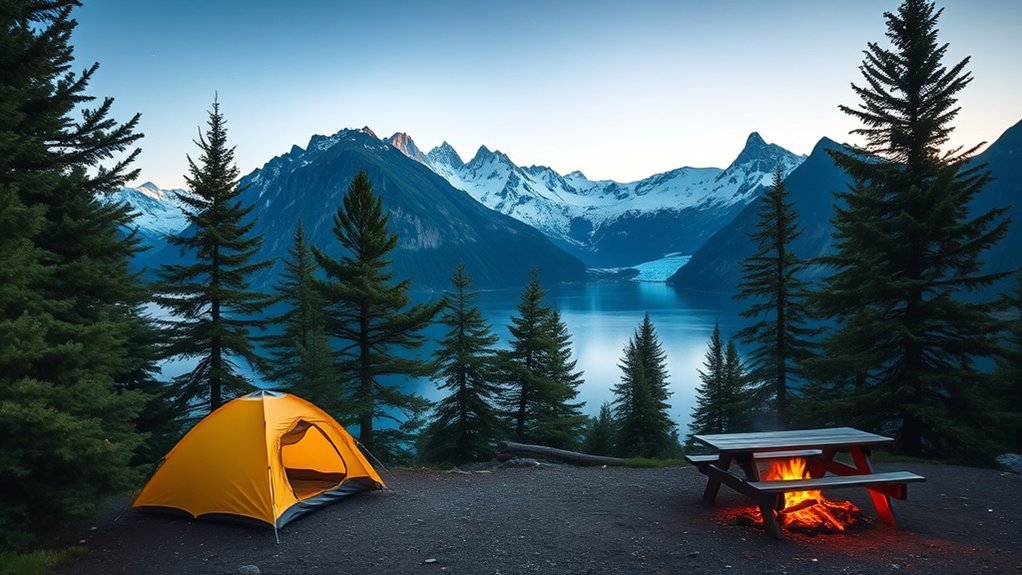
Mountain biking, paved-trail cycling, and camping are widely available, but facilities range from developed campgrounds to remote backcountry sites. Reserve popular campgrounds early. Store food according to local bear rules, and do not assume every campground has potable water or mobile service.
Can You See the Northern Lights in July?
July is generally a poor month for northern-lights viewing because the sky does not become dark enough in most of Alaska. Plan an aurora-focused trip for a darker season, usually from late August through April, rather than making it a goal for July.
National Parks to Explore
Alaska’s parks differ sharply in access. Some have roads and visitor services, while others require boats, air taxis, wilderness navigation, or several days of travel.
- Denali National Park and Preserve: Private vehicles may normally use only the first 15 miles of Denali Park Road during summer. Most visitors explore farther by bus. As of 2026, traffic remains affected by the Pretty Rocks landslide, so review the current NPS Denali access notice before reserving a bus.
- Kenai Fjords National Park: Visit Exit Glacier by road or explore the park’s glacier-cut coast on a summer boat tour from Seward. Full-day tours generally reach farther into the park than shorter Resurrection Bay trips.
- Wrangell–St. Elias National Park and Preserve: Nabesna Road and McCarthy Road provide limited road access, but both travel through remote country. Gravel conditions, tire damage, and long distances between services require preparation.
- Gates of the Arctic National Park and Preserve: This park has no roads or maintained trails. Most visitors use an air taxi and need strong navigation, river-crossing, camping, and emergency-planning skills. Review the official Gates of the Arctic guidance before treating it as a casual hiking destination.
- Katmai National Park and Preserve: Katmai is normally reached by plane or boat. Brooks Camp is the best-known bear-viewing area, but transportation, camping, lodging, and ranger-managed viewing access require careful advance planning.
Note: Alaska is larger than many visitors expect. A road-accessible park and a fly-in wilderness park should not be treated as interchangeable day trips.
Sample Seven-Day Alaska Itinerary
This route works for a first trip focused on Southcentral Alaska and Denali. It avoids trying to cover distant regions in one week.
- Day 1 — Anchorage: Arrive, collect your rental car, buy supplies, and explore a city trail or museum.
- Day 2 — Anchorage to Seward: Drive the Seward Highway, allowing time for Turnagain Arm viewpoints and safe roadside stops.
- Day 3 — Kenai Fjords: Take a reserved wildlife and glacier cruise, or choose a guided activity suited to the marine forecast.
- Day 4 — Seward: Visit the Exit Glacier area, hike an appropriate trail, or add a second marine activity.
- Day 5 — Travel toward Denali: Allow most of the day for the drive. An overnight stop near Talkeetna can make the route less tiring.
- Day 6 — Denali: Use a reserved park bus or explore trails and ranger programs near the park entrance.
- Day 7 — Return: Travel to Anchorage or Fairbanks, depending on your flight plan.
If you have only five days, choose either Seward and the Kenai Peninsula or Denali rather than rushing through both. With 10 to 14 days, you can add Homer, Valdez, Wrangell–St. Elias, or a carefully planned fly-in park.
Local Festivals and Events
July brings fairs, arts programs, markets, Independence Day celebrations, and community events. Dates and venues can change each year, so confirm the current schedule before building flights or lodging around an event.
Summer Music and Arts Events
- Fairbanks Summer Arts Festival: This multidisciplinary festival includes music, dance, visual arts, workshops, and performances. The 2026 festival ran from July 19 through August 2. Check the official festival calendar for future dates.
- Girdwood Forest Fair: Held during the first weekend of July, this community fair features Alaska artists, handmade goods, food, entertainment, and live music. Confirm dates and access information on the official Forest Fair website.
- Anchorage summer markets: Several farmers’ and makers’ markets operate during July. These are shopping and community events rather than dedicated music festivals, although some include live performers.
The Kachemak Bay Shorebird Festival should not be placed on a July itinerary. The 2026 festival occurred May 6–10 in Homer and focused on spring migration, birding, and wildlife education.
Cultural Celebrations and Fairs
Community museums, cultural centers, markets, and public events can introduce visitors to Alaska Native art, history, dance, food, and storytelling. Alaska Native peoples are not one culture, so use each Nation’s or community’s preferred name and follow local visitor guidance.
Some cultural activities are public celebrations, while others are community or ceremonial events that are not tourist attractions. Ask before photographing people, performances, artwork, or subsistence activities. Buy art from the artist or a trusted seller, listen respectfully, and do not handle cultural objects without permission.
Getting Around Alaska
- Rental car: Best for road-accessible destinations such as Anchorage, the Kenai Peninsula, Talkeetna, Denali, Fairbanks, and parts of Wrangell–St. Elias. Reserve early for July.
- Alaska Railroad: A useful scenic option between Seward, Anchorage, Talkeetna, Denali, and Fairbanks. It reduces driving but follows a fixed schedule.
- Ferry: The Alaska Marine Highway and local ferries connect selected coastal communities. Routes do not operate like a frequent urban transit system, so match the sailing schedule to your trip.
- Cruise or small-ship tour: Practical for Southeast ports and marine scenery, but port time may be limited.
- Commercial or air-taxi flight: Required for many communities and remote parks. Weather can delay or cancel flights, so avoid tight same-day connections.
Pro Tip: Choose one main region and map every transfer before booking. Two destinations that look close on a map may have no connecting road.
Essential July Travel Tips
- Reserve peak-season services early: Popular lodging, rental cars, Denali buses, glacier cruises, and fly-in bear tours may sell out months ahead.
- Leave schedule flexibility: Weather can disrupt boat tours, air taxis, ferries, and scenic flights.
- Check current conditions: Review park alerts, marine forecasts, road reports, wildfire information, and air quality before traveling.
- Download offline maps: Mobile coverage may disappear outside towns and along remote highways.
- Refuel early: Do not pass a rural fuel stop assuming another will appear soon.
- Protect wildlife: Secure food and trash, use designated viewing areas, and obey temporary closures.
- Carry water and food: Services may close early or be separated by long distances.
- Avoid overplanning: Long daylight gives you flexibility, but it does not shorten driving distances or reduce fatigue.
Warning: Wildfire smoke can affect parts of Alaska during summer. If you have asthma, heart disease, or another condition affected by smoke, monitor local air quality and carry your prescribed medication. Change outdoor plans when officials advise limiting exposure.
Frequently Asked Questions
What should I pack for a trip to Alaska in July?
Pack a waterproof jacket, warm midlayer, quick-drying clothing, sturdy walking shoes, sunscreen, sunglasses, insect repellent, a reusable water bottle, and an eye mask. Add light gloves and a warm hat for glacier cruises or exposed coastal trips.
Are there specific health precautions for visiting Alaska?
Use sunscreen and insect repellent, stay hydrated, and avoid drinking untreated surface water. Prepare for smoke if you have a respiratory condition. On remote outings, carry necessary medication and know that professional medical help may be hours away.
How long is the daylight in Alaska during July?
It depends on location and date. Southeast Alaska receives roughly 17 hours around mid-July, Anchorage about 18 hours, and Fairbanks roughly 19 to 20 hours. Far-northern communities such as Utqiagvik experience midnight sun throughout July.
What transportation is best for getting around Alaska?
A rental car works best for flexible road trips, while the Alaska Railroad connects several major visitor destinations. Ferries, cruise ships, commercial flights, and air taxis are necessary for many coastal or remote areas. The best choice depends on your region rather than the state as a whole.
What cultural etiquette should visitors follow in Alaska?
Refer to Alaska Native communities by their preferred names, follow local rules, and ask before photographing people or cultural activities. Do not assume ceremonies are open to visitors. Support artists directly and listen respectfully when community members share their history or traditions.
Is Alaska crowded in July?
July is part of Alaska’s peak visitor season. Popular cruise ports, Denali, Seward, Homer, and well-known tours can be busy. Reserving major trip components early and visiting popular sites in the morning can reduce problems, but remote areas require more planning rather than simply fewer reservations.
Can you see the northern lights in Alaska in July?
Usually not. July skies remain too bright for dependable aurora viewing in most of Alaska. Visit during a darker period, generally from late August through April, if seeing the northern lights is one of your main goals.
Conclusion
Alaska in July combines long daylight with summer park access, active wildlife, marine trips, hiking, fishing, and community events. The best trip is not the one that covers the most ground; it is the one that matches your time to a realistic region. Reserve peak-season services early, pack waterproof layers, respect wildlife and local communities, and keep enough flexibility for Alaska’s changing conditions.
Sources
- Travel Alaska: Alaska Weather by Month — regional July temperatures and seasonal conditions.
- Alaska Department of Fish and Game: When to Go Wildlife Viewing — seasonal wildlife and salmon-stream behavior.
- National Park Service: Exploring Denali — park-road restrictions, buses, reservations, and current access limits.
- National Park Service: Kenai Fjords Kayak and Boat Safety — cold-water, tide, weather, and glacier hazards.
- National Park Service: Gates of the Arctic — roadless and trailless wilderness access.
- Girdwood Forest Fair and Fairbanks Summer Arts Festival — official event descriptions and schedules.