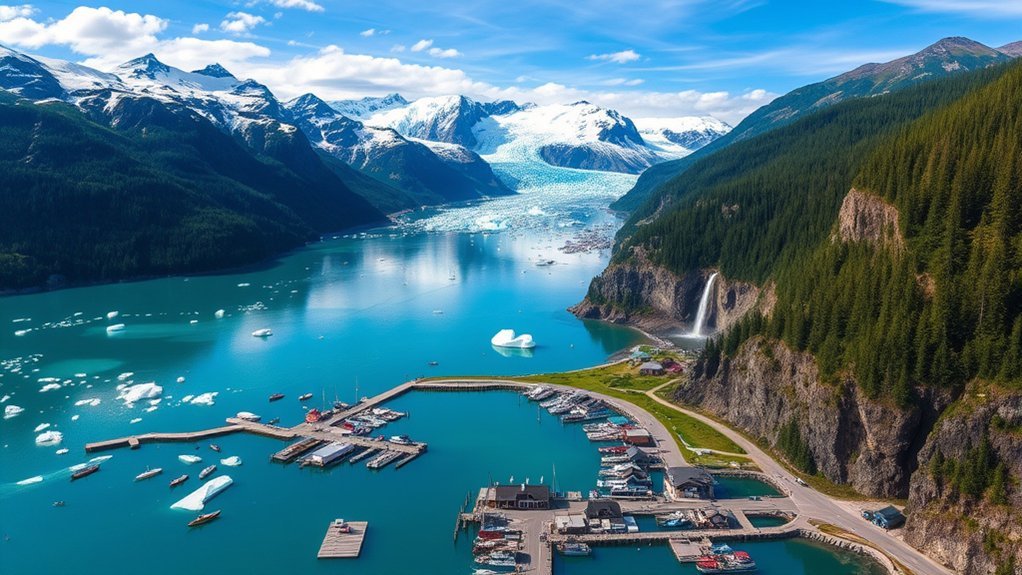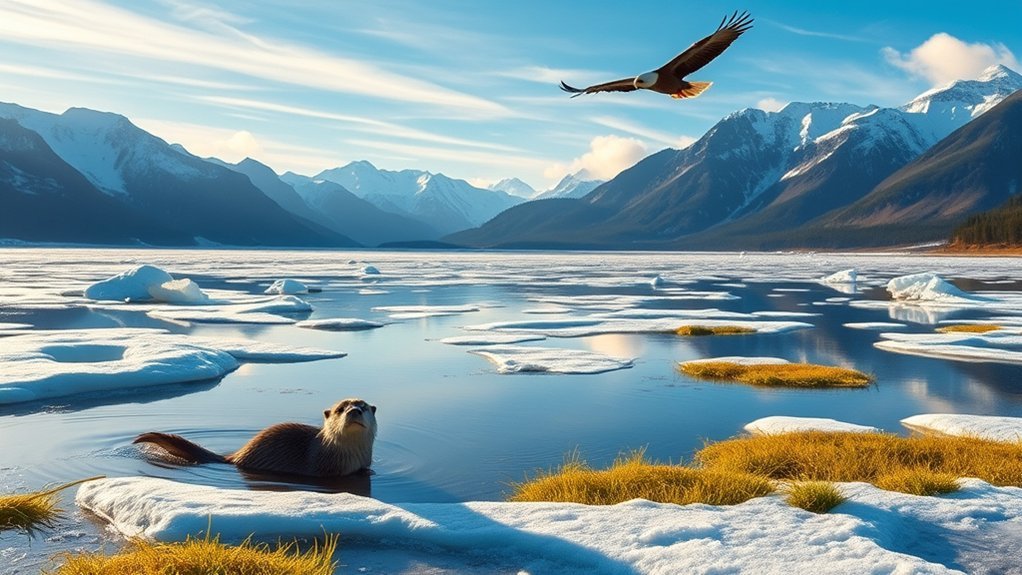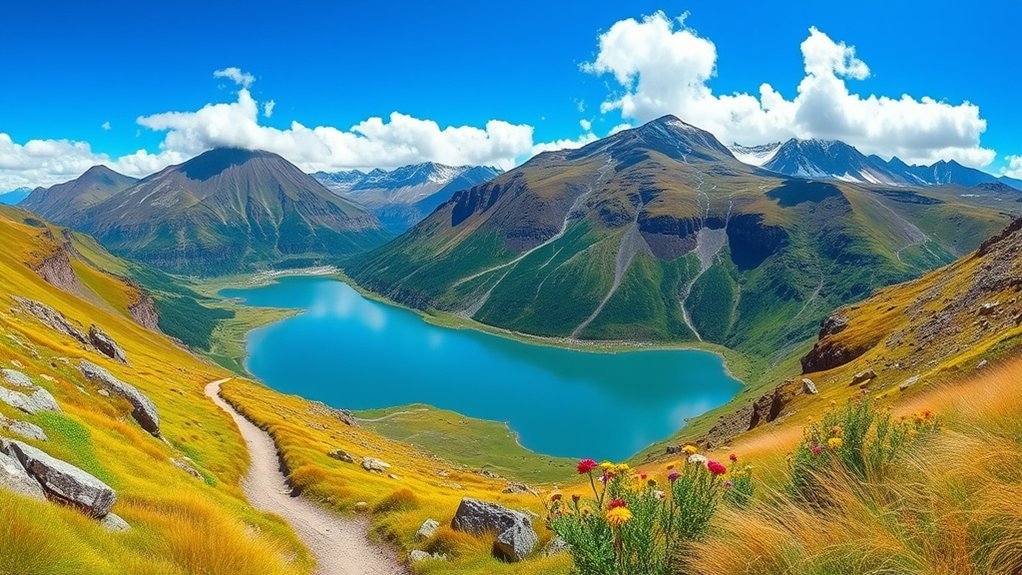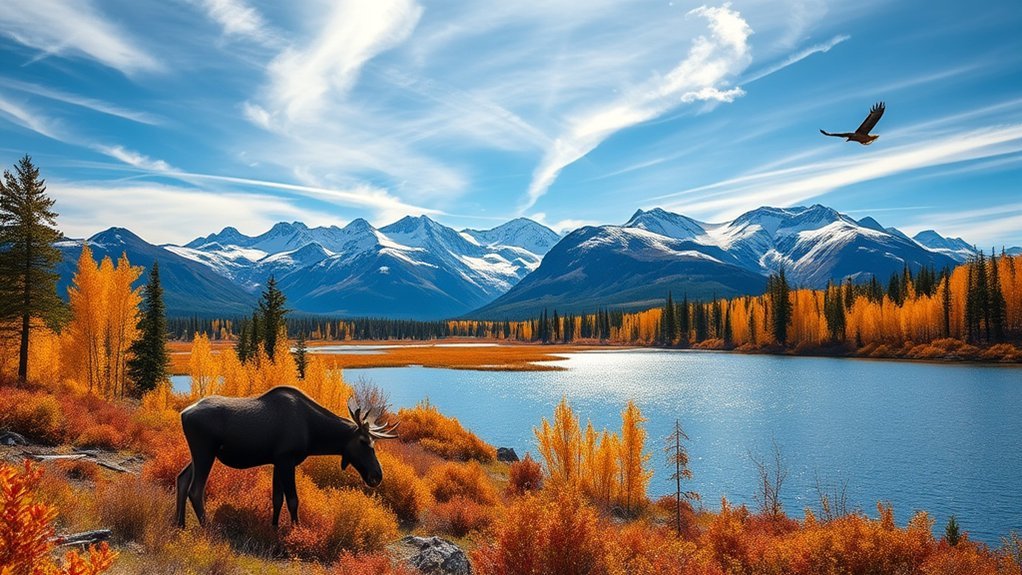
Alaska in September brings cool weather, autumn color, darker nights, and fewer summer crowds. It can be a rewarding time to visit, but the season changes quickly. Tours and visitor services begin closing, daylight drops sharply, and rain or early snow may affect your plans. Your experience will also differ greatly between Anchorage, Fairbanks, Denali, Southeast Alaska, and the Arctic.
Quick Answer
September is a rewarding but weather-dependent time to visit Alaska. Expect cool, wet conditions, quickly shrinking daylight, fall color, fewer visitors, and possible Northern Lights. Visit early in the month for more tours and park services. Pack waterproof layers, allow schedule flexibility, and confirm every seasonal road, boat, and lodging service.
Key Takeaways
- Typical September temperatures range from the mid-30s to mid-50s in Fairbanks and from the low or mid-40s to mid-50s in Anchorage and Juneau.
- Major destinations begin September with roughly 14 to 14.5 hours of daylight, but that falls to about 11.5 to 12 hours by month’s end.
- Early September offers more park services, cruises, tours, restaurants, and lodging choices than late September.
- Fall color is often strongest in the Interior, Denali, and Southcentral Alaska, although timing changes with elevation and weather.
- Aurora viewing is possible on dark, clear nights, especially around Fairbanks, but cloud cover and solar activity determine visibility.
- Waterproof clothing, warm layers, sturdy footwear, and flexible reservations are essential.
Alaska Weather in September
September is a transition from summer to fall, and conditions vary widely across Alaska. Interior locations can have sunny afternoons followed by freezing nights. Southcentral Alaska is often cool and damp, while Southeast Alaska generally receives more rain. Arctic destinations are colder and may experience winter-like conditions earlier.
The following figures are representative monthly low-to-high ranges published by Travel Alaska. They are planning averages, not forecasts.
| Destination and region | Typical September range | What to expect |
|---|---|---|
| Anchorage and Southcentral | About 41°F–55°F | Cool days, rain, wind, and possible frost later in the month |
| Fairbanks and the Interior | About 36°F–55°F | Large day-to-night changes, frost, and a rising chance of snow |
| Juneau and Southeast | About 44°F–55°F | Frequent rain, clouds, wet trails, and coastal wind |
| Arctic and high elevations | Colder and highly variable | Freezing conditions and snow may arrive earlier |
Warning: Do not assume September rain will be brief. Southeast Alaska can have sustained rain, and cold wind can make wet clothing dangerous. Carry a waterproof shell and insulating layer even when the morning forecast looks mild.
How Much Daylight Does Alaska Get in September?
Daylight declines quickly during September. Anchorage and Juneau begin the month with about 14 hours between sunrise and sunset, while Fairbanks has roughly 14.5 hours. By September 30, these destinations have only about 11.5 to 12 hours.
The shorter days create darker skies for aurora viewing, but they also leave less time for long drives and outdoor activities. Check destination-specific sunrise and sunset times when building your itinerary.
September loses roughly two and a half to three hours of daylight in many popular Alaska destinations, so an itinerary that works early in the month may feel rushed by late September.
Early September vs. Late September
| Travel factor | Early September | Late September |
|---|---|---|
| Weather | Usually milder, although rain and frost remain possible | Colder nights and a greater chance of snow or icy roads |
| Services | More cruises, buses, tours, restaurants, and visitor centers operating | Many summer services have ended or run less often |
| Fall color | Often strong in Denali and the Interior | May continue in lower or more southern areas, but wind can strip leaves |
| Aurora | Darkness has returned, particularly in the Interior | Longer nights provide more viewing time |
| Crowds | Lower than midsummer but still active around Labor Day | Generally quieter, with fewer available services |
Wildlife Encounters to Look For
Wildlife remains active in September, but no sighting is guaranteed. Use binoculars or a telephoto lens instead of approaching animals. Food availability, migration, weather, and local habitat all affect where animals appear.
| Wildlife | Possible viewing areas | September notes |
|---|---|---|
| Bald eagles | Coasts, river mouths, and salmon streams | Common in parts of Southeast and Southcentral Alaska |
| Moose | Wetlands, forest edges, Anchorage, and the Interior | Breeding season begins in fall; bulls can be unpredictable |
| Brown and black bears | Berry areas, salmon streams, coastal habitats, and park wilderness | Bears continue feeding before winter; give them ample space |
| Humpback whales | Southeast Alaska and some Southcentral coastal waters | Some remain in feeding areas, but tour schedules and sightings decline as the season changes |
| Caribou and Dall sheep | Denali and suitable Interior or mountain habitat | Binoculars are useful because animals may be far from roads and trails |
| Migrating birds | Wetlands, coastal flats, estuaries, and refuges | Timing varies by species and region |
Warning: Never run from a bear, block its escape route, or move between a mother and her young. The National Park Service bear-safety guide recommends staying calm, moving away slowly, protecting food, and learning how to carry and use approved bear spray.
Moose also require caution. If a moose pins back its ears, raises the hair on its neck, licks its lips, or walks toward you, increase your distance and place a solid object such as a vehicle or large tree between you and the animal.
Outdoor Activities and Adventures
Hiking and Fall Photography
Denali, the Richardson and Parks highway corridors, Hatcher Pass, and parts of the Interior and Southcentral Alaska can produce vivid yellow birch and aspen leaves, red tundra, and snow-dusted mountain views. Peak color may last only a short time because wind, frost, and elevation affect the timing.
Check trail conditions before leaving. Wet roots, mud, early ice, river crossings, and fast-changing visibility can turn a simple hike into a difficult outing. Tell someone where you are going and when you expect to return.
Kayaking, Glacier Cruises, and Coastal Tours
Kayaking and wildlife cruises may still operate from Seward, Whittier, Valdez, and Southeast Alaska in September. However, schedules become limited as the month progresses. Coastal wind and rough water can also cause delays or cancellations.
Use an experienced local guide if you lack cold-water paddling skills. Alaska’s coastal water remains cold enough to create a serious immersion risk even when the air feels comfortable.
September Fishing
September can offer coho salmon, rainbow trout, Arctic grayling, Dolly Varden, and other opportunities, depending on the drainage and region. Run strength, open seasons, bag limits, tackle rules, and species availability vary considerably.
Buy the correct license and review the Alaska Department of Fish and Game sport-fishing regulations. Emergency orders override the printed regulations, so check for updates immediately before fishing.
Pro Tip: Ask a local tackle shop or licensed guide about the current run rather than choosing a river from an old fishing report. Conditions can change quickly between nearby drainages.
Northern Lights
Darkness returns across Alaska in September, creating a chance to see the aurora. Fairbanks and other Interior locations generally offer more darkness and clearer skies than cloudy coastal areas, but no destination guarantees a display.
Look for a clear forecast, move away from city lights, and allow several nights rather than relying on one evening. Check the University of Alaska Fairbanks aurora forecast before heading out.
Exploring Alaska’s National Parks in September
Alaska’s national parks remain open, but “open” does not mean that summer transportation, visitor centers, campgrounds, food, or guided programs are operating. Conditions and services vary by park.
Denali National Park
Denali is one of the strongest September choices for tundra color, mountain scenery, moose, caribou, and Dall sheep. However, bus trips normally operate only until mid-September. In the 2026 season, the Denali Park Road remains closed beyond Mile 43 because of the Pretty Rocks landslide. Check current alerts before booking transportation.
Kenai Fjords National Park
Kenai Fjords offers glaciers, coastal scenery, and possible marine-wildlife sightings. The National Park Service reports reduced services during September, and visitor centers generally close around Labor Day unless otherwise announced. Review the park’s current operating hours and confirm boat tours directly with their operators.
Glacier Bay National Park
Glacier Bay’s main visitor season runs from late May through early September. The park remains open afterward, but transportation and visitor services are very limited. Check the Glacier Bay visitor information before planning a late-season visit.
Wrangell–St. Elias National Park
Wrangell–St. Elias provides enormous wilderness landscapes, glacier views, and historic sites. It is also remote, and some access roads are unpaved. Fuel, food, lodging, cellular service, and roadside assistance can be limited. Confirm road and business conditions before entering the park.
Note: A park can remain legally open after buses, visitor centers, campgrounds, and nearby businesses close. Always check the individual park’s alerts and operating calendar rather than relying on a general “open year-round” description.
Tips for Visiting Alaska in September
What to Pack
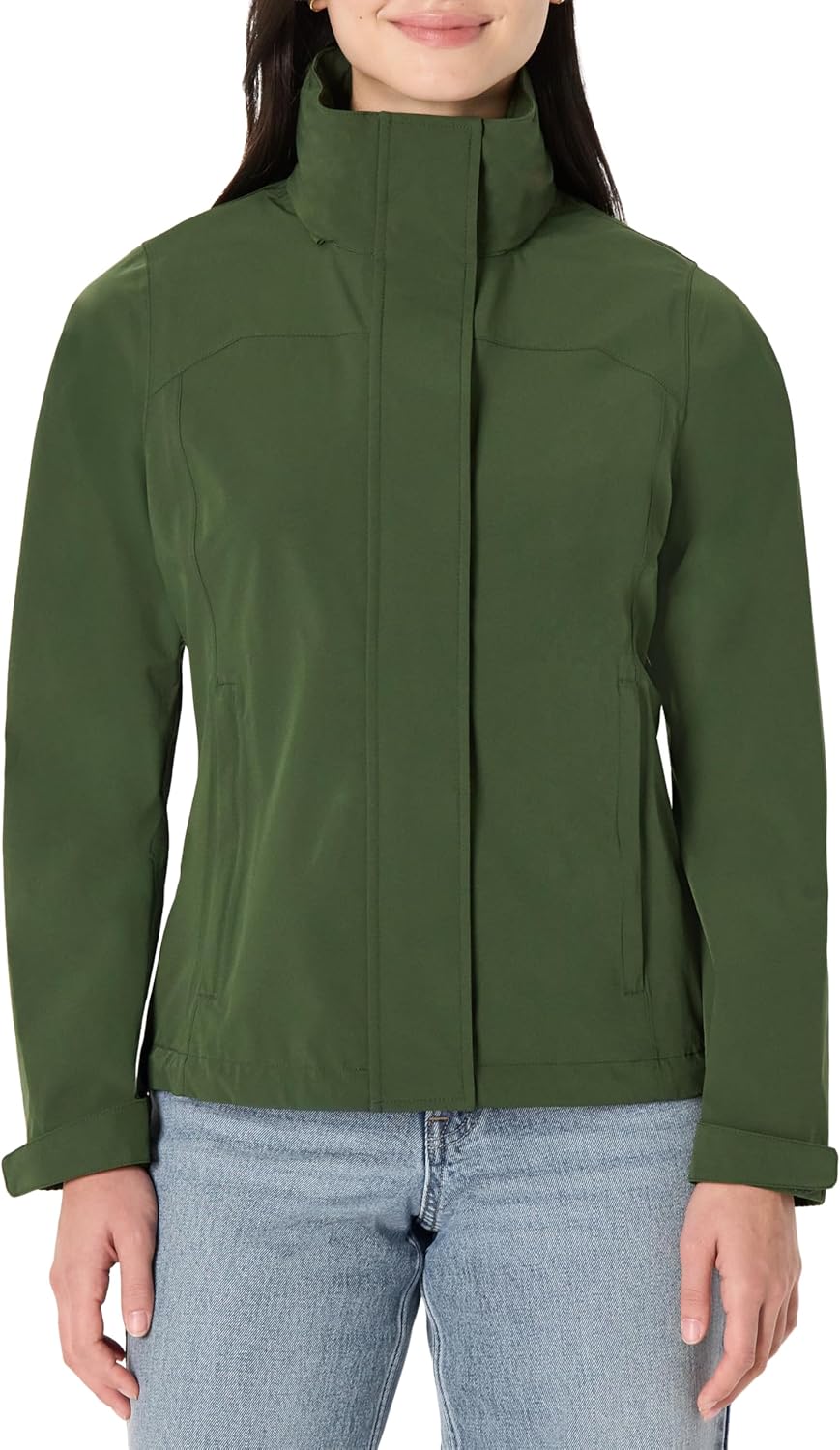
- Waterproof outer layer: Bring a hooded rain jacket and rain pants, especially for Southeast Alaska or boat trips.
- Warm midlayer: Pack fleece, wool, or a lightweight insulated jacket.
- Moisture-wicking base layers: Avoid relying on cotton for long outdoor days.
- Water-resistant footwear: Choose sturdy boots or shoes with reliable grip and room for warm socks.
- Warm accessories: Carry a hat, gloves, and neck covering.
- Daypack protection: Use a pack cover or dry bags for electronics and spare clothing.
- Headlamp: Darkness arrives much earlier than in midsummer.
- Binoculars and camera protection: Observe wildlife from a safe distance and protect equipment from rain.
- Basic emergency supplies: Carry water, food, a first-aid kit, and offline navigation on road trips and hikes.
Road and Transportation Planning
Check the Alaska 511 road-condition system before each long drive. Mountain passes and Interior highways can receive frost or snow while conditions remain mild in Anchorage. Some seasonal roads receive limited or no winter maintenance.
Do not build a tight itinerary around the final bus, cruise, or flight of the season. Weather and low demand can affect schedules. Download maps before leaving cities because cellular service may disappear between communities.
Crowds, Lodging, and Costs
September generally has fewer visitors than June, July, and August. Some hotels, rental cars, and tours may cost less, but lower demand also means fewer choices. A cheap late-season room is not helpful if the boat tour, restaurant, shuttle, or park bus you need has already closed.
Reserve essential transportation first, then arrange lodging around the confirmed schedule. Review cancellation terms because weather-related changes are possible.
Sample Seven-Day September Itinerary
- Day 1—Anchorage: Visit local museums, buy supplies, and check weather and road reports.
- Day 2—Mat-Su Valley: Explore Hatcher Pass or another lower-elevation alternative if conditions allow.
- Day 3—Travel to Denali: Stop for highway views and confirm the next day’s park transportation.
- Day 4—Denali: Take an operating bus trip or explore entrance-area trails.
- Day 5—Return to Anchorage: Allow extra driving time for weather and wildlife on the road.
- Day 6—Seward: Take a confirmed coastal cruise or explore the Seward area.
- Day 7—Kenai Fjords area: Visit Exit Glacier if the road and trail are open, then return to Anchorage.
If you travel after mid-September, replace Denali bus-dependent activities with Anchorage, Fairbanks, museums, local trails, hot springs, and flexible aurora-viewing nights.
Frequently Asked Questions
What are the packing essentials for Alaska in September?
Pack a waterproof jacket and pants, insulating layers, moisture-wicking base layers, warm socks, gloves, a hat, and water-resistant footwear. Add a headlamp, binoculars, dry bags, offline maps, and basic emergency supplies for outdoor trips.
Are there festivals or events in Alaska during September?
Yes, although schedules change annually. The official 2026 Alaska State Fair in Palmer runs from August 21 through September 7, with closures on specified Tuesdays and Wednesdays. Listings for the Anchorage Market and Festival may use an older name or schedule, so verify the current location and dates before visiting.
How does September compare with other months for visiting Alaska?
September offers fewer crowds, autumn color, darker skies, and possible lower prices. In exchange, you receive cooler and wetter weather, rapidly decreasing daylight, and fewer tours and park services than during June, July, or August.
What are the best Alaska photography locations in September?
Denali and the Interior are strong choices for tundra color and mountain landscapes. Hatcher Pass and Southcentral highway corridors can provide yellow foliage and alpine views. Kenai Fjords and Glacier Bay offer blue ice, coastal scenery, and wildlife when transportation is operating.
Is September a good time for fishing in Alaska?
It can be, depending on the region, drainage, and target species. Some areas offer coho salmon, trout, Dolly Varden, or Arctic grayling. Obtain the correct license and check regional rules, current fish counts, and emergency orders before fishing.
Can you see the Northern Lights in Alaska in September?
Yes, September has enough darkness for aurora viewing, especially in the Interior. You still need clear skies and sufficient auroral activity. Fairbanks is a popular base, but no tour or destination can guarantee a display.
Does it snow in Alaska in September?
Snow is possible, particularly in the Interior, Arctic Alaska, mountain passes, and higher elevations. Anchorage and Southeast Alaska may receive mostly rain at lower elevations, but conditions vary from year to year.
Do Alaska cruises and tours operate all September?
Some do, but the selection decreases throughout the month. Denali buses normally end in mid-September, and many coastal tours, visitor centers, lodges, and restaurants finish their summer season around Labor Day or later in September. Confirm exact operating dates before booking flights or hotels.
Sources
- Travel Alaska: Alaska Weather by Month — regional September temperatures and seasonal conditions
- National Park Service: Visiting Denali — park-road access and seasonal bus service
- National Park Service: Kenai Fjords Operating Hours and Seasons — September service reductions
- National Park Service: Staying Safe Around Bears — encounter prevention and bear-spray guidance
- Alaska Department of Fish and Game: Sport-Fishing Regulations — licenses, regional rules, and emergency orders
- Alaska Department of Transportation: Alaska 511 — current road conditions, closures, incidents, and weather information