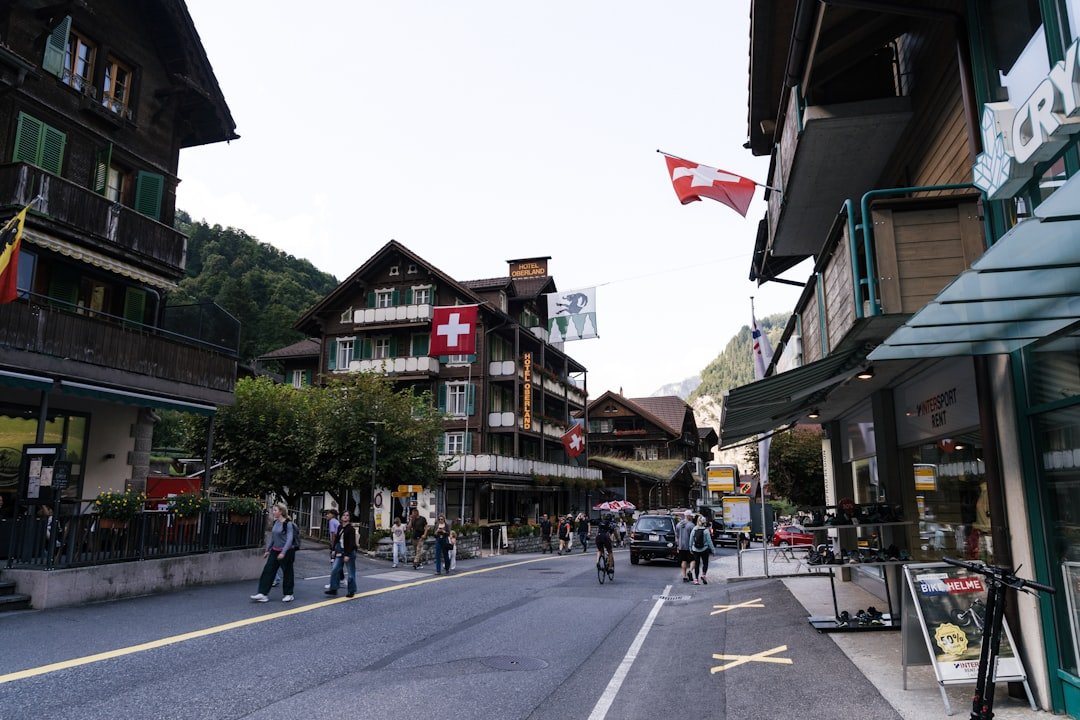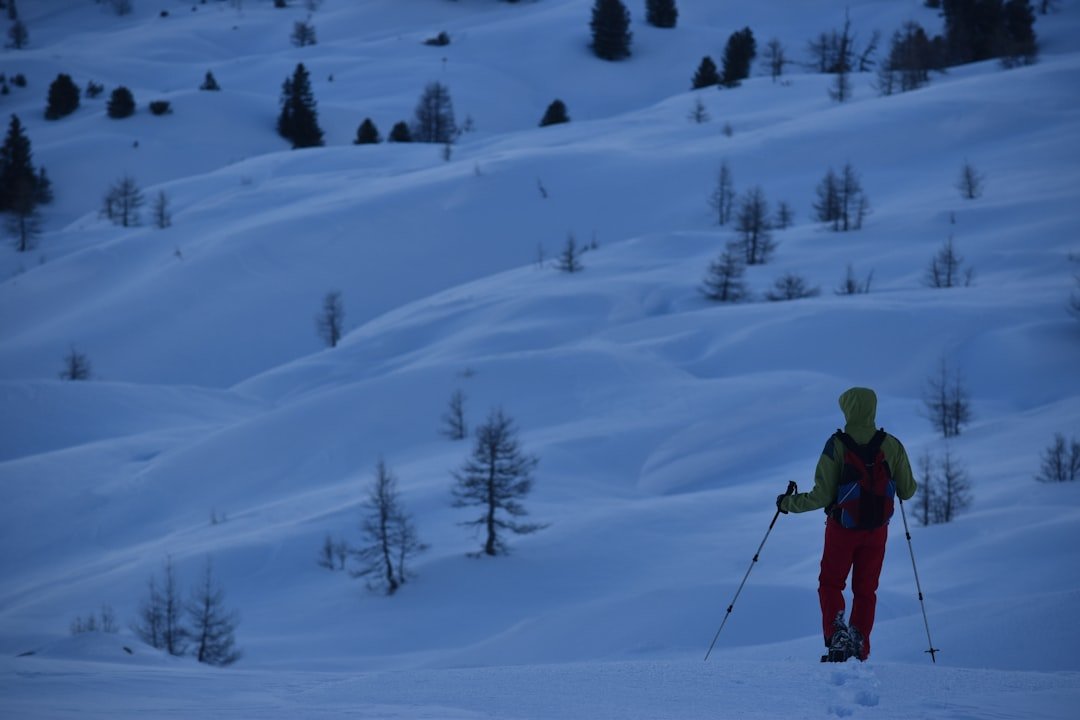
Andermatt Sedrun gives intermediate skiers a broad mix of forgiving blue pistes, confidence-building red runs, high-alpine scenery, and easy connections between Andermatt, the Oberalp Pass, and Sedrun. The key is choosing the right part of the mountain. The Andermatt-Oberalp Pass-Sedrun sector is generally a better place to build intermediate skills than the steeper, more demanding terrain around Gemsstock.
Quick Answer
For intermediate skiers, start in the Andermatt-Oberalp Pass-Sedrun sector, where blue and red pistes offer more forgiving terrain than steep Gemsstock. Warm up on blue Piste 1 from Nätschen, then progress to red Pistes 47 and 48 from Milez toward Dieni. Always check live piste status before setting out.
Key Takeaways
- Andermatt+Sedrun+Disentis currently advertises about 180 km of pistes and 33 lifts, with blue, red and black groomed terrain plus yellow freeride routes.
- The Andermatt-Oberalp Pass-Sedrun sector is usually the most useful part of the resort for recreational intermediates because it combines broad pistes with a mixture of blue and red terrain.
- Blue Piste 1 from Nätschen to Andermatt is a useful easier descent, while red Pistes 47 and 48 from Milez toward Dieni give stronger intermediates a verified red-run option.
- Gemsstock has mainly red and black terrain and a strong freeride focus, so average intermediates should choose runs there carefully.
- Off-piste skiing requires avalanche knowledge and equipment. Skiers without that experience should remain on secured pistes or use a qualified professional guide.
The official Andermatt+Sedrun+Disentis ski area currently advertises 180 km of pistes and 33 lifts, including 84 km of red pistes.
Understanding the Intermediate Ski Level
An intermediate skier has moved beyond basic stopping and wedge turns and can link controlled parallel or near-parallel turns on normal groomed terrain. You should be able to regulate your speed, stop deliberately, look uphill before starting, and adapt your line when a piste becomes busier, steeper, firmer, or more uneven.
In the local piste system, blue pistes are the easier option, red pistes represent intermediate difficulty, and black pistes are the most demanding groomed runs. The resort describes red pistes as having an intermediate degree of difficulty and black pistes as requiring stronger technical skills. You can see the resort’s current overview on the official Andermatt+Sedrun+Disentis skiing page.
That does not mean every skier who calls themselves intermediate should immediately spend the day on red pistes. An early intermediate may be happiest practicing on blue terrain, while a strong intermediate may ski most reds confidently. Snow texture, visibility, crowds, fatigue and ice can also make the same piste feel significantly harder from one hour to the next.
Pro Tip: Judge your level by control rather than speed. If you can make deliberate turns and stop confidently on a red piste without relying on a long empty runout, you are in a much better position to explore more of Andermatt Sedrun safely.
Top Intermediate Ski Runs in Andermatt Sedrun
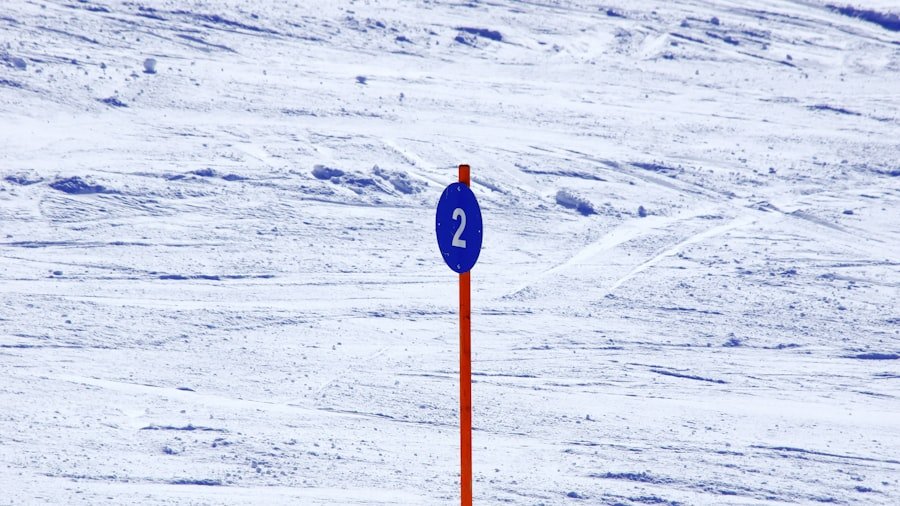
The most useful intermediate terrain is spread across the Andermatt-Oberalp Pass-Sedrun side of the destination. Instead of relying on informal names, use the numbered piste system shown on the resort’s current map and live dashboard.
| Piste / Area | Grade | Best For | What to Know |
| Nätschen-Andermatt, Piste 1 | Blue | Early and developing intermediates | Officially listed at 2.5 km with about 400 m of vertical drop. It is a useful confidence-building descent before moving to stronger red terrain. |
| Milez-Dieni, Pistes 47 and 48 | Red | Comfortable intermediates | The official valley run is about 2 km with roughly 400 m of vertical drop and provides a clear red-run target on the Sedrun side. |
| Andermatt-Oberalp Pass-Sedrun sector | Blue and red | Most recreational intermediates | The resort describes this area as having broad, sunny pistes ranging from relaxed skiing to more challenging terrain. |
| Piste 30, Schneehüenerstock-Oberalp Pass connection | Check current map and conditions | Confident skiers using the cross-area connection | This is an important connection piste. Avalanche-control infrastructure has been upgraded, but you should still verify its current opening status before relying on it. |
| Gemsstock | Mainly red and black | Strong intermediates and advanced skiers | Choose groomed red pistes carefully. Gemsstock is steeper and more demanding than the main intermediate sector. |
Nätschen and Piste 1
The original article referred to a general “Natschen slope.” A more useful way to plan is to use the official piste number. The resort lists the valley descent from Nätschen to Andermatt as Piste 1, a blue piste measuring 2.5 km with approximately 400 m of vertical drop.
For an intermediate skier, that makes it a sensible first run of the day. You can focus on carving, consistent turn shape and speed control without immediately committing to a red descent. Because blue pistes can still become hard, scraped or crowded, treat the color as a general grade rather than a guarantee of easy conditions.
Milez to Dieni on Pistes 47 and 48
The original article described a single “Dieni run.” Current resort information instead identifies a red valley descent from Milez toward Dieni using Pistes 47 and 48. The route is listed at approximately 2 km with 400 m of vertical drop.
This is a more appropriate target once you are comfortable making controlled turns on blue terrain. Red runs demand stronger speed management, particularly when the surface is firm or visibility becomes flat.
The Dieni side has also received recent infrastructure improvements. Snowmaking on the Dieni valley run was expanded for winter 2025/26, helping the resort improve piste availability when temperatures permit artificial snow production.
Oberalp Pass and Piste 30
The Oberalp Pass links the Andermatt and Sedrun sides and is one of the most useful parts of the mountain for intermediates who want to cover distance. The resort describes this sector as a mix of broad, sunny slopes and more demanding terrain.
Piste 30 between Schneehüenerstock and the Oberalp Pass is an important connection. Avalanche-control systems around the route were expanded and completed for the 2025/26 season. Because connections can close because of wind, avalanche work, visibility or other operating conditions, check the live resort information before planning your entire day around this piste.
Note: Lift and piste status can change during the day. Use the official live dashboard or the resort’s MountainAccess information before committing to a long traverse across the ski area.
What About Gemsstock?
Gemsstock is spectacular, but average intermediates should not treat it as the obvious next step after an easy blue run. The resort describes Gemsstock as having mainly red and black pistes for advanced snow-sports enthusiasts, together with steep freeride terrain.
A strong intermediate who is comfortable on sustained red pistes may enjoy selected groomed terrain there when conditions are favorable. However, the famous Bernhard Russi Run is a black piste approximately 6 km long with around 950 m of vertical difference, so it is not an appropriate recommendation for a typical intermediate skier.
The original draft also referred to a “Schwarze Grat” intermediate run. I could not verify that as a current official piste name in Andermatt Sedrun. Instead of looking for that name, follow the current numbered piste map and posted signs.
A One-Day Plan for an Intermediate Skier
If you are visiting for the first time, a progressive ski day is safer and more enjoyable than chasing the steepest terrain immediately.
- Start with an easy warm-up. Use a blue piste such as Piste 1 around Nätschen to assess snow texture, visibility and how your legs feel.
- Move onto red terrain gradually. Once your turns feel controlled, explore suitable red pistes in the Andermatt-Oberalp-Sedrun sector.
- Use the Oberalp connection only after checking status. Wind and operational changes can affect high connections.
- Try the Milez-Dieni red descent. Pistes 47 and 48 are a clearly documented intermediate option on the Sedrun side.
- Leave Gemsstock for later in the day or another day. Only move there if you are comfortable on sustained reds and current conditions are favorable.
- Finish before fatigue changes your technique. Many ski accidents happen when speed, tiredness and deteriorating control combine late in the day.
Tips for Intermediate Skiers in Andermatt Sedrun
| Tips for Intermediate Skiers in Andermatt Sedrun |
|---|
| 1. Take advantage of the wide range of intermediate slopes available in Andermatt Sedrun, but begin with terrain comfortably inside your ability level. |
| 2. Consider taking a lesson from a local instructor to improve technique and confidence, especially before moving from blue to sustained red terrain. |
| 3. Explore off-piste terrain only with the necessary avalanche knowledge and equipment. If you do not have that experience, use a qualified guide or remain on secured pistes. |
| 4. Check weather, visibility, avalanche information, lift status and snow conditions before choosing your route. |
| 5. Enjoy the Swiss Alpine scenery, but stop only where you are visible to skiers approaching from above and do not block the middle of a piste. |
Warm up before committing to demanding terrain. A few easy runs help you assess your balance, equipment and the day’s surface conditions. Set realistic goals instead of trying to progress from an easy blue to a difficult black piste in a single morning.
Lessons can also be valuable even if you have skied for years. The Swiss Snowsports School Andermatt offers instruction from locally based teachers who know the pistes and can help with carving, turn shape, steeper terrain and adapting to changing snow.
For winter 2025/26, the resort replaced the older Val Val chairlifts with modern six-seat lifts, expanded snowmaking toward Dieni and carried out additional piste and avalanche-control work. Further Gemsstock snowmaking investment has also been announced for winter 2026/27. These changes are another reason to use current resort information rather than relying on an old static piste description.
Snow Conditions and the Best Time to Ski
Andermatt is a high-alpine destination with a reputation for strong winter snow, and the resort generally operates its ski season from roughly mid-November into April, with some Gemsstock skiing sometimes extending later when conditions allow. However, no altitude can guarantee fresh powder every day.
Wind, new snowfall, temperature, sun exposure, artificial snow, grooming and overnight refreezing can completely change a piste. A red run that feels smooth in the morning can become scraped, bumped or icy later in the afternoon.
Before leaving your accommodation, check the official live dashboard for open lifts, open pistes, snow information and weather. Check again before making a long cross-resort move because high lifts can close during strong wind or poor visibility.
Après-Ski Activities for Intermediate Skiers
After skiing, you have several ways to slow down without relying on another demanding mountain activity. Mountain restaurants and village venues offer food and drinks, while Sedrun and Andermatt have winter activities that work well on a rest afternoon or after an early finish.
The original article recommended “Café 125,” but I could not confirm it in the resort’s current official listings, so it should not be treated as a verified current recommendation. Check the resort’s current dining directory when planning your visit.
For relaxation, Bogn Sedrun has a renovated pool and wellness area with saunas and relaxation facilities. It can be a useful alternative when your legs need a break from skiing.
Andermatt also operates a maintained winter ice rink rather than relying on natural frozen lakes. Ice-skate and helmet rental is available when the rink is operating. Sledging is another established winter activity, including the Nätschen-Andermatt route. Always check seasonal opening information before travelling specifically for an activity.
Equipment and Gear for Intermediate Skiers
Choosing the right equipment can make intermediate skiing easier. An all-mountain ski with a manageable turn radius is a practical option for skiers who want to move between groomed blue and red terrain. The exact ski length, width and flex should match your height, weight, ability and preferred skiing style rather than a generic “intermediate” label alone.
Boot fit is even more important. A ski boot should hold your heel and lower leg securely without creating severe pressure or numbness. If you are renting, explain your actual skiing ability to the technician rather than choosing the most aggressive equipment available.
Wear proper ski socks, weather-appropriate layers, goggles with suitable lenses and a ski helmet. The Swiss Council for Accident Prevention also recommends having ski bindings checked and adjusted by a specialist.
Rental equipment is widely available. The resort’s Gleis 0 ski and snowboard rental at Andermatt station offers skis, helmets and other winter equipment, while additional rental shops operate in Andermatt, Sedrun and Dieni.
Safety Precautions for Intermediate Skiers
Intermediate skiers often get into difficulty not because they lack basic skills, but because they move onto steeper terrain faster than their control develops. Choose a speed that lets you stop within the distance you can see, respect signs and closures, give downhill skiers enough space, and look uphill before starting or traversing across a piste.
The Swiss Council for Accident Prevention recommends wearing a helmet, adjusting speed to your ability and conditions, maintaining equipment, checking ski bindings and following the FIS and SKUS behavior rules. Its current guidance is available at BFU skiing and snowboarding safety.
Warning: Do not treat off-piste terrain as an extension of a groomed red run. The Swiss Institute for Snow and Avalanche Research advises freeriders to check avalanche danger, carry an avalanche transceiver, shovel and probe, understand terrain and conditions, and practice companion rescue. If you cannot assess avalanche danger yourself, stay on secured descents or join a professionally guided group.
The resort also has yellow freeride routes. These are avalanche-secured by the resort but are not groomed or patrolled like ordinary pistes. They require sufficient experience and appropriate equipment. Completely unsecured terrain outside marked routes involves additional risk and personal responsibility.
For current avalanche information and education, use the WSL Institute for Snow and Avalanche Research SLF.
If an accident occurs in the Andermatt-Sedrun sector, the resort currently lists +41 58 200 69 99 for its piste rescue service. Swiss air-rescue REGA can be reached at 1414. The resort notes that piste rescue and accident transport can involve additional charges.
Making the Most of Andermatt Sedrun as an Intermediate Skier
Andermatt Sedrun can be an excellent place to progress because you do not have to choose between easy nursery terrain and extreme high-alpine skiing. The Andermatt-Oberalp-Sedrun sector gives intermediates room to build from blue pistes into red terrain while still travelling through a large part of the resort.
Use Nätschen Piste 1 as an easier benchmark, then move toward suitable reds such as the Milez-Dieni descent on Pistes 47 and 48. Treat Gemsstock as a separate step up in commitment. Its stronger red and black terrain, glacier environment and freeride reputation make it better suited to confident intermediates and advanced skiers than someone who has only recently started skiing reds.
Thoughtful progression matters more than collecting difficult pistes. Start on terrain where your technique is solid, take a lesson when you reach a plateau, check conditions throughout the day, and stop before fatigue causes your form to deteriorate. This approach gives you more opportunity to improve while still enjoying the mountain rather than simply surviving each descent.
The original article also linked to exploring the delightful world of Asian melon. That page is unrelated to Andermatt Sedrun or ski planning and should not be used as a source for information about this ski area.
Frequently Asked Questions
What are the best ski runs for intermediates in Andermatt Sedrun?
A good progression starts with blue Piste 1 from Nätschen to Andermatt, then moves onto red terrain in the Andermatt-Oberalp-Sedrun sector. The red valley descent from Milez toward Dieni on Pistes 47 and 48 is another clearly documented intermediate option. Always choose according to current snow and visibility.
Are there specific red runs recommended for intermediate skiers?
Pistes 47 and 48 from Milez toward Dieni form an official red valley descent and are a useful target for skiers already comfortable on easier terrain. Other red pistes may also suit you, but their practical difficulty changes with snow, crowds and visibility, so check the current piste map and conditions.
Is Gemsstock suitable for intermediate skiers?
It can suit strong intermediates who are already comfortable on sustained red pistes, but Gemsstock is not the easiest part of the destination. The resort describes it as mainly red and black terrain with a strong freeride focus. Black pistes such as the Bernhard Russi Run should be left to skiers with the necessary technique and confidence.
What amenities are available for intermediate skiers at Andermatt Sedrun?
The area has ski schools, rental shops, mountain restaurants, ski depots and live digital information for lifts and pistes. Ski and snowboard equipment can be rented in both Andermatt and Sedrun, including locations close to railway and lift access.
Are there off-piste options for intermediate skiers at Andermatt Sedrun?
Yes, but skiing ability on groomed red pistes is not the same as avalanche competence. Skiers without training in avalanche assessment, rescue equipment and terrain selection should stay on secured pistes or join a qualified guide. Appropriate avalanche equipment includes a transceiver, shovel and probe.
What is the easiest intermediate-friendly descent to start with?
Blue Piste 1 from Nätschen to Andermatt is a useful warm-up. The resort lists it as approximately 2.5 km long with 400 m of vertical drop. It lets you assess the day’s snow and your technique before moving onto red terrain.
How should I check which pistes are open?
Use the official Andermatt+Sedrun+Disentis live dashboard and current piste map. Check once before starting and again before travelling across high connections because wind, avalanche-control work and weather can affect individual lifts and pistes during the day.
Sources
- Andermatt+Sedrun+Disentis: Skiing in Andermatt, Sedrun and Disentis — ski-area size, piste categories, Gemsstock and Oberalp Pass information.
- Andermatt+Sedrun+Disentis: Valley Runs — official piste numbers, grades, lengths and vertical drops for Nätschen and Milez-Dieni.
- Andermatt+Sedrun+Disentis: 2026/27 Investments — latest announced winter infrastructure improvements.
- WSL Institute for Snow and Avalanche Research SLF — avalanche risk, equipment and off-piste safety guidance.
- Swiss Council for Accident Prevention BFU — ski equipment, helmet, binding and piste-behavior safety guidance.
- Andermatt+Sedrun+Disentis SOS — official piste-rescue and emergency contact information.