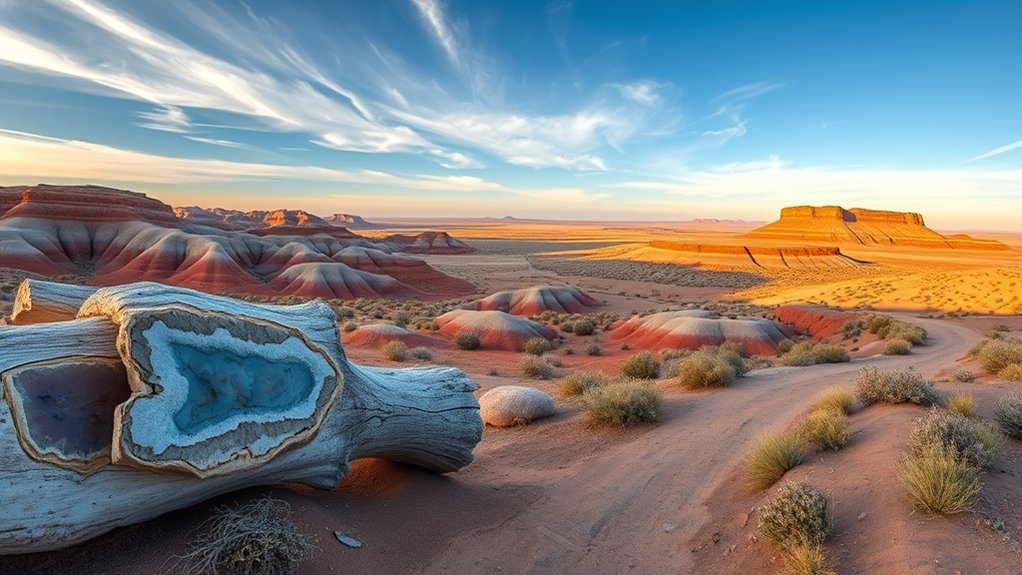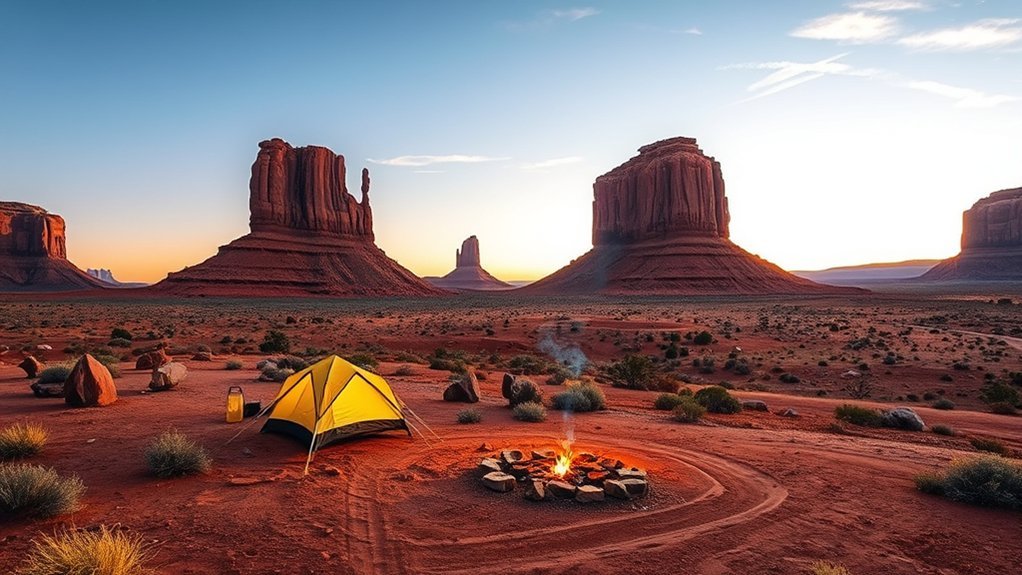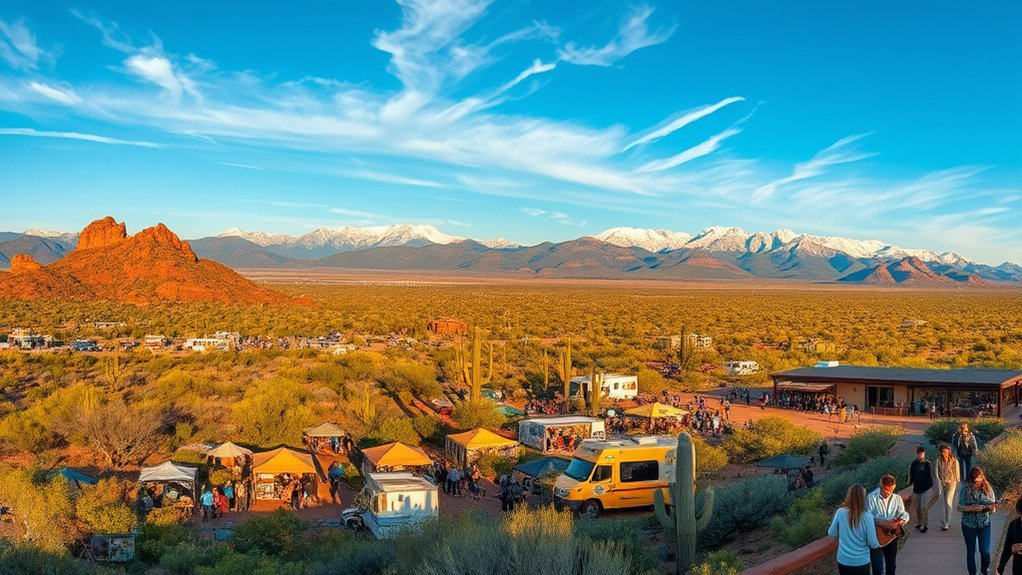
Arizona can feel like two different trips during March. Phoenix and Tucson often have warm, dry afternoons, while Flagstaff and the Grand Canyon can still have freezing nights, snow, ice, and strong wind. March is also a busy season for desert hiking, Spring Training, scenic drives, wildflower viewing, and national park trips, so a flexible route works better than one built around a single statewide forecast.
Quick Answer
March is a strong month to visit Arizona for desert hikes, Spring Training, scenic drives, and possible wildflowers. Phoenix and Tucson are usually warm, but Sedona, Flagstaff, and the Grand Canyon can be cold or snowy. Pack layers, reserve popular stays early, and check each destination’s forecast before driving.
Key Takeaways
- Expect warm desert afternoons but cold nights and possible winter weather at higher elevations.
- Use separate forecasts for Phoenix, Tucson, Sedona, Flagstaff, Page, and the Grand Canyon.
- Reserve popular lodging, Spring Training tickets, cave tours, and guided tribal-land experiences in advance.
- Check park alerts and Arizona 511 before driving into northern or central Arizona.
- Do not count on a major wildflower display. Bloom timing depends on winter rain, temperature, elevation, and recent wind.
Arizona Weather in March: What to Expect by Region
Arizona changes elevation quickly, so the temperature at your hotel may tell you little about the conditions at your next stop. The low desert can feel like spring or early summer, while northern Arizona can still feel like winter.
Official 1991–2020 climate normals put the average March high and low near 78°F and 55°F in Phoenix, 76°F and 48°F in Tucson, and 52°F and 24°F in Flagstaff. These are averages, not limits. Individual March days can be much hotter in the desert or much colder in the mountains.
| Area | Typical March Pattern | Good For | Main Caution |
|---|---|---|---|
| Phoenix and Scottsdale | Warm afternoons and mild evenings, with occasional heat spikes or spring storms | Spring Training, resorts, patios, golf, and early desert hikes | High demand, trailhead parking, sun exposure, and unexpectedly hot days |
| Tucson and southern Arizona | Warm, generally dry days with cooler mornings and nights | Saguaro National Park, desert museums, birding, caves, and scenic drives | Strong sun, limited water at remote trailheads, and changing bloom conditions |
| Sedona and the Verde Valley | Pleasant sun can alternate with cold wind, rain, or late-season snow | Red-rock hikes, scenic drives, galleries, and short walks | Crowded trailheads, muddy routes, cold mornings, and slippery rock |
| Flagstaff and the Mogollon Rim | Cold nights, possible snow, and fast-changing mountain weather | Historic downtowns, Route 66, snow play, forests, and stargazing | Icy roads, closed forest roads, snow-covered trails, and freezing temperatures |
| Grand Canyon South Rim | Cold rim conditions with possible snow and ice, while the inner canyon is warmer | Rim viewpoints, shuttle-supported sightseeing, short walks, and photography | Icy paths, winter driving, elevation, and large temperature changes below the rim |
A drive of less than 150 miles in Arizona can take you from warm desert terrain to snowy high country.
Check a local forecast for every overnight stop instead of relying on the weather shown for Phoenix. Before a mountain drive, review Arizona 511 road conditions and the alert page for the park or forest you plan to visit.
Note: Most of Arizona stays on Mountain Standard Time throughout the year. The Navajo Nation observes daylight saving time, so the local time can differ after the March clock change. Confirm the time shown on tribal-tour reservations instead of assuming every Arizona destination uses the same clock.
Best Places to Visit in Arizona in March
The best destination depends on whether you want reliable warmth, red-rock scenery, winter landscapes, baseball, caves, or national parks.
Phoenix and Scottsdale
Choose the Phoenix area for Spring Training, resorts, restaurants, desert preserves, museums, and the widest selection of flights and lodging. Start outdoor activities early if the forecast is warm. Camelback Mountain and other popular trailheads can fill quickly, so consider less crowded preserves or a shorter sunrise walk.
Tucson and Southern Arizona
Tucson works well for Saguaro National Park, the Arizona-Sonora Desert Museum, historic neighborhoods, birding, and a slower desert itinerary. Remember that Saguaro National Park has two districts on opposite sides of Tucson, and driving between them can take about an hour.
Kartchner Caverns is a useful all-weather day trip from Tucson. Cave-tour capacity is limited, so check official tour availability before building your day around it.
Sedona and the Verde Valley
Sedona offers red-rock scenery, short hikes, scenic drives, galleries, and nearby towns such as Cottonwood and Jerome. March can be sunny and pleasant, but rain or snow may leave shaded trails muddy or icy. An overnight stay gives you more flexibility than a rushed Phoenix day trip.
Flagstaff and Northern Arizona
Flagstaff is a practical base for Route 66, Walnut Canyon, Sunset Crater, and some Grand Canyon trips. It is not a warm-weather escape in March. Bring winter clothing, check road conditions, and expect some forest roads or high-elevation trails to remain inaccessible.
Grand Canyon South Rim
The South Rim remains open throughout the year, but March is still part of the winter travel season. Check the Grand Canyon weather and road page for snow, ice, visibility, trail conditions, and temporary closures.
Hermit Road is normally closed to private vehicles from March 1 through November 30. Use the free park shuttle, a commercial tour, a bicycle, or travel on foot where conditions allow. The South Rim is also much colder than the inner canyon, so a rim forecast does not describe the conditions you will encounter after a long descent.
Warning: Do not attempt a long Grand Canyon descent because the rim feels cold and comfortable. Temperatures rise as you lose elevation, and every downhill mile must be climbed on the return. Snow or ice near the rim may also require traction devices and hiking poles.
Outdoor Adventures: Hiking, Wildflowers, and National Parks
March offers a wide range of outdoor options, but trail choice should depend on elevation, recent rain, wind, snow, daylight, and your experience. A low-desert trail near Tucson may be dry and warm while a shaded Sedona route or Grand Canyon rim path remains icy.
Choose a March Hike by Elevation
- Low desert: Start early, carry plenty of water, and use sun protection even when the morning feels cool.
- Sedona and central Arizona: Check for mud, slick rock, ice in shade, and limited trailhead parking.
- Flagstaff and the Grand Canyon: Expect winter trail conditions and turn back if traction, visibility, or clothing is inadequate.
- Remote areas: Download maps before leaving service, tell someone your route, and avoid unmaintained roads after storms.
Saguaro National Park advises hikers to drink regularly rather than waiting for thirst and to turn around when half their water is gone. Carry salty snacks as well as water during longer hikes, and do not assume that a trailhead or backcountry route has a working water source.
Pro Tip: Keep one lower-elevation activity and one indoor attraction as backup options. If snow affects Flagstaff or the Grand Canyon, you can often shift the day to a museum, cave tour, historic district, or desert walk farther south.
Where to Look for Wildflowers
Wildflowers may appear in desert washes, foothills, and state parks after favorable winter rain. Picacho Peak, Lost Dutchman, Catalina, and other low-desert parks can produce spring color, but no location blooms strongly every year.
Check recent park reports rather than relying on photos from a previous season. Stay on established trails, do not pick flowers, and avoid parking on vegetation. March can also bring early blooms from some cactus species, but the famous white saguaro flowers usually appear later in spring, commonly from late April into June.
March Events: Spring Training, Festivals, and Cultural Activities
The Phoenix metropolitan area hosts Cactus League Spring Training, with 15 Major League Baseball teams playing at 10 stadiums. Game dates, first-pitch times, heat policies, and ticket availability change each season, so use the official Cactus League schedule instead of relying on an old event list.
March calendars may also include rodeos, art markets, food events, book festivals, music, and cultural celebrations across Arizona. Check the organizer’s website before booking a hotel because dates, venues, parking rules, and admission policies can change.
What to Book Before Your Trip
- Popular Cactus League games and seats in shaded sections
- Phoenix, Scottsdale, Mesa, Tempe, and Glendale lodging on busy baseball weekends
- Grand Canyon lodging or camping
- Kartchner Caverns tours
- Guided experiences on tribal lands where a guide or permit is required
- High-demand Sedona lodging and any attraction with timed admission
Buy tickets from the team, venue, park, or official tour operator whenever possible. Avoid planning a nonrefundable itinerary around a single outdoor event without a backup for heat, wind, rain, or snow.
Where to Stay and Realistic Day Trips From Phoenix and Tucson
Choose your base by the activities you want most. Phoenix is best for Spring Training, flights, resorts, and central Arizona road trips. Tucson is better for Saguaro National Park, caves, birding, and southern Arizona. Sedona or Flagstaff is a better base when northern scenery matters more than baseball or desert resorts.
| Base | Day Trip | Approximate One-Way Drive | Best For | Planning Note |
|---|---|---|---|---|
| Phoenix | Sedona | About 2 hours | Red rocks, short hikes, and scenic drives | Possible as a long day trip, but an overnight stay reduces driving and parking pressure. |
| Phoenix | Prescott | About 1.5 to 2 hours | Historic streets, lakes, and cooler air | Check mountain weather before leaving Phoenix. |
| Phoenix | Grand Canyon South Rim | About 3.5 to 4 hours | Major viewpoints and rim walks | Too much same-day driving for many visitors. Stay near the rim, Williams, or Flagstaff when possible. |
| Tucson | Saguaro National Park | About 30 to 60 minutes, depending on district | Cactus scenery, drives, and desert trails | The east and west districts are on opposite sides of the city. |
| Tucson | Kartchner Caverns | About 1 hour | Guided cave tours and an indoor weather backup | Reserve a tour before making the drive. |
How to Plan a 3-, 5-, or 7-Day Arizona March Trip
Three Days
Use one base. Choose Phoenix for Spring Training and desert activities, Tucson for Saguaro National Park and southern Arizona, or Sedona for red-rock scenery. Avoid spending most of a short trip changing hotels.
Five Days
Combine two nearby regions. Good options include Phoenix plus Sedona, Tucson plus Kartchner Caverns and Bisbee, or Sedona plus Flagstaff and the Grand Canyon South Rim. Leave one flexible half-day for weather or traffic.
Seven Days
A practical central and northern loop can include Phoenix, Sedona, Flagstaff, and the Grand Canyon South Rim. A southern route can combine Tucson, Saguaro National Park, Kartchner Caverns, Bisbee, and nearby birding areas. Trying to cover Tucson, Phoenix, Sedona, Page, and the Grand Canyon in one week creates long driving days and little weather flexibility.
What to Pack for Arizona in March
Pack for the highest and lowest elevations on your itinerary, not just the city where you land. A traveler staying only in Phoenix needs a different bag from someone driving to Flagstaff and the Grand Canyon.
Clothing and Footwear
- Lightweight shirts and pants for warm desert afternoons
- A fleece or warm mid-layer for mornings and evenings
- A light insulated jacket for Sedona and higher elevations
- A waterproof or wind-resistant shell
- A warm hat and gloves for Flagstaff or the Grand Canyon
- Sturdy walking or hiking shoes with reliable grip
- Over-the-shoe traction devices when icy rim or mountain paths are possible
Sun, Water, and Navigation
- Broad-spectrum sunscreen
- Sunglasses and a wide-brim hat
- Lip balm with sun protection
- Reusable water bottles or a hydration reservoir
- Electrolytes or salty snacks for longer hikes
- A downloaded offline map and a charging battery
- A basic first-aid kit
- Insect repellent for warmer, wetter, or brushy areas
Start desert hikes early when the forecast is warm. Tell someone your route before entering a remote area, keep valuables out of sight at trailheads, and carry more water than you expect to drink.
Driving and Road Safety
- Check AZ 511 before high-elevation drives.
- Review park alerts on the morning of your visit.
- Do not follow navigation apps onto snow-covered, muddy, or unmaintained roads.
- Keep water, food, warm clothing, a flashlight, and a phone charger in the vehicle.
- Allow extra daylight for mountain roads and wildlife near the roadway.
Frequently Asked Questions
Is March a good time to visit Arizona?
Yes. March usually offers comfortable desert weather, Spring Training, outdoor events, and possible wildflowers. It is also a busy period in Phoenix, Scottsdale, Sedona, and other popular areas, while northern Arizona may still have winter conditions.
Does it snow in Arizona in March?
It can. Flagstaff, the Mogollon Rim, the Grand Canyon rims, and other high-elevation areas may receive snow or have lingering ice. Phoenix and Tucson are much warmer, although unusual cold or heat can still occur.
Can I visit the Grand Canyon in March?
Yes. The South Rim is open year-round, but snow, ice, fog, and temporary road restrictions are possible. Check official conditions before driving, wear suitable footwear, and do not assume the North Rim has normal visitor services in March.
Do I need to reserve Arizona attractions in advance?
Reserve popular Spring Training games, high-demand lodging, Grand Canyon camping, Kartchner Caverns tours, and guided tribal-land experiences early. Ordinary national park entry may not require timed admission, but entrance fees, permits, and operating rules should be checked on the official site.
Are there mosquito or tick concerns in Arizona in March?
Exposure varies by location, elevation, vegetation, standing water, and recent weather. Use repellent in suitable habitat, wear long clothing near brush, and check yourself, children, and pets after hikes.
Is March a good month for birdwatching?
March can be rewarding, especially in southern Arizona and riparian habitats. Wintering birds may still be present while some spring migrants begin arriving. Conditions and species vary by elevation and the timing of migration.
Can I visit Arizona parks without renting a car?
City transit can help in Phoenix and Tucson, but reaching many trailheads and parks is difficult without a car or organized tour. Once you reach the Grand Canyon South Rim, free park shuttles serve major viewpoints, trailheads, and village areas on operating routes.
Can I drink tap water safely everywhere in Arizona?
Regulated public water systems must follow state and federal drinking-water requirements, but temporary notices and local issues can occur. Check notices at your lodging or campground, and never assume water from a spring, stream, tank, or remote tap is treated unless the managing agency says it is potable.
Are there allergy-friendly activities for pollen-sensitive visitors?
Yes. Museums, galleries, caves, visitor centers, restaurants, spas, and scenic drives provide indoor or lower-exposure alternatives. Check daily pollen and wind conditions, keep vehicle windows closed when needed, and schedule indoor breaks during windy afternoons.
Conclusion
March is one of Arizona’s most versatile travel months, but it rewards regional planning. Build desert days around early starts and sun protection, treat Flagstaff and the Grand Canyon as winter-capable destinations, and leave room to change your route when heat, wind, snow, or road conditions shift.
Reserve the experiences that can sell out, pack for the highest elevation on your route, and check local forecasts and official alerts each day. With those steps, you can combine Spring Training, desert scenery, red-rock trails, wildflowers, caves, and national parks without assuming that the entire state shares one season.
Sources
- National Weather Service Phoenix: 1991–2020 Climate Normals — Phoenix-area temperature and precipitation benchmarks.
- National Weather Service Tucson: Monthly Normals and Extremes — Tucson March temperature and rainfall normals.
- National Weather Service Flagstaff: Monthly and Yearly Climate — northern Arizona climate and snowfall context.
- Grand Canyon National Park: Weather, Webcams, and Road Conditions — South Rim roads, winter driving, alerts, and current conditions.
- Saguaro National Park: Hiking Safety Information — water, heat, wildlife, and desert hiking guidance.
- Arizona 511 — statewide crashes, road closures, weather radar, cameras, and travel conditions.