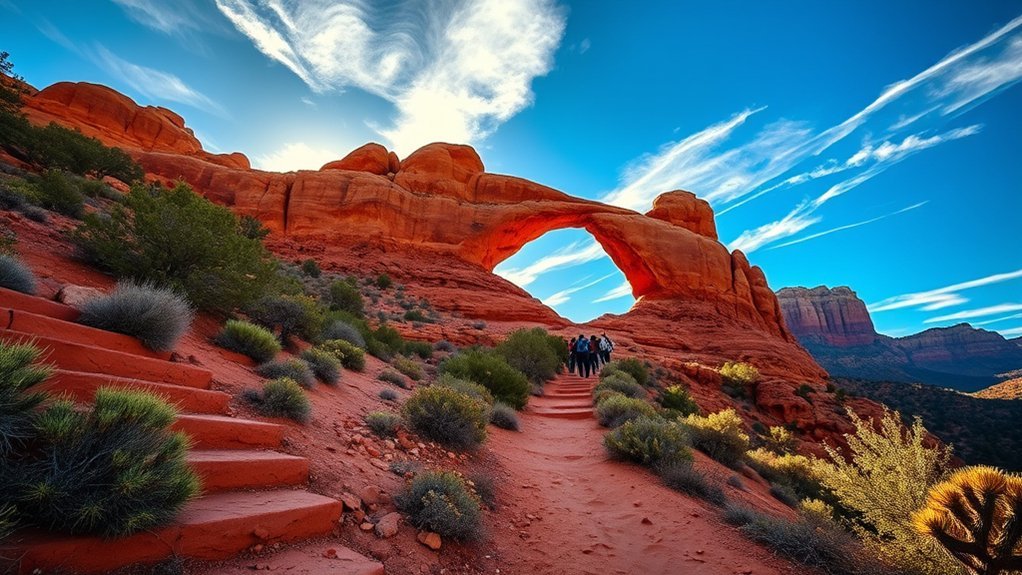
Arizona gives families an unusually wide mix of desert scenery, red-rock trails, museums, lakes, mountain forests, snow play, and one of the world’s best-known national parks. The key is matching each activity to your children’s ages, the region, and the season. With realistic driving days, early outdoor starts, water, shade, and backup indoor plans, Arizona can work well for toddlers, school-age kids, and teens.
Quick Answer
Arizona works best for families when you match activities to the region and season: early desert outings in Phoenix and Tucson, red-rock walks in Sedona, rim views at the Grand Canyon, and pine-forest or snow activities near Flagstaff. Build in water, shade, indoor breaks, and flexible backup plans.
Key Takeaways
- Spring and fall are usually the easiest seasons for combining Arizona’s desert cities, Sedona, and the Grand Canyon in one family trip.
- During hot weather, put outdoor activities early in the day and save museums, pools, meals, naps, and other indoor stops for midday.
- Do not assume a trail, overlook, swimming area, Jeep tour, or attraction is suitable for every child. Check terrain, age rules, weather, closures, and accessibility before leaving.
- Arizona’s summer monsoon can bring lightning, flash flooding, debris, and sudden road or recreation-area closures.
- Keep itineraries flexible. One major attraction plus one shorter activity is often enough for a family day.
Planning Your Arizona Family Adventure: Best Times to Visit and How to Prepare
Arizona changes dramatically with elevation. Phoenix and Tucson can be very hot while Flagstaff and the Grand Canyon are much cooler. That means a statewide family trip needs more planning than the map alone suggests. Pack refillable water bottles, hats, sturdy shoes, layers, snacks, basic first-aid supplies, and sun protection. For children older than six months, broad-spectrum SPF 30 or higher is a practical choice recommended by the American Academy of Dermatology. Ask your child’s clinician about sun protection for infants younger than six months.
| Region | Family-friendly timing | Planning note |
|---|---|---|
| Phoenix / Scottsdale | Fall through spring; very early outings in hotter months | Build summer days around indoor attractions and water play. |
| Tucson | Fall through spring; early mornings in summer | Desert trails have little shade, so avoid pushing through heat. |
| Sedona | Spring and fall are especially comfortable | Popular trailheads fill early. Some Forest Service sites require a Red Rock Pass or qualifying federal pass. |
| Grand Canyon South Rim | Year-round, with major seasonal temperature changes | Even easy rim sightseeing involves sun, elevation, walking, and exposed viewpoints. |
| Flagstaff | Summer for cooler weather; winter for snow sports | Pack layers and expect much cooler conditions than Phoenix. |
Keep driving segments manageable and schedule restroom, food, and movement breaks before children become uncomfortable. Let older kids choose between two realistic activities instead of building a long must-do list that leaves no room for weather or fatigue.
Warning: Arizona heat and monsoon weather can change a family plan quickly. The Arizona Department of Health Services recommends taking heat seriously, while the National Weather Service warns that monsoon storms can bring lightning and flash flooding. Never drive through a flooded roadway, and do not enter washes or narrow drainage areas when storms threaten.
A good Arizona family schedule is flexible: outdoor time early, an indoor or shaded midday break, and a backup plan for heat, storms, closures, or tired kids.
Grand Canyon With Kids: Easy Rim Walks, Junior Ranger Programs, and Scenic Spots
Families do not need to hike into the canyon to have a memorable visit. At the South Rim, Mather Point and nearby developed sections of the Rim Trail provide major views with relatively little walking. The National Park Service says most of the Rim Trail is paved, but not all of it, so check the park map instead of assuming every segment works for a stroller or wheelchair.
Mather Point itself and the nearby paved Rim Trail are wheelchair-accessible. Families can also walk between Mather Point, the Visitor Center, and Yavapai-area viewpoints on developed sections or use the park shuttle system to reduce walking. Keep young children close because developed viewpoints can still be near steep drop-offs.
The Junior Ranger program is one of the easiest ways to turn sightseeing into an activity. Pick up a booklet at a visitor center or participating park location, help children complete the activities, and return it for the Junior Ranger process. Ranger talks and geology exhibits can also break up a day dominated by viewpoints.
Pro Tip: For younger children, start at the Visitor Center and Mather Point instead of immediately planning a long Rim Trail walk. You can always add another viewpoint if energy, weather, and attention spans are still good.
Summer heat becomes more dangerous below the rim. NPS advises summer hikers to avoid the hottest part of the day and specifically cautions against hiking between 10 a.m. and 4 p.m. during hot conditions. Families looking for an easy canyon experience should stay on the rim rather than treating a steep inner-canyon trail as a casual extension of sightseeing.
Sedona and Red Rock Fun: Short Hikes, Pink Jeep Tours, and Family-Friendly Viewpoints
Sedona works well for families because you can choose between short trails, scenic drives, parks, guided tours, and viewpoints instead of committing to a full-day hike. Trailhead parking can be difficult during busy periods, and some Coconino National Forest recreation sites require a Red Rock Pass or qualifying federal recreation pass.
Short Family-Friendly Hikes
Fay Canyon Trail is popular with visitors seeking a shorter outing with relatively modest elevation change. The Bell Rock Pathway gives families flexible access to red-rock scenery without requiring them to climb Bell Rock itself.
“Family-friendly” does not mean risk-free. Sedona trails can include loose rock, cactus, exposed sun, uneven surfaces, and optional scrambling. Turn around before children are exhausted, carry more water than you expect to need, and use a child carrier only when it is designed and fitted for that use. Encourage kids to look for lizards, birds, different rock layers, and desert plants while staying on established trails and following Leave No Trace practices.
Pink Jeep Off-Road Tours
A guided Jeep tour can provide red-rock views without requiring a long hike, but choose by age requirement and roughness rather than assuming every route is designed for small children. Pink Adventure Tours says minimum ages vary by tour. Most Sedona tours allow children from age 2, while some more rugged options require children to be older.
Families prone to motion sickness should consider a smoother tour and ask the operator about current vehicle, car-seat, health, and accessibility requirements before booking. A mild paved or mixed-road sightseeing route can be a better fit for young children than a high-roughness off-road tour.
Family-Friendly Sedona Viewpoints and Vortex Sites
Sedona is famous for locations associated with its “vortex” tradition. Many visitors approach these places from a spiritual or meditative perspective, but vortex energy should not be presented as a scientifically established physical phenomenon. Families can still enjoy the scenery, cultural stories, quiet time, and photography at these locations.
| Viewpoint | Family tip |
|---|---|
| Airport Mesa | Enjoy the panorama, but expect uneven rock on popular walking spurs and supervise children closely near exposed terrain. |
| Bell Rock | Use the broad lower pathway for an easier outing. Climbing higher onto the rock is optional and increases difficulty and fall risk. |
| Chapel of the Holy Cross | A developed sightseeing stop with dramatic scenery, but grades, walking, traffic, stairs, and crowds can still matter for small children. |
For another structured option, Red Rock State Park has a family-oriented network of marked trails, a visitor center, and guided programming. Note that pets are not allowed in the park.
Phoenix and Scottsdale: Interactive Museums, Desert Botanical Garden, and Splash Pads
Phoenix and Scottsdale are easiest with children when you mix indoor attractions with shorter outdoor stops. Museums give families a midday escape from extreme heat, while gardens and parks work better early or later in the day.
The Desert Botanical Garden offers developed desert trails and states that the Garden is wheelchair accessible and most trails are stroller-friendly. During hot periods, operating schedules can shift toward earlier mornings and later evenings, so check current hours rather than relying on an old itinerary.
Phoenix also operates municipal splash pads. In 2026, most City of Phoenix splash pads opened early because of extreme heat and moved to daily operation once the summer pool season began. Scottsdale parks such as Chesnutt Park and Paiute Park list spray-pad facilities as well. Check each city page for current seasonal hours or maintenance closures.
Do not assume every aquatic center is free just because a park splash pad is free. Pools, water slides, and aquatic centers can have separate admission rules.
Tucson Highlights: Saguaro National Park, Children’s Museum, and Old Tucson
Tucson combines Sonoran Desert scenery with reliable indoor family attractions. At Saguaro National Park, families can choose short hikes, scenic drives, overlooks, and Junior Ranger activities rather than attempting long backcountry routes. Summer outings should begin early, and monsoon forecasts deserve extra attention because dry washes and desert roads can become dangerous during storms.
Children’s Museum Tucson provides hands-on play and learning when children need an indoor break. Its current calendar includes changing programs, so checking the day’s schedule can help families avoid arriving between activities.
The attraction historically known by many visitors as Old Tucson Studios now uses the name Old Tucson. The historic movie-set property operates Adventure Park and seasonal programming, so verify the calendar, hours, shows, and event format for your travel date instead of assuming the same stunt-show schedule runs year-round.
Note: A practical Tucson summer day is often desert sightseeing shortly after sunrise, lunch and an indoor museum during the hottest hours, then another short activity later if everyone still has energy.
Flagstaff and Northern Arizona: Family Skiing, Lowell Observatory, and Pine Forest Hikes
Flagstaff gives families a completely different Arizona experience, with ponderosa forests, cooler summer temperatures, winter snow, and astronomy attractions. The elevation also means temperatures can change quickly, so pack layers even when you started your day in a warmer desert city.
During winter, Arizona Snowbowl offers children’s ski and snowboard lesson options for ages 4–12, plus limited private lesson options beginning at age 3. Check current snow, road, lift, lesson, and equipment information before driving up the mountain.
At night, Lowell Observatory combines telescope viewing with exhibits and guided astronomy experiences. Its newer Astronomy Discovery Center adds interactive indoor components, which can be useful when clouds or cold weather make outdoor observing less predictable.
For daytime activity, choose short forest walks with gradual terrain instead of automatically picking a long trail. Nature scavenger hunts, bird spotting, pinecone counting, and picnic breaks can keep younger children interested without turning the outing into an endurance test.
Water Play and Natural Springs: Swimming Holes, Lake Days, and Safer Desert Water Stops
Arizona’s water destinations can be a welcome break from the heat, but natural water should never be treated like a supervised swimming pool. Conditions change with storms, water level, current, algae, fire closures, debris, and boating activity. Bring properly fitted life jackets for children and weak swimmers, use water shoes where appropriate, and check the managing agency’s current alerts before leaving.
Swimming Holes and Springs
Natural creeks and swimming holes can have slippery rock, sudden drop-offs, cold water, changing currents, and no lifeguard. Avoid promising children a specific swimming stop until you have checked current access.
Current 2026 Alert: As of August 15, 2026, the Oak Creek swimming area at Slide Rock State Park is closed until October 1 in connection with the current fire-related closure. The park itself may still have other accessible activities. Recheck the official park page before travel because closures can change.
| Water destination | Family planning note | Supervision note |
|---|---|---|
| Slide Rock State Park / Oak Creek | Popular natural-water destination, but access is highly conditions-dependent. | Check the current closure notice before planning to swim. |
| Patagonia Lake State Park | Has a roped swimming area at Boulder Beach and other lake recreation. | The park states that there is no lifeguard and swimming is at your own risk. |
| Lake Pleasant Regional Park | Popular for swimming, floating, boating, and shoreline recreation near the Phoenix area. | Wear life jackets and check park updates because sections can temporarily close. |
Lakes, Reservoirs, Beaches
Lakes provide more room for paddling, floating, fishing, and beach time, but boat traffic and deep water create different risks from a pool. Patagonia Lake State Park allows swimming but specifically states that there is no lifeguard. Lake Pleasant Regional Park also emphasizes water safety and life-jacket use.
Choose a visible family meeting point, establish swim boundaries before anyone enters the water, keep young children within immediate reach, and never rely on inflatable toys as a substitute for a properly fitted life jacket.
Wildlife Encounters: Zoos, Butterfly Gardens, and Ethical Wildlife Viewing Opportunities
Arizona wildlife activities can work especially well when hiking weather is poor. The Phoenix Zoo is one major family option, while Tucson-area attractions combine desert ecology with native wildlife education.
For wild animals outside managed facilities, teach children to observe from a distance rather than approaching for photographs. Never feed wildlife. Use binoculars or a camera zoom instead of moving closer, and follow park instructions when elk, javelina, snakes, or other animals are near a trail or developed area.
Butterfly gardens and conservatories can offer a quieter wildlife experience for young children. Before visiting any animal attraction, review its current animal-care, conservation, accessibility, and visitor rules rather than assuming every wildlife business follows the same standards.
Road Trip Ideas: Scenic Drives, Quirky Small-Town Stops, and Snack-Friendly Pit Stops
Arizona road trips work better with children when the drive itself is broken into short experiences. Oak Creek Canyon between Sedona and Flagstaff offers a dramatic landscape change, while historic towns and roadside stops can turn a transfer day into part of the vacation.
State Route 88, the Apache Trail, is another scenic option, but it deserves extra planning. The Arizona Department of Transportation has reopened the previously damaged five-mile unpaved section, yet the road has also experienced temporary storm-related closures. Check ADOT conditions before using it as a required link in your itinerary.
Carry more drinking water than you expect to need, keep the fuel level comfortable, download directions before entering low-service areas, and do not build a tight attraction reservation immediately after a long scenic drive. Children usually benefit more from a shaded park, restroom, or snack stop than from squeezing in one extra landmark.
Simple Arizona Family Itineraries
Your best route depends on arrival airport, season, and children’s ages, but these frameworks keep driving reasonable and leave room for weather changes.
| Trip length | Simple family route |
|---|---|
| 3 days | Base in Phoenix/Scottsdale for one city day, then spend one full day in Sedona and keep the third day flexible for another Valley attraction or a shorter desert outing. |
| 5 days | Phoenix/Scottsdale → Sedona → Flagstaff or Grand Canyon South Rim. Give Sedona and the canyon their own main activity days. |
| 7 days | Phoenix/Scottsdale → Sedona → Grand Canyon → Flagstaff, with extra time for museums, an easy lake/park day, or a weather buffer. Tucson can replace one northern stop if Sonoran Desert attractions are a priority. |
Do not measure success by how many cities you fit into a week. Families often remember a relaxed Junior Ranger morning, an unhurried picnic, or an evening of stargazing more clearly than another two hours in the car.
Respect Tribal Lands and Sacred Places
Arizona includes sovereign Tribal Nations as well as federal, state, county, municipal, and private recreation lands. Rules, permits, photography policies, guides, road access, hours, and closures can differ depending on who manages a destination.
Use the official Tribal Nation or authorized tour operator for current access information when visiting Tribal lands. Do not cross closures, enter restricted areas, remove artifacts, climb on cultural structures, or treat sacred locations simply as photo props. Teaching children to follow local rules is part of responsible travel.
Practical Tips for Traveling With Kids: Heat Safety, Packing Essentials, and Keeping Kids Engaged
Arizona heat requires more than carrying one bottle of water. Schedule desert walks for the coolest practical part of the day, use shade whenever possible, take air-conditioned breaks, and stop an activity if a child becomes unusually weak, dizzy, confused, nauseated, or otherwise unwell. Never leave a child or pet in a parked vehicle, even for a short stop.
Pack sun hats, refillable water bottles, broad-spectrum sunscreen appropriate for your child, snacks, cooling towels, basic first-aid supplies, spare clothes, and any regularly needed medications. Bring warmer layers when traveling to Flagstaff or the Grand Canyon because high-elevation conditions can feel very different from Phoenix or Tucson.
During monsoon weather, monitor the forecast before hiking. Avoid washes, low-water crossings, narrow drainage areas, and exposed high points when thunderstorms threaten. If water covers a roadway, turn around rather than trying to judge its depth.
Keep kids engaged with low-tech choices that do not require carrying a large bag:
- License-plate bingo or a simple road-trip scavenger list.
- Drawing pads, stickers, or one or two rotating small toys.
- Nature missions such as spotting three cactus shapes, five bird species, different rock colors, or animal tracks.
- A Junior Ranger booklet where available.
- A child-selected photo stop or snack break from two parent-approved choices.
Frequently Asked Questions
Are there family-friendly stargazing spots outside listed observatories?
Yes. Arizona has many parks, campgrounds, and open-sky areas suitable for casual stargazing. Choose a legal, developed location where you understand closing times and access rules. Bring layers, use a red-light flashlight when possible, and check weather, fire restrictions, and land closures before driving to a remote site.
Can we bring our dog to most family attractions and trails?
No. Pet rules vary widely. Grand Canyon National Park allows leashed pets in many developed and above-rim areas but not below the rim, and pets cannot ride regular park shuttle buses. Red Rock State Park does not allow pets. Museums, gardens, tours, and other attractions set their own rules. Check the official pet policy for every stop before bringing a dog.
What are reliable pediatric urgent-care options in rural areas?
Options vary by town, so identify the nearest clinic or emergency department before traveling into a remote area. For non-emergency care, your insurer, pediatrician, health system, or the federal HRSA Find a Health Center tool can help locate care. For a life-threatening emergency, call 911 rather than trying to drive a long distance to a preferred clinic.
Are there accessible options for families with strollers or wheelchairs?
Yes, but accessibility varies by location and even by trail segment. Mather Point and developed portions of the Grand Canyon Rim Trail are accessible, while Desert Botanical Garden states that it is wheelchair accessible and most trails are stroller-friendly. Check each attraction’s accessibility page for surfaces, grades, shuttle restrictions, restrooms, and equipment availability.
Where can we find allergy-aware dining for kids statewide?
Directories such as AllergyEats and Find Me Gluten Free can help you discover possibilities, but do not treat a crowdsourced listing as a guarantee that a restaurant is allergen-free. Call the restaurant, explain the specific allergy, ask about ingredients and cross-contact procedures, carry your child’s prescribed emergency medication, and bring backup food when necessary.
Do we need reservations, parking passes, or advance tickets?
Sometimes. Commercial tours, ski lessons, special events, and popular attractions may require or strongly benefit from advance booking. Some Sedona-area Forest Service parking sites require a Red Rock Pass or qualifying federal recreation pass. National-park shuttle, parking, campground, and seasonal rules can also change, so confirm every major stop on its official website shortly before the trip.
What should families do if monsoon storms are forecast?
Move outdoor activities earlier or replace them with indoor plans. Avoid washes, narrow drainage areas, exposed viewpoints, and flooded roads. Lightning and flash flooding can occur far from where rain first appears, so follow National Weather Service warnings and the managing park or road agency rather than relying only on conditions visible from your hotel.
Conclusion
Arizona can feel like several vacations packed into one state: cactus-filled desert mornings, red-rock walks, Grand Canyon viewpoints, pine forests, astronomy nights, snow days, museums, and lake stops. Families get the most from it by keeping plans simple rather than trying to see everything. Choose age-appropriate activities, start outdoor days early, check current conditions, and leave room to change plans when heat, storms, closures, or tired children say it is time to slow down.
Sources
- Grand Canyon National Park, National Park Service — Rim Trail, Visitor Center, viewpoints, and family-access planning.
- Arizona Department of Health Services Heat Safety — extreme-heat preparation and health guidance.
- National Weather Service Phoenix Monsoon Safety — lightning, flash-flood, wash, and storm-safety guidance.
- Coconino National Forest — official Sedona-area recreation, trail, and access information.
- Slide Rock State Park, Arizona State Parks — Oak Creek access, current closure information, trails, and visitor rules.
- City of Phoenix Splash Pads — current municipal splash-pad locations and seasonal operating information.