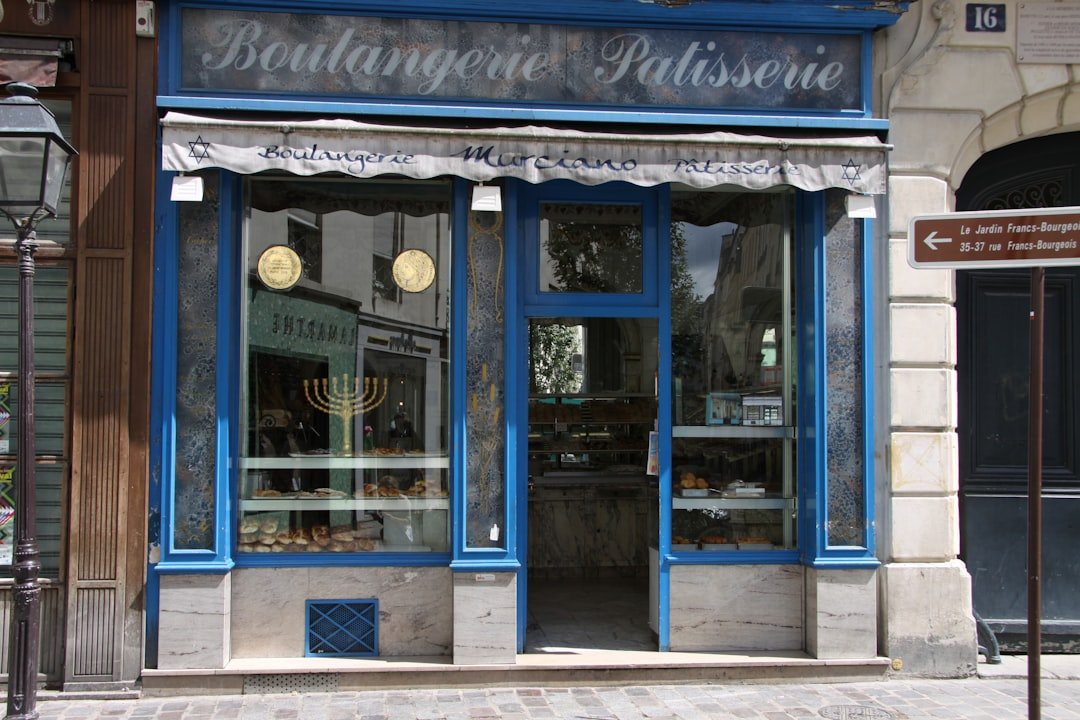
Beyoğlu is one of Istanbul’s best areas for exploring both traditional Turkish baking and modern pastry culture. Across Galata, Tünel, Pera, Cihangir and the streets around Taksim, you can find everything from sesame-crusted simit and savory börek to sourdough-style artisan loaves, cakes, chocolates and European-influenced pastries.
Quick Answer
Bakeries in Beyoğlu range from neighborhood bread ovens and simit shops to elegant patisseries and artisan bakeries. For a classic experience, try fresh simit, börek, poğaça or bread in the morning, then explore pastry shops for cakes and desserts. Galata, Tünel, Cihangir and Pera are particularly convenient areas to browse.
Key Takeaways
- Beyoğlu’s baking scene includes traditional bread bakeries, börek shops, modern artisan bakeries and European-style patisseries.
- Simit, börek, poğaça, açma and fresh bread are among the most useful local specialties to know.
- İstanbul Simidi became a registered geographical indication in Türkiye in October 2025.
- Galata, Tünel, Pera/Tepebaşı and Cihangir offer several convenient bakery and pastry stops within Beyoğlu.
- Menus, dietary options and opening hours vary, so check the individual bakery before making a special trip.
The History of Bakeries in Beyoğlu
Bread and baked foods have long been part of everyday life in Istanbul, including during the Ottoman period. Simit, in particular, has centuries of documented history in the city. Rather than tying Beyoğlu’s bakery history to a single unverified establishment, it is more accurate to see the district’s baking culture as part of Istanbul’s wider tradition of bread ovens, pastry makers, street-food sellers and café-patisseries.
Beyoğlu developed rapidly during the 19th and early 20th centuries as Pera became an international commercial and cultural center. European residents, travelers and local communities helped make the district especially receptive to French-style pastry, chocolate, cakes and café culture alongside established Ottoman and Turkish foods.
A useful documented example is Pelit. According to the company’s official history, Kazım Ayan and three partners established Pelit in Tepebaşı in 1957. The brand later expanded elsewhere in Istanbul. Its current official branch directory does not list a Beyoğlu branch, so Pelit is better understood here as part of the district’s pastry history rather than as a current Beyoğlu recommendation.
Understanding Fırın, Pastane and Tatlıcı
Not every place selling baked food in Beyoğlu is the same type of business. Knowing a few Turkish words makes it much easier to find what you want.
- Fırın: A bakery or bread oven. This is usually the place to look for bread, simit and everyday savory baked goods.
- Pastane: A patisserie or pastry shop. Expect cakes, cookies, pastries, desserts and often tea or coffee.
- Börekçi: A shop specializing in börek and related savory pastries.
- Tatlıcı: A dessert specialist. This is often a better choice than a bread bakery when you specifically want baklava, syrup desserts or other Turkish sweets.
The categories overlap, especially in busy parts of central Istanbul. A single shop may sell bread, pastries, desserts, sandwiches and coffee.
The Variety of Baked Goods Offered
Beyoğlu’s bakeries cover a broad range of Turkish and international styles. Traditional breads remain central, but visitors will also encounter savory pastries, breakfast items, cakes, croissants, cookies and desserts.
Simit is one of the most recognizable choices. It is a ring-shaped bread coated heavily with sesame seeds and commonly eaten at breakfast or as a snack. Türkiye’s official tourism material describes simit as a widespread breakfast and street food, while İstanbul Simidi now has its own registered geographical indication.
İstanbul Simidi was registered as a geographical indication on October 8, 2025, giving this familiar sesame-covered bread an additional layer of officially recognized local identity.
The official specification lists wheat flour, water, salt, fresh yeast, molasses and sesame among the ingredients used for İstanbul Simidi.
Börek is another staple. Depending on the style, thin layers of dough may surround or separate fillings such as cheese, minced meat, spinach or other greens, and potatoes. Cheese-filled and meat-filled versions are especially common.
You may also encounter poğaça, a soft savory pastry that can be plain or filled; açma, a soft ring-shaped enriched pastry; and several forms of everyday bread. Some establishments also sell pide and other flatbreads, although these are not standard products in every neighborhood bakery.
Sweet choices depend heavily on the type of shop. A pastane may offer cakes, tarts, cookies, croissants, chocolate and Turkish desserts. Baklava and künefe can also be found around Beyoğlu, but specialist dessert shops often provide a wider selection than ordinary bread bakeries.
What to Try First
| Food | What It Is | Good Time to Try It |
| Simit | Sesame-covered ring bread | Breakfast or a quick snack |
| Börek | Layered savory pastry with cheese, meat, greens or potato | Breakfast or lunch |
| Poğaça | Soft savory pastry, sometimes filled | Morning snack |
| Açma | Soft, rich ring-shaped pastry | Breakfast with tea |
| Pastane desserts | Cakes, cookies, chocolates and pastries | Afternoon coffee or dessert |
The Influence of Turkish Cuisine on Beyoğlu Bakeries
Turkish cuisine strongly shapes what you see behind bakery counters in Beyoğlu. Sesame, flour, cheese, yogurt-based ingredients, olives, herbs and savory fillings appear throughout breakfast breads and pastries.
Pide is one example of Turkey’s broad flatbread tradition. Some versions are topped or filled with cheese, meat or vegetables, although it is better to think of pide as a family of Turkish flatbreads rather than simply calling every version “Turkish pizza.”
Börek shows the same diversity. Cheese, minced meat, spinach or other greens and potatoes are common fillings. Herbs such as dill may appear in some recipes, while beyaz peynir and kaşar are among the cheeses you may encounter in Turkish baking.
European pastry culture is also visible throughout Beyoğlu. Croissants, tarts, cakes, chocolate desserts and café-style pastries sit comfortably beside Turkish breakfast foods, reflecting the district’s long connection with international commerce and café culture.
Notable Bakeries and Patisseries in Beyoğlu
Because businesses, branches and opening hours change, it is better to use a current district-specific list than rely on older articles that may place an Istanbul brand in the wrong neighborhood.
Patisserie de Pera — Tepebaşı
Located inside Pera Palace Hotel, Patisserie de Pera is a verified Beyoğlu option for visitors interested in a more formal patisserie experience. Its official menu positioning emphasizes handmade chocolates, French pastries and selected Turkish desserts. The setting makes it particularly suitable for visitors who want pastry and café culture rather than a quick neighborhood bread stop.
Savoy Patisserie — Cihangir
Savoy Patisserie is currently located on Sıraselviler Street in Cihangir. It is a convenient choice when exploring the residential streets between Cihangir and the Taksim area and is oriented more toward the patisserie and café side of Beyoğlu’s baking scene.
Göçmen Artisan Bakery Galata — Galata
Göçmen Artisan Bakery Galata provides a modern bakery option close to Galata Tower. It is well placed for travelers who want to combine sightseeing around Galata with an artisan-bakery stop.
Şirin Fırın Bakery — Galata/Tünel
Şirin Fırın is another current bakery option in the Galata and Tünel area. This part of Beyoğlu is particularly convenient for bakery hopping because bread shops, cafés and pastry counters are concentrated within a relatively compact walking area.
Note: Older guides sometimes list Mendel’s as a Beyoğlu bakery. Its verified Akaretler address is in Beşiktaş, outside Beyoğlu. Pelit, meanwhile, genuinely began in Tepebaşı in 1957, but its current official branch directory does not list a Beyoğlu location. Check the current map location before traveling specifically for any bakery.
Where to Look for Bakeries in Beyoğlu
Galata and Tünel are useful for visitors who want bakeries within walking distance of major sights. The area mixes traditional-style neighborhood shops with modern artisan bakeries and cafés.
Pera and Tepebaşı are closely connected with Beyoğlu’s historic hotel, restaurant and European-style patisserie culture. Patisserie de Pera is one of the clearest examples.
Cihangir has a café-oriented neighborhood atmosphere and is a good area for combining breakfast, coffee and pastry.
Taksim and the streets around İstiklal Avenue offer the greatest convenience, particularly when you want a quick pastry or dessert while sightseeing. They can also be busier and more tourist-oriented than residential side streets.
The Role of Bakeries in Beyoğlu’s Culinary Scene
Bakeries are more than places to buy bread. A neighborhood fırın provides everyday food, while a pastane may function as a café where customers meet over tea, coffee, cake or pastries. Börek shops serve quick breakfasts and lunches, and dessert specialists continue a different branch of Turkish pastry culture.
These businesses help preserve familiar foods while responding to changing tastes. Traditional simit and börek can coexist with croissants, sourdough-style loaves, elaborate cakes and specialty coffee without one replacing the other.
Bakeries also support the wider restaurant and café economy by supplying breads and baked foods. The exact supplier relationships vary from business to business, so these connections should not be generalized without evidence for a particular bakery.
The Importance of Fresh Ingredients in Beyoğlu Bakeries
Freshness matters greatly with bread and pastry, but you do not need unverifiable claims about farm sourcing or in-house flour milling to judge quality. Start with what you can see, smell and taste.
- Look for steady customer turnover, especially during breakfast hours.
- Choose simit with a crisp-looking sesame crust rather than one that appears soft from sitting for a long period.
- For bread, a well-developed crust and fresh aroma are usually better signs than an elaborate display.
- Ask which börek or pastry has come out of the oven most recently.
- For cream-filled cakes and dairy desserts, choose established shops that keep chilled products properly refrigerated.
Pro Tip: Visit a neighborhood bakery in the morning if fresh simit, poğaça or breakfast pastries are your priority. For cakes and café pastries, afternoon can be just as suitable because many patisseries prepare several batches or maintain a broader all-day selection.
Dietary Needs and Allergens
Do not assume that a bakery is vegan or gluten-free simply because one item appears suitable. Recipes differ, and shared preparation areas are common.
Warning: Wheat, sesame, milk, eggs and nuts are common in Turkish breads, pastries and desserts. If you have a serious food allergy or must avoid gluten because of a medical condition, ask the individual bakery about ingredients and cross-contact before ordering.
Simit normally contains wheat and sesame. Börek frequently contains wheat and may include cheese, butter, meat or egg depending on the recipe. Cakes and pastries may contain dairy, eggs or nuts. Vegan and gluten-free products do exist in Istanbul, but availability should be verified shop by shop rather than assumed across Beyoğlu.
The Cultural Significance of Beyoğlu Bakeries
Bread and pastry are closely connected with daily social life in Istanbul. A simit and tea can be a fast breakfast, while a pastane can provide a slower meeting place for coffee, dessert and conversation.
Beyoğlu adds another layer because of its long cosmopolitan history. Turkish bakery traditions coexist with French-style patisserie, chocolate making and contemporary artisan baking. That combination is one reason the district offers more variety than a simple list of bread shops might suggest.
Seasonal and religious celebrations can also affect what appears in bakery and pastry displays. Recipes, special sweets and demand may change around holidays, Ramadan and other occasions.
For readers exploring other food ingredients as well, the site’s separate guide to Asian melon covers a different part of the culinary world.
The Future of Beyoğlu Bakeries
Beyoğlu’s bakery scene continues to balance familiar foods with newer styles. Artisan bread, specialty coffee, European pastries and visually elaborate desserts now share the district with simit, börek and everyday bread.
Digital ordering and social media have also changed how bakeries present their products and communicate with customers. At the same time, the most durable part of bakery culture remains simple: people still want bread and pastries that are fresh, convenient and enjoyable.
Dietary preferences are also encouraging some businesses to offer alternative recipes, but availability varies too much to claim that gluten-free, vegan or specialty-flour products are standard throughout the district. Check the current menu when those options matter to you.
Sources
- Turkish Patent and Trademark Office — İstanbul Simidi — official geographical-indication registration and product information.
- GoTürkiye — Iconic Street Foods in Türkiye — background on simit, börek and Turkish street-food culture.
- Pera Palace Hotel — Patisserie de Pera — verifies the current Tepebaşı patisserie and its offerings.
- Pelit — Official History — documents Pelit’s 1957 establishment in Tepebaşı.
- Pelit — Current Branch Directory — used to distinguish historical Beyoğlu roots from current branch locations.
Frequently Asked Questions
What types of bakeries can be found in Beyoğlu?
Beyoğlu has traditional bread bakeries or fırıns, börek specialists, modern artisan bakeries, patisseries and dessert shops. Some cafés also bake or sell substantial pastry selections.
What are some popular baked goods available in Beyoğlu bakeries?
Common choices include simit, börek, poğaça, açma, fresh bread and sweet pastries. Patisseries may also sell cakes, cookies, chocolates and Turkish desserts such as baklava.
Where should I look for bakeries in Beyoğlu?
Galata and Tünel are convenient for combining bakeries with sightseeing. Pera and Tepebaşı are strong for historic patisserie culture, Cihangir has a café-oriented atmosphere, and the Taksim area offers many convenient pastry and dessert options.
Are there gluten-free or vegan options in Beyoğlu bakeries?
Some Istanbul businesses offer vegan or gluten-free products, but availability varies by bakery. Traditional pastries commonly contain wheat, dairy, eggs or cheese, and shared preparation areas can create cross-contact. Check directly with the shop when dietary restrictions are important.
Do Beyoğlu bakeries offer coffee and other beverages?
Many patisseries and bakery-cafés serve tea, Turkish coffee, espresso-based drinks or cold beverages, but a small neighborhood bread bakery may focus mainly on baked goods.
Are Beyoğlu bakeries open throughout the week?
Many operate seven days a week, but opening hours differ considerably. Some central Istanbul businesses stay open late while others close earlier, so check the current hours for the specific bakery before making a special trip.
What is the best time to buy fresh simit or breakfast pastries?
Morning is usually the most convenient time because simit, poğaça and breakfast pastries have strong early-day demand. Busy shops may bake repeatedly during the day, so asking what is freshest is often more useful than relying on a fixed time.