Finding the right apartments in London for short and long stays starts with one decision: are you booking temporary accommodation, or making the property your main home? London has everything from serviced studios and vacation flats to standard private tenancies, but the costs, contracts, and legal rules are different. The best choice depends on your stay length, daily travel needs, group size, and budget.
Quick Answer
Choose a serviced or vacation apartment for a trip of days or weeks; choose a standard private tenancy when London will be your main home. Covent Garden and South Kensington suit sightseeing, while Greenwich, Islington, and outer boroughs can work better for longer stays. Compare total cost, transport, cancellation terms, bills, and tenancy rules before booking.
Last checked: October 1, 2026. Dates and figures were verified against official sources.
Key Takeaways
- Short stays usually work best with furnished serviced apartments or vacation rentals that include a kitchen, Wi-Fi, and flexible booking terms.
- London’s 90-night short-let rule is a planning rule for residential properties used as temporary sleeping accommodation; it is not a blanket 90-day limit on every visitor.
- From May 1, 2026, most private assured tenancies in England are rolling assured periodic tenancies rather than fixed-term assured tenancies.
- ONS data put average London private rent at £2,332 per month in August 2026, but borough-level averages vary substantially.
- For families, pets, or longer stays, check the exact building rules, transport route, bills, deposit terms, and usable space rather than choosing by neighborhood name alone.
Short-Term vs Long-Term Apartments in London: What Is the Difference?
Short-term apartments are designed for temporary stays and are usually furnished, while a long-term private rental is intended to be your main home. The contract, included services, deposit rules, and legal protections can differ, so decide which type of arrangement you need before comparing listings.
| Stay type | Best for | What you usually get | Main thing to check |
|---|---|---|---|
| Short-stay serviced apartment | City breaks, business trips, relocations, temporary work | Furnished space, kitchen or kitchenette, Wi-Fi, often housekeeping | Total nightly cost, cancellation terms, cleaning, minimum stay |
| Vacation rental | Families, groups, travelers who want a home-style setup | Varies by property; often kitchen, laundry, living space | Host rules, fees, cancellation policy, legal short-let status |
| Private residential tenancy | People making London their main home | Usually unfurnished or partly furnished; bills may be separate | Tenancy terms, deposit, bills, right-to-rent checks, notice rules |
Short-Term Apartment Rentals in London
Short-term apartment rentals in London suit travelers who want more space and self-catering facilities than a standard hotel room. Serviced apartments, Airbnb, Vrbo, and other vacation rentals can range from compact studios to multi-bedroom flats, with kitchens, Wi-Fi, laundry facilities, and living areas depending on the property.
The biggest advantage is flexibility. A furnished apartment can work for a weekend, a business trip, a family holiday, or a temporary relocation, and it can let you stay in a residential neighborhood instead of a hotel district.
London also has a specific planning rule for short lets. Under London’s short-term letting rules, residential property used as temporary sleeping accommodation generally must not be short-let for more than 90 nights in a calendar year without planning permission, provided the statutory conditions are met. This rule concerns use of the property, not a simple maximum stay for every visitor or every professionally operated serviced apartment.
Long-Term Apartment Rentals in London
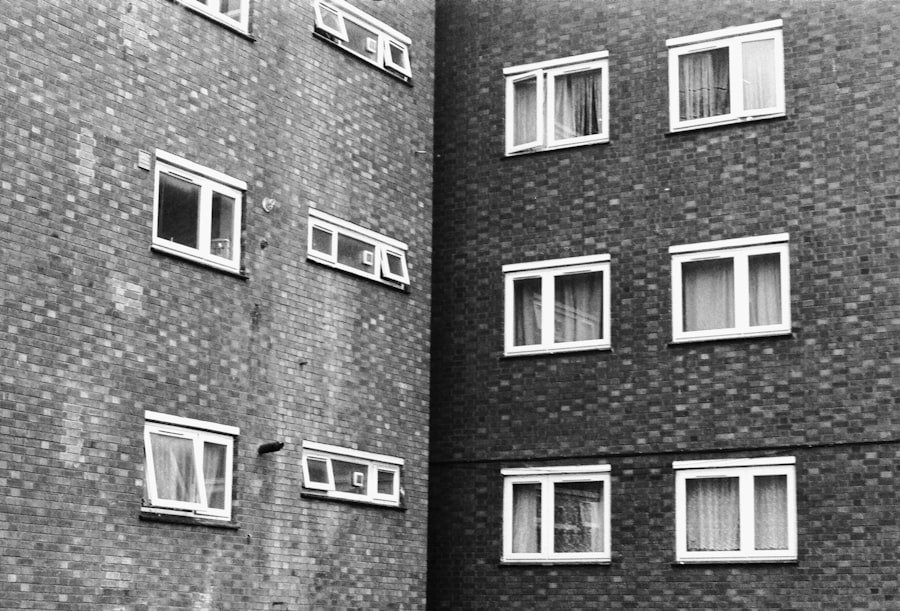
Long-term renting is now more flexible than the old fixed six- or twelve-month model suggested. Since May 1, 2026, most private assured tenancies in England have become assured periodic tenancies that run weekly or monthly without a fixed end date, according to the Renters’ Rights Act guidance for tenants. The market still ranges from modern high-rises in Canary Wharf to Victorian conversions in areas such as Clapham.
For these tenancies, tenants can generally end the agreement with up to two months’ written notice, unless a shorter period is agreed. Landlords must use a valid legal ground to regain possession rather than Section 21 no-fault eviction. Different rules can apply to lodgers, student halls, social housing, and other excluded arrangements.
Landlords and letting agents may still ask for references, identity information, and affordability checks as part of an application. Before signing, check what the rent includes, who pays council tax and utilities, how repairs are reported, whether furniture is included, and what notice applies. For most assured periodic tenancies, the current deposit rules cap a holding deposit at one week’s rent and a tenancy deposit at five weeks’ rent when annual rent is below £50,000, or six weeks when it is £50,000 or more.
If the property will be your main home in England, adult tenants may also need to prove their eligibility under the government’s right-to-rent document checks. This is especially relevant for international renters arranging a move to London.
What Do Apartments in London Cost?
There is no single useful London apartment price because short-stay and long-term markets are measured differently. For long-term private renting, the strongest current benchmark is official ONS rent data; for short stays, live booking-platform prices are more useful because rates change by date, demand, apartment size, and length of stay.
For serviced apartments, a Booking.com London serviced-apartment snapshot checked on October 1, 2026 showed an average of £165 per night. Treat that as a live marketplace snapshot, not a fixed London-wide rate; weekend, same-day, central, luxury, and multi-bedroom prices can be much higher.
For long-term renting, ONS local data show why location matters. The Croydon rental data reported an average monthly private rent of £1,582 in August 2026, while the London average was £2,332. In Barking and Dagenham, the August 2026 average was £1,698.
| Area | Average monthly private rent | Period |
|---|---|---|
| London | £2,332 | August 2026 |
| Croydon | £1,582 | August 2026 |
| Barking and Dagenham | £1,698 | August 2026 |
These figures are averages across existing and new private tenancies, not quotes for a particular apartment. Property size, condition, furnishing, station access, and neighborhood can move an individual listing far above or below the local average.
Top Neighborhoods for Short Stays in London
For a short visit, prioritize walking access to your main sights and a simple trip back to the apartment at night. Covent Garden, Soho, and South Kensington are strong choices for different kinds of trips, but central convenience usually comes with higher accommodation costs and more street activity.
| Neighborhood | Best for | Why stay there | Trade-off |
|---|---|---|---|
| Covent Garden | First-time visitors, theatre, central sightseeing | West End attractions, restaurants, shops, and several major sights are walkable | Busy streets and premium central prices |
| Soho | Dining, nightlife, West End entertainment | Very central with restaurants, bars, and theatres close by | Noise can be a drawback for light sleepers |
| South Kensington | Families, museums, a calmer central base | Natural History Museum, Science Museum, V&A, and nearby parks | Still one of the more expensive parts of London |
Top Neighborhoods for Long Stays in London
For a long stay, daily convenience matters more than being beside every tourist attraction. Look at your commute, grocery options, green space, evening noise, and the exact station you will use; a cheaper flat can lose its value if every day requires a long or awkward journey.
- Islington: a useful choice if you want restaurants, shops, and easy access to central London while living in a more residential setting than the West End.
- Greenwich: suits renters who value riverside walks, Greenwich Park, historic surroundings, and rail or DLR connections toward central and east London.
- Notting Hill: combines residential streets with Portobello Road, cafes, and west London access, though rents can be high.
- Shoreditch: works well for people who prioritize nightlife, restaurants, creative businesses, and access to the City; street noise varies sharply by block.
- Hampstead: offers a more residential feel and access to Hampstead Heath, but check the journey time to your workplace before committing.
Luxury Apartments in London

Luxury apartments in Mayfair and Knightsbridge can add hotel-style services to a private residence, including concierge support, security, housekeeping, gyms, pools, and resident lounges. The real value is not the postcode alone; compare the actual services, privacy, building management, and total rent or service charges.
One Hyde Park is a clear example. The official Mandarin Oriental One Hyde Park residence page lists 24-hour concierge and security, in-residence dining, a private cinema, an ozone pool, treatment rooms, exercise studios, a gym, wine cellars, and secure underground parking. Penthouses and high-floor residences may also provide major Hyde Park or city views.
Budget-Friendly Apartments in London
Budget-friendly renting usually means compromising on central location, apartment size, or privacy. Croydon and Barking and Dagenham are examples of areas where current average rents are below the London-wide average, while flatshares can reduce costs further in more central neighborhoods.
SpareRoom and Roomgo can help renters find rooms or flatshares, but compare the full monthly cost rather than rent alone. Council tax, utilities, broadband, commuting, parking, and any permitted building charges can change which property is actually cheaper.
Pro Tip: Compare two addresses by total monthly housing and travel cost, not just advertised rent. A flat farther out can still cost more overall if the commute is expensive or several household bills are excluded.
Family-Friendly Apartments in London
Families usually need more than an extra bedroom. Prioritize usable living space, lift access for strollers, laundry, nearby parks, safe storage, a practical school or nursery journey, and a straightforward route to work or central London.
Richmond is attractive for families who want extensive green space around Richmond Park and a more residential atmosphere. Hampstead offers similar appeal around Hampstead Heath. In either area, check the exact address rather than relying on the neighborhood name, especially for school admissions, station access, hills, stairs, and the distance to groceries.
In apartment buildings, useful family features can include secure entry, lifts, bike or stroller storage, gardens, and communal areas. For a short stay, also confirm whether cots, high chairs, or extra beds are available before booking rather than assuming they are included.
Pet-Friendly Apartments in London
Pet-friendly apartments are easier to find when you filter early and give the landlord or operator clear details about the animal. Clapham and Battersea are practical areas to consider because they combine residential streets with access to parks, but individual buildings and leases can still have restrictions.
For assured periodic tenancies under the 2026 rules, a tenant can ask to keep a pet and the landlord must consider the request and should explain a refusal. Short-stay apartments operate under their own booking rules, so check size or breed limits, furniture restrictions, cleaning terms, and any permitted charges before paying.
Amenities to Look for in London Apartments
The best amenities are the ones that reduce friction during your specific stay. A visitor may care most about a kitchen, laundry, Wi-Fi, luggage storage, and easy check-in, while a long-term renter may value heating, storage, building security, bike space, lift access, and reliable maintenance.
- Kitchen: Check whether it is a full kitchen or only a kitchenette, especially for long stays.
- Laundry: In-unit washing is convenient; shared laundry may still work if access hours are reasonable.
- Internet: Confirm Wi-Fi is included for short stays and ask about broadband setup for a private tenancy.
- Heating and ventilation: Make sure the system is working and that you understand how it is controlled.
- Access: Check stairs, lifts, entry systems, and step-free access if mobility or heavy luggage matters.
- Noise: Bedrooms facing a courtyard can feel very different from rooms above a main road, pub, or nightlife street.
- Security: Secure entry, working locks, and clear building access procedures are more useful than a vague claim that an area is “safe.”
- Shared amenities: A gym, communal garden, rooftop terrace, or concierge can be valuable, but only if you will use it and the cost is justified.
- Running costs: For long stays, check the Energy Performance Certificate, appliance efficiency, and recycling arrangements because these can affect comfort and bills.
Tips for Finding the Best Apartment in London
The fastest way to find a suitable London apartment is to set your non-negotiables before you search. Decide the maximum total budget, stay type, essential transport route, number of bedrooms, and must-have amenities first, then compare only listings that meet those needs.
- Set a total budget. Include rent or nightly price, bills, transport, cleaning, deposits, parking, and any permitted service charges.
- Choose the commute before the neighborhood. Test the actual route to work, school, or your main attractions at the times you will travel.
- Match the contract to your stay. A vacation booking, serviced-apartment agreement, and assured periodic tenancy create different rights and obligations.
- Search more than one channel. Rightmove and Zoopla are useful for long-term listings, while local letting agents may know of suitable properties that are not yet widely advertised.
- Compare like with like. Check floor area, bedroom count, furnishing, laundry, kitchen facilities, and included bills instead of comparing headline prices alone.
- Read cancellation and payment terms. For short stays, confirm the refund policy and all charges before paying.
- Check tenancy paperwork. For a main-home rental, review deposit terms, right-to-rent requirements, rent payment dates, repair responsibilities, and notice provisions.
- Inspect the property carefully. If you cannot visit, ask for a live video viewing and confirm the condition of the kitchen, bathroom, windows, heating, appliances, and common areas.
- Check the street at the time you will use it. A block can feel very different during weekday rush hour, late evening, or weekend nightlife.
Frequently Asked Questions
What are the best areas to find apartments in London for short and long stays?
Covent Garden, Soho, and South Kensington are practical short-stay bases because they keep major sights, dining, or museums close. For longer stays, Islington, Greenwich, Notting Hill, Shoreditch, and Hampstead offer different mixes of transport, nightlife, green space, and residential character. The best choice depends on your daily destinations and budget.
What amenities can I expect in the best apartments in London?
Most well-equipped London apartments provide a kitchen or kitchenette, Wi-Fi, heating, and basic furniture. Many short-stay or serviced apartments also include laundry facilities and periodic housekeeping. Higher-end buildings may add a concierge, gym, pool, lift, or communal spaces, but you should confirm exactly what is included before booking.
What does it cost to rent an apartment in London?
For long-term private renting, the London average was £2,332 per month in August 2026, while individual boroughs varied widely. Short-stay prices change much faster by date and location; a Booking.com snapshot checked on October 1, 2026 showed an average of £165 per night for London serviced apartments. Treat live booking prices as date-specific.
What transportation options are available near London apartments?
London apartments can be served by the Underground, buses, National Rail, London Overground, the Elizabeth line, or DLR, depending on the area. A central address is not always the fastest option for your trip. Check the actual journey to your main workplace or attractions, including late-evening service and walking time from the station.
Are there extra fees or deposits when renting an apartment in London?
Yes, depending on the type of stay. Short-stay bookings may add cleaning, service, parking, or refundable damage charges. For most assured periodic tenancies in England, a holding deposit can be up to one week’s rent and the tenancy deposit is capped at five weeks’ rent, or six weeks when annual rent is £50,000 or more.
Does London have a 90-day rule for short-term apartment rentals?
Yes, but the rule applies to the use of residential property for temporary sleeping accommodation. In London, a home generally cannot be used for short-term letting for more than 90 nights in a calendar year without planning permission, subject to the legal conditions. It is not a simple 90-day limit on every visitor or every serviced apartment.
What changed for long-term renters in London in 2026?
From May 1, 2026, most private assured tenancies in England became assured periodic tenancies that run weekly or monthly without a fixed end date. Tenants can generally end the tenancy with up to two months’ written notice, and landlords need a valid legal ground to regain possession rather than using a Section 21 no-fault eviction.
Can I rent an apartment in London if I have a pet?
Pet policies still vary by property, but the rules for assured periodic tenancies changed in 2026. A tenant can ask to keep a pet, and the landlord must consider the request and should explain a refusal. For short stays, pet acceptance remains a booking condition, so confirm size limits, house rules, and any permitted charges before paying.
If you are looking for the best apartments in London for short and long stays, you may also be interested in reading an article about the terms and conditions of using rental services in the city. This article provides valuable information on what to expect when renting an apartment in London and how to ensure a smooth experience. You can find more details in the terms and conditions article.
Sources
- London City Hall short-term and holiday lets guidance: London residential short-let planning rules and the 90-night annual limit.
- GOV.UK Renters’ Rights Act overview for tenants: assured periodic tenancies, notice, rent increases, pets, and possession changes from May 1, 2026.
- GOV.UK rent in advance and deposits: holding-deposit and tenancy-deposit limits.
- GOV.UK private renting document checks: right-to-rent requirements for main-home tenancies in England.
- Booking.com London serviced apartments: live short-stay serviced-apartment price snapshot checked October 1, 2026.
- Office for National Statistics: Croydon housing prices: August 2026 Croydon and London private-rent averages.
- Office for National Statistics: Barking and Dagenham housing prices: August 2026 local private-rent average.
- Mandarin Oriental: One Hyde Park residences: verified resident services and amenities.