Istanbul rewards travelers who eat beyond a single kebab dinner. A useful Istanbul food guide should cover everyday street food, long meze meals, seasonal fish, vegetable dishes, modern restaurants, and the desserts locals stop for throughout the day. Start with simit, balık ekmek, and a proper meze-based meal, then explore according to your neighborhood and appetite.
Quick Answer
For a first food-focused visit to Istanbul, prioritize fresh simit, balık ekmek by the waterfront, and a dinner built around meze and seasonal dishes. Add a Turkish breakfast, Adana or Urfa kebab, baklava, and künefe. For contemporary dining, Mikla and Neolokal show how chefs reinterpret Anatolian ingredients and traditions.
Last checked: October 1, 2026. Dates and figures were verified against official sources.
Key Takeaways
- Eminönü and Karaköy are convenient stops for balık ekmek, while Kadıköy is especially useful for markets, regional cooking, meze, and casual dining.
- Fish changes with the season, so ask what is best that day instead of automatically ordering the same species year-round.
- Vegetarians can build meals around zeytinyağlı vegetable dishes, lentil dishes, börek, gözleme, salads, and meze, but vegans should still ask about yogurt, butter, cheese, and meat stock.
- Baklava, künefe, sütlaç, and lokum offer very different textures and flavors, so Turkish dessert culture is worth treating as a separate food experience.
- Popular fine-dining and rooftop restaurants have different closing days and service hours, making reservations and timing more important than with casual lokantas or street stalls.
Traditional Turkish Cuisine: What Should You Eat First?
Traditional Turkish cuisine is built around regional cooking rather than one fixed national menu. In Istanbul, you can taste influences from Anatolia, the Black Sea, southeastern Turkey, the Aegean, the Balkans, and the former Ottoman capital itself.
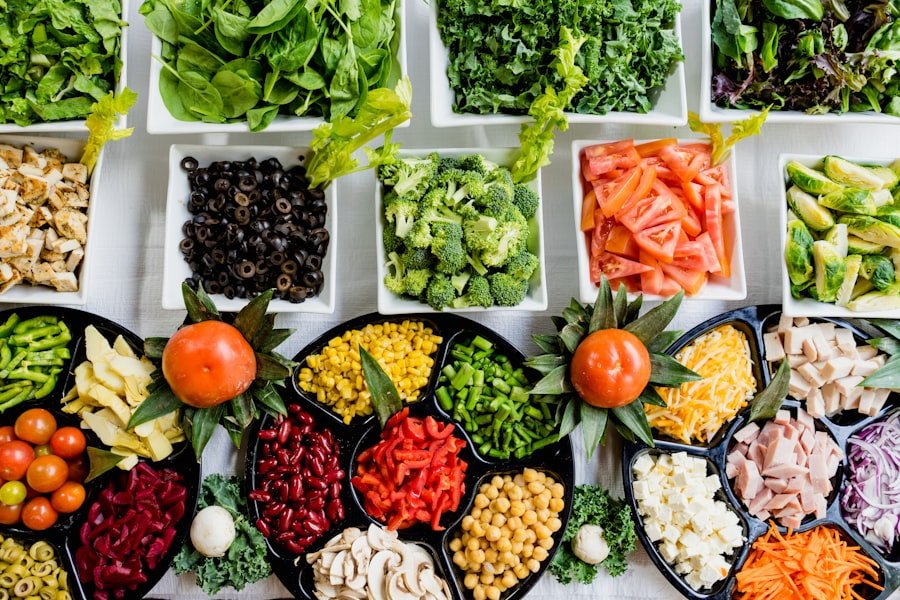
Meze is one of the easiest ways to understand this variety. A table may include yogurt-based dips, eggplant, beans, peppers, stuffed vine leaves, seafood, or vegetable dishes cooked in olive oil. Instead of treating meze as a quick appetizer, many diners share several plates slowly before moving on to grilled fish or meat.
Kebabs also vary considerably. Adana kebab is known for a hotter, pepper-forward minced-meat mixture, while Urfa kebab is generally milder. Döner is prepared on a vertical spit and shaved as it cooks. Köfte, meanwhile, covers numerous styles of seasoned meatballs and patties.
Rice pilav and bulgur pilav are common accompaniments, while breads such as pide and lavash help turn grilled meats, spreads, and stews into complete meals. For a broader meal, combine one grilled dish with salad, vegetables, and one or two shared meze rather than ordering several heavy mains.
Street Food Delights: Exploring Istanbul’s Local Flavors
Istanbul street food works best as part of your sightseeing day rather than as a separate event. Simit in the morning, a fish sandwich near the water at lunch, and a later snack such as döner or kokoreç can introduce you to several sides of the city without requiring a formal restaurant meal.
Simit is a sesame-coated bread ring sold from bakeries and street carts. It is crisp outside, chewy inside, and commonly paired with tea or cheese. Buy one when it is fresh rather than choosing a cart mainly for its location.
Gözleme offers a more substantial option. Thin dough is filled with ingredients such as cheese, spinach, potato, or minced meat and cooked on a hot surface. Köfte sandwiches and döner are also easy to find when you want something more filling.
For waterfront food, balık ekmek is one of Istanbul’s best-known snacks. The city’s official street-food guide highlights Eminönü and Karaköy for the grilled-fish sandwich. Kokoreç is another widely known street food, usually chopped, seasoned, and served in bread.
Other common choices include midye dolma, mussels filled with seasoned rice, and kumpir, a large baked potato mixed with butter and cheese before toppings are added. Around Taksim, you may also see ıslak hamburger, a small burger softened with tomato-based sauce and steam.
Fine Dining: Experiencing Istanbul’s Gastronomic Scene
Istanbul’s contemporary restaurants often build modern menus around Anatolian produce, regional recipes, fermentation, preservation, and seasonal ingredients. This makes fine dining useful for travelers who want more than a formal version of familiar kebabs.
Mikla, on the 18th floor of The Marmara Pera in Beyoğlu, describes its cooking as a contemporary interpretation of Anatolian ingredients. Its menu changes according to available produce and includes both tasting-menu and vegan-tasting options. As checked on October 1, 2026, the restaurant opens Monday through Saturday from 18:00 to 24:00, with the last food order at 21:30, and closes on Sunday.
Neolokal takes another approach to modern Turkish cooking. The MICHELIN Guide listing for Neolokal describes a menu rooted in Turkish culinary traditions and reinterpreted with contemporary techniques, with an emphasis on local produce and environmental responsibility. Its listed hours are 18:00 to 01:00 Tuesday through Saturday, with Sunday and Monday closed.
Both restaurants suit travelers who want a longer, chef-led meal rather than a quick introduction to classic dishes. Reserve before building an evening itinerary around either one, especially if your schedule leaves only one suitable night.
Seafood Sensations: Sampling Istanbul’s Fish Culture
Istanbul’s relationship with fish is strongly tied to season and geography. The Bosphorus links the Black Sea and the Sea of Marmara, while restaurants also use seafood from elsewhere in Türkiye and farmed species, so the smartest order is usually the fish that is in good condition that day.
| Seafood Type | Location | Price | Freshness |
|---|---|---|---|
| Balık ekmek | Eminönü and Karaköy waterfront | Budget-friendly; varies by vendor | Choose a busy grill serving fish hot |
| Seasonal whole fish | Bosphorus, Kadıköy, Sarıyer and fish restaurants citywide | Varies by species, size and venue | Ask which fish is best that day |
| Meze and seafood | Meyhanes and specialist seafood restaurants | Mid-range to upscale; varies widely | Favor seasonal fish and freshly prepared meze |
Seasonality matters particularly for migratory fish. For the 2026 season, Türkiye’s Ministry of Agriculture and Forestry moved the small-scale net-fishing start for palamut and torik forward to August 15. Exact availability still changes with weather, migration, fishing conditions, and regulations.
Balık ekmek is the casual choice: grilled fish in bread with simple vegetables or salad. A traditional fish restaurant is a slower experience. You may begin with cold meze, add a warm seafood starter, and then share grilled or cooked fish.
Sur Balık is one established seafood option with Istanbul branches in Arnavutköy, Cihangir, and Sarayburnu. Its own site emphasizes serving seafood according to season. Whatever restaurant you choose, confirm how the fish is priced before ordering if the menu does not show a clear portion price.
Vegetarian and Vegan Options: Navigating Istanbul’s Food Scene
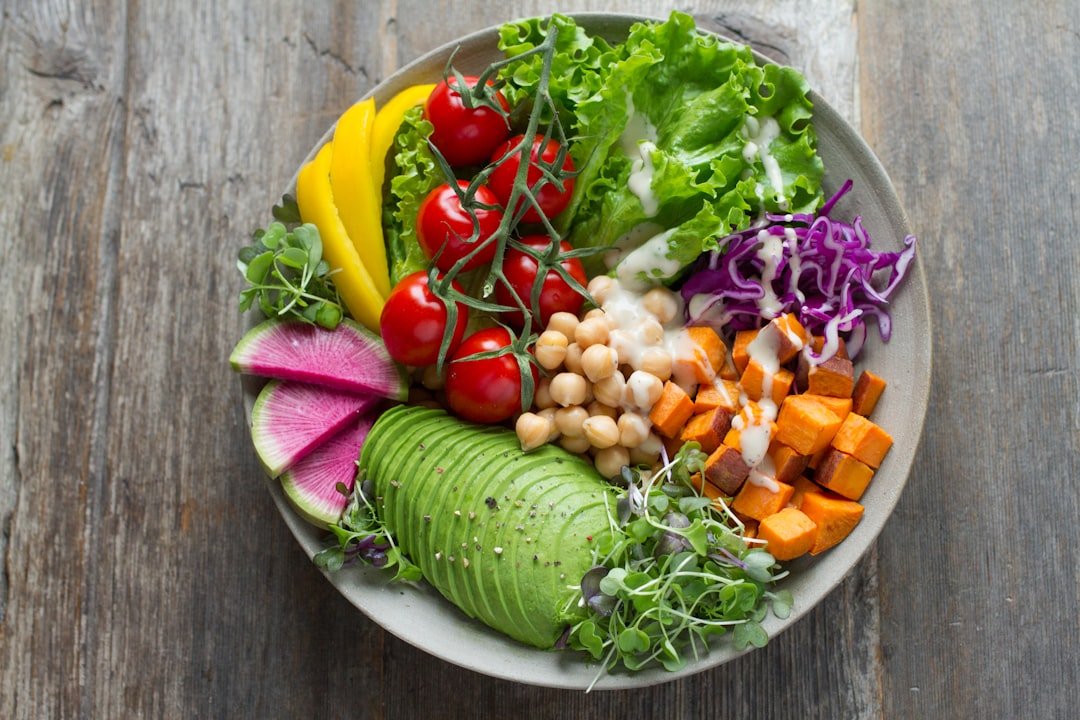
Vegetarians have far more choices in Istanbul than a kebab-heavy first impression suggests. Turkish cooking includes an entire tradition of vegetables prepared with olive oil, along with legumes, soups, salads, breads, stuffed vegetables, and meat-free meze.
İmam bayıldı is a classic example: eggplant cooked with olive oil, onion, tomato, and aromatics. Mercimek çorbası, or lentil soup, is another common choice, though anyone avoiding animal products should ask whether butter or meat stock is used.
Look for the word zeytinyağlı on menus. It generally refers to vegetables cooked with olive oil and often served cool or at room temperature. Stuffed vine leaves, beans, artichokes, eggplant dishes, and vegetable stews can all appear in this category.
For a restaurant specifically accustomed to dietary requests, Zencefil in Beyoğlu currently advertises both vegetarian and vegan meals. Even at plant-friendly restaurants, vegans should ask about yogurt, butter, cheese, eggs, and stock instead of assuming every vegetable dish is fully vegan.
Pro Tip: At a lokanta, look at the prepared dishes behind the counter before ordering. This makes it easier to combine a vegetable dish, beans or lentils, rice or bulgur, salad, and yogurt according to your diet.
Sweet Treats: Indulging in Turkish Desserts and Pastries
Turkish desserts range from crisp syrup-soaked pastry to warm cheese desserts and light milk puddings. Trying more than one style gives you a much better picture of the country’s dessert traditions than ordering baklava every night.
Baklava combines many thin layers of pastry with butter, nuts, and syrup. Pistachio and walnut are common fillings, and texture matters: good baklava should remain crisp and layered rather than becoming a dense block of syrup-soaked pastry.
Künefe is very different. Fine strands of kadayıf pastry surround a mild melting cheese, then the dessert is cooked until crisp and finished with syrup. It is normally served warm, often with pistachio on top.
For something gentler, try sütlaç, Turkish rice pudding, or kazandibi, a milk pudding known for its caramelized surface. Lokum, commonly called Turkish delight, comes in simple flavored versions as well as varieties containing pistachios, hazelnuts, or walnuts.
Turkish coffee and black tea both pair naturally with sweets, but they create different endings to a meal. Coffee is small, strong, and served with sediment left in the cup. Tea is lighter and can continue through a long conversation or dessert stop.
Hidden Gems: Finding Regional and Meyhane Cooking
The most interesting Istanbul meals are not always hidden in the literal sense. Often, the better strategy is to look for a restaurant with a clear specialty: regional Anatolian cooking, an esnaf lokantası serving home-style dishes, or a meyhane built around meze and conversation.
Çiya Sofrası in Kadıköy is known for regional dishes drawn from different parts of Anatolia. Its changing selection is useful if you want to move beyond the handful of Turkish dishes that appear on almost every visitor-oriented menu. Ask about the prepared dishes available that day rather than arriving with only one specific order in mind.
Asmalı Cavit in Beyoğlu represents another style: the meyhane. Here, the meal is built around shared meze, seafood, grilled dishes, and a slower rhythm. A meyhane works especially well for a group because you can order several small dishes and taste more of the menu.
Karaköy Lokantası is another useful reference point for traditional cooking. At lunch it follows an esnaf-lokantası style with prepared dishes and casseroles, while its evening service shifts toward meze and rakı. This difference between lunch and dinner is common enough in Istanbul that the same address can offer two quite different experiences.
Dining with a View: Rooftops and Bosphorus Restaurants
In Istanbul, a view can be part of the meal, but the restaurant style matters just as much as the skyline. Rooftops in Beyoğlu tend to feel urban and energetic, while Bosphorus restaurants offer a more open waterfront setting.
360 Istanbul sits on the top floor of the historic Mısır Apartment on İstiklal Caddesi. It combines food, drinks, entertainment, and a panoramic city view. As checked on October 1, 2026, its restaurant lists daily hours of 12:00 to 00:00, while the club lists 23:00 to 04:00.
For a Bosphorus-facing experience, Ulus 29 is inside Ulus Park. Its current schedule lists lunch from 12:00 to 15:00 and dinner from 18:00 to 02:00 Monday through Friday. Saturday and Sunday list dinner from 18:00 to 02:00.
A view restaurant makes the most sense when the setting is part of your plan, such as sunset drinks, a special dinner, or an evening when you do not want to move between several neighborhoods. For a food-first day, spend more of your meals in markets, lokantas, specialist shops, and meyhanes.
Practical Tips for Planning an Istanbul Food Day
The easiest way to eat well in Istanbul is to organize meals by neighborhood. Constantly crossing the Bosphorus or moving between distant districts for individual dishes wastes time that could be spent exploring markets and side streets.
- Morning: Start with simit, börek, menemen, or a full Turkish breakfast.
- Lunch: Try a lokanta, pide shop, kebab restaurant, or regional restaurant when you want a substantial meal.
- Afternoon: Use dessert, Turkish coffee, or tea as a separate stop rather than forcing sweets onto the end of a large lunch.
- Evening: Choose between a meyhane, fish restaurant, contemporary tasting menu, or rooftop according to how long you want to spend at the table.
Kadıköy works particularly well for market browsing, regional dishes, casual restaurants, meze, and dessert. Eminönü and Karaköy fit naturally into Old City sightseeing and waterfront street food, while Beyoğlu offers meyhanes, restaurants, rooftops, and late-evening options.
Reservations are most useful for chef-led restaurants and popular view venues. For street food and casual lokantas, freshness and turnover usually matter more than advance planning. If a fish restaurant offers several whole fish, ask which is in season and confirm the price before the kitchen starts cooking it.
Istanbul’s food scene is broad enough that you do not need to chase every famous dish. A stronger trip combines different formats: one breakfast, one street-food session, one lokanta or regional lunch, one meze or fish dinner, and a few dedicated dessert stops.
Frequently Asked Questions
What are some popular dishes in Istanbul?
Popular foods include döner, Adana and Urfa kebabs, köfte, meze, balık ekmek, börek, pide, baklava, künefe, and Turkish breakfast dishes such as menemen. Istanbul also has a strong fish, lokanta, and meyhane culture, so eating only kebabs misses much of what the city offers.
Where can I find good street food in Istanbul?
Eminönü and Karaköy are convenient for balık ekmek and waterfront snacks, while Kadıköy offers markets, bakeries, döner, midye dolma, and numerous casual food stops. Around Taksim and Beyoğlu, you will also find kokoreç, döner, and ıslak hamburger late into the evening.
What are some notable restaurants in Istanbul?
Options cover very different styles. Çiya Sofrası focuses on regional Anatolian dishes, Karaköy Lokantası combines traditional lunch cooking with evening meze service, and Asitane is known for researching Ottoman palace cuisine. Mikla and Neolokal are better suited to travelers seeking contemporary, chef-led interpretations.
Where can I eat seafood in Istanbul?
You can find seafood around the Bosphorus, in Kadıköy, Sarıyer, Karaköy, Eminönü, and specialist fish restaurants across the city. Balık ekmek is the quick option, while a fish restaurant lets you combine cold meze, warm seafood starters, and seasonal fish over a longer meal.
What are some popular desserts in Istanbul?
Baklava and künefe are two of the best-known choices, but they are very different: baklava is layered pastry with nuts and syrup, while künefe combines crisp kadayıf pastry with melted cheese. Sütlaç, kazandibi, lokum, and seasonal fruit or pumpkin desserts provide lighter or softer alternatives.
Is Istanbul good for vegetarians and vegans?
Yes. Vegetarians can choose from zeytinyağlı vegetables, lentil dishes, soups, börek, gözleme, salads, stuffed vegetables, and many meze. Vegans should ask whether apparently plant-based dishes contain yogurt, cheese, butter, eggs, or meat stock, because these ingredients are common in Turkish kitchens.
What food should I try on my first day in Istanbul?
A simple first-day plan is simit or Turkish breakfast in the morning, balık ekmek or a lokanta lunch, baklava with tea or coffee in the afternoon, and meze with grilled fish or kebab for dinner. This covers several distinct parts of Istanbul’s food culture without overloading one meal.
If you’re looking for more culinary adventures, you might want to check out Exploring the Delightful World of Asian Melon. This article explores the flavors and uses of Asian melon and offers another food topic to explore.
Sources
- Visit Istanbul: Street Delicacies: Supports the street-food guidance for balık ekmek, Eminönü, Karaköy, and kokoreç.
- Türkiye Ministry of Agriculture and Forestry: Supports the August 15, 2026 start for small-scale palamut and torik net fishing.
- Mikla Restaurant: Supports its location, contemporary Anatolian approach, menu format, and operating hours.
- MICHELIN Guide: Neolokal: Supports its modern Turkish approach, local sourcing emphasis, and listed opening days and hours.
- Sur Balık: Supports its seasonal seafood focus and Istanbul branches.
- Zencefil Restaurant: Supports its Beyoğlu location and availability of vegan and vegetarian meals.
- 360 Istanbul: Supports its Beyoğlu location, panoramic concept, and current restaurant and club hours.
- Ulus 29: Supports its Ulus Park location, Bosphorus setting, and current lunch and dinner hours.