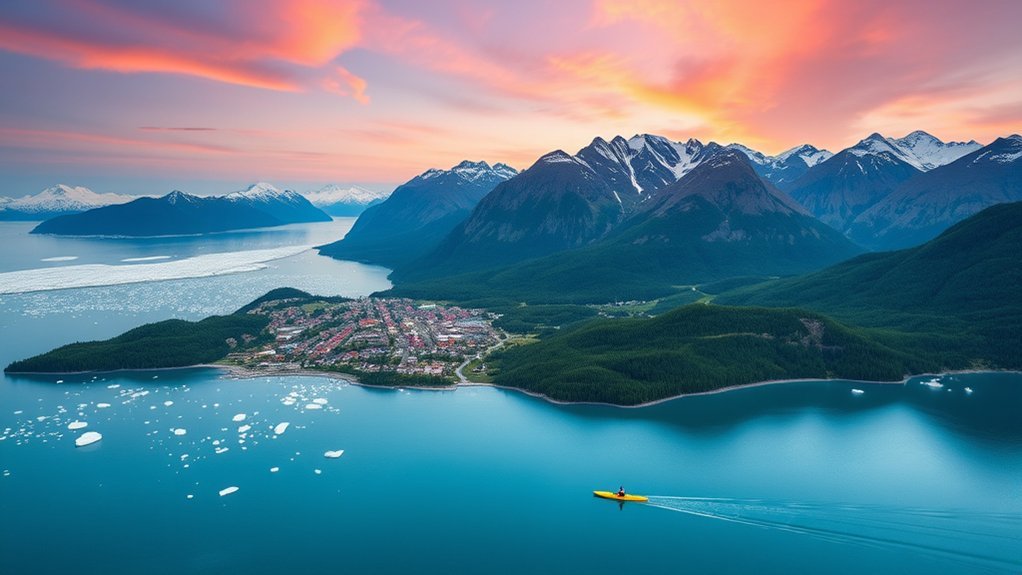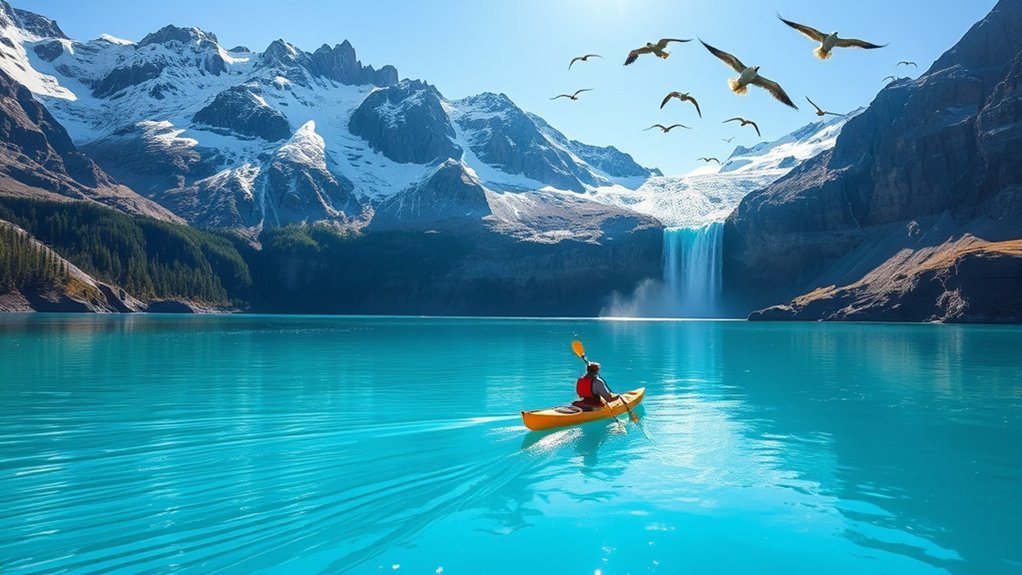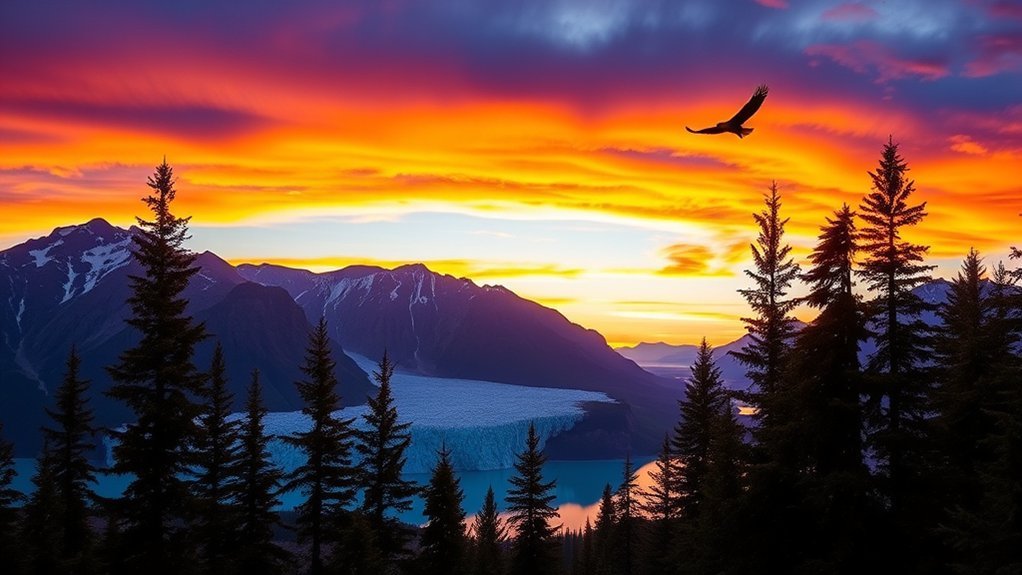
Alaska gives you an unusual range of subjects in one state: vast mountains, tidewater glaciers, brown bears, whales, fishing harbors, rainforest, tundra, and northern lights. The best Alaska photography spots depend on the subject you want, how much remote travel you can handle, and whether you prefer road access, boat trips, or fly-in wilderness.
Quick Answer
For a first Alaska photography trip, choose Denali for mountains and tundra, Seward or Glacier Bay for glaciers and marine life, Fairbanks for auroras, Homer for accessible coastal scenes, and Katmai or Lake Clark for guided bear photography. Summer offers broad access, while September adds fall color and darker skies.
Last updated: July 23, 2026
Editorial review: This guide was checked against current National Park Service, State of Alaska, University of Alaska Fairbanks, U.S. Forest Service, and Alaska Department of Fish and Game guidance.
Key Takeaways
- Choose your route by subject. Denali suits mountain and tundra images, Fairbanks suits auroras, and coastal parks suit glaciers, whales, and seabirds.
- Road-accessible bases such as Anchorage, Seward, Homer, Fairbanks, and Juneau are easier for first trips than fly-in parks.
- Build weather flexibility into every itinerary. Fog, wind, wildfire smoke, rough seas, and low clouds can change flights and boat trips.
- Use a long lens and follow local wildlife rules rather than moving closer for a photograph.
- Check park alerts, road status, tour schedules, permits, and access rules again shortly before departure.
The State of Alaska reports more than 3 million lakes, 6,640 miles of coastline, and 33,904 miles of shoreline, giving photographers far more possibilities than one trip can cover.
Those figures come from the State of Alaska’s official facts page. Use the destination guide below to narrow those possibilities into a workable route.
Best Alaska Photography Spots at a Glance
At a Glance
| Denali National Park | Best for: Mountains, tundra, wildlife, and braided rivers. Season: Mid-May to mid-September for buses; late August and early September for fall color. Access: Road and bus access, with a Mile 43 road closure through summer 2026. |
| Glacier Bay National Park | Best for: Tidewater glaciers, fjords, whales, sea otters, and coastal mountains. Season: May to September. Access: Air or ferry to Gustavus, road to Bartlett Cove, then boat or aircraft for most of the bay. |
| Kenai Fjords National Park | Best for: Glaciers, whales, seabirds, sea otters, and steep fjord walls. Season: May to September for the broadest boat access. Access: Boat tours from Seward; seasonal road access toward Exit Glacier. |
| Anchorage | Best for: Skyline, mountains, wetlands, moose, coastal trails, and easy backup plans. Season: Year-round. Access: Extensive road access and short hikes. |
| Fairbanks | Best for: Northern lights, rivers, boreal forest, and winter scenes. Season: Roughly August 21 to April 21 for usable aurora darkness. Access: Roads lead to viewpoints outside the strongest city glow. |
| Seward | Best for: Resurrection Bay, harbor scenes, mountain reflections, and Kenai Fjords access. Season: May to September for boat tours; year-round for town and winter scenes. Access: Road, rail, trails, and boat trips. |
| Homer | Best for: Kachemak Bay, working boats, eagles, sea otters, tidal flats, and coastal light. Season: May to September for the widest tour selection. Access: Road access, harbor departures, and water taxis. |
| Wrangell-St. Elias National Park | Best for: Vast glaciers, mountain layers, mining history, and remote roads. Season: June to September. Access: Long gravel roads, air taxis, and backcountry routes. |
| Kodiak Island | Best for: Brown bears, rugged coast, fishing towns, and storm light. Season: Summer into early fall, depending on location and salmon activity. Access: Air or ferry, followed by road, boat, or aircraft. |
| Mendenhall Glacier | Best for: Glacier, lake, forest, and Nugget Falls compositions. Season: May to September for easier access; winter for snow and ice. Access: Road and trail access from Juneau. |
| Chugach State Park | Best for: Alpine ridges, valleys, Anchorage views, and Eklutna Lake. Season: Year-round with seasonal equipment. Access: Numerous trailheads near Anchorage. |
| Lake Clark National Park | Best for: Bears in habitat, volcanoes, lakes, salmon streams, and remote coast. Season: June to September for many wildlife trips. Access: No road connection; small aircraft provide most access, with limited boat options. |
| Gates of the Arctic National Park | Best for: Brooks Range wilderness, rivers, tundra, and caribou habitat. Season: Summer and early fall for most experienced visitors. Access: No roads or maintained trails; air taxi or difficult overland travel is required. |
| Katmai National Park | Best for: Brown bears, Brooks Falls, lakes, and volcanic terrain. Season: July for Brooks Falls and September for strong lower-river activity; coastal timing differs. Access: Primarily small aircraft or boat. |
| Inside Passage | Best for: Rainforest, whales, glaciers, islands, fishing towns, mist, and reflections. Season: May to September for broad visitor services. Access: Ferry, cruise ship, small ship, aircraft, and local boats. |
How to Choose an Alaska Photography Destination
Start with one main subject rather than trying to photograph the entire state in one trip. Alaska’s size, weather, and limited road network make tight itineraries risky.
- For a first visit: Base yourself in Anchorage, Seward, Homer, Juneau, or Fairbanks. These locations give you several backup subjects when weather changes.
- For glaciers and whales: Choose Seward, Glacier Bay, Juneau, or the Inside Passage.
- For bears: Compare Katmai, Lake Clark, and Kodiak by season, transport, viewing style, and operator authorization.
- For northern lights: Choose Fairbanks or another Interior location with dark skies and enough nights to wait for clear weather.
- For road-based landscapes: Combine Anchorage, Chugach State Park, Turnagain Arm, Seward, Homer, and Denali.
- For remote wilderness: Consider Wrangell-St. Elias, Lake Clark, Katmai, or Gates of the Arctic only after planning transport, food, communications, and emergency options.
Pro Tip: Add at least one flexible day around a flightseeing trip, bear-viewing flight, or boat tour. Low clouds, wind, rough water, wildfire smoke, and mechanical issues can change plans even when the broader forecast looks acceptable.
Denali National Park
Denali National Park and Preserve gives you open tundra, braided rivers, wildlife, and the Alaska Range in one broad landscape. The park remains named Denali National Park and Preserve, while current federal materials use Mount McKinley for the peak. The mountain may remain hidden behind clouds for long periods, so allow more than one viewing opportunity if it is your priority.
2026 Access Note: The Denali Park Road is closed at Mile 43 through summer 2026 because of the Pretty Rocks Landslide. Transit and tour buses cannot continue to Eielson Visitor Center or Wonder Lake. Check current conditions before choosing viewpoints or booking a bus.
Use a wide-angle lens for tundra foregrounds and a telephoto lens for wildlife or compressed mountain layers. Grizzlies, caribou, moose, Dall sheep, and birds may appear far from the road. Do not leave a safe viewing position or block an animal’s route for a closer frame.
- Strong compositions: Mountain layers above tundra, braided river bars, wildlife shown within its habitat, and late-summer fall color.
- Useful light: Early morning, evening, storm breaks, and brief alpenglow windows.
- Gear: Telephoto lens, wide lens, rain cover, binoculars, and spare batteries.
- Planning: Reserve a bus when availability is limited and keep a separate entrance-area shot list in case clouds hide the range.
Glacier Bay National Park
Glacier Bay National Park and Preserve combines tidewater glaciers, fjords, whales, sea otters, eagles, rainforest, and coastal mountains. You can reach Gustavus by air or scheduled ferry, then travel by road to Bartlett Cove. Most photography farther into the bay still requires a tour boat, cruise ship, private permitted vessel, charter, kayak, or small aircraft. Review the park’s current access guidance before booking connections.
Glacial Landscapes
Blue ice, floating ice, mist, dark water, and layered mountains make the bay especially effective in soft or broken light. From a boat, use wide frames to show scale and a longer lens for fractures, moraine bands, waterfalls, and distant glacier faces.
Do not wait for cloudless weather. Overcast light can preserve ice detail and reduce extreme contrast, while gaps in storm clouds may produce stronger depth than a clear midday sky.
Wildlife Photography Opportunities
Keep your camera ready for humpback whales, sea otters, harbor seals, sea lions, bald eagles, seabirds, and bears along the shoreline. Set a suitable shutter speed before activity begins. When photographing whales, study breathing patterns and direction rather than trying to predict every surfacing point.
| Wildlife | Likely Window | Photography Approach |
|---|---|---|
| Sea otters | Possible in multiple seasons | Use a telephoto lens, leave swimming space in the frame, and avoid crowding resting groups. |
| Humpback whales | Primarily the visitor season | Use continuous autofocus, burst mode, and enough shutter speed for a moving boat. |
| Bald eagles | Commonly photographed in spring and summer | Watch shoreline trees, exposed rocks, and feeding activity without approaching nests. |
| Bears | Spring through fall | Stay aboard or at the designated viewing distance and use habitat in the composition. |
Best Viewing Seasons
- Spring: Changing ice, returning wildlife, snow-covered mountains, and quieter visitor areas.
- Summer: Long daylight, the broadest boat access, active visitor services, and marine wildlife opportunities.
- Early fall: Softer light, changing vegetation, quieter scenes, and less predictable services.
- Winter: Dramatic snow and limited daylight, but reduced access requires a separate winter plan.
Kenai Fjords National Park
Kenai Fjords National Park is a practical choice for combining glaciers with marine wildlife. The National Park Service states that nearly 40 glaciers flow from the Harding Icefield, while the coast adds whales, puffins, sea otters, seals, waterfalls, and steep rock walls.
Base yourself in Seward for the simplest logistics. Use the Exit Glacier area for seasonal land access and a boat trip for tidewater glaciers and marine wildlife. Spray, rain, and condensation can soften images quickly, so keep a dry cloth accessible rather than buried inside your bag.
- Strong composition: A glacier framed by dark fjord walls, waterfalls, or a small vessel that shows scale.
- Useful light: Overcast light for ice detail and broken evening light for ridges and reflections.
- Gear: Weather protection, lens cloths, a wide-to-medium zoom, and a telephoto lens.
- Boat technique: Use a faster shutter speed than you would on land and brace yourself rather than relying on a tripod.
Warning: Keep at least 100 yards from marine mammals unless a more restrictive local rule applies. Never direct a vessel toward an animal, block its route, or pressure a captain to move closer.
Anchorage
Anchorage gives you multiple Alaska-style subjects without a fly-in expedition. In one stay, you can photograph city lights beneath mountains, Cook Inlet tides, coastal forest, wetlands, birds, and occasional moose.
- Flattop Mountain and Glen Alps: Photograph Anchorage, Cook Inlet, and mountain layers from higher ground.
- Tony Knowles Coastal Trail: Look for water, forest, skyline, tidal flats, and wildlife scenes.
- Potter Marsh: Use a telephoto lens from established viewing areas for birds and occasional large mammals.
- Kincaid Park: Combine forest, coastal bluff, sunsets, and long views across the inlet.
- Downtown Anchorage: Add murals, architecture, rail details, and city life to a landscape-heavy portfolio.
Anchorage also works as a weather backup. When a flight or boat trip is canceled, you can switch to wetlands, street details, museums, coastal trails, or nearby mountain viewpoints.
Fairbanks
Fairbanks is one of Alaska’s most dependable bases for aurora photography because roads lead away from concentrated city light and the Interior receives useful winter darkness. The University of Alaska Fairbanks Geophysical Institute describes the local aurora-viewing season as roughly August 21 through April 21.
| Photography Area | Best Window | Subjects |
|---|---|---|
| Chena River | Summer and fall | Reflections, river bends, fog, autumn color, and evening light |
| Creamer’s Field | Spring and fall migration | Migrating birds, open fields, historic structures, and low-angle light |
| Murphy Dome area | Aurora season | Broad northern skies, snow foregrounds, and distant landscape layers |
| University hill areas | Year-round | Hilltop views, winter light, city context, and cultural stops |
For auroras, start with a tripod, manual focus near infinity, a wide lens, and spare batteries stored inside your coat. Check cloud cover first because a strong aurora forecast cannot overcome a solid cloud layer.
Seward
Seward is a compact coastal base with a large range of subjects. Resurrection Bay, fishing boats, steep mountains, sea mist, bald eagles, beaches, and Kenai Fjords departures are all close together.
- Exit Glacier area: Photograph the valley, forest, glacier views, and signs documenting landscape change where seasonal access allows.
- Resurrection Bay: Look for sunrise color, sea mist, calm reflections, boats, and mountain silhouettes.
- Seward Harbor: Use working boats, ropes, floats, and reflections as foregrounds.
- Lowell Point: Combine beach, coastal forest, driftwood, and bay views.
- Mount Marathon area: Photograph the town and water from higher ground only when trail and weather conditions match your ability.
Seward is especially useful when you want road-accessible photography and a boat-based wildlife or glacier day without changing towns.
Homer
Homer combines easy coastal access with wildlife and working-harbor scenes. The Homer Spit, Kachemak Bay, mountains across the water, tidal flats, boats, eagles, and sea otters provide subjects at several focal lengths.
Scenic Coastal Views
- Homer Spit: Photograph tidal flats, fishing boats, shorebirds, changing weather, and sunset color.
- Kachemak Bay: Frame water against glaciers, snow-covered ridges, and shifting clouds.
- Anchor Point: Use surf, beach texture, distant volcanoes when visible, and broad horizon lines.
- Seldovia: Add docks, homes, small boats, forest, and village detail during a boat trip.
- Homer Harbor: Shoot dawn reflections, working vessels, ropes, floats, and human activity.
Wildlife Photography Opportunities
Homer can produce photographs of bald eagles, sea otters, shorebirds, puffins, and other marine wildlife. Sightings vary by location and season, so avoid treating any animal as guaranteed. Watch the background and the animal’s behavior before concentrating on a tight portrait.
| Wildlife | Planning Note |
|---|---|
| Sea otters | Possible in more than one season; viewing location, weather, and boat conditions matter. |
| Bald eagles | Possible year-round; never bait birds or approach active nests. |
| Puffins and seabirds | Late spring through early fall is the most practical window for many boat trips. |
Wrangell-St. Elias National Park
Wrangell-St. Elias National Park and Preserve is built around scale. According to the National Park Service, the park covers 13.2 million acres and rises from sea level to 18,008 feet. Its glaciers, mountain ranges, broad valleys, historic mining structures, and remote roads suit landscape photographers who can work slowly.
- Glaciers: Photograph blue ice, moraine bands, crevasses, glacier-fed rivers, and small people or buildings that show scale.
- Mountain layers: Use a telephoto lens to compress ridges and isolate light moving across distant peaks.
- Kennecott and McCarthy: Combine historic structures, machinery, human scale, and mountain backgrounds.
- Nabesna and McCarthy Roads: Treat them as remote scenic routes rather than quick highways.
- Storm light: Watch for short breaks in clouds that isolate ridges or sections of a glacier.
Carry a full-size spare tire or appropriate repair equipment, fuel, food, water, offline maps, and a communication plan suitable for the route. Road conditions and services can change.
Kodiak Island
Kodiak Island offers green mountains, rugged shorelines, fishing harbors, fog, rain, Russian Orthodox architecture, and renowned brown-bear habitat. The island’s weather can create soft, atmospheric photographs, but it also requires dependable rain protection.
For bear photography, choose an experienced operator authorized for the refuge, park, private land, or viewing area you plan to visit. Salmon timing, bear concentrations, access rules, and suitable viewing locations vary across the island. Confirm the exact destination and season rather than booking only from a generic “Kodiak bear” description.
- Strong composition: A bear shown with grass, water, salmon habitat, coastline, or mountains rather than only a tight portrait.
- Useful light: Soft overcast, early morning, late evening, rain breaks, and coastal fog.
- Gear: Long lens, rain cover, dry bags, absorbent cloths, and multiple memory cards.
- Town subjects: Working boats, harbor reflections, fishing infrastructure, churches, and changing weather over the coast.
Mendenhall Glacier
Mendenhall Glacier is one of the most approachable glacier photography areas near Juneau. The recreation area combines Mendenhall Lake, glacier views, forest, mountains, and Nugget Falls without requiring a fly-in expedition.
Glacier Access Options
- Visitor Center area: Begin with orientation, current trail information, and broad glacier views.
- Photo Point area: Use the lake, shoreline, and glacier as a clean layered composition.
- Nugget Falls Trail: Add waterfall scale, moving water, and foreground texture.
- Guided activities: Use qualified local support for technical glacier travel or water-based plans.
- Flightseeing: Consider aerial views only when weather, budget, baggage limits, and safety conditions align.
Photography Tips for Mendenhall Glacier
Early and late visits may provide softer light and fewer people, but transportation schedules and opening hours can affect access. A polarizing filter can reduce glare on water and wet leaves. Rotate it carefully on a wide lens because strong polarization may make the sky look uneven.
Warning: Glacier ice, caves, shorelines, and recently exposed terrain can be unstable. Never enter an ice cave or travel onto a glacier based on an old photograph or social-media location. Use current local guidance and qualified support.
Chugach State Park
Chugach State Park gives you alpine scenery close to Anchorage. It works well when you want ridgelines, valleys, lakes, and broad city or inlet views without adding a remote flight.
- Glen Alps and Flattop Mountain: Photograph Anchorage, Cook Inlet, tundra, and mountain layers from higher ground.
- Powerline Pass: Look for broad valley lines, weather moving across ridges, and wildlife habitat.
- Eagle River Valley: Combine rivers, forest, peaks, seasonal color, and glacial water.
- Eklutna Lake: Use shoreline foregrounds, reflections, long-lens mountain layers, and changing weather.
- Turnagain Arm viewpoints nearby: Add tidal water, cliffs, railway lines, and coastal atmosphere to an Anchorage-area route.
Weather changes quickly in the Chugach Mountains. Carry layers, traction when needed, bear-safety equipment, and a turnaround time. Do not let a sunset photograph leave you descending unfamiliar terrain without enough light.
Lake Clark National Park
Lake Clark National Park and Preserve combines bears, salmon streams, volcanoes, turquoise lakes, mountains, and Cook Inlet coast. The park is not connected to the road system. The NPS explains that travel is primarily by small aircraft, while some coastal areas may be reached by boat when weather and tides permit.
Lake Clark works well when you want wildlife shown in a broad landscape. Weather may delay flights in either direction, so protect your gear from rain and blowing sand and avoid scheduling a tight same-day airline connection after a remote pickup.
- Strong composition: Bears feeding, walking, digging, or resting within tidal flats, grass, water, or mountain habitat.
- Season: Summer into early fall for many bear-focused operations, with timing varying by specific location and food source.
- Access: Confirm the exact landing area, aircraft type, baggage allowance, guide authorization, lodging, meals, and weather policy.
- Backup plan: Keep medicine, essential clothing, batteries, and a charging option with you in case pickup is delayed.
Gates of the Arctic National Park
Gates of the Arctic National Park and Preserve is an advanced wilderness destination rather than a roadside photography stop. The park has no roads or maintained trails. Visitors normally use an air taxi, hike from a distant access point, or combine aircraft with river travel.
Unique Wilderness Landscapes
The Brooks Range provides glacier-carved valleys, wild rivers, tundra, alpine lakes, jagged peaks, and extremely long summer light. The absence of established routes can produce a rare sense of space, but it also increases the importance of navigation and emergency planning.
- Jagged mountain ranges and wide passes
- Tundra with seasonal wildflowers and fall color
- Clear rivers winding through broad valleys
- Remote lakes with reflections and weather layers
- Aurora-lit winter landscapes for specialized expeditions
Wildlife Photography Opportunities
Caribou, Dall sheep, bears, foxes, raptors, and ptarmigan live across this vast region, but sightings are never guaranteed. Choose a lens that lets you photograph animals without changing their path or wasting energy needed for survival.
Best Times to Visit
- Late spring: Snowmelt, unstable rivers, remaining snow, and rapidly changing conditions.
- Summer: Long daylight, river travel, backpacking, insects, and the broadest access window.
- Early fall: Tundra color, lower-angle light, colder nights, and possible early snow.
- Winter: Suitable only for highly experienced cold-weather travelers with specialized transport and emergency systems.
Warning: Cell service is not a reliable emergency plan in Gates of the Arctic. Carry suitable navigation, communications, shelter, food reserves, first-aid equipment, and the skills to use them.
Katmai National Park
Katmai National Park and Preserve is famous for brown bears at Brooks Falls, but it also offers lakes, volcanic terrain, the Valley of Ten Thousand Smokes, and coastal bear habitat.
Season Note: At Brooks Camp, bear viewing is generally strongest in July and September. August often has fewer bears along the Brooks River because salmon are less concentrated and more difficult to catch. Coastal bear-viewing areas follow different food sources and schedules.
| Feature | Useful Window | Photography Notes |
|---|---|---|
| Brooks Falls | July is usually strongest | Use a telephoto lens, expect platform limits or waits, and follow ranger instructions. |
| Lower Brooks River | July and September | Look for bears near slower water and the river mouth without blocking trails or bridges. |
| Valley of Ten Thousand Smokes | Summer visitor season | Use side light or broken cloud to reveal texture in the valley. |
| Naknek Lake | Late spring through fall | Look for reflections, weather layers, shoreline detail, and distant volcanoes. |
| Katmai coast | Often June through August, depending on location | Use an authorized operator and confirm the specific food source and landing plan. |
Do not photograph only tight bear portraits. Wider frames that include salmon streams, grass flats, waterfalls, volcanic ridges, or other bears often tell a more complete story.
Inside Passage
The Inside Passage gives you rainforest, steep islands, glaciers, whales, eagles, fishing towns, reflective water, and frequent fog. It is useful when you want several Southeast Alaska subjects without depending on one park or trail.
- Glaciers: Photograph blue ice, waterfalls, fjord walls, and calving zones from designated or safely managed viewing positions.
- Wildlife: Look for whales, seals, sea lions, eagles, bears, and shorebirds while following vessel and wildlife rules.
- Coastal towns: Use Ketchikan, Juneau, Sitka, Petersburg, Wrangell, or Skagway for architecture, working harbors, signs, and human context.
- Rainforest: Use fog, moss, wet boardwalks, tree trunks, and reflected light rather than waiting only for a wide vista.
- Storm transitions: Broken clouds after rain may produce stronger layers and color than a clear afternoon.
Protect a camera when moving between cold outdoor air and a warm cabin. Leaving it inside a closed bag while temperatures equalize can reduce condensation on lenses and internal components.
Best Time to Photograph Alaska
The best time depends on your subject and tolerance for limited access. Summer offers long daylight, active tour schedules, wildlife opportunities, and easier road travel. September adds tundra color, lower-angle light, fewer visitors in some areas, and darker nights. Winter provides auroras, snow, frost, and ice but demands stronger cold-weather planning.
- May to June: Snow on mountains, spring migration, young vegetation, waterfalls, and fewer visitors in some destinations.
- July to August: The broadest travel season, long daylight, active boat tours, flowers, bears, whales, and busy visitor areas.
- September: Fall color, lower sun angles, darker skies, and strong bear activity in some salmon systems.
- October to April: Aurora, snow, ice, winter festivals, frozen rivers, and short daylight, especially in Interior and northern Alaska.
Planning Around Alaska’s Long Daylight
Summer sunrise and sunset may fall at inconvenient hours, and parts of Alaska never become fully dark around the solstice. Use weather applications and sun-position tools to check civil twilight rather than assuming a normal lower-latitude golden hour. Overcast weather can become your main working light during midsummer.
Suggested Alaska Photography Settings
There is no single correct exposure, but these starting points help you react quickly. Adjust for your camera, lens, subject speed, available light, and the amount of noise you can accept.
| Subject | Starting Settings | What to Adjust |
|---|---|---|
| Aurora | Manual exposure, wide aperture, ISO 1600–6400, and roughly 1–10 seconds | Use shorter exposures for fast-moving aurora and longer ones for weak displays. Check stars for trailing. |
| Large wildlife | Continuous autofocus, burst mode, and about 1/1000 second or faster for active animals | Lower the shutter speed for still subjects when light is limited, but watch for subject movement. |
| Birds in flight | Continuous autofocus and roughly 1/1600 to 1/3200 second | Raise ISO as needed and leave extra space in front of the bird. |
| Glaciers and snow | Low ISO when possible, moderate aperture, and exposure compensation as needed | Check the histogram so bright snow or ice remains detailed without becoming dull gray. |
| Waterfalls | Tripod, low ISO, and about 1/4 to 1 second for visible motion | Use a faster speed when you want water texture rather than a smooth blur. |
| Boat photography | Image stabilization and roughly 1/1000 second for wildlife or rough water | Increase shutter speed when the boat, subject, and waves are all moving. |
Pro Tip: Save separate camera presets for wildlife, landscapes, and low light. A preset can prevent you from discovering that your camera is still at a long aurora exposure when a bird or bear appears.
Sample Alaska Photography Itineraries
Five-Day Road-Accessible Route
- Days 1–2: Anchorage, Potter Marsh, the coastal trail, and Chugach State Park.
- Days 3–4: Seward, Resurrection Bay, harbor photography, and a Kenai Fjords boat trip if conditions allow.
- Day 5: Turnagain Arm viewpoints or an Anchorage backup day.
Seven-Day Denali and Fairbanks Route
- Days 1–3: Denali entrance area, a park bus trip, tundra, wildlife, and weather-dependent mountain views.
- Days 4–7: Fairbanks, Creamer’s Field, river scenes, autumn color, or aurora outings during the dark season.
Remote Bear-Photography Add-On
Add Katmai, Lake Clark, or Kodiak to a road-based trip rather than trying to connect several fly-in parks in a few days. Allow a weather buffer before your flight home and confirm what happens if the operator cannot fly on the scheduled date.
Other Alaska Photography Spots Worth Considering
- Valdez: Waterfalls, harbor scenes, mountains, glaciers, and Prince William Sound access.
- Hatcher Pass: Alpine tundra, mining history, fall color, and accessible mountain views north of Anchorage.
- Turnagain Arm: Tides, railway lines, cliffs, coastal weather, and mountain layers along the Seward Highway.
- Nome: Tundra, musk oxen, birds, coastal scenes, mining history, and road-accessible Arctic landscapes.
- Dalton Highway: Boreal forest, Brooks Range scenery, tundra, pipeline details, and remote road storytelling.
These alternatives may fit better when weather, reservations, budget, or transportation make one of the main 15 destinations impractical.
Alaska Photography Gear and Safety
Alaska rewards simple, dependable equipment that can handle rain, cold, spray, dust, and long travel days. A practical kit should cover broad landscapes, distant wildlife, and low-light scenes without becoming too heavy for aircraft or trail limits.
- Wide or standard zoom: Use it for glaciers, fjords, auroras, town details, and environmental wildlife frames.
- Telephoto lens: A 300mm-equivalent reach or longer helps with bears, moose, birds, whales, and distant mountain details.
- Tripod: Useful for auroras, waterfalls, blue hour, and carefully composed landscapes.
- Rain protection: Carry a camera cover, dry bag, absorbent cloths, and a separate bag for wet items.
- Extra batteries: Cold reduces battery performance. Keep spares dry and close to your body in winter.
- Memory and backup: Carry more than one card and back up files whenever practical.
- Layers and traction: Dress for wind, rain, temperature drops, and icy trails rather than the weather at your hotel.
- Binoculars: Find wildlife with binoculars instead of repeatedly pointing a long lens at every distant shape.
Wildlife Distance and Ethics
The Alaska Department of Fish and Game advises viewers to give wildlife space, leave animals a route of retreat, avoid chasing them, and back away when their presence causes alarm or changes natural behavior.
Distances differ by park, refuge, species, and viewing area. Follow the most restrictive posted rule and ranger or guide direction. Never feed, bait, call, crowd, surround, or block an animal for a photograph.
Warning: A telephoto lens is not permission to approach. Bears, moose, nesting birds, hauled-out marine mammals, and animals with young may react before a photographer recognizes the danger.
Respect Private Land and Local Communities
Not every scenic beach, road, village, dock, or aircraft landing area is public. Ask permission before entering private property or photographing people at close range. Respect Alaska Native communities, cultural sites, fishing and hunting camps, subsistence activities, ceremonies, and requests not to photograph a person or place.
Small-Aircraft and Boat Planning
- Ask for baggage weight and size limits before choosing lenses, tripods, and hard cases.
- Keep medicine, essential clothing, batteries, and memory cards in a bag that remains with you.
- Protect equipment from salt spray and do not change lenses in exposed wind unless necessary.
- Use a camera strap or secure system that cannot swing into railings or fall overboard.
- Listen to the pilot, captain, guide, or ranger when movement and equipment use are restricted.
Do You Need a Photography Permit in Alaska National Parks?
Under current National Park Service guidance, a permit and location fee are generally not required when filming, still photography, or audio recording involves eight or fewer people and all of these conditions are met:
- The activity occurs in an area open to the public.
- Only hand-carried equipment is used.
- The group does not require exclusive use of a site.
- The activity does not harm park resources, values, visitors, or normal operations.
- The activity is not likely to create additional administrative costs for the NPS.
A larger group, exclusive setup, special event, unusual equipment, restricted-area request, or activity that does not meet those conditions may require a permit. A photography workshop operated as a business may also require a commercial use authorization. Contact the individual park before the trip when the answer is unclear.
Can You Use a Drone?
Launching, landing, or operating a drone from National Park Service lands is generally prohibited unless the superintendent provides written approval. Other federal, state, municipal, tribal, refuge, and private lands have their own rules. Check both the land manager’s rules and current Federal Aviation Administration requirements before carrying a drone into the field.
Frequently Asked Questions
What is the best time of year for photography in Alaska?
June through September provides the broadest access, active boat tours, long daylight, and many wildlife opportunities. September adds fall color and darker skies. Choose winter for auroras, snow, frost, and frozen landscapes, but expect shorter daylight and more demanding travel.
Where can I photograph the northern lights in Alaska?
Fairbanks is a strong base because roads provide access to darker skies outside the main city glow. The useful darkness season is roughly August 21 through April 21. Stay several nights when possible, watch cloud cover, and use a tripod with manual focus.
Do I need a special photography permit in a national park?
Usually not when the activity involves eight or fewer people, uses hand-carried equipment, takes place in public areas, requires no exclusive access, creates no harmful impacts, and does not add administrative costs. Larger productions, special setups, restricted access, and commercial workshops may require approval.
What lens is best for Alaska wildlife photography?
A telephoto lens reaching at least 300mm equivalent is a useful starting point. Longer lenses provide more flexibility for small or distant animals. Also carry a wider lens when you want to show a bear, moose, whale, or bird within its habitat.
How can I avoid crowds at popular Alaska photography spots?
Visit early or late, travel on weekdays, consider shoulder seasons, and photograph secondary viewpoints rather than waiting only at one iconic position. In remote areas, crowd levels may be controlled by transportation capacity, platform limits, permits, or tour schedules.
Are photography tours available in Alaska?
Yes. Guided photography, wildlife-viewing, glacier, boat, and aurora trips operate in destinations such as Katmai, Lake Clark, Kodiak, Denali, Fairbanks, Seward, Homer, Juneau, and the Inside Passage. Confirm that the operator is authorized for the land or park being visited.
Can I take good Alaska photographs with a phone?
Yes. Phones work well for broad landscapes, harbors, towns, close foregrounds, panoramas, and some aurora displays when they offer a stable night mode. Use a small tripod, clean the lens often, avoid heavy digital zoom, and keep the phone warm in winter.
Can I fly a drone in Alaska national parks?
Launching, landing, or operating a drone from National Park Service lands is generally prohibited without written approval. Rules differ on other federal, state, tribal, municipal, and private lands, so verify the land manager and FAA requirements for the exact launch location.
Sources
- State of Alaska: Facts About Alaska — lakes, coastline, shoreline, and statewide geographic context.
- National Park Service: Denali Current Conditions — summer 2026 road closure and visitor-access information.
- National Park Service: Katmai Frequently Asked Questions — Brooks Camp bear timing and platform guidance.
- University of Alaska Fairbanks Geophysical Institute: Aurora Forecast — Fairbanks aurora season and viewing guidance.
- National Park Service: Filming, Still Photography, and Audio Recording — current permit conditions under the EXPLORE Act.
- Alaska Department of Fish and Game: Wildlife Viewing Ethics — responsible distance, behavior, feeding, and habitat guidance.