Do You Need 4WD in Alaska?
Alaska can turn a simple drive into a serious decision. A paved highway may feel easy in the morning, while rain, snow, gravel, or construction can change the road by afternoon. You don’t always need four-wheel drive (4WD), but you do need to match your vehicle to your route, season, and comfort level.
Quick Answer
You don’t need 4WD for every Alaska trip. A standard vehicle works well for many summer routes, major towns, and paved scenic highways. Choose 4WD or all-wheel drive if you’ll drive in winter, use remote gravel roads, visit rough trailheads, or travel where mud, snow, steep grades, or deep ruts may affect traction.
Key Takeaways
- Use a standard vehicle for most summer driving on paved highways and in major towns.
- Choose 4WD for winter travel, rough gravel roads, muddy routes, and remote trail access.
- Check rental rules before driving gravel roads because some companies restrict where you can go.
- Plan for rapid weather changes, long distances, limited cell service, and wildlife near roads.
- Match your vehicle to your exact route, not just to the idea of an Alaska road trip.
Understanding Alaska’s Diverse Terrain
As you explore Alaska’s diverse terrain, you’ll see why one vehicle choice doesn’t fit every trip. The state includes towering mountains, tundra, forests, glaciers, coastlines, river valleys, and long stretches of road with few services.
A route near Anchorage, Fairbanks, Seward, or Juneau can feel very different from a remote gravel road in the Interior. One road may stay paved and easy, while another may include washboards, potholes, loose gravel, or soft shoulders. Understanding those changes helps you decide whether a standard vehicle gives you enough control or whether 4WD adds needed traction.
Common Road Conditions in Alaska
When you hit the roads in Alaska, you may face clear pavement, gravel, frost heaves, rain, snow, mud, or ice. Conditions depend on the season, elevation, road maintenance, and how far you travel from main highways.
Major roads often suit standard vehicles in summer. Remote roads, steep grades, and rough trail access points can demand more clearance, better tires, and stronger traction.
Winter Road Challenges
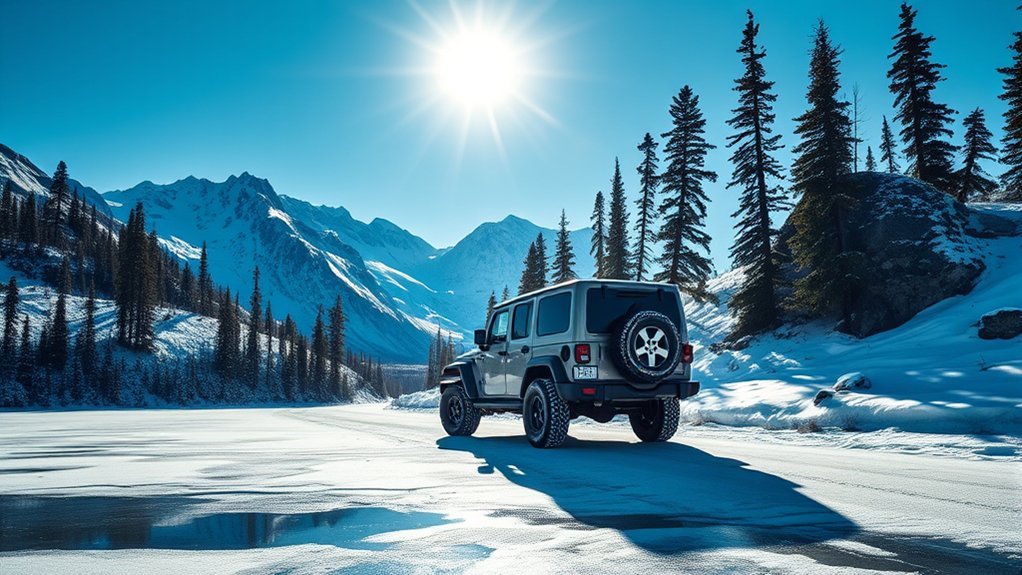
Driving in Alaska during winter can test even careful drivers. You’ll face icy roads, snowpack, low light, snowdrifts, and fast-changing visibility. Keep extra space between vehicles and slow down before curves, bridges, and shaded areas.
Potholes and frost heaves can hide under snow or ice, which can damage tires and suspension. Remote highways may also place help far away. In these conditions, 4WD can help you get moving, but it won’t help you stop faster on ice.
Warning: Four-wheel drive improves traction in some conditions, but safe speed, winter tires, and longer stopping distance matter more on ice.
Off-Road Adventures
Exploring Alaska’s off-road terrain opens up a world of adventure, but it also raises risk. Rugged landscapes, remote trails, and scenic viewpoints can tempt you beyond maintained roads. Before you go, check whether the route allows vehicles and whether your rental agreement permits that road.
| Road Condition | Description |
|---|---|
| Muddy Trails | Slippery surfaces can limit steering and braking. |
| Rocky Paths | Uneven ground can damage low-clearance vehicles. |
| Snow-Covered Roads | Traction can change quickly, and 4WD may help. |
| River Crossings | Depth and current vary, and some crossings can become unsafe. |
With the right vehicle and preparation, you can handle many Alaska road adventures with more confidence. Stay within posted rules, respect private land, and turn around when conditions exceed your skill or vehicle.
When 4WD Is Essential
Four-wheel drive becomes essential when traction, grade, or road surface creates a real risk of getting stuck. You should strongly consider 4WD for winter roads, muddy access roads, steep gravel grades, remote trailheads, and routes with deep ruts or loose rock.
4WD can help your tires grip when you climb, pull through mud, or move across snow. It also helps on rough roads where power needs to reach more than two wheels. Still, 4WD does not replace careful driving, good tires, route checks, and emergency supplies.
Popular Destinations Where 4WD Can Help
If you’re planning an Alaskan adventure, look closely at the roads near Denali National Park, Wrangell-St. Elias, and the Kenai Peninsula. Some routes stay manageable in a standard vehicle during dry summer weather. Others become rough, muddy, narrow, or slow, which makes 4WD helpful.
Denali National Park Roads and Trails
When you visit Denali National Park, your vehicle needs depend on where you plan to go. Many visitors use paved or maintained roads near the park entrance, and a standard vehicle often works during summer. Some deeper park access depends on park rules, road status, and shuttle or tour options, not just vehicle type.
Nearby gravel roads and trail access points can change after rain or early snow. A 4WD vehicle may help on rougher approaches outside the main visitor corridor. Check current road status and vehicle restrictions before you build your route.
Wrangell-St. Elias Roads
Exploring the vast wilderness of Wrangell-St. Elias can bring you close to glaciers, mountains, mining history, and long gravel roads. Many routes remain remote, rough, and slow. A reliable 4WD or high-clearance vehicle can make these drives safer and less stressful.
| Road | Terrain | Scenic Highlights |
|---|---|---|
| McCarthy Road | Gravel, potholes, narrow sections | Historic McCarthy and Kennecott area |
| Nabesna Road | Gravel, soft spots, uneven areas | Mountain views and remote scenery |
| Kennecott Area Access | Rough local roads and limited services | Historic copper mining sites |
| Copper River Area Roads | Scenic, winding, and weather-sensitive | River views and mountain backdrops |
Check road reports, rental restrictions, and fuel range before you go. Many remote Alaska roads offer few services, and cell coverage can fade fast.
Kenai Peninsula Backroads
As you travel the Kenai Peninsula’s backroads, you’ll find beaches, lakes, forests, trailheads, and quiet viewpoints. Many main routes stay paved and suitable for standard vehicles in summer. Side roads and trail approaches can become rough, muddy, or rutted after rain.
Roads near Skilak Lake, Hope, and more remote trailheads may reward you with wildlife, water views, and fewer crowds. A 4WD vehicle helps when the road surface turns soft or uneven. It also gives you more confidence on steep or loose gravel sections.
Scenic Routes Best Explored With a Standard Vehicle
Some of Alaska’s best drives don’t require 4WD. The Seward Highway offers dramatic mountains, coastal views, and pullouts that suit most standard vehicles during fair conditions. The Glenn Highway also gives you wide views, mountain scenery, and access to many stops without off-road driving.
Take your time, use viewpoints, and watch for construction zones or wildlife. A standard vehicle can work well when you stay on paved routes, travel in summer, and check conditions before departure. This choice can also save money on rental fees and fuel.
How Seasonal Weather Affects Driving in Alaska
Alaska’s weather affects your vehicle choice as much as the map does. Winter brings snow and ice, spring can bring thawing roads and mud, and summer can still bring heavy rain or sudden cold at higher elevations.
| Season | Weather Conditions | Driving Considerations |
|---|---|---|
| Winter | Snowy, icy roads | 4WD recommended, slow speeds, winter tires |
| Spring | Melting snow, muddy roads | Standard vehicles may work on paved roads |
| Summer | Rain, clear skies, road work | Standard vehicles usually work on main routes |
| Fall | Rain, early snow, shorter daylight | 4WD may help on remote or higher roads |
Understanding seasonal conditions helps you prepare for safer travel. Check forecasts, road reports, and daylight before long drives. Weather can shift quickly, especially near mountains, passes, and coastal areas.
Rental Options: 4WD vs. Standard Vehicles
When planning your Alaskan adventure, choose your rental vehicle after you map your route. A 4WD vehicle offers better traction on rugged terrain, gravel roads, snow, and mud. It can also give you more ground clearance, depending on the model.
A standard vehicle may suit you if your itinerary focuses on major towns, paved scenic highways, and common visitor stops. You’ll often spend less on the rental and fuel. Ask the rental company which roads it allows, because some contracts ban travel on specific gravel or remote roads.
Pro tip: Before you book, send your route to the rental company and ask whether your vehicle class can legally drive it.
Cost Considerations for 4WD Vehicles
Renting a 4WD vehicle in Alaska can add a lot to your budget. You may pay more for the rental, fuel, insurance, and possible damage coverage. That extra cost makes sense when your route includes rough roads, winter driving, or remote access.
If you stay on paved roads, a standard vehicle may save money without limiting your trip. Compare total cost, not just the daily rate. Include fuel use, mileage limits, road restrictions, insurance terms, and your backup plan if conditions change.
Safety Tips for Driving in Alaska
Alaska driving requires more planning than many road trips. Long distances, limited services, wildlife, and weather can turn a short delay into a serious problem. Pack for the route, not just the destination.
- Check the weather: Review forecasts before you leave and during long travel days.
- Check road conditions: Look for closures, construction, flooding, snow, or gravel damage.
- Prepare your vehicle: Inspect tires, brakes, lights, fluids, and windshield wipers.
- Pack emergency supplies: Bring food, water, blankets, a first-aid kit, and a phone charger.
- Drive with caution: Slow down for wildlife, loose gravel, ice, rain, and low visibility.
Frequently Asked Questions
Can I Drive a 2WD Vehicle in Alaska During Summer?
Yes, you can drive a two-wheel drive (2WD) vehicle in Alaska during summer on many main roads. Stick to paved highways, check road reports, and avoid rough gravel routes unless your rental company allows them.
What Should I Pack for a Road Trip in Alaska?
Pack warm layers, sturdy footwear, a first-aid kit, snacks, water, a map, and a portable charger. Add blankets, a flashlight, basic tools, and extra supplies if you’ll drive remote roads.
Are There Any Off-Road Trails Suitable for Standard Vehicles?
Some gravel roads and maintained access routes may suit standard vehicles in dry summer conditions. Choose well-traveled routes, avoid deep mud or ruts, and turn around if the road surface gets worse.
How Do Road Maintenance Practices Differ in Alaska?
Alaska road crews often focus first on main routes, especially during storms and winter weather. Remote roads, side roads, and gravel routes may see slower repairs, rougher surfaces, or seasonal limits.
What Wildlife Should I Watch for While Driving in Alaska?
Watch for moose, bears, caribou, and other wildlife near roads. Moose create a major driving hazard because they can step onto roads quickly, especially around dawn, dusk, and wooded areas.
Safety Disclaimer: This article is for informational purposes only and does not replace current road reports, local guidance, rental rules, or professional travel advice. Check official road conditions and use your own judgment before driving remote or hazardous routes.
You don’t need 4WD for every Alaska trip, but you do need the right vehicle for your route. A standard vehicle works well for many summer highways, towns, and scenic drives. Choose 4WD when winter weather, gravel, mud, steep grades, or remote roads may affect traction.
Before you book, map your exact route and check road conditions, rental rules, and seasonal limits. The right choice helps you spend less time worrying about the road and more time enjoying Alaska’s wild beauty.