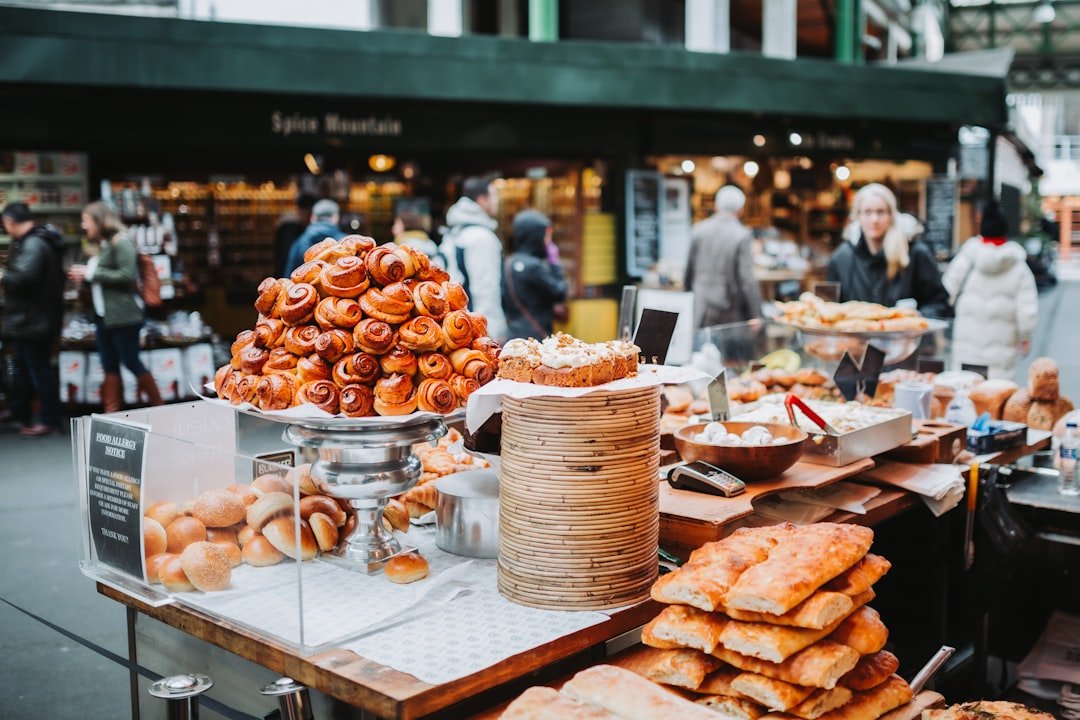
London street food brings together British classics, global cooking, market stalls, food halls, and small independent traders in one city. You can eat anything from fish and chips and sausage rolls to bao, curries, burgers, falafel, and plant-based tacos. The most useful way to explore the scene is to choose a market that fits your day, then sample several smaller dishes rather than committing to one large meal.
Quick Answer
London street food is best explored through its markets: start with Borough for variety and history, Camden for all-day choice, and Maltby Street for a smaller weekend crawl. Try fish and chips, bao, sausage rolls, Indian snacks and a sweet finish. Check opening days first because traders and hours vary.
Last checked: October 1, 2026. Dates and figures were verified against official sources.
Key Takeaways
- Borough, Camden, Brick Lane, Southbank, and Maltby Street all offer different schedules and atmospheres, so the best choice depends on the day you visit.
- Street-food traders change more often than restaurants, so an old vendor list can become outdated even when the market itself is still thriving.
- Card and contactless payments are common; do not assume every stall prefers cash.
- Vegetarian and vegan choices are widespread, but plant-based labeling does not automatically mean a dish is safe for someone with a serious food allergy.
- Sharing several dishes is one of the easiest ways to taste more of London’s food scene without ordering a full meal from every stall.
Top 5 Must-Try Street Foods in London
There is no single dish that defines London street food. The city’s appeal comes from mixing traditional British snacks with foods brought and adapted by generations of London communities. For a first visit, these five categories give you a useful cross-section without pretending that every market has the same traders.
1. Fish and Chips
Fish and chips remains one of the clearest introductions to casual British food. Look for fish cooked to order with crisp batter, chunky chips, tartar sauce, malt vinegar, or mushy peas rather than assuming every market version will be identical.
The original draft mentioned Poppies in Spitalfields. It remains a useful option for traditional fish and chips in the area, but it is a restaurant and takeaway near Spitalfields Market rather than a street-food stall. If you specifically want market food, browse the current traders before choosing your meal.
2. Bao Buns
Steamed bao are ideal for market eating because they are compact, easy to share, and available with meat or vegetable fillings. Pork belly, fried chicken, mushrooms, tofu, and aubergine are common variations, often balanced with pickles, chili, or rich sauces.
BAO in Soho, another name from the original article, grew from street-food roots but is now better treated as a restaurant option. For a current market-format example, Yum Bun at Old Spitalfields Market serves filled steamed buns and marks dietary choices on its menu.
3. Sausage Rolls
A well-made sausage roll is one of the easiest British foods to eat while exploring a market. The basic formula is seasoned sausage meat inside flaky pastry, but London versions can include different herbs, spices, meats, and cheeses.
Borough Market remains a strong place to look for traditional British baked goods alongside international street food. A sausage roll also travels better than many saucy dishes, making it useful when seating is limited.
4. Indian Street-Food Snacks
Indian-inspired street food adds some of the strongest contrasts of flavor and texture in London’s markets. Chaat-style dishes can combine crisp fried elements with chutneys, yogurt, herbs, potatoes, chickpeas, or spices, while other vendors may focus on curries, wraps, dosas, or grilled dishes.
Dishoom was used as an example in the original draft. Its food draws heavily on Bombay café and street-food traditions, but it should now be treated as a café and restaurant option rather than a dependable outdoor market stall.
5. A Sweet Market Dessert
Finish with something that can be eaten while walking or shared. Crêpes, churros, doughnuts, brownies, pastries, ice cream, and filled desserts appear across London markets, although the exact traders change frequently.
For variety, buy one dessert and share it before deciding whether you want another. This works especially well at markets where several sweet traders sit close together.
Where to Find London Street Food Markets
Choose a market based on the day, neighborhood, and type of experience you want. Borough is strong for food history and variety, Camden combines food with shopping, Brick Lane suits an East London day, Southbank works well with riverside sightseeing, and Maltby Street offers a smaller weekend setting.
| Market | Area | Regular Hours Checked in 2026 | Good For |
|---|---|---|---|
| Borough Market | London Bridge | Tue–Fri 10am–5pm; Sat 9am–5pm; Sun 10am–4pm; Mon closed | Historic setting, produce, British food, and international dishes |
| Camden Market | Camden Town | Main market daily 10am–7pm; individual traders vary | Large choice, shopping, canalside atmosphere, and global food |
| Brick Lane Upmarket | Brick Lane | Mon–Sat 11am–6pm; Sun 10am–6pm | International food and a busier Sunday market atmosphere |
| Southbank Centre Food Market | South Bank | Fri 12pm–9pm; Sat 11am–9pm; Sun 12pm–6pm | Weekend food beside major South Bank attractions |
| Maltby Street Market | Bermondsey | Fri 5.30pm–9pm in summer; Sat 10am–5pm; Sun 11am–4pm | A smaller weekend market under railway arches |
| KERB markets | Multiple locations | Varies; examples include Gherkin Thu 11.30am–2pm and Fleet Place Tue–Thu 11.30am–2.30pm | Weekday lunch markets and rotating independent traders |
Borough Market
Borough Market is the strongest choice if you want food history and a wide mix of produce, prepared food, bakeries, butchers, and specialist sellers in one place. Access to the market is free, and London Bridge station is directly beside it.
The market traces its story back about 1,000 years and has occupied its present location since 1756. That makes it more than a street-food stop: you can combine lunch with cheese, bread, produce, meat, seafood, and other ingredients to take away.
Camden Market
Camden works well when food is only part of your plan. You can combine street food with vintage clothing, music-related shops, crafts, canal walks, and the wider Camden neighborhood.
The main market is open daily, while Hawley Wharf has food halls with later hours. Because individual businesses set their own schedules, one trader may close earlier than the market around it.
Brick Lane
Brick Lane gives you food, markets, vintage shopping, street art, and East London history within a compact area. The Truman Brewery’s Upmarket now operates throughout the week, although Sunday remains the liveliest day for the wider collection of Brick Lane markets.
Expect international dishes rather than one dominant cuisine inside the food market. You can then continue along Brick Lane for bakeries, cafés, restaurants, and shops.
Southbank Centre Food Market
Southbank Centre Food Market is particularly convenient if your sightseeing already includes the Thames, Royal Festival Hall, London Eye area, or Waterloo. It runs Friday through Sunday and combines street food with an easy riverside walk.
Southbank Centre advises visitors to be ready for both cash and card because some vendors accept cash while many no longer do. That makes a bank card or contactless wallet more useful than relying on cash alone.
Maltby Street Market
Maltby Street suits travelers who prefer a more compact market. It sits beneath railway arches in Bermondsey and operates mainly at weekends, with a Friday evening session during the summer months.
Its smaller footprint makes it easier to walk the full market before ordering. That is useful if you want to compare several dishes rather than buying from the first stall you see.
The History and Evolution of Street Food in London
Street food is not a recent London invention. The city has a long history of markets and ready-to-eat food, while the current wave of organized street-food collectives and food halls developed much more recently. Modern traders therefore sit within a tradition that stretches back centuries.
Borough Market traces food trading near London Bridge back roughly 1,000 years. Its present market opened in 1756 after an earlier roadside market was closed and replaced with a dedicated site.
London’s working population also created steady demand for food that could be bought quickly. Pies, baked goods, seafood, cooked meat, fruit, and other ready-to-eat foods were historically sold in streets and markets long before modern food trucks appeared.
The city’s food became more varied as communities from the Caribbean, South Asia, East and Southeast Asia, the Middle East, Africa, Europe, and elsewhere made London home. That diversity is now one of the defining features of the city’s markets.
A more organized modern street-food movement took shape in the early 2010s. KERB says it launched in 2012 after earlier street-food collective activity, starting with a King’s Cross market. Its current markets still use rotating groups of independent traders rather than a fixed restaurant-style lineup.
How to Eat Like a Local: London Street Food Etiquette
London street-food etiquette is mostly common sense: queue in order, know what you want before reaching the front, move away from the counter after collecting your food, and clear your rubbish when you finish. The biggest practical changes from older guides are payment habits and the need to check dietary information carefully.
Queue Without Blocking Other Stalls
Popular traders can build a visible line. Join at the back, keep neighboring counters clear, and have your order ready when possible. If the queue crosses a walkway, follow any barriers or staff directions rather than forming a second line.
Use Card or Contactless, but Keep a Backup
Do not assume London street food is cash-only. Many traders now accept cards or operate cashless, while others may still accept notes and coins. A contactless bank card or phone wallet is therefore the most practical primary payment method.
Move Away From the Counter Before Eating
Once you have your food, step away from the collection area so the next customer can order. Use communal seating when available, or find a safe standing area that does not block doors, pavements, stalls, or station entrances.
Share Dishes if You Want to Try More
Markets reward sampling. If you are visiting with someone else, ordering different dishes and sharing gives you more variety without buying several full meals per person.
Check Hygiene and Allergens
Street food sold by a market trader is still a food business. You can use the Food Standards Agency hygiene-rating search to look up businesses that have a rating, although the rating describes hygiene standards rather than how good the food tastes.
Note: If you have a serious food allergy, tell the vendor before ordering and ask specifically about ingredients and cross-contact. Do not assume that a vegan, vegetarian, or gluten-free description automatically makes a dish safe for your allergy.
Street Food Trucks and Stalls to Know in London
London’s trader list changes constantly, so current locations matter more than old “best stall” lists. Some businesses that began in trucks now have permanent restaurants, while others continue to move between markets and events. Use established markets as your destination and treat individual traders as a bonus.
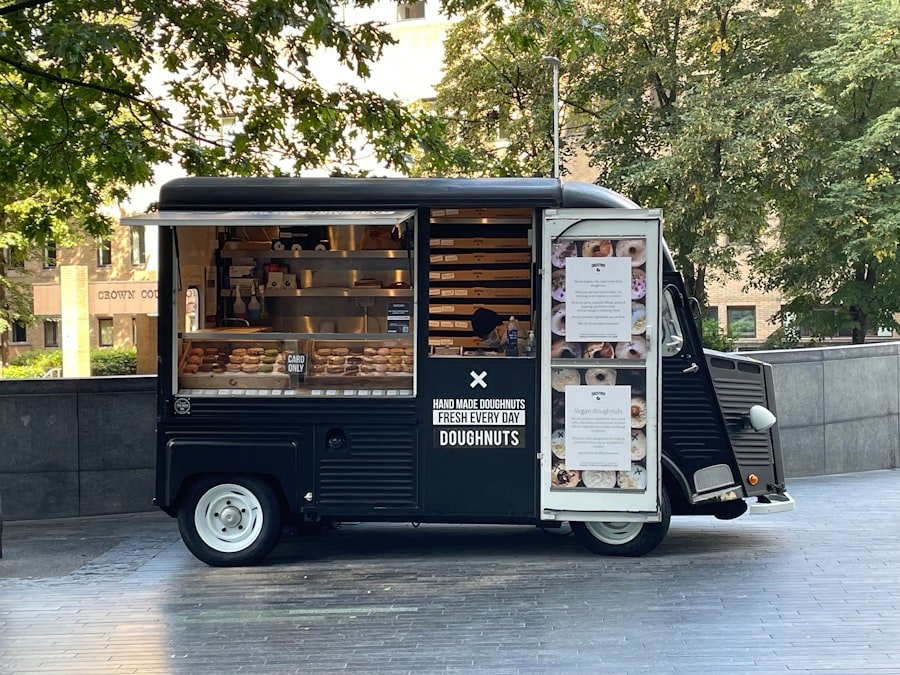
The Rib Man remains one of the recognizable names associated with London street food. The official Visit London street-food guide lists him at Brick Lane Market on Sundays and outside Hackney Wick station before West Ham United home matches.
Yum Bun, known for steamed buns with meat and plant-based fillings, now has permanent market-style locations rather than relying on a roaming truck. Its Old Spitalfields Market and Seven Dials locations make it easier to plan around than a one-day pop-up.
The Mac Factory remains part of Camden Market and focuses on cooked-to-order mac and cheese. It is a good example of how a street-food business can stay inside a permanent market while keeping the fast counter-service format.
Bleecker Burger, The Cheese Truck, Mother Clucker, and Dishoom have all been associated with London’s street-food story, but older articles often describe locations or formats that have since changed. For that reason, this guide does not treat their historic trucks or temporary stalls as guaranteed current stops.
Vegan and Vegetarian London Street Food
Vegetarian and vegan food is easy to find at London’s larger markets, but the exact selection changes with the trader lineup. Look beyond generic salads: current plant-based street food can include tacos, bao, curries, falafel, dumplings, burgers, Ethiopian dishes, noodles, and desserts.
Club Mexicana, mentioned in the original article, remains focused on plant-based Mexican-inspired food. Yum Bun also marks vegan and vegetarian options, including plant-based bao fillings, on its current menu.
Camden, Brick Lane, Borough, and larger food halls generally give you several stalls to compare, which is helpful if one vendor does not suit your diet. At smaller weekend markets, the number of plant-based choices can depend more heavily on that day’s lineup.
The Mac Factory was previously described in the draft as offering vegan mac and cheese. Current information does not support treating it as a dependable vegan mac-and-cheese option, so it has not been included as a vegan recommendation here.
Tips for Exploring London Street Food Like a Pro
The easiest way to have a good market-food day is to choose one area, arrive with an appetite, and inspect the full selection before ordering. Trying to cross London between several famous markets during one meal usually wastes more time than it adds value.
- Check the market day first. Borough and Camden have broad weekly schedules, while Southbank and Maltby Street are concentrated around the weekend.
- Walk the market once before buying. You may find a better dish 30 meters farther along.
- Share food. Two people can try several cuisines by splitting smaller dishes.
- Bring a contactless payment option. Some operators no longer take cash.
- Plan for limited seating. Busy markets may have communal tables or very little dedicated space.
- Ask before ordering if you have dietary restrictions. Recipes, garnishes, sauces, and cooking equipment can change.
- Leave room for dessert. Sweet stalls are often separate from the main hot-food area.
Pro Tip: Pick your market around the rest of your day. Borough pairs naturally with London Bridge, Camden with Camden Town and the Regent’s Canal, Southbank with Thames sightseeing, Brick Lane with Shoreditch, and Maltby Street with Bermondsey.
Street-food pricing varies too much by dish and trader for one citywide average to be dependable. As one current example, Yum Bun lists individual bao from £5.50 and a two-bun-and-fries set at £13.50, showing why the old £5–£10 “average meal” estimate should no longer be treated as a reliable rule.
If you’re a fan of exploring different types of food, you may also enjoy reading about the delightful world of Asian melon in this article.
Frequently Asked Questions
What are some popular street foods in London?
Popular London street foods include fish and chips, sausage rolls, bao, curries and chaat-style snacks, burgers, falafel, tacos, and sweet foods such as churros, crêpes, and doughnuts. The exact mix varies by market because many traders rotate between locations.
Where can I find the best street food in London?
Borough Market, Camden Market, Brick Lane, Southbank Centre Food Market, and Maltby Street Market are strong starting points. Borough offers history and variety, Camden has a huge all-day selection, while Southbank and Maltby Street work especially well for a weekend food stop.
What should I try on my first London street-food visit?
Start with one British classic, such as fish and chips or a sausage roll, then add something from London’s international food scene, such as bao, Indian street food, falafel, tacos, or a curry. Finish with one sweet item and share dishes if you want to sample more.
Is street food in London safe to eat?
London street food is generally sold by regulated food businesses, but hygiene standards still vary between operators. You can search a trader’s Food Standards Agency hygiene rating when available, and anyone with a serious allergy should ask the vendor directly about ingredients and cross-contact before ordering.
How much does London street food cost?
There is no dependable citywide average because prices vary by dish, portion, and vendor. As a current example, Yum Bun lists individual bao from £5.50 and a two-bun-and-fries set at £13.50, so the older £5–£10 estimate is too narrow to use as a general meal budget.
Do London street-food markets take cards?
Yes, card and contactless payments are common at London street-food markets, and some operators are cashless. Southbank Centre specifically advises visitors to be ready for either method because some traders still accept cash while many no longer do.
Can vegans and vegetarians find good London street food?
Yes, London’s larger markets usually have several vegetarian and vegan choices, ranging from bao and falafel to tacos, curries, dumplings, and desserts. If you have an allergy as well as a dietary preference, ask separately about ingredients and cross-contact rather than relying only on a vegan label.
Which London street-food markets are open every day?
Camden Market is open daily, and Brick Lane’s Upmarket currently operates seven days a week. Borough Market is closed on Mondays, while Southbank Centre Food Market and Maltby Street Market have more limited weekend-focused schedules.
Sources
- Visit London street-food guide: Current London street-food traders and locations.
- Borough Market: Regular opening hours, address, free access, transport, and market information.
- Camden Market: Current market and Hawley Wharf opening hours.
- The Truman Brewery Upmarket: Brick Lane Upmarket opening days, hours, address, and food-market format.
- Southbank Centre Food Market: Current Friday-to-Sunday opening hours, location, payment guidance, and access information.
- Maltby Street Market: Current weekend and seasonal Friday opening hours.
- KERB: Current London market locations, days, hours, and rotating trader schedules.
- Food Standards Agency Food Hygiene Ratings: Food-business hygiene rating lookup.
- Yum Bun Old Spitalfields Market: Current bao menu, prices, dietary labels, and opening hours.