A 10-day London itinerary gives you enough time to see the capital’s major landmarks without limiting the trip to central London. You can spend your first few days exploring royal sights, museums, markets, neighborhoods, and the Thames, then use several days for Windsor, Henley-on-Thames, the Cotswolds, Bath, Lacock, and Stratford-upon-Avon before returning to London for a final sightseeing loop.
This is an active itinerary with several long walking days and countryside journeys. If you prefer a slower trip, keep the London days as written but choose either Bath and Lacock or Stratford-upon-Avon rather than trying to cover every destination on Days 7 and 8.
Quick Answer
For 10 days in London, spend Days 1–3 seeing Westminster, the British Museum, major neighborhoods, and central attractions; Days 4–8 exploring Windsor and selected countryside destinations; and Days 9–10 visiting the Tower of London, Tower Bridge, Borough Market, the City, and any London favorites you missed.
Key Takeaways
- Use your first three days for central London so you can adjust to the city before adding longer day trips.
- Check the official King’s Guard calendar before planning your Buckingham Palace morning because Changing the Guard does not take place on the same schedule every day.
- Windsor works well by train, while the Cotswolds are usually easier with a car, organized tour, or carefully planned local connections.
- Days 7–8 are intentionally ambitious. Choose fewer towns if relaxed sightseeing matters more than covering every stop.
- In London, contactless payment or Oyster pay-as-you-go makes most Tube, bus, Elizabeth line, Overground, DLR, and eligible rail journeys simple.
- Book high-demand attractions and long-distance train fares early, but always check live opening times and transport schedules shortly before traveling.
10-Day Itinerary at a Glance
| Day 1 | Buckingham Palace area, St James’s Park, Westminster Abbey, Parliament and the Thames |
| Day 2 | British Museum, Covent Garden and the West End |
| Day 3 | Camden, Shoreditch and neighborhood exploration |
| Day 4 | Windsor Castle and Windsor |
| Day 5 | Henley-on-Thames and the Thames Path |
| Day 6 | Cotswolds villages and countryside |
| Day 7 | Bath and Lacock |
| Day 8 | Stratford-upon-Avon |
| Day 9 | Tower of London, Tower Bridge and Borough Market |
| Day 10 | Sky Garden, Leadenhall Market and a farewell tour |
Days 1–3: Explore London’s Iconic Landmarks and Neighborhoods
Day 1: Buckingham Palace, Westminster and the Thames
Start your first full day around Buckingham Palace and St James’s Park. If Changing the Guard is operating on your date, arrive early enough to find a sensible viewing position. The ceremony involves the King’s Guard, and the schedule can change, so check the Household Division’s official Changing the Guard calendar rather than assuming it happens every morning.
Note: Ceremonial events can be altered because of weather, security, royal events, or military requirements. Treat the official calendar as the final planning source.
After Buckingham Palace, walk through St James’s Park toward Westminster. The park gives you a quieter break between some of London’s busiest attractions and keeps the day’s major stops within a compact area.
Continue to Westminster Abbey, the historic coronation church. A paid sightseeing visit lets you explore its architecture, memorials, Poets’ Corner, the Coronation Chair, and other historic areas. Because Westminster Abbey remains a working church, opening times can change for services and special events. Booking ahead is sensible during busy periods.
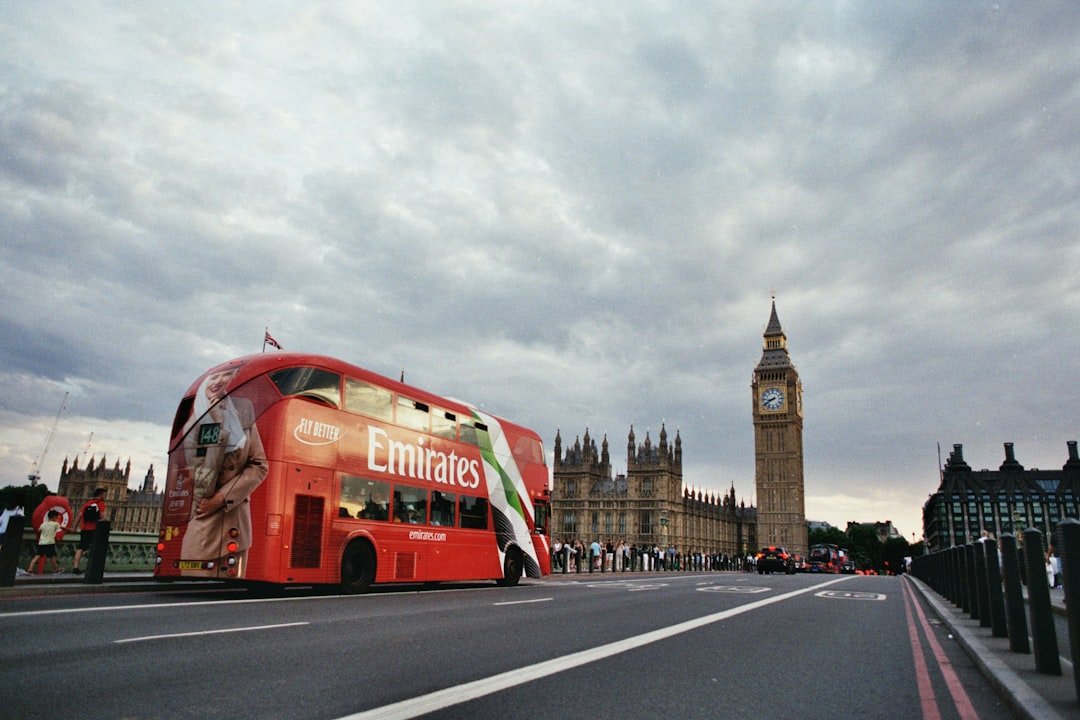
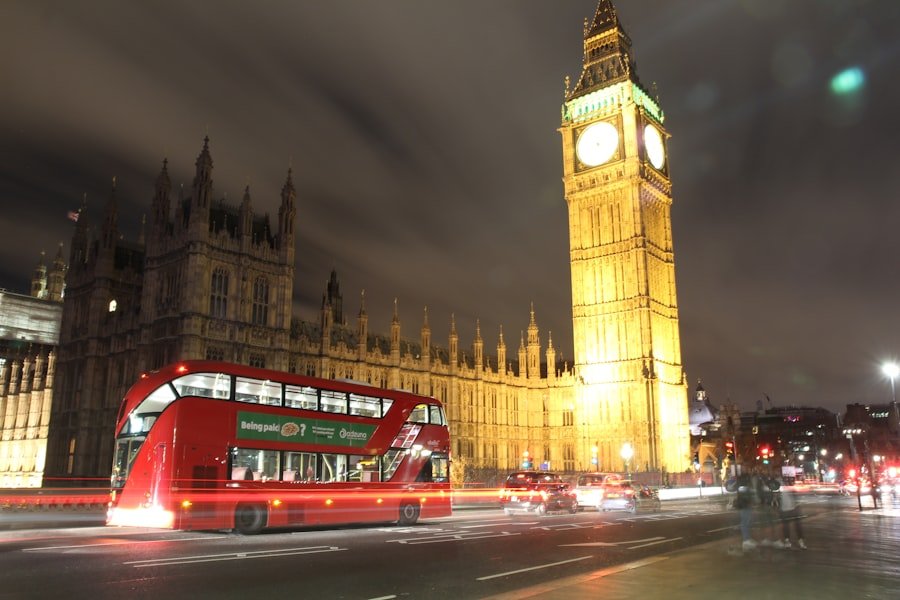
Next, walk across Parliament Square toward the Palace of Westminster. You will see Elizabeth Tower, the clock tower that houses Big Ben. Strictly speaking, Big Ben is the Great Bell inside Elizabeth Tower, although the nickname is often casually used for the whole clock tower.
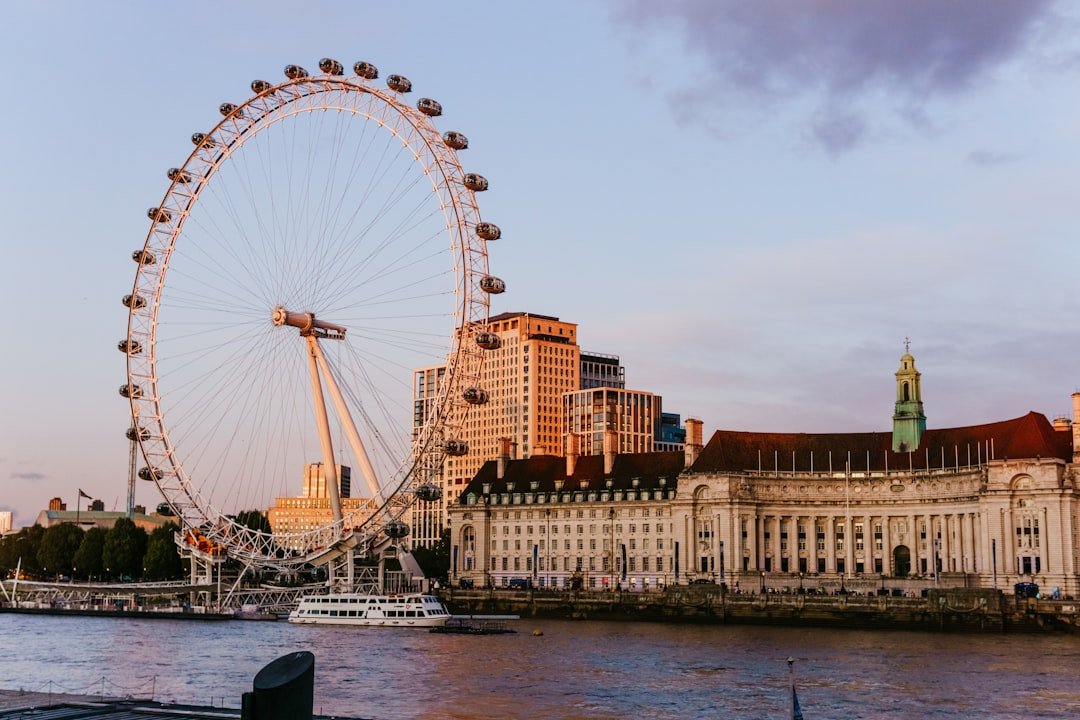
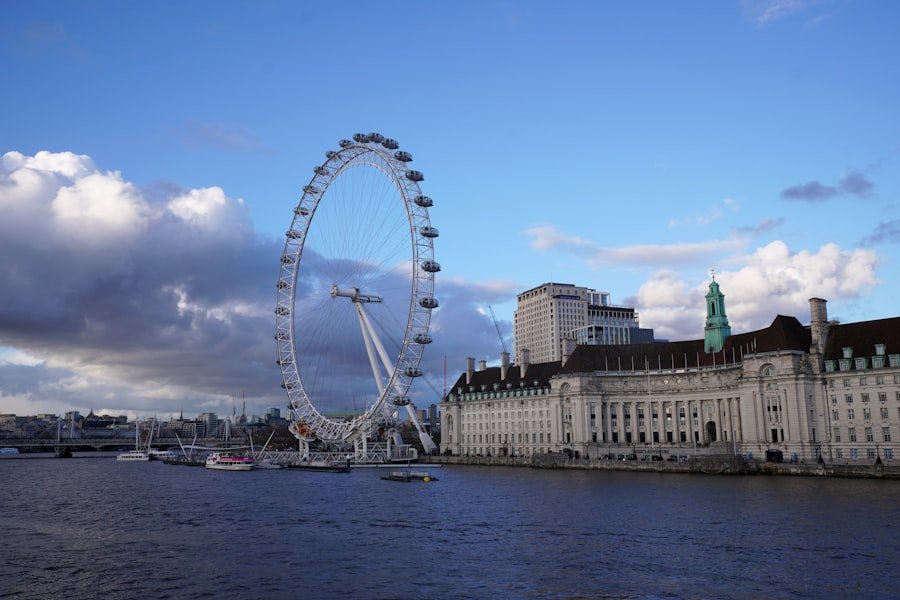
Finish the afternoon or evening with a walk along the Thames. Westminster Bridge and the South Bank give you views across the river and make an easy introduction to London’s riverside landmarks, including the London Eye.
Day 2: British Museum, Covent Garden and the West End
Make the British Museum the main attraction of Day 2. The permanent collection is free to enter, but the museum recommends booking a free timed entry slot in advance, particularly during busy periods. Security screening is required, so avoid bringing large luggage.
The British Museum is too large to see properly in a rushed visit. Pick a small group of highlights, such as the Rosetta Stone and Parthenon Sculptures, and leave time to explore objects that catch your attention.
After the museum, walk toward Covent Garden for shops, street activity, cafés, and an easy transition into London’s theater district. This is also a good day to schedule a West End performance because you are already in central London.
If theater is not a priority, use the evening for Soho, Chinatown, or a relaxed dinner rather than adding another major attraction.
Day 3: Camden, Shoreditch and a Different Side of London
On your third day, move away from the formal royal and historic sights. Camden Market offers food stalls, independent shops, music culture, and a much different atmosphere from Westminster. Give yourself time to wander instead of treating it as a single photo stop.
Later, consider Shoreditch for street art, independent cafés, bars, shops, and East London atmosphere. Camden and Shoreditch are not next door to each other, so use the Tube or bus rather than trying to walk the entire distance.
If three intensive sightseeing days feel tiring, make Day 3 lighter. A neighborhood day works best when it leaves room for an unplanned café stop, park visit, market browse, or early night before the countryside portion of the trip.
Days 4–6: Venture into the Countryside Surrounding London
Day 4: Windsor Castle
Start the countryside portion with Windsor. Windsor Castle is a working royal palace with more than 900 years of royal history. Visitors can normally explore areas including the State Apartments, while St George’s Chapel is another major highlight when open to sightseeing visitors.
Plan at least a couple of hours for the castle itself, and wear comfortable shoes because the visitor route covers a considerable distance and includes a hill. The Royal Collection Trust advises visitors that areas can close at short notice because Windsor is a working royal palace. St George’s Chapel is also closed to sightseeing visitors on Sundays, although worshippers may attend services.
Warning: Never build the entire Windsor day around one room, chapel, or ceremony without checking the official calendar. Royal-palace operations can change with little notice.
Windsor is one of the simpler countryside destinations to reach without a car. Rail journeys from London Paddington to Windsor & Eton Central normally involve a change at Slough, making the town practical as either a day trip or the first stop of a short countryside stay.
Day 5: Henley-on-Thames
Continue to Henley-on-Thames for a gentler day. The town sits beside the Thames and is closely associated with the Royal Regatta. Its riverside setting makes it a good contrast to London’s dense sightseeing schedule.
Walk a section of the Thames Path, explore the town center, take a boat trip if seasonal services suit your visit, or stop at a riverside pub. The surrounding countryside is dotted with green fields and villages, so the day can be as active or relaxed as you want.
If you are staying outside London for these days, Henley can fit naturally into a Thames Valley route. If you are commuting from London each day, check the exact rail itinerary before departure because journey patterns can vary.
Day 6: The Cotswolds
Use Day 6 for the Cotswolds, known for rolling countryside and villages built from warm-colored local stone. Bourton-on-the-Water and Stow-on-the-Wold are two popular stops, with independent shops, cafés, historic buildings, and access to rural walks.
The Cotswolds require more transport planning than Windsor. A car gives you the most flexibility for moving between small villages, while an organized tour can remove the need to coordinate several local connections. Rail can take you into parts of the region, but it does not deliver you directly to every village on a typical sightseeing list.
Pro Tip: Do not try to visit five or six Cotswolds villages simply to check them off a list. Two well-chosen villages plus one countryside walk usually creates a better day.
Take time to browse local shops selling crafts and regional goods, then use one of the area’s walking routes to experience the landscape rather than spending the entire day moving between parking areas or bus stops.
Days 7–8: Discover Bath, Lacock and Stratford-upon-Avon
These two days are the most ambitious part of the itinerary. They preserve the original route through Bath, Lacock, and Stratford-upon-Avon, but travelers who prefer slower mornings and longer attraction visits should choose either Day 7 or Day 8 and use the remaining day as a rest day or extra London day.
Day 7: Bath and Lacock
Start with Bath, famous for its Roman heritage and Georgian streets. Fast trains between London Paddington and Bath Spa take roughly 1 hour 20 minutes on many services, making Bath realistic as a long day trip, although an overnight stay gives you more breathing room.
The Roman Baths preserve the remains of the ancient bathing complex associated with the thermal springs. The site contains Roman pavements, archaeological remains, museum displays, and the Great Bath. Book ahead during popular travel periods and check the Roman Baths’ current visitor information before your trip.
After exploring central Bath, continue to Lacock if your transport plan allows. Lacock Village is known for historic streets and buildings and has appeared in film and television productions, including period dramas and productions connected with the Harry Potter series. It is a pleasant place for a slower walk and a tea-room stop after Bath’s busier attractions.
Combining Bath and Lacock requires an early start and sensible transport planning. If you want several hours inside the Roman Baths plus time for Bath Abbey, the Royal Crescent, cafés, or shopping, skip Lacock and keep the whole day in Bath.
Day 8: Stratford-upon-Avon
Spend Day 8 in Stratford-upon-Avon, the town closely associated with William Shakespeare. Rail journeys from London Marylebone can take a little over two hours on the faster services, so this is another day when starting early makes a noticeable difference.
Shakespeare’s Birthplace gives the day a clear historical focus, while Stratford’s riverside setting makes it easy to balance museums and historic houses with a slower walk through town.
Visit Shakespeare’s Birthplace, explore the central streets, and walk along the River Avon. If your schedule allows, continue to Anne Hathaway’s Cottage in Shottery. It was the childhood home of Shakespeare’s wife and is around a 30–35 minute walk from Stratford town center according to the Shakespeare Birthplace Trust.
The Royal Shakespeare Company is another natural addition. Check performance dates before you travel if seeing a play is important, because a theater ticket can become the anchor around which you organize the rest of the day.
Days 9–10: Return to London for a Farewell Tour
Day 9: Tower of London, Tower Bridge and Borough Market
Return to London and begin Day 9 at the Tower of London. This historic fortress has served as a royal palace, prison, defensive stronghold, and secure home for the Crown Jewels. Give it enough time: Historic Royal Palaces recommends around three hours for a fuller visit.
A standard admission ticket includes the Crown Jewels and, subject to availability, a Yeoman Warder tour. The Yeoman Warders, commonly called Beefeaters, share stories about the Tower’s history as a fortress, palace, and prison. Booking admission online in advance is wise during busy travel periods.
After the Tower, walk across or around Tower Bridge and enjoy views of the Thames and the surrounding skyline. Then continue toward Borough Market for food stalls, produce, baked goods, cheese, and prepared dishes.
Note: Borough Market’s normal weekly schedule currently has the market closed on Mondays, with different opening hours across the rest of the week. Check its official opening hours before assigning this itinerary to specific weekdays.
Day 10: Sky Garden, Leadenhall Market and Favorite Stops
Use your final day for the City of London and anything you missed earlier. Sky Garden offers elevated views from the upper floors of 20 Fenchurch Street. Public access is free during designated hours, but places are limited and the venue recommends reserving a timed ticket in advance through its official booking page.
From there, walk to Leadenhall Market. Its ornate Victorian architecture makes it worth visiting even if you are not planning a major shopping stop. The surrounding City streets also make an interesting contrast with Westminster and the West End.
Keep the rest of Day 10 flexible. Revisit a favorite neighborhood, return to a museum, shop for gifts, take a final Thames walk, or enjoy a long meal rather than squeezing in several new attractions just before departure.
Transportation: Navigate London and the Countryside
Getting from Heathrow or Gatwick into London
From Heathrow, the main rail choices include Heathrow Express to Paddington, the Elizabeth line to several central London stations, and the Piccadilly line on the Underground. Heathrow Express is the fastest direct Paddington option, while the Elizabeth line can be more convenient if your accommodation is near one of its central stations. The Piccadilly line is often useful for travelers staying near stations it serves directly.
From Gatwick, rail is usually the simplest option. Gatwick Express serves London Victoria, while Southern also operates toward Victoria and Thameslink connects the airport with stations including London Bridge, Blackfriars, Farringdon, and St Pancras. Choose based on your hotel location rather than automatically buying the most heavily advertised airport service.
Getting Around London
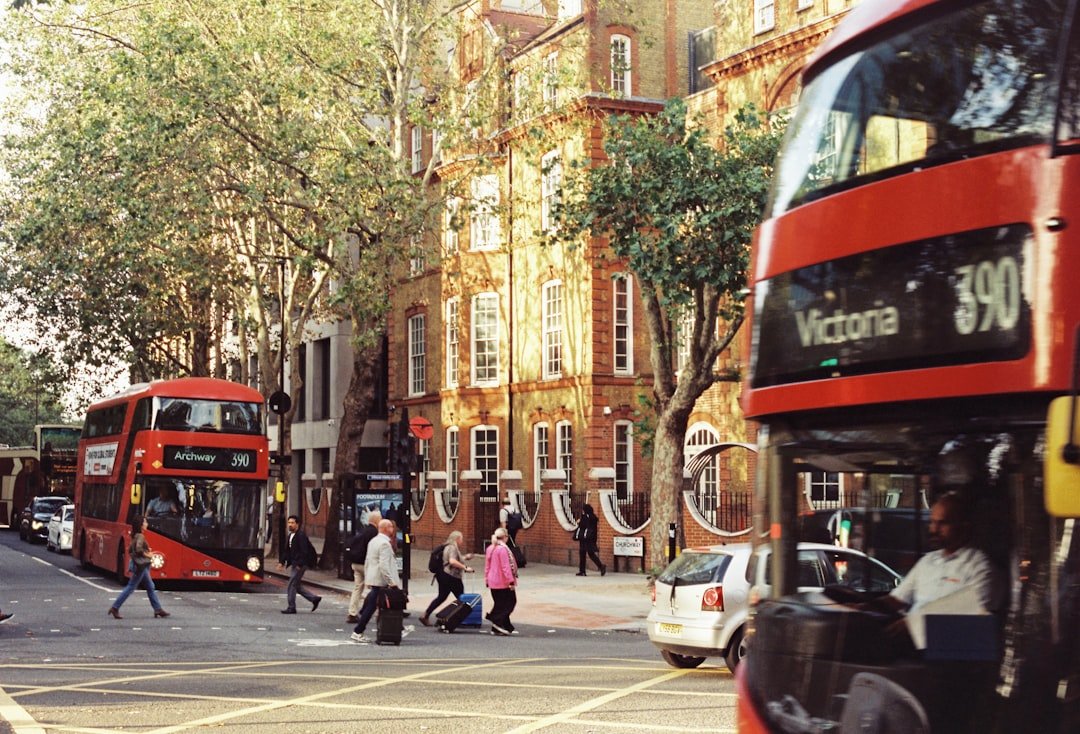
London’s public transport network includes the Tube, buses, Elizabeth line, London Overground, DLR, trams, and eligible National Rail services. For most visitors, pay-as-you-go travel is easier than repeatedly buying paper tickets.
Transport for London accepts contactless payment and Oyster pay as you go across its services. Daily and, where applicable, weekly capping can limit what you pay for qualifying journeys.
Pro Tip: If you use contactless, touch in and out with the same physical card or the same phone/watch. Do not enter with a card and exit with the mobile-wallet version of that card, because TfL may treat them as different payment methods.
Each traveler needs an individual payment method for simultaneous travel. Buses are also useful when you want to see the city above ground instead of spending every journey on the Tube.
Getting to the Countryside
National Rail connects London with Windsor, Bath, Stratford-upon-Avon, and many other destinations. Different routes leave from different London terminals, so do not assume every countryside train departs from Paddington or Victoria.
Advance rail tickets can offer lower fares on eligible journeys, particularly when bought early. They are normally tied to a specific service. Seat reservations are available on many longer-distance trains, but not every train offers a reservable numbered seat.
A rental car can make sense for rural areas where several villages are poorly connected to one another. However, driving in central London is unnecessary for this itinerary and can add parking, traffic, and road-charge complications. If you rent a car, consider collecting it only when leaving the city and returning it before your final London days.
Accommodation: Where to Stay in London and the Countryside
London has everything from luxury hotels and serviced apartments to hostels and simple chain hotels. For a first visit, transport access matters more than choosing the trendiest postcode.
Covent Garden and Soho put you close to theaters, restaurants, nightlife, and many central sights, but prices and street noise can be higher. Westminster and the South Bank are useful for landmark-heavy itineraries. Bloomsbury works well for the British Museum and central transport. Kensington and Notting Hill offer attractive streets and access to western London, although you may spend more time traveling to East London sights.
When choosing accommodation, check the walking distance to an Underground, Elizabeth line, Overground, or useful rail station. A hotel that costs slightly less but requires several awkward daily transfers may not save much time or energy.
For the countryside section, a bed-and-breakfast, inn, or boutique hotel can provide a more relaxed experience than commuting to London every night. Bath, the Cotswolds, and Stratford-upon-Avon all offer accommodation that lets you start sightseeing earlier and enjoy the destination after day-trip crowds begin leaving.
If you prefer not to change hotels, you can still use London as a base. Just recognize that consecutive long day trips create early mornings and late returns.
Dining: Must-Try Restaurants, Pubs and Local Eateries
London’s food scene reflects the city’s international population, so do not limit a 10-day visit to stereotypical British dishes. Mix traditional pubs with markets, Indian food, bakeries, neighborhood restaurants, and cuisines from around the world.
For a famous historic pub atmosphere, The Churchill Arms in Kensington is memorable for its flower-covered exterior, pub interior, real ales, and long-running Thai kitchen. It is not the right place to recommend specifically for fish and chips or shepherd’s pie because its current food menu focuses on Thai dishes.
For Indian food, Dishoom remains a well-known option inspired by Bombay’s Irani café tradition. London also has countless independent South Asian restaurants, particularly if you are willing to explore beyond the most heavily visited central streets.
For traditional British food, look for a well-reviewed pub that currently lists dishes such as a Sunday roast, pie, fish and chips, or seasonal British cooking. Menus change, so check the current menu before making a special trip for one dish.
In Bath, Sally Lunn’s Historic Eating House is associated with the Sally Lunn bun and the city’s food history. In Stratford-upon-Avon, historic pubs and tearooms make an easy addition to a Shakespeare-focused day. The Garrick Inn is one of the town’s recognizable historic pubs and provides a fitting setting for a meal or drink.
Entertainment: Shows, Events and Nightlife in London
London’s entertainment scene ranges from major West End musicals and plays to jazz, comedy, electronic music, small theater productions, concerts, and late-night bars.
The Lyceum is a major West End theater, while the National Theatre sits on the South Bank rather than in the West End. Check official performance schedules before your trip because productions, start times, and availability change.
For jazz, Ronnie Scott’s at 47 Frith Street in Soho remains one of London’s best-known live-music venues. Booking ahead is sensible when a popular artist is performing.
Soho is convenient for bars, theaters, restaurants, and nightlife in a compact area. Shoreditch offers another nightlife cluster in East London. Fabric is a major electronic-music club in Farringdon, so treat it as a specific destination rather than assuming it is located in Shoreditch.
If nightlife is important to you, leave part of the following morning flexible. A 10-day itinerary becomes exhausting quickly when every late night is followed by an early train.
Outdoor Activities: Explore Nature in the Countryside
The countryside portion of this trip is not only about historic houses and villages. Walking can be one of the best ways to slow the itinerary down and experience the landscape between attractions.
In the Cotswolds, choose a walking route that matches your fitness, daylight, and weather rather than automatically choosing the longest trail. Around Henley, stretches of the Thames Path provide relatively straightforward riverside walking.
Cycling can also work well in selected rural areas, and some towns have rental options or guided routes. Horseback riding, fishing, and boating are available in parts of the English countryside, but these activities usually require more advance planning than a simple walk.
Coastal areas such as Sussex and Cornwall offer excellent outdoor scenery too, but they do not fit naturally into this already busy 10-day route. Save them for a longer England itinerary rather than adding another distant day trip.
Warning: Rural paths can become muddy or slippery after rain. Check daylight, weather, transport back to your accommodation, and footwear before setting out on a longer walk.
Packing Tips for a London and Countryside Trip
Pack for repeated walking, changing weather, public transport, and rural day trips rather than dressing only for photos in central London.
- Comfortable walking shoes: You may walk several miles on sightseeing days, and historic sites can include cobbles, stairs, and uneven surfaces.
- Light waterproof layer: A compact rain jacket is often more practical than carrying a heavy coat during mild weather.
- Layers: Temperatures can feel different between mornings, afternoons, air-conditioned trains, and evenings.
- Small day bag: Useful for water, a portable charger, tickets, medication, and an extra layer.
- Portable charger: Navigation, contactless mobile payments, photography, and digital tickets can drain a phone battery quickly.
- Reusable water bottle: Helpful on walking days and countryside excursions.
- Travel adapter: Visitors from outside the UK may need a UK Type G plug adapter.
- Camera or phone: Keep enough storage space available for photos without carrying unnecessary equipment.
Leave extra room in your schedule as well as your suitcase. London’s transport network, attraction opening times, weather, and countryside connections can all change, and a flexible itinerary is easier to enjoy than one built around minute-by-minute deadlines.
If you’re looking for more travel inspiration, the original article also recommended a resource titled Top 10 Must-Visit Destinations in Europe. The previous link has been removed because it no longer resolves to a working page.
Frequently Asked Questions
What is the best time to visit London for a 10-day itinerary?
London works as a year-round destination. Spring and early autumn can be comfortable for combining city walking with countryside trips, but popular attractions can still be busy. Summer offers long daylight hours but generally higher visitor demand, while winter brings shorter days and cooler weather. Choose the season based on your preferred weather, daylight, events, and budget rather than expecting one universally quiet period.
What are the must-visit attractions in London for a 10-day itinerary?
Strong first-time choices include Westminster Abbey, the Buckingham Palace area, the Palace of Westminster and Elizabeth Tower, the British Museum, Tower of London, Tower Bridge, Borough Market, the Thames, and at least one major London neighborhood or market. A West End show or other live performance can also fit naturally into a 10-day visit.
What day trips from London fit into a 10-day itinerary?
Windsor is one of the easiest day trips to combine with London. Bath, Oxford, Cambridge, Stratford-upon-Avon, Stonehenge, and the Cotswolds are also popular options. This itinerary includes Windsor, Henley-on-Thames, the Cotswolds, Bath, Lacock, and Stratford, but you do not need to visit all of them to have a complete trip.
Is this London 10-day itinerary too busy?
It is an active itinerary, especially from Days 4–8. Travelers who prefer a slower pace should keep Windsor and the Cotswolds, then choose either Bath and Lacock or Stratford-upon-Avon rather than doing all three. The unused day can become an extra London day or a rest day.
What are some recommended activities for 10 days in London?
Mix landmark visits with a Thames walk or cruise, Borough Market and Camden Market, museums, neighborhood exploration, afternoon tea, a pub visit, a West End or live-music performance, and at least one countryside walk. The variety keeps the trip from becoming ten straight days of museums and monuments.
Should I use Oyster or contactless payment in London?
Both Oyster pay as you go and contactless payment are convenient for most London public transport. Contactless is often simplest if your card works in the UK without problematic foreign transaction charges. Oyster can be useful for travelers who prefer prepaid credit or need certain fare discounts. Each person traveling at the same time needs a separate card or payment device.
Do I need a rental car for this itinerary?
Not for London itself. Windsor, Bath, and Stratford-upon-Avon are practical by rail. A car becomes more useful for a flexible Cotswolds route or for linking smaller countryside villages. If you rent one, consider collecting it after your central London days rather than driving and parking in London.
Sources
- The Household Division — Changing the Guard Calendar — current King’s Guard ceremony dates and scheduling.
- Transport for London — Pay As You Go — contactless, Oyster, eligible services, and fare capping.
- Royal Collection Trust — Windsor Castle Practical Information — visitor timing, St George’s Chapel access, footwear, and possible palace closures.
- British Museum — Plan Your Visit — free permanent-collection admission, advance booking, security, and opening information.
- Historic Royal Palaces — Tower of London Ticket Information — Crown Jewels, Yeoman Warder tours, and recommended visit duration.
- National Rail — Advance Tickets — Advance fare rules, availability, and reservation guidance.