Whittier, Alaska, is a small port town on Prince William Sound where glacier cruises, kayaking, fishing, hiking, and military history all fit into one compact visit. Road access runs through the Anton Anderson Memorial Tunnel, so the best Whittier trip starts with good timing, realistic weather expectations, and a plan for what to do before or after your cruise, train, or ferry connection.
Quick Answer
The best things to do in Whittier, Alaska, are taking a glacier cruise in Prince William Sound, kayaking calm coves with a guide, hiking Portage Pass Trail, walking the harbor, visiting nearby Portage Valley stops, fishing with a charter, viewing the Buckner Building from outside, and planning carefully around the tunnel schedule.
Key Takeaways
- Book a glacier cruise or guided kayak tour first; these are Whittier’s signature experiences.
- Check the official Whittier Tunnel schedule before driving, because traffic moves in timed one-way windows.
- Portage Pass Trail is the best hike for glacier views, but expect a climb and fast-changing coastal weather.
- The Alaska Wildlife Conservation Center and Begich, Boggs Visitor Center are excellent nearby stops, but they are in the Portage/Girdwood area rather than downtown Whittier.
- Do not enter the Buckner Building. View it from outside only because the structure has documented safety and hazardous-material concerns.
At a Glance
| Best Season | Late May through early September for the widest choice of cruises, kayaking, hiking, fishing, and train connections. |
| Time Needed | Half day for one major activity; full day for a glacier cruise plus harbor walk, seafood meal, or Portage Valley stop. |
| Book Ahead | Glacier cruises, guided kayaking, fishing charters, wildlife center encounters, and train tickets. |
| Main Logistics | Tunnel timing, rain gear, layered clothing, parking, boat departure times, and return travel. |
| Budget Range | Free for harbor walks and exterior historic viewing; moderate to high for cruises, kayaking, fishing charters, and guided tours. |
Plan Around the Whittier Tunnel First
The Anton Anderson Memorial Tunnel is part of the Whittier experience. It is a controlled one-lane tunnel shared by vehicles and trains, and traffic moves in scheduled windows rather than continuous two-way flow. Before you drive from Anchorage, Girdwood, or Portage Valley, check the official Alaska DOT tunnel schedule and leave enough buffer for parking and boat check-in.
Note: Summer tunnel hours are broader than winter hours, but schedules can change for construction, weather, train traffic, and maintenance. Always verify the same day you travel.
Explore the Whittier Harbor
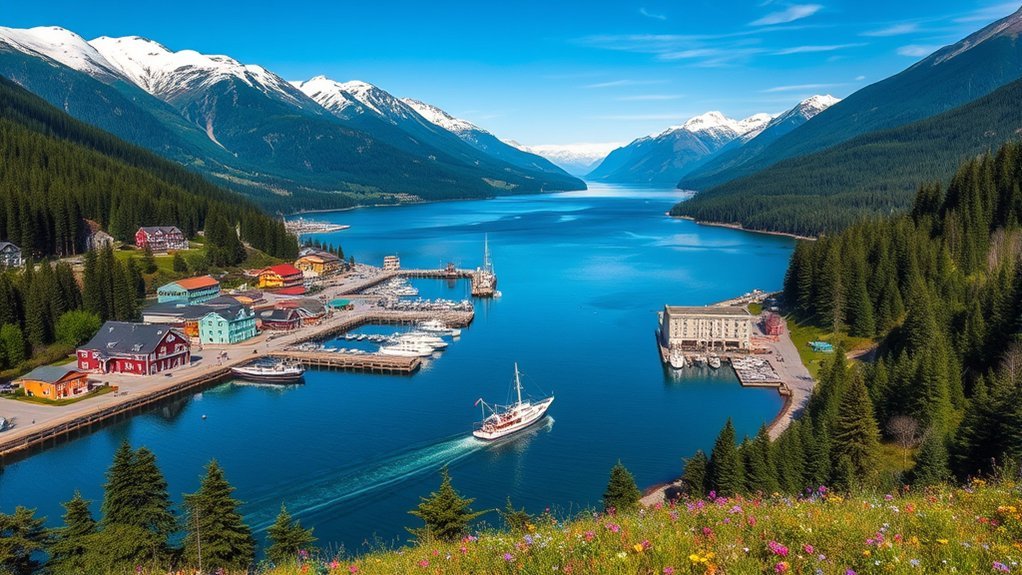
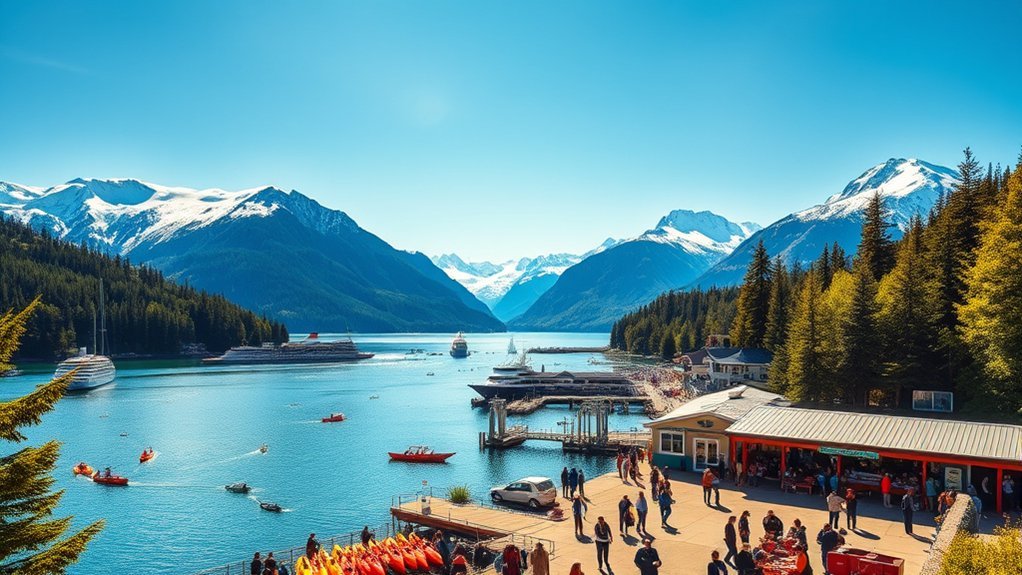
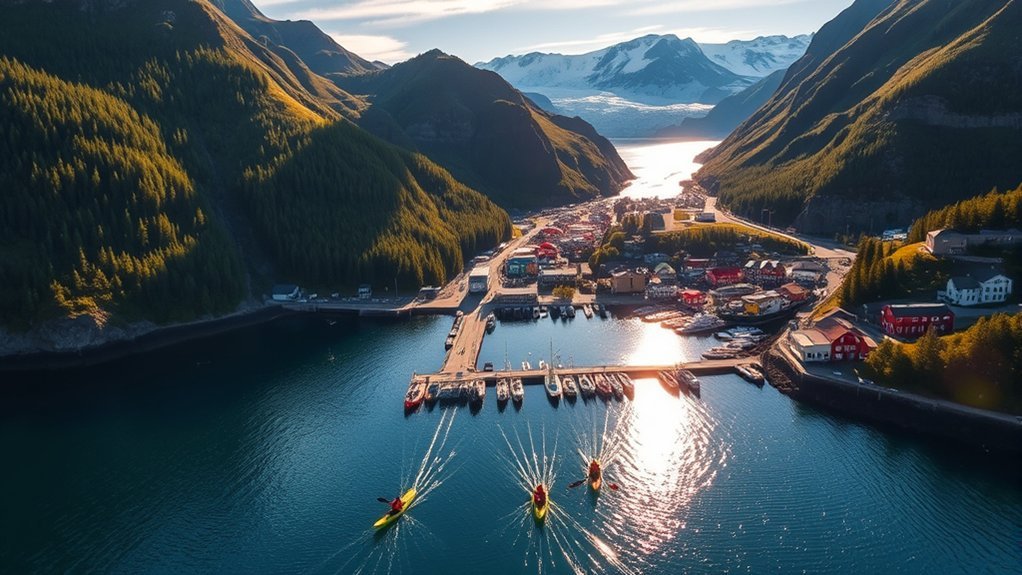
Start with a walk along the harbor, especially if you have time before a cruise or train departure. Fishing boats, tour vessels, kayaks, and steep mountain walls give you a quick feel for why Whittier is called a gateway to Prince William Sound.
Keep your visit simple: grab coffee, watch boats load for the day, photograph the mountains over Passage Canal, and check departure boards or tour meeting points. The harbor is also a useful place to compare last-minute activity options if weather changes your original plan.
Take a Glacier Cruise in Prince William Sound
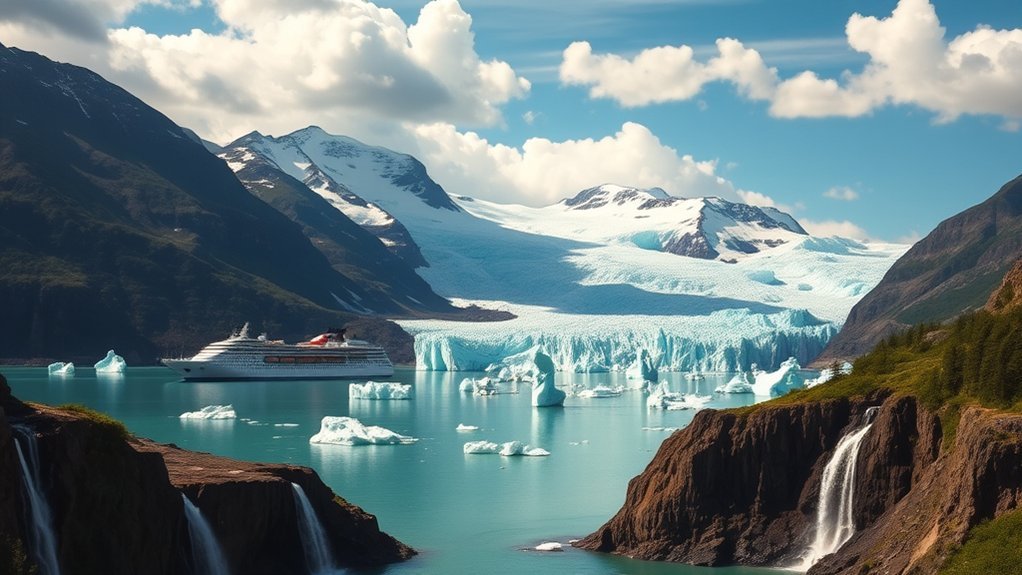
A glacier cruise is the top Whittier activity for most first-time visitors. These boat tours typically travel into Prince William Sound to view tidewater glaciers, waterfalls, fjords, seabirds, sea otters, seals, and sometimes whales.
Choose this option if you want maximum scenery with minimal physical effort. It is also the easiest way to see more of the sound if you only have one day in town.
Pro Tip: If you are driving through the tunnel for a cruise, choose a tunnel arrival that gets you into Whittier well before check-in. A missed tunnel window can mean a missed boat.
Kayak in Prince William Sound
Kayaking gives you a quieter, closer look at Whittier’s shoreline. Guided tours are the best choice for most visitors because local guides understand tides, weather, cold-water safety, and suitable routes for the day’s conditions.
Expect protected coves, waterfalls, sea birds, harbor views, and mountain scenery. Longer trips may reach more remote parts of Prince William Sound, while shorter paddles work well for active travelers with limited time.
Wildlife Viewing Opportunities
While kayaking, watch for sea otters, harbor seals, bald eagles, and seabirds. Wildlife sightings are never guaranteed, but slow travel by water gives you a better chance to notice animals without the engine noise of larger boats.
Scenic Glacial Landscapes
The appeal of paddling near Whittier is the scale: dark water, green slopes, waterfalls, snowfields, and glacier-carved valleys. Bring a waterproof layer even on sunny mornings because rain and wind can move in quickly.
Guided Kayaking Tours
Guided kayaking tours are best for first-timers, families with older children, and visitors unfamiliar with Alaska’s cold coastal waters. Ask operators about distance, restroom access, minimum age, cancellation rules, and what clothing they provide.
Warning: Prince William Sound water is cold even in summer. Do not paddle without proper gear, a weather plan, and local knowledge of wind, tides, and boat traffic.
Hike the Portage Pass Trail
Portage Pass Trail is the best land-based hike near Whittier for glacier views. The U.S. Forest Service describes the trail as about 2 miles with roughly 750 feet of elevation gain, with views of Passage Canal, surrounding mountains, glaciers, and Portage Glacier from the Portage Lake side.
Scenic Views Await You
The climb is worth it for the view back toward Whittier and Passage Canal. Continue toward Portage Lake if you have time, energy, and safe conditions. Many visitors treat the full hike to the lake and back as roughly a 4-mile round trip.
Trail Difficulty Explained
Expect a moderate hike with a noticeable uphill grade, uneven ground, wet sections, and exposed weather near the pass. Wear sturdy shoes, carry water, and pack a rain shell even when the harbor looks calm.
Wildlife Spotting Opportunities
The Forest Service notes mountain goats and bird-watching opportunities in the area. Keep distance from all wildlife, never feed animals, and make noise on brushy sections so you do not surprise anything on the trail.
Visit the Alaska Wildlife Conservation Center
The Alaska Wildlife Conservation Center is a strong add-on before or after Whittier because it sits near Portage Valley along the Seward Highway, not in downtown Whittier. The center offers a scenic loop, animal habitats, educational programs, and guided tours that support its conservation mission.
Meet Native Alaskan Animals
Visitors may see animals such as bears, moose, wood bison, muskox, wolves, porcupines, and more, depending on the season and animal care needs. The official Alaska Wildlife Conservation Center tours page lists current tour options, encounters, restrictions, and booking details.
Educational Guided Tours
Guided programs are the best choice if you want more than a self-guided loop. Naturalists explain the animals, the center’s work, and how Alaska’s wildlife adapts to harsh conditions.
Scenic Walking Loop
The center’s loop can be explored on foot, by bike, or by car, which makes it useful for families and mixed-ability groups. Bring layers; Portage Valley weather can feel different from Anchorage even on the same day.
Discover the Begich, Boggs Visitor Center
The Begich, Boggs Visitor Center in Portage Valley is a good stop for glacier context, exhibits, restrooms, ranger information, and views near Portage Lake. The U.S. Forest Service lists current hours, fees, and visitor information.
Use this stop if you want a slower, educational break before entering the tunnel or after returning from Whittier. It pairs well with Byron Glacier Trail, Portage Lake viewpoints, or the Alaska Wildlife Conservation Center.
Enjoy Fresh Seafood at Local Restaurants
Whittier’s small dining scene is part of the fun after a boat tour or hike. Look for local seafood such as salmon, halibut, crab, chowder, and fish-and-chips when available.
Restaurants can be busy when cruise ships, ferries, fishing charters, and tour boats overlap, so eat early or keep a backup snack in the car. In a small port town, seasonal hours can change quickly.
View the Historic Buckner Building From Outside
The Buckner Building is one of Whittier’s most striking historic landmarks, but it should be treated as an exterior-only stop. The building was constructed around 1950–1953 to house, serve, and support Army personnel, and it later fell into disrepair.
According to the Alaska Department of Environmental Conservation, assessments identified hazardous building materials and poor structural conditions. Take photos from a safe, legal public viewpoint and do not enter the structure.
Warning: Do not go inside the Buckner Building. It is deteriorated and associated with hazardous-material concerns, including asbestos, lead, PCBs, mold, and structural damage.
Go Fishing in the Surrounding Waters
Whittier is a popular base for saltwater fishing in Prince William Sound. Anglers commonly target species such as salmon, halibut, rockfish, and lingcod, depending on season, location, and regulations.
If you are new to the area, a licensed charter is the easiest option because the operator handles boat logistics and local knowledge. Independent anglers should review the Alaska Department of Fish and Game Prince William Sound fishing information and current emergency orders before fishing.
Note: Alaska fishing rules can change by species, area, season, and emergency order. Check current regulations before buying bait, booking a charter, or keeping a fish.
Experience the Prince William Sound Museum
If you want a low-key indoor stop, look for the Prince William Sound Museum in town. Exhibits focus on Whittier, Prince William Sound, Alaska military history, the railroad, and the region’s maritime past.
This is especially useful on rainy days or when you have a short window between tunnel, train, ferry, or cruise timing. Check current hours locally before building your day around it.
Bike or Walk the Scenic Roads and Waterfront
Whittier is compact, so you do not need a long route to enjoy the scenery. A short bike ride or walk near the waterfront can give you harbor views, mountain backdrops, waterfalls after rain, and easy photo stops.
Stay alert for vehicles, tour buses, boat trailers, and working-harbor traffic. Whittier is beautiful, but it is also a functional port.
Take the Scenic Train
The Alaska Railroad’s Glacier Discovery Train is a memorable way to reach or leave Whittier in season. The route connects Anchorage, Girdwood, Whittier, Portage, Spencer Glacier, and Grandview, making it useful for travelers who want scenery without driving.
The Alaska Railroad notes that the train provides a connection for glacier and wildlife cruises in Prince William Sound. Book ahead if you are matching train times with a cruise, ferry, or same-day return.
Spot Wildlife at Blackstone Bay
Blackstone Bay is a popular destination on some glacier cruises and boat tours from Whittier. The area is known for dramatic scenery, tidewater glaciers, waterfalls, and wildlife-viewing potential.
Look for sea otters, seals, bald eagles, seabirds, and, with luck, whales. Bring binoculars and use a zoom lens instead of trying to get close to wildlife.
Whittier is less about checking off dozens of attractions and more about timing one or two big experiences well: a glacier cruise, a kayak trip, a hike, or a fishing day.
Camp or Stay at Local Lodges
Staying overnight gives you more flexibility with tunnel timing and weather. Options may include local inns, lodges, cabins, RV spots, and campgrounds in or near Whittier and Portage Valley.
Book early in summer, especially around cruise ship days, fishing weekends, and holidays. If you camp, prepare for rain, cool nights, and damp gear.
Try a One-Day Whittier Itinerary
If you only have one day, keep the plan simple. Drive or train in early, walk the harbor, take a glacier cruise or guided kayak tour, eat seafood, then leave enough time for the tunnel, train, ferry, or cruise-ship boarding window.
For a more active day, hike Portage Pass Trail in the morning and take a shorter afternoon harbor activity. For a lower-effort day, pair the Begich, Boggs Visitor Center, Alaska Wildlife Conservation Center, Whittier Harbor, and a glacier cruise.
Frequently Asked Questions
What is the best time to visit Whittier, Alaska?
The best time to visit Whittier is usually late May through early September. This period gives you the broadest choice of glacier cruises, kayaking, fishing charters, hiking, wildlife viewing, and seasonal transportation options. Always pack for rain and cool wind, even in summer.
Are there guided tours available in Whittier?
Yes. Common guided options include glacier cruises, kayaking tours, fishing charters, wildlife-viewing tours, and transportation tours that combine Whittier with nearby Portage Valley stops. Book early in summer and confirm meeting times against the tunnel schedule.
Is Whittier accessible by road year-round?
Whittier is road-accessible through the Anton Anderson Memorial Tunnel, but the tunnel runs on a controlled schedule and hours vary by season. Check the official schedule before driving, especially in winter or when you need to meet a boat, ferry, train, or cruise connection.
What types of accommodations are available in Whittier?
Whittier has a small supply of local lodging, and nearby Portage Valley or Girdwood may offer additional options. In summer, reserve early because rooms can fill with cruise passengers, anglers, ferry travelers, and weekend visitors.
Can I rent outdoor equipment in Whittier?
Some local operators may provide kayaks, fishing gear, or guided equipment as part of a tour or charter. Availability is seasonal, so contact outfitters directly before arrival rather than assuming same-day rentals will be available.
Can you go inside the Buckner Building?
No. Treat the Buckner Building as an exterior-viewing stop only. It is deteriorated and has documented hazardous-material and structural concerns. Take photos from a safe public area and do not enter.
Conclusion
Whittier rewards visitors who plan well. Make the tunnel schedule your first checkpoint, then choose one main activity—such as a glacier cruise, kayak tour, Portage Pass hike, or fishing charter—and build the rest of the day around it. Add the harbor, seafood, nearby Portage Valley stops, and exterior historic viewing for a complete trip that balances scenery, safety, and time.
Sources
- Alaska Department of Transportation & Public Facilities: Whittier Tunnel Schedule — tunnel timing, seasonal hours, and controlled one-lane vehicle/train operations.
- U.S. Forest Service: Portage Pass Trail — trail distance, elevation gain, scenery, and hiking preparation.
- U.S. Forest Service: Begich, Boggs Visitor Center — visitor center hours, fees, exhibits, and public information.
- Alaska Wildlife Conservation Center: Tours — guided tour options, animal encounters, admission details, and conservation mission.
- Alaska Department of Environmental Conservation: Buckner Building — Buckner Building history, hazardous-material findings, and structural concerns.
- Alaska Department of Fish and Game: Prince William Sound Fishing Information — local fish species, regulations, emergency orders, and sport-fishing planning.