15 Best Things to Do in Whittier, Alaska
Last updated: May 23, 2026
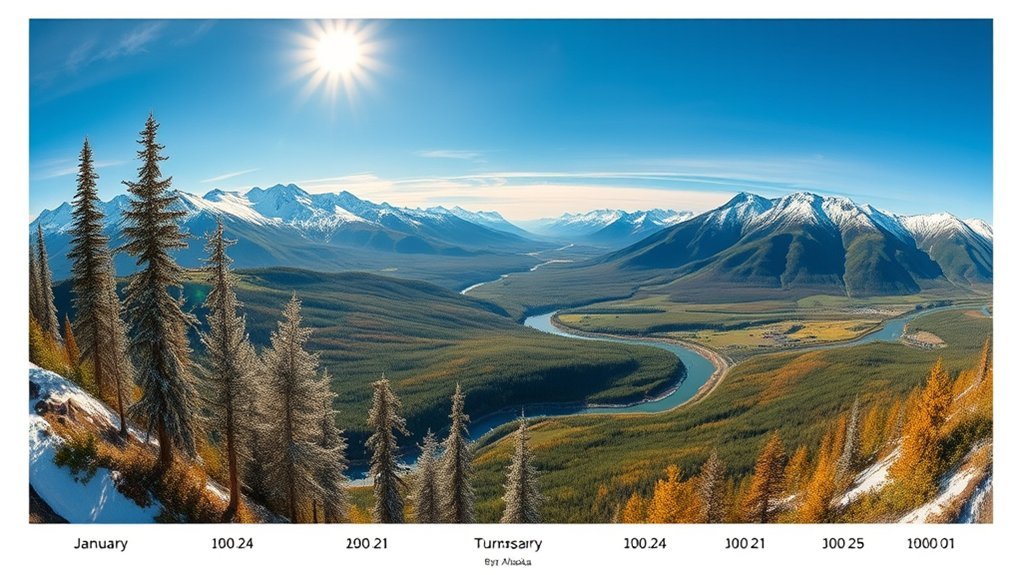
Whittier, Alaska, gives you fast access to Prince William Sound, glacier scenery, wildlife tours, fishing, kayaking, and one of Alaska’s most unusual road entrances. This guide covers the best things to do in Whittier, Alaska, with practical notes on timing, safety, seasonal closures, and the stops that are worth your limited time.
Quick answer: The best things to do in Whittier are taking a glacier cruise, walking Whittier Harbor, hiking Portage Pass Trail, kayaking in Prince William Sound, driving the Anton Anderson Memorial Tunnel, visiting the Prince William Sound Museum, viewing wildlife, fishing, and adding the Begich, Boggs Visitor Center in nearby Portage Valley.
Best Things to Do in Whittier, Alaska: Quick Planning Table
| Activity | Best For | Time Needed | Planning Note |
|---|---|---|---|
| Glacier cruise | First-time visitors | Half day to full day | Book early in summer |
| Portage Pass Trail | Hikers and photographers | 2 to 4 hours | Check weather and trail conditions |
| Sea kayaking | Active travelers | Half day to full day | Use a guide unless experienced |
| Whittier Harbor | Easy sightseeing | 30 to 90 minutes | Good before or after a tour |
| Fishing charter | Anglers | Half day to full day | Check current ADF&G regulations |
Plan Your Whittier Visit Before You Go
Whittier works best when you plan around the tunnel, boat tour times, and weather. The Anton Anderson Memorial Tunnel uses scheduled one-way traffic, and cars and trains take turns using the route. The Alaska Department of Transportation also states that pedestrians and bicycles are not allowed in the tunnel, so plan your arrival and exit with that rule in mind.
- Check tunnel times first: Review the official Whittier Tunnel information before you drive.
- Build in extra time: Add 30 minutes or more before a paid tour, especially during busy summer openings.
- Dress for wet weather: Bring a rain jacket, warm layer, and waterproof footwear even on mild days.
- Book boat trips early: Glacier cruises, fishing charters, and kayaking tours can fill quickly during summer.
- Check seasonal hours: Museums, visitor centers, restaurants, and tours may run limited shoulder-season schedules.
Walk Whittier Harbor
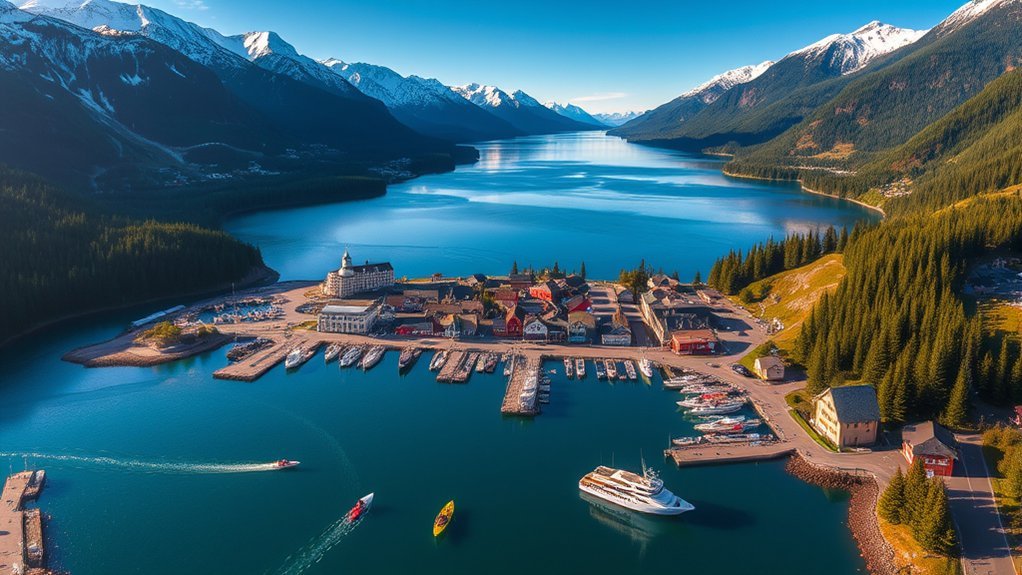
Start at Whittier Harbor if you want an easy first look at the town. The harbor gives you mountain views, working boats, tour departures, seafood stops, and a clear sense of how closely Whittier connects to Prince William Sound.
You can watch fishing boats, tour vessels, and kayakers move across the water while gulls and eagles circle above the docks. This is also one of the easiest places to take photos without committing to a long hike or boat trip.
The harbor is the practical center of a Whittier visit: tours leave from here, restaurants sit nearby, and the views start before you step onto a boat.
Use the harbor as your flexible stop before a cruise, after a museum visit, or while waiting for your tunnel departure. If you only have an hour in town, walk the waterfront, check the harbor views, and grab a simple meal before leaving.
Take a Glacier Cruise
A glacier cruise is usually the strongest choice for a first Whittier trip. Prince William Sound is known for protected waters, tidewater glaciers, steep fjords, waterfalls, sea otters, seals, eagles, and mountain views that you cannot fully appreciate from the road.
Choose your cruise length based on your schedule. Shorter trips work well for day visitors from Anchorage. Longer cruises give you more time near glaciers and better chances for wildlife sightings.
Bring warm layers and rain protection. Even in summer, wind across the water can feel cold, and mist near glaciers can make the deck damp. Keep your camera ready, but also take time to watch and listen when ice cracks or drops into the water.
Key takeaway: If you can do only one paid activity in Whittier, choose a glacier cruise. It gives you the widest mix of glaciers, wildlife, fjord scenery, and local context in one trip.
Understand Prince William Sound Wildlife and the Alaska Maritime Refuge
The original version of this article treated the Alaska Maritime National Wildlife Refuge as if it were a simple Whittier stop with a local visitor center. That can mislead readers. The official refuge stretches across a huge area of Alaska and supports marine mammals and millions of seabirds, while its main visitor center and headquarters are in Homer, not Whittier.
For a Whittier-based trip, focus your wildlife plans on Prince William Sound tours, shoreline viewing, kayaking, and glacier cruises. You can still use the U.S. Fish & Wildlife Service Alaska Maritime National Wildlife Refuge page for broader context about seabirds, marine mammals, coastal habitat, and conservation in Alaska.
Diverse Wildlife Viewing
Whittier gives you strong chances to see marine wildlife, especially from the water. Sea otters, harbor seals, bald eagles, seabirds, and whales may appear depending on season, route, and luck.
| Wildlife | Where to Watch | Planning Tip |
|---|---|---|
| Sea Otters | Harbor areas and boat tours | Use binoculars and keep distance |
| Bald Eagles | Harbor, shoreline, and forest edges | Look along treetops and posts |
| Seals and Sea Lions | Glacier cruise routes and rocky haul-outs | Tour guides often point them out |
| Whales | Prince William Sound boat routes | Sightings vary by season and route |
Bring binoculars, keep your distance, and avoid feeding wildlife. A quiet shoreline walk can be rewarding, but a boat tour usually gives you the best wildlife variety in a short visit.
Nearby Habitat Walks and Shoreline Viewing
You do not need to enter a refuge visitor center to enjoy natural habitat near Whittier. Walk the shoreline, hike Portage Pass Trail, or add nearby Portage Valley if you have a car and extra time.
For a low-effort wildlife stop, scan the harbor and shoreline during calm weather. For a more active option, combine Portage Pass Trail with a boat tour so you see both mountain and marine habitats in the same day.
Know Where the Official Visitor Centers Fit
For local glacier and forest interpretation, the Begich, Boggs Visitor Center in Portage Valley is the more useful stop near Whittier. For the Alaska Maritime National Wildlife Refuge specifically, the main visitor center and headquarters are in Homer.
This distinction matters because readers planning a Whittier day trip should not expect a full Alaska Maritime refuge visitor center in town. Use Whittier for Prince William Sound access, and use official refuge resources for broader wildlife education.
Hike Portage Pass Trail
Portage Pass Trail is one of the best land-based things to do in Whittier. The U.S. Forest Service lists the trail as more difficult, about 2 miles one way, with about 800 feet of elevation gain.
The trail climbs from near Whittier toward views of Passage Canal, Portage Lake, Portage Glacier, and the surrounding Chugach mountains. Weather can change fast, and the route can feel steep, muddy, snowy, or slippery depending on the season.
Wear hiking shoes with traction, carry water, and turn around if fog, wind, snow, or rain makes the route unsafe. The views are excellent on clear days, but you should not treat this as a casual paved walk.
Scenic Trail Highlights
Hiking Portage Pass gives you a strong reward for the effort. As you climb, you can look back toward Whittier and Passage Canal. From higher points, Portage Glacier and Portage Lake come into view.
- Glacier views: Clear days can reveal Portage Glacier and the surrounding ice-carved landscape.
- Mountain scenery: The trail gives you a high view without needing a technical climb.
- Wildflowers: Summer can bring color along open sections of the trail.
- Photography: Wide views work well for landscape shots, especially when clouds lift.
Wildlife Viewing Opportunities
Portage Pass Trail can add wildlife viewing to your hike, but sightings are never guaranteed. You may see birds, marmots, or signs of larger animals depending on season and conditions.
Stay alert for bears in brushy areas. Make noise on blind corners, carry bear spray if you know how to use it, and keep food packed away. Wildlife photos are never worth crowding an animal or leaving the trail in unsafe terrain.
Visit the Begich, Boggs Visitor Center
The Begich, Boggs Visitor Center is not in downtown Whittier, but it sits close enough to pair with a Whittier trip. It is located in Portage Valley near Portage Lake, making it a smart stop before or after passing through the tunnel.
The U.S. Forest Service says the center is open from Memorial Day through Labor Day and closes for the winter season. Check current hours before you go because seasonal schedules can change.
- Use the exhibits to learn about glaciers, Portage Valley, wildlife, and Chugach National Forest.
- Ask staff about trail conditions before hiking nearby routes.
- Enjoy views of Portage Lake and the surrounding mountains.
- Pair the stop with Byron Glacier Trail or Portage Pass Trail if conditions are safe.
This stop works best for families, first-time Alaska visitors, and travelers who want more context before seeing glaciers from a boat or trail.
Experience the Anton Anderson Memorial Tunnel
The Anton Anderson Memorial Tunnel is part of the Whittier experience, not just a way to get there. This 2.5-mile tunnel connects Whittier with the road system and uses a scheduled one-way traffic system shared with trains.
Plan this part carefully. Cars and trains do not use the tunnel at the same time, and tunnel openings can shift because of train traffic, weather, maintenance, or safety needs. Check the official schedule before you drive, especially if you have a cruise, charter, or ferry connection.
Unique Engineering Marvel
The tunnel is one of Whittier’s defining features because it turns the trip into a timed entrance. You line up, wait for your direction, and then pass through a narrow mountain route that feels very different from a normal highway drive.
- Cars and trains take turns using the tunnel.
- Vehicle traffic runs one way at scheduled intervals.
- Pedestrians and bicycles are not allowed inside.
- Drivers should follow posted speed limits and tunnel staff instructions.
Scenic Tunnel Drive
The drive itself is short, but the approach adds much of the drama. On one side, you have Portage Valley and glacier-carved scenery. On the other, you arrive in Whittier with mountains, water, and harbor views close together.
Do not schedule your day too tightly. A missed tunnel opening can affect a boat tour, dinner reservation, ferry sailing, or return drive.
Historical Significance Explained
The tunnel reflects Whittier’s military, rail, and port history. Whittier became important because of its sheltered deep-water port and connection to rail freight. Today, the tunnel remains the main road link for residents, freight, and visitors.
- Military roots: Whittier grew as a strategic port and military site.
- Rail connection: The route still matters for Alaska Railroad movement.
- Visitor access: The tunnel makes Whittier possible as a day trip from Anchorage.
- Planning impact: Your itinerary must respect the tunnel schedule.
Enjoy Kayaking in Prince William Sound
Kayaking in Prince William Sound gives you a quieter view of Whittier’s water, mountains, coves, and wildlife. It also demands respect. Cold water, fast weather changes, boat traffic, and remote shorelines make guided kayaking the safer choice for most visitors.
| Experience | Details |
|---|---|
| Duration | Half-day, full-day, or custom trips may be available |
| Skill Level | Beginner-friendly with a guide, more demanding on remote routes |
| Best Fit | Active travelers who want a slower, closer look at the sound |
| Safety Note | Wear proper gear and follow local guide instructions |
A guided tour can help with route choice, weather judgment, tide awareness, and safety gear. If you are new to sea kayaking, avoid remote paddles without professional support.
Stroll Along the Scenic Shoreline
A shoreline walk is one of the easiest free things to do in Whittier. You can stretch your legs, watch boats, scan for birds, and take photos without needing a reservation.
Use this stop when you have a short gap before a tunnel opening or after a cruise. Wear shoes that can handle wet surfaces, and stay aware of working harbor areas where visitors should not block crews or equipment.
Breathtaking Ocean Views
The shoreline gives you a strong mix of water, mountains, weather, and light. Clouds often move through the valley quickly, so the same view can look different within minutes.
- Watch boats move in and out of Passage Canal.
- Photograph mountains reflected in calmer water.
- Look for waterfalls after rain.
- Use cloudy weather for moody landscape shots.
Wildlife Spotting Opportunities
Shoreline wildlife viewing can include sea otters, seals, gulls, eagles, and other birds. Whale sightings from shore can happen, but you should not count on them as the main reason for the walk.
Bring binoculars if wildlife matters to you. Keep distance from animals, avoid loud behavior near birds, and never feed wildlife near the harbor.
Ideal Photography Locations
Whittier’s shoreline works well for simple travel photography because the subject matter sits close together. You can frame boats, mountains, water, clouds, and harbor details without hiking far.
- The harbor: Good for boats, reflections, and mountain backdrops.
- The shoreline: Good for birds, water, and wide scenic views.
- Public waterfront areas: Good for quick photos before a cruise.
- Higher trail viewpoints: Better for wide shots when weather is clear.
View the Historic Buckner Building From Outside
The Buckner Building is historically important, but you should not treat it as a tour attraction. The Alaska Department of Environmental Conservation describes the Buckner Building as a former military facility that once served housing, recreation, medical, and other functions for Army personnel. It also notes environmental concerns tied to the property.
Use the building as an outside-only history and photography stop. Do not enter, climb through openings, cross fences, or ignore posted restrictions. Abandoned buildings can contain unstable materials, debris, mold, asbestos, lead-based paint, and other hazards.
For background before your visit, review the Alaska Department of Environmental Conservation Buckner Building project page.
The safer way to understand Whittier’s military past is to pair an outside view of the Buckner Building with a visit to the Prince William Sound Museum.
Go Wildlife Watching
Wildlife watching is one of the main reasons travelers visit Whittier. The best sightings usually come from boat tours, kayaking trips, shoreline walks, and quiet observation around the harbor.
Whittier rewards patient wildlife watchers. Scan slowly, use binoculars, and let guides point out animals before you reach for the camera.
- Look for sea otters floating in protected water.
- Watch for bald eagles near treetops, posts, and shoreline areas.
- Ask cruise guides about whales, seals, and sea lions along the day’s route.
- Stay alert for bears near trails and brushy areas, especially outside busy harbor zones.
Keep expectations realistic. Wildlife changes by season, weather, food movement, and route. A good guide can improve your chances, but no ethical operator can promise every animal.
Fish in the Waters Around Whittier
Fishing around Whittier can be excellent, but rules and limits change. Before you fish, check current Alaska Department of Fish and Game regulations, emergency orders, and license requirements for Prince William Sound.
The safest evergreen advice is simple: use a reputable local charter if you are new to the area, confirm what species you can keep, and ask what gear, license, and fish processing options you need before your trip.
| Fish Species | Typical Planning Window | Important Note |
|---|---|---|
| Salmon | Often best in summer, varies by run and species | Check current regulations and emergency orders |
| Halibut | Often targeted in late spring through summer | Charter rules and retention limits can change |
| Rockfish | Availability varies by area and regulation year | Species-specific rules may apply |
Use the Alaska Department of Fish and Game sport fishing regulations before finalizing any fishing plan.
Learn About Whittier’s History at the Prince William Sound Museum
The Prince William Sound Museum is the best indoor stop for understanding Whittier’s unusual history. The museum covers the town’s military past, rail and port development, World War II and Cold War context, and the role Whittier played in Prince William Sound.
The Prince William Sound Museum describes exhibits about Whittier’s history as a military port and rail terminal. Check current hours before you go because small museums can operate seasonal or limited schedules.
- Learn why Whittier developed as a military and rail-linked port.
- Connect the Buckner Building and tunnel to the town’s larger story.
- Use the museum as a weather-friendly stop on rainy days.
- Add it before dinner or after a shorter boat tour.
This museum makes the rest of Whittier easier to understand. Without that context, the town can feel like a harbor and a tunnel. With the history, the layout, buildings, and access route make much more sense.
Participate in a Guided Fishing Charter
A guided fishing charter is the simplest way to fish Whittier if you do not already know Prince William Sound. Local captains understand routes, weather, safety, gear, and current fishing patterns better than a first-time visitor can judge from shore.
Before booking, ask what species the charter targets, what the trip includes, whether you need to buy your license separately, how fish cleaning works, and what happens if weather affects the trip.
Also ask how the operator handles current regulations. A good charter should give clear guidance on what you can keep and should point you back to official Alaska Department of Fish and Game rules for the final answer.
Important: Fishing regulations can change during the season. Confirm current rules before your trip, not just when you book.
Eat at Local Restaurants and Cafes
Whittier’s restaurants and cafes work best as part of your harbor plan. After a cruise, hike, fishing charter, or kayak tour, you can look for seafood, coffee, baked goods, breakfast plates, or casual comfort food near the waterfront.
Because Whittier is small and seasonal, do not build your entire schedule around one restaurant without checking current hours. Some places may change hours around tour schedules, staffing, weather, and shoulder-season demand.
- After a morning hike: Look for coffee, pastries, or a simple breakfast.
- After a cruise: Choose a harbor-area meal before your tunnel departure.
- After fishing: Ask your charter about fish processing and local dining options.
- On rainy days: Use a cafe stop to warm up and reset your plan.
For the smoothest day, eat before you become rushed by the next tunnel opening. The town is small, and summer crowds can create short busy windows after major tour returns.
Capture Big Views From Portage Pass or Horsetail Falls
The original heading promised views from the top of Mount Whittier, but that can mislead casual visitors because the common visitor hikes are Portage Pass Trail, Horsetail Falls, and other nearby routes rather than a simple named summit walk. For most travelers, Portage Pass is the better view-focused choice.
If you want the classic high view, hike Portage Pass when conditions are clear. If you want a shorter outing, look for an easier viewpoint or waterfall route near town and match the hike to your fitness, gear, and weather.
Clouds can hide the best views quickly, so stay flexible. If the pass is fogged in, use the harbor, shoreline, museum, or a boat tour instead of forcing a hike that will not reward the effort.
Bring a waterproof camera bag or phone pouch. Whittier’s rain, mist, and boat spray can be harder on gear than the cold.
Sample One-Day Whittier Itinerary
If you are visiting from Anchorage or passing through before a cruise, use this simple structure to avoid overpacking your day.
- Morning: Drive to Portage Valley, check tunnel timing, and stop at the Begich, Boggs Visitor Center if it is open.
- Late morning: Pass through the tunnel and walk Whittier Harbor.
- Midday: Take a glacier cruise, kayaking tour, or fishing charter.
- Late afternoon: Visit the Prince William Sound Museum or walk the shoreline.
- Evening: Eat near the harbor and leave enough time for your tunnel opening.
If you prefer hiking, swap the midday boat activity for Portage Pass Trail and save the harbor, museum, and restaurant stop for afterward.
Frequently Asked Questions
What Is the Best Time of Year to Visit Whittier, Alaska?
The best time to visit Whittier is usually late May through early September. Summer brings the most glacier cruises, kayaking trips, fishing charters, visitor services, and easier hiking conditions. Rain can happen any time, so pack waterproof layers even during peak travel months.
Are There Any Accommodations Available in Whittier?
Yes, but Whittier has limited lodging compared with larger Alaska towns. Book early if you want to stay overnight during summer. Many visitors also stay in Anchorage, Girdwood, or nearby areas and visit Whittier as a day trip.
Is Whittier Accessible Year-Round?
Yes. Whittier is accessible year-round through the Anton Anderson Memorial Tunnel, but the tunnel follows scheduled openings and can change for trains, weather, maintenance, and safety. Always check the official tunnel schedule before you drive.
What Are the Transportation Options to Reach Whittier?
You can reach Whittier by car through the Anton Anderson Memorial Tunnel, by rail service when available, by tour transfer, or by Alaska Marine Highway ferry routes. The official Alaska Marine Highway schedule is the best source for current ferry sailings.
Can I Find Local Tours or Guides in Whittier?
Yes. Whittier has local options for glacier cruises, wildlife tours, kayaking, water taxis, and fishing charters. Book early in summer, confirm cancellation rules, and ask each operator what gear, timing, and weather policies apply.
Can You Walk Through the Whittier Tunnel?
No. Pedestrians and bicycles cannot use the Anton Anderson Memorial Tunnel. You need a vehicle, shuttle, bus, train service, or tour transfer to pass through the tunnel safely and legally.
Is Whittier Worth Visiting Without a Cruise?
Yes, especially if you like hiking, photography, history, or unusual Alaska towns. Without a cruise, focus on Portage Pass Trail, Whittier Harbor, the shoreline, the Prince William Sound Museum, the tunnel, and nearby Portage Valley.
What Should I Pack for Whittier?
Pack a rain jacket, warm layer, waterproof shoes, binoculars, camera protection, water, snacks, and any tour documents. Whittier can feel wet, windy, and cooler than nearby inland areas, especially on boats or exposed viewpoints.
Do You Need a Car in Whittier?
You do not need a car for every activity once you arrive, especially if your tour starts near the harbor. A car helps if you want to control tunnel timing, visit Portage Valley, reach trailheads, or combine Whittier with other Southcentral Alaska stops.
Is the Buckner Building Safe to Enter?
No. Do not enter the Buckner Building. Treat it as an outside-only historic landmark. The safer choice is to view it from public areas, then visit the Prince William Sound Museum for the history behind Whittier’s military past.
Conclusion
Whittier is one of Alaska’s best small-town bases for glacier cruises, Prince William Sound wildlife, kayaking, fishing, harbor views, and short but rewarding hikes. Plan around the tunnel first, then choose one major activity, such as a glacier cruise, Portage Pass hike, kayak trip, or fishing charter.
For the strongest visit, pair one outdoor adventure with one easy local stop. Walk the harbor, visit the Prince William Sound Museum, check nearby Portage Valley, and leave enough time for your return tunnel opening. That simple plan helps you enjoy Whittier without rushing through the best parts.