Gstaad is a year-round Swiss Alps destination, but the best time to visit depends on what you want most: reliable winter atmosphere, high-summer hiking, cultural events, lower prices, or quieter trails. Winter and summer are the classic peak seasons, while late spring and autumn can be the smartest choices for travelers who prefer space, value, and softer scenery.
Quick Answer
The best time to visit Gstaad is December to March for skiing and winter charm, and June to September for hiking, biking, golf, and summer festivals. Choose May, early June, September, or October for fewer crowds, better hotel value, and scenic shoulder-season walks.
Key Takeaways
- Visit in winter if skiing, snowboarding, winter hiking, and festive village atmosphere are your priorities.
- Visit in summer if you want the widest choice of hiking, biking, lakeside outings, golf, and cultural events.
- Spring and autumn are best for quieter scenery, lower demand, and a slower local feel, but some lifts and high trails may be limited.
- Always check current lift, trail, event, and weather information before booking outdoor activities in the Alps.
Best Time to Visit Gstaad by Travel Style
If you are choosing dates quickly, use this simple guide. Gstaad’s official tourism information lists the village at 1,050 metres above sea level, with mountain activities extending much higher, so conditions can change quickly by altitude and season.
| Travel Goal | Best Time | Why It Works |
| Skiing and snowboarding | December to March | Best mix of winter atmosphere, open ski areas, ski schools, and snow-focused activities. |
| Hiking and biking | June to September | Longer days, greener valleys, more accessible trails, and mountain restaurants in summer mode. |
| Music and cultural events | January/February and July to September | Winter classical concerts and the summer Menuhin Festival add a strong cultural reason to visit. |
| Lower crowds and better value | May, early June, September, and October | Shoulder seasons are calmer, though some lifts, high trails, and restaurants may operate on limited schedules. |
| Holiday atmosphere | December and New Year | Christmas markets, lights, ski-school energy, hotel dinners, and festive village life create a classic Alpine mood. |
Winter Wonderland: Gstaad from December to March
Winter is the most iconic season in Gstaad. The chalet village, luxury hotels, snow-covered slopes, and elegant promenade all feel made for a classic Alpine escape. The official Gstaad tourism site lists 200 kilometres of ski slopes between 1,000 and 3,000 metres above sea level, making winter the best choice for skiing, snowboarding, ski lessons, and snowy mountain views.
The ski area works well for different ability levels, from gentle village lifts and learning parks to broader slopes and higher-altitude terrain. Families can look for ski schools and beginner-friendly zones, while confident skiers can plan longer days across several connected mountain areas. Glacier 3000 also gives the wider region a high-altitude winter option, though openings always depend on weather, lift operations, and snow conditions.
For a ski-focused trip, book early for Christmas, New Year, and February school-holiday weeks. These are among the most popular periods for hotels, ski lessons, and restaurant reservations.
Gstaad in winter is not only about downhill skiing. The region also offers winter hiking, cross-country skiing, ice sports, carriage rides, paragliding, dog sledding, and other outdoor experiences listed by the official tourism office. That makes winter a strong season even for travelers who want snow scenery without skiing every day.
Note: Winter openings can vary by slope, lift, weather, and altitude. Check live lift and slope information before buying passes or planning a specific ski day.
Winter is best for
- Skiing and snowboarding
- Snowy chalet scenery
- Christmas and New Year trips
- Winter hiking and carriage rides
- Luxury hotels, spas, and cozy mountain dining
Winter travel tradeoffs
Winter is also one of the most expensive and crowded times to visit. Hotel rates, ski lessons, and restaurants can book up quickly during holidays and school breaks. If you want winter charm with slightly less pressure, consider early December before peak holidays or March when days are longer and the atmosphere is often more relaxed.
Springtime Splendor: Gstaad in April and May
As winter gives way to spring, Gstaad becomes quieter and more transitional. Snow begins to retreat from lower areas, meadows start to green, and valley walks become more appealing. Spring is a good time to visit if you want a calmer pace, fresh air, and lower demand than the peak ski and summer months.
Spring hiking is often best at lower elevations first. Higher routes can still hold snow, mud, or seasonal closures, so it is wise to check trail conditions before setting out. This is also a good time for easy walks, photography, spa stays, scenic train arrivals, and relaxed meals in the village.
Mountain biking usually becomes more appealing as trails dry and local operators shift toward summer activities. Conditions can vary from year to year, so riders should check lift schedules, trail status, and bike transport rules before planning a bike-heavy trip.
Pro Tip: Spring is best for flexible travelers. Build your itinerary around lower-elevation walks, village time, wellness, and day-by-day weather rather than one must-do high-mountain route.
Summer Escapes: Gstaad from June to September
Summer is the best time to visit Gstaad for hiking, mountain biking, golf, lakeside outings, and long days outdoors. The official tourism office describes Gstaad as having over 300 kilometres of marked paths and trails, with routes through valleys, gorges, alpine moorland, mountain lakes, and higher peaks.
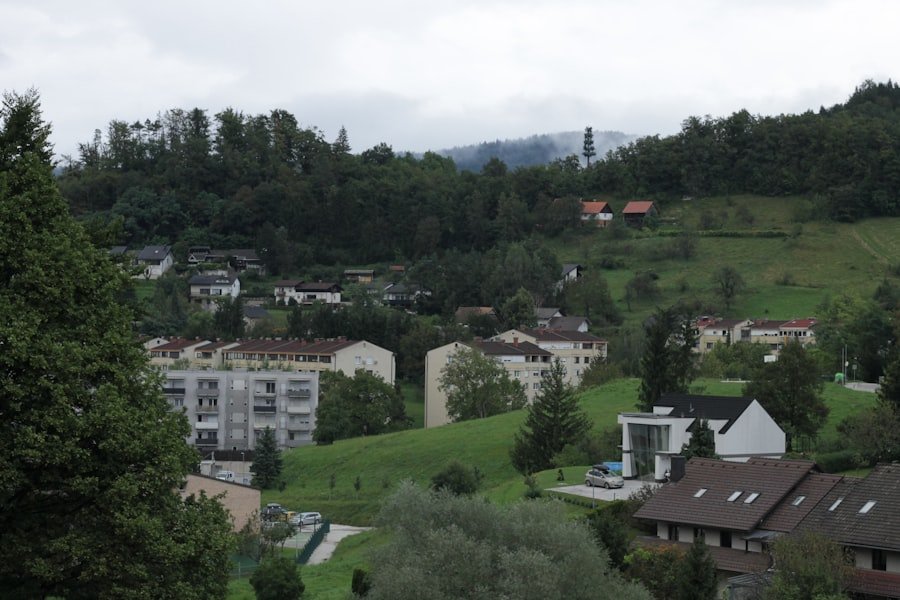
Hikers can choose everything from gentle valley walks to more challenging mountain routes. Many trails pass benches, picnic areas, alpine restaurants, or viewpoints, which makes summer especially good for travelers who want active days without rushing. Mountain biking is also a major summer draw, with routes ranging from easier scenic rides to steeper trails for experienced riders.
Summer also suits travelers who want Gstaad’s cultural side. The Menuhin Festival Gstaad is a major classical music event; the 2026 festival is listed for July 16 to September 5. If concerts are a priority, book accommodation and tickets early because festival dates can increase demand.
July and August are the warmest, busiest, and most event-filled months. June and September can be excellent alternatives: still scenic, often more peaceful, and better suited to travelers who want hiking without the highest summer crowds.
Summer is best for
- Hiking and mountain biking
- Golf and outdoor dining
- Music festivals and cultural events
- Families who want non-ski activities
- Longer daylight and scenic photography
Autumn Adventures: Gstaad in September, October, and November
Autumn is one of Gstaad’s most rewarding seasons for travelers who prefer color, calm, and crisp mountain air. September often still feels active and outdoorsy, while October brings stronger autumn color and a slower rhythm. By November, the village shifts toward winter preparation, and some services may pause before the ski season.
| Activity | Autumn Availability | Planning Tip |
| Hiking | High in September and early October | Start early and carry layers because temperatures drop quickly. |
| Cycling | Medium to high, depending on trail conditions | Check lift schedules if you need bike transport. |
| Scenic drives and rail arrivals | High | Use autumn color and quieter roads as part of the trip. |
| Local cuisine | High | Look for seasonal menus, cheese, game dishes, and cozy restaurants. |
| Spa and wellness | High | A strong backup plan when weather turns wet or chilly. |
Autumn also brings traditional Alpine culture. The Gstaad Züglete, described by Made in Bern, features flower-adorned cow herds moving through the village after time on the mountain pastures. This kind of event gives visitors a more local view of the region than peak-season sightseeing alone.
Adventure travelers can still find hiking, biking, and paragliding opportunities in autumn, but flexibility matters. Weather can shift quickly, daylight is shorter, and some mountain services reduce hours as the season moves toward winter.
Festive Fun: Gstaad during the Holidays
December turns the Gstaad region into a festive Alpine setting with decorated streets, winter menus, hotel celebrations, markets, and the return of ski-season energy. It is one of the most atmospheric times to visit, especially for couples, families, and travelers who want a classic Swiss winter holiday.
The holiday period is also one of the busiest. Christmas, New Year, and early January can bring high hotel demand and limited restaurant availability. Book early if you want a specific hotel, ski instructor, spa time, or dinner reservation.
Nearby Saanen hosts a Christmas market with crafts, culinary treats, mulled wine, punch, and seasonal goods. The official Gstaad event listing shows the 2026 Saanen Christmas market on December 6 and December 19, from 2:00 PM to 8:00 PM. Event dates can change by year, so confirm the calendar before planning a trip around one market day.
Skiing is a major part of the holiday experience, but visitors who do not ski can still enjoy winter walks, ice sports, carriage rides, spa afternoons, shopping along the promenade, and long meals in cozy restaurants.
Off-Peak Perks: Visiting Gstaad in the Shoulder Seasons
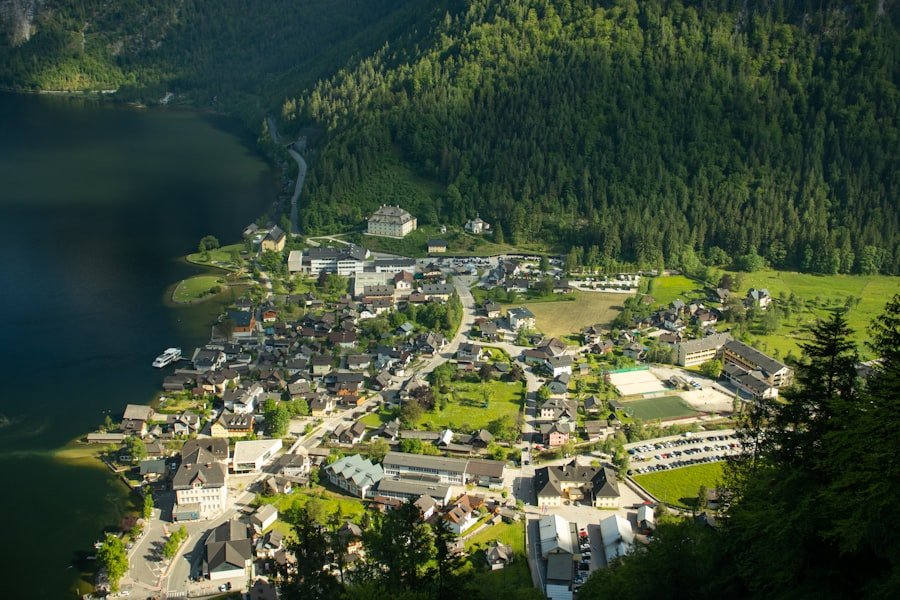
The shoulder seasons are spring and autumn, especially May, early June, September, and October. These months are ideal if you want Gstaad’s scenery and hospitality without the highest ski-season or summer-holiday crowds.
Shoulder-season travel often brings better accommodation value and a calmer atmosphere. It is easier to stroll the village, enjoy restaurants without peak pressure, and take scenic walks at a slower pace. Photographers may prefer these months too: spring brings fresh green landscapes, while autumn adds gold, orange, and red tones to the hillsides.
The tradeoff is availability. Some lifts, trails, mountain huts, and seasonal activities may be closed or operating on reduced schedules. For that reason, shoulder seasons work best for flexible travelers who are happy to combine easy walks, wellness, local food, scenic rail travel, and village time.
Warning: Do not assume a high trail, pass, lift, lake activity, or ski area will be open just because it is listed online. In mountain destinations, conditions and operations can change quickly.
Weather Watch: What to Expect in Gstaad Throughout the Year
Gstaad’s weather changes by season and elevation. The village sits at 1,050 metres, but many activities take place higher in the mountains, where temperatures, wind, snow, and visibility can be very different from the promenade.
Winter usually means cold mornings, snowy landscapes, and the need for proper layers, waterproof footwear, gloves, and sun protection on bright ski days. Spring can shift from warm valley afternoons to snowy higher routes. Summer brings the most comfortable conditions for hiking and biking, but thunderstorms can still develop in the mountains. Autumn is crisp and scenic, with shorter days and faster temperature drops after sunset.
For trip planning, use general season patterns for inspiration but rely on the local forecast for decisions. MeteoSwiss provides an official local forecast for Gstaad 3780, which is especially useful before hikes, ski days, road transfers, and outdoor events.
Special Events: Not-to-Miss Festivals and Activities in Gstaad
Gstaad’s event calendar is one reason the destination works beyond skiing. Music, Alpine customs, food events, sports, and seasonal markets give each part of the year a different feel.
Summer’s major cultural highlight is the Menuhin Festival Gstaad, a classical music festival with concerts in Gstaad and the Saanenland region. The 2026 edition is listed from July 16 to September 5, making late July and August especially attractive for travelers who want hiking by day and concerts by night.
In winter, classical music lovers can also look for the Sommets Musicaux de Gstaad, a winter festival traditionally held around late January and early February. Because programming and dates change each year, it is best to confirm details through the official event calendar before booking.
Autumn brings local customs such as the Gstaad Züglete, when farming families lead decorated cattle through the village after the animals return from Alpine pastures. This is a memorable choice for visitors who want a stronger sense of local tradition, not just resort scenery.
During December, Christmas markets and festive hotel programming add another reason to visit. The Saanen Christmas market is a good regional example, with craft stalls, seasonal food, and warm drinks.
Frequently Asked Questions
What is the best time to visit Gstaad?
The best time to visit Gstaad is December to March for skiing and winter atmosphere, and June to September for hiking, biking, golf, and festivals. For fewer crowds and better value, choose May, early June, September, or October.
When is the ski season in Gstaad?
The main ski season is generally winter, with many travelers targeting December through March. Some higher areas may operate longer, but exact dates depend on snow, weather, lift schedules, and the specific mountain area. Always check live slope and lift information before booking a ski-focused trip.
What is the weather like in Gstaad during the summer?
Summer is usually the most comfortable season for hiking, biking, golf, and outdoor dining, with long daylight hours and greener mountain landscapes. Mountain weather can still change quickly, so pack layers and check the forecast before longer hikes.
Are there any festivals or events in Gstaad that are worth visiting?
Yes. The Menuhin Festival Gstaad is a major summer classical music event, while winter brings concerts, festive programming, and Christmas markets in the region. Autumn customs such as the Gstaad Züglete are also worth considering if you want a more traditional Alpine experience.
What are the peak tourist seasons in Gstaad?
The peak tourist seasons are winter ski season, especially Christmas, New Year, and school-holiday weeks, plus the summer months of July and August. Festival dates can also increase demand for hotels and restaurants.
Is it crowded in Gstaad during the peak tourist seasons?
Yes, Gstaad can be crowded during peak winter weeks and high summer. Book accommodations, ski lessons, restaurant tables, concert tickets, and spa appointments in advance if you are visiting during Christmas, New Year, February holidays, July, or August.
Is Gstaad better in winter or summer?
Winter is better for skiing, snow scenery, festive atmosphere, and luxury Alpine coziness. Summer is better for hiking, biking, golf, lake outings, longer daylight, and music festivals. The better season depends on whether you want snow sports or green-mountain activities.
Sources
- Holiday Region Gstaad: Gstaad village — supports Gstaad’s elevation and village details.
- Holiday Region Gstaad: Skiing & Snowboarding — supports the 200 km ski-slope claim and altitude range.
- Holiday Region Gstaad: Hiking in Summer — supports the 300 km marked hiking-trail claim.
- Menuhin Festival Gstaad — supports the 2026 summer festival dates and cultural-event information.
- Made in Bern: Gstaad Züglete — supports the autumn cattle-descent tradition.
- MeteoSwiss: Local Forecast for Gstaad — supports weather-planning guidance.