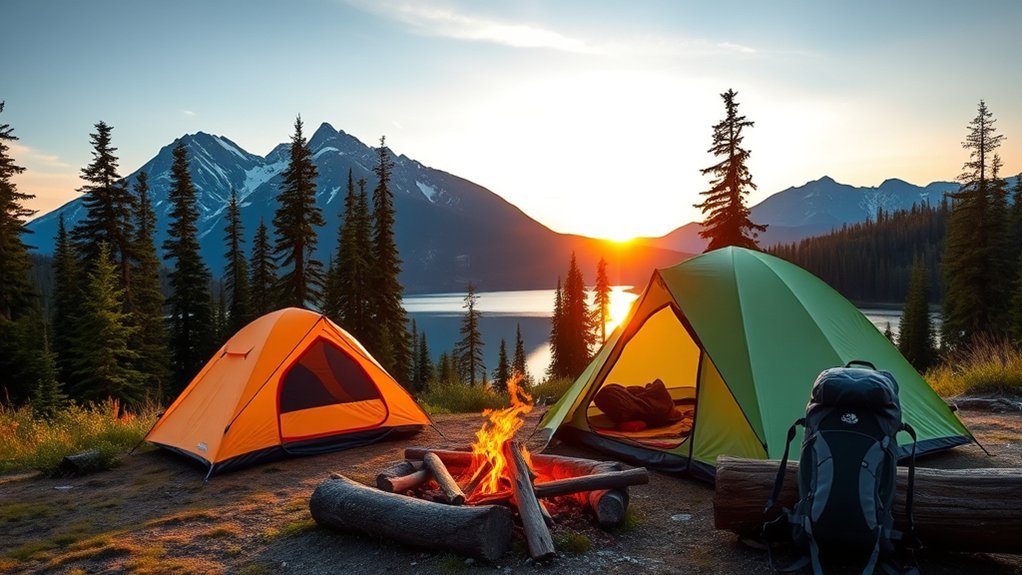
Camping in Chugach State Park gives you fast access to Alaska wilderness from Anchorage, but the trip still needs careful planning. The park covers about 495,000 acres and includes road-access campgrounds, public-use cabins, lakes, river valleys, alpine trails, and backcountry camping. Choose the right base, confirm current openings, and prepare for bears, moose, cold water, changing weather, and limited services.
Quick Answer
Yes, you can camp in Chugach State Park at Eklutna Lake, Eagle River, Bird Creek, Bird Creek Overflow when open, or in the backcountry. Most individual sites are first come, first served. Ordinary backcountry camping needs no permit, but location-specific camping, fire, food-storage, and closure rules still apply.
Key Takeaways
- The four official road-access camping areas are Eklutna Lake, Eagle River, Bird Creek, and Bird Creek Overflow, but seasonal openings can change.
- Individual campsites are generally first come, first served. Group areas, tent platforms, picnic shelters, cabins, and huts may be reservable.
- Current Alaska State Parks fees list standard Chugach campsites at $20 and day-use parking at $5, but you should verify fees before travel.
- Backcountry camping usually needs no permit, but the first three miles of the Eklutna Lakeside Trail have a stricter designated-site rule.
- Campfires belong in provided fire rings unless a narrow Chugach gravel-bar exception applies. Current fire restrictions can override every normal allowance.
- Keep food, garbage, toiletries, cookware, and other scented items inaccessible to bears. Do not depend on cell service for an emergency.
At a Glance
| Time Required | One night to several days. Posted developed-campground limits are 3 nights at Eagle River, 7 nights at Bird Creek and its overflow, and 15 nights at Eklutna Lake. |
| Difficulty | Easy for developed campgrounds; moderate to advanced for remote valleys, river crossings, alpine routes, and winter travel. |
| Tools Needed | Tent or RV setup, warm layers, rain gear, stove, water treatment, bear-resistant food storage, map, compass or offline GPS, headlamp, first aid kit, and an emergency communication plan. |
| Cost | As of July 2026, the official fee page lists $20 for standard campground sites or an overflow vehicle and $5 for day-use parking. Cabins and group facilities cost more. |
Overview of Chugach State Park
Chugach State Park lies mostly within the Municipality of Anchorage. Its mountains, valleys, lakes, glaciers, river corridors, and trail systems begin only a few miles from the city. Alaska State Parks describes it as one of the four largest state parks in the United States.
The park works for several camping styles. Families and RV travelers can choose rustic developed campgrounds with road access, latrines, water when operating, picnic tables, and fire rings or fire pits. Backpackers can camp in the backcountry, but they need stronger navigation, weather, wildlife, food-storage, and emergency skills.
Note: Chugach State Park is different from Chugach National Forest and Anchorage municipal parks. Kincaid Park, for example, is managed by the Municipality of Anchorage and is not an official Chugach State Park campground.
Developed Campgrounds in Chugach State Park
Alaska State Parks lists four developed camping areas in Chugach State Park. Before leaving, check the individual facility page and the seasonal open-status page. Water, hosts, fee collection, and overflow access can change during the season.
Warning: The state open-status page last updated June 18, 2026 listed Bird Creek Overflow Campground as closed while Eklutna Lake, Eagle River, and Bird Creek were open. Recheck the page immediately before travel because status can change.
Note: Alaska State Parks pages do not currently agree on every campsite total. The individual facility pages and the statewide campground directory show different counts for Eklutna Lake, Bird Creek, and Bird Creek Overflow. Use posted signs and the current facility page as the final trip-planning source.
| Campground | Best For | Facility-Page Details | Stay and RV Limit |
|---|---|---|---|
| Eklutna Lake | Lake scenery, biking, hiking, boating, fishing, and longer stays | 50 main campsites plus a listed overflow area, water, latrines, picnic tables, fire pits, trails, and accessible facilities | 15 nights; 30-foot RV limit |
| Eagle River | Short stays, nearby supplies, river access, and first-time campers | 57 campsites plus a 10-site overflow area, water, vaulted latrines, picnic tables, fire pits, and a host | 3 nights; no listed RV size limit |
| Bird Creek | Fishing, Turnagain Arm scenery, biking, hiking, and cabin access | Facility page lists 24 campsites, water, latrines, fire rings, picnic tables, trails, and public-use cabins | 7 nights; 35-foot RV limit |
| Bird Creek Overflow | Basic overflow camping when the facility is officially open | Parking-lot-style camping with designated sites around the edge, picnic tables, fire rings, water, and latrines | 7 nights; 35-foot RV limit |
Eklutna Lake Campground
Eklutna Lake Campground is the strongest all-around choice for lake access, mountain scenery, and several activities from one base. Its facility page lists 50 campsites, water, latrines, picnic tables, fire pits, an overflow area, trails, accessible facilities, and nearby public-use cabins and group facilities. Individual campsites are first come, first served.
The area works well for hiking, biking, boating, fishing, horseback riding, and exploring the Eklutna Lakeside Trail. It also has the longest developed-campground stay limit in the park at 15 consecutive nights.
Eagle River Campground
Eagle River Campground is a practical option north of Anchorage and close to supplies in Eagle River. Alaska State Parks lists 57 campsites, a 10-site overflow area, picnic tables, fire pits, water, vaulted latrines, a campground host, picnic sites, and a picnic shelter. Individual campsites are first come, first served.
The three-night stay limit makes Eagle River best for a weekend or short stop. The facility page lists no RV size limit, but large-rig drivers should still arrive early and inspect the assigned space, turning room, and road conditions.
Bird Creek Campground
Bird Creek Campground sits along the Seward Highway near Turnagain Arm. Its facility page lists campsites, a 35-foot RV limit, a seven-night stay limit, latrines, water, picnic tables, fire rings, trails, and public-use cabins. Campsites are first come, first served, and firewood is not sold at the campground.
Bird Creek is a good base for fishing, hiking, biking, wildlife viewing, sunsets, and the Indian to Girdwood National Recreation Trail. Highway and railroad noise, wind, tides, and changing coastal weather can affect the experience.
Warning: Do not walk onto Turnagain Arm mudflats. Sticky glacial mud can trap people, and incoming tides move quickly. Stay on designated paths, fishing platforms, and safe shoreline access points.
Bird Creek Overflow Campground
Bird Creek Overflow Campground is a basic parking-lot-style camping area with designated sites around its edge. The facility page lists picnic tables, fire rings, water, latrines, a seven-night limit, and a 35-foot RV limit. Use it only after confirming that it is open.
Which Campground Should You Choose?
- Choose Eklutna Lake for the widest mix of lake activities, trails, and a longer stay.
- Choose Eagle River for a short trip with the easiest access to nearby stores and services.
- Choose Bird Creek for fishing, Turnagain Arm views, biking, and Seward Highway access.
- Use Bird Creek Overflow only as a basic backup after the official status page confirms it is open.
- Reserve a cabin or group facility when you need guaranteed lodging or space for a larger party.
Campground Amenities, Reservations, and Fees
Chugach State Park campgrounds are rustic, not full-service RV resorts. Expect latrines, water when operating, picnic tables, fire rings or fire pits, and trail access. Alaska State Parks says most state park campgrounds do not have showers or flush toilets and that most sites are dry camping without utility hookups.
First-Come, First-Served Sites
Individual campsites at the four Chugach campground areas are listed as first come, first served. Arrive early on summer weekends, holidays, fishing periods, and clear-weather days. Carry a backup plan because there is no guarantee that your preferred site will be available.
Reservable Facilities
Reservations are mainly for group camping areas, tent platforms, picnic shelters, public-use cabins, and the Serenity Falls hut. The official Chugach State Park page links to the correct ReserveAmerica listings and explains each facility’s occupancy, access, and fees.
Do not assume that reserving a cabin also reserves nearby land for extra tents. Alaska State Parks says camping within 300 feet of a public-use cabin is not allowed unless the site itself authorizes it.
Fees and Open Status
The current fee page lists $20 camping at Eklutna Lake, Eagle River, and Bird Creek, $20 per vehicle at Bird Creek Overflow, and $5 day-use parking at these facilities. Cabin, hut, pavilion, tent-platform, and group-site fees are higher and may include a reservation transaction fee.
Check both the fee page and the open-status page before departure. A campground may be open while water, fee collection, a host, or another service is not yet operating.
Pro Tip: Carry enough drinking water for your first day even when the campground lists water. Seasonal systems can open late, close early, or be temporarily unavailable.
Backcountry Camping Rules and Essentials
Backcountry camping in Chugach State Park requires route-finding, water treatment, food storage, weather protection, and an emergency plan. A trailhead only a short drive from Anchorage can lead into terrain with no reliable cell service and limited rescue access.
Do You Need a Backcountry Camping Permit?
Alaska State Parks says a permit is not required for ordinary recreational camping. Permits can be required for commercial activity, organized events, promoted gatherings, or other special uses. Contact Chugach State Park Headquarters at 907-345-5014 when your trip does not look like normal individual or family recreation.
Where to Camp in the Backcountry
The general Alaska State Parks rule allows backcountry camping in designated areas or at least one-half mile from facilities. Local rules can be stricter, so read the official guide for your exact trailhead.
- Eklutna Lakeside Trail: Under 11 AAC 20.055, you may not camp within the first three miles or within 300 yards of the trail unless you use a designated overnight site.
- Eagle River Nature Center: Camping is allowed only more than one-half mile from the trailhead. Rapids Camp and Echo Bend are designated backcountry camping areas on the Crow Pass Trail.
- Public-use cabins: Do not camp within 300 feet of a cabin unless the official facility instructions allow it.
- Other areas: Choose a durable surface, avoid blocking trails, stay out of private property, and do not place your tent on an obvious wildlife path.
Dogs and Pets
Pets must be controlled throughout the park. Developed areas and some trails have stricter leash rules. At the Eagle River Nature Center, pets must be on a leash no longer than nine feet on Albert Loop, Rodak Nature Trail, River Trail, and the Iditarod Trail between the Nature Center and Four Corners Junction. Clean up pet waste and remember that loose dogs can provoke moose or bears.
Backcountry Camping Checklist
- Shelter: A weather-worthy tent, strong stakes, guylines, and a footprint or groundsheet.
- Sleep system: A sleeping bag rated for expected temperatures, an insulated pad, and dry sleeping layers.
- Cooking: A backpacking stove, fuel, lighter, waterproof matches, cookware, and extra food for delays.
- Water: A filter, purifier, or treatment tablets. Do not drink untreated surface water.
- Navigation: A paper map, compass, offline GPS map, backup battery, and the skill to use them.
- Wildlife safety: A bear-resistant container or another method that keeps all food and scented items inaccessible, plus accessible bear spray and knowledge of how to use it.
- Emergency gear: First aid kit, headlamp, repair supplies, whistle, emergency shelter, and a satellite communicator or personal locator beacon for remote routes when practical.
- Waste: Pack out all trash, food scraps, and hygiene products. Use toilets where provided and follow posted backcountry sanitation rules.
Campfire and Stove Rules
Fire rules in Chugach State Park need more detail than the simple statewide summary. In developed campgrounds, use the provided metal fire ring or fire pit. In the backcountry, a stove is the safest default and is required in most places where an open fire is not specifically allowed.
Chugach has a narrow exception under 11 AAC 20.035: open fires may be allowed on gravel bars below timberline in Eklutna Valley, Peters Creek, Eagle River except the South Fork and Meadow Creek, and Bird Creek. A trail guide or posted order can impose stricter limits.
Warning: Current burn suspensions, emergency fire closures, posted campground rules, and temporary park orders override normal fire allowances. Check the Alaska Fire Restrictions page and the trailhead or campground notice board before lighting any flame.
Pro Tip: Bring a stove even when a fire ring or gravel-bar fire is legal. Wind, rain, wet wood, smoke, crowding, and sudden restrictions can make an open fire impractical.
Safety Tips for Wilderness Camping
Chugach State Park is close to Anchorage, but it is still Alaska wilderness. Trails can be muddy, snowy, steep, or poorly marked. Rivers are cold and swift. Wind and rain can arrive quickly. Bears and moose can appear near campgrounds as well as in remote valleys.
A safe Chugach camping plan assumes that weather will change, services will be limited, wildlife will be active, and your phone may not work.
Bear and Food Safety
The Alaska Department of Fish and Game advises campers to plan food storage before starting the trip. Keep food, garbage, pet food, toothpaste, cosmetics, cookware, fuel, fish, and food-soiled clothing inaccessible to bears. Use a bear-resistant container, food locker, or hard-sided vehicle as appropriate. Never store food or scented items in your tent.
Cook where you can see your surroundings and away from your sleeping area. ADF&G recommends separating eating and sleeping areas by about 100 yards when practical. Pack out trash and never leave fish or fish waste unattended.
Carry bear spray where you can reach it immediately, not buried in a pack. Check its expiration date, remove shipping restraints, and learn how to deploy it before the trip. If you see a bear, stay calm, group together, speak calmly, give it room, and do not run.
Moose and Wildlife Encounters
Give moose a wide path, especially cows with calves and animals showing stress. Ears laid back, raised neck hair, licking, or repeated approaches can signal agitation. Back away and do not block the animal’s escape route. If a moose charges, run behind a large tree, vehicle, building, or other solid object.
Never feed wildlife or approach for a photo. Keep dogs close and controlled. Use binoculars or a zoom lens, and leave when an animal changes its behavior because of your presence.
Weather, Navigation, and Communication
- Tell a reliable person your route, campsite, vehicle location, and expected return time.
- Download maps before losing service and carry a paper map and compass backup.
- Pack rain protection, insulation, gloves, and a warm hat even in summer.
- Check the latest park conditions and closures, weather, water levels, and fire restrictions.
- Turn around when weather, river conditions, snow, fatigue, or route uncertainty exceed your group’s ability.
- For an emergency, call 911 when service is available. Remote campers should consider a satellite communicator or personal locator beacon.
Best Hiking Trails and Day Trips From Camp
Camping in Chugach State Park gives you easy access to hikes and day trips, but route difficulty varies sharply. Match the trail to your group’s fitness, navigation skill, footwear, weather, and daylight window.
Flattop Mountain Trail
Flattop Mountain Trail begins at Glen Alps. The official guide lists it as 1.7 miles one way with about 1,300 feet of elevation gain and a moderate-to-difficult rating. The trail climbs through mountain hemlock, crosses Blueberry Hill, and steepens through talus near the summit.
The upper route involves rock scrambling and falling-rock risk. The summit is often cold and windy, the trail has no water source, and the area is avalanche-prone in winter.
Eklutna Lake Area
Eklutna Lake is the best campground base for combining hiking, biking, boating, fishing, and scenic day trips. Check the official Eklutna trail guide for seasonal motorized-use days, camping restrictions, cabin access, and route details before starting.
Eagle River Nature Center Trails
The Eagle River Nature Center trail system includes easy loops, the Crow Pass Trail, and access to Rapids Camp and Echo Bend. The guide says bears and moose are commonly seen and that Albert Loop is typically closed because of bear activity between August and November.
The current Alaska State Parks news page also lists a Rodak Loop closure order that remains in effect until further notice. Check the latest closure page before choosing a Nature Center route.
Bird Creek and Turnagain Arm
Bird Creek gives campers access to fishing, biking, hiking, wildlife viewing, and the Indian to Girdwood National Recreation Trail. Stay off the Turnagain Arm mudflats, use designated parking and paths, and expect wind, road noise, fast weather changes, and strong tides.
Wildlife Viewing Opportunities
Chugach State Park can offer views of moose, black and brown bears, Dall sheep in alpine terrain, bald eagles, beluga whales along Turnagain Arm, and seasonal bird activity. Sightings are never guaranteed, and safe distance matters more than a close image.
Use binoculars or a zoom lens. Do not surround an animal or block its route. Keep pets controlled, obey wildlife closures, and leave if the animal watches you closely, changes direction, stops feeding, or shows stress.
Preparing for Your Camping Trip
A successful Chugach camping trip starts before you drive to the campground or trailhead. Choose a primary site, build a backup plan, check current rules, and pack for a colder, wetter, and longer trip than you expect.
Before-You-Go Checklist
- Check the official campground or trail page for rules, fees, stay limits, RV limits, reservations, and status.
- Review current park closures, fire restrictions, weather, and trail conditions.
- Confirm whether you need a first-come campsite, a reserved group facility, or a cabin reservation.
- Pack a bear-resistant container or another method that keeps all food and scented items inaccessible.
- Carry water and a treatment method even when the campground lists a water source.
- Download offline maps and save Chugach State Park Headquarters at 907-345-5014.
- Bring rain gear, warm layers, and extra food for weather or travel delays.
- Leave your route and return time with someone who is not on the trip.
- Keep a second campground or lodging option in case your first choice is full or closed.
Note: Summer is usually the easiest season for developed camping because days are long and more facilities operate. Winter camping is allowed in many areas, but it requires cold-weather gear, avalanche knowledge where relevant, short-day planning, and stronger self-rescue skills.
Frequently Asked Questions
What is the best time of year to camp in Chugach State Park?
For most visitors, late spring through early fall is easiest because daylight is long and developed facilities are more likely to operate. Opening and closing dates change with weather and water-system conditions, so check the official status page. Winter camping is possible but needs cold-weather, avalanche, and self-rescue skills.
Are campfires allowed in Chugach State Park?
Use provided fire rings in developed campgrounds. Chugach regulation 11 AAC 20.035 allows a narrow gravel-bar exception below timberline in Eklutna Valley, Peters Creek, Eagle River except South Fork and Meadow Creek, and Bird Creek. Posted restrictions or emergency closures can prohibit fires, so a stove is the safest backcountry choice.
Do I need a permit for backcountry camping?
Ordinary recreational camping generally does not require a permit. You still must follow area-specific rules, closures, and distance requirements. Commercial use, promoted gatherings, organized events, and other special activities may require a permit.
Where can I backcountry camp near Eklutna Lake?
Within the first three miles of the Eklutna Lakeside Trail, you may camp only at designated overnight sites and may not camp within 300 yards of the trail. Farther out, follow posted site, cabin, fire, and minimum-impact rules.
What are the main developed campgrounds?
The official road-access camping areas are Eklutna Lake, Eagle River, Bird Creek, and Bird Creek Overflow. Amenities, stay limits, RV limits, water, and seasonal openings differ by facility.
Can I reserve a campsite?
Most individual campsites are first come, first served. Some group camping areas, tent platforms, picnic shelters, public-use cabins, and the Serenity Falls hut are reservable through official Alaska State Parks or ReserveAmerica links.
How much does camping cost?
As of July 2026, Alaska State Parks lists $20 for standard Chugach campground sites or an overflow vehicle and $5 for day-use parking. Cabins, huts, group areas, tent platforms, and shelters have separate fees. Always recheck the official fee page.
Do the campgrounds have hookups, showers, or flush toilets?
Do not expect full hookups, showers, or flush toilets. Chugach campgrounds are rustic and generally use latrines and seasonal water systems. Eagle River is listed by Alaska State Parks as having an RV dump station, but it is not a full-hookup campground.
What should I do if I encounter a bear or moose?
For a bear, stay calm, group together, speak calmly, give it space, ready your bear spray, and do not run. For a moose, back away and leave an escape route. If it charges, run behind a tree, vehicle, building, or another solid object.
Are dogs allowed in Chugach State Park?
Dogs are allowed but must remain controlled. Developed areas and several Eagle River Nature Center trails require a leash, including Albert Loop, Rodak Nature Trail, River Trail, and part of the Iditarod Trail. Clean up waste and keep dogs away from wildlife.
Is there cell phone reception?
Reception varies by carrier, valley, trailhead, terrain, and weather. Do not depend on it. Download offline maps, carry a paper navigation backup, leave a trip plan, and consider a satellite communicator for remote routes.
Conclusion
Camping in Chugach State Park can be a simple road-access night at Eagle River, Bird Creek, or Eklutna Lake, or a demanding backcountry trip through river valleys and alpine terrain. Start with current official status and fee pages, choose a site that fits your group, secure every bear attractant, follow local fire and camping rules, and carry a backup plan. Those steps make the trip safer without taking away the wilderness experience.
Sources
- Alaska DNR: Chugach State Park – park acreage, official campground list, cabins, reservable facilities, and contact information.
- Alaska State Park Campgrounds – first-come rules, campground directory details, and current published campsite counts.
- Alaska State Parks Facility Fees – camping, parking, cabin, hut, and reservable-facility fees.
- Alaska State Parks Open Status – seasonal campground and facility openings and closures.
- Alaska State Parks Frequently Asked Questions – permits, rustic campground services, backcountry camping, and general fire guidance.
- Alaska Department of Fish and Game: Bears and Food – bear-attractant storage, campsite separation, cooking, and fishing safety.