Can You See the Northern Lights in Alaska in Summer?
Summer can disappoint you if your main goal is to see the Northern Lights in Alaska. The long daylight, especially around June and July, leaves too little darkness for strong aurora viewing. But as summer fades into late August, darker nights return, and your chances start to improve. This guide explains when to go, where to look, and how to plan a smarter Alaska aurora trip.
What’s in This Article
- Understanding the Northern Lights Phenomenon
- The Impact of Alaska’s Midnight Sun
- Best Locations for Northern Lights Viewing
- Ideal Timeframes for Summer Visits
- Weather Conditions and Their Influence
- Alternative Experiences in Alaska During Summer
- Tips for Enhancing Your Aurora Viewing Chances
- Planning Your Alaskan Adventure
- Frequently Asked Questions
Quick Answer
You usually can’t see the Northern Lights in Alaska during June and July because the sky stays too bright. Your best late-summer chance starts in late August, when darker nights return. For the strongest odds, plan a trip from late September through early April and choose a dark location away from city lights.
Key Takeaways
- June and July offer very poor aurora viewing because Alaska gets long daylight.
- Late August can work in Interior Alaska when nights become dark enough.
- Fairbanks, Coldfoot, and dark areas north of major towns give you better odds.
- Clear skies, low light pollution, and strong solar activity all improve visibility.
- Winter remains the best season for a serious Northern Lights trip in Alaska.
Understanding the Northern Lights Phenomenon
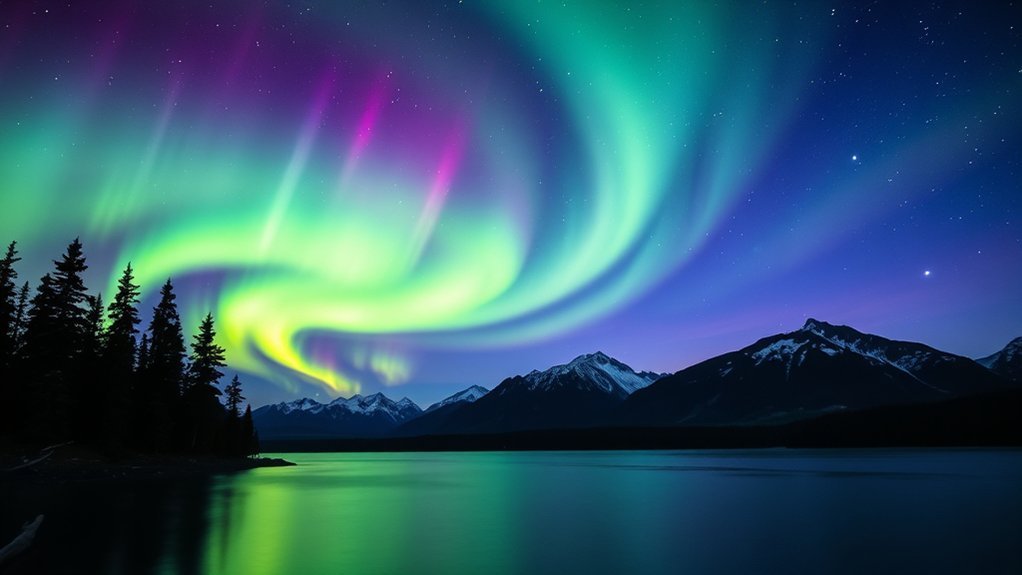
As you gaze up at the night sky, you might wonder what causes the bright colors known as the Northern Lights. This stunning display, also called the Aurora Borealis, happens when charged particles from the sun interact with gases high in Earth’s atmosphere.
Earth’s magnetic field guides many of those particles toward polar regions. When the particles excite oxygen and nitrogen, the sky can glow green, purple, red, or pink.
Solar activity and geomagnetic storms can make the aurora stronger and easier to see. But you still need darkness, clear skies, and low light pollution. Summer’s bright sky often blocks the view, even when aurora activity occurs above you.
The Impact of Alaska’s Midnight Sun
While the Northern Lights shine best in dark skies, summer in Alaska brings the midnight sun. In far northern areas, the sun can stay above the horizon for weeks, which leaves little or no true night.
This long daylight gives you more time for hiking, kayaking, fishing, and wildlife viewing. You can walk through forests, watch rivers glow in the evening light, or take photos late into the night.
That same daylight makes aurora viewing hard. The lights may still happen in the upper atmosphere, but your eyes can’t see them well against a bright summer sky.
Note: The aurora can occur at any time of year, but you need a dark sky to see it from the ground.
Best Locations for Northern Lights Viewing
If you want strong odds, choose places with darker skies and good access to northern views. Fairbanks remains one of Alaska’s most popular aurora bases because it sits under a high-activity aurora zone and has many clear winter nights.
Near Fairbanks, Murphy Dome and Ester Dome can offer wide sky views when roads and conditions allow. You can also look for lodges, cabins, or viewing areas away from the city’s lights.
Farther north, Coldfoot gives you a remote setting with less light pollution. The Kenai Peninsula can offer a scenic view when the aurora grows strong, but southern coastal weather can bring more clouds.
Ideal Timeframes for Summer Visits
For a summer trip, late August to early September gives you the best chance of seeing the Northern Lights. Nights grow longer by then, especially in Interior Alaska, and the sky can become dark enough for viewing.
June and July give you poor odds because the midnight sun keeps the sky bright. Even if aurora activity rises, the glow often stays hidden behind daylight.
Late August also lets you enjoy Alaska’s natural beauty before colder weather arrives. You can pair aurora watching with wildlife viewing, hiking, and scenic drives.
Weather Conditions and Their Influence
Weather can help or ruin your aurora plans. Even strong Northern Lights won’t show if clouds cover the sky.
Before you head out, check these viewing factors:
- Cloud cover: Clear skies give you the best chance to see the aurora.
- Light pollution: Dark areas away from city lights improve visibility.
- Temperature: Cool nights often feel better for viewing, but darkness matters more than cold.
- Solar activity: Aurora forecasts help you track stronger geomagnetic activity.
Pro tip: Check both the aurora forecast and the cloud forecast before you drive to a viewing spot.
Alternative Experiences in Alaska During Summer
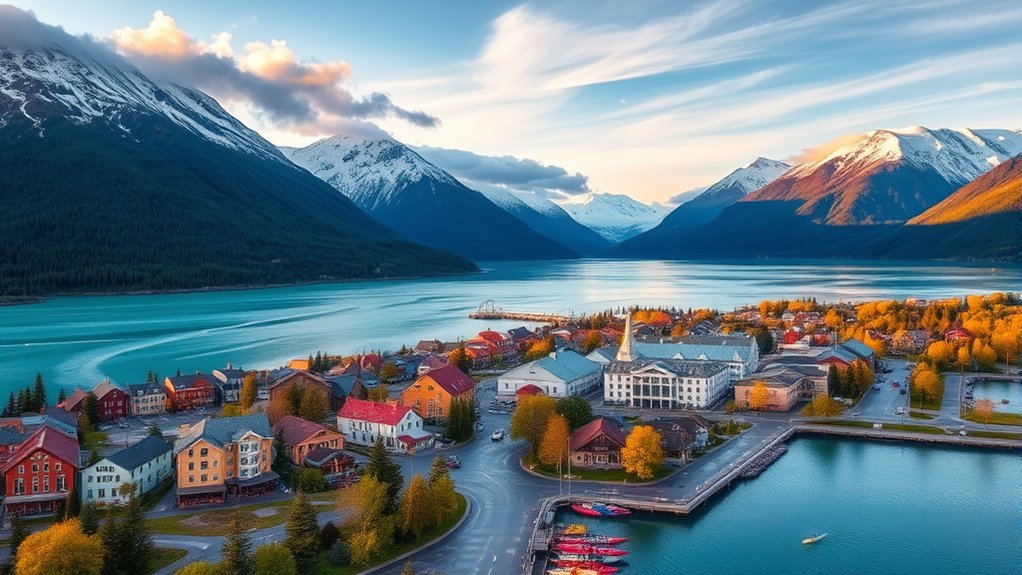
Even if the Northern Lights don’t appear, summer in Alaska gives you plenty of trip-worthy experiences. You can hike through green forests, walk near wildflowers, or take a boat tour through glacier-fed waters.
You can kayak near icebergs, join a wildlife cruise, or watch for humpback whales, sea otters, puffins, and bald eagles. Denali National Park also gives you a chance to see broad mountain views and wildlife in a vast natural setting.
Fishing can also add a strong local feel to your trip. In towns like Seward and Homer, you can enjoy fresh seafood, harbor views, and small-town Alaska culture.
Tips for Enhancing Your Aurora Viewing Chances
Once darker nights return, you can improve your odds with smart planning. Use these tips before you set out:
- Choose a dark location: Move away from streetlights, hotels, and town centers.
- Check aurora forecasts: Look for stronger geomagnetic activity before you stay up late.
- Watch the weather: Clear skies matter as much as aurora activity.
- Stay patient: The lights can fade in, brighten, vanish, and return later.
- Dress warmly: Late-summer nights can feel cold when you stand still.
Planning Your Alaskan Adventure
When planning your Alaskan adventure, start with your main goal. If you mainly want summer activities, late August gives you a good balance of daylight and darker nights. If the aurora matters most, choose the darker season instead.
You should also build flexibility into your schedule. Clouds can block the sky for several nights, so a longer stay gives you better odds.
Best Time to Visit
If you’re dreaming of the Northern Lights, timing matters more than almost anything else. The best viewing season usually runs from late September to early April, when Alaska has longer, darker nights.
Use these planning tips:
- Aim for darker months: Choose fall, winter, or early spring for better odds.
- Watch the moon phase: A new moon creates darker skies than a full moon.
- Keep your plans flexible: Move your viewing night if clouds arrive.
- Pick the right base: Choose Fairbanks or remote areas with little light pollution.
Essential Packing Checklist
Packing for Alaska takes care, even in summer. Weather can shift fast, and late nights can feel much colder than the afternoon.
Start with layered clothing, including a moisture-wicking base layer, warm mid-layer, and waterproof outer shell. Add sturdy, comfortable footwear if you plan to hike or walk on uneven ground.
Bring a hat, gloves, and a scarf for chilly evenings. Pack a good camera, extra batteries, a power bank, snacks, a reusable water bottle, sunscreen, and insect repellent.
Warning: In remote Alaska, bring warm layers, fuel, water, and a charged phone before you leave town at night.
Frequently Asked Questions
Can I See the Northern Lights During the Day?
You can’t see the Northern Lights during the day because sunlight overpowers their glow. To catch these displays, you need dark skies and a clear view toward the north.
Are There Any Festivals Celebrating the Northern Lights?
Yes, some Alaska communities host winter events tied to aurora season, ice art, and cold-weather culture. Fairbanks often makes a strong base because it offers aurora tours, winter activities, and dark-sky viewing areas nearby.
How Does Light Pollution Affect Visibility?
Light pollution reduces your ability to see faint aurora colors. It can wash out green and purple bands, so you should seek remote, dark locations for a better view.
What Equipment Do I Need for Photographing the Northern Lights?
You need a sturdy tripod, a DSLR or mirrorless camera, and a wide-angle lens with a low aperture. Bring a remote shutter release, extra batteries, and more memory cards because cold nights can drain gear fast.
Can I See the Northern Lights From My Accommodation?
You can often see the Northern Lights from your accommodation if you stay in a remote area with dark skies. For the best view, choose a cabin, lodge, or hotel outside town lights with a clear northern horizon.
Is August a Good Month for the Northern Lights in Alaska?
Late August can offer a real chance, especially around Fairbanks and other Interior Alaska locations. Early August usually stays too bright, so plan toward the end of the month if aurora viewing matters.
The Northern Lights can appear in Alaska during late summer, but June and July rarely give you enough darkness to see them well. For better odds, plan for late August at the earliest, or choose late September through early April for a dedicated aurora trip. Pick a dark location, check the forecast, and stay flexible with your nights. With the right timing, Alaska can give you one of the most memorable sky shows you’ll ever see.
References
- Aurora — NOAA Space Weather Prediction Center
- Aurora Forecast — University of Alaska Fairbanks Geophysical Institute
- Aurora Borealis in Denali — National Park Service