Canyon de Chelly rewards careful planning, not rushed sightseeing. You will find towering red sandstone walls, ancestral Puebloan sites, working Diné homelands, and quiet overlooks that deserve respect as much as attention. This guide explains how to reach the monument, choose the best rim stops, understand guide rules, hike the White House Trail, and plan a smooth one-day visit.
Quick Answer
Canyon de Chelly National Monument is near Chinle, Arizona, on Navajo Nation land. The paved rim drives, ten overlooks, and currently open White House Trail can be visited without an entrance fee. Most other canyon-floor travel requires an authorized Navajo guide and a backcountry permit.
Key Takeaways
- Use Highway 191 through Chinle, then turn east on Route 7; do not approach on unpaved Route 7 from the east.
- Allow about two hours for the North Rim, two hours for the South Rim, and two hours for the White House Trail.
- Book an authorized Navajo guide for canyon-floor tours outside the designated public trail.
- Bring water, food, sun protection, layers, and an offline map because services and cell coverage are limited.
- Remember that the Navajo Nation observes daylight saving time from March through November.
At a Glance
| Time Required | One full day for both rim drives plus either the White House Trail or a half-day guided tour |
| Difficulty | Easy for rim overlooks; moderate and strenuous in places on the White House Trail |
| Tools Needed | Water, food, sun protection, sturdy shoes, layers, paper or offline map, and a full fuel tank |
| Cost | No monument entrance fee; guided tours, backcountry permits, and camping cost extra |
Getting to Canyon de Chelly
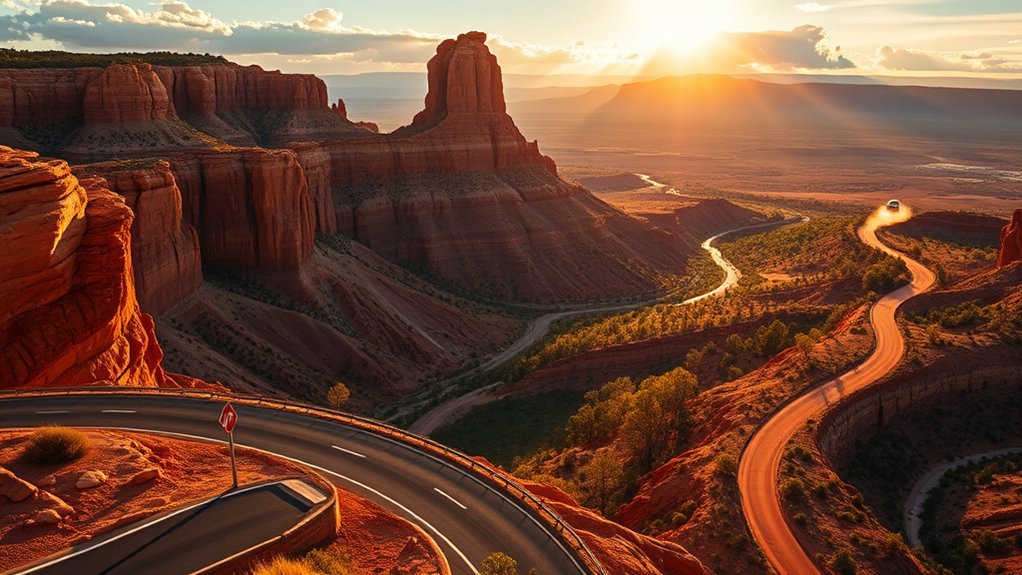
The recommended route is to reach Chinle on Highway 191, turn east on Route 7, and follow signs to the Welcome Center. The park entrance and Welcome Center are less than 3 miles from the Highway 191 junction. From Flagstaff, take I-40 east and then Highway 191 north; from Gallup, take Highway 264 west and Highway 191 north.
Do not rely on an unverified interstate exit number. Follow current highway signs and the National Park Service directions. GPS and cell service can be unreliable across the Navajo Nation, so save the route offline or carry a current paper map.
Warning: Do not enter from unpaved Route 7 east of the Spider Rock turnoff between Sawmill and the park. The road is unmaintained, and drivers can become stranded without a cell signal. Use paved Route 7 from Chinle or Route 64 from Tsaile.
Fill your tank in Chinle before starting the rim drives. Chinle has fuel, groceries, restaurants, and other basic services, but choices become limited once you leave town.
Park Hours, Seasons, and Weather
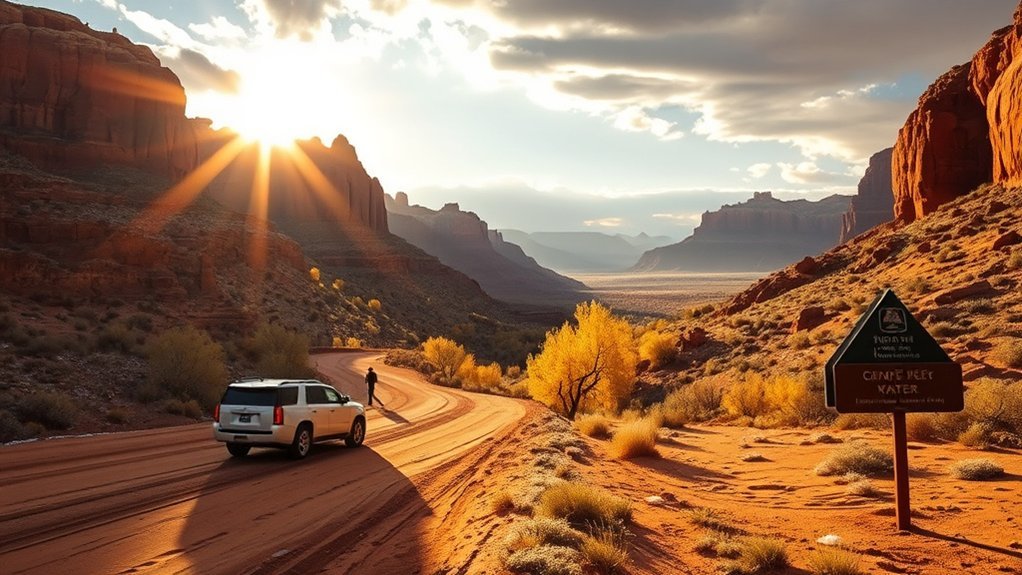
The North and South Rim Drives and their overlooks remain open year-round, although severe weather, road hazards, or emergency conditions can affect access. Check the park’s current alerts and conditions before driving to Chinle.
Operating Hours Year-Round
The Welcome Center and its parking-lot gates are normally open daily from 8:00 a.m. to 5:00 p.m. The center closes on Thanksgiving Day, Christmas Day, and New Year’s Day, and severe weather may cause a delayed opening or full-day closure. Stop there first for a map, current trail information, road updates, and tour guidance.
The rim drives do not require a guide, permit, four-wheel-drive vehicle, or entrance fee. The park recommends allowing about two hours for the three North Rim overlooks and about two hours for the seven South Rim overlooks.
Note: The Navajo Nation observes daylight saving time from March through November, unlike most of Arizona. Confirm the local time when booking a tour or arriving for a scheduled activity.
Best Seasons to Visit
Spring and fall usually offer the most comfortable conditions for rim drives, photography, and the White House Trail. Summer can work well if you start early, carry extra water, and avoid exposed hiking during the hottest part of the day. Tour schedules vary by provider, so reserve ahead instead of assuming that a specific format will be available.
Winter brings colder mornings, possible snow, and quieter overlooks. Dress in warm layers and check paved-road conditions before committing to a full rim drive.
Typical Weather Patterns
Canyon de Chelly is a high-desert environment with strong sun, dry air, cool mornings, and large temperature changes between day and evening. Rain can also trigger rockfall, waterfalls, high water, or flash flooding inside the canyons.
- Summer: Hot, exposed conditions are possible, especially from late morning through afternoon.
- Spring and fall: Milder daytime weather and cooler mornings and evenings are common.
- Winter: Cold weather, snow, and icy road or trail conditions may occur.
- Year-round: Conditions can change quickly, so carry layers and check the forecast.
One-Day Itinerary and Scenic Rim Drives
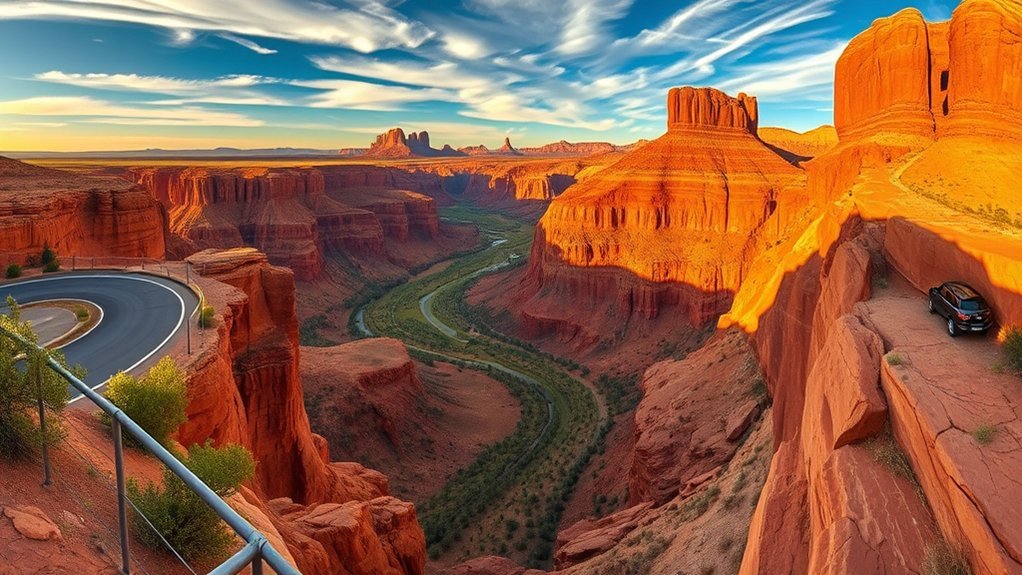
You can cover both rim drives in one day, but adding a hike or guided tour requires an early start and careful timing. Choose one of three realistic plans: both rim drives only; one rim drive plus the White House Trail; or both rim drives plus a prebooked half-day canyon tour.
The National Park Service suggests about two hours for each rim drive and about two hours for the White House Trail, before adding meal, photo, and travel time.
Morning North Rim Stops
Start on the North Rim for softer morning light and three major overlooks. Morning shadows bring out the shape of the canyon walls, alcoves, and archaeological sites.
- Antelope House Overlook: Look toward Antelope House Ruin and the surrounding canyon landscape.
- Mummy Cave Overlook: View one of the monument’s largest ancestral Puebloan sites from above.
- Massacre Cave Overlook: Learn about a painful chapter in canyon history and approach the site with respect.
Warning: Stay well back from cliff edges, keep children close, and use marked paths. Some rim areas have steep exposed drops and uneven ground.
White House Trail Status and Hiking Details
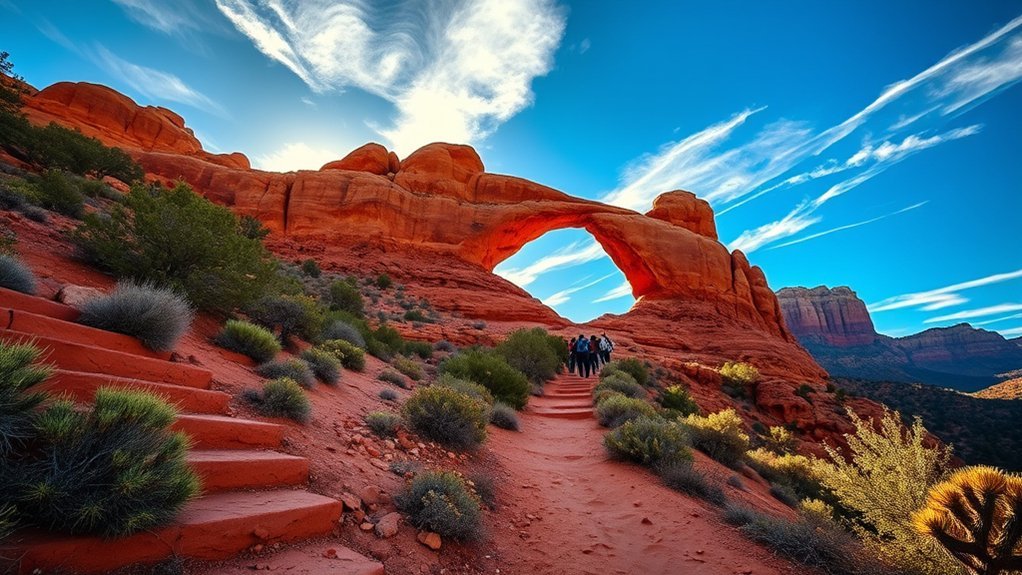
The White House Overlook and Trail are currently open. This is the only public trail in the monument that visitors can hike without a permit or guide. The moderately strenuous route is about 2.5 miles round trip, descends roughly 600 feet, and normally takes about two hours.
Carry plenty of drinking water, stay on the established trail, and know your physical limits. The park advises avoiding the hottest period from 10:00 a.m. to 4:00 p.m. Trail status and future seasonal fees can change, so confirm the latest hours and trail information before your visit.
Evening South Rim Drive
Plan the South Rim for afternoon or early evening when daylight and weather allow. The route has seven overlooks, broad canyon views, and short walks from paved parking areas.
Spider Rock Overlook is the most famous stop. The sandstone spire rises from the canyon floor and often looks dramatic in late light. White House Overlook gives you a clear view toward the archaeological site and serves as the trailhead for the public hike.
Do not rush the return drive after sunset. Livestock and wildlife may be on Navajo Nation roads, and roadside lighting is limited.
Guided Tours, Permits, and Access Rules
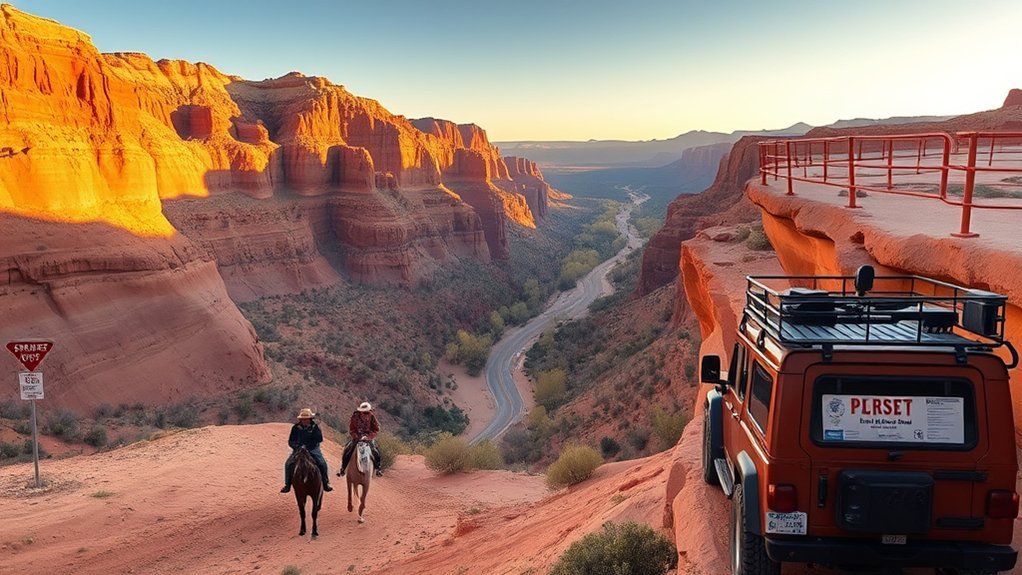
Canyon de Chelly is both a national monument and a living Diné homeland. Except for areas specifically opened for public use, visitors entering the canyons must be accompanied by an authorized Navajo guide or National Park Service ranger. Commercial canyon tours also require a backcountry permit.
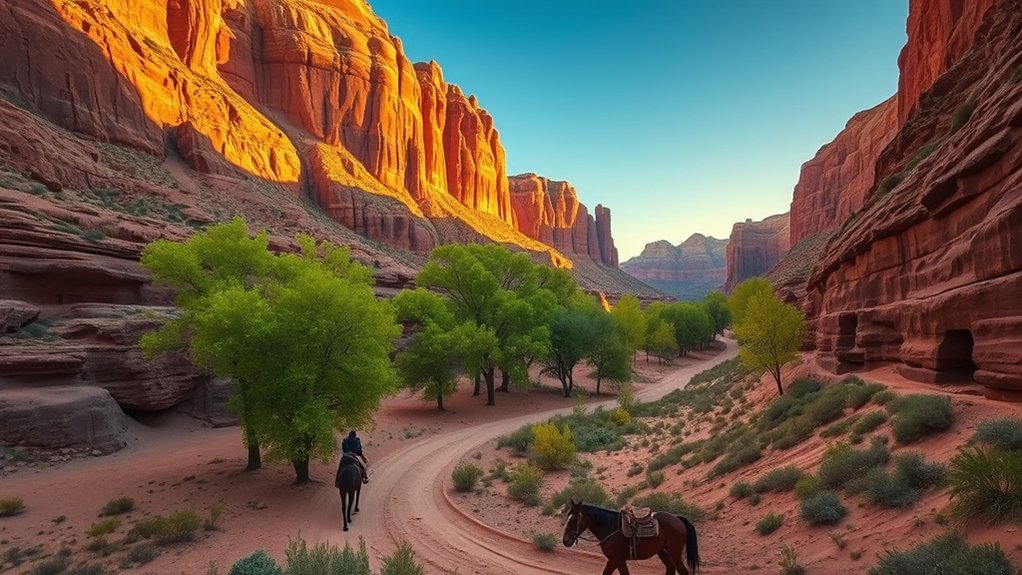
Tour formats may include vehicle, hiking, and horseback trips. Route length, road conditions, physical demands, departure times, and prices vary by operator. Use the Navajo Nation Parks and Recreation list of Canyon de Chelly tour operators, contact a provider directly, and ask what is included before booking.
- Rim drives: Self-guided, paved, free, and open without a permit under normal conditions.
- White House Trail: Currently open for self-guided public hiking without a permit or guide.
- Other canyon-floor travel: Requires an authorized guide and backcountry permit.
- Pets: Not allowed on canyon tours.
- Special activities: Organized filming, large events, weddings, and some commercial photography may require separate permits.
A local guide adds cultural context, explains place names and stories, and helps protect homes, farms, livestock, sacred places, and archaeological resources. That knowledge helps you understand the canyon as a living homeland rather than only a scenic attraction.
What to Pack Before You Go
Pack for sun, dry air, limited services, and long gaps between stops. Even a short rim drive feels easier when you bring the basics.
- More drinking water than you expect to use
- Snacks or a simple meal for a long visit
- A hat, sunglasses, sunscreen, and protective clothing
- Sturdy shoes for overlook paths and the White House Trail
- Warm layers for mornings, evenings, and winter visits
- A paper map or saved offline map
- A basic first-aid kit and any required medication
- Cash or a backup payment method for tours and local businesses
The National Park Service advises desert visitors to carry ample water and food. Cell coverage, internet access, towing, and auto-repair services can be limited, so share your plans with someone before entering remote areas.
Where to Stay, Eat, and Camp
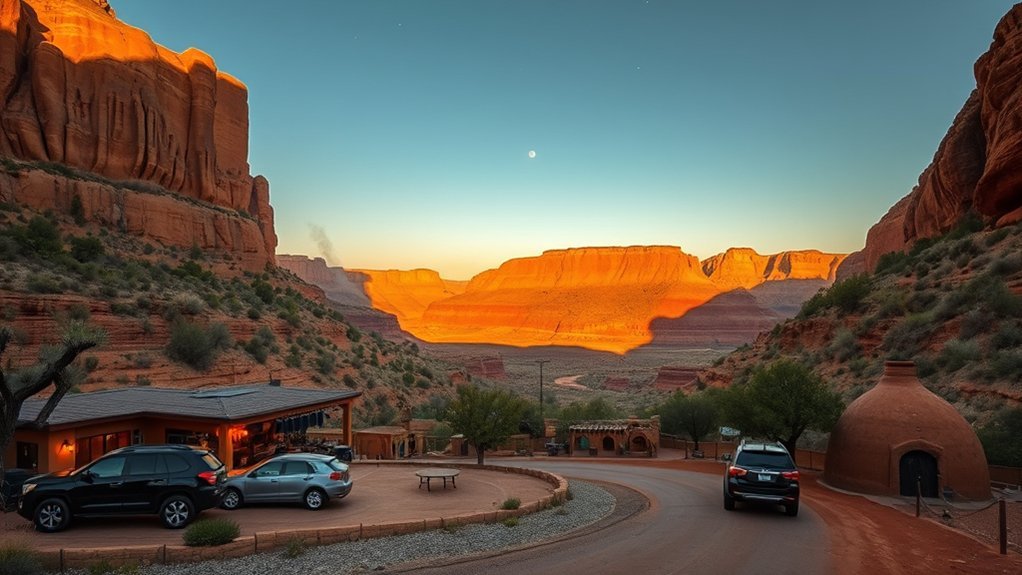
Chinle has the closest concentration of rooms, fuel, groceries, and restaurants. Book early during busy travel periods, especially when your tour has a fixed morning departure.
Thunderbird Lodge is Navajo-owned and operated and sits inside Canyon de Chelly National Monument near the Welcome Center. It offers lodging, a restaurant, a trading post, and guided vehicle tours. Best Western Canyon de Chelly Inn and other Chinle lodging options provide alternatives outside the monument.
Do not depend on finding a full meal at every park stop. Keep water and snacks in your vehicle, check restaurant hours, and arrange breakfast or packed food before an early tour.
Cottonwood Campground
The Navajo Nation manages Cottonwood Campground near the park entrance. Sites are generally first come, first served, and the campground is open year-round with fewer sites available in winter. There are no showers or RV hookups, and camping fees apply. Confirm current details with Navajo Nation Parks and Recreation before arrival.
Tips for Respectful and Safe Visiting
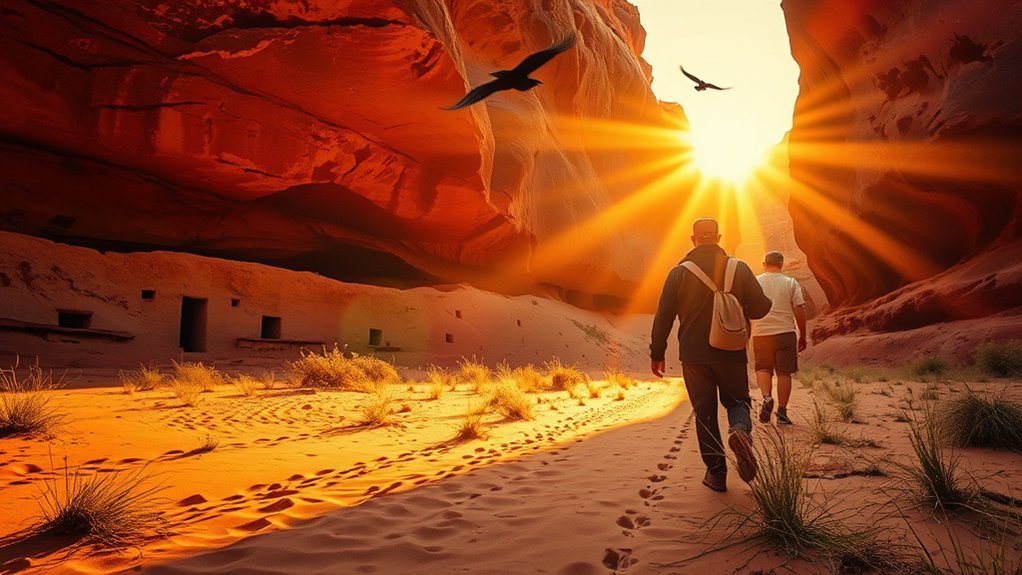
Treat Canyon de Chelly as both a living community and a fragile cultural landscape. Diné families continue to live, raise livestock, and grow crops in the canyons. Stay on designated routes and never enter homes, fields, side roads, or private areas without permission.
Do not touch, climb on, enter, or remove anything from ruins, rock art, or archaeological sites. Ask permission before photographing people or private property, and follow your guide’s instructions about culturally sensitive places.
Pro Tip: Support Navajo-owned guides, lodging, restaurants, artists, and shops so more of your travel spending benefits the local community.
Heat, Flash Floods, and Road Safety
Check the forecast before entering the canyon. A storm several miles away can send water through a drainage even when the sky above you looks clear. Follow all closures and leave low areas immediately if a guide or ranger warns of rising water.
Stay on paved roads, especially when GPS suggests a shortcut. At night, watch for livestock and wildlife. Drones are prohibited within the national monument, and Navajo Nation Parks and Recreation also prohibits them in tribal park areas.
Pets and Accessibility
Leashed pets are allowed at overlooks, in the campground, and on the currently open White House Trail, but not in the Welcome Center or on canyon tours. Never leave an animal unattended in a hot vehicle.
The Welcome Center and its restrooms are wheelchair accessible. Accessible rim overlooks include Massacre Cave, Tsegi, Junction, and Spider Rock. Backcountry trails are not wheelchair accessible. Review the park’s accessibility information before travel if a member of your group has mobility needs.
Frequently Asked Questions
Do you need a guide for Canyon de Chelly?
You need an authorized Navajo guide and backcountry permit for most canyon-floor travel. You can drive the paved rim roads, visit the overlooks, and currently hike the White House Trail without a guide or permit.
Is the White House Trail open?
Yes. The National Park Service currently lists the White House Overlook and Trail as open. It is about 2.5 miles round trip with roughly 600 feet of elevation change. Conditions and future seasonal fees can change, so check the park website before leaving.
What is the best time of year to visit Canyon de Chelly?
Spring and fall often provide the most comfortable mix of mild weather and good light. Summer visits are possible with an early start and extra water, while winter may bring snow, ice, and colder road conditions.
How much does Canyon de Chelly cost?
The monument has no entrance fee, and the rim drives and White House Trail are currently free. Guided tours, backcountry permits, and Cottonwood Campground cost extra, with rates set by the relevant operator or Navajo Nation Parks and Recreation.
What is the best overlook in Canyon de Chelly?
Spider Rock is the best-known viewpoint and a strong late-day stop. Mummy Cave offers an impressive archaeological view, Antelope House adds cultural context, and White House Overlook combines a canyon view with access to the public trail.
Can you visit Canyon de Chelly in one day?
Yes. One full day is enough for both rim drives, or for one rim drive plus the White House Trail. You can also combine both rim drives with a prebooked half-day tour if you start early and keep meal and photo stops controlled.
Are pets allowed at Canyon de Chelly?
Leashed pets are allowed at overlooks, in the campground, and on the White House Trail. They are not allowed in the Welcome Center or on canyon tours. Keep pets restrained and never leave them unattended in a vehicle.
Does Canyon de Chelly use Arizona time?
The monument is on the Navajo Nation, which observes daylight saving time from March through November. During that period, local time may be one hour ahead of nearby Arizona communities that remain on Mountain Standard Time.
Final Tips for Your Canyon de Chelly Visit
You will enjoy Canyon de Chelly most when you plan with respect, patience, and flexibility. Confirm current hours and trail conditions, use the recommended paved route, book a local guide for restricted canyon access, and carry enough water, food, and layers for high-desert conditions.
Give yourself time at each overlook instead of treating the monument as a checklist. When you slow down, follow local rules, and listen to Diné guides and residents, the canyon feels less like a roadside attraction and more like a place you were trusted to visit.
Sources
- National Park Service: Basic Information — current overlooks, trail status, suggested visit times, tours, and camping.
- National Park Service: Directions — recommended paved routes and GPS warning.
- National Park Service: Operating Hours and Seasons — Welcome Center hours, holiday closures, White House Trail details, and time-zone guidance.
- National Park Service: Safety — heat, flash floods, roads, limited service, and drones.
- National Park Service: Accessibility — accessible facilities and overlooks.
- Navajo Nation Parks and Recreation: Canyon de Chelly Tour Operators — authorized local tour-provider listings.