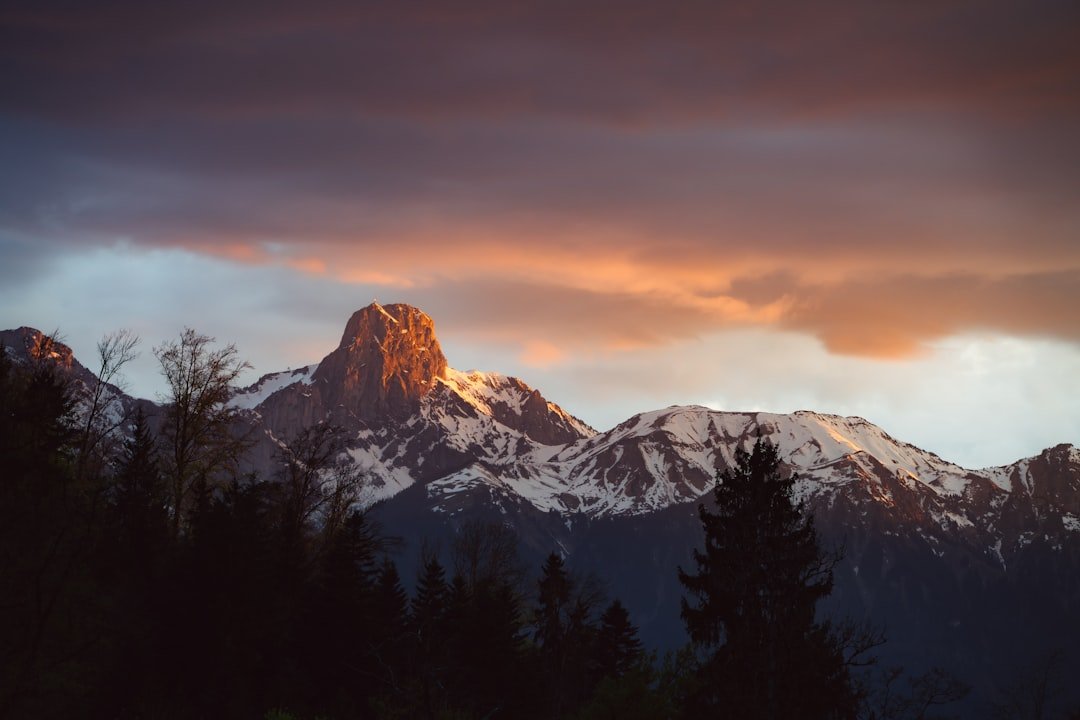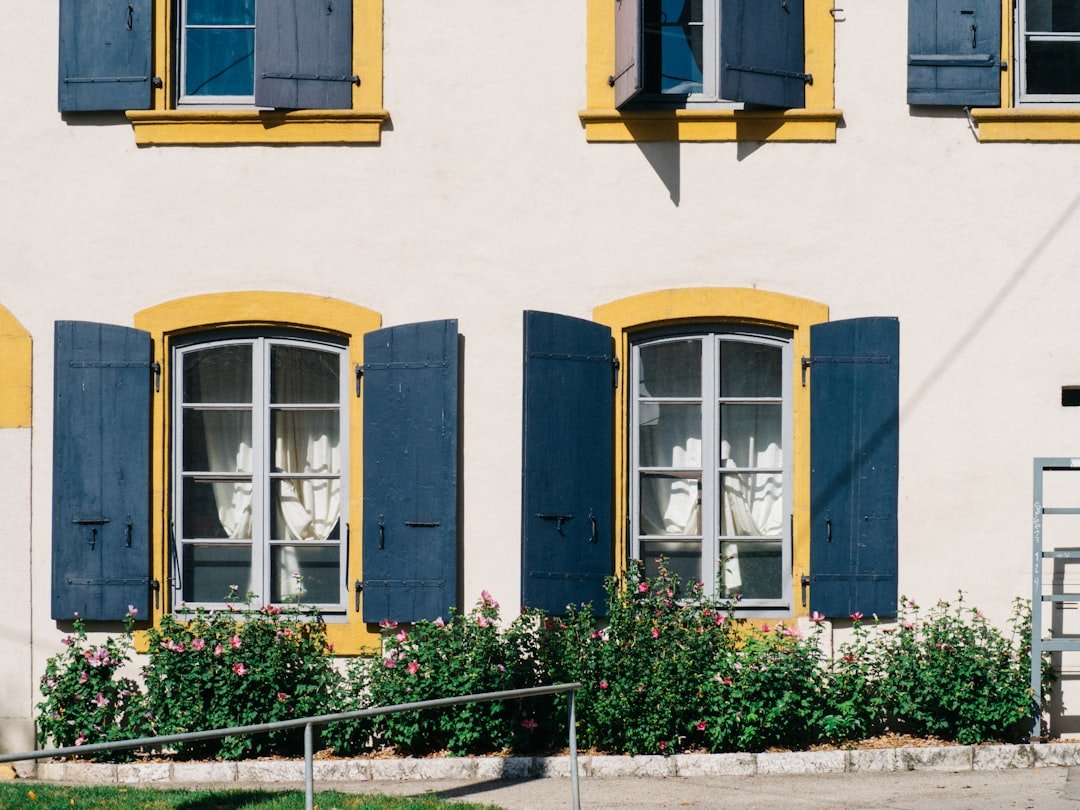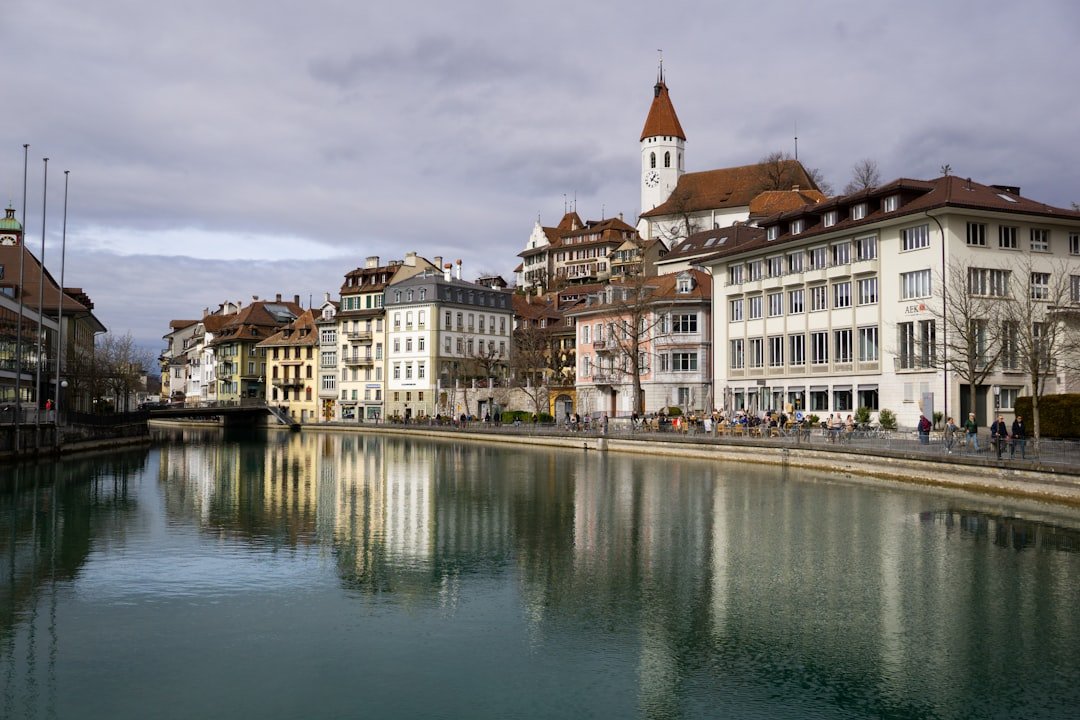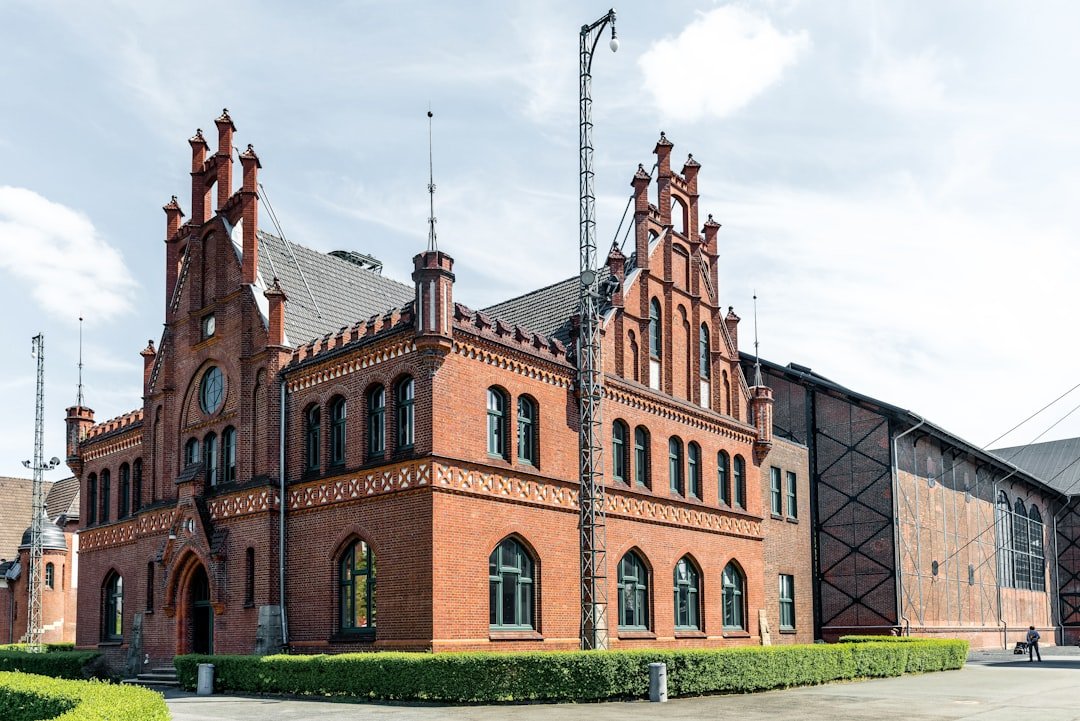
Ballenberg Swiss Open-Air Museum offers far more than rows of historic houses to photograph. Its regional landscapes, working craft demonstrations, farm animals, interiors, gardens, and more than 110 relocated rural buildings create a wide range of subjects in one visit. The key is to plan around the museum layout, changing light, daily activities, and the slower pace that good architectural and documentary photography requires.
Quick Answer
For better Ballenberg Museum photos, arrive near opening time, plan a route through two or three regional zones, use soft side light whenever possible, photograph both wide scenes and small architectural details, and check the daily programme for live crafts. A smartphone works well, while a standard zoom offers the most flexibility.
Key Takeaways
- Use the museum map or digital guide to plan a realistic route instead of trying to photograph every building.
- A standard zoom lens is the most useful single lens for architecture, landscapes, details, and environmental portraits.
- Because Ballenberg’s buildings open from 10 a.m. to 5 p.m. during the 2026 season, work with opening-time light, late-afternoon light, shade, and cloudy conditions rather than depending on sunrise or sunset.
- Check the daily programme for craft demonstrations, because activities and locations can vary from day to day.
- Drones are prohibited over the museum grounds under the current museum regulations.
At a Glance
| Time Required | Half day to full day for a useful photography visit |
| Difficulty | Easy photography techniques; expect significant walking on an outdoor museum site |
| Tools Needed | Camera or smartphone, spare battery, memory/storage space, lens cloth; optional standard zoom, fast prime, polarizer, and compact tripod |
| Cost | No special camera purchase is required; museum admission and any optional equipment costs are separate |
Understand the Ballenberg Museum Layout Before You Start
Ballenberg is large enough that trying to photograph everything usually leads to rushed compositions. The museum divides its historic buildings into regional and thematic areas representing different parts of Switzerland. According to the museum’s current theme-zone guide, visitors can move through areas including the Jura, Bernese Midlands, Central Switzerland, Ticino, Eastern Switzerland, Bernese Oberland, Valais, Grisons, and Alpine Economy.
The museum’s digital guide is especially useful for photographers. It includes information about individual buildings and exhibits, suggested routes, craft information, and an overview of the current programme. Use it to choose two or three zones that give you different architectural styles instead of zigzagging across the grounds.
Start with wide photographs that establish the landscape and relationship between buildings. Then move closer for doors, rooflines, timber joints, stonework, signs, tools, windows, gardens, and interior details. This simple wide-medium-detail sequence gives you a stronger visual story than taking only full-building photographs.
Pro Tip: Save or open the Ballenberg digital guide before you begin photographing. Pick a few priority buildings and leave time for unplanned scenes such as animals, changing weather, demonstrations, or interesting light.
Selecting the Best Photography Equipment
You do not need professional equipment to make strong photographs at Ballenberg. A modern smartphone can handle outdoor architecture, gardens, environmental scenes, and quick documentary images very well. A DSLR or mirrorless camera becomes more useful when you want interchangeable lenses, better low-light control, faster autofocus, RAW files, or more deliberate depth of field.
If you bring one interchangeable-camera lens, a standard zoom in roughly the 24-70mm full-frame range is a practical choice. The wide end helps with buildings and landscapes, while the longer end isolates doors, tools, people, animals, and architectural details.
A small prime lens such as a 35mm or 50mm with a wide maximum aperture can help inside dim historic buildings, where raising ISO may otherwise be necessary. An ultra-wide lens can be useful in tight interiors, but use it carefully because strong perspective distortion can make walls and rooflines look unnatural.
A tripod can help with carefully composed architecture or lower shutter speeds, but Ballenberg contains narrow paths, doorways, and historic interiors. Keep the tripod compact, avoid blocking visitors, follow staff instructions, and be ready to photograph handheld when space is limited.
Bring at least one spare battery, enough memory-card or phone storage, and a microfiber cloth. Because this is an outdoor museum, a simple rain cover or weather-resistant bag is also useful when conditions change.
Useful Camera Settings by Subject
| Subject | Starting Point | What to Watch |
|---|---|---|
| Historic buildings | ISO 100-400, f/5.6-f/8 | Keep vertical lines straight and watch bright skies |
| Dim interiors | Wide aperture, Auto ISO, steady hand | Choose a shutter speed fast enough to prevent camera shake |
| Craft demonstrations | 1/250 sec or faster when hands are moving | Focus on hands, tools, expressions, and finished work |
| People | f/2.8-f/5.6 depending on context | Include enough background to show the museum setting |
| Farm animals | 1/500 sec or faster for movement | Use continuous autofocus if your camera supports it |
These settings are starting points rather than fixed rules. Adjust ISO, shutter speed, aperture, and exposure compensation for the actual light in front of you.
Finding the Best Lighting for Your Photos
Soft directional light is ideal for revealing timber textures, stone walls, roof shapes, gardens, and the depth of historic facades. In general photography, sunrise and sunset produce attractive low-angle light, but normal museum access changes what is practical at Ballenberg.
For the 2026 season, Ballenberg’s official opening hours list the museum buildings as open daily from 10 a.m. to 5 p.m. from April 9 through November 1. That means photographers should not build their visit around photographing the museum buildings at sunrise or after sunset.
Instead, arrive close to opening time. The sun is lower than it will be around midday, visitor numbers may be easier to work around, and some facades may receive useful side light. Later in the afternoon, the light can again become more directional before closing.
Midday sun is not automatically bad. Strong light can emphasize roof patterns, wood grain, stone textures, shadows beneath balconies, and geometric shapes. If a facade looks too contrasty, move to the shaded side of the building, photograph details, or wait for a passing cloud.
Overcast weather can actually be excellent for Ballenberg. Clouds act like a large diffuser, reducing harsh shadows and making it easier to retain detail in both dark timber and lighter skies. Wet surfaces after rain can also deepen the appearance of wood, stone, vegetation, and pathways.
Note: A circular polarizing filter can reduce some reflections and deepen foliage or sky, but rotate it carefully with wide-angle lenses because the sky can become unevenly dark.
Identifying the Most Photogenic Buildings and Exhibits
The Ballenberg collection includes more than 110 relocated rural houses and farm buildings from across Switzerland. There is no official ranking of the “most photogenic” structures, but several buildings offer particularly useful contrasts in age, material, shape, and regional architecture. The museum’s collections information and regional guide are useful for identifying them.
| Building | Region | Photography Interest |
|---|---|---|
| Farmhouse from Bonderlen/Adelboden BE, No. 1011, 1698 | Bernese Oberland | Large timber facade, traditional multipurpose-house form, windows, and detailed exterior features |
| Dwelling from Brienz BE, No. 1031, 1776 | Bernese Oberland | Useful for photographing regional wooden architecture and decorative facade details |
| Dwelling from Schwyz SZ, No. 751, 1336 | Central Switzerland | Distinctive historic timber construction, compact proportions, roof form, and small openings |
| Dwelling from Malvaglia/Serravalle TI, No. 821, 1515/1564 | Ticino | A strong contrast of timber and masonry with a hillside setting |
| Farmstead from Novazzano TI, No. 851 | Ticino | Courtyard compositions, larger architectural scenes, arches, walls, and layered foregrounds |
Do not limit yourself to postcard-style front views. Walk around a building when access permits and look for diagonal compositions, framing through gates, repeated windows, roof details, stacked firewood, agricultural tools, gardens, paths, fences, and the relationship between architecture and landscape.
Inside historic buildings, photograph objects in context rather than collecting isolated snapshots of everything. A kitchen becomes more meaningful when the hearth, work surface, cookware, and surrounding room appear together. The same applies to bedrooms, workshops, storage rooms, and farm spaces.
Capturing the Daily Life and Activities at Ballenberg
Ballenberg works especially well for documentary-style photography because the experience extends beyond static architecture. Traditional skills are actively demonstrated in workshops, while animals, cultivated landscapes, gardens, and visitor activities create movement throughout the grounds.
The museum’s craft programme covers more than 30 traditional skills and professions. Examples listed by Ballenberg include basket-making, forging, braiding, spinning, weaving, and carving. The exact activities available can change, so check the daily schedule rather than assuming a particular demonstration will run at a certain time.
When photographing a craftsperson, tell a complete visual story. Start with an environmental image showing the workshop. Next, move to a medium composition of the person at work. Finish with details of hands, tools, materials, textures, and the finished object.
A strong Ballenberg photo series shows not only what a historic object looks like, but also how buildings, tools, skills, animals, and people fit together.
Animals can also add life to wider scenes. Rather than photographing only close animal portraits, look for compositions that connect livestock with barns, fences, meadows, or people. Respect barriers and follow museum instructions around animals.
Tips for Taking Candid and Natural Photos of Staff and Visitors
People give scale and context to historic buildings, but candid photography should be handled respectfully. A visitor walking along a distant path is different from making a close, identifiable portrait. When a person is clearly the main subject, asking permission is the courteous approach, especially for children or close portraits.
With craftspeople and museum staff, avoid interrupting demonstrations at important moments. Wait for a natural break if you want to ask for a portrait. Staff members may also be able to tell you which activities are about to happen or where an interesting demonstration can be photographed.
For natural-looking images, use a longer focal length and leave enough space between yourself and the subject. Instead of asking someone to pose immediately, photograph genuine actions such as shaping material, working with tools, explaining an object, watching an animal, or examining a building.
Burst or continuous shooting can help with gestures and expressions, but do not hold the shutter down unnecessarily in quiet interiors. Anticipating the moment usually produces better results than taking dozens of almost identical frames.
Photography Rules and Etiquette at Ballenberg
Historic interiors, furnishings, gardens, animals, and working areas are museum exhibits rather than photography props. Do not move objects, lean equipment against historic furnishings, step across barriers, or leave marked paths to improve a composition. The museum’s current regulations require visitors to treat historic buildings and their furnishings carefully and to follow staff instructions.
Warning: Drones are prohibited from flying on or over the entire Swiss Open-Air Museum site. The museum states that exceptions for commercial recordings can be requested from its marketing team. Check the current Ballenberg Museum Regulations before your visit.
If you are planning a commercial production, large lighting setup, staged shoot, or other activity beyond normal visitor photography, contact Ballenberg in advance rather than assuming ordinary visitor access covers the project.
How to Photograph Dark Historic Interiors
Historic rooms can be considerably darker than the outdoor landscape. The easiest solution is usually to open the lens aperture, increase ISO, and stabilize your stance rather than immediately reaching for additional lighting.
Watch your shutter speed. Image stabilization can reduce blur from camera movement, but it cannot freeze a person who is moving. If craftspeople or visitors are part of the frame, a faster shutter speed may matter more than keeping ISO extremely low.
Bright windows are another challenge. If you expose for the room, windows may become white; if you expose for the windows, the room may become too dark. Shooting RAW gives compatible cameras more flexibility when recovering highlights and shadows during editing. On a smartphone, tap on a midtone area and reduce exposure slightly if bright windows are clipping badly.
Avoid forcing every shadow to look bright. The contrast between window light and dark wood is part of the atmosphere of many historic interiors.
Photographing Ballenberg in Different Weather
A sunny day gives strong colors and crisp mountain or landscape backgrounds, but it can also create harsh contrast. Use side light where available and photograph shaded facades when direct sunlight becomes too strong.
Clouds provide soft, even illumination that works particularly well for wooden buildings, portraits, gardens, and documentary photographs. Rain introduces reflections and richer surface colors, although you should protect your camera and keep lenses dry.
If conditions change quickly, do not spend the entire visit waiting for perfect light at one building. Photograph interiors or craft demonstrations when the outdoor light is poor, then return outside when conditions improve.
A Simple Ballenberg Photography Shot List
- Establishing shot: a building within its landscape or regional group.
- Architecture: front view, three-quarter angle, roofline, doors, windows, and construction details.
- Interior: one wide room view plus meaningful objects in context.
- Craft: workshop, craftsperson, hands, tools, materials, and finished work.
- People: visitors interacting naturally with the museum environment.
- Animals: portraits plus wider images connecting them to the agricultural setting.
- Landscape: paths, trees, gardens, fields, fences, and buildings together.
- Small details: signs, textures, hardware, wood grain, stone, plants, and traditional objects.
Editing and Enhancing Your Photos
Post-processing can improve Ballenberg photographs without making historic materials look artificial. Start with exposure and white balance, then adjust highlights and shadows carefully. Wooden interiors often contain both warm surfaces and cool daylight from windows, so avoid pushing the white balance so far that every surface becomes orange.
For outdoor architecture, perspective correction can straighten buildings that appear to lean backward because the camera was tilted upward. Leave some natural perspective, however. Overcorrection can make a building look stretched or unnatural.
Moderate texture and clarity adjustments can reveal timber, masonry, roof tiles, and craft details, but aggressive sharpening can make old materials look crunchy. Saturation should also be handled with restraint, especially in green landscapes.
Cropping is useful for removing distracting visitors or empty edges, but try to make a clean composition in-camera first. If your camera supports RAW capture, RAW files provide more flexibility for balancing bright skies and dark interiors. JPEG and smartphone images can still be edited successfully when exposure is reasonably close at capture.
Sharing Your Ballenberg Photography Experience with Others
A strong Ballenberg collection works better as a visual story than as a random gallery. Start with an establishing image, move through architecture and interiors, introduce crafts and people, add close details, and finish with another environmental photograph. This creates a sense of moving through the museum rather than simply displaying individual images.
When sharing photographs on Instagram, Facebook, a blog, or another platform, captions can add useful context. Include the building name, region, building number when known, craft being demonstrated, or a short observation about the light or technique you used.
Photography skills developed at Ballenberg also transfer to other subjects. Paying attention to small variations in color, texture, shape, and surface detail can improve everything from architectural photographs to close studies of natural subjects. The site’s article on Asian melon, for example, explores a very different subject where color and texture can also become the visual focus.
Most importantly, edit the final selection. Ten varied photographs that explain the place are usually more interesting than fifty nearly identical views of building facades.
Frequently Asked Questions
What is the Ballenberg Museum?
Ballenberg is the Swiss Open-Air Museum near Brienz in the Bernese Oberland. Its collection includes more than 110 rural houses and farm buildings relocated from different parts of Switzerland, along with interiors, objects, crafts, animals, gardens, and cultural landscapes.
What can visitors photograph at Ballenberg?
Photographic subjects include historic houses and farm buildings, interiors, traditional workshops, craftspeople, gardens, cultural landscapes, farm animals, architectural details, and visitors experiencing the museum. Always respect barriers, staff instructions, other visitors, animals, and historic objects.
What is the best time of day for photography at Ballenberg?
Arriving near opening time is a practical choice because the sun is lower than at midday and you have the full day available. Late afternoon can also provide attractive directional light. For the 2026 season, the museum buildings are open from 10 a.m. to 5 p.m., so normal visitor photography cannot depend on sunrise or sunset access.
Which lens is best for Ballenberg Museum photography?
A standard zoom around 24-70mm full-frame equivalent is the most versatile single-lens choice. It handles buildings, landscape context, details, people, and crafts. A fast 35mm or 50mm prime is useful for darker interiors, while an ultra-wide lens can help in tight spaces if perspective distortion is controlled.
Can I take good Ballenberg photos with a smartphone?
Yes. Smartphones are well suited to outdoor buildings, landscapes, gardens, wide scenes, details, and quick documentary photographs. A dedicated camera becomes more useful when you need long focal lengths, faster action shooting, greater low-light control, interchangeable lenses, or RAW workflow flexibility.
Can I use a tripod at Ballenberg?
A compact tripod can be useful for deliberate architecture and low-light work, but photographers should avoid blocking paths, doors, exhibits, or other visitors and must follow staff instructions and local signage. For special or commercial setups, contact the museum before visiting.
Are drones allowed at Ballenberg Museum?
No. Ballenberg’s current museum regulations prohibit drones from flying on or over the entire Swiss Open-Air Museum site. The museum states that exceptions for commercial recordings can be requested from its marketing team.
Where should I look for the best Ballenberg photo opportunities?
Use the regional theme zones rather than looking for one single viewpoint. The Bernese Oberland, Central Switzerland, and Ticino areas provide very different building materials and architectural styles. Combine full-building views with paths, gardens, interiors, workshops, animals, and close details for a more complete set of photographs.
How do I find craft demonstrations to photograph?
Check Ballenberg’s daily programme and digital museum guide. The museum presents more than 30 traditional skills and professions, but activities and locations can vary, so planning around the programme gives you a better chance of photographing hands-on craft work.
Sources
- Ballenberg Swiss Open-Air Museum: Collections — current information on the museum’s relocated historic buildings and collection.
- Ballenberg Theme Zones — current regional organization of the museum grounds.
- Ballenberg Digital Museum Guide — route planning, building information, craft information, and programme guidance.
- Ballenberg Craft — information on traditional craft demonstrations and the daily programme.
- Ballenberg Opening Hours — official 2026 season and daily museum hours.
- Ballenberg Museum Regulations — visitor conduct, safety rules, protection of exhibits, and the current drone prohibition.