Rapperswil’s Rose Gardens give photographers several subjects in one compact Old Town setting: colorful flowers, historic streets, Lake Zurich, Rapperswil Castle, and mountain views. Rather than one large garden, Rapperswil has four public rose gardens, so the best approach is to move between them and use each location for a different type of photograph.
Quick Answer
For the best Rapperswil Rose Gardens photography, visit during the main May-to-October flowering period and work with soft morning, late-afternoon, or overcast light. Photograph roses closely in the four Old Town gardens, then move toward the castle hill for wider compositions featuring Rapperswil, Lake Zurich, and the Alps.
Key Takeaways
- Rapperswil has four public rose gardens rather than one large unified garden.
- Official tourism information says more than 20,000 roses bloom around Rapperswil, mainly from May through October.
- Use the gardens for flower details and Old Town context, then use the castle hill for wider views over Lake Zurich and toward the Alps.
- Soft light works well for roses, while overcast conditions can be excellent for close-ups because they reduce harsh shadows.
- A phone or standard zoom is enough for most photographs; a macro lens, telephoto, or polarizing filter can expand your options.
At a Glance
| Time Required | About 1-2 hours for a relaxed garden photo walk; allow longer if you also photograph the castle, Old Town, and lakeside. |
| Difficulty | Easy urban photography, although reaching elevated viewpoints around the castle involves uphill walking. |
| Tools Needed | Phone or camera; optional standard zoom, telephoto or macro lens, lens cloth, and polarizing filter. |
| Cost | The public rose displays can be admired free of charge. Transportation, parking, tours, or paid nearby attractions may cost extra. |
Understanding the Rapperswil Rose Gardens
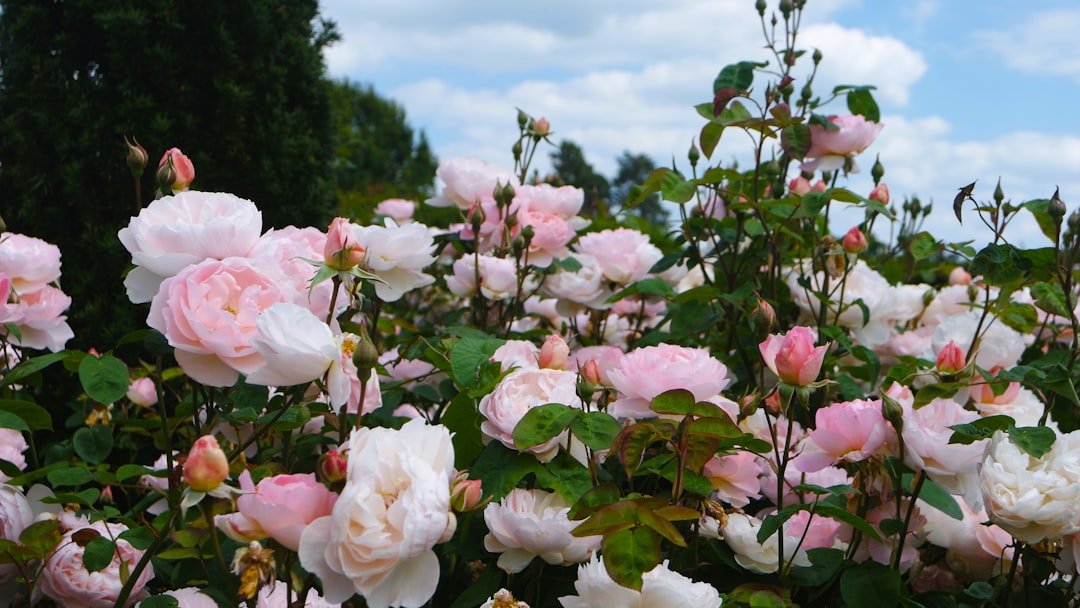
Rapperswil is known as the “Rose City” for good reason. According to Switzerland Tourism, more than 20,000 roses bloom around the town from May to October. The flowers are spread through public and private spaces, including four public rose gardens in the Old Town.
More than 20,000 roses help give Rapperswil its identity as Switzerland’s “Rose City,” with the main flowering period running from May through October.
The four public gardens give you different photographic settings:
- Rose garden near the Capuchin monastery: useful for combining flowers with historic architecture and the vineyard area.
- Rose garden near the Einsiedlerhaus: another compact Old Town setting where flowers can be placed against historic surroundings.
- Mainau garden on Hintergasse: a good stop while exploring the narrow lanes of the historic center.
- Fragrant Rose Garden on the Schanz: a distinctive garden designed with blind and visually impaired visitors in mind. Switzerland Tourism lists 1,522 plants representing 75 fragrant varieties, with names displayed in Braille and standard script.
Because these are separate gardens, think of your visit as a short photographic walk rather than a session inside one large park. This gives you more variety in backgrounds, light direction, architecture, and composition.
Exploring the Best Viewpoints
The rose gardens themselves are ideal for flowers, patterns, paths, and environmental portraits, but you do not need to keep every photograph tightly focused on the roses. Rapperswil’s historic setting provides wider compositions as well.
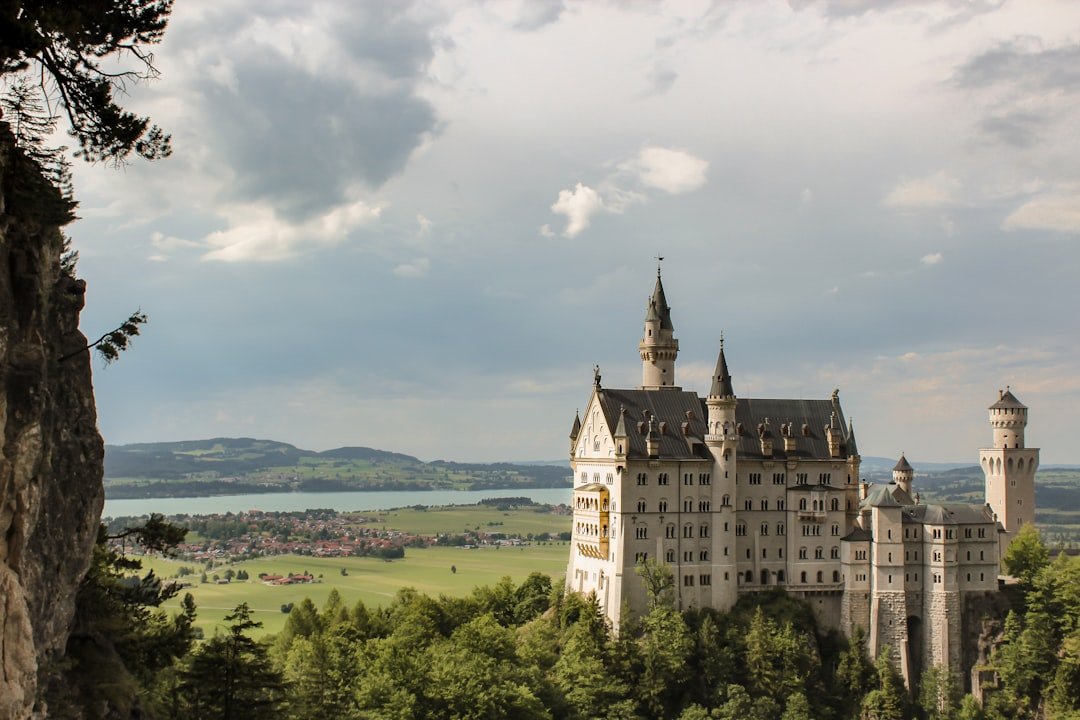
For a broader panorama, continue toward the castle hill. Switzerland Tourism specifically highlights the elevated views from Rapperswil Castle across Lake Zurich and toward the surrounding mountains and Alps.
That gives you two useful photographic layers. In the gardens, work close to the roses and use paths, stonework, leaves, and buildings as supporting elements. Around the castle hill, switch to wider compositions that show the relationship between the historic town, lake, and landscape.
Pro Tip: Do not try to include roses, castle, lake, and mountains in every frame. Make separate images for each layer of the experience: flower details, garden scenes, Old Town context, and wide lake views.
Tips for Capturing the Beauty
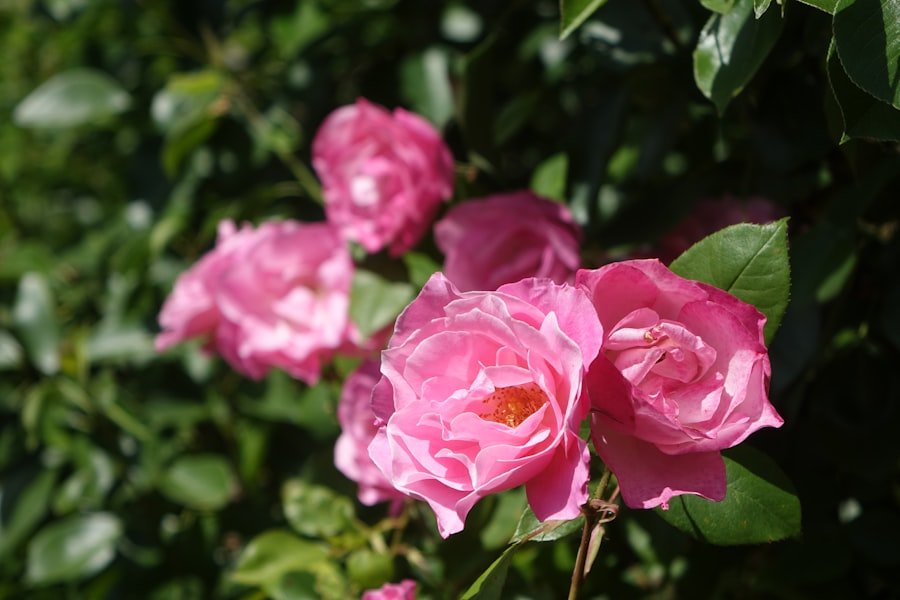
Preparation starts with light. Direct midday sun can create bright highlights on pale petals and deep shadows under leaves. Softer light is usually easier to control, especially when photographing white, pink, or yellow roses.
Early in the day or later in the afternoon, when access and conditions allow, lower-angle sunlight can give flowers more shape and create warm side lighting. An overcast day is also useful because clouds act like a large diffuser, producing even illumination across petals and leaves.
The official flowering period runs from May through October, but individual beds will not look identical throughout that entire period. Weather, maintenance, variety, and the timing of each bloom cycle affect what you will find. Instead of expecting every plant to be at peak condition, look for small groups or individual flowers that photograph well on the day you visit.
Use pathways and rows of flowers as leading lines. Historic walls, gates, foliage, and garden features can act as natural frames. Before pressing the shutter, inspect all four edges of your composition for distracting signs, bright pavement, people, or clipped flowers.
Best Lenses and Camera Settings
You do not need specialized equipment for Rapperswil Rose Gardens photography. A modern phone or a camera with a standard zoom can cover most scenes. Additional lenses simply change the type of image you can make.
| Phone / wide lens | Garden context, Old Town scenes, castle and lake views. |
| Standard zoom | The most flexible choice for switching between garden scenes and individual flowers. |
| Telephoto | Isolating individual blooms and simplifying busy backgrounds without stepping into planting beds. |
| Macro lens | Petals, water droplets, stamens, texture, and other small details. |
Camera settings depend on light and creative intent, but these are useful starting points:
- Wide garden or lake scene: try a moderate aperture such as f/8, a low ISO when possible, and a shutter speed fast enough for sharp handheld results.
- Single rose with a soft background: use a wider aperture and focus carefully on the part of the flower you want sharp.
- Close-up: use enough depth of field to keep important petal details sharp, then raise ISO or shutter speed if wind is moving the flower.
- Handheld telephoto: prioritize a sufficiently fast shutter speed because small movements become more visible at longer focal lengths.
- Phone: tap the flower to focus, reduce exposure slightly if bright petals are losing detail, and avoid excessive digital zoom.
A polarizing filter can reduce some reflections and deepen color in foliage or sky, but rotate it while looking through the viewfinder or screen rather than automatically using maximum polarization. With very wide lenses, strong polarization can sometimes make a blue sky look uneven.
Understanding Lighting and Composition
| Aspect | What to Watch |
| Lighting | Exposure, light direction, contrast, highlights on pale petals, and movement caused by wind. |
| Composition | Rule of thirds, leading lines, framing, negative space, background distractions, and visual balance. |
| Improvement | Practice, review, experimentation, and comparing several compositions of the same subject. |
Lighting is one of the most important variables when photographing roses. Soft, diffused light can reveal subtle transitions of color and texture without creating hard-edged shadows. Side light can give petals greater shape, while backlight can make thin petals appear translucent.
Exposure deserves extra attention with very pale or very dark roses. Check your image after shooting and make sure important petal detail has not disappeared into pure white highlights or blocked shadows.
For composition, the rule of thirds remains a useful starting point. Place a dominant flower away from dead center and balance it against another visual element, such as a path, patch of foliage, historic wall, or open background.
There is no need to apply that rule to every picture. A symmetrical rose photographed directly from above can work better in the center, while a repeating bed of flowers may benefit from a pattern-based composition.
Utilizing Different Angles and Perspectives
Changing camera height can transform an ordinary flower photograph. Instead of photographing every rose from standing eye level, look for variations that are possible without entering the flower beds.
A lower viewpoint can place roses against foliage, architecture, or sky instead of pavement. A slightly higher viewpoint can reveal repeated patterns across a bed. Photographing along a row of flowers can create depth, while positioning a nearby flower in the foreground can make a wider garden scene feel layered.
Be deliberate about the background before changing position. A beautiful bloom can lose impact if a bright sign, trash bin, railing, or another visitor appears directly behind it. Sometimes moving only a few centimeters is enough to produce a cleaner image.
Note: The Schanz fragrant garden includes Braille signage for blind and visually impaired visitors. Keep pathways and signs clear while composing photographs so other visitors can use the garden comfortably.
Capturing the Details
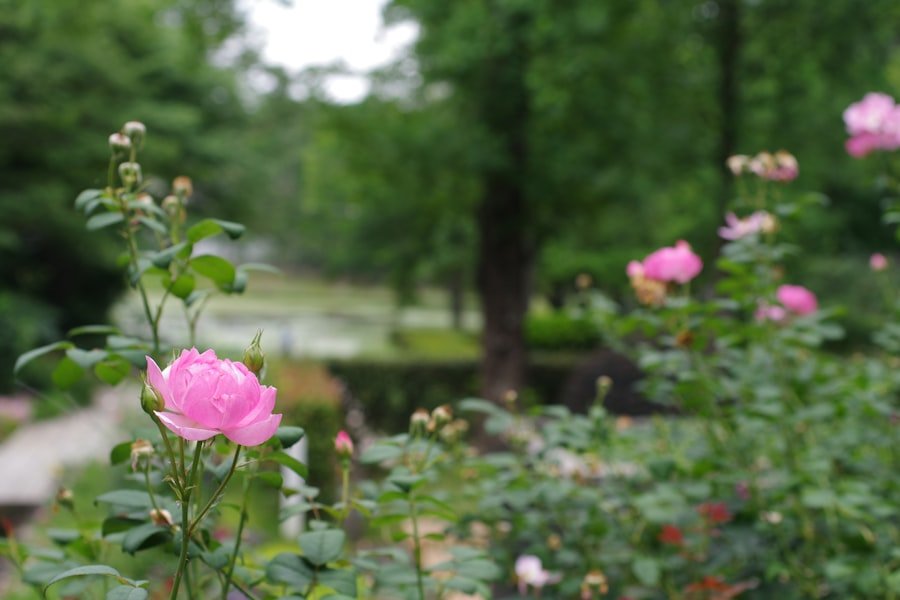
Wide photographs show the setting, but close-ups reveal details that disappear in a broad view. Look for overlapping petals, color transitions, pollen, thorns, water droplets, curled edges, and patterns created by several nearby flowers.
A macro lens is useful but not essential. A telephoto or standard zoom can also isolate one bloom by narrowing the field of view and increasing separation between the subject and background. On a phone, move physically closer when appropriate rather than relying heavily on digital zoom.
Focus placement becomes important at close distances because depth of field becomes shallow. If the center of the flower is the main subject, focus there. If the shape of one petal is what attracted you, place focus on that detail instead.
Wind can be a greater challenge than camera shake. If flowers are moving, use a faster shutter speed or wait for brief pauses between gusts. Taking several frames increases the chance that one will catch the flower at rest.
A Simple Rapperswil Rose Garden Photography Route
Rapperswil-Jona can be reached from Zurich by train or boat, according to Switzerland Tourism. Once in Rapperswil, the compact Old Town makes it practical to combine several photographic subjects during the same outing.
- Begin in the Old Town: make a few establishing photographs of streets and historic architecture before concentrating on the flowers.
- Visit the public rose gardens: photograph wide scenes first, then move to medium compositions and individual blooms.
- Spend extra time at the Schanz fragrant garden: look for details involving rose varieties, textures, labels, and orderly plantings while keeping accessibility features unobstructed.
- Walk toward the castle hill: switch from flower photography to wider town, lake, and mountain compositions.
- Finish near the lakeside or Old Town: use the remaining light for reflections, architecture, street details, or environmental images that complete the visual story.
This approach creates a more varied portfolio than spending the entire visit photographing individual roses from the same height and focal length.
Enhancing Your Photography Skills
The Rose Gardens are a useful place to practice because one subject can be photographed in many ways. Choose a single rose and make five distinctly different images: one environmental frame, one close-up, one low-angle photograph, one image built around negative space, and one composition using surrounding flowers as foreground.
Then compare the results. Look at focus placement, background clutter, highlight detail, color, and the path your eye takes through each frame. This kind of deliberate comparison teaches more than simply taking many similar photographs.
Experiment with aperture, shutter speed, and ISO, but change one variable at a time when possible. That makes it easier to understand why the final image looks different.
If you use a phone, apply the same discipline. Change your distance, camera height, exposure, orientation, and composition rather than relying only on automatic processing. Good light and a clean background often matter more than expensive equipment.
Photography Etiquette in the Rose Gardens
The gardens are shared public spaces, so the photograph should never come at the expense of the plants or other visitors. Stay on permitted walking surfaces, avoid stepping into flower beds, do not move or damage flowers for a composition, and keep bags or tripods from blocking narrow paths.
Be especially considerate when making portraits. A busy garden path is not a private studio, so keep sessions compact and allow people to pass. Follow any temporary signs or restrictions you encounter.
Warning: Do not enter planting beds or lean equipment against roses to obtain a lower angle. Use focal length, camera height, and composition to get the photograph while protecting the plants.
For an organized commercial production involving extensive equipment, models, blocked areas, or controlled access, confirm the current requirements with the relevant property manager or Rapperswil Zürichsee Tourism before the shoot rather than assuming ordinary visitor rules apply.
Conclusion and Final Thoughts
Rapperswil offers more photographic variety than a single rose-garden viewpoint suggests. Its four public rose gardens provide color, texture, fragrance, and close-up subjects, while the surrounding Old Town and castle hill add architecture, Lake Zurich, and Alpine scenery to the same outing.
The most useful approach is to slow down and vary your photographs. Start wide, move closer, change your camera height, inspect the background, and revisit promising flowers when the light changes. Whether you use a phone, standard camera, or macro setup, careful observation will have more influence on your results than carrying a large amount of equipment.
If you enjoy looking closely at natural color, shape, and texture, you may also enjoy exploring the delightful world of Asian melon, another subject where small visual details can be as interesting as the wider scene.
Frequently Asked Questions
What are the Rapperswil Rose Gardens?
They are public rose gardens located around Rapperswil’s historic Old Town in Rapperswil-Jona, Switzerland. Switzerland Tourism identifies four public gardens: one near the Capuchin monastery vineyard, one near the Einsiedlerhaus, the Mainau garden on Hintergasse, and the fragrant rose garden on the Schanz.
How many roses are there in Rapperswil?
Current official tourism information describes more than 20,000 roses blooming around Rapperswil. The flowers are found in the four public rose gardens as well as other areas around the town.
When is the best time to photograph the Rapperswil Rose Gardens?
Official tourism sources give May through October as the main flowering period. Exact flower condition varies with weather and variety. For photography, softer morning or late-afternoon light can be attractive, while overcast conditions are especially useful for evenly lit close-ups.
Where is the best viewpoint for Lake Zurich photographs?
The gardens are excellent for flower photography, but the castle hill is the stronger choice for elevated views. Switzerland Tourism highlights views from Rapperswil Castle over Lake Zurich and toward the surrounding mountains and Alps.
What lens is best for Rapperswil Rose Gardens photography?
A standard zoom is the most flexible option. A wide lens works for garden, Old Town, lake, and castle scenes; a telephoto helps isolate flowers against clean backgrounds; and a macro lens is useful for petals, pollen, and other small details. A modern phone can also handle most general compositions.
Are there special photography rules in the rose gardens?
For ordinary visitor photography, respect posted signs, stay out of planting beds, keep paths clear, and avoid interfering with other visitors. Organized commercial productions involving significant equipment or controlled areas should confirm current requirements with the relevant property manager or local tourism authority.
Sources
- Switzerland Tourism: Rosen Gardens of Rapperswil — supports the four public gardens, more than 20,000 roses, May-to-October flowering period, and details of the Schanz fragrant garden.
- Rapperswil Zürichsee Tourism: Rosenstadt Rapperswil — supports the Rose City description, flowering period, castle-hill setting, lake views, and Schanz garden information.
- Switzerland Tourism: Rapperswil-Jona — supports access by train or boat and the views from Rapperswil Castle over Lake Zurich and the surrounding mountains.
- Switzerland Tourism: Photo Spot Rapperswil-Jona — supports the four-garden setting, 20,000-plus rose figure, Old Town, castle, and lakeside photography context.
- Switzerland Tourism Meetings & Incentives: Rapperswil-Jona — supports free viewing of the public rose displays.