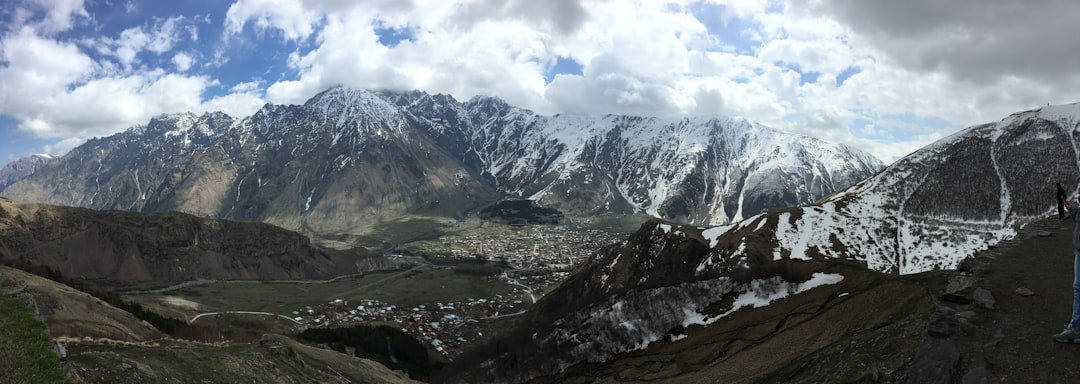
Zermatt is Switzerland’s premier alpine hub, surrounded by 38 peaks rising above 4,000 meters and centered on the iconic pyramid of the Matterhorn. Because the village is strictly car-free and tied directly into an advanced network of cogwheel trains, funiculars, and high-capacity cableways, exploring beyond the village borders is effortless. Whether you want to step onto a year-round glacier, cross one of the world’s longest pedestrian suspension bridges, or hike past glacial tarns reflecting snow-capped summits, the excursions surrounding Zermatt rank among the finest in the Alps.
Quick Answer
The best day trips from Zermatt are the Gornergrat Railway for panoramic Matterhorn views, Matterhorn Glacier Paradise (Klein Matterhorn) for Europe’s highest cable car station, the downhill Five Lakes Walk (5-Seenweg) from Blauherd, and the Charles Kuonen Suspension Bridge in Randa. All excursions connect seamlessly via mountain lifts and the Matterhorn Gotthard Bahn.
Key Takeaways
- Top Scenic Rail: The Gornergrat cogwheel train reaches 3,089 meters in 33 minutes, offering views over Monte Rosa and the Gorner Glacier.
- Highest Vantage Point: Klein Matterhorn sits at 3,883 meters, featuring the sub-glacial Glacier Palace and direct cable-car transit into Cervinia, Italy.
- Signature Alpine Hike: The Five Lakes Walk (Trail #11) visits Stellisee, Grindjisee, Grünsee, Moosjisee, and Leisee (accessible mid-June to mid-October).
- Transit Savings: The Swiss Travel Pass and Swiss Half Fare Card yield a 50% discount on the Gornergrat Bahn and Matterhorn Glacier Paradise cableways.
At a Glance
| Time Required | Half-day (3–4 hours) for mountain summits; full-day (5–8 hours) for valley hikes and regional rail trips. |
| Difficulty | Easy to Strenuous (paved summit observation decks to rugged mountain trails with 600m+ elevation change). |
| Gear Needed | Sturdy lug-soled boots, UV category 3 or 4 sunglasses, windproof winter layers, SBB or Matterhorn App. |
| Cost & Passes | CHF 80–120 round-trip per peak; 50% off with Swiss Travel Pass or Half Fare Card; unlimited with Zermatt Peak Pass. |
Gornergrat Railway: The Classic Alpine Ascent
Operating since 1898 as Europe’s first fully electrified cogwheel railway, the Gornergrat Bahn departs directly across from Zermatt’s central railway station. Over an open 33-minute journey, the train climbs 1,469 vertical meters, crossing the high Findelbach bridge and winding through dense larch forests before arriving at the Gornergrat terminal station at 3,089 meters.
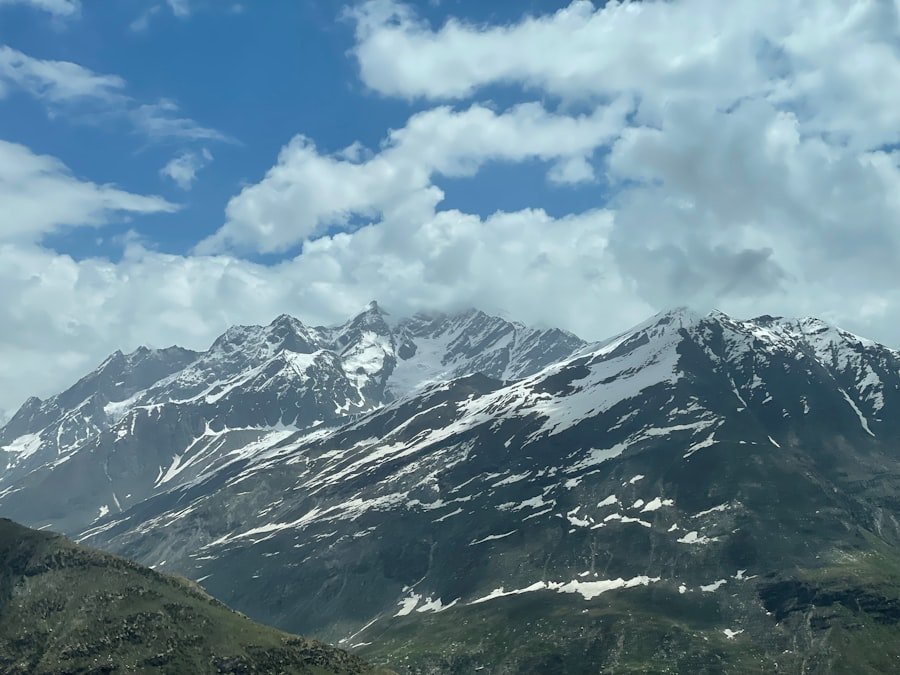
At the summit viewing ridge (3,135 meters), visitors step onto an open panorama encompassing 29 individual peaks taller than 4,000 meters. The vantage point looks directly down upon the Gorner Glacier—the second-largest glacial system in the Alps—as well as the Monte Rosa massif and the Dufourspitze, Switzerland’s highest point at 4,634 meters.
The summit complex hosts Zooom the Matterhorn, an interactive multimedia exhibition featuring virtual reality paraglider flights and 3D periscopes trained on the surrounding peaks. For dining, the historic 3100 Kulmhotel Gornergrat—the highest hotel in the Swiss Alps—features a sunny terrace restaurant directly facing the Matterhorn.
Pro Tip: On your descent from Gornergrat, disembark at Rotenboden station (2,815 m). A gentle 10-minute walk brings you to the Riffelsee, where the Matterhorn casts its famous reflection across the water before afternoon mountain breezes ruffle the surface.
Klein Matterhorn: High Alpine at Matterhorn Glacier Paradise
For travelers seeking extreme high-alpine altitude without technical mountaineering equipment, the journey to the Klein Matterhorn summit station is unmatched. Boarded from the southern end of Zermatt village, a multi-stage gondola system via Furi and Trockener Steg connects to the high-speed 3S Cableway, reaching the summit station at 3,883 meters. This establishes it as the highest cable car station in Europe.
“Standing on the Klein Matterhorn viewing deck places you level with the Breithorn plateau, where the boundary between Switzerland and the Italian Valle d’Aosta dissolves beneath expansive sheets of perpetual ice.”
Carved 15 meters directly inside the glacier ice, the Glacier Palace allows visitors to walk through illuminated tunnels lined with ice sculptures, ice slides, and natural crevasse formations. Year-round snow sports take place on the Theodul Glacier, where international ski teams practice through the summer months.
With the opening of the Matterhorn Alpine Crossing cableway connecting Klein Matterhorn directly to Testa Grigia, non-skiers can travel seamlessly across the international border into Breuil-Cervinia, Italy for an authentic Italian lunch before catching the afternoon lifts back to Switzerland.
Warning: At 3,883 meters, atmospheric pressure drops considerably, and available oxygen is reduced by roughly one-third compared to sea level. Pace your walking, stay hydrated, and monitor children for symptoms of acute mountain sickness (headache, dizziness, nausea).
Sunnegga: The Family-Friendly Alpine Balcony
Sunnegga (2,288 meters) provides the fastest high-altitude getaway from Zermatt. An underground funicular tunnelled entirely through interior mountain bedrock whisks passengers from the valley floor to the Sunnegga terrace in just 4.5 minutes. Thanks to its sheltered, south-facing position, Sunnegga enjoys abundant sunshine and milder temperatures than the higher glacier stations.
Directly below the terminal lies Leisee, an alpine lake equipped with children’s play areas, wooden barbecue stations, picnic benches, and a self-pulled timber raft. Sunnegga also features a dedicated Marmot Watching Station, where native Alpine marmots can be seen foraging from June through October. From the wide restaurant patio, the Matterhorn appears in its classic, symmetrical pyramid shape.
The Five Lakes Walk (5-Seenweg): Zermatt’s Premier Hike
The Five Lakes Walk (officially signposted as Trail #11) is widely regarded as the premier day hike in the Valais Alps. Spanning 9.8 kilometers with 165 meters of ascent and 454 meters of descent, the route takes approximately 2.5 to 3 hours of walking time and passes five distinct glacial tarns, three of which offer mirror reflections of the Matterhorn.
To hike the route downhill, ride the funicular to Sunnegga, then board the 8-passenger gondola up to Blauherd (2,571 m). The trail links the five lakes in succession:
- Stellisee: Reached within 20 minutes of leaving Blauherd; this lake produces the most photographed early-morning reflection of the Matterhorn.
- Grindjisee: Nestled in a quiet larch hollow, renowned for rare alpine flora, peat mosses, and vibrant wildflowers.
- Grünsee: Framed by rugged moraine landscapes and stone pine trees, offering views toward the Monte Rosa massif.
- Moosjisee: An active glacial storage reservoir exhibiting a striking, milky turquoise-blue hue from suspended rock flour.
- Leisee: The final lake of the circuit, where hikers can swim or relax on wooden loungers before boarding the shuttle funicular back to Sunnegga.
Note: The Five Lakes Walk is a seasonal excursion. The trail is typically open and free of snow from mid-June to mid-October. During spring and winter, snowpack makes the trail impassable without snowshoes or winter alpine gear.
Schwarzsee: Solitude at the Foot of the Hornli Ridge
Located at 2,583 meters directly under the eastern face of the Matterhorn, Schwarzsee (“Black Lake”) offers an intimate look at the mountain’s climbing heritage. The station is reached via an 8-passenger gondola departing from Zermatt via Furi. On the lakeshore sits the chapel of Maria zum Schnee (Our Lady of the Snows), where mountaineers and alpine guides traditionally stop to pray for safe passage before tackling the peak.
Schwarzsee is the starting trailhead for the trek up to the Hörnlihütte (3,260 m), the base camp for all mountaineers attempting the Hornli Ridge summit route. While the hike up to the hut involves steep terrain fitted with metal chains and exposed ledges, casual day visitors can walk the gentle paths looping around the Schwarzsee basin, taking in direct views of the Zmutt Glacier and the sheer north face.
Charles Kuonen Suspension Bridge (Randa)
Located 15 minutes down the valley from Zermatt via the regular Matterhorn Gotthard Bahn train, the village of Randa is home to the Charles Kuonen Suspension Bridge. Stretching 494 meters across the Grabengufer ravine at a height of 85 meters above the valley floor, it stands as one of the longest pedestrian suspension footbridges in the world.
The bridge forms part of a circular loop hike starting and finishing at Randa railway station. The route covers 8.6 kilometers with roughly 700 meters of steady ascent and descent through larch forests. Most hikers complete the circuit in 4 to 5 hours, stopping to walk the grated steel span while enjoying views of the towering Weisshorn (4,505 m).
Pro Tip: Hike the Randa suspension bridge circuit in a clockwise direction. This tackles the steepest forest switchbacks on the ascent, allowing for a safer, gentler downhill return after crossing the suspended steel grate.
Gorner Gorge (Gornerschlucht): Geological Wonders on Foot
For a half-day trip that requires no mountain lift ticket, the Gorner Gorge sits an easy 20-minute walk south of Zermatt’s village church. Carved into greenish serpentinite stone by glacial meltwaters since the retreat of the last Ice Age, the gorge has been accessible via cantilevered timber walkways since 1887.
The wooden path winds through narrow canyon walls directly above churning plunge pools and dramatic waterfalls. Walking the length of the gorge takes roughly 30 to 45 minutes, ending near the hamlet of Blatten. From Blatten, visitors can stop at rustic mountain chalets for local Valais dried meats and cheese fondue before walking back to Zermatt.
Glacier Express Route: Scenic Regional Rail Excursions
While the full Glacier Express journey travels 8 hours across southern Switzerland to St. Moritz, travelers based in Zermatt can experience its most dramatic sections as an easy day excursion. Regular regional trains operated by the Matterhorn Gotthard Bahn run along the exact same tracks with large windows and no mandatory seat reservation fees.
A classic rail day trip follows the Vispa Valley down to Brig, continues through the broad Goms Valley, and climbs over the 2,033-meter Oberalp Pass to Andermatt. Arriving in Andermatt in under 3 hours, day-trippers have time to tour the historic alpine town, walk the Schöllenen Gorge, and return to Zermatt in time for dinner.
Zermatt acts not merely as a self-contained alpine resort, but as a central base for exploring high-altitude viewpoints, crystal-clear tarns, and historic rail engineering. By combining mechanical ascents like Gornergrat and Klein Matterhorn with self-guided walks along the 5-Seenweg or the suspension span of Randa, visitors can experience the full spectrum of the Swiss Alps right from their doorstep.
Frequently Asked Questions
What are the most popular day trips from Zermatt?
The top day trips from Zermatt are the Gornergrat cogwheel railway, Matterhorn Glacier Paradise (Klein Matterhorn), the Five Lakes Walk from Blauherd, the Sunnegga funicular, and the Charles Kuonen Suspension Bridge in Randa. Cross-border cable car trips to Breuil-Cervinia in Italy are also popular via the Matterhorn Alpine Crossing.
How far are these day trip destinations from Zermatt?
The Gornergrat cogwheel train takes 33 minutes from Zermatt station. Matterhorn Glacier Paradise takes roughly 40 to 45 minutes via connecting gondolas and cable cars. Sunnegga is reached in 4.5 minutes via funicular. Randa is a 15-minute train ride down the valley, and the Gorner Gorge entrance is a 20-minute walk from the village center.
What can visitors expect to see and do on these excursions?
Visitors can take in unobstructed panoramas of 4,000-meter peaks, walk through carved glacial ice tunnels in the Glacier Palace, hike beside alpine lakes reflecting the Matterhorn, cross an 85-meter-high suspension footbridge, and ski on glacier snow even during midsummer.
Are guided tours necessary for Zermatt day trips?
No, guided tours are not required for standard day trips. All hiking routes are clearly signed with yellow directional markers and walking times. Mountain railways run on regular, predictable timetables. Guided tours are only necessary for technical glacier traverses or climbing 4,000-meter summits like the Breithorn or Matterhorn.
Are these day trips suitable for families with children?
Yes. Sunnegga is particularly suited for families due to the lakeside playground and raft at Leisee, gentle paths, and picnic areas. The Gornergrat train and Klein Matterhorn cable cars are accessible with strollers. However, take care with infants at the 3,883-meter altitude of Klein Matterhorn, and make sure children are confident walkers before hiking the steep Randa bridge trail.
Do mountain transit passes cover all excursions?
The Swiss Travel Pass and Swiss Half Fare Card provide a 50% discount on the Gornergrat Bahn, Klein Matterhorn cable cars, and Sunnegga funicular (and 100% free travel on the Matterhorn Gotthard Bahn between Visp, Randa, and Zermatt). For those planning multiple mountain ascents over several days, the Zermatt Matterhorn Peak Pass provides unlimited rides on all local mountain lifts.
Sources
- Zermatt Bergbahnen AG — Official timetables, lift infrastructure specifications, and seasonal maintenance schedules
- Gornergrat Bahn Official Portal — Cogwheel railway history, summit observatory exhibits, and station elevations
- Switzerland Tourism (MySwitzerland) — Five Lakes Walk (Trail #11) profiles, Swiss Travel Pass coverage, and Glacier Express routes
- SBB / Matterhorn Gotthard Bahn — Rail connectivity between Zermatt, Randa, Andermatt, and Visp