Lucerne combines a walkable medieval center, Lake Lucerne, major museums, live music, Swiss food, and easy access to the mountains. You can spend a day exploring the Old Town and lakefront or stay longer to add Mount Pilatus, Mount Rigi, museums, seasonal events, and outdoor activities.
Quick Answer
The best things to do in Lucerne include crossing the Chapel Bridge, exploring the Old Town and Musegg Wall, visiting the Lion Monument, cruising Lake Lucerne, seeing the Swiss Museum of Transport, enjoying the city’s arts scene, and taking a mountain trip to Pilatus or Rigi.
Key Takeaways
- The Chapel Bridge, Old Town, Lion Monument, lakefront, and KKL are among Lucerne’s essential city sights.
- Mount Pilatus and Mount Rigi make excellent mountain excursions, but transport and activities vary by season.
- Fondue, rösti, Swiss cheese, chocolate, and seasonal regional dishes are worth trying during your stay.
- The Swiss Museum of Transport is one of the strongest choices for families and rainy days.
- Lucerne is compact enough for a short visit, but two or three days give you more time for the lake, museums, and mountains.
Explore Lucerne’s Old Town and Chapel Bridge
Lucerne’s historic center is one of the easiest places to begin exploring. The Old Town sits beside the River Reuss and contains narrow streets, painted facades, public squares, bridges, shops, restaurants, and buildings that reflect centuries of the city’s history.
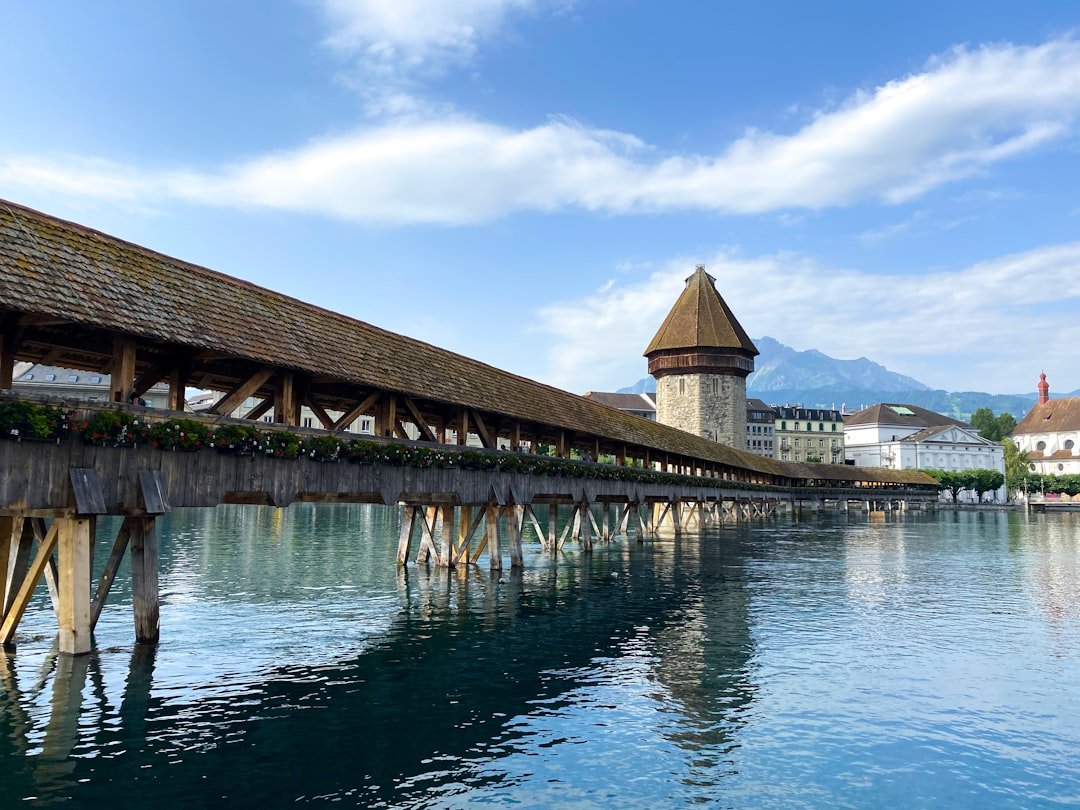
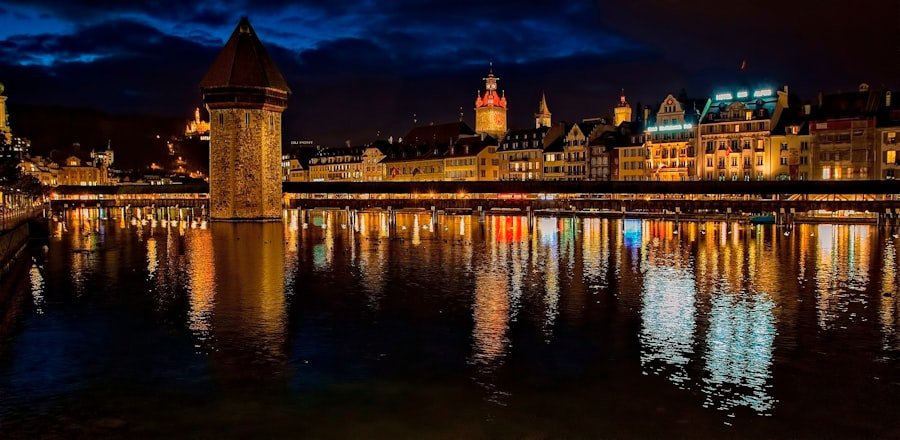
The best-known landmark is the Chapel Bridge, or Kapellbrücke. The covered wooden bridge dates to the medieval period and is regarded by Lucerne Tourism as the oldest covered wooden bridge in Europe. Its interior includes triangular paintings depicting scenes connected with Lucerne and Swiss history.
A major fire damaged much of the bridge on August 18, 1993. The damaged sections were rebuilt, and the bridge reopened in April 1994. Today, walking across it offers views of the River Reuss, the Old Town, the Water Tower, and surrounding cityscape.
The octagonal Water Tower beside the bridge is even older. Lucerne Tourism dates it to around 1290–1300. Over the centuries, it served several purposes, including defense, archive storage, treasury use, and imprisonment.
Note: The Chapel Bridge is free to cross and sits in the heart of central Lucerne, making it easy to combine with the Old Town, waterfront, KKL, and nearby restaurants.
Art also plays an important role in Lucerne. The Rosengart Collection displays works by Pablo Picasso, Paul Klee, and other artists associated with Impressionism and Classical Modernism. This combination of historic architecture and major art collections gives the city more depth than a simple sightseeing stop.
Culinary Delights in Lucerne
Lucerne is a good place to sample both traditional Swiss food and contemporary European dining. Fondue remains one of the most recognizable Swiss dishes: melted cheese is served in a shared pot and eaten with pieces of bread. It is especially popular during cooler weather, although many restaurants serve it throughout the year.
Another classic is rösti, a pan-fried potato dish with a crisp exterior. It may be served on its own or alongside eggs, vegetables, cheese, or meat. Menus around Lucerne also commonly feature regional cheeses, sausages, veal dishes, pastries, and Swiss chocolate.
Visitors interested in local food can also explore Lucerne’s markets. The Old Town hosts a regular market, including Tuesday and Saturday morning trading noted by Lucerne Tourism, where produce and other local goods are sold.
For dessert or a snack, a visit to a Swiss chocolatier is an easy addition to a day in the city. Instead of trying to fit every traditional dish into one meal, sample a few specialties during your stay and leave room for regional variations.
Breathtaking Scenic Views in Lucerne
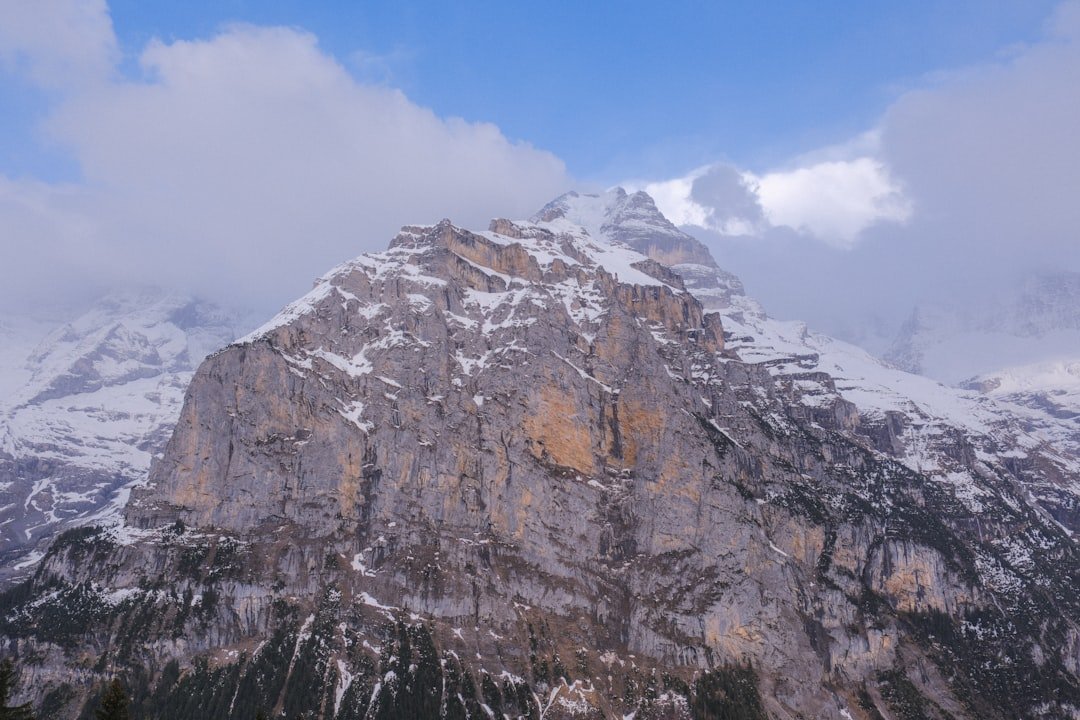
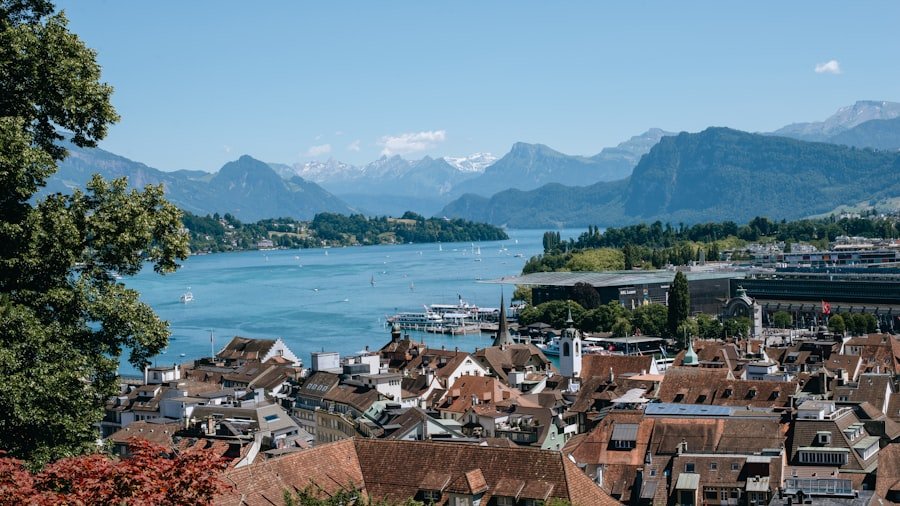
Lucerne’s setting is a major part of its appeal. Lake Lucerne lies beside the city, while mountains such as Pilatus and Rigi rise nearby. Walking along the waterfront provides mountain views without requiring a full-day excursion.
A cruise on Lake Lucerne gives you a different perspective on the region. Scheduled boats connect Lucerne with communities around the lake, and services change according to the season. Check the official Lake Lucerne Navigation timetable before planning a specific connection.
Mount Pilatus is one of the most popular excursions from Lucerne. Depending on the season and route, visitors can travel using panorama gondolas, an aerial cableway, or the historic cogwheel railway from Alpnachstad. The cogwheel railway reaches gradients of up to 48 percent.
Mountain operations are seasonal. The official Pilatus timetable should therefore be checked shortly before your trip, especially in spring, late autumn, and during maintenance periods.
Mount Rigi provides another option. Its extensive hiking network includes easier walks as well as more demanding routes. The official Rigi site lists approximately 120 kilometers of summer hiking trails and around 35 kilometers of prepared winter hiking trails.
Pro Tip: Do not automatically choose both Pilatus and Rigi on a short trip. Pick one mountain excursion and leave enough time to enjoy Lucerne itself instead of spending most of the day in transit.
Exploring Lucerne’s Historic Landmarks
| Landmark | Location | Date | Why It Matters |
|---|---|---|---|
| Chapel Bridge | Central Lucerne | 14th century | Historic covered wooden bridge and city landmark |
| Lion Monument | Denkmalstrasse | 1821 | Memorial to Swiss Guards killed during the Storming of the Tuileries in Paris in 1792 |
| Musegg Wall | Edge of Lucerne Old Town | Around 1400 | Surviving section of Lucerne’s medieval fortifications with nine towers |
The Musegg Wall is one of the strongest surviving reminders of medieval Lucerne. The roughly 800-meter wall forms part of the city’s former defensive system, and nine towers remain standing.
Lucerne’s surviving Musegg Wall stretches for roughly 800 meters and still has nine towers, making it one of the city’s most visible medieval structures.
Several towers are accessible during the operating season, offering elevated views over the Old Town. Access normally closes during the winter months, so check current conditions before making the wall the centerpiece of a visit.
Another essential landmark is the Lion Monument. Danish sculptor Bertel Thorvaldsen designed the work, which was inaugurated in 1821. The dying lion commemorates Swiss Guards killed during the Storming of the Tuileries in Paris on August 10, 1792.
The monument is carved directly into a rock face and is free to view. It is also beside the Glacier Garden, making the two attractions easy to combine.
Lucerne’s Vibrant Arts and Music Scene
Lucerne has a strong cultural identity that extends well beyond its medieval landmarks. The city’s principal modern cultural venue is KKL Luzern, the Culture and Convention Centre beside the lake.
French architect Jean Nouvel designed the building, which was constructed according to his plans between 1995 and 2000. The complex includes a major concert hall and the Lucerne Art Museum and is known for its dramatic roof, water channels, and concert-hall acoustics.
Lucerne Theatre presents stage productions, while smaller venues, churches, cafes, and cultural spaces host concerts and performances throughout the year.
The Rosengart Collection is especially worthwhile for modern-art fans. Its collection includes works by Pablo Picasso, Paul Klee, and other major European artists.
Museums and Family-Friendly Attractions in Lucerne
The Swiss Museum of Transport is one of Lucerne’s strongest choices for families. Its exhibitions explore road, rail, water, air, space, transport technology, and energy. The wider complex also includes attractions such as a planetarium, Filmtheatre, and Swiss Chocolate Adventure.
Because much of the experience is indoors, the museum is particularly useful on a rainy or very hot day. Visitors who want to explore the exhibitions in depth can easily spend several hours there.
The Glacier Garden near the Lion Monument offers a different experience. Its geological exhibits include preserved glacial features, rock displays, historic collections, and family-oriented attractions. It is open throughout the year, although seasonal hours vary.
Music lovers can visit the Richard Wagner Museum at Tribschen, where Wagner lived from 1866 to 1872. The museum focuses on his life and work and normally operates on a seasonal schedule from spring through late autumn.
The Rich Tradition of Swiss Cuisine in Lucerne
The Importance of Cheese in Swiss Cuisine
Cheese plays a central role in many well-known Swiss dishes. Gruyère and Emmental are among the country’s internationally recognized cheeses and may appear in fondue, baked dishes, sandwiches, or cheese boards.
Cheese-making traditions vary by region, so menus in and around Lucerne may introduce you to products beyond the best-known national varieties. When ordering fondue, remember that recipes can differ according to the cheeses and seasonings used.
Meat Dishes in Swiss Cuisine
Swiss cooking also includes a wide range of meat dishes. Rösti is often served beside meat or topped with ingredients such as eggs or cheese. Zürcher Geschnetzeltes, a creamy sliced-veal dish associated with Zurich, is another Swiss specialty you may encounter.
Seasonal menus may include venison and other game, particularly during the cooler part of the year. Availability varies by restaurant and season.
Experiencing Authentic Swiss Cuisine in Lucerne
To experience local food without overcomplicating your trip, combine one traditional restaurant meal with a market visit, bakery stop, or chocolatier. Look for menus that clearly identify regional ingredients rather than assuming every restaurant in the tourist center serves traditional Lucerne cooking.
Reservations can be useful for popular restaurants during summer weekends, festival periods, Christmas-market season, and other busy dates.
Outdoor Activities and Nature Excursions in Lucerne
Lake Lucerne creates opportunities for sightseeing cruises, paddling, lakeside walks, and seasonal swimming. In warm weather, established bathing areas such as Lido Lucerne and Seebad Luzern provide a more practical place to swim than simply entering the water at an unfamiliar point along the shore.
For hiking, Mount Rigi offers a particularly broad trail network. Routes range from gentle walks to more demanding mountain trails, so check distance, elevation, weather, and trail status before starting.
Mount Pilatus also provides hiking and mountain experiences, but access varies by season. In winter, Pilatus officially promotes activities such as sledging and snowshoeing. Mount Rigi, by contrast, also operates small ski areas when snow conditions permit.
Warning: Mountain weather can change much faster than conditions in central Lucerne. Check the official railway, cableway, trail, and weather status before heading to Pilatus, Rigi, or another high-elevation destination.
If you prefer a relaxed day, you do not need to go into the mountains at all. Walking the lakefront, taking a scheduled boat trip, or relaxing at a lakeside bathing area can provide plenty of outdoor time without a demanding hike.
Unforgettable Experiences in Lucerne’s Festivals and Events
Lucerne hosts cultural events throughout the year, but two names stand out: Lucerne Carnival and Lucerne Festival.
Fasnacht, or Lucerne Carnival, transforms the city before Lent. The celebrations include elaborate costumes, masks, parades, street gatherings, and the loud brass-and-percussion sound of Guggenmusik groups. The main celebrations begin on Schmutzig Thursday and continue through the following days before Ash Wednesday.
The internationally known Lucerne Festival presents major orchestras, conductors, soloists, and contemporary-music projects across several festival periods. Festival names and schedules can change between seasons; for example, the 2026 spring edition was presented as Lucerne Festival Spring.
Lucerne also hosts Christmas markets, concerts, exhibitions, sporting events, and smaller neighborhood celebrations. If a festival is important to your trip, verify the exact date before booking accommodation because event periods can affect hotel availability and prices.
Planning Your Visit to Lucerne
How Many Days Do You Need?
One full day is enough to see the Chapel Bridge, Old Town, Lion Monument, waterfront, and several central attractions at a comfortable walking pace. Two days allow time for a museum or longer lake experience. With three days, you can usually add a mountain excursion without rushing the city itself.
Getting Around Lucerne
Central Lucerne is compact and many major sights are within walking distance. The train station is beside the lake and KKL, while the Chapel Bridge and Old Town are only a short walk away.
Buses and local trains are useful for attractions farther from the center. The Swiss Museum of Transport, for example, can be reached by bus, train, boat, or a roughly 30-minute walk along the lakeside promenade.
Overnight visitors should ask their accommodation about the Visitor Card Lucerne. Eligible overnight guests receive free use of buses and trains within Zone 10 of the city network plus discounts on various museums, mountain railways, and excursions.
When Is the Best Time to Visit?
Late spring through early autumn is convenient for hiking, lake activities, and the widest range of mountain transportation. Summer brings long days but also larger visitor numbers.
Autumn can provide cooler walking weather and colorful landscapes, although some seasonal mountain services begin reducing operations later in the season. Winter works well for Christmas atmosphere, museums, snow excursions, Rigi winter activities, and Pilatus sledging or snowshoeing when conditions allow.
There is no single best month for every traveler. Choose your dates according to whether your priority is hiking, snow, swimming, cultural events, or city sightseeing.
Choosing Between Mount Pilatus and Mount Rigi
Choose Pilatus if the dramatic cogwheel railway, cableways, and high-alpine scenery are your main interests. Choose Rigi if you want a wider hiking network, several rail approaches, lake views, and more conventional winter recreation.
Both can be rewarding, but transportation schedules, visibility, snow, and maintenance closures can change what is available on a particular day.
Day Trips From Lucerne
Mount Pilatus and Mount Rigi are the most natural mountain excursions because both are closely connected with the Lucerne region. Lake cruises can also be combined with villages such as Weggis or Vitznau.
Interlaken is possible as a longer day trip by scenic rail, but it requires considerably more travel time. If you have only one or two days in Lucerne, spending that time around Lake Lucerne, Pilatus, or Rigi will usually produce a less rushed itinerary.
Frequently Asked Questions
What are some popular attractions in Lucerne?
Popular attractions include the Chapel Bridge and Water Tower, Lucerne Old Town, the Lion Monument, Musegg Wall, KKL Luzern, the Swiss Museum of Transport, Glacier Garden, Lake Lucerne, and the Rosengart Collection.
What outdoor activities can I do in Lucerne?
You can cruise or swim in Lake Lucerne, walk along the waterfront, hike on Mount Rigi or Pilatus, cycle in the surrounding region, and enjoy seasonal winter activities. Rigi offers skiing when conditions permit, while Pilatus is known for winter sledging and snowshoeing.
What cultural experiences can I have in Lucerne?
Attend a concert at KKL Luzern, explore the Rosengart Collection, visit the Richard Wagner Museum, see exhibitions at local museums, experience Lucerne Festival, or visit during Fasnacht for one of the city’s most distinctive traditions.
What are some family-friendly activities in Lucerne?
The Swiss Museum of Transport is one of the best family choices because of its interactive transport exhibits and additional attractions. Families can also try the Glacier Garden, Lake Lucerne cruises, Lido Lucerne, easy waterfront walks, and suitable mountain excursions.
What are some day trips from Lucerne?
Mount Pilatus and Mount Rigi are two of the easiest and most popular excursions. You can also explore villages around Lake Lucerne by boat. Interlaken is possible as a longer full-day rail trip, but it requires significantly more travel time.
How many days should I spend in Lucerne?
One full day works for Lucerne’s main central sights. Two days allow time for museums or a longer lake experience, while three days make it easier to add Mount Pilatus or Mount Rigi without rushing.
Is Lucerne easy to explore without a car?
Yes. Central Lucerne is highly walkable, and buses, trains, boats, mountain railways, gondolas, and cableways connect many attractions outside the center. Eligible overnight visitors can also receive local public-transport benefits through the Visitor Card Lucerne.
Sources
- Lucerne Tourism — Chapel Bridge and Water Tower — history, 1993 fire, bridge paintings, and Water Tower dates and uses.
- Lucerne Tourism — Musegg Wall — wall history, length, towers, and seasonal access.
- Lucerne Tourism — Lion Monument — monument history, 1792 events, and 1821 inauguration.
- KKL Luzern — Architecture and Acoustics — Jean Nouvel, construction history, and concert-hall design.
- Pilatus Bahnen — Official Timetable — cogwheel railway, gondola, cableway, and seasonal operations.
- Swiss Museum of Transport — museum exhibitions, family attractions, and visitor information.