Verzasca Valley in Switzerland’s Italian-speaking canton of Ticino combines an emerald-green mountain river, historic stone villages, hiking trails, swimming spots, and the famous Verzasca Dam. Lavertezzo and Sonogno are the best-known stops, while public transport from the Locarno area makes it possible to explore the valley without a car.
Quick Answer
Verzasca Valley is worth visiting for its clear green river, Ponte dei Salti in Lavertezzo, mountain villages, hiking trails, swimming scenery, and 220-meter Verzasca Dam. You can reach the valley by car or by public transport from Locarno/Tenero. Summer is busiest, while spring, autumn, and even winter offer quieter alternatives.
Key Takeaways
- Verzasca Valley is in Ticino, north of Lake Maggiore, and is known for its emerald-green river, stone villages, hiking routes, and mountain scenery.
- Locarno and Tenero are the practical public-transport gateways, with PostBus connections running into the valley toward Sonogno.
- Top stops include the Verzasca Dam, Ponte dei Salti and Lavertezzo, Brione Verzasca, Sonogno, and the Froda waterfall.
- The Sentiero Verzasca offers a longer valley hike, while the Lavertezzo-Brione section is an easier option of about 6.6 km.
- The Verzasca River can be dangerous despite its inviting appearance. Check local warnings and never enter the water when currents or conditions are uncertain.
Getting to Verzasca Valley
Verzasca Valley is part of the Ascona-Locarno region of Ticino. For visitors arriving by train, Locarno is a more practical gateway than Lugano. From the Locarno/Tenero area, PostBus services continue through the valley toward villages such as Lavertezzo, Brione, Frasco, and Sonogno.
You can check current connections and departure times through the official PostBus Verzasca Valley information. Timetables can change, so check the connection for your exact travel date instead of relying on fixed journey times.
Driving gives you more freedom to stop at viewpoints and villages. The road enters the valley near Gordola and continues toward Sonogno. Parking is available at various points, but popular areas around Lavertezzo can become busy during warm summer days.
Pro Tip: On sunny summer weekends, consider using public transport and starting early. PostBus warns that buses on the Verzasca route can be very busy during the summer period.
The trip into the valley is part of the experience. The road and bus route pass Lake Maggiore, the Verzasca Dam, forested slopes, traditional settlements, and stretches of the river before reaching the upper valley.
Best time to visit Verzasca Valley
Verzasca Valley can be visited throughout the year, but the experience changes significantly with the season.
Summer
June through August is the most popular period for river scenery, picnics, hiking, and swimming. Warm weather also brings the largest crowds, especially around Ponte dei Salti. The water remains cold, and safe-looking conditions can change quickly.
Spring and autumn
Spring and autumn are excellent choices for hiking and sightseeing when you want fewer visitors. Spring brings fresh vegetation, while autumn adds warm colors to the forests. Higher or exposed trails can still be affected by snow, storms, or seasonal conditions, so check route information before hiking.
Winter
Winter should not automatically be ruled out. Switzerland Tourism lists Verzasca Valley as an all-year destination, and winter walking is possible when conditions allow. Snow and ice can affect paths, some businesses and activities are seasonal, and mountain routes require more careful planning.
The commercial bungee operation at the Verzasca Dam is also seasonal rather than a year-round activity.
Things to do in Verzasca Valley
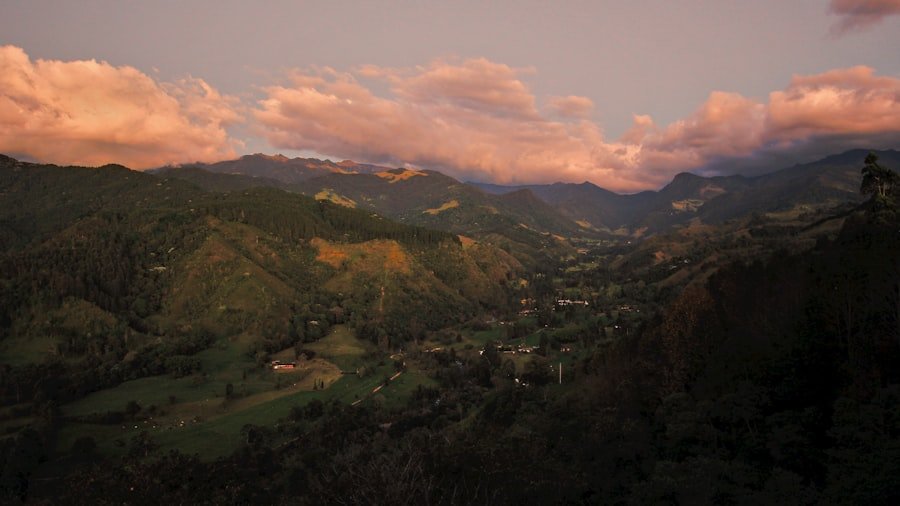
Outdoor activities are one of the main reasons to visit Verzasca Valley. Hiking ranges from easy valley walks to demanding mountain routes, while the river and granite landscape attract swimmers, photographers, climbers, boulderers, cyclists, and nature lovers.
Hike the Sentiero Verzasca
One of the valley’s best-known routes is the Sentiero Verzasca, SwitzerlandMobility Route 74. Its first stage connects Sonogno with Lavertezzo and follows the valley through forests, traditional settlements, river scenery, and historic landscapes.
If you want a shorter outing, the official Lavertezzo-Brione route is about 6.6 km and takes roughly two hours under normal conditions. Always check current trail conditions before departure.
See the Verzasca Dam
The Verzasca Dam stands at the entrance to the valley and rises about 220 meters. It became internationally famous through the opening stunt sequence in the James Bond film GoldenEye.
Visitors seeking an adrenaline activity can book a commercial bungee jump from the dam through the authorized operator. The site operates seasonally, generally from around Easter through the end of October, so reservations and current operating dates should be checked in advance through the Verzasca Dam bungee operator.
Note: You do not need to bungee jump to enjoy the dam. The structure and surrounding reservoir are worthwhile sightseeing stops on their own.
Visit Lavertezzo and Ponte dei Salti
Lavertezzo is one of the valley’s most photographed villages. Its best-known landmark is Ponte dei Salti, the historic two-arched stone bridge crossing the Verzasca River. Although it is sometimes called a Roman bridge, it is not a Roman-era structure. The bridge was rebuilt in 1960 after being partly destroyed in 1868.
The polished rocks and green water below the bridge are visually striking, but the river must be treated with caution.
Explore Sonogno
Sonogno sits near the upper end of the valley and is known for stone houses, narrow lanes, local cultural attractions, and access to the Froda waterfall. It is also connected to the rest of the valley by public transport, making it practical for visitors without a car.
Climbing and bouldering
The valley’s granite landscape also attracts climbers and boulderers. Brione Verzasca is particularly associated with bouldering. Use established climbing information, suitable equipment, and local professional guidance when your route requires technical skills.
Exploring the natural beauty of Verzasca Valley
| Activity | Location | Typical Time |
|---|---|---|
| Hiking | Sentiero Verzasca and shorter valley trails | About 2 hours to a full day |
| Swimming | Natural river pools where conditions permit | Flexible and condition-dependent |
| Climbing / Bouldering | Brione and established valley areas | Varies by route |
| Photography | Ponte dei Salti, villages, river and viewpoints | Flexible |
The Verzasca River is the valley’s defining natural feature. Its clear emerald-green water flows between smooth granite formations and creates pools, cascades, and narrow channels. These landscapes are especially popular around Lavertezzo and Brione.
There are also many places to pause for a picnic or enjoy the river scenery from dry ground. The forests and mountain slopes change noticeably through the seasons, from spring vegetation to colorful autumn foliage and snow-covered upper-valley scenery in winter.
Warning: The Verzasca is a mountain river, not a controlled swimming pool. Official safety guidance warns about unpredictable currents, sudden rises in water level, very cold water, deep pools, and slippery rocks. Read local warning signs, supervise children closely, and stay out of the water whenever conditions are uncertain.
For current safety guidance, see Ticino Tourism’s Safe Waters information.
Where to stay in Verzasca Valley
Accommodation in and around Verzasca Valley includes small hotels, inns, guesthouses, holiday homes, traditional stone houses known as rustici, and camping options. Staying inside the valley gives you easier early-morning access to trails, villages, and the river before most day visitors arrive.
Villages such as Lavertezzo, Brione, and Sonogno provide quieter bases with direct access to the valley environment. Individual properties and campsites can be seasonal, so check their current opening periods before booking.
If you prefer a larger selection of full-service or upscale hotels, restaurants, shops, and transport connections, consider staying around Locarno, Ascona, or Tenero and visiting Verzasca Valley as a day trip.
Camping and campervan travel can provide a closer connection with the landscape, but use official campsites or authorized overnight areas and follow posted local rules rather than camping informally beside the river.
Dining and food options in Verzasca Valley
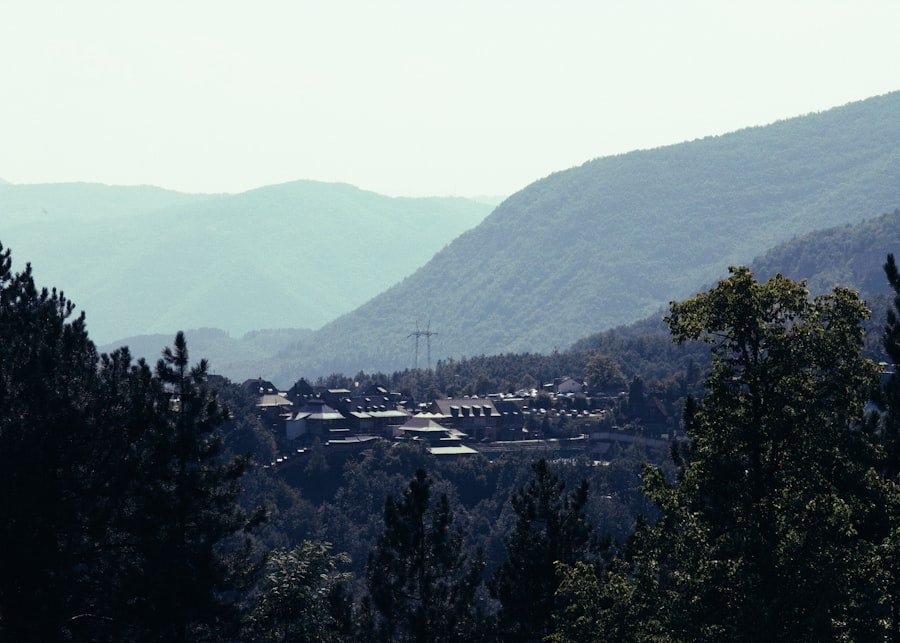
Food in Verzasca Valley reflects the wider culinary traditions of Ticino. Instead of looking for a supposed signature cod dish, try established regional specialties such as polenta, risotto, minestrone, local cheeses, salumi, and meat dishes.
Traditional Ticino grottos commonly serve simple regional foods such as polenta, risotto, minestrone, cheeses, cured meats, and hearty meat dishes.
A traditional grotto is a good place to experience Ticinese food in an informal setting. You can read more about the regional food tradition through the official Ticino Tourism guide to grottos.
For a simpler meal, buy bread, cheese, cured meats, fruit, and other supplies and have a picnic at an appropriate stopping place. Keep food and rubbish away from the river and carry everything out with you.
If you enjoy preparing picnic food before a trip, this existing guide to delicious homemade cottage cheese offers another option for a packed meal.
Safety and practical tips for visiting Verzasca Valley
Verzasca Valley is straightforward to explore with sensible preparation, but its mountain terrain and river require more care than an ordinary city sightseeing trip.
- Check the weather: Mountain weather can change quickly, and rain upstream can affect river conditions even when your immediate location appears calm.
- Check hiking conditions: Look for current route notices, closures, snow, storm damage, and seasonal restrictions before starting longer trails.
- Wear suitable footwear: Smooth granite beside the river can become extremely slippery.
- Carry water and food: Longer hiking sections may have limited services between villages.
- Respect warning signs: Do not enter the river simply because other people are swimming.
- Supervise children closely: Keep young visitors within immediate reach around water, cliffs, bridges, roads, and steep paths.
- Respect wildlife: Observe animals from a distance and do not feed or approach them.
- Leave no trace: Take rubbish with you and avoid damaging vegetation or historic structures.
Visitors with limited mobility should plan individual stops rather than assume the entire valley is accessible. Road-accessible villages and the dam may be easier to visit than hiking routes, which can include uneven stone, steps, steep gradients, or narrow paths.
A simple one-day Verzasca Valley itinerary
If you have one full day, focus on a few major stops instead of trying to cover every trail.
- Start at the Verzasca Dam. Walk across or around the visitor-accessible area and take in the reservoir and valley entrance.
- Continue to Lavertezzo. See Ponte dei Salti and the river, allowing extra time for photography and a short walk.
- Add a hike if conditions are good. The Lavertezzo-Brione route is a practical shorter option for walkers who want more than roadside sightseeing.
- Finish in Sonogno. Explore the village and, when trail and weather conditions allow, walk toward the Froda waterfall.
If you are traveling by public transport, build the day around the current bus timetable and avoid squeezing in a long one-way hike unless you have confirmed your return connection.
Making the most of your visit to Verzasca Valley
Verzasca Valley rewards a slower visit. The main attractions are not only individual landmarks but also the combination of water, granite, forests, traditional buildings, historic paths, and small villages.
For a first visit, concentrate on the Verzasca Dam, Lavertezzo and Ponte dei Salti, one suitable walking route, and Sonogno. Travelers with more time can stay overnight, explore longer sections of the Sentiero Verzasca, visit quieter villages, or add cycling, climbing, and other outdoor activities.
The valley can work as a summer swimming-and-hiking destination, a quieter spring or autumn walking trip, or a winter sightseeing and walking excursion when conditions permit. Whatever the season, checking transport, trail, weather, and river information shortly before your visit will make the trip safer and easier.
Frequently Asked Questions
What is Verzasca Valley?
Verzasca Valley is a mountain valley in the Italian-speaking canton of Ticino in southern Switzerland. It is known for the Verzasca River, historic villages, granite landscapes, Ponte dei Salti, hiking routes, and the Verzasca Dam.
How do I get to Verzasca Valley?
You can drive into the valley or travel by train to the Locarno/Tenero area and continue by PostBus. Public transport serves major valley stops including Lavertezzo and Sonogno. Check the official timetable for your travel date.
What are the main attractions in Verzasca Valley?
Popular attractions include the Verzasca Dam, the Verzasca River, Ponte dei Salti and Lavertezzo, Brione Verzasca, Sonogno, the Froda waterfall, and the Sentiero Verzasca hiking route.
What activities can I do in Verzasca Valley?
Depending on the season and conditions, visitors can hike, photograph the river and villages, cycle, climb or boulder, swim where conditions are safe, and book seasonal bungee jumping at the Verzasca Dam.
What is the best time to visit Verzasca Valley?
Summer is best for warm-weather sightseeing and swimming but is also the busiest period. Spring and autumn are excellent for hiking with fewer crowds. Winter can be beautiful and quieter, but snow, ice, trail conditions, and seasonal business closures require extra planning.
Can you swim in the Verzasca River?
People do swim in natural pools along the river, especially in summer, but the Verzasca can be dangerous. Currents may be unpredictable, water levels can change, the water can be very cold, and the rocks are slippery. Follow all local warnings and stay out if conditions are uncertain.
Can I visit Verzasca Valley without a car?
Yes. PostBus connections serve the valley from the Locarno/Tenero area, and several hiking routes can be combined with bus stops. Summer services can be crowded, so check schedules and allow extra time.
Is Verzasca Valley worth visiting in winter?
Yes, if you are prepared for winter conditions. The valley remains an all-year destination, and winter walking can be possible around the upper valley. Check snow, ice, trail conditions, transport, and seasonal opening information before traveling.
Sources
- Ticino Tourism: Valle Verzasca — official overview of the valley, its landscape, villages, and access.
- Switzerland Tourism: Verzasca Valley — attractions, Sonogno, Ponte dei Salti, all-year visiting information, and river cautions.
- PostBus: Verzasca Valley — public-transport and summer crowd information.
- Ticino Tourism: Safe Waters — official river and swimming safety guidance.
- SwitzerlandMobility: Sentiero Verzasca Route 74 — official hiking-route information.
- Trekking Team: Verzasca Dam Bungee — dam jump height, GoldenEye connection, requirements, and seasonal operation.