Oeschinensee, also known as Oeschinen Lake, sits above Kandersteg in Switzerland’s Bernese Oberland at an elevation of about 1,578 meters. Its blue-green water, steep mountain walls, waterfalls, forests, and high-Alpine setting make it one of the area’s most memorable day-trip destinations. The lake lies within the Swiss Alps Jungfrau-Aletsch UNESCO World Heritage property, a protected Alpine landscape known for its exceptional geological and glacial features.
Quick Answer
Yes, you can get on the water at Oeschinensee, but the standard visitor option is a self-guided rowing boat rather than a scheduled sightseeing cruise. Boats are rented at the lakeshore for CHF 40 per boat per hour, hold up to four people, cannot be reserved, and operate only when weather conditions allow.
Key Takeaways
- Visitors searching for an Oeschinen Lake boat cruise should expect a self-rowed rental boat rather than a guided sightseeing vessel.
- Rowboats cost CHF 40 per boat per hour and carry a maximum of four people.
- Standard rowboats cannot be reserved in advance; they are rented directly from the lakeshore.
- Children under 16 must be accompanied by an adult, and children under 12 must wear a life jacket.
- Boat rental is weather dependent and can close because of strong wind, thunderstorms, fog, or other unsafe conditions.
- Check the official gondola, boat, weather, and hiking status on the day of your visit because mountain conditions can change quickly.
At a Glance
| Rental Period | Charged by the hour |
| Capacity | Maximum 4 people per rowboat |
| Reservation | Not available for standard rowboats; rent directly at the lakeshore |
| Cost | CHF 40 per boat per hour, according to the official operator |
The Beauty of Oeschinen Lake
Oeschinensee’s setting is the main attraction. Mountain slopes rise sharply around the water, while forests, waterfalls, meadows, and rocky peaks frame the lake. The water can appear deep blue or turquoise depending on light and weather, giving the landscape a different character throughout the day.
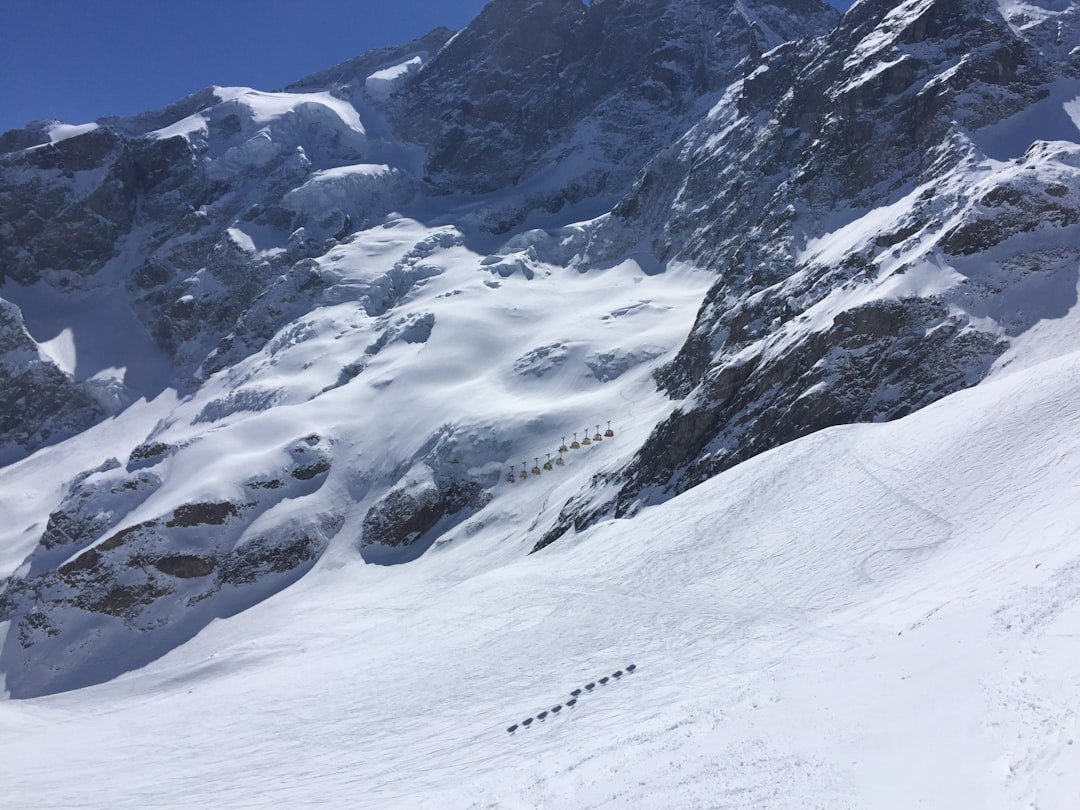
Summer brings green meadows, hiking, rowing, swimming, and picnicking. Cooler months change the atmosphere completely, with snow covering the surrounding mountains and winter activities becoming dependent on snow, ice, avalanche conditions, and official operating status.
Wildlife also forms part of the wider Alpine environment. Visitors should observe animals from a distance, avoid feeding them, keep to marked routes, and follow protected-area signs.
Oeschinensee is not an independently named UNESCO property; it sits within the larger Swiss Alps Jungfrau-Aletsch World Heritage area.
Boat Cruises on Oeschinen Lake
If you search for “boat cruises on Oeschinen Lake,” it is important to understand what is actually available. The regular visitor boating experience is a self-guided rowing-boat rental. The official Oeschinensee operator does not present it as a scheduled sightseeing cruise with a captain, tour guide, onboard refreshments, or a fixed commentary program.
According to the official Oeschinensee rowing-boat information, boats are rented by the hour for CHF 40 per boat. A rowboat can carry a maximum of four people. Standard boats cannot be reserved ahead of time, so visitors rent one directly from the stand at the lakeshore.
Children under 16 must be accompanied by an adult. Children under 12 must wear a life jacket. Waiting times are possible on sunny weekends and during busy holiday periods because the number of boats is limited.
Operating times vary with the season and conditions. As checked on August 17, 2026, the official live information listed rowing boats from 10:00 a.m. to 5:30 p.m. However, the operator can suspend rentals during fog, thunderstorms, foehn winds, or other unsafe weather, so always check the same-day status rather than relying only on published hours.
Warning: Follow the boat operator’s instructions closely. If fog, a foehn storm, or a thunderstorm develops, boats must return to the landing area immediately. Pay attention to the foghorn, keep at least 100 meters away from rock faces because of rockfall risk, and follow life-jacket instructions.
Pro Tip: If a rowboat ride is one of the main reasons for your visit, arrive earlier in the day and check the live operating status before going up the mountain. Boats cannot be reserved, and good weather can bring both higher demand and longer waits.
Exploring the Surrounding Scenic Views
The scenery does not end at the shoreline. Marked walking and mountain-hiking routes provide different perspectives over Oeschinensee and the surrounding peaks. Route status can change because of construction, wet conditions, rockfall hazards, or other mountain conditions, so use the official hiking-status page before starting.
| Route | What to Expect | Approx. Time |
|---|---|---|
| Trail C: Mountain Station to Oeschinensee | Direct approach to the lake on a broad route suitable for strollers when open | About 25 minutes |
| Trail D via Läger | A longer approach with elevated views before reaching the lake area | About 35 minutes |
| Läger–Heuberg–Oberbärgli Mountain Trail | Higher mountain scenery; hiking experience and proper footwear are recommended | About 1 hour 15 minutes |
A leisurely lake visit does not require tackling the higher trails. Walking from the gondola station to the shore and spending time along the accessible lake area still provides close views of the water, waterfalls, forests, and mountain walls.
More experienced hikers can use the mountain trails for higher viewpoints, but those routes should not be treated like ordinary footpaths. Proper hiking shoes, weather awareness, and current trail information are important.
Activities and Attractions at Oeschinen Lake
Rowing is only one way to spend time at Oeschinensee. In suitable summer conditions, visitors also come for hiking, swimming, fishing, picnicking, and the mountain coaster near the gondola station.
Swimming
Swimming is possible in the lake, but this is still a high-elevation mountain lake. The official operator notes that summer water can reach around 20°C, although it is often considerably cooler. Enter cold water gradually, judge conditions conservatively, and keep away from restricted shore areas.
Fishing
Fishing from the shore or a rowboat is permitted with the appropriate Canton of Bern fishing license and subject to cantonal fishing rules. Fishing boats equipped with fish boxes are also available in limited numbers. Anyone planning to fish should check the current licensing and rental details before visiting.
Kayaks, SUPs, and Other Watercraft
Do not assume that kayaks or paddleboards can simply be taken up on the gondola. Official guidance states that the Oeschinensee cable car does not transport water-sports equipment such as SUPs, folding boats, and foil boards. The straightforward visitor option at the lake is the local rowing-boat rental.
Winter Activities
Winter brings skiing, snowboarding, winter hiking, snowshoeing, and other seasonal activities when conditions permit. There is no general sledding trail from Oeschinensee down to Kandersteg; sledding is limited to designated areas such as the Oeschiland beginner zone when open.
Walking onto the frozen lake is also not automatically safe. The official Ice Walk is available only when the lake has been formally opened and conditions are suitable. Visitors must follow barriers, avalanche information, and local instructions.
Dining and Relaxation at Oeschinen Lake
After rowing or hiking, several places around the Oeschinensee area offer food and drinks. Options listed by the official destination include the Oeschinensee Mountain Restaurant near the lakeshore, Chalet Arva, the Bergstübli near the mountain station, and seasonal café-bar and mountain-hut choices.
This is where the original idea of “snacks and beverages during the cruise” needs clarification: a standard rental rowboat does not operate like a staffed sightseeing vessel with onboard food service. Plan to eat or buy refreshments before or after your time on the water.
A lakeside meal can still be one of the most relaxing parts of the visit. Outdoor seating and mountain views make it easy to slow down after hiking or rowing, although opening hours and individual venues can change seasonally. Current options are listed on the official food and drink page.
How to Get to Oeschinen Lake
Most visitors begin in Kandersteg. From the village, the Kandersteg–Oeschinensee gondola provides the easiest ascent toward the lake. After reaching the mountain station, allow roughly 20 to 30 minutes to walk to the lakeshore on the direct marked route when it is open.
Travelers can also hike uphill from Kandersteg. The official valley-to-lake route takes about 90 minutes and involves roughly 450 meters of elevation gain, so it requires more effort and suitable footwear.
2026 Access Note: From June 20 through September 20, 2026, a time-slot reservation is required for applicable ascents on the Kandersteg–Oeschinensee gondola. A transport ticket purchased through another provider may not automatically include that reservation. Check the official ticket rules before traveling.
The latest gondola hours, fares, reservation requirements, and seasonal schedules are available on the official timetable and fares page.
During the summer season, a limited electric taxi operates between the mountain station area and the Oeschinensee Mountain Restaurant by the lake. Capacity is limited and guests with reduced mobility receive priority, so it should not be treated as a guaranteed shuttle for every visitor.
Private cars, e-bikes, and bicycles cannot simply continue to the lakeshore. Plan to leave your vehicle in Kandersteg and complete the final part of the journey using the gondola, walking routes, or available authorized transport.
Tips for Visiting Oeschinen Lake
- Check the live status before leaving: Rowboat service, gondola operation, hiking routes, and mountain activities can change with weather and safety conditions.
- Visit earlier on busy days: Rowboats cannot be reserved and waits can develop during sunny weekends and peak travel periods.
- Book the gondola correctly: During periods when ascent time slots are required, having only a transport ticket may not be enough.
- Wear suitable footwear: Even the easier visit involves walking, and higher mountain trails require proper hiking shoes.
- Bring sun and weather protection: Mountain sun can be strong, while temperature, wind, and rain can change quickly.
- Carry drinking water: Food and drinks are available in the area, but having your own water is useful while hiking.
- Respect restricted areas: Rockfall is a real hazard around parts of the lake. Follow barriers and official signs.
- Keep dogs controlled: Official guidelines require dogs to be leashed in relevant protected, wildlife, and grazing areas.
- Leave drones at home: Drone and model-aircraft flying is prohibited in the Oeschinensee area under local restrictions.
For the latest safety rules, including rockfall restrictions, protected areas, boating guidance, dogs, fires, and winter access, consult the official Oeschinensee outdoor guidelines.
Oeschinensee remains an exceptional place for a quiet day on the water, but the best experience comes from planning for what the lake actually offers. A self-rowed boat gives you time to enjoy the mountain scenery at your own pace, while hiking, swimming, dining, and seasonal activities can round out the day. Check current operating and safety information before setting out, especially when weather or mountain conditions are changing.
If you’re also preparing food or fruit for a lakeside picnic, you can explore this guide to Asian melon for another refreshing picnic idea.
Frequently Asked Questions
Are there guided boat cruises on Oeschinen Lake?
The standard visitor boating experience at Oeschinensee is a self-guided rowing-boat rental rather than a scheduled sightseeing cruise with a captain or tour guide. Boats are rented directly at the lakeshore.
How much does it cost to rent a rowboat at Oeschinensee?
The official operator lists standard rowing boats at CHF 40 per boat per hour. Prices can change, so check the official rowing-boat page before your visit.
Do I need to reserve a boat in advance?
No. Standard rowing boats cannot be reserved. They are rented directly from the lakeshore, and you may have to wait during sunny weekends or other busy periods.
How many people can ride in one Oeschinensee rowboat?
A standard rowing boat can carry a maximum of four people. Children under 16 must be accompanied by an adult, and children under 12 must wear a life jacket.
What happens if the weather changes while I am rowing?
If fog, a foehn storm, or a thunderstorm develops, boats must return to the landing stage immediately. Pay attention to operator instructions and the foghorn. Boat rental may also be suspended completely when conditions are unsafe.
How do I reach Oeschinensee from Kandersteg?
The easiest option is the Kandersteg–Oeschinensee gondola followed by roughly a 20- to 30-minute walk from the mountain station to the lakeshore. You can also hike from Kandersteg, which takes about 90 minutes on the official valley route.
Can visitors swim and fish in Oeschinensee?
Swimming is possible in suitable conditions, although the mountain water can be cold. Fishing from shore or a rowboat is permitted with the appropriate Canton of Bern fishing license and subject to current fishing regulations.
Are food, drinks, or guides provided on the rowboats?
No standard onboard tour-guide or food-and-drink service is listed for the rental rowboats. Restaurants, a café-bar, and other seasonal food options are available around the lakeshore and mountain-station area.
Sources
- Oeschinensee — Rowing Boats — rental price, capacity, age rules, reservation policy, operating conditions, and boating safety.
- Oeschinensee — Timetable and Fares — gondola schedules, 2026 ticketing, and ascent time-slot requirements.
- Oeschinensee — Hiking — official walking routes, estimated times, difficulty, and current route status.
- Oeschinensee — Outdoor Guidelines — rockfall, protected areas, hiking, dogs, fires, drones, and general safety.
- UNESCO World Heritage Centre — Swiss Alps Jungfrau-Aletsch — World Heritage status and the wider Alpine property’s geological and natural significance.