Switzerland in summer pairs green Alpine valleys with swimmable lakes, long daylight hours, mountain railways, historic towns, and a lively festival calendar. June through August is the core summer season, but altitude matters: a sunny lake day can coincide with lingering snow on high trails. The easiest trip combines a few well-chosen regions instead of racing across the country.
Quick Answer
For a summer trip to Switzerland, combine Alpine hiking or biking with lake time, scenic rail journeys, historic towns, local food, and one or two cultural events. June is useful for lower-altitude exploring, while July and August generally offer the broadest access to high trails and the warmest conditions for lakeside days.
Last checked: October 1, 2026. Dates and figures were verified against official sources.
Key Takeaways
- Plan around altitude as much as the month: mountain conditions can be very different from weather beside the lakes.
- The Jungfrau region and Zermatt are strong bases for hiking and mountain biking, while Interlaken is convenient for adventure sports.
- Lake Geneva and Lake Zurich make it easy to mix sightseeing with swimming, boating, and relaxed waterfront time.
- The GoldenPass Express, Glacier Express, and Bernina Express turn travel days into major sightseeing experiences.
- Summer also brings vineyard visits, outdoor dining, Swiss National Day celebrations, and major music and cultural events.
When Is the Best Time to Visit Switzerland in Summer?
June, July, and August all work well for Switzerland in summer, but they suit different plans. June is a good choice for cities, lakes, and lower trails. July and August generally give you broader access to high-altitude hiking, while lake resorts and major sightseeing routes are also at their busiest.
Altitude changes the feel of summer quickly. The Switzerland Tourism summer overview lists monthly maximum temperatures of 22°C, 24°C, and 23°C for Zurich in June, July, and August, compared with 16°C, 19°C, and 18°C for Zermatt. Those figures show why you should pack for both warm lowland afternoons and much cooler mountain conditions.
| Month | Zurich max. | Zermatt max. | Best suited to |
|---|---|---|---|
| June | 22°C | 16°C | Cities, lakes, valleys, and lower mountain trails |
| July | 24°C | 19°C | High-country hiking, lake days, and major festivals |
| August | 23°C | 18°C | Mountain trips, swimming, and Swiss National Day |
Summer weather can still change fast in the Alps. Carry a light waterproof layer, sun protection, supportive walking shoes, and a warmer layer for cable-car viewpoints or high trails.
Exploring the Swiss Alps: Hiking and Mountain Biking
The Swiss Alps are one of the main reasons to visit Switzerland in summer, with choices ranging from gentle valley walks to demanding mountain routes. More than 65,000 kilometres of waymarked hiking trails cover the country, and many resort areas also provide biking networks for riders with different skill levels.
Hiking in the Swiss Alps
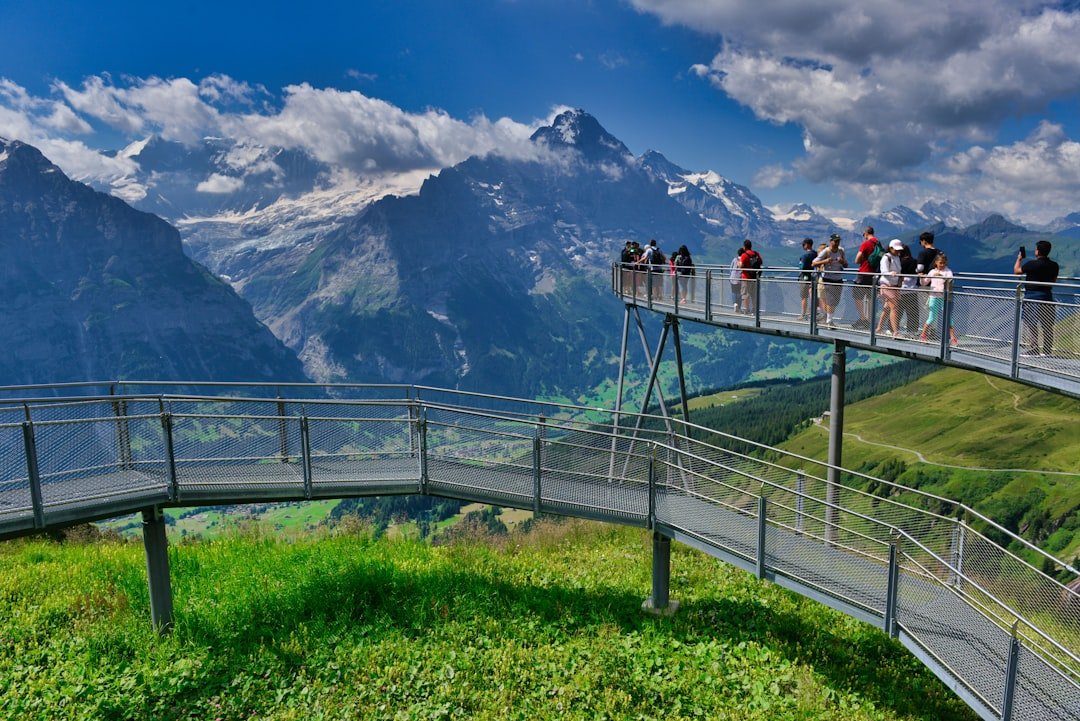
The Jungfrau region is a strong choice if you want dramatic scenery without committing to a multi-day trek. The official Eiger Trail runs 6.1 km from Eigergletscher to Alpiglen and takes about two hours in the downhill direction, with close views of the Eiger North Face.
Elsewhere, you can choose easier valley walks, lake paths, flower-filled meadows, or demanding high routes. Mountain huts and rail or cable-car connections make it possible to build shorter outings around your fitness level rather than treating every Alpine day as a full expedition.
Mountain Biking in the Swiss Alps
Mountain biking adds speed and range to an Alpine day. Around Zermatt, riders can choose routes with Matterhorn views, while other mountain regions offer forest tracks, purpose-built trails, and longer descents that connect villages and lift stations.
Choose a route that matches your braking, cornering, and descending skills. Shared trails may include hikers, livestock, or narrow sections, so control your speed and follow local trail signs.
Summer Conditions in the High Alps
Do not assume every high trail opens as soon as June begins. Snowfields, wet ground, storms, and maintenance can affect routes well into summer, especially at higher elevations.
Check the route status and mountain forecast before setting out. Start early for longer hikes, carry water and layers, and turn around if clouds, wind, or trail conditions deteriorate.
Lakeside Relaxation: Boating and Swimming

Switzerland’s lakes are ideal for slowing down between strenuous mountain days, and many combine sightseeing with swimming or boat travel. Lake Geneva links Geneva, Lausanne, Vevey, and Montreux, while Lake Zurich gives you public bathing areas and waterfront recreation within easy reach of the city.
On Lake Geneva, you can take a scheduled boat, rent a small craft where available, or simply walk the waterfront. Geneva’s Jet d’Eau is a familiar landmark, and Montreux gives you a promenade backed by vineyards and mountains.
Swimming is especially appealing during warm spells, but water temperature varies by lake, depth, weather, and location. Use designated bathing areas where possible, pay attention to local rules, and avoid mixing a long mountain day with an ambitious open-water swim if you are already tired.
Scenic Train Rides Through the Swiss Countryside
Scenic trains turn a transfer day into part of the sightseeing, so they are especially useful on a Switzerland in summer itinerary with several regions. The GoldenPass Express, Bernina Express, and Glacier Express cover very different landscapes and can each anchor a full or partial travel day.
| Train Route | Duration | Highlights |
|---|---|---|
| GoldenPass Express | 3 hours 15 minutes | Lake Geneva, Gstaad, Bernese Alps |
| Bernina Express | About 4 hours (Chur–Tirano) | Landwasser Viaduct, Bernina Pass, UNESCO railway landscape |
| Glacier Express | About 8 hours | Matterhorn region, Rhine Gorge, Oberalp Pass |
The GoldenPass Express runs directly between Montreux and Interlaken Ost in 3 hours 15 minutes, passing through the Pays-d’Enhaut and Gstaad. It is a practical way to connect Lake Geneva with the Bernese Oberland without treating the transfer as lost time.
The Glacier Express links Zermatt and St. Moritz in about eight hours. The operator describes a route over 291 bridges and through 91 tunnels, with the Rhine Gorge and Oberalp Pass among the major sights.
The Bernina Express travels from Chur toward Tirano in Italy via the Rhaetian Railway’s UNESCO-listed Albula and Bernina lines. The route crosses 196 bridges and 55 tunnels, including the Landwasser Viaduct, before climbing toward the Bernina Pass and descending toward Italy.
Panoramic services can have reservation rules or supplements that differ from ordinary regional trains. Build the journey into your itinerary first, then choose the ticket or rail pass that fits the rest of your route.
Sampling Swiss Cuisine and Local Delicacies
Summer is a good time to combine classic Swiss comfort food with lighter seasonal produce, especially when you eat regionally instead of repeating the same dishes in every stop. Fondue remains available in many mountain and tourist areas, while rösti works well as a hearty meal after hiking.
Farmers’ markets and regional shops bring more fresh fruit and vegetables into the mix. The original guide’s examples include cherries from Zug and sweet strawberries from Vaud, alongside salads, cheeses, breads, and other local products.
Wine can also be part of the meal in regions such as Vaud, Valais, Geneva, and Ticino. Instead of trying to sample every specialty, choose food from the area you are visiting; regional differences are part of the appeal of Swiss cuisine.
Visiting Historic Swiss Villages and Towns

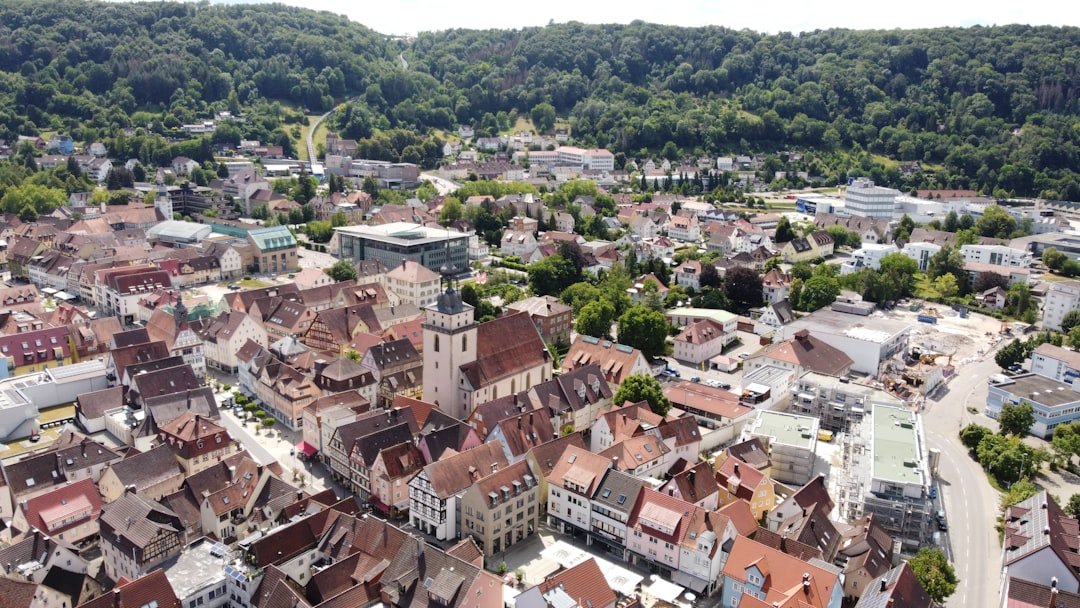
Historic towns give you a useful break from mountain activities and add architecture, museums, markets, waterfront walks, and cafés to the trip. Lucerne is especially easy to combine with lake travel and nearby mountain excursions, while Alpine villages such as Grindelwald keep you close to hiking and rail connections.
Lucerne’s Chapel Bridge dates to the 14th century, while the adjoining Water Tower is older, dating to around 1290–1300. Walking through the old town also puts you close to the lakefront, painted façades, churches, shops, and restaurants.
Grindelwald offers a different experience. The village sits beneath the Eiger and works as a base for mountain railways, hiking routes, and day trips across the Jungfrau region. Traditional chalets and summer flower boxes keep the village atmosphere visible even when the resort is busy.
Adventure Sports: Paragliding, Canyoning, and Rock Climbing
Switzerland’s mountain terrain supports paragliding, canyoning, climbing, and other guided adventure sports for travelers who want more than hiking. Interlaken is a major base for tandem paragliding, while Ticino is known for steep, water-cut gorges used for canyoning. The right activity depends on your comfort with heights, water, and technical terrain.
Paragliding provides a wide view over valleys and lakes without requiring previous flying experience when booked as a tandem flight with a qualified operator. Canyoning is more physical: routes can involve rappelling, scrambling, sliding, swimming, and jumping, depending on the canyon and water conditions.
Rock climbing ranges from beginner crags to serious multi-pitch routes. For any activity that involves heights, fast water, or technical equipment, use an appropriate guide or operator, follow the safety briefing, and do not treat a change in mountain weather as a minor inconvenience.
Wildlife Watching in the Swiss National Park
The Swiss National Park in Graubünden is one of the country’s strongest places for seeing Alpine wildlife in a protected setting, particularly if you are willing to walk quietly and start early. Ibex, chamois, red deer, marmots, and golden eagles are among the species visitors may encounter, although sightings are never guaranteed.
The Swiss National Park’s summer guidance says July and August are ideal months because all trails are normally accessible. It also notes that red deer, chamois, and ibex move into higher, cooler areas in summer and are more active early or late in the day.
Stay on marked paths and observe animals without approaching or feeding them. Binoculars can help you watch quietly from a distance, especially where animals are high on slopes or across a valley.
Relaxing in Swiss Spa Towns and Thermal Baths
Thermal-bath towns such as Baden and Leukerbad provide a slower alternative to hiking, sightseeing, and long rail days. Both have long bathing traditions, while Leukerbad combines warm-water pools with dramatic mountain scenery. A half-day or full spa day can also create useful recovery time in an active itinerary.
Depending on the facility, you may find indoor and outdoor thermal pools, saunas, relaxation areas, massages, beauty treatments, or fitness options.
Treat the experience as wellness and relaxation rather than a substitute for medical care. If you have a condition affected by heat or prolonged bathing, follow professional medical advice before using hot pools or saunas.
Exploring Swiss Vineyards and Wine Tasting
Swiss wine regions add a quieter, food-focused side to Switzerland in summer, especially if you want a break from mountain transport and adventure sports. Lavaux, on the northern shore of Lake Geneva, combines vineyard walks, villages, lake views, and tasting opportunities within easy reach of Lausanne and Montreux.
The UNESCO-listed Lavaux Vineyard Terraces stretch for about 30 km from the Château de Chillon area toward the eastern outskirts of Lausanne. The present vineyard terraces can be traced to the 11th century, giving the landscape both agricultural and historical significance.
Chasselas is closely associated with this part of French-speaking Switzerland. Tastings are most useful when you can compare a few local wines with regional cheese or charcuterie and learn how slope, sun exposure, and village traditions shape the style.
Festivals and Events in Switzerland During the Summer Months
Summer brings major music events, film gatherings, city festivals, and local celebrations, so dates can influence where you stay and how early you book. Exact schedules change from year to year; the most useful approach is to anchor your plans to events whose next dates have already been officially announced.
The Montreux Jazz Festival has already announced its 61st edition for July 2–17, 2027. The festival mixes ticketed headline concerts with free stages and activities around Montreux, making the lakefront especially lively during the event.
Swiss National Day is August 1 each year, with community celebrations across the country. Zurich’s Street Parade is another major August event, while the Locarno Film Festival belongs on a summer itinerary for travelers interested in cinema.
These dates can make accommodation and transport busier around the host city, so treat a festival as part of the itinerary rather than something to add at the last minute.
If food discovery is part of your travel planning, you may also enjoy exploring the delightful world of Asian melon. It is a separate food-focused read rather than a Switzerland travel resource, but the original internal link has been retained.
Frequently Asked Questions
What is the best time to visit Switzerland in summer?
June through August is the main summer travel period. Choose June for cities, lakes, and lower trails, or July and August if high-altitude hiking is a priority because more mountain routes are usually accessible by then.
What are the must-visit destinations in Switzerland during summer?
Strong summer choices include the Jungfrau region, Zermatt and the Matterhorn, Lake Geneva, Interlaken, Lucerne, and the Swiss National Park. The best combination depends on whether you want hiking, lake time, city culture, scenic rail travel, or adventure sports.
What are the most popular outdoor activities in Switzerland during summer?
Popular summer activities include hiking, mountain biking, swimming, boating, paragliding, canyoning, climbing, and wildlife watching. Scenic train rides are a good lower-effort option when you want mountain views without another demanding outdoor day.
What is the weather like in Switzerland during summer?
Summer is generally warm in the lowlands and cooler at altitude. Switzerland Tourism lists June, July, and August maximum temperatures of 22°C, 24°C, and 23°C for Zurich, while Zermatt is listed at 16°C, 19°C, and 18°C, so layers remain useful in the mountains.
What cultural events and festivals take place in Switzerland in summer?
Major summer events include the Montreux Jazz Festival, the Locarno Film Festival, Zurich’s Street Parade, and Swiss National Day on August 1. For future planning, Montreux has announced July 2–17, 2027; Street Parade and the Locarno Film Festival are major August events.
What are the best transportation options for getting around Switzerland in summer?
Trains, buses, boats, mountain railways, and cable cars cover most visitor routes efficiently. Scenic trains can replace ordinary transfer days, but panoramic services may have separate reservation requirements, so plan those journeys before finalizing your ticket or rail-pass choice.
Is there snow in Switzerland during summer?
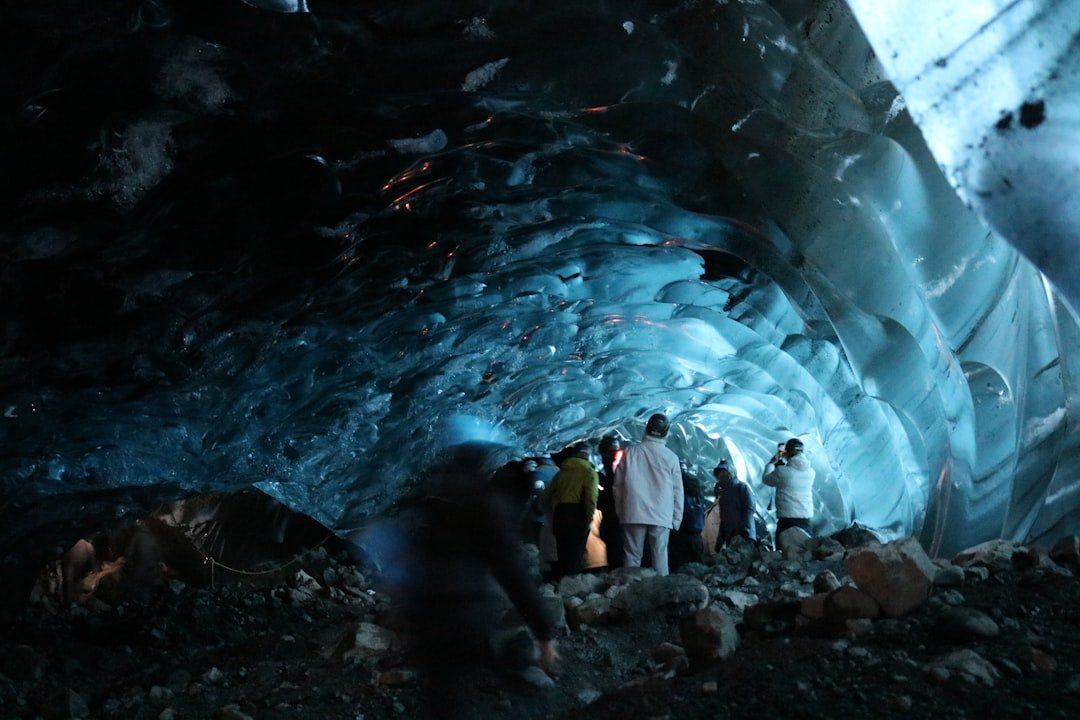
Yes, snow can remain on glaciers, high peaks, and some high-altitude trails even during summer. Valleys and most cities are normally snow-free, but early-season hikers should not assume a mountain route is clear just because conditions are warm at lower elevations.
What should I pack for Switzerland in summer?
Pack light layers, a waterproof outer layer, sun protection, supportive walking shoes, and a warmer top for high-altitude trips. Add swimwear for lake days and choose more technical footwear or equipment only if your planned hikes or adventure activities require it.
Sources
- Switzerland Tourism: summer activities, hiking network, and representative Zurich and Zermatt temperature figures.
- Jungfrau Railways: Eiger Trail distance, direction, and hiking time.
- GoldenPass Express: Montreux–Interlaken route and 3-hour-15-minute journey time.
- Glacier Express: Zermatt–St. Moritz route and approximate travel time.
- Rhaetian Railway: Bernina Express route, UNESCO status, bridges, tunnels, and travel time.
- Swiss National Park: summer trail access and wildlife behavior.
- UNESCO World Heritage Centre: Lavaux Vineyard Terraces extent and history.
- Montreux Jazz Festival: announced 2027 festival dates.