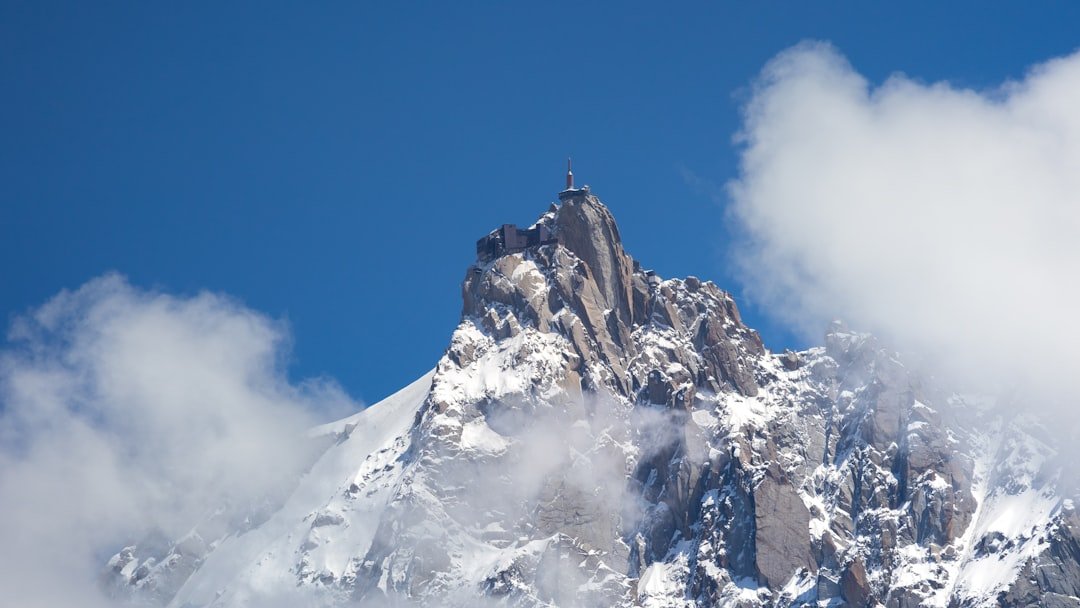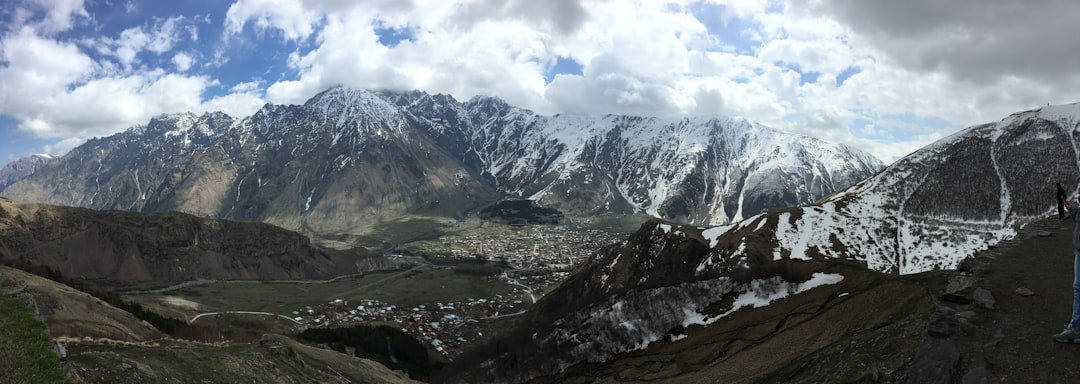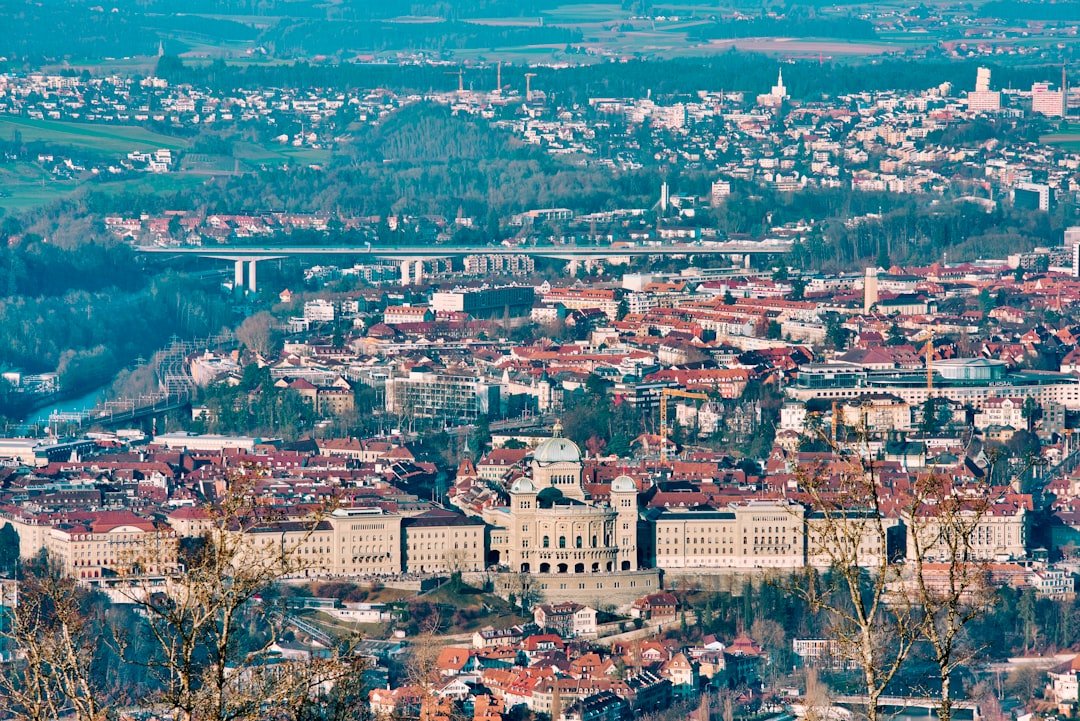
These sites are spread across several language regions, so they can also shape a rewarding cross-country itinerary. Some are easy city stops, while others are protected landscapes best experienced by train, on foot, or through museums and visitor centers.
Quick Answer
Switzerland has 13 UNESCO World Heritage properties: nine cultural and four natural. They range from Bern’s medieval old town and Lavaux’s vineyard terraces to the Swiss Alps Jungfrau-Aletsch and Sardona geology. Several are transnational properties shared with other countries, so the Swiss list includes both single places and multi-site ensembles.
Last checked: October 1, 2026. Dates and figures were verified against official sources.
Key Takeaways
- The Swiss Federal Office of Culture lists 13 World Heritage properties: nine cultural and four natural.
- The first Swiss inscriptions came in 1983: the Old City of Berne, Abbey of St Gall, and Benedictine Convent of St John at Müstair.
- The newest Swiss components joined the transnational Ancient and Primeval Beech Forests property in 2021.
- Several properties cross national borders, including Monte San Giorgio, the Rhaetian Railway, the pile dwellings, Le Corbusier works, and the beech forests.
- The UNESCO label applies to the protected property, not necessarily to every nearby attraction, museum, train, or viewpoint.
All 13 UNESCO Sites in Switzerland at a Glance
Switzerland’s World Heritage list includes nine cultural properties and four natural properties. The table below gives the complete current list, the inscription year, and the Swiss area most travelers use as a base.
| World Heritage property | Type | Inscription | Swiss area or component |
|---|---|---|---|
| Old City of Berne | Cultural | 1983 | Bern |
| Abbey of St Gall | Cultural | 1983 | St. Gallen |
| Benedictine Convent of St John at Müstair | Cultural | 1983 | Müstair, Graubünden |
| Three Castles, Defensive Wall and Ramparts of the Market-Town of Bellinzona | Cultural | 2000 | Bellinzona, Ticino |
| Swiss Alps Jungfrau-Aletsch | Natural | 2001; extended 2007 | Bernese Alps and Valais |
| Monte San Giorgio | Natural, transnational | 2003; extended 2010 | Ticino and Italy |
| Lavaux, Vineyard Terraces | Cultural | 2007 | Lake Geneva, Vaud |
| Swiss Tectonic Arena Sardona | Natural | 2008 | Glarus, St. Gallen, Graubünden |
| Rhaetian Railway in the Albula / Bernina Landscapes | Cultural, transnational | 2008 | Graubünden and Italy |
| La Chaux-de-Fonds / Le Locle, Watchmaking Town Planning | Cultural | 2009 | Canton of Neuchâtel |
| Prehistoric Pile Dwellings around the Alps | Cultural, transnational serial | 2011 | 56 Swiss component sites |
| The Architectural Work of Le Corbusier | Cultural, transnational serial | 2016 | Villa “Le Lac” in Corseaux and Immeuble Clarté in Geneva |
| Ancient and Primeval Beech Forests of the Carpathians and Other Regions of Europe | Natural, transnational serial | 2021 for the Swiss components | Bettlachstock and the Lodano, Busai and Soladino forest reserves |
The Old City of Bern
Bern’s historic center is one of the easiest UNESCO sites in Switzerland to experience on foot. UNESCO inscribed the Old City of Berne in 1983 for its coherent medieval urban plan, arcades, fountains, and historic buildings set on a hill encircled by the Aare River.
Historic Landmarks and Traditions
The Zytglogge clock tower is one of Bern’s best-known landmarks. Its astronomical clock and moving figures draw visitors each hour, while the surrounding streets preserve the dense urban pattern that developed from the 12th century onward.
A Step Back in Time
Walking through the Old City feels like stepping into a layered medieval town rather than an open-air museum. Long arcades shelter shops, cafés, and galleries, while 16th-century fountains and later sandstone façades show how Bern changed without losing its basic street plan.
Natural Beauty and Civic Architecture
The Federal Palace anchors the modern political life of the city, while the Aare River frames the historic core on three sides. You can explore the streets and public viewpoints year-round without a UNESCO admission fee; tower tours and museum interiors are separate paid attractions.
The Lavaux Vineyard Terraces
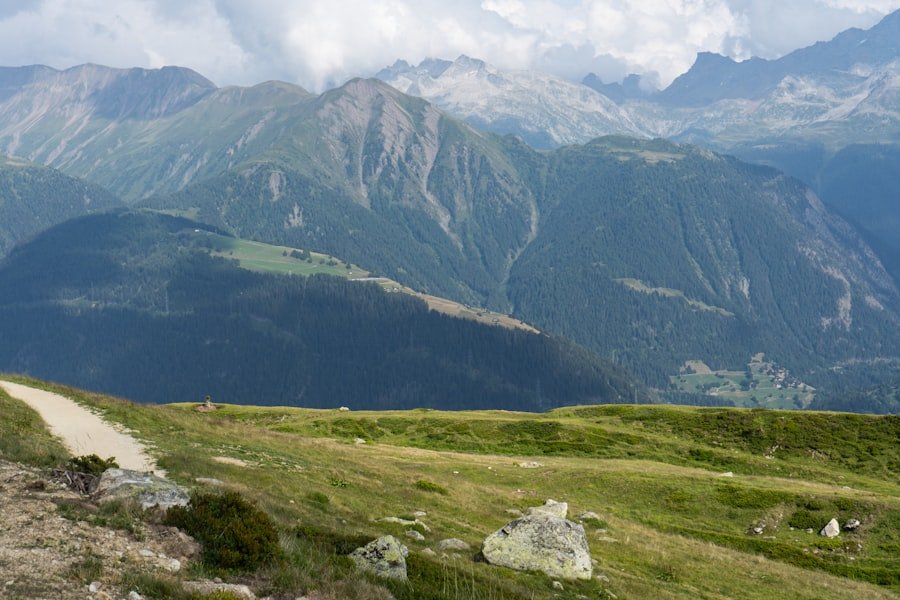
The Lavaux Vineyard Terraces are a living cultural landscape on the north shore of Lake Geneva. UNESCO’s Lavaux listing describes about 30 kilometers of terraced vineyard landscape between the Château de Chillon area and the eastern outskirts of Lausanne, with today’s terrace system traceable to the 11th century.
Stone walls, steep slopes, villages, and winegrowing form one connected landscape. Chasselas is strongly associated with the region, and walking routes between places such as Lutry, Cully, Epesses, Rivaz, and Saint-Saphorin let you see the terraces at close range while trains provide practical access along the lakeshore.
The original article referred to an annual “Fête des Vins,” but the major Fête des Vignerons is held about once per generation in Vevey. Lavaux does, however, have recurring wine and harvest events during the year, including local harvest festivals and open-cellar events.
The Abbey of St Gall
The Abbey of St Gall combines architecture, manuscripts, and more than a millennium of intellectual history in the center of St. Gallen. The UNESCO property includes the former monastic complex, cathedral, archives, and Abbey Library, whose Baroque Hall is the most familiar visitor highlight.
The library’s collections are more substantial than the original article stated. The official Abbey Library says it holds roughly 170,000 books and other media, while its manuscript collection numbers more than 2,100. Among its most famous treasures is the early medieval Plan of St Gall.
The site is especially useful for travelers interested in medieval scholarship, book history, and Baroque interiors. Public squares around the abbey can be seen freely, while exhibition spaces and the historic library interior require admission.
The Swiss Tectonic Arena Sardona
| Aspect | Details |
|---|---|
| Location | Eastern Switzerland |
| UNESCO World Heritage Site | Yes |
| Area | 32,850 hectares |
| Features | Glaciers, waterfalls, rock formations |
| Significance | Exemplifies tectonic processes |
The Swiss Tectonic Arena Sardona is one of the clearest places in the Alps to understand mountain building. The 32,850-hectare UNESCO property spans parts of Glarus, St. Gallen, and Graubünden and includes seven peaks above 3,000 meters.
Its best-known feature is the Glarus Overthrust, where older, deeper rock was pushed over younger rock during the collision that formed the Alps. That reversal is visible in the landscape and helped scientists develop modern ideas about tectonics.
Sardona is not a single gated attraction. Most visits involve hiking, viewpoints, geologic interpretation, or visitor centers, so access depends on the route, snow, and mountain conditions. The protected landscape itself has no general UNESCO admission fee.
Swiss Alps Jungfrau-Aletsch
Swiss Alps Jungfrau-Aletsch is the official name of the natural World Heritage property that the original article called Jungfrau-Aletsch-Bietschhorn. First inscribed in 2001 and extended in 2007, it now covers 82,400 hectares of high-Alpine terrain, including the most heavily glaciated part of the Alps.
The Great Aletsch Glacier is the best-known feature and is about 23 kilometers long in widely used Swiss official tourism and government references. The region also includes major peaks, valleys, glacial landforms, forests, and habitats that show both Alpine geology and the visible effects of glacier retreat.
You do not need to enter at one specific gate. Common ways to experience the property include viewpoints around the Aletsch Arena and excursions toward Jungfraujoch, while serious hikes require appropriate conditions and preparation. Mountain railways, cable cars, and visitor attractions charge their own fares.
The Rhaetian Railway in the Albula / Bernina Landscapes
The Rhaetian Railway World Heritage property protects two historic Alpine railway lines and the landscapes engineered around them. The Albula line is 67 kilometers long, with 42 tunnels or covered galleries and 144 viaducts or bridges; the Bernina line is 61 kilometers long, with 13 tunnels or galleries and 52 viaducts or bridges.
The Landwasser Viaduct is the visual symbol of the route. The original article described it as 142 meters above the river, but the Rhaetian Railway gives its dimensions as about 141.7 meters long and 65 meters high.
For travelers, the unusual advantage is that the heritage experience is also functioning public transport. You can ride the route rather than only view it from outside, while hiking paths and viewpoints around places such as Filisur provide another perspective on the railway engineering.
The Prehistoric Pile Dwellings around the Alps
The Prehistoric Pile Dwellings around the Alps are not one reconstructed lakeside village. They are a transnational serial property of 111 archaeological component sites in six countries, with 56 components in Switzerland, dating from roughly 5000 to 500 B.C.
These settlements preserve evidence of Neolithic and Bronze Age life around lakes, rivers, and wetlands. Waterlogged conditions helped protect timber, plant remains, tools, and other material that gives archaeologists unusually detailed information about farming, construction, food, transport, and settlement patterns.
Many remains are underwater or below wet ground, so they are not always directly visible to casual visitors. Museums, archaeological parks, reconstructions, and interpretation centers are often the best way to understand what was found and why the sites matter.
La Chaux-de-Fonds / Le Locle, Watchmaking Town Planning
La Chaux-de-Fonds and Le Locle are World Heritage towns because their urban form grew around watchmaking. Planned and rebuilt in the early 19th century after major fires, their parallel street patterns mix homes, workshops, and later factories in a way that reflects the needs of a specialized industry.
The designation is about more than individual watch factories. It recognizes an urban system in which daylight, circulation, housing, and production developed together, while the watchmaking tradition itself continued through major economic and technological changes.
You can explore the street pattern on foot throughout the year without a UNESCO entry ticket. Museums and guided experiences are separate attractions, but even a self-guided walk makes the relationship between workshops, housing, and the regular grid easier to see.
Monte San Giorgio
Monte San Giorgio, beside Lake Lugano, is one of the world’s most important Triassic fossil sites. The Swiss side was inscribed in 2003 and the property was extended into Italy in 2010, creating a transnational natural World Heritage site centered on exceptionally rich fossil-bearing rock layers.
The fossils record life in a tropical lagoon about 245 to 230 million years ago. Finds include marine reptiles, fish, ammonites, bivalves, crustaceans, and land organisms washed into the lagoon, giving researchers a detailed picture of both marine and nearby terrestrial ecosystems.
Most fossils are not visible in place on an ordinary hike. Museums and visitor facilities explain the discoveries, while trails provide the landscape context and views over the Lake Lugano region.
The Benedictine Convent of St John at Müstair
The Benedictine Convent of St John at Müstair is a major Carolingian heritage site in the far southeast of Switzerland. Founded around 775, probably on the orders of Charlemagne, it preserves Switzerland’s most important group of figurative wall paintings from around A.D. 800, together with later Romanesque frescoes and stucco.
Unlike a ruined monastery, Müstair remains a living religious community. That continuity is part of its importance, so visitors encounter both a protected historic complex and an active convent.
The church, museum, and guided tours provide the clearest visitor access to the art and archaeology. Because worship and community life continue on site, private areas are not part of ordinary tourist access.
The Three Castles of Bellinzona
Bellinzona’s World Heritage property protects a late-medieval defensive system that controlled routes through the Ticino valley. It centers on Castelgrande, Montebello, and Sasso Corbaro, together with surviving walls and ramparts that show how the town and Alpine passage were defended.
The three castles are close enough to make a focused half-day or full-day visit realistic. Castelgrande rises directly above the old town, while Montebello and Sasso Corbaro sit higher on the slope and provide broader views across Bellinzona and the valley.
Walking around the town and seeing the fortifications from outside does not require a UNESCO fee. Museum rooms, exhibitions, towers, and combined castle passes are ticketed separately and can have seasonal opening periods.
The Architectural Work of Le Corbusier in Switzerland
The Architectural Work of Le Corbusier is a transnational serial property of 17 buildings in seven countries. Switzerland contributes two components: the Petite villa au bord du lac Léman, better known as Villa “Le Lac” at Corseaux, and Immeuble Clarté in Geneva.
The property was inscribed in 2016 for the way Le Corbusier’s work helped define a new architectural language for the Modern Movement. The Swiss components show two very different scales: a compact lakeside house and a larger urban apartment building.
The UNESCO component map confirms both Swiss locations. Access is not identical: Villa “Le Lac” operates as a visitor site with scheduled opening periods, while Immeuble Clarté is an occupied residential building and should be viewed with appropriate respect for residents.
The Ancient and Primeval Beech Forests in Switzerland
Switzerland joined the transnational Ancient and Primeval Beech Forests World Heritage property in 2021 with two component areas. They are the Forêt de la Bettlachstock in the Jura and the Valli di Lodano, Busai and Soladino Forest Reserves in Ticino.
These forests help document the spread and ecological success of European beech after the last Ice Age. The Swiss components also show how old forest structures, deadwood, natural regeneration, and limited human disturbance support a wide range of habitats.
They are protected natural areas rather than conventional attractions. A visit should focus on marked routes and low-impact hiking; there is no single UNESCO ticket gate, and conditions can vary with terrain and weather.
How to Visit Switzerland’s UNESCO Treasures
The most efficient way to see several properties is to group them by region instead of trying to check off all 13 in one rushed trip. Bern and Lavaux fit naturally into a western Switzerland route, St. Gallen and Sardona suit the east, Bellinzona and Monte San Giorgio pair well in Ticino, and Müstair plus the Rhaetian Railway work well in Graubünden.
- Use rail for city and railway sites: Bern, St. Gallen, Bellinzona, La Chaux-de-Fonds, Le Locle, and the Rhaetian Railway are straightforward to reach by public transport.
- Allow weather flexibility for mountain sites: Sardona and Jungfrau-Aletsch can be affected by snow, storms, trail conditions, and seasonal lift operations.
- Expect museums to explain invisible archaeology: this is especially useful for the pile dwellings and Monte San Giorgio, where much of the important evidence is not simply visible beside a trail.
- Respect living and residential heritage: Müstair remains an active convent, and Immeuble Clarté is a residential building.
- Separate the UNESCO property from paid attractions: many historic streets, landscapes, and trails are free to enter, while trains, cable cars, museums, guided tours, and interior spaces charge separately.
Pro Tip: If this is your first heritage-focused trip, choose two or three regions and spend more time at each site. The strongest experiences often come from combining the protected place with its museum, visitor center, walking route, or local train journey.
Frequently Asked Questions
What are UNESCO sites in Switzerland?
UNESCO sites in Switzerland are cultural or natural properties recognized by the World Heritage Committee for outstanding universal value. They include historic cities, monasteries, industrial landscapes, archaeological sites, geological formations, forests, vineyards, railways, and high-Alpine environments.
How many UNESCO World Heritage Sites are in Switzerland?
Switzerland has 13 UNESCO World Heritage properties as of October 1, 2026. Nine are classified as cultural properties and four as natural properties, although several are transnational or serial sites shared with other countries.
Which Swiss UNESCO sites were inscribed first?
Three Swiss properties were inscribed in 1983: the Old City of Berne, the Abbey of St Gall, and the Benedictine Convent of St John at Müstair. They remain three of the clearest examples of Switzerland’s medieval urban, monastic, artistic, and intellectual heritage.
Which UNESCO sites in Switzerland are natural?
Switzerland has four natural World Heritage properties: Swiss Alps Jungfrau-Aletsch, Monte San Giorgio, Swiss Tectonic Arena Sardona, and Ancient and Primeval Beech Forests of the Carpathians and Other Regions of Europe. The last two Swiss beech-forest components joined the wider transnational property in 2021.
Are UNESCO sites in Switzerland free to visit?
Many outdoor landscapes, public streets, and viewpoints can be experienced without a UNESCO admission fee. Museums, guided tours, mountain railways, cable cars, castle interiors, and special exhibitions may charge separately, so the cost depends on how you choose to experience each property.
What is the newest Swiss addition to the UNESCO World Heritage List?
The newest Swiss components were added in 2021 to the transnational Ancient and Primeval Beech Forests property. They are the Forêt de la Bettlachstock and the Valli di Lodano, Busai and Soladino Forest Reserves.
Can you visit several Swiss UNESCO sites in one trip?
Yes, Switzerland’s rail network makes several city and landscape sites practical to combine, but the complete list is spread across the country and includes remote mountain areas. Grouping sites by region usually works better than trying to rush through all 13 in one short itinerary.
Conclusion: How to Visit Switzerland’s UNESCO Treasures
Switzerland’s 13 World Heritage properties make a strong framework for exploring the country beyond famous scenery alone. Start with the places that fit your route, then add the museum, trail, train journey, or guided visit that explains why each property earned World Heritage status.
For more travel and lifestyle content from this site, see this TaglineToday article.
Sources
- Swiss Federal Office of Culture: UNESCO World Heritage: current Swiss count and cultural/natural breakdown.
- UNESCO World Heritage Centre: Old City of Berne: Bern’s inscription and defining urban features.
- UNESCO World Heritage Centre: Lavaux, Vineyard Terraces: extent, history, and cultural-landscape significance.
- Lavaux UNESCO: Vine and Wine in Lavaux: Fête des Vignerons frequency and regional wine traditions.
- Abbey Library of St Gall: current library holdings.
- UNESCO World Heritage Centre: Swiss Tectonic Arena Sardona: area, geology, and mountain-building significance.
- Rhaetian Railway: Landwasser Viaduct: official viaduct dimensions.
- UNESCO World Heritage Centre: Prehistoric Pile Dwellings around the Alps: number, dating, and Swiss components.
- UNESCO World Heritage Centre: The Architectural Work of Le Corbusier: transnational property and Swiss components.