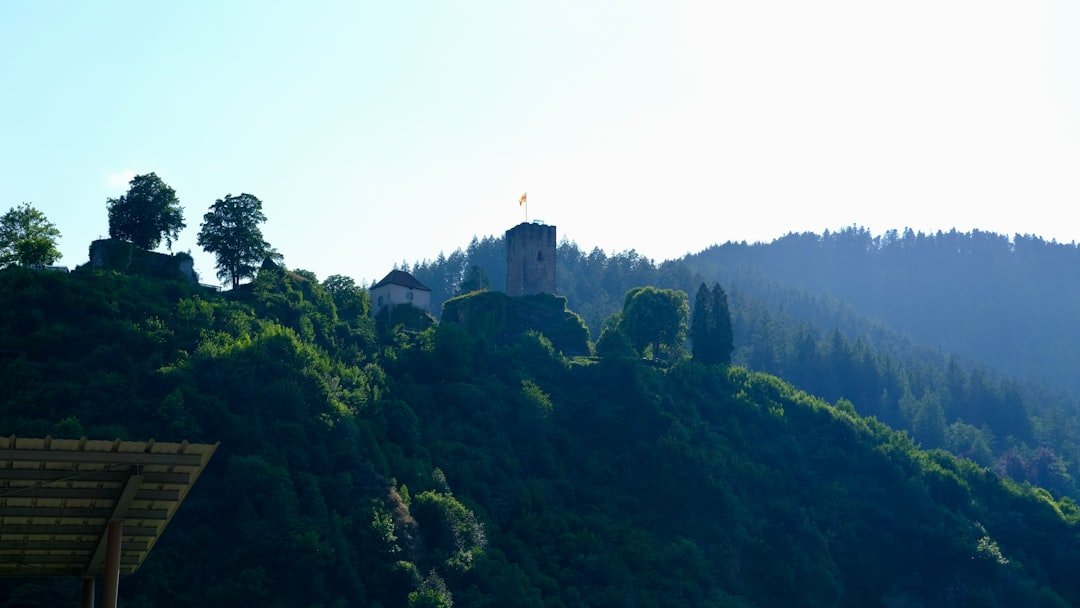
Bellinzona’s three castles form the heart of one of Switzerland’s most important medieval fortified landscapes. Castel Grande, Montebello, and Sasso Corbaro rise above the capital of Ticino, but the UNESCO World Heritage property also includes the town walls and the Murata defensive barrier that once helped control movement through the Ticino Valley. A visit combines medieval architecture, museums, viewpoints, and an easy-to-customize route through Bellinzona’s historic centre.
Quick Answer
The Bellinzona Castles are a UNESCO-listed fortress complex made up of Castel Grande, Montebello, Sasso Corbaro, defensive walls, and the Murata. From March 28 to November 8, 2026, all three castles are open from 10:00 to 18:00. The adult Fortezza Pass costs CHF 28 and covers all three castles.
Key Takeaways
- The official UNESCO property includes three castles plus the defensive walls and Murata, not just the castles themselves.
- For the 2026 main season, all three castles are open from 10:00 to 18:00, with last entry at 17:30.
- Individual adult admission is CHF 15 for Castel Grande, CHF 10 for Montebello, and CHF 15 for Sasso Corbaro; the adult Fortezza Pass is CHF 28.
- Castel Grande is the easiest castle to reach from central Bellinzona, including by lift, while Montebello and Sasso Corbaro require progressively more uphill walking unless you use public transport.
- The three castles offer different experiences, including historical and archaeological collections, towers, courtyards, viewpoints, and temporary exhibitions.
History of the Bellinzona Castles
The history of Bellinzona’s fortress begins long before the late Middle Ages. Archaeological evidence shows that the hill occupied by Castel Grande has been used by people for thousands of years. The official fortress history identifies Neolithic settlement, Roman activity, fortifications from the fourth century CE, and later Lombard, Frankish, and medieval occupation.
The structures visible today, however, largely reflect the late-medieval development of the fortress between the 13th and 15th centuries. Bellinzona mattered because the Ticino Valley provided access between northern Italy and important Alpine routes leading north. The fortified complex helped control that strategic corridor.
Fortezza Bellinzona explains that Castel Grande’s present fortified complex grew through several phases rather than being created as a single project around 1230. Milanese power, including the Visconti and later Sforza periods, had a major influence on the defenses.
Montebello also has earlier origins than a simple 15th-century date suggests. Its oldest section dates to the 13th or 14th century and is associated with the Rusca family of Como. The outer courtyards, towers, and triangular defensive system developed later, while extensive Sforza work in the second half of the 15th century helped give the castle its current appearance.
Sasso Corbaro is the easiest of the three to date precisely. Construction of the present castle began in 1479 during the Milanese period. It was built rapidly as military pressure from the Swiss Confederates increased. The architect Benedetto Ferrini began the work, and ducal engineer Gabriele Ghiringhelli completed it after Ferrini died.
Bellinzona came under Confederate sovereignty in 1500. The castles later received new names under Swiss administration, and after the creation of the Canton of Ticino they continued to change function before eventually becoming protected cultural monuments and visitor attractions.
UNESCO recognizes Bellinzona for the exceptional survival of a late-medieval defensive system combining several castles, walls, ramparts, and a barrier across the Ticino Valley.
The Three Castles of Bellinzona
Castel Grande
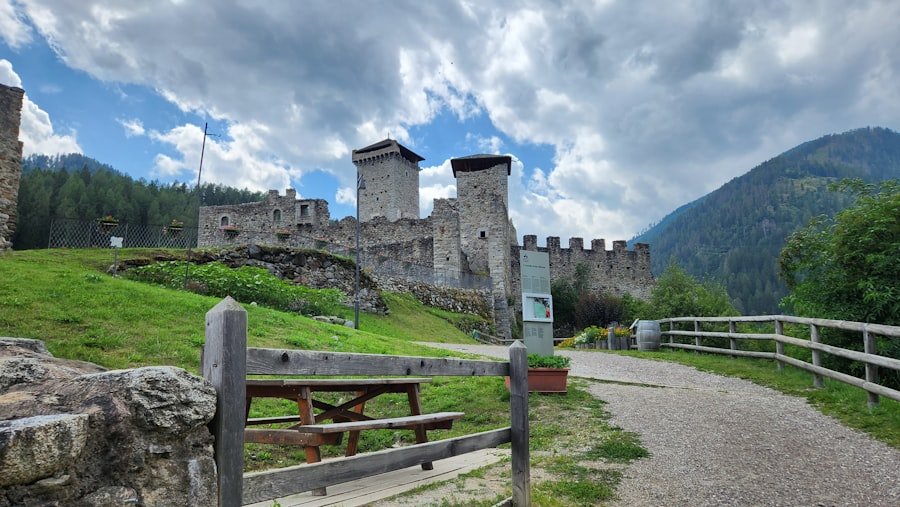
Castel Grande is the largest and most accessible of the three castles. It stands on the rocky hill directly above Bellinzona’s historic centre and forms the core of the defensive system. Its elevated position provided control over the valley while walls extended from the castle toward the town and neighboring fortifications.
Visitors can explore the castle grounds, towers, defensive structures, and viewpoints. The south wing houses the Castel Grande Museum. Its archaeological and historical collection traces human activity on the hill from prehistoric settlement through later periods. The museum also preserves historical and artistic material connected with Bellinzona.
Castel Grande is especially convenient for visitors with limited time because it can be reached from the old town by the panoramic Salita Castelgrande route or by the lift from Piazzetta della Valle.
Montebello
Montebello stands above Castel Grande and preserves a more compact castle atmosphere, with fortified courtyards, towers, walls, and a keep. The castle is about 90 metres above the city and was an integral part of the larger defensive system.
Its main museum attraction is Archaeologia Montebello. The exhibition uses archaeological finds from Ticino to trace human activity from the Mesolithic period through Roman times. Another section explains Montebello’s own architectural history and major restoration campaigns.
Montebello is also one of the most useful stops for families. The official tourism information identifies an outdoor picnic area and a playground near the castle, giving children space to take a break between museum visits.
Sasso Corbaro
Sasso Corbaro is the highest and most isolated of the three castles. Its square, geometric form reflects late-15th-century military design, and its position above Bellinzona provided an additional lookout and defensive point beyond the main interconnected fortifications.
Verified features include the main tower, watchtower, inner and outer courtyards, Chapel of Santa Barbara, museum and exhibition spaces, a covered picnic area, and panoramic viewpoints. Its higher location gives it a noticeably different setting from Castel Grande and Montebello.
Because Sasso Corbaro is farther uphill, it is often the castle where public transport is most useful for visitors who want to avoid a long climb.
Bellinzona Castles Opening Hours and Tickets for 2026
The 2026 visitor schedule published by Fortezza Bellinzona differs significantly from older opening-hour information. From March 28 through November 8, 2026, Castel Grande, Montebello, and Sasso Corbaro are all open daily from 10:00 to 18:00. Last entry is at 17:30.
| Ticket | Adult | Reduced | Family, 2 Adults | Family, 1 Adult |
|---|---|---|---|---|
| Fortezza Pass | CHF 28 | CHF 18 | CHF 70 | CHF 54 |
| Castel Grande | CHF 15 | CHF 8 | CHF 35 | CHF 23 |
| Montebello | CHF 10 | CHF 5 | CHF 20 | CHF 18 |
| Sasso Corbaro | CHF 15 | CHF 8 | CHF 35 | CHF 23 |
Reduced admission applies to categories listed by the fortress such as groups, students, children aged 6 to 16, and seniors aged 65 and over. Children up to age 5 can enter free under the published individual-ticket rules.
The Fortezza Pass is the combined ticket for the three castles during the main 2026 season. It includes the Bellinzona Fortress museums and temporary exhibitions as well as access associated with the Murata and towers.
Note: Prices and opening periods above are the official published 2026 information checked on August 16, 2026. Special events or maintenance can still affect access on individual dates.
Winter Opening
From November 9, 2026 through March 18, 2027, Castel Grande is scheduled to remain open from 10:30 to 16:00, with last entry at 15:30. During that period, Montebello and Sasso Corbaro are not fully open; visitors can access their outer and inner courtyards rather than the complete paid interiors.
How to Visit All Three Bellinzona Castles
The three castles can be combined on foot, but the route climbs progressively higher above Bellinzona. Visitors who are comfortable walking uphill can make the castle sequence part of the experience, while buses make it much easier for anyone who wants to reduce the climb.
Start at Castel Grande
Castel Grande is close to Bellinzona railway station and the historic centre. From town, you can walk up via Salita Castelgrande or use the lift at Piazzetta della Valle. Direct access to Castel Grande by private motor vehicle is not permitted, but parking is available nearby, including at Autosilo Piazza del Sole.
Continue to Montebello
Montebello can be reached on foot from the historic centre. The official visitor information estimates approximately 10 minutes from Piazza Collegiata, with about 80 metres of elevation gain. Bus line 4 also connects Bellinzona station with Montebello.
Finish at Sasso Corbaro
From Montebello, the walk to Sasso Corbaro takes roughly 30 minutes and adds about 150 metres of elevation gain according to the fortress visitor information. Bus line 4 is the easier option if the climb, heat, limited time, or mobility is a concern.
Pro Tip: For a mostly downhill visit, consider using public transport to reach Sasso Corbaro first, then work your way down through Montebello toward Castel Grande and Bellinzona’s old town.
How Long Should You Allow?
If you mainly want the exterior architecture and viewpoints, a few hours can cover the highlights. For all three interiors, museums, towers, exhibitions, walking time, and a relaxed meal or old-town stop, reserve at least half a day. A full day gives you more breathing room if you enjoy museums or photography.
Must-See Attractions Inside the Bellinzona Fortress
The castles are more rewarding when treated as three different sites rather than interchangeable medieval buildings.
- Castel Grande Museum: Archaeological and historical displays covering thousands of years of human presence on the hill.
- Torre Bianca and Torre Nera: Important elements of Castel Grande and some of its most recognizable structures.
- The Murata: Part of the wider defensive system that helped block movement through the Ticino Valley.
- Archaeologia Montebello: A multi-level archaeological exhibition tracing regional human history from prehistoric periods into Roman times.
- Montebello courtyards and fortifications: A compact castle environment that clearly shows different construction phases.
- Sasso Corbaro viewpoints: The castle’s elevated position provides a broad perspective over Bellinzona and the surrounding landscape.
- Sasso Corbaro’s towers and chapel: The main tower, watchtower, and Chapel of Santa Barbara help distinguish the castle from the lower two sites.
The museums and temporary exhibitions can change, so travelers especially interested in art or exhibitions should consult the official exhibitions and activities calendar before visiting.
Events and Activities at the Bellinzona Castles
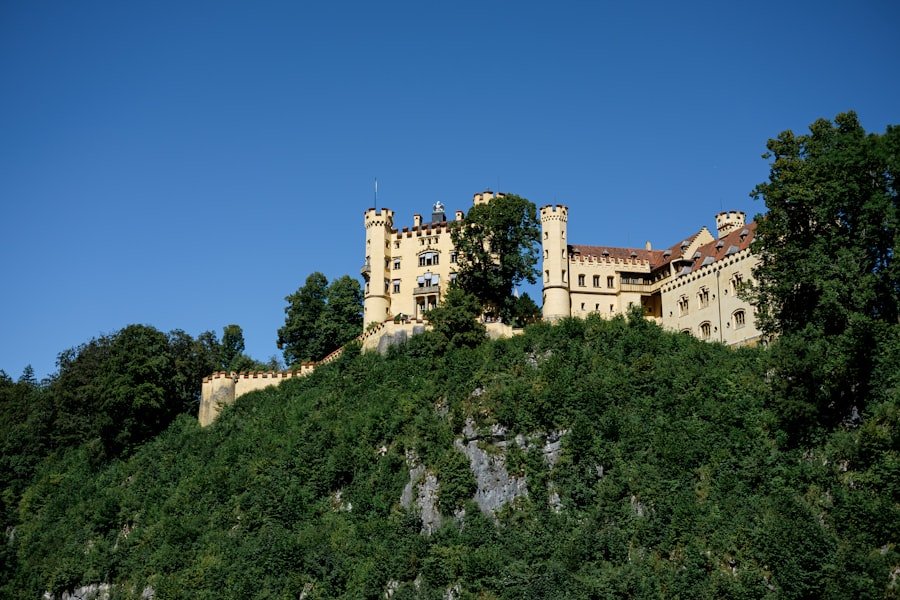
The fortress is also used for exhibitions, cultural events, family activities, educational programs, and guided visits. Because the program changes throughout the year, it is better to rely on specific published events instead of assuming that workshops or demonstrations take place every day.
For 2026, the official program includes scheduled guided visits of Bellinzona’s historic centre and Castel Grande. The regular Saturday tour is listed at 11:00 on applicable dates through the season and costs CHF 13 per person. Special tours and dramatized experiences operate on selected dates rather than continuously throughout the day.
Visitors who prefer independent exploration can also use official digital material. Bellinzona e Valli Tourism provides an audio itinerary about the fortress, while the Archaeologia Montebello exhibition offers a downloadable multilingual guide for smartphones.
For current programs and booking details, use the Fortezza Bellinzona events and activities listings.
Dining and Accommodation Near the Bellinzona Castles
You do not have to leave the fortress area immediately when it is time for a meal. Castel Grande has dining facilities associated with Ristorante Castelgrande and Grotto San Michele, while Sasso Corbaro has Osteria Sasso Corbaro. Restaurant schedules can differ from castle admission hours, so restaurant opening times should be treated separately from fortress opening hours.
Bellinzona’s historic centre also has restaurants and cafés within easy reach of Castel Grande. Ticino cuisine commonly features dishes such as risotto, polenta, regional cheeses, cured meats, and local Merlot, making the old town a convenient place to combine sightseeing with a meal.
For an overnight stay, central Bellinzona is the most practical base if the castles are your priority. Staying near the railway station or historic centre keeps Castel Grande close and gives you easy access to bus line 4 for Montebello and Sasso Corbaro.
For a separate home-cooking idea, this site also has a Delicious Homemade Cottage Cheese: A Simple and Healthy Recipe. Cottage cheese is not a Bellinzona castle specialty, so this recipe should be viewed as a separate cooking resource rather than part of the local fortress experience.
Tips for Planning a Trip to the Bellinzona Castles
A little planning makes a large difference because the three castles sit at different elevations and offer different museums and attractions.
- Wear supportive walking shoes. Historic stone surfaces, stairs, slopes, and uphill paths are common.
- Use the Castel Grande lift when useful. It provides an easier approach from the old town, although individual towers and historical areas can still involve steps.
- Use bus line 4 to reduce climbing. It is particularly useful for Montebello and Sasso Corbaro.
- Consider the Fortezza Pass if entering all three castles. At 2026 adult prices, buying the CHF 28 combined pass costs less than three separate adult tickets totaling CHF 40.
- Check the season. Montebello and Sasso Corbaro do not maintain the same full interior access during the published winter period.
- Allow extra time for museums. Archaeology and history enthusiasts can easily spend longer than visitors interested mainly in viewpoints.
- Carry water in hot weather. The climbs to the upper castles can feel significantly harder during warm summer afternoons.
- Check the official event calendar. Temporary exhibitions, tours, festivals, and other programs vary by date.
Warning: Do not assume that the walking route is level simply because the castles appear close together on a map. Montebello and especially Sasso Corbaro sit well above the town, and the route includes meaningful elevation gain.
In summary, the Bellinzona Castles offer far more than three isolated medieval buildings. The real value lies in seeing how Castel Grande, Montebello, Sasso Corbaro, the Murata, and the town walls worked together as a defensive system. Combining that history with the museums, viewpoints, old town, and practical transport options makes Bellinzona an easy destination to adapt to either a short stop or a full day.
Frequently Asked Questions
What are the Bellinzona Castles?
The three castles are Castel Grande, Montebello, and Sasso Corbaro in Bellinzona, Ticino. Together with the fortified town walls and Murata, they form the UNESCO-listed Fortress of Bellinzona.
What is the history of the Bellinzona Castles?
The Castel Grande hill was occupied long before the Middle Ages, while the fortress visible today mainly developed between the 13th and 15th centuries. Milanese rulers, the Rusca family, the Visconti, and the Sforza all influenced the defenses. Bellinzona came under Swiss Confederate sovereignty in 1500.
What can visitors see inside the Bellinzona Castles?
Highlights include fortified walls, towers, courtyards, viewpoints, the Castel Grande Museum, Archaeologia Montebello, museum and exhibition spaces at Sasso Corbaro, and sections of the wider defensive system.
How can visitors access the Bellinzona Castles?
Castel Grande is close to Bellinzona station and can be reached on foot or by lift from Piazzetta della Valle. Montebello and Sasso Corbaro can be reached on foot or by bus line 4. Parking is available near central Bellinzona and near the upper castles.
How much does it cost to visit all three Bellinzona Castles in 2026?
During the 2026 main season, the adult Fortezza Pass costs CHF 28. The published reduced price is CHF 18. Family passes are CHF 70 for two adults with up to three children and CHF 54 for one adult with up to three children.
Can you visit the Bellinzona Castles in winter?
Yes, but access is more limited. From November 9, 2026 through March 18, 2027, Castel Grande remains fully open on the published winter schedule. Montebello and Sasso Corbaro are limited to their inner and outer courtyards during that period.
Can you walk between all three Bellinzona Castles?
Yes. The castles can be connected on foot, but the route climbs uphill. Montebello is about a 10-minute walk from Piazza Collegiata with roughly 80 metres of elevation gain, while the walk from Montebello to Sasso Corbaro takes about 30 minutes and adds roughly 150 metres.
Are guided tours available at the Bellinzona Castles?
Yes. Scheduled and personalized guided tours are available, but they operate at set times and dates rather than continuously throughout the day. In 2026, a regular town-and-Castel Grande tour is listed for applicable Saturdays, while special themed tours run on selected dates.
Sources
- UNESCO World Heritage Centre: Three Castles, Defensive Wall and Ramparts of the Market-Town of Bellinzona — UNESCO status, property scope, and heritage significance.
- Fortezza Bellinzona: Visit — 2026 opening hours, admission prices, transportation, walking routes, parking, and seasonal access.
- Fortezza Bellinzona: Castel Grande — Castel Grande history and architectural features.
- Bellinzona e Valli Tourism: Castle of Montebello — Montebello history, visitor features, playground, and opening information.
- Fortezza Bellinzona: Sasso Corbaro — 1479 construction history and verified castle features.
- Fortezza Bellinzona: Guided Tour of Bellinzona and Castel Grande — 2026 guided-tour schedule and pricing.